Meta Description: A comprehensive guide to Monel alloys—including Monel 400, Monel K-500, and Monel metal. Discover their properties, applications, and why Inconel often provides superior performance for extreme environments. Perfect for engineers, procurement specialists, and industry professionals.
1. Introduction: What is Monel?
In the world of high-performance nickel alloys, few names carry as much recognition and historical significance as Monel. With a search volume of 19.7K monthly searches and a notable +17% upward trend, “Monel” is more than just a material—it’s a cornerstone of corrosion-resistant engineering. First developed in the early 20th century by the International Nickel Company, Monel refers to a series of nickel-copper alloys renowned for their exceptional resistance to corrosion, particularly in harsh marine and chemical environments.
As a leading Inconel manufacturer, we understand that material selection is a critical decision that impacts safety, cost, and longevity. While Monel alloys serve brilliantly in many applications, there are frontiers of extreme temperature, pressure, and corrosion where the Inconel family of superalloys offers unmatched performance. This guide will delve deep into the Monel family—covering Monel 400 (Alloy 400), Monel K-500, and related terms like monel metal and monel material—while providing a clear, expert comparison to Inconel solutions. Our goal is to equip you with the knowledge to make the best choice for your project.
2. The Monel Alloy Family: An In-Depth Look
The Monel family comprises several grades, each tailored for specific challenges. Let’s explore the two most prominent members and their general forms.
2.1 Monel 400: The Workhorse Alloy
Monel 400, also standardized as Alloy 400 or UNS N04400, is the most widely used grade. It is a solid-solution, single-phase alloy with approximately 67% nickel and 23% copper, with small amounts of iron and manganese.
Key Properties:
-
Excellent Corrosion Resistance: Its primary virtue. It resists seawater, salt solutions, sulfuric and hydrochloric acids, and alkaline solutions far better than most steels or even stainless steels.
-
Good Strength & Toughness: Maintains mechanical properties from sub-zero temperatures up to about 480°C (900°F).
-
Ease of Fabrication: Can be readily welded, brazed, and machined with standard techniques.
Common Applications:
-
Marine engineering: propeller shafts, pump shafts, seawater valves, and fasteners.
-
Chemical and hydrocarbon processing equipment: heat exchangers, process vessels, and piping.
-
Feedwater heaters and boiler components in power plants.
Keyword Insight: The term “monel alloy 400” sees significant search interest (3.2K monthly searches), often paired with “monel 400 material” as users seek specific data sheets and property information. The higher Cost-Per-Click (CPC) of $1.77 for these terms indicates strong commercial intent, valuable for manufacturers and suppliers.
2.2 Monel K-500: The Age-Hardenable Upgrade
Monel K-500 (UNS N05500), often called K-Monel, builds upon the base of Monel 400 by adding about 3% aluminum and 0.5% titanium. These additions allow the alloy to be strengthened by a precipitation-hardening heat treatment.
Key Advantages over Monel 400:
-
Higher Strength & Hardness: Delivers significantly greater yield and tensile strength while retaining good ductility.
-
Improved Wear Resistance: Better performance in bearing and valve applications.
-
Retained Corrosion Resistance: Maintains the excellent aqueous corrosion resistance of Monel 400.
Typical Uses:
-
Oil & gas drill collars and instrumentation housings.
-
High-strength fasteners, bolts, and springs for marine use.
-
Pump shafts and impellers in demanding service.
2.3 Understanding the Broader Terminology
Searches for monel metal and monel alloy often represent users in the early research phase, looking for a general introduction. Monel material is a frequently used query (19.7K searches, CPC $0.64) by engineers and designers sourcing materials for CAD libraries or initial specifications. It’s crucial to address these broad terms to capture top-of-funnel traffic.
3. Key Properties and Industrial Applications of Monel Alloys
Monel’s dominance in specific sectors stems from a unique combination of properties.
1. Unrivaled Marine Corrosion Resistance: Monel alloys are virtually immune to chloride-ion stress-corrosion cracking and exhibit very low corrosion rates in flowing seawater, making them ideal for shipbuilding, offshore platforms, and desalination plants.
2. Resistance to Acids and Alkalis: They perform well in reducing environments like sulfuric and hydrochloric acids, as well as in alkaline solutions, outperforming many stainless steels.
3. Mechanical Performance Across Temperatures: They maintain useful strength from cryogenic temperatures up to about 538°C (1000°F), though oxidation resistance becomes a limiting factor at higher temperatures.
4. Industry-Specific Applications:
-
Marine: Propeller shafts, seawater pump impellers, valve trim, mooring cables.
-
Chemical Processing: Reactors, distillation columns, piping handling halogen gases and acids.
-
Oil & Gas: Wellhead components, scrubbers, piping in sour gas service.
-
Power Generation: Feedwater heater tubes, boiler trim.
4. Monel vs. Inconel: A Manufacturer’s Comparative Analysis
This is the core of the value we provide as an Inconel manufacturer. While Monel excels in aqueous corrosion, Inconel superalloys are engineered for the most extreme conditions on Earth and beyond.
4.1 The Fundamental Difference: Chromium Content
The most significant compositional difference is chromium. Monel contains little to no chromium, while Inconel alloys (like 600, 625, 718) contain 15-23% chromium. This chromium forms a tenacious, self-repairing chromium oxide layer that provides outstanding high-temperature oxidation and corrosion resistance.
4.2 Head-to-Head Comparisons
Monel 400 vs. Inconel 600:
-
Temperature: Inconel 600 retains strength and resists oxidation up to 1175°C (2150°F). Monel 400 is limited to ~480°C (900°F) before significant scaling occurs.
-
Environment: Monel 400 is superior in reducing acids and seawater under stagnant conditions. Inconel 600 is better in oxidizing atmospheres, hot alkalis, and chlorinated solvents.
-
Best For: Monel 400 for seawater pumps. Inconel 600 for furnace components, thermal processing equipment, and nuclear reactor internals.
Monel K-500 vs. Inconel 625:
-
Strength: Both are high-strength alloys. Precipitation-hardened Monel K-500 offers excellent room-temperature strength. Inconel 625, strengthened by niobium and molybdenum, maintains its superior strength at high temperatures and offers exceptional fatigue resistance.
-
Corrosion: Inconel 625 has vastly superior pitting and crevice corrosion resistance in chloride environments and is virtually immune to chloride stress corrosion cracking.
-
Best For: Monel K-500 for high-strength marine fasteners. Inconel 625 for aerospace engine components, chemical plant hot sections, and seawater applications where pitting is a primary concern.
When to Choose Monel:
-
Applications primarily involving cold or moderately warm seawater, hydrofluoric acid, or sulfuric acid.
-
Where cost is a significant factor and the high-temperature capability of Inconel is not required.
-
For components requiring excellent machinability and fabrication from a nickel-copper alloy.
When to Choose Inconel:
-
Any application involving sustained temperatures above 540°C (1000°F).
-
Environments with mixed oxidizers and chlorides, or high-temperature sulfidation.
-
Critical aerospace, gas turbine, and nuclear applications where material failure is not an option.
-
Where maximum resistance to pitting, crevice corrosion, and stress corrosion cracking in chlorides is required.
5. SEO and Keyword Insights for Material Selection
In today’s digital landscape, understanding search behavior is part of technical due diligence. Here’s a breakdown of what the data tells us:
-
Trend & Search Volume: The +17% trend for “monel” indicates growing interest or new applications driving research. High-volume terms (19.7K) like “monel material” represent foundational research, while specific terms like “monel 400” (3.2K) signal deeper technical evaluation.
-
CPC & PPC Implications: The higher CPC for specific alloy terms ($1.77 for monel 400 variants vs. $0.64 for monel material) reflects their higher commercial value. Businesses are willing to pay more for clicks from users searching for exact grades, as these users are likely further down the purchasing funnel.
-
Keyword Difficulty (KD): A high KD for terms like “monel alloy 400” suggests strong competition in search results, often from established material suppliers and distributors. Providing comprehensive, authoritative content (like this guide) is key to earning organic visibility.
6. Why Partner with an Inconel Manufacturer for Your Alloy Needs?
Choosing a material is only half the battle; sourcing it from a qualified manufacturer is the other. As a specialized Inconel manufacturer, we offer more than just metal:
-
Technical Expertise: We provide guidance not just on Inconel, but on the entire spectrum of nickel alloys, helping you select the optimal grade—be it Monel, Inconel, or another—for your specific operating environment.
-
Manufacturing Precision: We produce Inconel in various forms (bar, wire, sheet, plate, custom forgings) with strict adherence to ASTM, ASME, and MIL specifications, ensuring traceability and quality.
-
Value Beyond Price: While initial cost is a factor, the total lifecycle cost—considering maintenance, downtime, and replacement—often makes Inconel the more economical choice for extreme service. We help you build this business case.
Call to Action: Facing a challenging environment involving heat, pressure, and corrosion? Contact our engineering team today for a confidential consultation. Let us help you determine whether a Monel alloy or a high-performance Inconel superalloy is the right solution for your next project.
7. Frequently Asked Questions (FAQ)
Q1: What is Monel metal most commonly used for?
A1: Its most iconic use is in marine applications due to its superb resistance to seawater corrosion. It’s found in propeller shafts, pumps, valves, and fasteners on ships and offshore platforms.
Q2: What is the main difference between Monel 400 and Monel K500?
A2: Monel K-500 is a precipitation-hardenable version of Monel 400. It contains aluminum and titanium, allowing it to be heat-treated to achieve significantly higher strength and hardness while maintaining good corrosion resistance.
Q3: Is Inconel more expensive than Monel?
A3: Typically, yes. Inconel alloys generally have a higher initial material cost due to their more complex chemistry (higher chromium, addition of elements like molybdenum and niobium) and more demanding melting and processing requirements. However, for high-temperature or severely corrosive applications, Inconel’s longevity and performance can lead to a lower total cost of ownership.
Q4: Can you supply Monel alloy 400?
A4: While our core specialization is in manufacturing Inconel and other nickel-chromium superalloys, we work with a network of trusted partners for alloys like Monel 400. Our primary value is in providing unbiased technical guidance to ensure you get the right material. We are happy to discuss your requirements.
Q5: What makes Inconel better for high temperatures?
A5: The high chromium content in Inconel forms a stable, protective oxide scale that resists spalling and continues to protect the base metal at temperatures where most other alloys, including Monel, would rapidly oxidize and degrade.
8. Conclusion
Monel alloys, particularly Monel 400 and Monel K-500, remain vital engineering materials for combating corrosion, especially in marine and specific chemical environments. Understanding their properties—search trends, commercial metrics like CPC, and technical specifications—is essential for informed sourcing.
However, when applications push into the realms of extreme heat, severe oxidation, or complex corrosive media, the Inconel family of superalloys stands alone. The choice between Monel and Inconel isn’t about which is better in a general sense, but about which is perfectly suited to your specific operational hellscape.
As a dedicated Inconel manufacturer, our mission is to provide not only the highest quality materials but also the expertise to navigate these critical decisions. We invite you to leverage our knowledge to ensure the integrity, safety, and success of your most demanding projects.
Ready to specify the right alloy? Download our comprehensive Nickel Alloy Selection Guide or request a quote for your specific application.
Contact us today for a competitive quote and technical support!
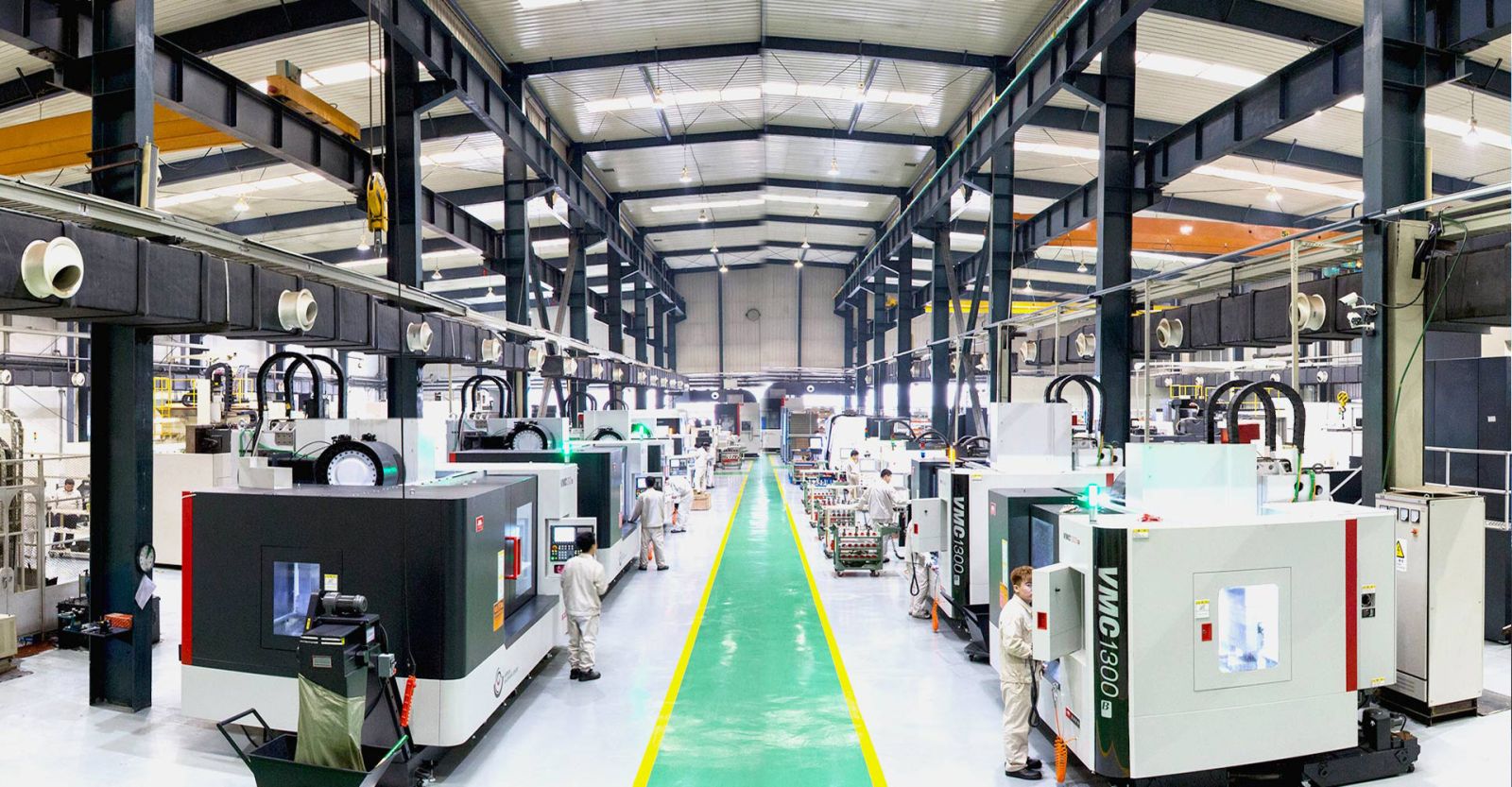
Let Yichou help you achieve excellence in your next project. Whether you need raw materials, custom alloy solutions, or precision-manufactured components, our team is ready to assist.
- Email us: [email protected]
- Call us/whatsapp: +86 13355741031
- Chat with us: Live chat support available on our website