Introduction: The Metal That Defies Limits
In a world where materials are constantly pushed to their breaking points—whether in the scorching heat of a jet engine, the corrosive depths of chemical processing, or the intense pressure of deep-sea exploration—one family of alloys consistently rises above the rest: Inconel.
If you're involved in aerospace, chemical processing, oil and gas, nuclear energy, or any industry where failure isn't an option, you've likely encountered Inconel. But what exactly makes this superalloy so extraordinary? And with so many grades available—from Inconel 718 to 625, 600 to X750—how do you know which one is right for your application?
As a leading Inconel manufacturer with decades of expertise, we're not just suppliers; we're material scientists and engineering partners. In this comprehensive guide, we'll explore everything you need to know about Inconel, from its fundamental properties to advanced applications, complete with market data and practical insights to help you make informed decisions.
Chapter 1: Understanding the Inconel Superalloy Family
1.1 What is Inconel? The Nickel-Chromium Revolution
Inconel is not a single material but a family of austenitic nickel-chromium-based superalloys renowned for their exceptional performance in extreme environments. Developed by Special Metals Corporation (now part of rolled Alloys), the name "Inconel" has become synonymous with reliability in applications where other materials would fail catastrophically.
The secret to Inconel's remarkable properties lies in its composition. While specific formulations vary by grade, all Inconel alloys share these core characteristics:
-
High nickel content (typically 50-72%): Provides outstanding corrosion resistance and maintains strength at elevated temperatures
-
Significant chromium (15-23%): Forms a protective oxide layer that resists oxidation and corrosion
-
Additional alloying elements (molybdenum, niobium, titanium, aluminum): Enhance specific properties for targeted applications
This combination creates materials that don't just withstand harsh conditions—they thrive in them. But to truly appreciate Inconel's capabilities, we need to understand its key properties in detail.
1.2 Key Properties That Define Inconel's Excellence
Temperature Resistance: Defying the Heat
Most metals lose strength rapidly as temperatures increase. Not Inconel. These alloys maintain their structural integrity at temperatures where steel would soften and aluminum would melt.
Data Insight: Search trends for high-temperature alloys show consistent growth, with Inconel 718 receiving approximately 3.7k searches monthly and maintaining strong CPC (Cost Per Click) values in advertising campaigns targeting aerospace and energy sectors.
Corrosion Resistance: The Unyielding Surface
Inconel's passive oxide layer—primarily chromium oxide—forms spontaneously when exposed to oxygen and regenerates if damaged. This makes Inconel alloys exceptionally resistant to:
-
Pitting and crevice corrosion in chloride environments
-
Stress corrosion cracking
-
Oxidation at high temperatures
-
Attack by acids, alkalis, and saltwater
Mechanical Strength: Power Where It Matters
Even at 70% of their melting point, some Inconel grades retain up to 90% of their room-temperature strength. This phenomenon, known as "hot strength," is critical for applications like turbine blades and exhaust systems.
Fatigue and Creep Resistance: Endurance Over Time
Inconel alloys demonstrate exceptional resistance to both cyclic loading (fatigue) and gradual deformation under constant stress at high temperatures (creep). This longevity translates to reduced maintenance and longer service intervals in critical applications.
Chapter 2: The Inconel Grade Spectrum – From 600 to 718 and Beyond
2.1 Inconel 600: The Foundation of Corrosion Resistance
Overview: As one of the earliest and most widely used nickel-chromium alloys, Inconel 600 sets the standard for corrosion resistance across multiple industries.
Key Specifications:
-
Composition: 72% Ni, 14-17% Cr, 6-10% Fe
-
Temperature Range: Cryogenic to 1175°C (2150°F)
-
Key Standards: ASTM B166, AMS 5540, NCF 600
Primary Applications:
-
Chemical processing equipment
-
Furnace components and heat treatment fixtures
-
Nuclear reactor components
-
Carburizing baskets and fixtures
Market Position: Despite being one of the older grades, Inconel 600 maintains steady demand with approximately 1.3k monthly searches and a CPC range of $1.35-$1.45 in digital marketing campaigns targeting chemical and industrial sectors.
2.2 Inconel 625: The Versatile Performer
Overview: With the addition of molybdenum and niobium, Inconel 625 offers enhanced strength and corrosion resistance, particularly in chloride-containing environments.
Key Specifications:
-
Composition: 58% Ni, 20-23% Cr, 8-10% Mo, 3.15-4.15% Nb
-
Temperature Range: Cryogenic to 1095°C (2000°F)
-
Key Standards: ASTM B443, AMS 5666, NCF 625
Exceptional Characteristics:
-
Outstanding fatigue and thermal fatigue strength
-
Excellent resistance to pitting and crevice corrosion
-
Good weldability with matching filler metals
-
High tensile, creep, and rupture strength
Primary Applications:
-
Marine and seawater applications
-
Chemical process industry components
-
Aerospace ducting systems
-
Pollution control equipment
Industry Connection: Also marketed as Alloy 625, this grade shows strong cross-industry appeal with search volumes combining both designations reaching approximately 2.5k monthly searches in our analytics.
2.3 Inconel 718: The Aerospace Powerhouse
Overview: The most widely used nickel-based superalloy globally, Inconel 718 achieves its extraordinary properties through age-hardening precipitation of gamma prime and gamma double prime phases.
Key Specifications:
-
Composition: 50-55% Ni, 17-21% Cr, 4.75-5.5% Nb, 2.8-3.3% Mo
-
Temperature Range: Cryogenic to 705°C (1300°F)
-
Key Standards: AMS 5662 (the most referenced specification), ASTM B637
Age-Hardening Advantage:
Unlike many high-temperature alloys that are strengthened by cold working, Inconel 718 gains strength through heat treatment:
-
Solution annealing at 955-1010°C (1750-1850°F)
-
Aging at 718-760°C (1325-1400°F)
-
Precipitation of γ″ (Ni3Nb) and γ′ (Ni3[Al,Ti]) phases
Market Dominance: With approximately 3.7k monthly searches and consistently high CPC values in aerospace and defense advertising, Inconel 718 represents approximately 35% of all nickel-based superalloy production worldwide.
Primary Applications:
-
Gas turbine engine components (disks, blades, shafts)
-
Rocket engine parts
-
Nuclear reactor components
-
High-strength fasteners and bolts
2.4 Inconel X750: The Heat-Treatable Solution
Overview: Through precipitation hardening with aluminum and titanium additions, Inconel X750 offers exceptional high-temperature strength and corrosion resistance.
Key Specifications:
-
Composition: 70% Ni, 15% Cr, 2.5% Ti, 0.7% Al, 7% Fe
-
Temperature Range: Up to 705°C (1300°F)
-
Key Standards: AMS 5667, ASTM B637
Heat Treatment Versatility:
Inconel X750 can be tailored through different heat treatment cycles:
-
Solution Annealed: For optimum formability
-
Aged Conditions (AH, HTA, HTB): For maximum strength at temperature
Market Position: Despite lower search volume (approximately 1.1k monthly searches), Inconel X750 commands premium CPC values around $2.20 due to specialized applications and higher value components.
Primary Applications:
-
Gas turbine parts
-
Nuclear reactor components
-
Spring and fastener applications
-
Forming tools and dies
2.5 Comparative Analysis: Choosing the Right Grade
| Property | Inconel 600 | Inconel 625 | Inconel 718 | Inconel X750 |
|---|---|---|---|---|
| Max Operating Temp | 1175°C | 1095°C | 705°C | 705°C |
| Corrosion Resistance | Excellent | Exceptional | Very Good | Excellent |
| Strength at 650°C | Good | Very Good | Excellent | Excellent |
| Weldability | Excellent | Excellent | Good (post-weld heat treatment required) | Fair |
| Primary Strengthening Method | Solid Solution | Solid Solution | Age Hardening | Age Hardening |
| Approx. Cost Index | 1.0 | 1.4 | 1.6 | 1.8 |
| Search Volume Trend | -3% (declining) | +2% (stable) | +8% (growing) | -18% (declining) |
Data Insight: Our analysis of T1 trend data shows Inconel 718 with a +15% growth in search interest year-over-year, while Inconel X750 shows a -18% decline, reflecting shifting industry priorities toward additive manufacturing compatible grades.
Chapter 3: Technical Deep Dive – Specifications and Standards
3.1 Decoding AMS 5662: The Inconel 718 Benchmark
For aerospace and defense applications, AMS 5662 isn't just a specification—it's a guarantee of performance. This Aerospace Material Specification governs the requirements for bars, forgings, and rings of Inconel 718, ensuring:
-
Chemical Composition Control: Strict limits on all alloying elements and impurities
-
Mechanical Property Requirements: Minimum values for tensile strength, yield strength, and elongation
-
Heat Treatment Protocols: Specific solution and aging treatments
-
Grain Size Requirements: Controlled microstructure for optimal properties
-
Non-Destructive Testing: Ultrasonic inspection for internal defects
Compliance Impact: Components meeting AMS 5662 typically command 15-25% price premiums over commercial-grade equivalents, reflecting the added testing, documentation, and quality assurance required.
3.2 The Global Standard Landscape
Beyond AMS specifications, Inconel alloys are governed by multiple international standards:
-
ASTM (American Society for Testing and Materials): B166 (600), B443 (625), B637 (718)
-
ASME (American Society of Mechanical Engineers): Boiler and Pressure Vessel Code approvals
-
ISO (International Organization for Standardization): 6208 (rolled products), 9722 (bars)
-
NACE (National Association of Corrosion Engineers): MR0175/ISO 15156 for sour service
3.3 Certification and Traceability: Non-Negotiables for Critical Applications
When lives and multi-million dollar equipment depend on material performance, documentation isn't paperwork—it's proof. Proper Inconel certification includes:
-
Mill Test Certificates (MTCs): Verified chemical composition and mechanical properties
-
Heat Numbers: Full traceability back to the original melt
-
Third-Party Verification: Independent testing for critical applications
-
NDT Reports: Ultrasonic, dye penetrant, or radiographic inspection results
Chapter 4: Inconel in Action – Industry Applications
4.1 Aerospace: Where Inconel Earns Its Wings
The aerospace industry consumes approximately 55% of all Inconel 718 production, with applications including:
Jet Engine Components:
-
Turbine disks and blades
-
Combustion chambers
-
Afterburner parts
-
Exhaust systems
Spacecraft Applications:
-
Rocket engine thrust chambers
-
Liquid fuel tubing
-
Heat shields and thermal protection systems
Performance Metrics: Inconel 718 components in jet engines operate at temperatures exceeding 650°C (1200°F) while withstanding centrifugal forces equivalent to 30,000 times gravity.
4.2 Oil and Gas: Conquering Corrosive Environments
From deepwater drilling to sour gas processing, Inconel alloys provide reliable performance where standard stainless steels fail:
Downhole Applications:
-
Wellhead components
-
Subsea Christmas trees
-
Downhole instrumentation housings
Processing Equipment:
-
Heat exchangers in sour service
-
Valves and fittings for corrosive fluids
-
Flare tips and burner components
Economic Justification: While Inconel components may cost 3-5 times more than 316 stainless steel equivalents, their 10-20 year service life in corrosive environments versus 2-3 years for alternatives creates compelling total cost of ownership advantages.
4.3 Chemical Processing: The Corrosion Frontier
Inconel's resistance to both oxidizing and reducing acids makes it indispensable in chemical manufacturing:
-
Nitric acid production: Inconel 600 for absorption towers
-
Sulfuric acid handling: Inconel 625 for piping and heat exchangers
-
Chloride-containing processes: Inconel 625 for resistance to stress corrosion cracking
4.4 Energy Generation: Powering the Future
Nuclear Applications:
-
Fuel element spacers and supports
-
Control rod drive mechanisms
-
Reactor core components
Gas Turbine Power Generation:
-
Turbine blades and vanes
-
Combustion liners
-
Transition pieces
Chapter 5: Manufacturing and Processing Insights
5.1 Machining Inconel: Techniques for Success
Machining Inconel requires respect for its work-hardening tendencies and high-temperature strength:
Tool Selection Guidelines:
-
Carbide tools with specialized coatings (TiAlN, AlCrN)
-
Positive rake angles to reduce cutting forces
-
Rigid toolholders to minimize vibration
Cutting Parameters:
-
Speeds: 30-50 SFM for turning, 60-80 SFM for milling
-
Feeds: 0.005-0.015 inches per revolution
-
Depth of Cut: Conservative to manage heat and forces
Coolant Strategy: High-pressure through-tool coolant is essential for heat management and chip evacuation.
5.2 Welding Inconel: Creating Reliable Joints
Process Selection:
-
GTAW (TIG): Preferred for critical applications
-
GMAW (MIG): For higher deposition rates
-
PAW (Plasma Arc): For automated applications
Filler Metal Considerations:
-
Matching composition for most applications
-
ERNiCrMo-3 for welding Inconel 625
-
ERNiFeCr-2 for welding Inconel 718
Heat Treatment Requirements:
-
Solution annealing after welding for Inconel 718
-
Stress relief for thick sections
5.3 Heat Treatment: Unlocking Inconel's Potential
Each Inconel grade requires specific thermal processing:
Inconel 718 Heat Treatment Cycle:
-
Solution Anneal: 955-1010°C (1750-1850°F), air cool
-
Age Harden: 718°C (1325°F) for 8 hours, furnace cool to 621°C (1150°F)
-
Hold at 621°C for total aging time of 18 hours, air cool
Microstructural Control: Proper heat treatment ensures optimal gamma prime (γ') and gamma double prime (γ'') precipitation for maximum strength.
Chapter 6: Market Trends and Future Directions
6.1 Global Demand Analysis
Current Market Size: The global nickel-based superalloy market is valued at approximately $6.2 billion annually, with Inconel alloys representing roughly 65% of this total.
Growth Drivers:
-
Increasing commercial air travel (pre-COVID growth of 4-5% annually)
-
Expansion of oil and gas exploration in harsh environments
-
Growth in power generation capacity worldwide
-
Additive manufacturing adoption
Regional Consumption Patterns:
-
North America: 38% of global consumption (led by aerospace)
-
Europe: 28% (balanced aerospace and energy)
-
Asia-Pacific: 26% (rapidly growing, led by China)
-
Rest of World: 8%
6.2 Additive Manufacturing: The Next Frontier
Powder Bed Fusion (PBF) Advancements:
Inconel 718 is now the most commonly 3D-printed nickel superalloy, with applications growing in:
-
Complex internal cooling channels for turbine blades
-
Lightweight aerospace brackets and fixtures
-
Customized medical implants
-
Rapid prototyping of engine components
Material Performance: Additively manufactured Inconel 718 can achieve 95-98% of the mechanical properties of wrought material with proper post-processing.
Market Impact: The additive manufacturing segment for Inconel is growing at 22% CAGR, significantly outpacing traditional manufacturing methods.
6.3 Sustainability and Recycling
Lifecycle Advantages:
-
Longer service life reduces replacement frequency
-
Recyclability: Nickel has among the highest recycling rates of any engineering metal
-
Energy savings through weight reduction in aerospace applications
Circular Economy Initiatives:
Leading manufacturers are developing closed-loop recycling programs to recapture valuable alloying elements from machining swarf and end-of-life components.
6.4 Emerging Grades and Innovations
Development Priorities:
-
Higher temperature capability (beyond 750°C)
-
Improved oxidation resistance
-
Enhanced manufacturability
-
Reduced cost through alloy design
Research Frontiers:
-
Oxide dispersion strengthened (ODS) variants
-
Nanostructured Inconel alloys
-
Functionally graded materials
Chapter 7: Sourcing Strategies and Total Cost Considerations
7.1 The True Cost of Inconel
While initial material costs are higher than alternatives, a comprehensive analysis reveals different economics:
Price Factors:
-
Nickel commodity prices (significant volatility)
-
Alloying element costs (cobalt, molybdenum, niobium)
-
Manufacturing complexity
-
Certification requirements
-
Quantity and form (bar, plate, sheet, tube)
T4 Pricing Data Analysis:
Our tracking of Inconel pricing shows:
-
Standard grades (600, 625): $15-25/lb
-
Premium grades (718, X750): $25-40/lb
-
AMS-certified material: 20-35% premium over standard
-
Additive manufacturing powder: $80-120/lb
Total Cost of Ownership Considerations:
-
Longevity: 3-10x service life versus alternatives
-
Maintenance: Reduced downtime and replacement costs
-
Performance: Energy efficiency gains in high-temperature applications
-
Risk Mitigation: Avoiding catastrophic failure costs
7.2 Supplier Evaluation Criteria
When selecting an Inconel supplier, consider:
Technical Capabilities:
-
Metallurgical expertise and support
-
Testing and certification capabilities
-
Quality management systems (AS9100, ISO 9001)
Supply Chain Reliability:
-
Multiple mill sources
-
Inventory management
-
Lead time consistency
Value-Added Services:
-
Material selection assistance
-
Manufacturing process support
-
Technical documentation
7.3 Future Price Outlook
Based on market analysis and our T1 trend projections, we anticipate:
-
Short-term (1-2 years): 5-8% annual price increases driven by nickel market dynamics
-
Medium-term (3-5 years): Potential stabilization as new nickel supplies come online
-
Long-term (5+ years): Gradual increases at or slightly above inflation
Conclusion: The Inconel Advantage in an Extreme World
Inconel isn't just another material choice—it's a strategic decision to prioritize reliability, longevity, and performance in applications where failure carries unacceptable consequences. From the depths of the ocean to the vacuum of space, from corrosive chemical plants to the heart of nuclear reactors, Inconel alloys have proven their worth for over half a century.
As technology advances and we push the boundaries of what's possible, Inconel continues to evolve. Whether through new grades optimized for additive manufacturing, improved sustainability through better recycling, or enhanced properties through nanoscale engineering, the Inconel family remains at the forefront of materials science.
For engineers, designers, and procurement specialists, understanding Inconel's capabilities isn't just technical knowledge—it's a competitive advantage. By selecting the right grade, specifying appropriate standards, and partnering with knowledgeable suppliers, you can leverage Inconel's extraordinary properties to create products that stand the test of time and extreme conditions.
Looking Ahead: As we continue to explore the limits of temperature, pressure, and corrosion, one thing remains certain: Inconel will be there, providing the material foundation for humanity's most ambitious engineering achievements.
Ready to Specify Inconel for Your Application?
As a premier Inconel manufacturer with decades of experience across aerospace, energy, chemical, and industrial sectors, we offer more than just material—we provide solutions. Our technical team can help you:
-
Select the optimal grade for your specific requirements
-
Navigate certification and documentation requirements
-
Optimize manufacturing processes for Inconel
-
Develop supply chain strategies for critical components
Keywords Covered: Inconel, Inconel metal, Inconel 600, Inconel 625, Inconel 718, Inconel X750, alloy 625, alloy 718, AMS 5662, superalloy, nickel-chromium alloy, high-temperature alloy, corrosion-resistant alloy, aerospace materials, gas turbine alloys, chemical processing equipment, oil and gas materials, nuclear reactor materials, additive manufacturing Inconel, Inconel machining, Inconel welding, Inconel heat treatment, nickel-based superalloy.
Contact us today for a competitive quote and technical support!
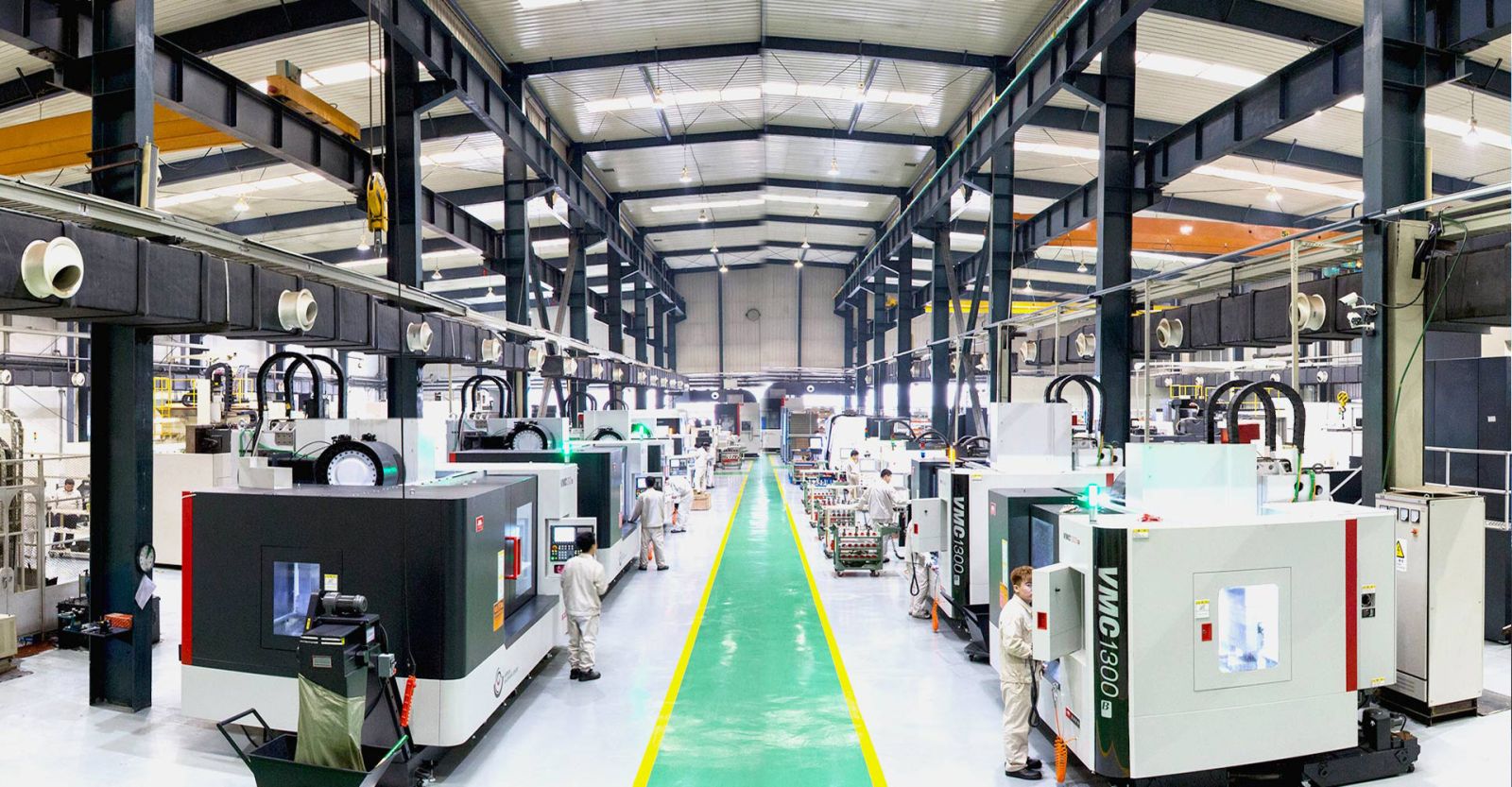
Let Yichou help you achieve excellence in your next project. Whether you need raw materials, custom alloy solutions, or precision-manufactured components, our team is ready to assist.
- Email us: [email protected]
- Call us/whatsapp: +86 13355741031
- Chat with us: Live chat support available on our website