Title: Inconel Casting vs. Forging: Which Process is Right for Your Application?
Meta Description: Explore the critical differences between Inconel casting and forging, their unique benefits, applications, and how to choose the optimal process for your high-performance components. A complete guide from an industry-leading Inconel manufacturer.
Focus Keywords: Inconel casting, Inconel forging, Inconel 718, Inconel 625, investment casting
Introduction: The Critical Role of Manufacturing Methods in High-Performance Alloys
In the demanding world of high-temperature and corrosive environment applications, Inconel® alloys stand as a benchmark for performance and reliability. As a leading Inconel manufacturer, we understand that selecting the right nickel-based superalloy is only half the battle. The manufacturing process—specifically whether to use casting or forging—plays an equally vital role in determining the final component's performance, longevity, and cost-effectiveness.
Whether you're designing turbine blades for aerospace engines, components for chemical processing plants, or critical parts for marine applications, the choice between Inconel casting and Inconel forging carries significant implications. This comprehensive guide will explore both processes in detail, providing engineering teams, procurement specialists, and designers with the insights needed to make informed decisions that optimize both performance and budget.
Understanding Inconel: The Foundation of Performance
Before diving into manufacturing methods, it's essential to understand why Inconel alloys have become the material of choice for extreme environments.
Inconel refers to a family of austenitic nickel-chromium-based superalloys renowned for their exceptional properties:
-
Outstanding oxidation and corrosion resistance at elevated temperatures
-
Excellent mechanical strength across a wide temperature range
-
Superior creep resistance under high stress and temperature
-
Good fatigue and thermal fatigue resistance
-
Retention of properties in cryogenic environments
The most commonly specified grades include:
-
Inconel 718: The most widely used superalloy, known for its high strength to 1300°F (704°C) and excellent weldability
-
Inconel 625: Exceptional fatigue and thermal fatigue strength with superior chloride stress corrosion cracking resistance
-
Inconel 617: Excellent high-temperature strength and oxidation resistance to 1800°F (982°C)
-
Inconel 738: Superior creep rupture strength for high-temperature turbine components
Each grade offers slightly different characteristics that may lend themselves better to either casting or forging processes.
Deep Dive: The Inconel Casting Process
What Is Investment Casting for Inconel?
Investment casting, also known as lost-wax casting, is a precision casting process particularly well-suited for Inconel alloys. The process involves creating a wax pattern of the desired component, building a ceramic shell around it, melting out the wax, and pouring molten Inconel into the resulting cavity.
Key steps in the Inconel investment casting process:
-
Pattern Creation: Wax or 3D-printed patterns are produced in the exact shape of the final part
-
Assembly: Multiple patterns are attached to a central wax sprue to form a casting cluster
-
Shell Building: The assembly is repeatedly dipped in ceramic slurry and stuccoed with refractory materials to build a thick shell
-
Dewaxing: The ceramic shell is heated, causing the wax to melt and drain out
-
Preheating: The shell is fired at high temperatures to develop strength and remove residual wax
-
Pouring: Molten Inconel is poured into the preheated ceramic mold under controlled atmosphere
-
Cooling & Shell Removal: The casting cools before the ceramic shell is broken away
-
Cut-off & Finishing: Parts are separated from the sprue and finished to specifications
Benefits of Inconel Casting
1. Design Complexity and Freedom
Investment casting enables the production of components with intricate geometries, internal passages, and complex contours that would be impossible or prohibitively expensive to machine from solid stock or forge. This is particularly valuable for turbine blades with intricate cooling channels or components with complex organic shapes.
2. Superior Surface Finish
As-cast Inconel components typically require less machining than forged counterparts, saving both material and processing time. Modern investment casting can achieve surface finishes as fine as 125 RMS directly from the mold.
3. Material Efficiency and Cost Savings
Near-net-shape capabilities mean minimal material waste compared to machining from billet. For expensive alloys like Inconel, this represents significant material cost savings, especially for complex geometries.
4. Production Flexibility
Investment casting is suitable for both low-volume prototype production and high-volume manufacturing runs with consistent quality.
5. Mechanical Property Advantages
Directional solidification and single-crystal casting techniques can produce components with optimized grain structures for specific loading conditions, particularly valuable in high-temperature rotating applications.
Common Grades and Applications for Cast Inconel
Cast Inconel 718 remains the workhorse for aerospace applications, particularly for:
-
Turbine engine components (blades, vanes, cases)
-
Rocket engine parts
-
High-temperature fasteners and fittings
-
Nuclear reactor components
Other castable grades include Inconel 625, 713LC, 738, and 939, each selected based on specific temperature, corrosion, and strength requirements.
Deep Dive: The Inconel Forging Process
What Is Forging for Inconel?
Forging is a manufacturing process where Inconel billet is shaped using compressive forces, typically delivered by hammers, presses, or rollers. The process refines the material's grain structure and improves mechanical properties through controlled deformation.
Types of forging processes for Inconel:
-
Open-Die Forging: The workpiece is compressed between flat dies, allowing it to flow freely except where contacted by the dies. Ideal for large, simple shapes.
-
Closed-Die Forging: The workpiece is compressed between two dies containing impressions of the desired shape. This produces more complex geometries with tighter tolerances.
-
Ring Rolling: A specialized process for producing seamless rings used in bearings, flanges, and aerospace components.
-
Isothermal Forging: Performed at a constant temperature close to the workpiece temperature to reduce die chilling and allow for more complex shapes with lower forging pressures.
Benefits of Inconel Forging
1. Superior Mechanical Properties
Forging aligns the grain flow with the component's contours, creating a continuous grain structure that provides superior mechanical properties compared to cast materials. This results in:
-
Higher strength-to-weight ratio
-
Better fatigue resistance
-
Improved impact toughness
-
Enhanced structural integrity
2. Reduced Porosity and Defects
The compressive forces of forging consolidate the material, eliminating internal voids, gas porosity, and shrinkage cavities that can occur in casting.
3. Consistency and Reliability
Forged Inconel components exhibit more predictable and uniform properties throughout the part, critical for safety-critical applications.
4. Cost-Effectiveness for Certain Geometries
For relatively simple shapes requiring high strength, forging followed by precision machining can be more economical than casting, especially in medium to high volumes.
Common Grades and Applications for Forged Inconel
Forged Inconel 718 dominates applications requiring the highest strength and fatigue resistance:
-
Turbine disks and shafts
-
High-strength bolts and fasteners
-
Pressure vessel components
-
Valve bodies and stems in corrosive service
Forged Inconel 625 is preferred for applications requiring excellent corrosion resistance combined with good strength:
-
Marine propeller shafts and components
-
Chemical processing equipment
-
Pollution control system components
-
Nuclear waste processing equipment
Forged Inconel 617 finds application in the highest temperature services:
-
Combustion cans and liners
-
Ducting systems
-
Heat exchangers in advanced energy systems
Comparative Analysis: Casting vs. Forging for Inconel Components
To help visualize the key differences between these manufacturing processes, consider the following comparison:
| Parameter | Inconel Casting | Inconel Forging |
|---|---|---|
| Mechanical Strength | Good, directional properties possible with specialized techniques | Excellent, particularly fatigue and impact strength |
| Design Complexity | Exceptional – complex internal features possible | Limited – simpler geometries generally required |
| Material Utilization | High – near-net-shape capability | Lower – more machining typically required |
| Surface Finish | Good (125-250 RMS typical as-cast) | Rough as-forged, requires machining |
| Production Volume | Suitable for prototypes to high volume | Economical at medium to high volumes |
| Lead Time | Longer due to pattern and mold creation | Shorter for standard shapes |
| Tooling Cost | Higher initial tooling cost | Lower for open-die, higher for complex closed-die |
| Grain Structure | Can be controlled but may show segregation | Refined and directional following part contours |
| Size Limitations | Limited by furnace capacity and handling | Limited by press/hammer capacity |
Strength and Mechanical Properties
Forged Inconel typically exhibits 15-25% higher tensile strength and significantly better fatigue resistance compared to cast equivalents of the same alloy. This advantage stems from the refined, directional grain structure imparted during deformation. However, advanced casting techniques like directional solidification and single-crystal casting can produce components with optimized properties for specific loading conditions, particularly at high temperatures where creep resistance is paramount.
For applications with complex multiaxial stress states, forged materials generally provide more isotropic properties, while cast materials may show directionality in their mechanical characteristics.
Design Flexibility and Complexity
Here, Inconel casting holds a decisive advantage. Investment casting can produce:
-
Complex internal cooling passages in turbine blades
-
Integral mounting features and attachment points
-
Thin-walled sections adjacent to thick sections
-
Organic, aerodynamic shapes with minimal machining
Forged components are generally limited to shapes that can be extracted from dies, requiring more extensive machining to achieve complex features. However, isothermal forging has expanded the complexity possible with forged Inconel components.
Cost Considerations and Production Time
The cost equation between casting and forging depends on several factors:
-
Component complexity: Casting becomes more economical as complexity increases
-
Production volume: Forging typically becomes more cost-effective at higher volumes for simpler shapes
-
Material cost: Casting's near-net-shape advantage reduces expensive Inconel waste
-
Secondary operations: Forged components typically require more machining
Lead times for cast components are generally longer due to pattern and mold creation, while forged components can be produced more quickly once dies are available.
Technical Considerations for Process Selection
Temperature Capabilities
Both cast and forged Inconel components maintain their properties at elevated temperatures, but some differences exist:
-
Cast Inconel 718: Typically used to approximately 1200-1300°F (649-704°C)
-
Forged Inconel 718: Maintains strength to similar temperatures but with better low-cycle fatigue resistance
-
Cast vs. forged high-temperature alloys: For temperatures above 1800°F (982°C), casting is often preferred for complex components, though specialized forging processes exist
Corrosion and Oxidation Resistance
The corrosion resistance of Inconel is largely determined by alloy composition rather than manufacturing method. However, forging may provide slightly better resistance in some environments due to reduced microporosity and more homogeneous microstructure.
Weldability and Repairability
Forged Inconel generally offers better weldability than cast versions of the same alloy due to fewer trace elements that can cause hot cracking. This makes forged components more suitable for fabrications requiring welding or for applications where in-service repair is anticipated.
Case Studies: Real-World Applications
Case Study 1: Aerospace Turbine Blade
Component: High-pressure turbine blade for commercial aircraft engine
Material: Inconel 738
Selected Process: Investment casting with directional solidification
Reasoning: The complex internal cooling channels required to withstand 1500°C+ gas temperatures are only feasible through investment casting. Directional solidification provides optimized creep resistance in the blade's primary stress direction.
Result: Component achieves 25,000+ flight hours with minimal degradation.
Case Study 2: Subsea Wellhead Component
Component: High-strength connector for deepwater applications
Material: Inconel 725
Selected Process: Closed-die forging
Reasoning: The component experiences extreme tensile and fatigue loading in corrosive seawater environment. Forging provides the necessary strength, fatigue resistance, and through-thickness properties.
Result: Component exceeds 30-year design life in 10,000 psi service.
Case Study 3: Chemical Processing Reactor
Component: Agitator shaft for corrosive chemical mixing
Material: Inconel 625
Selected Process: Open-die forging with subsequent machining
Reasoning: The relatively simple geometry combined with need for maximum corrosion resistance and good machinability made forging the optimal choice.
Result: Shaft provides reliable service in highly corrosive environment with minimal maintenance.
How to Choose Between Cast and Forged Inconel: A Decision Framework
As an Inconel manufacturer with expertise in both processes, we recommend the following decision framework:
Step 1: Assess Primary Performance Requirements
-
Strength-dominated applications: Leaning toward forging
-
Complex geometry requirements: Leaning toward casting
-
Extreme temperature applications: Consider specialized casting techniques
-
Fatigue-critical components: Generally prefer forged material
Step 2: Evaluate Manufacturing Constraints
-
Production volume: High volumes may favor forging for simple shapes
-
Lead time requirements: Forging often has shorter lead times
-
Budget constraints: Consider total cost including secondary operations
-
Quality/certification requirements: Both processes can meet stringent specs
Step 3: Consider Lifecycle Factors
-
Inspection and testing requirements
-
Potential for in-service repair
-
Expected service life and maintenance cycles
-
End-of-life considerations
Step 4: Consult with Manufacturing Experts
Early collaboration with experienced Inconel suppliers can identify optimization opportunities that may not be apparent during design. Value engineering sessions often reveal opportunities to simplify designs for forging or enhance performance through specialized casting techniques.
Advanced Manufacturing Developments
Hybrid Approaches
Increasingly, manufacturers are combining processes to optimize component performance:
-
Cast-weld assemblies: Complex cast sections joined to forged high-stress areas
-
Forged preforms for casting: Using forged starting material for critical casting applications
-
Additive manufacturing + forging: 3D-printed preforms subsequently forged for property enhancement
Process Improvements
-
Simulation and modeling: Advanced software predicts grain structure, defects, and residual stresses
-
Process monitoring: Real-time sensor data ensures consistent quality
-
Automation: Reduced variability and improved economics
Quality Assurance and Certification
Whether selecting cast or forged Inconel components, ensure your supplier maintains:
-
Material traceability from melt to final component
-
Comprehensive testing including mechanical, NDT, and metallurgical evaluation
-
Relevant certifications such as AS9100, NADCAP, and customer-specific approvals
-
Process controls documented and regularly audited
Conclusion: Making the Right Choice for Your Application
The decision between Inconel casting and Inconel forging represents a critical juncture in the development of high-performance components. While forging generally provides superior mechanical properties for relatively simple geometries, casting enables the complex designs necessary for today's most advanced applications.
As a premier Inconel manufacturer, we recommend:
-
Start with the application requirements rather than process preferences
-
Engage manufacturing experts early in the design process
-
Consider total lifecycle cost rather than just initial manufacturing expense
-
Validate with prototyping when the optimal process isn't clear
-
Partner with a supplier capable of both processes for unbiased recommendations
The optimal choice balances performance requirements, manufacturing economics, and lifecycle considerations. With proper evaluation and expert guidance, you can select the process that delivers maximum value for your specific application.
Frequently Asked Questions (FAQ)
Q1: What is the fundamental difference between cast and forged Inconel?
A: The fundamental difference lies in how the material is formed. Cast Inconel is poured as molten metal into a mold where it solidifies, while forged Inconel is physically deformed into shape using compressive forces while in a solid state. This results in different microstructures and mechanical properties.
Q2: Which process provides better strength: casting or forging?
A: Generally, forging provides higher strength, particularly fatigue and impact strength, due to the refined grain structure imparted during deformation. However, advanced casting techniques like directional solidification can optimize properties for specific loading conditions.
Q3: Can cast Inconel be as strong as forged Inconel?
A: With modern casting techniques including hot isostatic pressing (HIP) and optimized heat treatments, cast Inconel can approach the strength of forged material. However, for the highest strength requirements, particularly in fatigue-critical applications, forging typically remains superior.
Q4: Is cast or forged Inconel more expensive?
A: It depends on component complexity and production volume. For complex shapes, casting is often more economical due to near-net-shape capabilities that reduce machining. For simpler shapes in higher volumes, forging may be more cost-effective.
Q5: How do I choose between cast Inconel 718 and forged Inconel 718?
A: Consider these factors:
-
Choose casting if you need complex geometries, internal features, or are producing lower volumes
-
Choose forging if you need maximum strength, fatigue resistance, or have simpler geometries at higher volumes
-
Consult with your manufacturer for application-specific recommendations
Q6: Can investment casting achieve tight tolerances for Inconel parts?
A: Yes, modern investment casting can achieve tolerances as tight as ±0.005 inches per inch for Inconel components, with certain dimensions controllable to even tighter specifications. This is often sufficient for many applications without extensive machining.
Q7: Which process has better corrosion resistance: cast or forged Inconel?
A: Both processes produce components with excellent corrosion resistance since this is primarily determined by alloy composition. However, forged parts may have slightly better resistance in some environments due to reduced microporosity.
Q8: How does lead time compare between casting and forging?
A: For new components, casting typically has longer initial lead times due to pattern and mold creation. Forging may have shorter lead times once dies are available. For repeat orders, both processes have relatively short production times.
Q9: Can forged Inconel be repaired more easily than cast Inconel?
A: Generally yes, forged Inconel typically has better weldability and repairability than cast versions of the same alloy due to fewer elements that can cause hot cracking during welding.
Q10: What certifications should I look for in an Inconel manufacturer?
A: Key certifications include AS9100 for aerospace, NADCAP for special processes, ISO 9001 for quality management, and specific customer or industry approvals. Material certifications should include full traceability and comprehensive test reports.
Contact us today for a competitive quote and technical support!
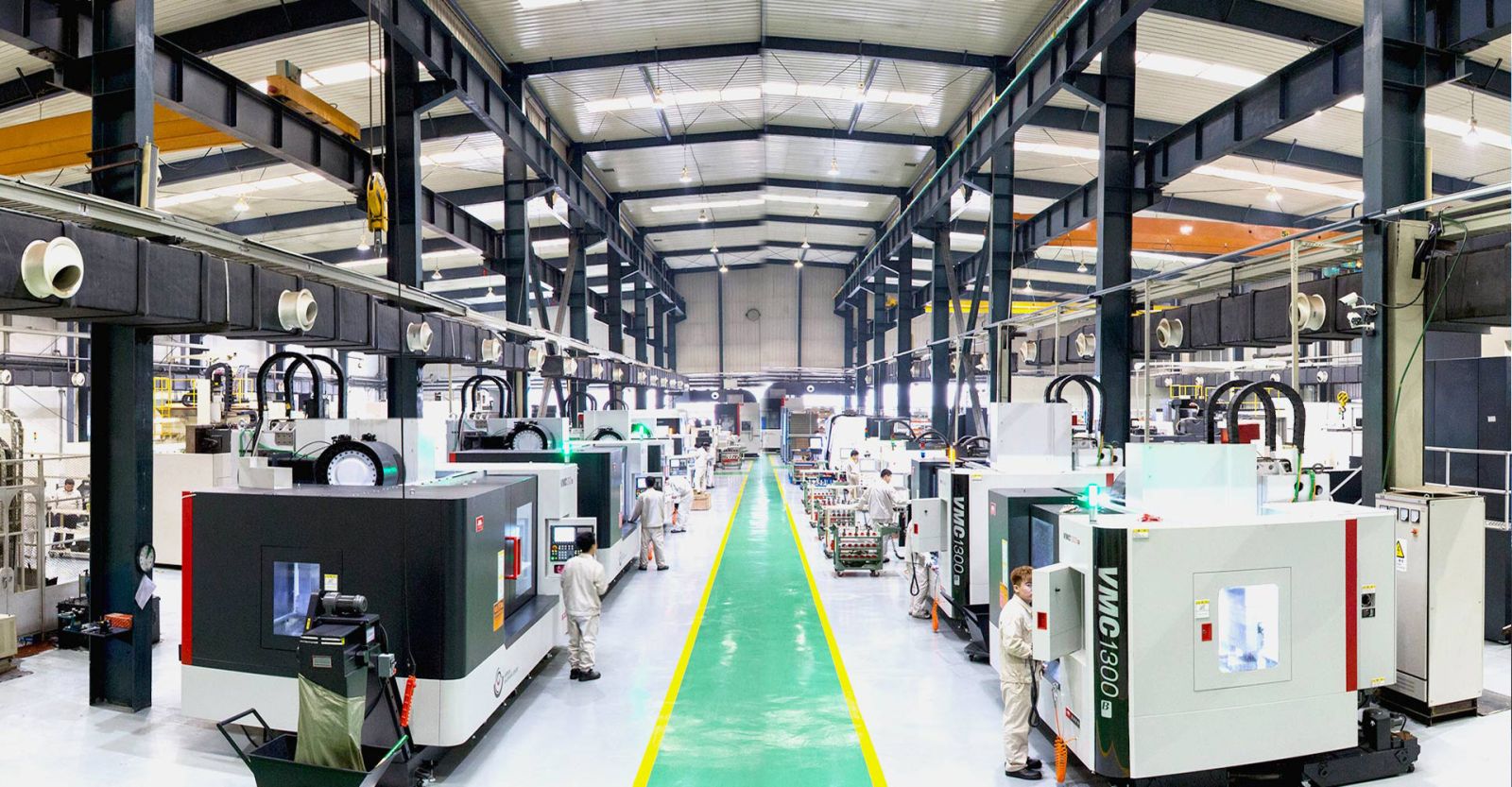
Let Yichou help you achieve excellence in your next project. Whether you need raw materials, custom alloy solutions, or precision-manufactured components, our team is ready to assist.
- Email us: [email protected]
- Call us/whatsapp: +86 13355741031
- Chat with us: Live chat support available on our website