Introduction
Nickel Alloy 625, commonly known as Inconel 625, is a high-performance nickel-chromium-molybdenum alloy renowned for its exceptional resistance to high temperatures, oxidation, and corrosion. This unique alloy stands out for its impressive strength, flexibility, and durability, which remain stable even in extreme environments. Thanks to its high nickel content, Alloy 625 can withstand a wide range of corrosive conditions, from harsh chemicals to saltwater, making it highly sought after in demanding industrial applications.
One of the defining characteristics of Alloy 625 is its resistance to thermal creep deformation, meaning it maintains its shape and mechanical properties under high-stress, high-temperature conditions. This makes it ideal for applications where reliability and resilience are crucial, particularly in environments where traditional materials would degrade or fail.
Due to these qualities, Alloy 625 is widely used across various industries:
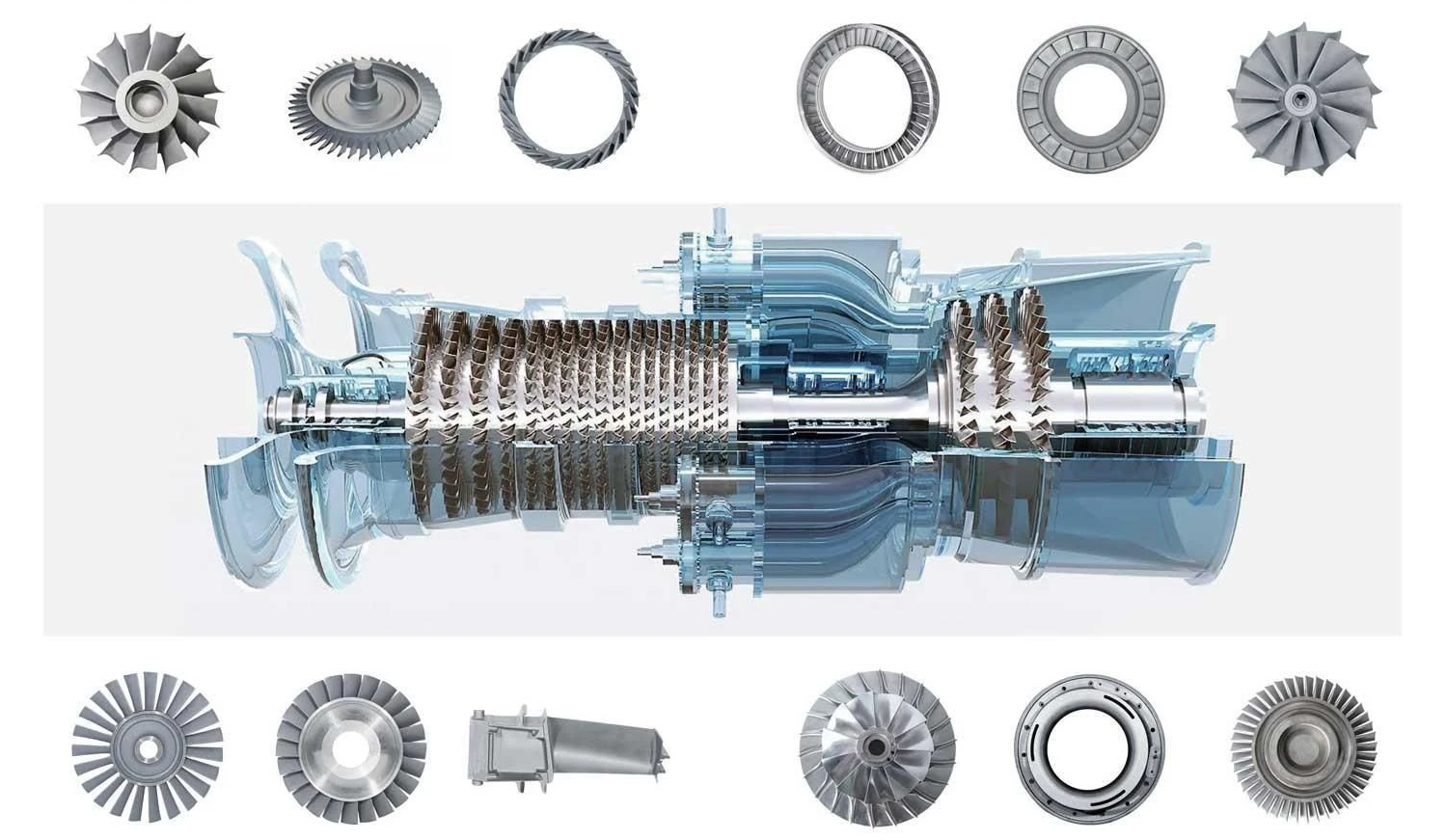
- Aerospace: Used in engine exhaust systems, turbine shrouds, and combustion liners, where its ability to handle high temperatures and oxidation is essential.
- Marine: Common in seawater applications like propulsion systems, valves, and fasteners, as it resists corrosion in saltwater environments.
- Chemical Processing: Essential for equipment exposed to harsh chemicals, such as heat exchangers, reactor vessels, and piping, where chemical stability is crucial.
- Oil and Gas: Used in piping systems, valves, and downhole equipment, Alloy 625’s strength and resistance to corrosive gases and high pressures make it ideal for extreme environments.
In short, Alloy 625’s unique combination of high-temperature strength, corrosion resistance, and versatility make it invaluable for industries that require reliable, durable materials under challenging conditions.
1. Understanding Alloy 625 Material
What is Alloy 625?
Alloy 625, often referred to as Inconel 625, is a nickel-based superalloy known for its remarkable resistance to extreme temperatures, oxidation, and corrosion. The alloy is primarily composed of nickel (58% minimum), with significant amounts of chromium (20-23%), molybdenum (8-10%), and niobium (3.15-4.15%), which enhance its stability and strength. These elements work together to give Alloy 625 its high durability and thermal stability, making it exceptionally well-suited for use in challenging environments.
Key Properties of Alloy 625
- Corrosion and Oxidation Resistance: Alloy 625 is highly resistant to corrosion and oxidation, even in aggressive environments that include chlorides, acids, and alkalis. This resistance makes it an ideal material for applications in seawater, chemical processing, and other corrosive settings.
- Thermal Stability: The alloy can maintain its mechanical properties at temperatures ranging from cryogenic levels to over 1000°C (1832°F). This stability at both high and low temperatures allows it to be used in a broad range of applications.
- Durability and Strength: Alloy 625 exhibits excellent strength and fatigue resistance, especially in high-stress conditions. Its ability to withstand significant deformation under heavy loads is a key factor in its use for structural components in demanding applications.
Comparing Alloy 625 with Other Metals
-
Difference Between Titanium and Alloy 625: Titanium is highly valued for its low density, high strength, and excellent corrosion resistance, particularly in saltwater. While both titanium and Alloy 625 offer corrosion resistance, Alloy 625 has superior performance in high-temperature environments, making it better suited for applications where thermal stability is critical.
-
Alloy 625 vs. Stainless Steel: Alloy 625 outperforms most grades of stainless steel in terms of both corrosion resistance and thermal stability. Stainless steel is less expensive and suitable for moderate environments, but Alloy 625 is preferred for harsher applications due to its strength, oxidation resistance, and longevity under extreme conditions.
-
Alloy 625 vs. Other Nickel-Based Alloys (e.g., Alloy 718): Alloy 625 and Alloy 718 are both nickel-based alloys with strong resistance to oxidation and corrosion, but Alloy 718 is more cost-effective for high-strength applications at temperatures up to 650°C (1202°F). Alloy 625, on the other hand, maintains strength and stability at higher temperatures and is typically used when extreme heat and corrosive environments are involved.
Material Properties
-
Magnetic Properties: Alloy 625 is non-magnetic, making it suitable for applications where magnetic interference is a concern, such as in electronic equipment.
-
Mechanical Properties: Known for its high tensile and yield strength, Alloy 625 can withstand intense mechanical stresses and pressures. It is also relatively flexible, which allows for deformation without cracking. However, Alloy 625 can be challenging to machine due to its hardness, often requiring specialized tools and machining techniques.
-
Chemical Composition and Influence on Corrosion and Temperature Resistance: The high nickel content in Alloy 625, along with chromium, molybdenum, and niobium, gives it exceptional resistance to a wide range of corrosive agents, including chloride ions and acidic environments. These elements also enhance the alloy's stability at elevated temperatures, making it ideal for applications in harsh, high-temperature settings.
Applications of Alloy 625
-
Aerospace: Alloy 625 is widely used in aerospace components such as turbine blades, exhaust systems, and heat shields due to its strength and oxidation resistance at high temperatures.
-
Marine: In marine environments, Alloy 625’s excellent corrosion resistance to seawater makes it ideal for components like fasteners, propeller blades, and underwater equipment.
-
Chemical Processing: Its chemical stability and resistance to corrosion make Alloy 625 a go-to material for heat exchangers, reactors, and other equipment in chemical processing plants.
-
Nuclear: Alloy 625 is also used in nuclear reactors due to its radiation resistance, thermal stability, and strength under extreme conditions.
-
Jewelry and Aesthetic Applications: While not as common, Alloy 625 can be used in jewelry where durability and corrosion resistance are desired. Its silvery appearance and resistance to tarnishing make it suitable for items that may be exposed to harsh environments.
In summary, Nickel Alloy 625 is a versatile and high-performance material with unique properties that make it valuable for numerous demanding applications across industries.
2. Alloy 625 vs. Inconel 625
Is Inconel 625 the Same as Nickel 625?
Yes, Inconel 625 and Nickel Alloy 625 refer to the same material. Inconel is a trademarked name owned by Special Metals Corporation for a family of nickel-based alloys, with Inconel 625 being one of the most popular due to its high strength, excellent corrosion resistance, and stability across a broad range of temperatures. Both terms, Nickel Alloy 625 and Inconel 625, are used interchangeably in the industry.
While there aren’t different grades of Inconel 625 per se, there may be slight variations in the material based on specific industry standards or requirements. Most manufacturers produce Inconel 625 according to established standards like ASTM or AMS, ensuring consistency in properties and performance.
Comparison with Alloy 718
Inconel 625 and Alloy 718 are both high-performance nickel-based superalloys, but they have some distinct differences:
-
Composition:
- Inconel 625 primarily contains nickel, chromium, and molybdenum, with niobium as a significant strengthening element.
- Alloy 718 has a similar base composition but includes aluminum and titanium, which contribute to its unique age-hardening properties.
-
Strength and Temperature Resistance:
- Alloy 718 has higher tensile and yield strength at intermediate temperatures (up to about 650°C or 1202°F) due to its precipitation-hardening capability, making it ideal for high-strength applications.
- Inconel 625, while not as strong as Alloy 718 at these temperatures, maintains excellent stability at both higher and lower temperatures, making it suitable for extreme environments where temperature fluctuations are common.
-
Applications:
- Inconel 625: Common in applications requiring resistance to both high temperatures and corrosive environments, such as chemical processing equipment, marine applications, and aerospace components exposed to extreme heat.
- Alloy 718: Preferred for applications that require high strength at moderately high temperatures, such as aircraft engines, gas turbines, and high-stress components in the aerospace and oil & gas industries.
In general, Inconel 625 is chosen for its excellent corrosion resistance and thermal stability across a wider temperature range, while Alloy 718 is selected for applications where superior strength at intermediate temperatures is needed.
Welding and Machinability
-
Welding:
- Inconel 625 can be welded using standard techniques such as TIG (Tungsten Inert Gas) and MIG (Metal Inert Gas) welding, but it requires careful control to prevent issues like hot cracking. Preheating is generally not needed, but post-weld heat treatment may be necessary in some applications to relieve stress.
- The presence of elements like niobium and molybdenum makes Inconel 625 highly resistant to cracking during welding, unlike some other high-performance alloys. However, proper filler materials, often an Inconel 625-compatible wire or rod, should be used to ensure strength and corrosion resistance in the welded joints.
-
Machinability:
- Alloy 625 is known for being difficult to machine due to its high strength and tendency to work-harden. To improve machinability, it’s recommended to use rigid machine setups, sharp carbide or ceramic cutting tools, and adequate cooling.
- The material requires slower cutting speeds and relatively high cutting forces. Techniques like using positive rake angles, appropriate feeds, and continuous coolant flow are helpful in maintaining tool life and achieving clean cuts.
Corrosion Resistance and Durability
- Rust Resistance:
- Inconel 625 is highly resistant to rust due to its high nickel and chromium content, which form a protective oxide layer on the surface when exposed to corrosive environments. This layer acts as a barrier, preventing rust and degradation even in seawater and acidic conditions.
- Comparison with Other Metals:
- In highly corrosive environments, Alloy 625 outperforms many materials, including stainless steels and other superalloys. Its resistance to pitting, crevice corrosion, and stress-corrosion cracking makes it a top choice for marine, chemical, and petrochemical applications.
- Compared to alloys like stainless steel, Alloy 625 offers superior corrosion resistance in chloride-containing environments, which makes it ideal for offshore oil and gas applications. Additionally, it provides reliable durability in oxidizing and reducing environments, outperforming other alloys such as titanium in certain chemical and high-temperature conditions.
In summary, Alloy 625 (or Inconel 625) is a versatile, high-performance alloy with exceptional welding capabilities, although it requires specific techniques for effective machining. Its excellent corrosion resistance and durability in extreme environments make it suitable for a wide range of demanding applications.
3. Cost and Availability of Alloy 625
Is Inconel 625 Expensive?
General Price Range and Factors Influencing Cost
Inconel 625 is considered a premium material, and its cost reflects its high-performance properties. The price of Alloy 625 typically ranges from $15 to $25 per pound, though this can vary based on several factors:
- Market Demand and Supply: Fluctuations in the global demand for high-performance alloys and the availability of raw materials can significantly impact prices.
- Raw Material Costs: The prices of key alloying elements such as nickel, chromium, and molybdenum directly influence the overall cost of Inconel 625.
- Form and Size: The cost varies depending on the form (e.g., sheet, plate, bar, wire) and the size or dimensions of the material required.
- Manufacturing Processes: Advanced manufacturing techniques and the level of precision required for specific applications can add to the cost.
- Supplier and Brand: Prices can differ between suppliers and manufacturers, with some brands commanding a premium due to their reputation for quality and consistency.
- Quantity Purchased: Bulk purchases often benefit from lower per-unit costs, while smaller orders may incur higher prices due to reduced economies of scale.
Comparison of Alloy 625’s Cost with Titanium, Stainless Steel, and Other Alloys
When comparing Alloy 625 to other commonly used metals, several cost differences become apparent:
-
Titanium: Titanium is generally more expensive than Alloy 625, with prices ranging from $20 to $30 per pound. The higher cost is due to its lightweight properties, excellent strength-to-weight ratio, and superior corrosion resistance, making it ideal for aerospace and medical applications.
-
Stainless Steel: Stainless steel is significantly less expensive, typically costing between $2 to $5 per pound. While stainless steel offers good corrosion resistance and strength, it does not match the high-temperature and corrosion-resistant capabilities of Alloy 625, making it less suitable for extreme environments.
-
Other Nickel-Based Alloys (e.g., Inconel 718): Alloy 718 is comparable in cost to Alloy 625, often priced around $15 to $25 per pound. Both alloys offer excellent corrosion resistance and high-temperature performance, but their specific applications and mechanical properties may influence the choice between them based on cost-effectiveness for a given application.
Economic Factors and Demand
Overview of Global Demand for Inconel 625 and Its Price Volatility
The global demand for Inconel 625 has been steadily increasing, driven by its essential role in various high-performance industries. Key factors influencing demand include:
- Aerospace and Defense: Continuous advancements and expansions in aerospace technology require reliable high-temperature materials like Alloy 625 for engine components and structural parts.
- Oil and Gas: The exploration and extraction processes in harsh environments necessitate corrosion-resistant materials, boosting the demand for Alloy 625.
- Chemical Processing: Industries involved in chemical manufacturing rely on Alloy 625 for equipment that must withstand corrosive substances and extreme temperatures.
- Marine Applications: The need for durable materials in seawater environments supports ongoing demand.
Price Volatility
The price of Inconel 625 is subject to volatility due to:
- Raw Material Market Fluctuations: Changes in the prices of nickel, chromium, and molybdenum can cause significant shifts in Alloy 625 costs.
- Economic Conditions: Global economic trends, including recessions or booms, impact industrial production and, consequently, the demand and pricing of high-performance alloys.
- Supply Chain Disruptions: Events such as geopolitical tensions, natural disasters, or pandemics can disrupt the supply chain, leading to price increases.
Cost-Benefit Analysis for High-Performance Applications Where Cost is Justified by Longevity
While Inconel 625 comes with a higher upfront cost compared to other materials, its long-term benefits often justify the investment:
- Longevity and Durability: Alloy 625’s resistance to corrosion, oxidation, and high temperatures reduces the need for frequent replacements, lowering maintenance and operational costs over time.
- Performance Reliability: In critical applications where failure is not an option, the reliability of Alloy 625 ensures consistent performance, preventing costly downtime and potential safety hazards.
- Reduced Lifecycle Costs: Although the initial cost is higher, the extended service life and minimal maintenance requirements lead to lower total lifecycle costs, making Alloy 625 a cost-effective choice in the long run.
- Enhanced Efficiency: Superior material properties can improve the efficiency of systems and components, contributing to overall operational savings and performance enhancements.
Where to Source Alloy 625?
Common Suppliers, Manufacturers, and Industries Where It’s Most Frequently Available
Alloy 625 is widely available through numerous reputable suppliers and manufacturers globally. Some of the leading suppliers include:
- Special Metals Corporation: The original developer of Inconel, offering a comprehensive range of Alloy 625 products.
- Allegheny Technologies Incorporated (ATI): A major supplier providing Alloy 625 in various forms for diverse applications.
- Pittsburgh Alloy: Known for high-quality nickel-based alloys, including Inconel 625.
- Tronox Limited: Supplies Alloy 625 for industrial and specialized applications.
- Metal Suppliers of America (MSA): A network of distributors offering Alloy 625 through multiple manufacturers.
Industries Frequently Using Alloy 625
- Aerospace and Defense
- Oil and Gas Exploration and Production
- Chemical and Petrochemical Processing
- Marine and Shipbuilding
- Power Generation (including Nuclear)
- Medical and Dental Equipment Manufacturing
- Jewelry and High-End Consumer Goods
Considerations for Procurement: Batch Quality, Certifications, and Testing Requirements
When sourcing Alloy 625, it is crucial to consider several factors to ensure the material meets the necessary standards and performance criteria:
- Batch Quality: Ensure that the supplier maintains consistent quality across batches. High-quality control standards minimize the risk of defects and ensure uniform material properties.
- Certifications and Standards: Verify that the Alloy 625 complies with relevant industry standards and certifications, such as ASTM (e.g., ASTM B443), AMS (e.g., AMS 5644), or ISO standards. Compliance guarantees that the material meets specific mechanical and chemical property requirements.
- Testing and Documentation: Request detailed material certifications, including chemical composition analysis, mechanical property testing, and any applicable non-destructive testing (NDT) results. Proper documentation ensures traceability and reliability for critical applications.
- Supplier Reputation and Reliability: Choose suppliers with a proven track record of delivering high-quality Alloy 625. Positive reviews, industry reputation, and long-term reliability are indicators of a trustworthy supplier.
- Customization and Flexibility: Depending on your application, you might require specific forms, sizes, or finishes of Alloy 625. Ensure that the supplier can accommodate custom orders and provide the necessary flexibility.
- Lead Times and Availability: Consider the supplier’s ability to meet your delivery schedules, especially for urgent or large-scale projects. Reliable suppliers should offer reasonable lead times and maintain sufficient inventory levels.
- After-Sales Support and Services: Access to technical support, material guidance, and post-purchase services can be valuable, particularly for complex applications requiring specialized knowledge.
In summary, sourcing Alloy 625 involves evaluating suppliers based on quality, compliance, reliability, and the ability to meet specific project requirements. By carefully considering these factors, you can ensure that you obtain high-quality Alloy 625 tailored to your application’s needs.

4. Alloy 625 vs. Stainless Steel
Strength Comparison
Is Nickel Alloy 625 Stronger Than Stainless Steel? In What Conditions?
Nickel Alloy 625 is generally stronger than most types of stainless steel, especially under extreme conditions. This alloy maintains its mechanical strength across a wide temperature range and performs exceptionally well in environments where high tensile strength and durability are critical. While stainless steel (such as 304 or 316 grades) offers good strength, it cannot match Alloy 625 in high-temperature or highly corrosive environments.
- High-Temperature Strength: Alloy 625 is known for retaining its strength at temperatures up to 982°C (1800°F), whereas stainless steels generally start to lose strength and stability at much lower temperatures (typically around 600°C or 1100°F).
- Stress and Pressure Resistance: Alloy 625 is specifically engineered for high-stress applications, including those found in aerospace, nuclear reactors, and chemical processing. Its ability to withstand both high tensile and yield stresses without deformation makes it ideal for demanding applications.
Comparison of Tensile Strength, Hardness, and Fatigue Resistance
- Tensile Strength: Alloy 625 has a tensile strength of approximately 690 MPa (100 ksi) or higher, depending on the heat treatment. This is significantly higher than most stainless steels (for example, 304 and 316 stainless steel typically have tensile strengths around 515 MPa).
- Hardness: Alloy 625 exhibits higher hardness values than standard stainless steels, contributing to its wear resistance. The hardness of Alloy 625 typically ranges from 90-95 HRB, whereas stainless steel’s hardness can vary between 70-80 HRB.
- Fatigue Resistance: In applications involving cyclic loading, Alloy 625’s superior fatigue resistance offers an advantage over stainless steel. The alloy resists cracking and deformation under repeated stress cycles, making it ideal for high-vibration environments like aerospace or marine applications.
Durability and Performance in Harsh Environments
Rust-Proof Qualities of Nickel Alloy 625 Versus Stainless Steel
Both Alloy 625 and stainless steel exhibit corrosion-resistant properties, but Alloy 625 performs significantly better in extreme environments:
- Corrosion Resistance: Alloy 625 is virtually immune to pitting, crevice corrosion, and intergranular corrosion due to its high nickel, chromium, and molybdenum content. These elements make it highly resistant to a wide range of corrosive media, including chlorides, acids, and alkalis.
- Oxidation Resistance: Alloy 625 is also highly resistant to oxidation, even at elevated temperatures, which further contributes to its durability in harsh conditions. Stainless steel, while resistant to rust in ambient environments, does not perform as well in high-chloride or high-temperature conditions.
- Sulfuric and Hydrochloric Acid Resistance: Alloy 625 can resist sulfuric and hydrochloric acids better than stainless steels, making it suitable for chemical processing industries. Stainless steel may corrode or degrade faster when exposed to these chemicals.
Use Cases Where Alloy 625’s Resilience Outperforms Stainless Steel
Given its robust performance under extreme conditions, Alloy 625 is preferred in various high-stress, high-temperature, and highly corrosive applications where stainless steel might fail. Key examples include:
- Aerospace and Jet Engine Components: Alloy 625 is used in aerospace for turbine engines, exhaust systems, and heat exchangers, where high-temperature stability is essential.
- Chemical Processing: Alloy 625 is ideal for vessels, piping, and equipment exposed to aggressive chemicals, providing better longevity and safety than stainless steel.
- Marine and Offshore Environments: The alloy’s resistance to seawater and marine environments makes it suitable for offshore oil rigs, underwater piping, and other marine applications.
- Nuclear Applications: Alloy 625’s resistance to high-temperature corrosion and radiation makes it suitable for nuclear reactors and related components.
Compatibility with Other Materials
Can Alloy 625 Be Used Alongside Stainless Steel Without Issues?
Alloy 625 can be used in combination with stainless steel in assemblies, but precautions are needed to prevent galvanic corrosion. The difference in electrochemical potential between Alloy 625 and stainless steel can lead to galvanic corrosion, especially in wet or corrosive environments.
- Galvanic Corrosion Impact: When two dissimilar metals like Alloy 625 and stainless steel are in contact in the presence of an electrolyte (such as seawater), galvanic corrosion can occur, where the stainless steel corrodes faster than it would on its own.
- Precautions for Mixed-Metal Assemblies: To minimize galvanic corrosion, the following strategies are recommended:
- Insulation: Use insulating materials (such as gaskets or washers) to separate Alloy 625 from stainless steel, which prevents direct contact.
- Use of Sealants: Sealants can prevent moisture ingress, reducing the risk of galvanic corrosion in joint areas.
- Design Considerations: Avoid placing stainless steel and Alloy 625 in the same circuit in highly corrosive environments or ensure that the stainless steel part is easily replaceable.
By implementing these measures, Alloy 625 and stainless steel can be used together effectively, even in challenging conditions.
In summary, while stainless steel offers good strength and corrosion resistance in everyday environments, Alloy 625’s superior high-temperature stability, corrosion resistance, and durability make it the preferred choice for extreme conditions and high-performance applications.
FAQs and Common Questions About Inconel 625
Does Inconel 625 Rust?
Explanation of Corrosion Resistance
Inconel 625 is highly resistant to rust due to its unique composition, which includes high levels of nickel, chromium, and molybdenum. These elements form a protective oxide layer on the alloy's surface, preventing corrosion even in harsh environments. Unlike standard steel or some stainless steels, which can rust when exposed to moisture or corrosive chemicals, Inconel 625 is engineered to withstand extreme conditions, including seawater, acidic environments, and high temperatures, without deteriorating.
Why It Doesn’t Rust Easily
The chromium in Inconel 625 creates a stable oxide layer on the alloy’s surface, protecting it from oxidation. Additionally, the high nickel content enhances its resistance to chloride-induced pitting and crevice corrosion, making it especially valuable in marine, chemical, and aerospace applications. While no material is entirely "rust-proof," Inconel 625 comes very close, providing long-lasting durability in applications where rust would quickly compromise other materials.
Is Alloy 625 Hard to Machine?
Challenges in Machining Inconel 625
Yes, Alloy 625 is challenging to machine due to its strength, work-hardening properties, and high resistance to deformation. Its high nickel content makes it highly resistant to wear, which means it puts significant stress on cutting tools, often leading to faster tool wear and increased heat during the machining process. In addition, Inconel 625 work-hardens quickly, which can make subsequent passes more difficult if not managed properly.
Tips for Optimizing the Machining Process
To optimize the machining of Inconel 625, consider these tips:
- Use Rigid Machines and Tools: A stable setup with minimal vibration is essential to prevent tool chatter and achieve precise cuts.
- Reduce Cutting Speeds: Lowering cutting speeds can reduce heat buildup and prolong tool life.
- Increase Feed Rate: A higher feed rate, combined with reduced speed, minimizes work hardening.
- Use Coolants: Apply high-pressure coolant to control heat and prevent thermal expansion.
- Optimize Tool Path: Choose a strategy that minimizes engagement time with the material, such as trochoidal or helical milling.
Recommended Tools and Settings for Efficient Machining
- Tool Material: Carbide tools with a hard coating (e.g., titanium aluminum nitride, TiAlN) are recommended for wear resistance.
- Cutting Speed: Around 30-60 meters/min (100-200 feet/min) for carbide tools.
- Feed Rate: Generally, 0.1-0.5 mm/tooth (0.004-0.02 inches/tooth) depending on the tool size and operation.
- Depth of Cut: For roughing, aim for a depth of 0.25-1.25 mm (0.010-0.050 inches), while for finishing, use lighter passes.
Can Inconel 625 Be Chrome Plated or Hardened?
Surface Treatment Compatibility and Limitations
Inconel 625 can be chrome plated; however, its high corrosion resistance often makes additional plating unnecessary. When chrome plating is applied, it generally serves aesthetic or specific surface-hardening purposes rather than corrosion protection. Electroplating or Physical Vapor Deposition (PVD) methods are commonly used for chrome plating Inconel 625.
Hardening Techniques and Their Impact on Alloy 625’s Properties
Inconel 625 does not harden by traditional heat treatment methods like carbon steel or stainless steel. Instead, it derives its strength from solid-solution strengthening and work hardening. While certain surface treatments, such as shot peening, can enhance surface hardness by inducing compressive stress, these treatments do not alter the overall hardness significantly.
If additional hardness is required, cold working processes like forging or rolling can increase surface hardness. However, these methods may not be practical for all applications and may alter the alloy's microstructure, affecting its high-temperature properties.
What Are the Disadvantages of Using Alloy 625?
Limitations in Specific Environments or Applications
While Inconel 625 is highly versatile, it has certain limitations:
- Cost: Inconel 625 is an expensive material, often making it cost-prohibitive for applications where a less costly metal can perform adequately.
- Weight: Inconel 625 has a higher density than materials like aluminum or titanium, which may be a disadvantage in weight-sensitive applications.
- Work Hardening: Its tendency to work-harden can complicate machining, welding, and forming processes.
- Electrical Conductivity: Inconel 625 has lower electrical conductivity compared to materials like copper, which may limit its application in some electrical components.
Comparisons Where Other Materials May Perform Better
- Cost-Sensitive Applications: For applications that don’t require extreme corrosion or temperature resistance, stainless steels or even high-grade aluminum alloys may offer a more economical alternative.
- Lightweight Requirements: In aerospace, where weight is critical, titanium or aluminum may be preferred despite Alloy 625’s superior strength, as they provide a better strength-to-weight ratio.
Alternatives to Inconel 625
Substitute Materials for Applications Where Alloy 625 May Be Cost-Prohibitive
Several alternatives to Inconel 625 can be used, depending on specific requirements:
-
Stainless Steel (316L or 904L):
- Pros: Lower cost, good corrosion resistance in many environments, readily available.
- Cons: Less effective in high-temperature applications or environments with high chloride concentrations.
- Best For: Low- to moderate-temperature applications in corrosive environments.
-
Hastelloy C-276:
- Pros: Excellent corrosion resistance, especially in reducing environments, good weldability.
- Cons: Slightly less available and may still be costly compared to standard stainless steel.
- Best For: Chemical processing industries where extreme corrosion resistance is necessary but temperatures are more moderate.
-
Titanium Alloys (e.g., Ti-6Al-4V):
- Pros: Excellent strength-to-weight ratio, good corrosion resistance, particularly in seawater.
- Cons: Higher cost than stainless steel, limited high-temperature performance compared to Inconel.
- Best For: Weight-sensitive applications like aerospace and marine environments.
-
Inconel 718:
- Pros: Similar high-temperature strength and corrosion resistance, more readily available and generally less expensive.
- Cons: Limited to applications up to around 704°C (1300°F).
- Best For: High-stress aerospace components that don’t require the extended high-temperature resistance of Inconel 625.
-
Aluminum Alloys (e.g., 7075):
- Pros: Lightweight, good machinability, high strength-to-weight ratio.
- Cons: Poor high-temperature and corrosion resistance compared to Inconel.
- Best For: Applications where weight savings are critical, and environmental exposure is minimal.
Pros and Cons of Each Alternative
Each alternative offers a trade-off between cost, weight, corrosion resistance, and high-temperature performance. For example, stainless steel may be cost-effective but won’t perform well in high-chloride environments, while titanium is ideal for weight-sensitive applications but has limited high-temperature resilience. The best choice depends on the specific operating conditions, including environmental exposure, mechanical stress, and budget constraints.
Conclusion
Nickel Alloy 625, also known as Inconel 625, stands out as a versatile and robust material, highly valued for its exceptional resistance to corrosion, oxidation, and high-temperature environments. Its unique composition grants it impressive durability, even in the most extreme conditions, making it a top choice for industries such as aerospace, marine, chemical processing, and nuclear power. With outstanding mechanical strength, resistance to deformation, and longevity, Alloy 625 remains irreplaceable in applications where failure is not an option.
When considering Alloy 625 for various applications, it’s essential to weigh its benefits against factors like cost and manufacturing complexity. While Alloy 625 is more expensive and challenging to machine compared to some alternatives, the investment is often justified by its superior performance, particularly in environments with high temperatures, corrosive chemicals, or demanding mechanical loads.
In design and manufacturing decisions, choosing Alloy 625 offers significant advantages for high-performance and safety-critical applications. However, careful consideration should be given to factors such as budget, operating conditions, and availability of machining expertise. With its unparalleled properties, Alloy 625 remains a reliable solution for engineers and manufacturers aiming for uncompromised quality, safety, and resilience in their products. For applications that demand the utmost in reliability and strength, Alloy 625 is often the preferred choice, offering long-term value and peace of mind in challenging operating environments.
Get Quote
- Visit our website: https://www.nbyichou.com/
- Email us: [email protected]
- Call us/whatsapp: +86 13355741031
- Chat with us: Live chat support available on our website