1. Introduction to Nickel Alloy 718
Overview of What Nickel Alloy 718 Is
Nickel Alloy 718, also known as Inconel 718, is a high-strength, corrosion-resistant nickel-chromium alloy that is particularly well-suited for extreme environments subject to high heat and pressure. Developed in the 1950s, this alloy contains a balanced composition of nickel, chromium, iron, and other elements like molybdenum and niobium, which contribute to its unique properties. One of the alloy's standout characteristics is its ability to maintain mechanical strength and stability in temperatures ranging from cryogenic up to about 700°C (1,300°F), making it a popular choice in demanding industries.
Nickel Alloy 718 is also known for its excellent resistance to oxidation and corrosion, which is especially important in environments where the material is exposed to harmful chemicals, high humidity, or seawater. The alloy’s versatility and robustness come from its ability to undergo precipitation hardening (also called age hardening), which allows for increased strength through heat treatment. This hardening process makes it resilient to deformation under stress, making it an invaluable material in applications where structural integrity is critical.
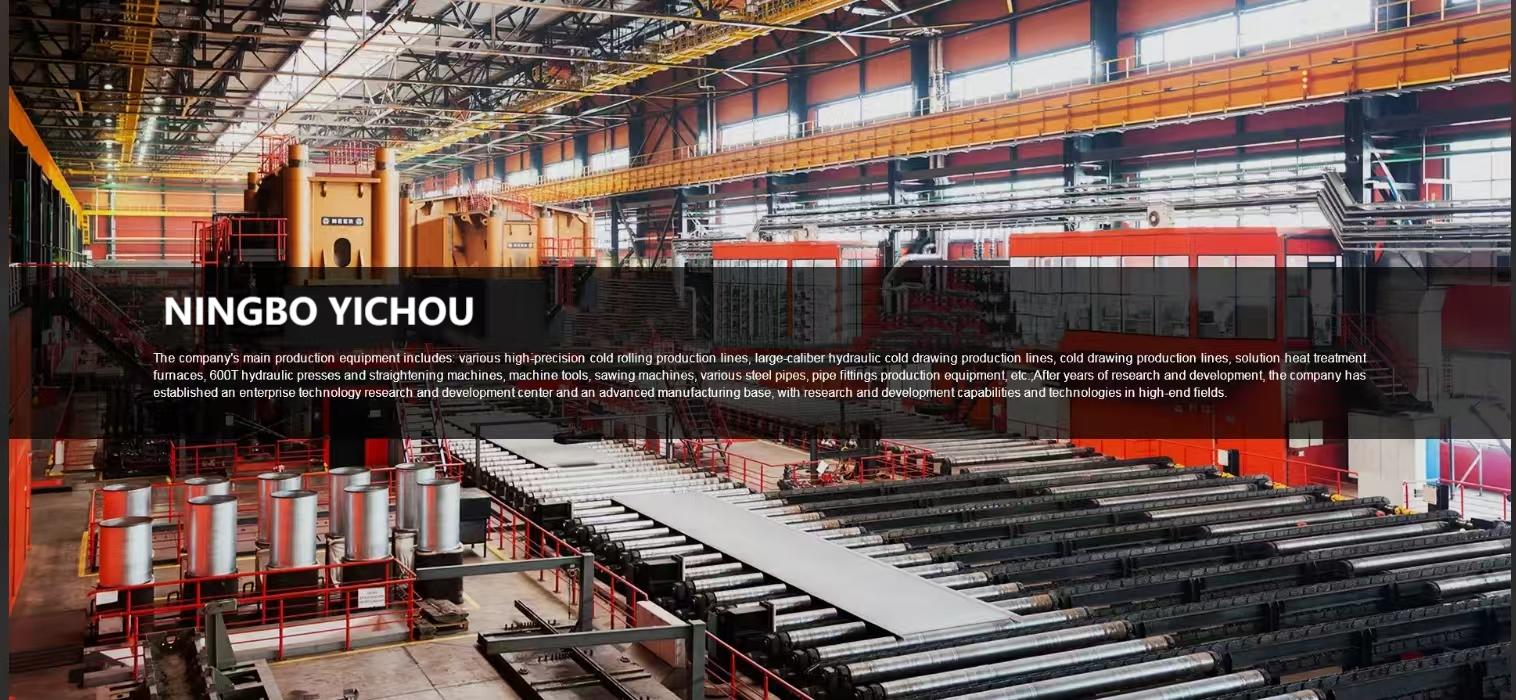
Common Applications and Industries That Utilize Nickel Alloy 718
Due to its exceptional strength, durability, and resistance to high temperatures and corrosion, Nickel Alloy 718 is widely used in a variety of industries, including:
-
Aerospace:
- Nickel Alloy 718 is a go-to material for components in aircraft engines, turbine blades, and rocket motors, as it can withstand the extreme heat and stress encountered in flight and space exploration. Its high strength-to-weight ratio and oxidation resistance are essential for aircraft parts that must endure prolonged high temperatures.
-
Oil and Gas:
- The oil and gas industry often uses Nickel Alloy 718 for downhole and offshore components, such as valves, fasteners, tubing, and other equipment exposed to corrosive environments. Its resistance to sulfur compounds and saltwater corrosion ensures reliability and longevity in subsea drilling and extraction equipment.
-
Power Generation:
- In power plants, especially those with gas turbines, Nickel Alloy 718 is used for parts that must operate under high-temperature conditions. The alloy’s strength and corrosion resistance make it ideal for turbine blades, casings, and other components critical to the reliability and efficiency of power generation systems.
-
Marine Engineering:
- Nickel Alloy 718 is also commonly found in marine applications, including shipbuilding and underwater equipment, where corrosion resistance is vital due to constant exposure to seawater. Parts like propeller blades, pump shafts, and seawater valves benefit from the alloy's robustness and durability.
-
Chemical Processing:
- The chemical industry employs Nickel Alloy 718 for equipment used in harsh, high-temperature chemical reactions. The alloy’s resistance to oxidation and corrosion makes it ideal for reactors, heat exchangers, and piping systems that handle caustic substances and high temperatures.
-
Automotive and Motorsport:
- Some automotive and motorsport applications, especially high-performance or luxury vehicles, use Nickel Alloy 718 for components in turbochargers and exhaust systems due to its high heat resistance. This material ensures optimal performance and longevity in extreme operating conditions.
Nickel Alloy 718's wide-ranging applications highlight its flexibility and reliability in demanding conditions. It is a critical material for engineers and designers seeking to balance strength, corrosion resistance, and heat tolerance in their products.
2. Properties of Nickel Alloy 718
Nickel Alloy 718 possesses a unique set of properties that make it highly desirable for applications in extreme environments. Its strength, corrosion resistance, and ability to retain stability under high temperatures set it apart from other materials.
Strength and Durability Under Extreme Conditions
Nickel Alloy 718 is renowned for its exceptional strength and durability, particularly in high-stress environments. It maintains structural integrity at both cryogenic temperatures and elevated temperatures up to approximately 700°C (1,300°F). This high strength is achieved through a precipitation-hardening process, in which heat treatment causes specific elements like niobium to precipitate and strengthen the alloy. The result is an alloy that can withstand significant mechanical stress, resist deformation, and offer a long service life under extreme conditions.
This durability makes it ideal for applications such as gas turbines and jet engines, where components are subjected to intense thermal cycles and mechanical loads.
Corrosion Resistance: Why It’s Preferred Over Other Materials Like Stainless Steel
Nickel Alloy 718 offers superior corrosion resistance compared to many other materials, including some stainless steels. This advantage is particularly important in applications where parts are exposed to aggressive environments, such as marine, oil and gas, or chemical processing industries. The alloy’s resistance to oxidation, pitting, crevice corrosion, and stress-corrosion cracking helps prevent material degradation and extends the lifespan of components.
Unlike stainless steels, which may struggle in chloride-rich or highly corrosive environments, Nickel Alloy 718's composition allows it to withstand these conditions effectively. Its excellent resistance to sulfur compounds, seawater, and other corrosive elements makes it a preferred material for subsea and offshore applications, where traditional materials might fail.
Magnetic Properties: Is It Magnetic?
Nickel Alloy 718 is considered to be non-magnetic in its annealed or solution-treated condition. This non-magnetic characteristic is advantageous in applications where magnetism could interfere with equipment function or compromise safety, such as in aerospace instrumentation or certain types of electronic equipment. However, in hardened conditions, slight magnetic properties may develop due to the precipitation of certain phases. This property is still minimal and does not affect its use in applications requiring low magnetic permeability.
Hardness and Tensile Strength
Nickel Alloy 718 exhibits high hardness and tensile strength, both of which can be enhanced through heat treatment. The alloy's tensile strength can reach up to 1,250 MPa (megapascals) or higher, depending on its treatment and condition. This high tensile strength makes it resistant to deformation and ideal for parts that need to retain their shape under heavy loads.
Hardness values for Nickel Alloy 718 can also vary with heat treatment. After precipitation hardening, it can achieve hardness values as high as 300 HV (Vickers Hardness) or more, contributing to its wear resistance and durability in high-stress environments.
Toxicity and Environmental Considerations
In its solid form, Nickel Alloy 718 is generally considered safe and non-toxic. However, it does contain elements such as nickel and chromium, which can be harmful if they are inhaled or ingested as dust or fumes during manufacturing processes, like grinding or welding. Appropriate safety measures, including personal protective equipment (PPE) and proper ventilation, are essential to minimize exposure risks for workers handling the alloy.
From an environmental perspective, Nickel Alloy 718 is relatively stable and does not pose significant environmental risks when used as intended. Moreover, as it is recyclable, waste and scrap from machining or manufacturing processes can often be reclaimed, contributing to more sustainable practices. However, any manufacturing process involving high-nickel alloys should still consider environmental regulations to manage emissions and waste properly.
3. Comparison with Other Alloys
Nickel Alloy 718 is often compared to other high-performance nickel-based alloys, such as 925 and 625, due to its versatility and strength in demanding environments. Here’s a breakdown of how Nickel Alloy 718 compares to these two similar alloys in terms of composition, properties, and applications.
Nickel Alloy 718 vs. 925 Alloy
Differences in Composition, Properties, and Applications
-
Composition:
- Nickel Alloy 718 contains nickel, chromium, iron, and additional elements like molybdenum, niobium, and titanium, which contribute to its strength and corrosion resistance through precipitation hardening.
- Alloy 925, on the other hand, is a precipitation-hardened alloy that primarily consists of nickel, chromium, and iron, but also contains higher levels of copper and molybdenum compared to 718. Alloy 925 is often used in applications where resistance to stress-corrosion cracking is essential, especially in sour environments.
-
Properties:
- Strength and Durability: Alloy 718 has excellent high-temperature strength, making it suitable for components exposed to high heat. Alloy 925 has similar mechanical strength but is often used in applications where stress-corrosion cracking resistance is a priority.
- Corrosion Resistance: Both alloys exhibit excellent corrosion resistance, but Alloy 925’s composition provides superior resistance to sulfur-rich environments and stress-corrosion cracking, making it suitable for use in sour gas or downhole applications.
-
Applications:
- Nickel Alloy 718: Aerospace, power generation, marine, and oil & gas industries. It is commonly used for turbine blades, rocket engines, and downhole equipment due to its heat resistance and strength.
- Alloy 925: Primarily used in the oil & gas industry, especially for downhole and offshore equipment, tubing, and fasteners exposed to sour environments.
Pros and Cons of Each Alloy in Different Industries
-
Nickel Alloy 718:
- Pros: High strength at elevated temperatures, good fatigue resistance, and excellent oxidation resistance. Versatile across aerospace, marine, and industrial applications.
- Cons: Although corrosion-resistant, it is not as resistant to sulfur-rich environments as Alloy 925.
-
Alloy 925:
- Pros: Superior resistance to stress-corrosion cracking and ideal for harsh, sour environments in oil and gas. Offers good mechanical strength and corrosion resistance in these settings.
- Cons: Less suitable for extremely high-temperature applications compared to Alloy 718; limited use in aerospace and high-temperature industrial applications.
Nickel Alloy 718 vs. 625 Alloy
Key Distinctions in Mechanical and Thermal Properties
-
Composition:
- Both Nickel Alloy 718 and Alloy 625 are nickel-based alloys containing chromium and molybdenum, which provide corrosion resistance. However, Alloy 625 has higher nickel content and includes a significant amount of molybdenum but lacks niobium, which is key to Alloy 718's precipitation hardening.
-
Mechanical Properties:
- Strength: Nickel Alloy 718 generally has higher tensile and yield strength due to its precipitation-hardening properties, which Alloy 625 lacks. The addition of niobium in Alloy 718 allows it to achieve high strength after heat treatment.
- Ductility and Toughness: Alloy 625 has excellent ductility and toughness even in cryogenic temperatures, but it does not harden through heat treatment as Alloy 718 does.
-
Thermal Properties:
- Heat Resistance: Both alloys offer excellent resistance to oxidation and thermal degradation, but Alloy 718 can endure slightly higher temperatures due to its precipitation hardening.
- Weldability: Alloy 625 has better weldability and is easier to work with during manufacturing, while Alloy 718 requires more specialized heat treatment to achieve its full strength potential.
Best Applications for Each Alloy Type
-
Nickel Alloy 718:
- Best suited for high-stress, high-temperature applications that require durability and corrosion resistance, such as aerospace (turbine engines), oil and gas (downhole tools), and power generation (turbine blades).
- Commonly used where high mechanical strength is critical and where parts are subjected to both heat and pressure over long periods.
-
Alloy 625:
- Ideal for applications that require excellent corrosion resistance without as high a demand for tensile strength, such as chemical processing, seawater applications, and pollution control equipment. Alloy 625 is often chosen for marine engineering, nuclear reactors, and heat exchangers where both corrosion resistance and workability are priorities.
- Preferred for welding applications and complex shapes, as it retains strength after welding without needing post-weld heat treatment.
4. Composition and Material Specifications
Understanding the composition and material specifications of Nickel Alloy 718 is essential for determining its unique properties and suitability for high-performance applications.
Composition Breakdown: Main Elements in Nickel Alloy 718
- Nickel (Ni): Nickel makes up the majority of Alloy 718, usually comprising around 50-55% of its total composition. This high nickel content gives the alloy excellent corrosion resistance and toughness, even at extreme temperatures.
- Chromium (Cr): Typically, around 17-21% of chromium is added, which contributes to the alloy's oxidation and corrosion resistance.
- Iron (Fe): Iron is present at around 17% as a balancing element, helping improve overall strength and workability.
- Molybdenum (Mo): Found at 2.8-3.3%, molybdenum enhances the alloy's strength, particularly at high temperatures, and contributes to its resistance to localized corrosion.
- Niobium (Nb) and Titanium (Ti): Niobium (4.75-5.5%) and titanium (0.65-1.15%) are essential for precipitation hardening, which significantly boosts the alloy’s strength and makes it suitable for applications requiring high mechanical performance.
- Aluminum (Al): Present in small amounts (0.2-0.8%), aluminum also plays a role in the precipitation hardening process, enhancing the alloy's overall strength and heat resistance.
Understanding the Grade (NO7718) and Its Significance
- Grade NO7718: Nickel Alloy 718 is commonly designated as UNS NO7718, part of the Unified Numbering System (UNS) used to classify various metals and alloys. This designation helps standardize material specifications and ensures consistency in quality and performance across industries.
- Significance: The NO7718 designation is widely recognized and accepted in aerospace, marine, and industrial sectors, providing assurance of the alloy's properties and suitability for critical applications. This grade standardization also makes it easier for engineers and manufacturers to identify and source high-quality Nickel Alloy 718 for their specific needs.
Comparison to Other High-Performance Materials Like Inconel
- Inconel 718 vs. Other Alloys in the Inconel Family:
- Nickel Alloy 718 is often referred to as "Inconel 718," as it falls within the Inconel family of nickel-chromium-based superalloys. Unlike other Inconel grades, such as Inconel 625, Alloy 718 includes niobium and titanium, which allow it to undergo precipitation hardening for enhanced strength.
- Compared to other Inconel alloys, Alloy 718 offers a unique combination of high strength, thermal stability, and corrosion resistance, making it ideal for demanding aerospace and industrial applications. Other alloys in the Inconel family may not achieve the same strength and toughness but may offer better weldability or corrosion resistance for different applications.
5. Heat Treatment and Hardening
The heat treatment process and age-hardening capabilities of Nickel Alloy 718 are key factors in its wide use in high-stress, high-temperature applications.
Explanation of Age Hardening (Precipitation Hardening) in Nickel Alloy 718
- Age Hardening Process: Age hardening, also known as precipitation hardening, is a heat treatment process that strengthens Alloy 718 by creating fine particles within the alloy's microstructure. Niobium and titanium play crucial roles in this process, forming small precipitates that prevent dislocation movement within the crystal structure.
- Precipitation Phases: During the heat treatment, Alloy 718 undergoes precipitation of two primary strengthening phases—gamma-prime (γ') and gamma-double-prime (γ''), which enhance the alloy’s high-temperature strength, fatigue resistance, and creep resistance.
- Effect on Properties: The result is an alloy with significantly increased tensile strength, hardness, and resistance to deformation at elevated temperatures, making it suitable for components subjected to high stress and extreme thermal environments.
Heat Treatment Processes Used to Enhance Its Strength
- Solution Annealing: Alloy 718 is initially solution-annealed to dissolve existing phases, homogenizing the alloy's structure. This process is typically followed by quenching to retain a supersaturated solid solution.
- Aging: After solution annealing, the alloy undergoes a controlled aging process at specific temperatures to induce precipitation hardening. Multiple aging stages (such as double-aging or triple-aging) are often used to achieve the desired balance of strength and ductility.
- Typical Temperatures and Duration: Aging treatments for Nickel Alloy 718 typically involve heating to temperatures between 700-800°C for a designated period, often in a two-step or three-step process, which allows the formation of the strengthening phases.
Advantages of Hardening for Specific Applications, Like Aerospace
- Increased Strength and Load-Bearing Capacity: Precipitation hardening significantly increases Alloy 718’s tensile and yield strength, which is essential for components like turbine blades, where high strength-to-weight ratios are critical.
- Improved Creep and Fatigue Resistance: Heat-treated Nickel Alloy 718 exhibits excellent resistance to creep and fatigue, which are crucial in aerospace applications where parts are subjected to prolonged stress at high temperatures.
- Enhanced Thermal Stability: The hardening process also improves thermal stability, allowing Nickel Alloy 718 to perform reliably at high temperatures without compromising its mechanical integrity, which is ideal for engines, turbines, and other high-temperature components.
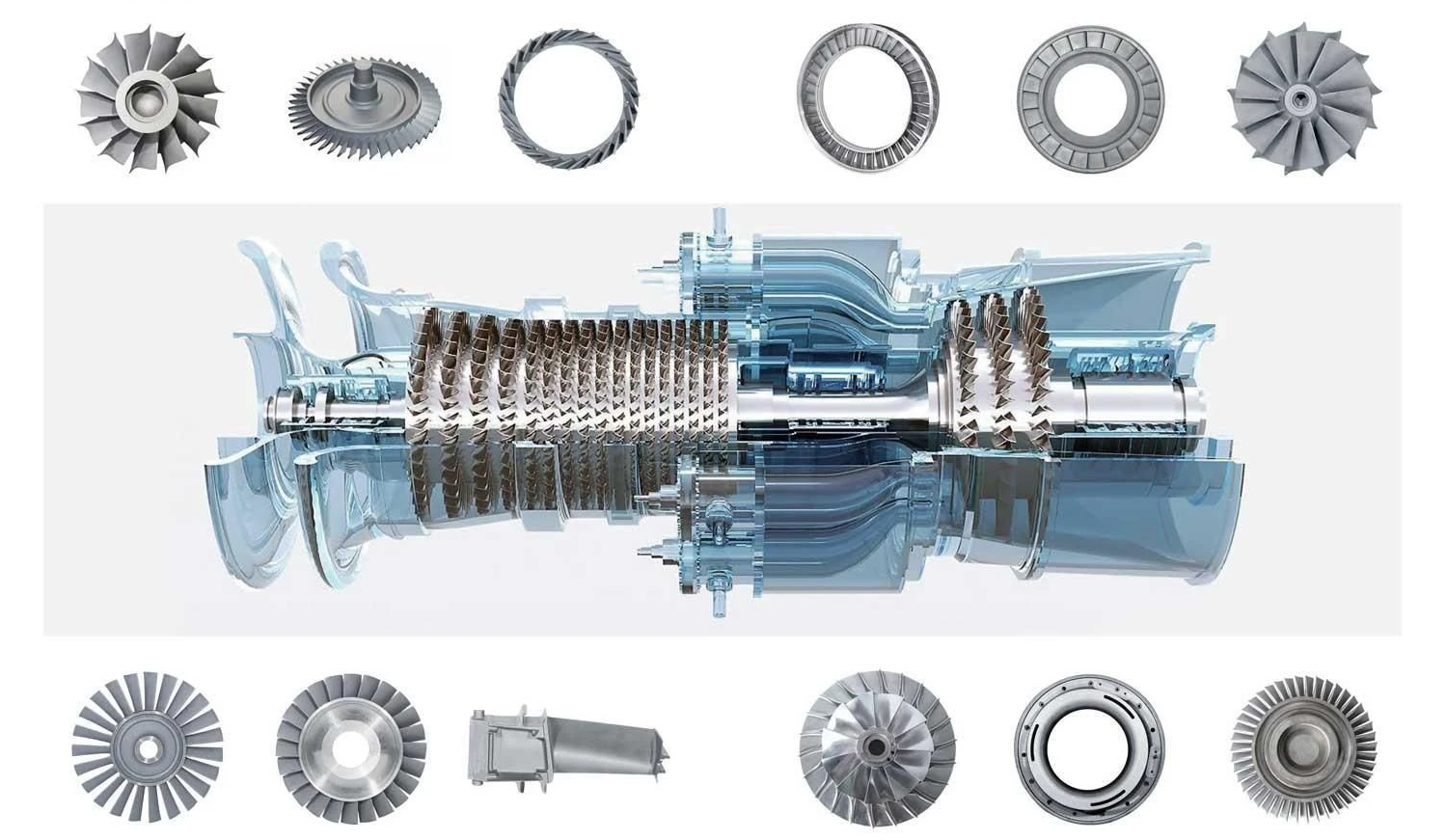
6. Applications of Nickel Alloy 718
High-Temperature Applications: Nickel Alloy 718 is widely used in high-temperature environments due to its excellent strength and resistance to oxidation and corrosion. Its primary applications include:
- Aerospace: It is used extensively in turbine blades, engine components, and other critical parts in jet engines due to its high heat resistance and mechanical strength at elevated temperatures.
- Gas Turbines: Its ability to withstand high temperatures and mechanical stress makes it ideal for components in gas turbines, such as blades, casings, and combustion chambers.
- Energy Production: In power plants, particularly in steam turbines and nuclear reactors, Nickel Alloy 718 is employed for its strength at high temperatures and resistance to both thermal fatigue and creep.
Marine and Chemical Processing Industries:
- Marine: Due to its excellent resistance to corrosion, especially in saltwater environments, it is used for components in marine environments, such as valves, pumps, and heat exchangers.
- Chemical Processing: Nickel Alloy 718 is also utilized in chemical processing industries for parts that need to resist corrosive elements, high temperatures, and stresses, such as valves, piping, and reactor components.
Reasons Why Nickel Alloy 718 is Preferred for Blades, Valves, and Fasteners:
- Blades: The material's exceptional combination of high strength, oxidation resistance, and ability to maintain mechanical properties at high temperatures makes it ideal for turbine and compressor blades.
- Valves: Its resistance to high-pressure environments and corrosion, especially in harsh chemical or marine settings, ensures long service life for valves made from Alloy 718.
- Fasteners: Nickel Alloy 718 provides high tensile strength, fatigue resistance, and stability at high temperatures, making it ideal for fasteners in critical applications such as aerospace and energy production.
7. Benefits and Drawbacks of Using Nickel Alloy 718
Advantages:
- High Strength: Nickel Alloy 718 offers excellent strength at elevated temperatures, which is essential for applications in aerospace, gas turbines, and other high-stress environments.
- Durability: The alloy maintains its mechanical properties over extended periods, even at high temperatures, providing long-term reliability in demanding applications.
- Oxidation Resistance: It has superior resistance to oxidation and corrosion, making it ideal for use in environments with high temperatures, moisture, or corrosive elements like saltwater or acids.
- Fabricability: It can be easily processed by conventional methods such as welding, machining, and forging, which helps in its widespread adoption across industries.
Potential Disadvantages:
- Cost: Nickel Alloy 718 is relatively expensive compared to other materials due to its composition and the complexity involved in its production, which can be a barrier for some applications.
- Handling Challenges: The alloy can be difficult to work with, particularly in terms of machining and welding, which may require specialized equipment and techniques.
- Weight: Nickel Alloy 718 is heavier than some other alloys, which can be a drawback in weight-sensitive applications, particularly in aerospace and automotive sectors.
Environmental and Health Considerations (Is it Toxic?): Nickel Alloy 718 itself is not considered highly toxic, but like many nickel-based alloys, the primary health concern is related to the handling of the material in powder form or during welding. The inhalation of nickel dust or fumes can pose health risks, including respiratory issues and allergic reactions, particularly in workers exposed to it over prolonged periods. Proper ventilation, protective equipment, and safe handling procedures are essential to mitigate these risks. Additionally, environmental considerations include the impact of mining and processing nickel, which can contribute to environmental degradation if not managed responsibly.
8. Common Questions About Nickel Alloy 718
Is it rust-proof? Nickel Alloy 718 is highly resistant to rust and corrosion, particularly in high-temperature environments and when exposed to chemicals or saltwater. It does not rust easily like ferrous metals, thanks to its composition, which includes nickel and chromium, providing excellent oxidation resistance. However, it is important to note that it is not completely immune to corrosion, especially under extreme conditions or if exposed to certain aggressive chemicals for extended periods.
Is it stronger than stainless steel? Yes, Nickel Alloy 718 is generally stronger than stainless steel, especially at elevated temperatures. While stainless steel is known for its corrosion resistance, Nickel Alloy 718 excels in high-temperature environments, offering superior tensile strength, creep resistance, and durability. It maintains its strength and integrity at much higher temperatures compared to stainless steel, making it ideal for aerospace, gas turbines, and other high-performance applications.
Does it tarnish over time? Nickel Alloy 718 does not tarnish in the same way as metals like silver or copper, which develop a patina or surface discoloration over time. It is highly resistant to oxidation, and any changes to its appearance are typically minimal. However, in extreme environments (such as exposure to harsh chemicals or high temperatures), its surface may show some signs of oxidation or wear, though this is not considered tarnishing in the traditional sense.
Is it a precious or rare metal? Nickel Alloy 718 is not classified as a precious or rare metal like gold, platinum, or rhodium. However, it is considered valuable due to its high-performance capabilities, complex production processes, and the costs associated with refining and processing the raw materials, particularly nickel. The alloy’s combination of nickel, chromium, molybdenum, and other elements makes it a high-value material but not necessarily rare in terms of availability.
Applications and Limitations in Magnetic Environments:
- Applications: Nickel Alloy 718 has limited use in magnetic environments because it has magnetic properties, though they are not as pronounced as pure iron or cobalt-based alloys. It is still used in applications where moderate magnetic susceptibility is acceptable.
- Limitations: Its magnetic properties could interfere with certain sensitive applications in medical devices, high-precision navigation systems, and electronics. In such cases, non-magnetic alloys like Inconel 600 or pure titanium may be preferred.
9. In-Depth Look at Inconel 718
Explanation of What Inconel 718 Is and Whether It's the Same as Nickel Alloy 718: Inconel 718 is a trademarked name for a specific formulation of Nickel Alloy 718, which is an alloy made primarily of nickel, chromium, and iron, with additional elements such as molybdenum, niobium, and titanium. It is widely used in high-temperature applications like gas turbines, aerospace components, and other demanding environments. While Inconel 718 refers to the same alloy as Nickel Alloy 718, the term "Inconel" is a brand name owned by Special Metals Corporation, which has become synonymous with this particular alloy composition.
Trademark Considerations (Is Inconel a Brand Name?): Yes, Inconel is a registered trademark of Special Metals Corporation, which markets a family of high-performance superalloys under this name, including Inconel 718. While "Nickel Alloy 718" is a general term for the alloy, "Inconel 718" specifically refers to the version produced by Special Metals Corporation. Thus, Inconel is a brand name used to refer to the proprietary formulation and specifications of this alloy.
Specific Applications of Inconel 718 vs. Other Similar Alloys:
- Inconel 718: Known for its superior performance in extreme temperatures and mechanical stresses, Inconel 718 is commonly used in jet engine parts, gas turbines, rocket engines, and other aerospace components. It is favored for its high strength, resistance to oxidation and corrosion, and ability to maintain properties at elevated temperatures.
- Other Similar Alloys:
- Inconel 625: This alloy offers excellent fatigue and thermal-fatigue strength, along with high resistance to oxidation and corrosion, especially in high-temperature, oxidizing environments. However, it is not as strong as Inconel 718 at high temperatures and is generally used in chemical processing and marine environments.
- Hastelloy X: Often used in high-temperature, gas turbine applications, Hastelloy X offers similar properties to Inconel 718 but provides superior resistance to carburization and oxidation. It is primarily used in aerospace and industrial gas turbines.
10. Future of Nickel Alloy 718 and High-Performance Alloys
Advances in Alloy Technology and New Applications: The future of Nickel Alloy 718 and similar high-performance alloys is shaped by ongoing developments in materials science. Researchers are focusing on improving the alloy’s performance by refining its composition for better fatigue resistance, thermal stability, and strength at even higher temperatures. New applications are likely to emerge in fields like:
- Aerospace: With the push for more fuel-efficient engines and greater payload capacity, advanced superalloys like Inconel 718 are essential for next-generation jet engines and aerospace systems.
- Energy: The demand for more efficient and reliable power generation in both fossil and renewable energy plants will drive the use of Nickel Alloy 718 in turbine blades and other high-temperature components.
- Nuclear Power: As nuclear power plants continue to evolve, the use of high-performance alloys for reactor components and safety-critical systems will increase.
Alternative Materials Being Developed to Compete with Nickel Alloy 718:
- Titanium Alloys: Titanium alloys, such as Ti-6Al-4V, offer high strength and lower weight compared to Nickel Alloy 718, making them appealing in aerospace and automotive applications. However, titanium alloys generally have lower performance at extremely high temperatures.
- Cobalt-Based Alloys: Cobalt alloys, like Haynes 188, are being developed as alternatives in applications where high strength and thermal stability are critical. These alloys are typically used in environments where Nickel Alloy 718 might be too costly or too heavy.
- Superalloys with Additive Manufacturing: Advances in 3D printing technology are enabling the development of new superalloys optimized for specific applications, allowing for more complex, lightweight structures that were previously difficult to achieve with traditional manufacturing methods.
Predictions for Demand in Aerospace, Energy, and Other Sectors: Nickel Alloy 718 and other high-performance alloys will continue to see strong demand in sectors like aerospace, energy production, and chemical processing due to their high strength, durability, and resistance to high temperatures and corrosion. As technology advances, particularly in the development of more efficient jet engines and energy production systems, the need for materials like Nickel Alloy 718 will remain strong. However, the competition from newer materials and manufacturing techniques may influence the demand for Nickel Alloy 718 in certain niche applications, especially as industries focus on reducing costs and weight.

Conclusion
Nickel Alloy 718 (Inconel 718) Key Highlights:
- High Performance: Exceptional strength, oxidation, and corrosion resistance, making it ideal for aerospace, energy production, and chemical industries.
- Applications: Commonly used in turbine blades, gas turbines, and engine components that operate in high-temperature and high-stress environments.
- Benefits: Excellent fatigue resistance, durability, and ability to maintain properties at elevated temperatures.
- Challenges: High cost, handling complexity, and weight compared to some alternatives.
Choosing the Right Alloy: For applications that demand high strength, corrosion resistance, and thermal stability, Nickel Alloy 718 is a top choice. It excels in industries like aerospace and energy. If you need a reliable material that performs under extreme conditions, contact us today for a personalized quote!
Get in Touch: Interested in sourcing Nickel Alloy 718 for your project?
Get Quote
- Visit our website: https://www.nbyichou.com/
- Email us: [email protected]
- Call us/whatsapp: +86 13355741031
- Chat with us: Live chat support available on our website