1. Introduction to Impellers
Impellers are essential components in a wide range of industrial machinery, responsible for transferring energy from a motor to move fluids, gases, or slurries efficiently. They are most commonly found in pumps, compressors, turbines, and mixers, playing a vital role in industries such as water treatment, energy, marine, chemical processing, and food production. Whether it's ensuring a consistent water supply, generating electricity, or enabling efficient chemical reactions, impellers are at the core of these critical processes.
The quality of an impeller can significantly impact the performance, efficiency, and longevity of the machinery it powers. Poorly designed or manufactured impellers may lead to system failures, increased energy consumption, or frequent maintenance, causing costly downtime. This is why high-quality impeller manufacturing, using advanced materials and precise techniques, is so essential.
At YICHOU, we specialize in producing durable, high-performance impellers that meet the diverse needs of our global clients. Leveraging years of experience, state-of-the-art manufacturing technologies, and a dedication to innovation, YICHOU has earned its reputation as a leading impeller manufacturer. We provide custom solutions tailored to meet industry-specific requirements, ensuring optimal performance and reliability for every application.
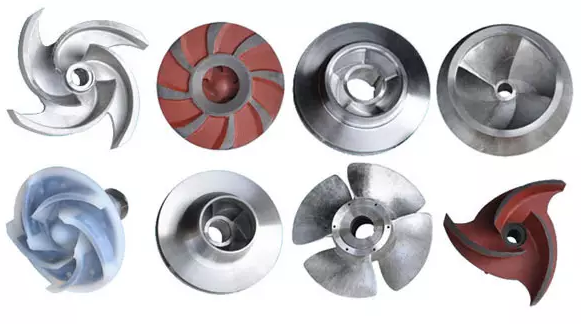
2. What Does an Impeller Do?
An impeller is a rotating component of a pump, compressor, or similar device that transfers energy from the motor to the fluid it moves. This energy transfer allows fluids, gases, or slurries to flow efficiently through systems, whether for industrial, commercial, or residential purposes. Impellers are designed to increase the velocity of the fluid and direct it into the desired flow pattern, making them a vital part of many mechanical systems.
Primary Functions of an Impeller
- Fluid Movement: The primary role of an impeller is to move fluids through a system by converting mechanical energy into kinetic energy.
- Pressure Generation: Impellers create the necessary pressure to propel fluids through pipelines, ensuring continuous and efficient flow.
- Energy Efficiency: A well-designed impeller ensures minimal energy loss, maximizing the overall efficiency of the system.
Differences Between Propellers and Impellers
While propellers and impellers may appear similar, their functions and applications differ significantly:
- Flow Type: Propellers generate axial flow, moving fluids in a straight line parallel to the axis of rotation. Impellers, on the other hand, produce a mix of axial and radial flow, depending on their design.
- Applications: Propellers are primarily used in open systems, such as marine propulsion, while impellers are used in closed systems, such as pumps and turbines.
- Design: Propellers typically have fewer blades and operate in open environments, while impellers are enclosed within a housing to channel fluid flow more effectively.
Key Components and Mechanics of an Impeller
An impeller typically consists of:
- Blades: Curved or flat components that guide the fluid flow and impart energy.
- Hub: The central section of the impeller where it connects to the motor shaft.
- Eye: The central inlet where the fluid enters the impeller.
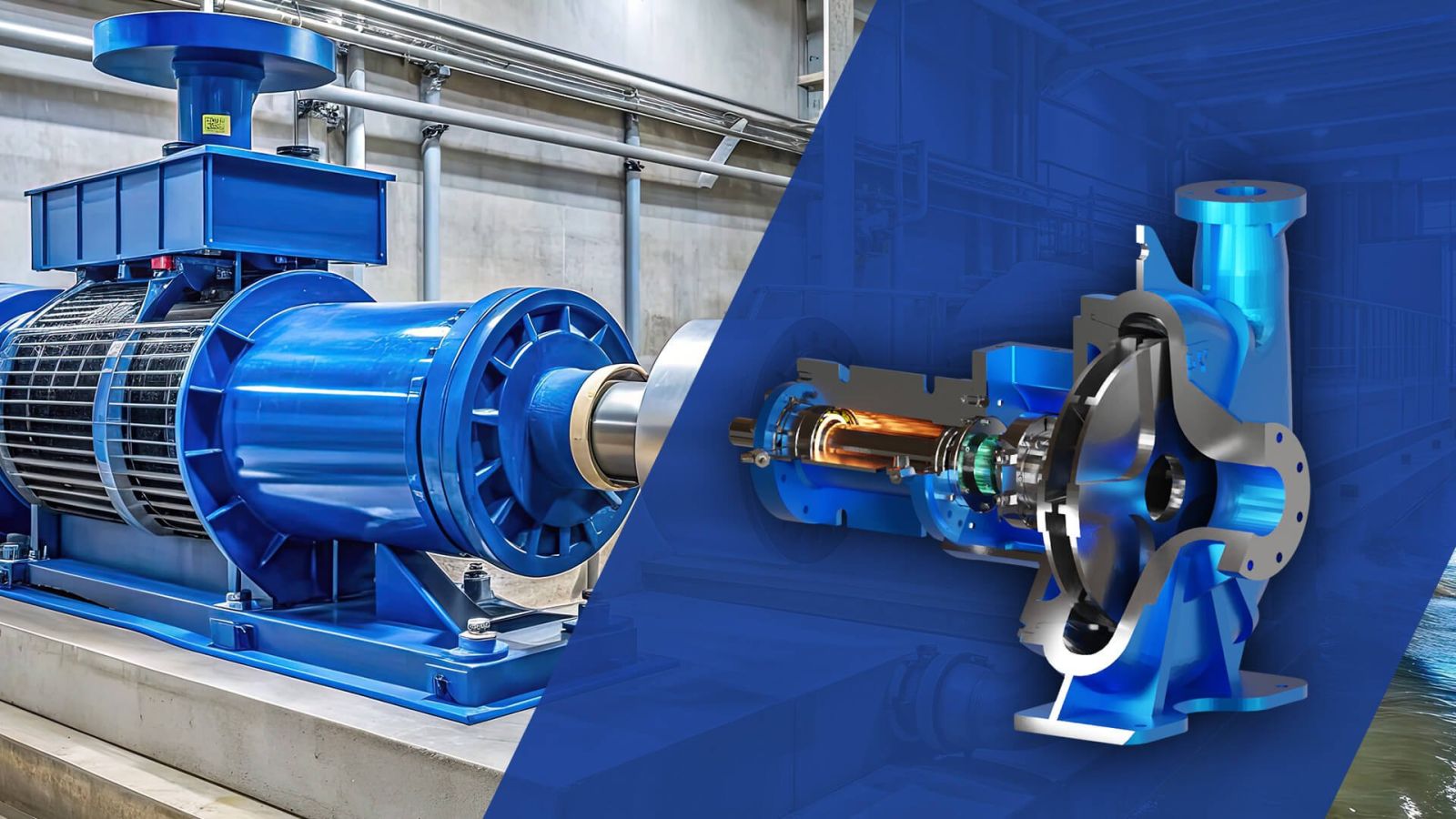
When the impeller rotates, the blades push the fluid outward due to centrifugal force, increasing its velocity and pressure. This fluid movement is critical for the performance of pumps, compressors, and turbine
3. What Are the Most Effective Impellers?
The effectiveness of an impeller depends on its design, material, and suitability for the intended application. Different types of impellers are tailored to meet specific operational requirements, from handling clean water to moving viscous sludge. Understanding the types of impellers and their characteristics is essential for choosing the right one for your needs.
Types of Impellers
-
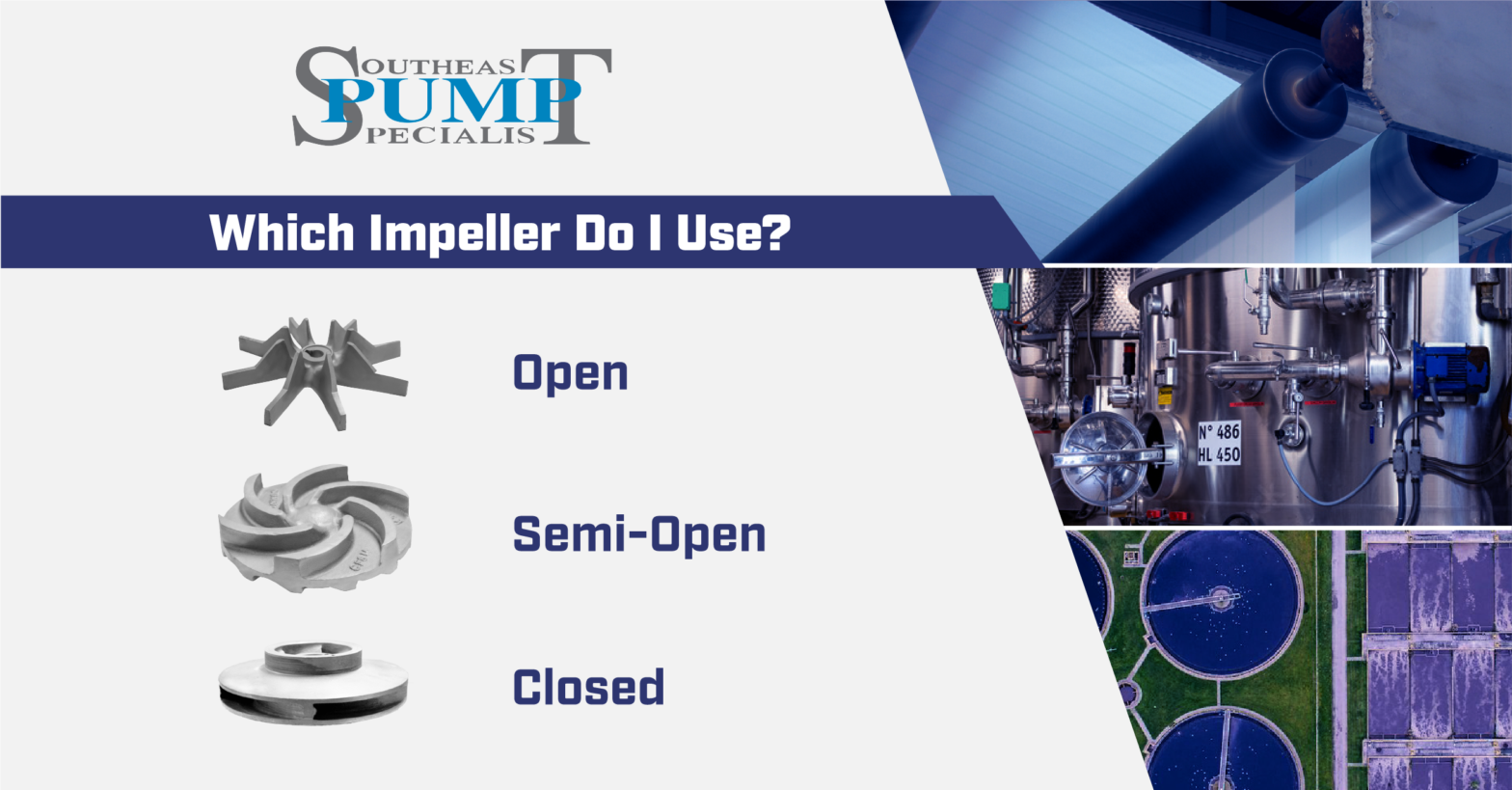
Open Impellers:
Open impellers have vanes attached to a central hub, with no shrouds or covers. They are lightweight and easy to clean, making them ideal for applications involving solids or fibrous materials, such as wastewater treatment. However, they are less efficient and prone to wear compared to other types. -
Closed Impellers:
Closed impellers feature vanes enclosed between two shrouds, providing better efficiency and reducing wear. They are commonly used in clean fluid applications, such as water pumps, where high efficiency and durability are essential. -
Semi-Open Impellers:
Semi-open impellers have a single shroud covering the vanes, offering a balance between efficiency and solid-handling capability. They are versatile and commonly used in industrial settings where both solids and liquids are present.
Centrifugal vs. Axial Impellers
-
Centrifugal Impellers:
These impellers use centrifugal force to push fluid outward from the center of the impeller. They are ideal for high-pressure, low-flow applications and are widely used in industries such as water supply and chemical processing. -
Axial Impellers:
Axial impellers move fluid parallel to the impeller's axis, providing high flow at low pressure. They are commonly used in ventilation systems, marine propulsion, and applications requiring large-volume fluid movement.
Choosing the Right Impeller for Specific Applications
Selecting the right impeller involves considering factors such as the type of fluid, flow rate, pressure requirements, and the presence of solids. Here are a few examples:
- Pumping Sludge: For handling sludge or slurry, a semi-open impeller is often the best choice due to its ability to handle solids without clogging.
- Industrial Use: Closed impellers are ideal for industrial processes involving clean fluids where efficiency and durability are paramount.
- High-Volume Applications: Axial impellers are well-suited for applications requiring large fluid volumes at low pressure, such as cooling systems or ventilation.
4. How Long Should an Impeller Last?
The lifespan of an impeller varies depending on factors such as material, design, operating conditions, and maintenance. While high-quality impellers can last several years, their longevity depends on how well they are suited to their application and how they are maintained.
Factors Affecting the Lifespan of an Impeller
-
Material:
Impellers made from durable materials like stainless steel, titanium, or high-performance alloys tend to last longer, especially in harsh environments. The right material should resist corrosion, erosion, and wear. -
Operating Conditions:
- Abrasive Fluids: Fluids containing solids or abrasives can wear down the impeller quickly.
- High Temperatures: Extreme temperatures can weaken materials over time.
- Excessive Pressure or Flow: Operating outside the recommended pressure or flow rates can cause undue stress and reduce lifespan.
-
Design and Manufacturing Quality:
Impellers designed with precision and built to global standards ensure better durability. Poor-quality impellers may fail prematurely.
Common Signs of Wear and Tear
Regular inspections can help detect issues before they escalate. Look for the following signs:
- Cavitation Damage: Pitting or erosion caused by vapor bubbles collapsing on the impeller’s surface.
- Corrosion: Material degradation due to chemical reactions with the fluid.
- Erosion: Wear caused by particles in the fluid.
- Imbalance: Vibrations or unusual noise during operation, which may indicate an imbalance due to wear.
- Reduced Performance: Decreased efficiency or flow rate.
Maintenance Tips to Extend the Life of an Impeller
- Regular Cleaning: Prevent buildup of debris or solids that could lead to clogging and wear.
- Proper Alignment: Ensure the impeller is correctly aligned with the shaft to prevent unnecessary stress.
- Monitor Operating Conditions: Operate the pump or system within the recommended parameters for pressure, flow, and temperature.
- Routine Inspections: Conduct regular inspections to identify signs of damage or wear early.
- Use Compatible Materials: Select impellers made from materials suited to the fluid and operating environment.
- Lubrication and Cooling: Ensure proper lubrication and cooling systems are in place to reduce friction and heat.
5. How Are Impellers Manufactured?
The manufacturing process of impellers combines material selection, precision engineering, and advanced production techniques to ensure high performance and durability. At YICHOU, we specialize in producing impellers that meet the rigorous demands of industries such as energy, marine, and industrial processing.
Overview of the Manufacturing Process
The production of impellers typically involves the following steps:
-
Design and Modeling:
Using CAD software, engineers design impellers tailored to specific applications. This stage includes performance simulations and optimization to ensure efficiency and durability. -
Material Selection:
The choice of material is crucial for meeting operational requirements, such as resistance to corrosion, wear, or high temperatures. -
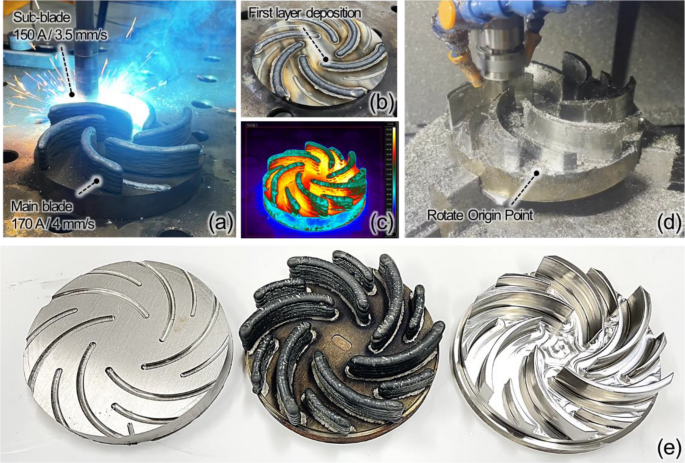
Casting or Forging:
- Casting: For complex geometries, the molten material is poured into a mold to form the impeller.
- Forging: For higher strength and durability, the material is shaped under high pressure and temperature.
-
Machining and Finishing:
Precision machining ensures the impeller meets tight tolerances. This stage includes processes like CNC machining, grinding, and polishing to achieve the desired surface finish and dimensions. -
Balancing and Quality Testing:
Impellers are dynamically balanced to reduce vibrations during operation. They also undergo rigorous quality tests, including material inspection, dimensional checks, and performance testing, to meet global standards.
Materials Used in Impeller Production
- Stainless Steel:
Ideal for applications requiring corrosion resistance, such as chemical processing and water treatment. - High-Temperature Alloys:
Materials like Inconel or titanium alloys are used in high-stress environments, such as gas turbines and aerospace applications. - Bronze and Aluminum Alloys:
Commonly used in marine and lightweight industrial applications. - Composite Materials:
For specific applications, composites offer lightweight and corrosion-resistant alternatives.
Technologies and Techniques Employed by YICHOU
At YICHOU, we leverage state-of-the-art technologies to produce impellers that meet the most demanding requirements:
- CNC Machining: Ensures precision and consistency in dimensions and surface finishes.
- 3D Printing and Rapid Prototyping: Speeds up the design-to-production process for custom impellers.
- Dynamic Balancing Machines: Minimize vibrations and improve operational stability.
- Advanced Casting Techniques: Produce intricate designs with high material integrity.
- Surface Treatments: Enhance wear resistance and longevity through coatings or treatments like anodizing and heat treatment.
Why Choose YICHOU for Impeller Manufacturing?
With extensive experience and advanced manufacturing capabilities, YICHOU provides impellers tailored to diverse industrial needs. Our commitment to quality, innovation, and customer satisfaction makes us a trusted partner in the global market. Whether you require standard designs or custom solutions, YICHOU ensures precision, reliability, and exceptional performance.
6. Common Issues with Impellers
Impellers are critical components in various industrial applications, and their performance directly impacts system efficiency. However, like any mechanical part, impellers can encounter issues that affect their operation. Identifying and addressing these problems promptly is essential to maintaining performance and minimizing downtime.
Common Issues with Impellers
-
Imbalance:
- Cause: Uneven weight distribution or wear on the blades.
- Effect: Leads to vibrations, increased noise, and potential damage to bearings or other components.
- Solution: Regular dynamic balancing and ensuring proper installation during maintenance.
-
Corrosion:
- Cause: Exposure to harsh chemicals, seawater, or other corrosive environments.
- Effect: Weakens the structure, reducing efficiency and lifespan.
- Solution: Use of corrosion-resistant materials such as stainless steel, titanium, or coated surfaces.
-
Wear and Erosion:
- Cause: Continuous exposure to abrasive particles in fluids or improper alignment.
- Effect: Thinning of blades, reduced performance, and eventual failure.
- Solution: Employ wear-resistant materials and schedule regular inspections to replace worn parts.
-
Cavitation:
- Cause: Formation and collapse of vapor bubbles due to pressure variations in the fluid.
- Effect: Causes pitting and noise, leading to structural damage over time.
- Solution: Optimize the system design to maintain proper flow conditions and pressure levels.
-
Seal Failure:
- Cause: Improper sealing or worn-out gaskets.
- Effect: Leakage and reduced system pressure.
- Solution: Inspect and replace seals during routine maintenance.
-
Improper Installation:
- Cause: Misalignment or incorrect assembly of the impeller.
- Effect: Decreased performance and increased wear.
- Solution: Follow manufacturer guidelines and conduct post-installation testing.
Troubleshooting Common Failures
- Perform regular visual inspections to identify early signs of damage.
- Monitor performance indicators such as vibrations, flow rate, and noise levels.
- Conduct periodic maintenance to address minor issues before they escalate.
- Use advanced diagnostic tools like vibration analysis and ultrasonic testing for precise evaluation.
How YICHOU Ensures Durability and Performance
At YICHOU, we address common impeller issues proactively through high-quality manufacturing and rigorous quality control:
-
Material Excellence:
We use premium materials tailored to specific applications, ensuring resistance to corrosion, wear, and high temperatures. -
Advanced Testing:
Every impeller undergoes dynamic balancing, pressure testing, and performance analysis to guarantee reliability. -
Precision Manufacturing:
Our state-of-the-art CNC machining and casting processes produce impellers with exact specifications and tight tolerances. -
Customized Solutions:
YICHOU provides impellers designed to handle specific challenges, such as abrasive fluids or corrosive environments, ensuring optimal performance. -
Expert Support:
Our experienced engineers offer troubleshooting assistance, maintenance recommendations, and technical guidance to maximize the lifespan of your impellers.
By focusing on innovation, quality, and customer satisfaction, YICHOU ensures that our impellers perform reliably, even in the most demanding environments.
7. YICHOU’s Expertise in Impeller Manufacturing
As a leading name in the industry, YICHOU has established itself as a trusted manufacturer of high-quality impellers tailored for diverse applications. Combining state-of-the-art technology with a deep understanding of customer needs, YICHOU ensures that every impeller delivers exceptional performance, durability, and value.
Unique Selling Points of YICHOU’s Impellers
-
Customization for Diverse Needs:
- YICHOU specializes in designing and manufacturing impellers that meet specific requirements, whether for high-pressure, high-temperature environments or abrasive applications.
- Customizable designs include variations in size, shape, and material based on client specifications.
-
Advanced Manufacturing Techniques:
- Our precision CNC machining and casting technologies ensure tight tolerances and high-quality finishes.
- We employ cutting-edge tools for dynamic balancing, ensuring superior stability and efficiency.
-
Wide Material Selection:
- YICHOU offers impellers made from high-grade materials such as stainless steel, titanium, nickel alloys, and high-temperature alloys.
- Material selection is tailored to withstand corrosion, wear, and extreme operating conditions.
-
Efficiency and Reliability:
- Our impellers are engineered to deliver optimal performance, maximizing fluid dynamics while minimizing energy consumption.
- Designed for durability, they are built to perform reliably under rigorous conditions.
Quality Control Measures and Global Standards Compliance
-
Rigorous Testing Protocols:
- Every impeller undergoes thorough inspections, including:
- Dynamic and static balancing tests.
- Dimensional accuracy checks.
- Performance evaluation under simulated working conditions.
- Every impeller undergoes thorough inspections, including:
-
Compliance with Global Standards:
- YICHOU adheres to international standards such as ISO 9001 for quality management, ensuring products meet and exceed industry expectations.
- We maintain certifications for specific industries, including marine and oil & gas, to guarantee compliance with safety and operational guidelines.
-
Zero-Defect Policy:
- Our commitment to quality is reflected in our stringent quality assurance processes, ensuring defect-free products.
Applications Served by YICHOU
-
Industrial Applications:
- Impellers for pumps used in manufacturing plants, chemical processing, and power generation.
-
Marine Applications:
- Corrosion-resistant impellers designed for seawater pumps, desalination plants, and shipboard systems.
-
Oil & Gas Sector:
- Impellers capable of handling high-pressure and high-temperature operations in refineries and offshore platforms.
-
Water Treatment Systems:
- Precision-engineered impellers for efficient water and wastewater management.
-
HVAC Systems:
- Impellers optimized for ventilation, heating, and cooling systems in commercial and industrial settings.
-
Mining and Sludge Pumping:
- Heavy-duty impellers designed for abrasive and high-viscosity materials, ensuring reliability in harsh environments.
8. FAQs About Impellers
When it comes to impellers, questions often arise about their design, maintenance, and performance. Here, YICHOU addresses some of the most common concerns to help you make informed decisions.
What Makes a Good Impeller?
A good impeller combines robust material selection, precise manufacturing, and thoughtful design to ensure optimal performance. Key attributes include:
- Durability: Resistance to wear, corrosion, and extreme conditions.
- Efficiency: Superior fluid dynamics to minimize energy consumption.
- Balance: A well-balanced impeller to prevent vibration and operational inefficiencies.
At YICHOU, our impellers are crafted using high-quality materials and advanced technologies to meet these standards, ensuring long-lasting performance across various applications.
How to Install and Balance an Impeller?
-
Installation Tips:
- Ensure the pump or equipment is clean and free from debris.
- Align the impeller correctly with the shaft and secure it firmly using appropriate tools.
- Follow the manufacturer’s guidelines for torque and assembly.
-
Balancing Techniques:
- Impellers must be dynamically balanced to avoid operational issues.
- YICHOU uses precision balancing equipment to ensure that every impeller operates smoothly and efficiently, reducing wear on bearings and other components.
If you're unsure about installation or balancing, YICHOU offers expert support and guidance to help you achieve seamless operation.
Can Impellers Be Repaired or Replaced?
-
Repairs:
- Minor wear and tear, such as surface erosion, can often be repaired through machining or coating.
- YICHOU provides professional repair services to restore impellers to their original condition.
-
Replacements:
- When damage is extensive or performance is compromised, replacement is often the best option.
- YICHOU offers quick replacements with custom impellers designed to meet your specific needs.
Our team can assess your situation and recommend whether repair or replacement is the most cost-effective solution.
Are you ready to elevate your operations with high-performance impellers? Contact YICHOU today to learn more about our custom impeller manufacturing solutions.
Why Choose Us?
- Free consultations to understand your specific requirements.
- Fast turnaround times to keep your operations running smoothly.
- Guaranteed quality and durability, backed by our expert team.
Click below to get started or reach out to our support team for immediate assistance. Let YICHOU be your trusted partner in impeller manufacturing!
Get Quote
- Visit our website: https://www.nbyichou.com/
- Email us: [email protected]
- Call us/whatsapp: +86 13355741031
- Chat with us: Live chat support available on our website