Introduction
The defense industry represents one of the most demanding sectors in modern manufacturing. When a component is destined for military applications—whether airborne, naval, or ground-based—the margin for error ceases to exist. These parts must function flawlessly under extreme conditions: the crushing depths of the ocean, the thermal stresses of hypersonic flight, the shock loads of combat, and the corrosive marine environment.
What makes defense manufacturing uniquely challenging is not merely the tight tolerances or exotic materials, though both are certainly factors. It is the comprehensive system of requirements that surrounds every component: full traceability from raw material to finished part, compliance with military specifications, complete documentation packages, and quality systems that leave nothing to chance. A commercial part that fails may result in warranty claims or customer dissatisfaction. A defense component that fails can have far more serious consequences.
At Ningbo Yichou, we have built our precision machining capabilities specifically to address these demanding requirements. Our defense-capable machining services combine advanced multi-axis CNC technology, comprehensive quality systems, and deep materials expertise to deliver components that meet the most stringent military specifications. This article explores the landscape of defense component manufacturing and how precision machining enables the performance and reliability that national security demands.
Defense Industry Requirements
MIL-SPEC and MIL-STD Compliance
The foundation of defense manufacturing lies in compliance with military specifications and standards. MIL-SPEC documents define the precise technical requirements for materials, processes, and products, while MIL-STD documents establish uniform engineering practices and procedures. For machined components, this may include specifications for material composition, heat treatment, surface finish, plating, and dimensional tolerances.
Understanding and implementing these requirements demands more than simply following a checklist. It requires interpreting specifications that may date back decades, understanding the intent behind each requirement, and ensuring that every process step aligns with documented standards. For example, MIL-STD-1798 addresses mechanical equipment and subsystem integrity, establishing processes to ensure operational safety and effectiveness throughout a weapon system's lifecycle. This cradle-to-grave approach means manufacturers must consider not only initial production but long-term sustainment and performance.
Traceability: From Material to Finished Part
Perhaps no concept is more central to defense manufacturing than traceability. Every defense component must be traceable from the finished part back to the original raw material batch. This means maintaining detailed records that link each component to specific material certifications, heat treat batches, machining operations, and inspection results.
In aerospace and defense manufacturing, precision is expected but traceability is essential. This requirement extends beyond simple lot tracking to encompass every variable that could affect part performance. When a component is installed in a critical defense system, engineers must be able to verify not only its final dimensions but the complete history of its creation. This includes machine calibration records, tool wear data, environmental conditions during machining, and the specific operator responsible for each operation.
Modern traceability systems implement layered process control that systematically eliminates sources of variation. This productive process pyramid approach includes four levels: process foundation (preventative controls like machine calibration), process setting (predictive controls verifying setup accuracy), in-process control (active monitoring during machining), and post-process monitoring (final inspection and documentation). Each level builds upon the one below, creating comprehensive visibility into every aspect of production.
Documentation: Full Reporting Packages
Defense contracts typically require complete reporting packages that document every aspect of production. These packages may include first article inspection reports, material certifications, process sheets, in-process inspection records, and final dimensional data. The documentation must be accurate, complete, and organized in a manner that facilitates audit and review.
For complex components, the documentation package may be many pages long, with each dimension verified and recorded. This paperwork serves multiple purposes: it provides evidence of compliance for government auditors, creates a baseline for future production runs, and establishes a quality record that follows the component throughout its service life.
Quality Systems: ISO 9001 and AS9100
Defense manufacturers operate under certified quality management systems that ensure consistency and continuous improvement. ISO 9001 provides the baseline framework for quality management, while AS9100 adds aerospace and defense-specific requirements. These certifications demonstrate that a manufacturer has implemented systematic processes for design, development, production, and delivery.
AS9100 certification is particularly significant for defense work, as it addresses the unique requirements of the aerospace and defense industries. These include configuration management, risk management, counterfeit part prevention, and special process control. Manufacturers must demonstrate not only that they meet these requirements but that they continuously monitor and improve their systems.
Types of Defense Components We Machine
The diversity of defense applications demands an equally diverse range of machining capabilities. Different platforms—aerospace, ordnance, naval, and electronic—present unique challenges and requirements.
Aerospace Structural Components
Aerospace defense applications demand components that combine minimum weight with maximum strength. Structural parts for military aircraft, missiles, and UAVs are typically machined from titanium and aluminum alloys, with tolerances measured in thousandths of an inch. Surface finish requirements are equally demanding, as fatigue life depends directly on surface integrity.
Modern combat aircraft may contain thousands of machined components, from bulkheads and ribs to fittings and brackets. Each must be produced to exacting specifications, with complete traceability and documentation. The complexity of these parts often requires five-axis machining to access difficult angles and maintain tight tolerances across large structures.
Ordnance Components
Weapons systems and ordnance components present a different set of challenges. These parts are typically machined from high-strength steels and must maintain material integrity under extreme loads. Heat treatment is often required to achieve the necessary mechanical properties, and the relationship between machining and heat treatment must be carefully managed.
Ordnance components may include breech mechanisms, barrel components, missile fins, and warhead housings. Each requires careful attention to material grain flow, stress relief, and dimensional stability. The consequences of failure in these applications make quality control particularly critical.
Naval Hardware
The marine environment is uniquely hostile to metal components. Salt water, pressure extremes, and galvanic corrosion create challenges that require specialized materials and finishes. Naval defense components are often machined from duplex stainless steels, Monel, and other corrosion-resistant alloys.
Deep-sea equipment represents one of the most demanding naval applications. Components must withstand tremendous pressures while maintaining perfect sealing and function. Our experience with underwater equipment manufacturing has demonstrated the importance of precision in these applications, where even microscopic defects can lead to catastrophic failure at depth.
Electronic Enclosures
Modern defense systems depend on sophisticated electronics that must function reliably in harsh environments. Enclosures for these electronics must provide not only physical protection but electromagnetic shielding to prevent interference and detection.
Machining these enclosures from aluminum or stainless steel requires attention to detail that goes beyond basic dimensional accuracy. Sealing surfaces must be flat and smooth, hole patterns must align precisely, and wall thickness must be consistent to maintain shielding effectiveness. For applications requiring EMI shielding, the electrical continuity of the enclosure becomes as important as its mechanical properties.
Advanced Equipment for Defense Work
Meeting defense requirements demands more than skilled machinists and quality systems—it requires advanced equipment capable of achieving the precision and complexity that modern defense components demand.
3/4/5-Axis CNC Machining Centers
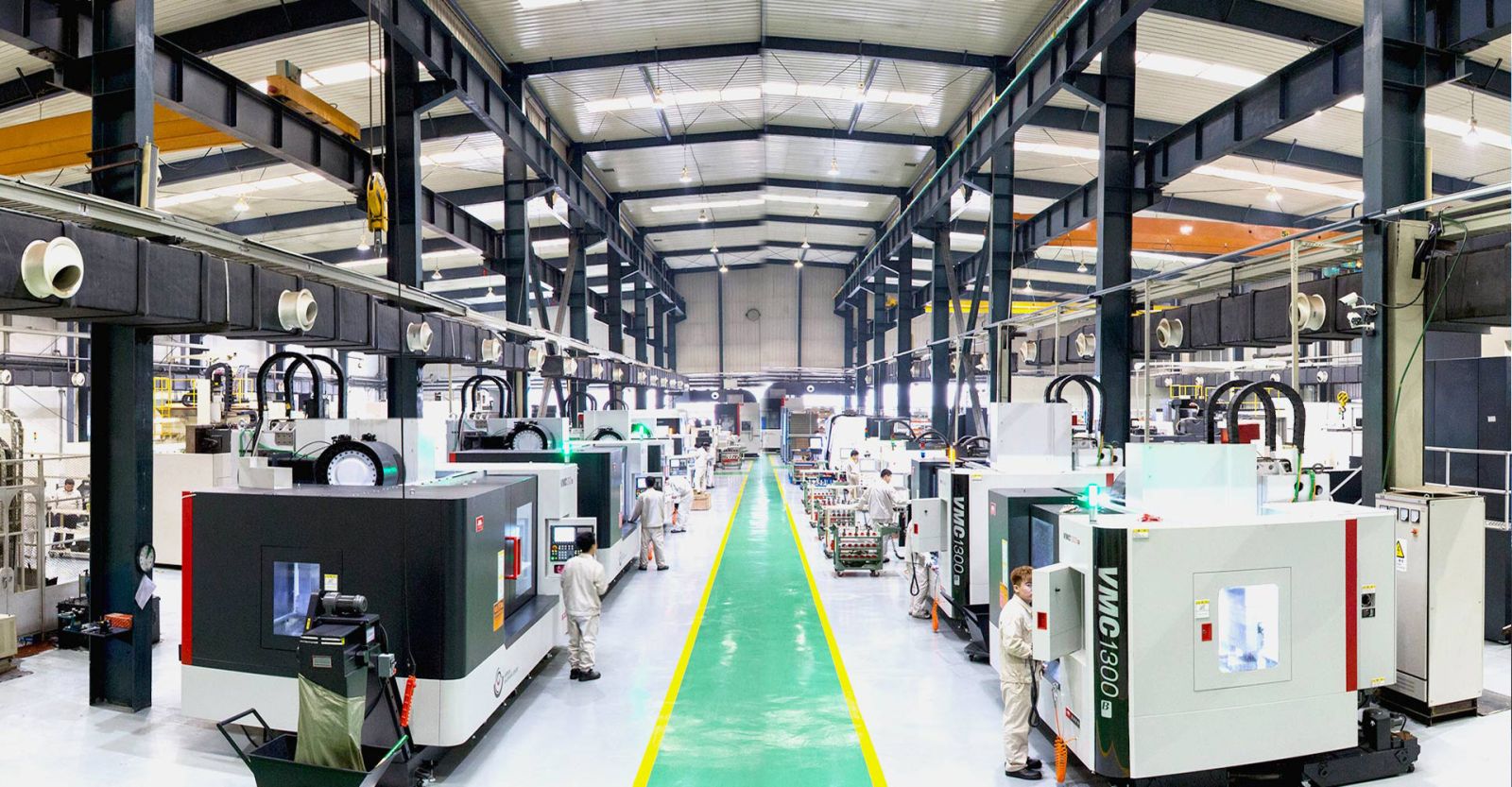
Multi-axis machining centers form the backbone of defense component production. Three-axis machines handle simpler geometries, while four and five-axis machines enable complex parts to be completed in fewer setups. This reduction in setups is not merely a matter of efficiency—it directly impacts quality by eliminating the errors that can occur when parts are repositioned between operations.
Five-axis machining is routine in aerospace and defense manufacturing, with machines ranging from small precision centers to large-travel systems capable of accommodating major structural components. The ability to orient the tool relative to the part from any angle enables features that would be impossible with conventional machining, while maintaining tight tolerances across complex surfaces.
Some defense applications require even more axes of control. Nine-axis six-link intelligent milling-boring machining centers combine the capabilities of multiple machines into single platforms, enabling complete machining of complex components in one setup. This integration is particularly valuable for large, complex parts where setup errors would be difficult to control.
CNC Turning with Live Tooling
Modern CNC turning centers equipped with live tooling capabilities blur the line between turning and milling. These machines can perform turning operations, drilling, milling, and tapping in a single setup, completing complex rotational components without secondary operations.
For defense components that combine rotational features with milled flats, cross-drilled holes, or complex contours, live tooling turning centers offer significant advantages in both precision and efficiency. The ability to complete parts in one setup eliminates the errors and handling damage that can occur when parts move between machines.
CMM Inspection
Coordinate measuring machines provide the dimensional verification that defense components require. Modern CMMs combine precision mechanics with sophisticated software to measure complex geometries quickly and accurately. For aerospace and defense applications, these measurements are not merely for quality control—they become part of the permanent record that accompanies each component.
Five-axis multisensor measurement systems are particularly valuable for inspecting complex aerospace parts, enabling verification of hard-to-reach features that would be difficult or impossible to measure with conventional methods. These systems can combine touch probing, optical measurement, and laser scanning to capture complete dimensional data.
Surface Finish Measurement
Surface finish is critical for many defense applications, affecting everything from fatigue life to sealing performance. Advanced surface measurement equipment quantifies finish parameters with precision, ensuring that components meet specified requirements for roughness, waviness, and lay.
Material Expertise for Defense
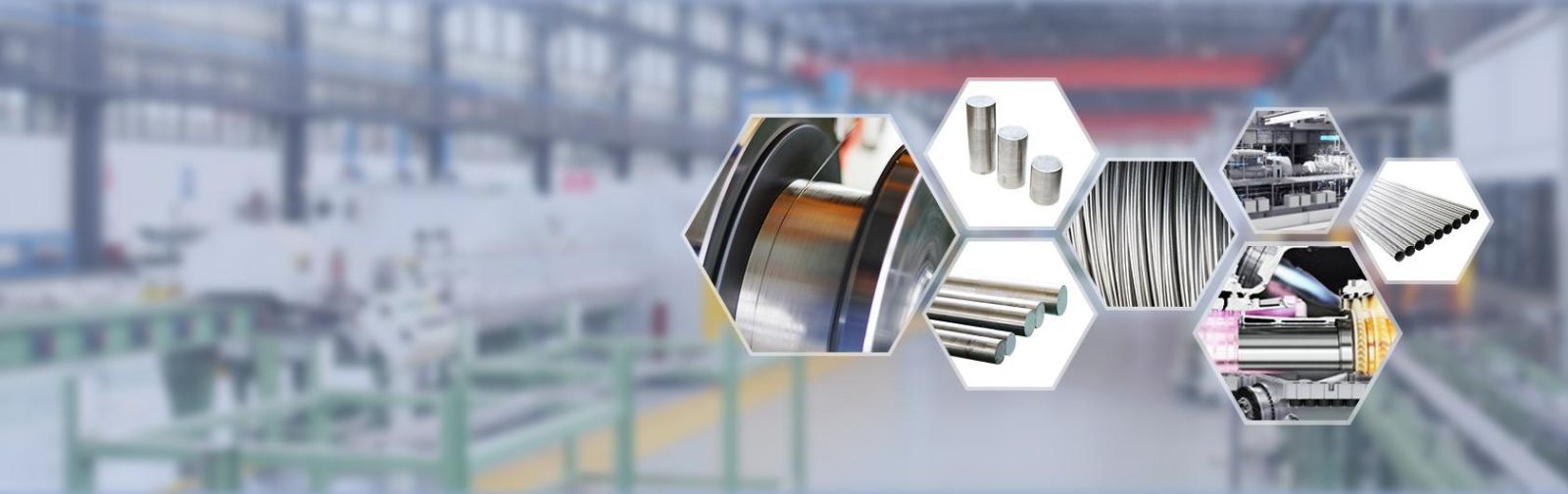
The materials used in defense applications are selected for their ability to perform under extreme conditions. Machining these materials requires specialized knowledge and techniques.
High-Temperature Alloys
Inconel, Hastelloy, and other nickel-based superalloys are essential for defense applications involving high temperatures. Jet engine components, exhaust systems, and hypersonic vehicle structures must maintain strength at temperatures that would soften ordinary steels. These materials are classified as difficult-to-machine because they work-harden rapidly, generate intense heat during cutting, and are abrasive to cutting tools.
Successful machining of high-temperature alloys requires rigid machines, sharp tools, and careful control of cutting parameters. Speeds and feeds must be optimized to balance productivity with tool life, and coolant application must be sufficient to control heat without causing thermal shock to the cutting edge. Inconel 718, for example, is widely applied in military aviation engines and defense systems requiring durability under extreme conditions.
Titanium Alloys
Titanium offers an exceptional combination of strength, light weight, and corrosion resistance that makes it invaluable for defense applications. Different grades serve different purposes: TC4 (Ti-6Al-4V) is the workhorse alloy for structural applications, while TC21 and TB6 offer enhanced properties for specific requirements.
Machining titanium presents challenges related to its low thermal conductivity and chemical reactivity. Heat generated during cutting remains concentrated at the tool edge, accelerating wear. At elevated temperatures, titanium can react with tool materials, leading to premature failure. Successful titanium machining requires sharp tools, rigid setups, and consistent cutting parameters.
Ti-6Al-4V offers ultra-high strength with excellent impact resistance, making it ideal for protection applications, military vehicles, and aerospace defense platforms. The material's high affinity for oxygen and nitrogen requires controlled atmospheres during processing to achieve consistent, high-quality results.
Stainless Steels
Precipitation-hardening stainless steels such as 17-4PH and 15-5PH combine corrosion resistance with high strength, making them valuable for defense components that must resist both mechanical loads and environmental attack. These materials achieve their final properties through heat treatment, which must be carefully coordinated with machining operations.
Duplex stainless steels offer enhanced strength and corrosion resistance for naval applications. Their two-phase microstructure provides resistance to stress corrosion cracking that makes them ideal for marine environments. Machining duplex grades requires attention to cutting parameters that maintain surface integrity without work hardening the material.
Stainless steel 316L and 17-4 PH are among the most versatile materials for defense manufacturing, offering good corrosion resistance, ductility, and mechanical strength suitable for a wide range of components.
Aluminum Alloys
Aluminum remains essential for defense applications where weight is critical. Alloys such as 7075 and 2024 provide high strength-to-weight ratios and good machinability. Aerospace structural members, UAV frames, and electronic enclosures all benefit from aluminum's combination of properties.
Aluminum alloys such as AlSi10Mg offer excellent mechanical properties with low density, making them suitable for applications requiring lightweight structures and thermal conductivity. In aerospace and defense, aluminum is widely used for internal aircraft components, drone structures, and thermal management systems.
Case Example: Deep-Sea Equipment Manufacturing
The challenges of defense component manufacturing are exemplified by deep-sea equipment, where components must withstand crushing pressures while maintaining perfect function. Our work in this area demonstrates the capabilities that advanced machining brings to defense applications.
Deep-sea equipment components face requirements that push manufacturing technology to its limits. Sealing surfaces must be flat within fractions of a thousandth of an inch. Thread forms must be precise and consistent. Material properties must be maintained throughout the component, with no defects that could become failure points under pressure.
To meet these demands, we employ nine-axis six-link intelligent milling-boring machining centers that combine multiple capabilities in single setups. These advanced machines incorporate machine vision measurement systems that verify critical features during machining, eliminating the need for separate setup and inspection operations.
The results have been dramatic. Opening and beveling accuracy has improved five times compared to conventional methods. Production efficiency has doubled through reduced setup time and elimination of secondary operations. Digital machining has replaced manual flame cutting, bringing precision to operations that were previously dependent on operator skill.
This experience demonstrates the principle that applies across defense manufacturing: advanced equipment, properly applied, enables levels of precision and consistency that conventional methods cannot achieve. For defense components, where failure is not an option, this capability is essential.
Quality Control for Defense Components
Quality control in defense manufacturing is not a final inspection step—it is a comprehensive system that begins with raw material receiving and continues through shipping.
First Article Inspection
First article inspection (FAI) is the comprehensive verification of all part characteristics before production begins. For defense components, FAI is not merely recommended—it is required. The inspection must verify that the manufacturing process can produce parts that meet all specifications, and the results must be documented in a format that supports customer review.
FAI includes verification of material certifications, confirmation that all drawing requirements are addressed, and dimensional inspection of all features. For complex components, this may involve hundreds or thousands of measurements, each recorded and compared to specification limits.
In-Process Inspection
In-process inspection verifies critical features during production, catching potential problems before they result in scrap. Modern approaches integrate inspection into the machining process itself, using probing systems to verify setups, monitor tool wear, and check critical dimensions without removing parts from the machine.
During machining of critical components, real-time feedback systems monitor tool wear, temperature drift, and material conditions. Adaptive control strategies respond dynamically to variation, maintaining conformance without interrupting production. These systems can detect tool wear during machining and enable dynamic adjustments to tool paths while logging each change to maintain traceability.
Final Dimensional Reporting
Final inspection provides the dimensional data that accompanies each component. For defense work, this is not a simple pass/fail determination—it is a comprehensive record of actual as-built dimensions. This data becomes part of the permanent record for each component, supporting both acceptance decisions and future analysis if issues arise.
Serialized parts with inspection data, process logs, and test records are maintained throughout the component lifecycle. This complete traceability ensures that every part can be linked to its complete production history.
Material Certifications
Material certifications verify that raw materials meet specification requirements before machining begins. These certifications must be retained and linked to the finished components. For critical applications, additional testing such as chemical analysis or mechanical testing may be required to verify material properties.
Conclusion
Defense component manufacturing demands more than machining capability—it requires a comprehensive system that encompasses advanced equipment, materials expertise, quality control, and documentation. Every component must meet exacting specifications, and every step in its production must be documented, verified, and repeatable.
At Ningbo Yichou, we have built our capabilities specifically to meet these demands. Our advanced CNC machining centers, comprehensive quality systems, and deep materials expertise enable us to produce components that meet the most stringent military specifications. Whether for aerospace structural applications, ordnance components, naval hardware, or electronic enclosures, we deliver the precision and reliability that defense applications require.
We understand that defense manufacturing is not merely about making parts—it is about enabling the systems that protect national security. Every component we machine carries that responsibility, and our systems and processes reflect it. From material receiving through final inspection, from first article through production runs, we maintain the control and documentation that defense applications demand.
If your requirements include defense components that demand precision, reliability, and complete traceability, we invite you to contact us. Our team is ready to discuss your specific needs and demonstrate how our defense-capable machining services can support your programs.
Contact us today for a competitive quote and technical support!
Let Yichou help you achieve excellence in your next project. Whether you need raw materials, custom alloy solutions, or precision-manufactured components, our team is ready to assist.
- Email us: [email protected]
- Call us/whatsapp: +86 13355741031
- Chat with us: Live chat support available on our website