Introduction
In the hierarchy of modern metallic materials, titanium occupies a unique and commanding position. Often referred to as the "third metal" after the twin pillars of industrial civilization—steel and aluminum—titanium possesses a combination of properties that neither of its predecessors can fully replicate. Since its commercial extraction became viable in the mid-20th century, titanium has transitioned from a laboratory curiosity to an absolutely indispensable material for industries that demand the very best in performance, reliability, and longevity. And nowhere is this more vividly demonstrated than in the defense sector, where the margins between mission success and catastrophic failure are measured in millimeters, seconds, and decibels.
The defense industry's increasing reliance on titanium is not arbitrary or driven by fleeting trends. It stems from a fundamental truth about the nature of modern warfare: platforms must be lighter, faster, stronger, and more survivable than ever before. Traditional materials, however proven they may be in less demanding roles, increasingly encounter fundamental limitations when subjected to the extreme demands of fifth-generation fighter aircraft, deep-diving nuclear submarines, and next-generation ground combat vehicles. Titanium answers these challenges with a portfolio of properties that seem almost contradictory. It is as strong as many steels but weighs forty-five percent less. It withstands the relentless corrosive assault of seawater indefinitely, without requiring protective coatings or frequent maintenance. And it maintains its mechanical integrity at temperatures that would soften aluminum or embrittle other metals.
At Ningbo Yichou, we have spent years mastering the nuances of titanium machining. We have transformed this remarkable but undeniably demanding material into precision components that meet the stringent and unforgiving requirements of defense contractors worldwide. Our expertise spans aerospace-grade airframe structures, marine hardware destined for the most extreme subsurface operations, and specialized components that bridge both domains. This article explores the critical role titanium alloys play across air and sea defense platforms, the specific grades that enable these applications, and the specialized manufacturing processes required to realize their full potential.
Titanium in Aerospace Defense
Military Aircraft Titanium Usage
The relationship between titanium and military aviation is one of mutual enablement and co-evolution. Without titanium, the performance parameters of modern combat aircraft would be simply unattainable. And without the relentless demands of aerospace engineering, the science of titanium metallurgy would not have advanced as rapidly or as successfully as it has.
The F-22 Raptor stands as the most compelling and widely cited testament to titanium's aerospace value. This air superiority fighter, widely regarded as the most capable ever built, contains approximately forty-one percent titanium by weight. This represents well over nine thousand pounds of the material in every single airframe. This remarkable percentage is not arbitrary or the result of happenstance. It reflects years of intensive optimization by Lockheed Martin engineers who determined, through rigorous analysis and testing, that titanium's unique properties were absolutely essential for the aircraft's most demanding structural applications. The F-22 employs six different titanium alloys in both cast and wrought forms, each carefully selected for specific property requirements including fatigue resistance, high-temperature performance in engine-adjacent areas, and fracture toughness for damage tolerance.
What makes the F-22's titanium usage particularly instructive is the sheer diversity of applications. Titanium alloys appear throughout the airframe's critical stress areas, where the relentless cyclic loads of repeated flights, combined with harsh environmental conditions, demand outstanding resistance to fatigue and environmental degradation. The material's natural compatibility with advanced composite structures—which constitute another twenty-four percent of the F-22's airframe by weight—allows engineers to optimize each section of the aircraft for its specific load-bearing and thermal environment, using the best material for each application rather than compromising with a one-size-fits-all approach.
The F-22, however impressive, is not an isolated case. Advanced fighters around the world typically contain between twenty and thirty percent titanium by weight, with the exact percentage varying based on mission profile, performance requirements, and budget constraints. The F-35 Lightning II, while somewhat less titanium-intensive than its predecessor due to cost considerations, still incorporates substantial quantities of the material across its three variants. Beyond fighter aircraft, titanium finds extensive application in military transport aircraft, where weight reduction directly translates to increased payload capacity. Attack helicopters benefit from titanium's ballistic protection capabilities in crew seats and critical systems. And unmanned aerial vehicles, where every gram saved extends mission endurance, increasingly rely on titanium for structural components that must withstand the rigors of high-altitude operation.
Key applications across all military aircraft categories include primary and secondary airframe structures, where titanium's outstanding strength-to-weight ratio enables lighter overall structures without any compromise in structural integrity or service life. Landing gear components benefit enormously from titanium's combination of high strength and exceptional corrosion resistance. This is particularly true for carrier-based naval aircraft that are constantly exposed to the harsh saltwater environment. Even fasteners and fittings, though small individually, accumulate significant weight savings across the thousands of installations present in every aircraft, while providing the corrosion resistance necessary for extended service life measured in decades rather than years.
Strategic Importance of Titanium in Aerospace
The strategic value of titanium in aerospace defense extends far beyond simple material properties, important as they undoubtedly are. Weight reduction remains the primary and most obvious driver. Every single pound saved on airframe structure translates directly to increased payload capacity for weapons and sensors, extended operational range without refueling, or enhanced maneuverability in the close combat environment. For combat aircraft operating from aircraft carriers or forward austere airfields, these weight savings compound across fuel consumption, logistics requirements, and overall mission flexibility in ways that fundamentally affect combat effectiveness.
Fatigue resistance represents another critical strategic advantage. Military aircraft endure flight cycles and load spectra that would rapidly degrade lesser materials. The repeated pressurization and depressurization of airframes during every flight, the high-G maneuvers of combat training and actual operations, and the constant vibration from powerful engines create a cumulative damage environment that absolutely demands materials capable of enduring millions of stress cycles without crack initiation or propagation. Titanium alloys, particularly those with damage-tolerant characteristics specifically developed for aerospace applications, excel in this demanding environment.
For naval aircraft specifically, corrosion resistance becomes absolutely paramount. Carrier-based operations expose aircraft to salt spray, high humidity, and the general corrosive marine environment on a continuous, daily basis. Aluminum aircraft, however carefully designed, require extensive protective coatings, frequent washing after every flight, and regular intensive inspections for corrosion damage that could compromise structural integrity. Titanium components, by contrast, resist seawater corrosion inherently and completely. This single characteristic alone justifies titanium's use in critical naval aircraft components where corrosion-related failure would have catastrophic consequences for both the aircraft and the pilot.
Titanium in Naval Defense
Submarine and Surface Ship Applications
The marine environment presents challenges that few materials can withstand over extended periods of time. Saltwater is relentlessly corrosive to most metals. Hydrostatic pressure increases dramatically and unforgivingly with every meter of depth. And the combination of continuous mechanical stress from wave action or propulsion systems, together with electrochemical attack from seawater, creates conditions that defeat most engineering materials. Titanium, however, not only survives but actually thrives in this environment.
In submarine construction, titanium offers capabilities that steel, for all its virtues, simply cannot match. The Soviet Alfa-class submarines, constructed largely of titanium during the Cold War, achieved operational depths exceeding twelve hundred meters and speeds over forty knots. These performance parameters far exceeded those of contemporary American submarines built from high-strength steel. These titanium-hulled vessels could operate at depths where steel submarines of comparable displacement would inevitably implode. Their light weight permitted smaller reactors and consequently higher speeds with the same power output. The cost of these remarkable capabilities, however, proved prohibitive for mass production. Titanium submarine construction required specialized fabrication facilities, highly skilled welders certified for titanium, and extensive quality control measures that limited the Alfa class to a relatively small production run.
For deep submersibles, both military and civilian, titanium remains the material of choice to this day. Manned deep-sea vehicles exploring the ocean's greatest depths, including those reaching the bottom of the Mariana Trench, rely on TC4 ELI titanium for their pressure hulls. This specialized grade offers the perfect combination of high strength, exceptional fracture toughness, and proven reliability under extreme hydrostatic pressure conditions. When every millimeter of hull thickness translates directly to weight, and every pound of weight affects buoyancy, maneuverability, and the ability to return to the surface, titanium's unique properties become absolutely indispensable.
Beyond pressure hulls, titanium components appear throughout modern submarines and surface vessels in growing numbers. Propeller shafts benefit from titanium's corrosion resistance and strength, completely eliminating the galvanic corrosion issues that plague dissimilar metal connections in seawater. Heat exchangers and piping systems, previously manufactured from copper-nickel alloys that required regular replacement due to corrosion, now leverage titanium's complete seawater corrosion resistance to achieve service lives measured in decades rather than years. Pump housings, impellers, valves, and sonar antenna casings increasingly utilize titanium castings that eliminate corrosion-related failures and drastically reduce maintenance interruptions during critical deployments.
Why Titanium for Marine Applications
The marine environment selects ruthlessly and unforgivingly among materials, and titanium's multiple advantages explain its rapidly growing adoption by navies around the world.
Excellent seawater corrosion resistance stands first and foremost among these advantages. Titanium completely resists pitting and crevice corrosion even at elevated temperatures up to one hundred thirty degrees Celsius, conditions that would rapidly and severely degrade stainless steel or other alternative materials. This resistance is not merely passive in the way that some materials form protective layers. Titanium forms a stable, adherent, and self-healing oxide layer that, if mechanically damaged, instantly reforms in the presence of oxygen or even water. The practical result is a material that can remain continuously submerged for decades without any measurable corrosion loss whatsoever.
High specific strength enables either lighter vessels for a given depth capability or deeper diving depths for a given structural weight. For surface ships, weight savings in machinery and hull structures translate directly to increased payload capacity for weapons and sensors, or improved fuel efficiency for extended range. For submarines, the relationship between material strength and operational depth is direct and unforgiving. Stronger materials enable deeper operations, which in turn provide tactical advantages in detection avoidance, operational flexibility, and survivability against depth-charge attacks.
Non-magnetic properties offer profound strategic benefits for submarine operations. Steel hulls, regardless of coatings or degaussing systems, possess magnetic signatures that sophisticated detection systems can identify from considerable distances. Titanium's completely non-magnetic characteristic substantially reduces this vulnerability, making titanium submarines inherently more difficult to detect by magnetic anomaly detection systems. For mine countermeasures vessels, which must operate in close proximity to magnetic influence mines, titanium construction provides an additional and potentially life-saving margin of safety.
Key Titanium Grades for Defense Applications
The defense industry's requirements span such a wide and demanding range of operating conditions that no single titanium grade can possibly satisfy all applications. Instead, metallurgists have developed specialized alloys optimized for specific combinations of strength, toughness, weldability, and corrosion resistance.
TC4
TC4, also widely known as Ti-6Al-4V, represents the undisputed workhorse of the entire titanium industry, accounting for approximately fifty percent of all titanium usage worldwide. This versatile alpha-beta alloy combines excellent strength, good ductility for forming operations, and reliable performance across a wide temperature range from cryogenic conditions to elevated temperatures. In defense applications, TC4 appears in airframes, pressure vessels, and fasteners where its balanced properties provide design flexibility and proven performance backed by decades of service experience. The alloy's excellent weldability and general fabricability make it suitable for complex structures requiring joining of multiple components into larger assemblies.
TC4-DT
TC4-DT represents a specialized and optimized variant of standard TC4, developed specifically for applications where fatigue crack growth resistance and fracture toughness are absolutely critical to safety and performance. The DT designation indicates damage-tolerant processing. This includes refined microstructure control through specialized thermomechanical processing, stricter limits on interstitial impurity elements, and specialized heat treatment cycles that enhance the alloy's resistance to crack propagation under cyclic loading. Fatigue-critical structures in aircraft, where an undetected crack could lead to catastrophic failure without warning, increasingly specify TC4-DT for its superior damage tolerance characteristics.
TC21
For applications demanding the highest possible strength levels, TC21 offers an extremely attractive combination of mechanical properties. This high-strength alpha-beta alloy finds application in load-bearing components where weight reduction is absolutely paramount and the higher material cost can be justified by the resulting performance gains. Landing gear components, primary structural fittings, and armament systems utilize TC21 when standard TC4's strength proves insufficient for the design requirements.
TB6
TB6, also designated Ti-1023, is a near-beta alloy developed specifically for high-strength applications requiring through-hardening in thick sections. Unlike alpha-beta alloys whose properties vary significantly with section thickness due to cooling rate effects during heat treatment, TB6 maintains consistent mechanical properties in sections up to six inches thick. This unique characteristic makes it absolutely invaluable for landing gear components and high-strength structural fittings where large cross-sections are unavoidable and uniform properties throughout the section are absolutely essential.
TA7
TA7, an alpha alloy, offers exceptional stability at cryogenic temperatures where other materials, including some titanium alloys, become brittle and unreliable. Missile components, space systems, and specialized military equipment operating at extreme low temperatures utilize TA7 for its reliable and predictable performance under these demanding conditions. The alloy's good weldability and general fabricability further enhance its utility in fabricated assemblies requiring joining of multiple components.
Market Outlook
The defense industry's appetite for titanium shows absolutely no signs of diminishing in the foreseeable future. Current market data reflects both present consumption patterns and projected growth that together underscore titanium's enduring strategic importance.
In recent years, aerospace titanium consumption has reached significant levels, representing over one-fifth of total titanium consumption across all industries combined. This figure encompasses both commercial and military aerospace applications, with defense applications accounting for a substantial portion of the total. The continued production of legacy platforms already in service, the ongoing ramp-up of F-35 manufacturing across multiple international partners, and the development of next-generation fighter aircraft in multiple countries all combine to support sustained aerospace titanium demand for decades to come.
Marine titanium consumption, while smaller in absolute terms than aerospace, demonstrates remarkable and accelerating growth. Annual consumption continues to increase substantially, with year-over-year growth reflecting navies' increasing recognition of titanium's lifecycle advantages over traditional materials. This growth spans multiple application categories, from submarine components to surface ship systems, as naval architects increasingly incorporate titanium into new designs and retrofit programs for existing vessels.
Projections through the coming years indicate combined aerospace and marine demand approaching significant levels annually. This growth reflects not only increased platform production rates but also expanded titanium utilization within individual platforms. As designers gain increasing confidence in titanium's long-term performance and manufacturers develop more cost-effective fabrication methods, titanium content in both aircraft and vessels continues its long-term upward trend.
Machining Titanium for Defense
The very same properties that make titanium so valuable in service—its strength, toughness, and chemical stability—make it exceptionally challenging to machine efficiently and economically. Defense manufacturers must overcome these challenges consistently and repeatedly while meeting the stringent quality requirements of military applications.
Low Thermal Conductivity
Titanium's low thermal conductivity means that the heat generated during machining operations does not dissipate quickly into the workpiece or into the chips being removed. Instead, this heat concentrates intensely at the tool-workpiece interface, where it can rapidly degrade cutting edges and shorten tool life. Unlike steel machining, where chips carry away a significant portion of the generated heat, titanium machining requires careful attention to cutting speeds, coolant application methods, and tool path strategies specifically designed to manage thermal loads and prevent heat buildup.
Spring-Back During Machining
Titanium's elastic modulus, approximately half that of steel, means that the material deflects more significantly under the forces generated during cutting. When these cutting forces are released after the tool passes, the material "springs back" partially toward its original position. This creates dimensional control challenges and contributes to accelerated tool wear through rubbing contact. This characteristic demands exceptionally rigid machine setups, extremely sharp cutting tools, and machining strategies that account for and compensate for material deflection.
Tool Selection and Optimization
Successful titanium machining requires cutting tools designed specifically and deliberately for the material's unique characteristics. Sharp cutting edges reduce both cutting forces and heat generation at the source. Appropriate coatings, typically applied through physical vapor deposition, provide both lubricity to reduce friction and thermal barriers that extend useful tool life. Tool geometries specifically designed to promote efficient chip evacuation prevent the re-cutting of chips and the thermal damage that inevitably follows.
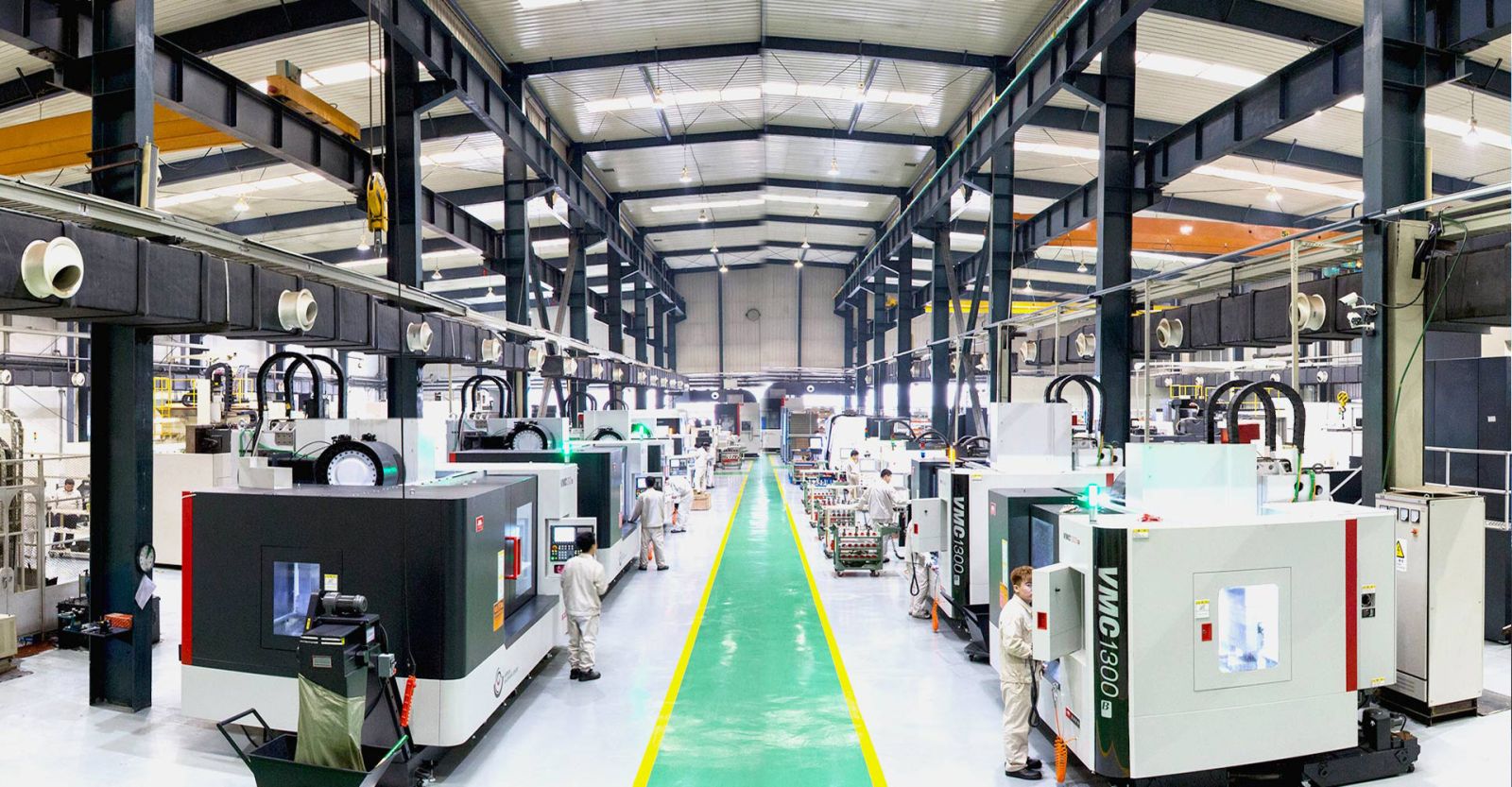
At Ningbo Yichou, our titanium machining processes reflect this deep understanding developed through years of practical experience. We select cutting parameters based on specific alloy grades, individual part geometries, and particular quality requirements. Our equipment provides the rigidity and precision that titanium demands, while our quality systems ensure that every component meets defense industry requirements.
Quality Requirements for Defense Components
Defense applications impose quality requirements far beyond those of commercial or industrial products. The consequences of component failure in service—loss of life, mission failure, strategic disadvantage—demand nothing less than absolute confidence in every single delivered part.
Material Traceability
Every titanium component destined for defense applications must be completely traceable to its originating mill, its specific heat treat batch, and its raw material lot. This traceability extends from the raw material supplier through every manufacturing operation to the final delivered component. Complete documentation must accompany each part, certifying that material properties conform to applicable specifications and that no unauthorized substitutions or deviations occurred during any stage of manufacturing.
Mechanical Testing Verification
While material certifications provide baseline property assurance, defense applications frequently require additional verification through independent mechanical testing. Tensile tests confirm strength and ductility meet requirements. Hardness tests verify uniformity of heat treatment throughout the component. Fracture toughness tests, where specified, provide confidence in damage tolerance for critical applications. These tests may be performed on representative samples accompanying each production batch or, for the most critical components, on integrally-machined test coupons from each individual part.
Non-Destructive Testing Capabilities
Non-destructive testing provides final verification that components are completely free from unacceptable discontinuities. Ultrasonic inspection detects internal flaws that could compromise structural integrity under load. Liquid penetrant examination reveals surface-connected discontinuities that could serve as crack initiation sites. Radiographic inspection, where applicable, provides volumetric examination of complex geometries. At Ningbo Yichou, we maintain comprehensive non-destructive testing capabilities and can perform inspections to applicable standards upon request, providing our defense customers with absolute confidence that every delivered component meets all requirements.
Conclusion
Titanium alloys have earned and solidified their essential position in modern defense capabilities through decades of proven performance. From the F-22 Raptor, with its forty-one percent titanium airframe enabling unprecedented maneuverability, to deep-submergence vehicles exploring and operating at the ocean's greatest depths, titanium enables performance parameters that no other material can match. The unique combination of high specific strength, exceptional corrosion resistance, and reliable mechanical properties across extreme environments makes titanium absolutely indispensable for the platforms that protect nations and project power around the world.
As defense requirements grow ever more demanding—faster aircraft with higher performance, deeper-diving submarines with greater endurance, lighter ground vehicles with more protection—titanium's strategic importance will only increase. New alloys with enhanced properties, advanced manufacturing techniques that progressively reduce costs, and expanding applications across all military branches point to a future where titanium becomes even more deeply integrated into defense capabilities.
At Ningbo Yichou, we are proud to contribute to this critical mission. Our titanium machining expertise, honed through years of experience with defense and aerospace components, enables us to deliver parts that meet the most demanding requirements imaginable. From initial material verification through final inspection, we maintain the discipline and attention to detail that defense applications demand.
For your titanium component requirements, please contact us to discuss how our capabilities can support your programs. Whether you need aerospace-grade airframe structures, marine components destined for subsurface service, or specialized parts that bridge multiple demanding applications, we have the expertise and facilities to deliver exactly what you need.
Contact us today for a competitive quote and technical support!
Let Yichou help you achieve excellence in your next project. Whether you need raw materials, custom alloy solutions, or precision-manufactured components, our team is ready to assist.
- Email us: [email protected]
- Call us/whatsapp: +86 13355741031
- Chat with us: Live chat support available on our website