Introduction
In today's fast-paced market, the demand for innovation and efficiency in product development is higher than ever. One of the key ways to bring ideas to life is through prototype manufacturing and small batch CNC machining. These two processes are essential for companies looking to test, refine, and optimize their designs before scaling up production.
Prototype manufacturing involves creating a model of a product or part to test its design, functionality, and usability. This helps companies identify potential issues early on and refine their products based on real-world testing. It’s a crucial step in reducing risk and ensuring that the final product meets both quality and performance standards.
On the other hand, small batch CNC machining focuses on producing limited quantities of parts with high precision using computer-controlled machines. This is ideal for products that need to be tested or have a limited production run, allowing businesses to produce high-quality components without committing to large-scale manufacturing.
At YICHOU, we specialize in both prototype manufacturing and small batch CNC machining. With years of experience and a focus on quality and precision, we provide customized solutions that meet your needs, whether you're testing a new product idea or require specialized parts for low-volume production. Our services help streamline product development, reduce costs, and bring your concepts to life with speed and accuracy.
What is Prototype Manufacturing?
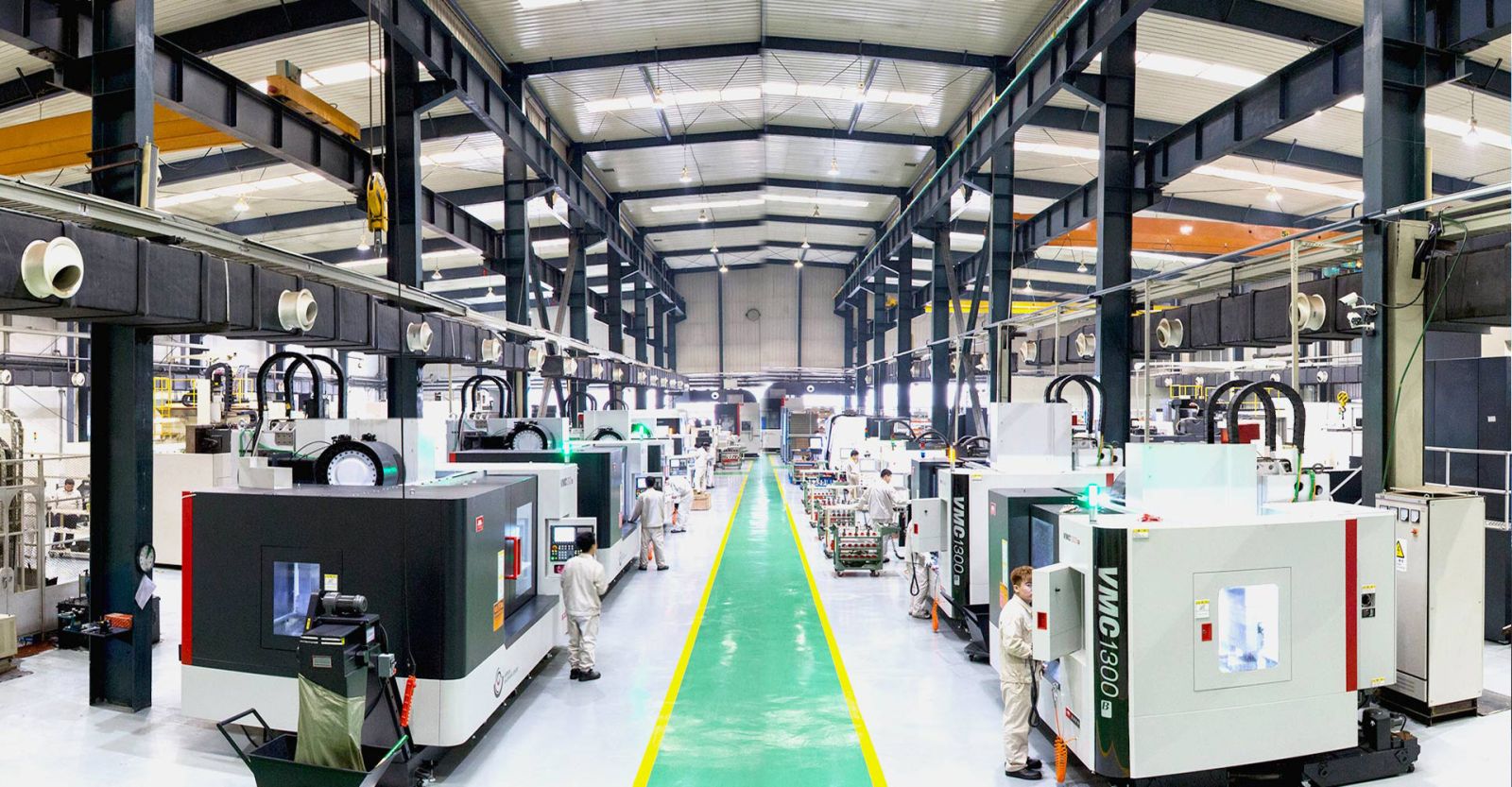
Prototype manufacturing is the process of creating a preliminary model or sample of a product, often based on digital designs, to test and validate various design aspects before moving forward with mass production. It plays a crucial role in ensuring that a product works as intended and meets all functional and aesthetic requirements.
Basics of Prototype Manufacturing
Prototype manufacturing typically involves a variety of techniques, including 3D printing, CNC machining, and injection molding, depending on the project’s complexity and material requirements. The goal is to build a functional model that can be used to test everything from physical properties to user interaction.
The process usually starts with a digital design, created using CAD (Computer-Aided Design) software. The design is then translated into a physical prototype using one or more manufacturing techniques. The prototype is evaluated for issues such as design flaws, material suitability, or functionality, and adjustments are made based on the feedback gathered.
Key Processes Involved in Prototype Manufacturing
-
Designing the Prototype:
- It all begins with a CAD design. The design must accurately represent the final product, with detailed specifications to guide the manufacturing process.
-
Material Selection:
- The choice of material is crucial, as it influences both the performance and the cost of the prototype. Common materials include plastics, metals, and composites.
-
Rapid Prototyping:
- Technologies like 3D printing or CNC machining are used to quickly produce the prototype. These processes allow for faster turnaround times, enabling companies to test the prototype and make changes early in the development phase.
-
Testing and Evaluation:
- Once the prototype is built, it undergoes rigorous testing to ensure it performs as expected. This could include stress tests, functional testing, or user feedback.
-
Refinement:
- After testing, design adjustments are often necessary. These changes are made, and the prototype is re-manufactured if needed, ensuring that the product can be finalized and produced in larger quantities.
Importance of Prototype Manufacturing
Prototype manufacturing allows companies to:
- Test Design Concepts: A prototype provides a tangible representation of the design, making it easier to identify potential issues early on.
- Evaluate Functionality: Testing the prototype helps to ensure that the final product will perform as expected.
- Save Costs and Time: Early prototypes help avoid costly mistakes during full-scale production by identifying issues and refining the design before mass production begins.
- Gain Investor Confidence: A well-built prototype can attract investors or customers by demonstrating the viability of the product concept.
Overall, prototype manufacturing is a crucial step for businesses looking to reduce risk, save money, and ensure their products meet all design, performance, and market requirements before committing to large-scale production.
When Should You Consider Prototype Manufacturing?
Prototype manufacturing is an essential step in product development that can significantly influence the outcome of your final product. But when exactly should you consider prototyping? Below are some key situations where prototyping can make a difference:
-
Before Launching Mass Production: Prototypes allow you to test your design ideas before committing to a large production run. By creating a prototype, you can identify potential flaws or adjustments needed in your design, preventing costly mistakes during mass production.
-
When Testing New Concepts or Ideas: If you're introducing a new product or concept that hasn't been tested yet, a prototype will help you understand how it works in the real world. This could include functionality, durability, ergonomics, or aesthetics.
-
To Get Investor or Stakeholder Approval: A physical prototype is often required to secure funding or gain stakeholder buy-in. Having something tangible to show can be a powerful tool for convincing investors that your idea is viable and worth pursuing.
-
For Design Validation and Iteration: If you're working with a complex or innovative design, prototyping provides a tangible model for further testing, feedback, and iteration. It allows for refinements before the final product is built, saving time and money in the long run.
Why is it Essential to Have Prototypes?
Prototypes serve as more than just a rough model—they are essential for various reasons in the product development cycle. Here's why having a prototype is critical:
-
Testing Product Feasibility: A prototype allows you to test how well the product functions and performs in real-world scenarios. It enables you to check if your idea can be executed as expected.
-
Identifying Design Issues Early: Prototypes help identify flaws in the design early in the development process, which can prevent delays, added costs, or redesigns after mass production begins. This can help save both time and money.
-
Improving Product Quality: By testing the prototype, you can verify that the design meets quality standards. You can assess material quality, fit, finish, and usability to ensure the final product is top-notch.
-
Gaining User Feedback: Prototypes provide a real, physical item that can be shared with potential customers, helping you collect valuable feedback on the product's functionality, user experience, and overall appeal.
-
Facilitating Collaboration: Prototypes can serve as a common ground for collaboration between engineers, designers, marketers, and manufacturers. It’s easier to discuss and improve on a physical model rather than abstract concepts.
-
Securing Intellectual Property (IP): Creating a prototype before applying for patents can help secure your intellectual property rights. It demonstrates that your design is original and that you have taken steps toward bringing it to market.
What Clients Need to Know Before Requesting a Prototype
Before requesting a prototype, clients should consider several important factors to ensure the process runs smoothly and effectively:
-
Clear Design Specifications: Clients need to provide accurate and detailed design files, typically in the form of CAD drawings. The more detailed the design, the more accurate the prototype will be.
-
Material Selection: Consider the materials that will be used in the final product and whether they are suitable for prototyping. Some materials may be harder to work with or may require special tools and processes.
-
Purpose of the Prototype: Understand the specific goals of the prototype. Is it for testing functionality, for visual appeal, or for presentation to investors? The purpose will guide the prototyping method.
-
Budget Considerations: Prototyping costs can vary significantly depending on the complexity, material choice, and manufacturing method. It’s important to have a clear budget and timeline in mind before starting the process.
-
Prototype Quantity: Determine if you need just one prototype or if multiple prototypes are required for testing different designs or functionalities. Small batch production might be needed in some cases, particularly for more detailed testing.
-
Prototype Evaluation: Plan for how the prototype will be tested and evaluated. Will it undergo stress testing, user testing, or be compared against specific performance criteria?
-
Timeline: Prototyping can take anywhere from a few days to several weeks, depending on the complexity of the project. Be clear about your timeline so that the manufacturer can plan accordingly.
By addressing these key aspects before requesting a prototype, clients can ensure a smoother development process and a prototype that will meet their expectations. Prototyping is an investment in the final product’s success, so it's essential to plan ahead for the best possible outcome.
How Much Does Prototype Manufacturing Cost?
The cost of prototype manufacturing can vary greatly depending on a number of factors. Understanding these factors can help businesses plan and budget for the prototyping process. Here’s a breakdown of the key cost determinants:
1. Material Selection
The material chosen for the prototype plays a significant role in determining the overall cost. Different materials have varying prices based on availability, properties, and ease of processing. For example:
-
Plastics: Materials like ABS, PLA, or nylon are commonly used in prototyping due to their affordability and ease of use in 3D printing and injection molding. Prices typically range from $5 to $50 per kilogram.
-
Metals: Metals like aluminum or stainless steel are more expensive and are often used in CNC machining. The cost of metal can range from $20 to $150 per kilogram depending on the type and quality.
-
Composites: Advanced materials like carbon fiber or fiberglass tend to be much more expensive, ranging from $100 to $300 per kilogram, depending on the complexity and volume required.
The material choice depends on the final product’s performance, weight, strength, and appearance, and typically higher-performance materials will lead to higher costs.
2. Design Complexity
The complexity of the design can significantly impact the cost. More intricate designs, with complex geometries, tight tolerances, or detailed features, often require advanced technologies, more precise processes, and longer machining times.
-
Simple designs: If the design is straightforward, such as a basic box or part with few features, the cost will be lower. This might be suitable for initial tests or concepts.
-
Complex designs: If the design requires intricate details, interlocking components, or specialized features, the manufacturing process will be more involved and expensive. For example, adding intricate surface finishes or fine details will increase costs, especially if specialized equipment is required.
3. Size and Dimensions
The size of the prototype affects both material costs and manufacturing time. Larger prototypes will require more material and longer processing times, thus increasing the overall cost. For instance:
-
Small parts: For small or simple parts, like a casing or component, the cost could range from $100 to $1,000 depending on the material and complexity.
-
Larger prototypes: For larger items, such as housing for machinery or automotive parts, costs can escalate quickly, reaching $5,000 or more depending on the manufacturing process and material used.
In some cases, large prototypes may require the use of different techniques, such as multiple parts that are assembled together later, which can also increase costs.
4. Manufacturing Process
The choice of manufacturing process directly influences cost. Different processes have varying equipment requirements, labor costs, and time frames. Common methods include:
-
3D Printing: This is one of the most cost-effective methods for low-volume prototypes. The cost can range from $20 to $500 depending on the material, size, and detail. SLA (stereolithography) or FDM (fused deposition modeling) 3D printing methods can be used for rapid prototyping of smaller, less detailed parts.
-
CNC Machining: For high-precision parts, CNC machining is a common choice. The cost depends on factors like the complexity of the part and machining time. A small, simple CNC part might cost between $100 and $1,000, while larger or more intricate parts can range from $1,000 to $5,000 or more.
-
Injection Molding: For mass production prototypes or parts that need to be tested in large quantities, injection molding is used. However, it can be expensive due to the need for a mold, which might cost several thousand dollars. The cost per part decreases as volume increases, but for a low-volume run, each part might cost $50 to $500.
-
Casting: For metal prototypes, casting may be used. While the initial mold cost can be high (ranging from $1,000 to $10,000), the unit cost per part is relatively low, especially for medium-sized production runs.
5. Post-Processing and Finishing
Additional processes, such as painting, polishing, coating, or assembling parts, can add to the overall cost. For instance:
-
Surface finishing: Smooth, polished, or anodized surfaces may incur an additional cost, depending on the finishing process (ranging from $50 to $200 per part).
-
Assembly: If the prototype requires multiple parts to be assembled, labor costs will also increase.
Example Pricing:
To provide a rough idea of prototype costs based on material, complexity, and size, here are some general pricing ranges for different types of prototypes:
- Basic Plastic Prototype (3D printed or molded):
- Size: Small (e.g., phone case)
- Material: ABS or PLA
- Cost: $100 to $500
- Metal Prototype (CNC machined or cast):
- Size: Medium (e.g., automotive part)
- Material: Aluminum or steel
- Cost: $500 to $3,000
- Complex Multi-Part Prototype (CNC, molding, finishing):
- Size: Large (e.g., appliance housing, machinery components)
- Material: Steel, titanium, or specialized composites
- Cost: $2,000 to $10,000+
Conclusion
Prototype manufacturing costs vary widely based on factors like material selection, design complexity, size, manufacturing process, and post-processing. A basic, simple prototype might cost as little as $100, while more complex or larger prototypes can cost thousands of dollars. It’s essential to discuss these factors upfront with a prototyping partner to get a clear estimate of costs and avoid any surprises during the development process.
At YICHOU, we work closely with clients to ensure the prototyping process is both cost-effective and efficient, providing high-quality prototypes that meet the specific needs of each project.
What is Small Batch CNC Machining?
Small batch CNC machining refers to the production of a limited number of parts using Computer Numerical Control (CNC) machines. CNC machining is an advanced manufacturing process that uses computer-controlled tools to precisely cut, shape, and finish parts based on digital designs. Small batch CNC machining focuses on producing limited quantities, typically ranging from just a few parts to several hundred, offering flexibility for businesses that need high-quality, custom parts without committing to large-scale manufacturing.
This method is especially useful for businesses that need prototypes, low-volume production runs, or parts with complex designs that require a high degree of precision.
How CNC Machining Differs from Traditional Methods
Traditional machining methods, such as manual milling, turning, and drilling, rely on operators to control the machines. While effective, these methods can be more labor-intensive and prone to human error. In contrast, CNC machining uses computer-controlled systems to automate the process, which greatly improves precision, consistency, and efficiency.
Key Differences Between CNC and Traditional Methods:
-
Automation and Precision:
- Traditional methods: Rely on the skill and experience of the operator to manually adjust the machine and make cuts. This can lead to inconsistencies and variability in part quality.
- CNC machining: Uses pre-programmed software to control the machine, leading to much higher precision and repeatability. The machine can execute the same cut or process multiple times without variation.
-
Complexity of Designs:
- Traditional methods: Manual operations are better suited for simpler parts with fewer features.
- CNC machining: Can easily handle highly complex designs, including intricate patterns, tight tolerances, and detailed features. Complex geometries that are difficult or impossible to achieve with traditional methods can be produced effortlessly.
-
Efficiency and Speed:
- Traditional methods: Often require more time and human intervention for setup, adjustments, and testing.
- CNC machining: Allows for faster production times and minimal operator intervention. Once the design is programmed, CNC machines can operate continuously with minimal downtime, speeding up production and reducing lead times.
Advantages of CNC for Small Batches
Small batch CNC machining offers several advantages that make it an ideal choice for businesses looking to produce low-volume, high-quality parts.
1. Precision and Accuracy
CNC machines are renowned for their ability to produce parts with extreme accuracy, often to within 0.001 inches or even finer. This precision is especially important when producing parts that require tight tolerances, such as aerospace components, automotive parts, or medical devices.
In contrast to traditional methods, CNC machining ensures that every part produced in the batch is identical, which is essential for maintaining high-quality standards in small production runs. This level of precision also minimizes the need for rework or scrap parts, saving both time and money.
2. Repeatability
CNC machining excels in repeatability—the ability to produce the same part multiple times without variations. Once the design is programmed into the CNC system, the machine can consistently replicate the exact same part, which is essential for quality control in small batch production.
For example, if you're producing a limited run of custom components or prototypes, CNC machining ensures that each part will match the specifications exactly, regardless of the number of pieces produced.
3. Fast Turnarounds
One of the standout benefits of CNC machining is its ability to provide fast turnaround times. Since CNC machines are automated and can run continuously, the production process is much quicker compared to traditional methods, where human input is necessary at each step.
For small batch production, fast turnaround is crucial, as businesses often need to test parts quickly, evaluate designs, or meet tight deadlines for customer orders. CNC machining minimizes delays between the design stage and the final product, enabling businesses to go to market faster or iterate on their designs quickly.
4. Cost-Effective for Low-Volume Production
Although CNC machines can have higher upfront costs in terms of equipment and software, small batch production typically results in cost savings over traditional methods. For example:
- Setup time is faster than traditional manufacturing methods because CNC machines can be reprogrammed for different parts without the need for custom tooling.
- Labor costs are reduced because CNC machines are automated, requiring fewer operators to manage the production process.
For small batch runs, this means that producing a limited quantity of high-quality parts is more affordable compared to setting up a traditional production line.
5. Flexibility for Customization
CNC machining provides excellent flexibility when it comes to customizing parts. You can easily make design changes, material changes, or tweaks to the production process without having to redesign the entire tooling, which would be required in traditional manufacturing methods. This is especially advantageous for businesses that need prototypes or custom orders.
Additionally, CNC machining allows for complex features such as undercuts, threads, and interlocking components, which would be difficult to achieve with traditional methods.
Conclusion
Small batch CNC machining provides numerous benefits that make it a powerful tool for businesses looking to produce high-precision, custom parts in limited quantities. It offers:
- Enhanced precision and repeatability for high-quality parts.
- Quick turnaround times, enabling faster time-to-market and the ability to iterate on designs quickly.
- Cost-efficiency for low-volume production, compared to traditional manufacturing.
- Flexibility and customization, allowing for unique or complex designs.
At YICHOU, we specialize in small batch CNC machining, offering tailored solutions to meet the needs of your project. Whether you're testing prototypes, producing limited runs, or need high-precision components, our CNC machining services ensure that you get the parts you need—on time and on budget.
Prototype Manufacturing vs. Small Batch CNC Machining
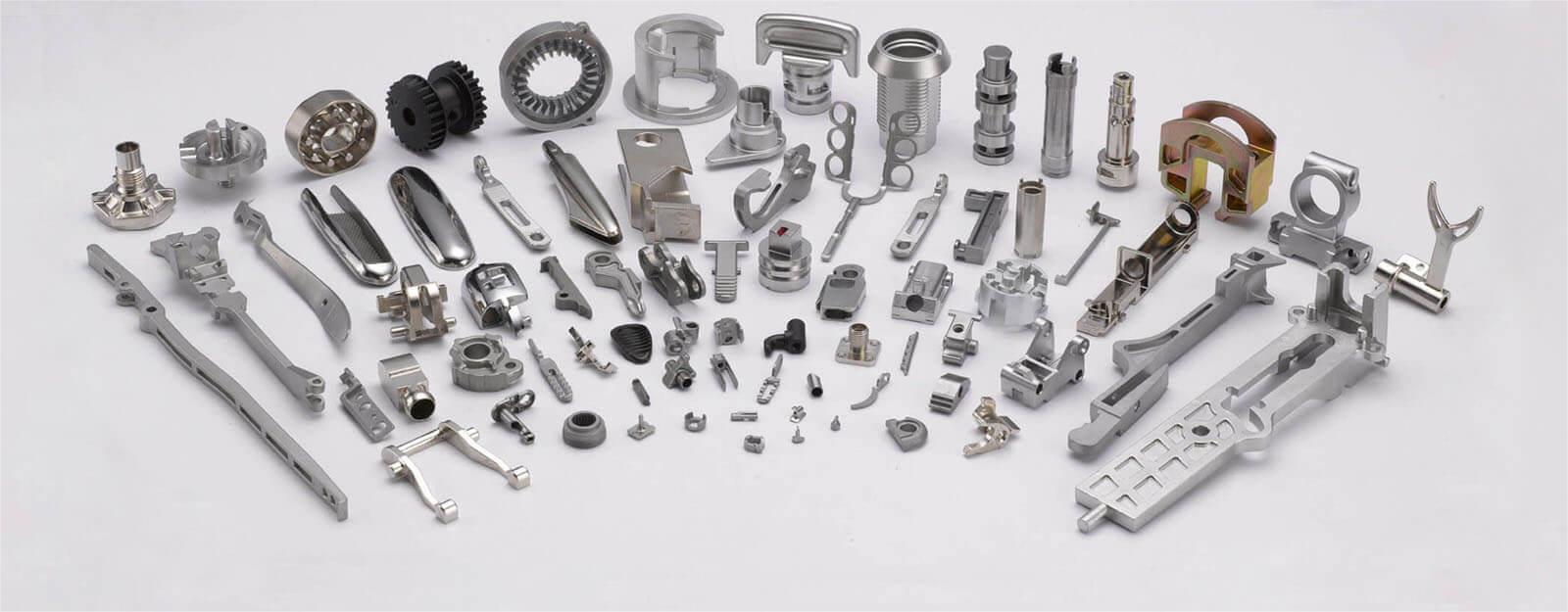
Both prototype manufacturing and small batch CNC machining are essential in product development and production processes, but they serve different purposes and are suited to different types of projects. Understanding the key differences between them can help businesses choose the best approach for their specific needs.
Key Differences in Terms of Application
Prototype Manufacturing
- Purpose: Prototype manufacturing is typically used to create a single or limited number of models of a product or part for testing and evaluation before full-scale production. It is a crucial step in the product development cycle, allowing designers and engineers to evaluate and refine a product's design.
- Process: Prototype manufacturing often involves rapid prototyping methods such as 3D printing, casting, or molding. These methods are chosen for their ability to quickly produce models from digital designs with a focus on functional testing, appearance, or both.
- Materials: Prototypes are often made from easily moldable materials like plastics, resins, or low-cost metals. The materials used in prototyping may not necessarily reflect the final product's materials, as the goal is to test design and functionality, not durability.
- Customization: Prototypes are highly customizable in terms of design, allowing for quick changes based on feedback from testing or validation processes.
Small Batch CNC Machining
- Purpose: Small batch CNC machining is used for producing a limited quantity of parts with high precision and consistency. It’s ideal for parts that are too complex or specific to be produced with traditional manufacturing methods but are needed in low volumes.
- Process: CNC machining uses computer-controlled machines to cut, drill, mill, and finish parts from solid material. This method is ideal for creating precise, functional parts with tight tolerances and detailed features, making it suitable for production-ready components.
- Materials: CNC machining is typically used with metals (e.g., aluminum, steel, titanium), but it can also work with plastics, composites, and other materials. The choice of material in CNC machining is more closely aligned with the final product’s material, as this process produces durable, high-performance components.
- Customization: Small batch CNC machining offers precision and repeatability, but design changes in CNC machining may be more time-consuming and costly compared to prototyping methods, as new setups and tooling may be required.
Which Process Suits Which Type of Project?
Prototype Manufacturing Suits:
- Initial Testing and Validation: Prototyping is ideal for businesses testing a concept or design before committing to mass production. If the goal is to test a product's functionality, aesthetics, or user experience, prototype manufacturing offers the flexibility to iterate quickly.
- Low-Cost Models: If you need a functional or visual model to present to investors or stakeholders without needing the final, production-ready part, prototyping is a cost-effective choice.
- Rapid Iterations: Prototypes allow for quick adjustments to the design, making them perfect for projects that are still evolving or undergoing design changes.
Small Batch CNC Machining Suits:
- Precision Parts: If the project requires high precision and tight tolerances, such as aerospace, automotive, or medical components, small batch CNC machining is the best choice. It’s particularly suited for functional parts that need to perform under stress.
- Low-Volume Production: For projects that require producing a limited run of final or near-final products, small batch CNC machining offers an excellent balance of precision and scalability. It is well-suited for industries with low to medium demand or for parts that are custom-built.
- Durable Components: If the prototype or product needs to be made from durable, functional materials (such as metals or composites) and is intended for real-world use, CNC machining is often the preferred method.
How Both Can Complement Each Other
While prototype manufacturing and small batch CNC machining are distinct processes, they can complement each other during the product development and production phases. Here's how:
-
Prototyping Leads to CNC Machining:
- In many cases, a prototype may be produced first to test the design and gather feedback. Once the prototype is validated, the design can be refined and sent for small batch CNC machining to create production-quality components. CNC machining can then produce parts with higher durability and precision, making them ready for real-world use or market launch.
-
Prototyping for Design Validation:
- During the prototyping phase, designers and engineers can create a functional prototype to test design elements and functionality. This prototype can then be refined before being made in small batches through CNC machining for more accurate and durable components.
-
Speed and Flexibility:
- Prototypes are ideal for fast iterations, allowing for design changes to be quickly tested and incorporated. Once the design is finalized, small batch CNC machining can quickly produce parts in limited quantities without the need for extensive rework, ensuring that the final product is both functional and high-quality.
-
Cost-Efficient Scaling:
- Prototype manufacturing allows businesses to identify design flaws before committing to larger, more expensive production runs. Once the design is perfected, CNC machining can be used to create small batches of parts at a lower cost than traditional methods while ensuring higher precision.
Conclusion
Both prototype manufacturing and small batch CNC machining are essential to the product development process but serve different purposes:
- Prototypes are ideal for testing, visualizing, and iterating on designs with flexibility and low cost.
- Small batch CNC machining is perfect for producing high-precision, production-quality parts in limited quantities.
When used together, prototypes help refine ideas, while CNC machining ensures those ideas are brought to life with precision and functionality. By integrating both processes, businesses can develop products faster, reduce risks, and create high-quality, market-ready components without the need for mass production. At YICHOU, we offer both services, helping you move from concept to final product with precision, speed, and efficiency.
How to Choose the Right Prototype Manufacturing Service
Choosing the right prototype manufacturing service is a crucial decision that can significantly impact the success of your product development. Whether you're testing a new idea, refining an existing design, or looking to scale, the right partner can help you save time, reduce costs, and achieve high-quality results. Here's what to look for when selecting a prototype manufacturer:
1. Experience and Expertise
The level of experience a manufacturer has in prototype development is one of the most critical factors. A company with years of experience in the industry can provide valuable insights and guidance throughout the process, helping to avoid common pitfalls and ensuring the project stays on track.
- Look for expertise in your specific industry, whether it's automotive, aerospace, medical, or consumer electronics. This ensures the manufacturer understands the unique challenges and requirements of your product.
- Check their portfolio: A reputable manufacturer will have a portfolio of past projects demonstrating their capability to handle diverse and complex prototypes.
2. Capabilities and Technology
The manufacturer’s capabilities directly affect the quality, speed, and flexibility of the prototype. Ensure the company has the right technology and equipment for your needs.
- Rapid prototyping techniques: Look for a manufacturer that offers a variety of prototyping techniques such as 3D printing, CNC machining, injection molding, and casting, depending on the complexity of your design.
- Material options: A wide range of materials (plastics, metals, composites) allows flexibility in achieving the desired functionality and appearance of the prototype.
- Customization and flexibility: The ability to handle customized designs and adapt quickly to changes is vital, especially when making design adjustments or experimenting with different features.
3. Quality Assurance and Testing
The quality of the prototype is essential, and rigorous quality assurance processes are necessary to ensure that the final product meets your expectations.
- Quality control processes: Ensure the manufacturer follows strict quality control measures, including inspections, testing, and validation.
- Certifications: Look for manufacturers with relevant certifications (e.g., ISO 9001), indicating their commitment to maintaining high standards.
- Testing services: If you need your prototype tested for functionality, performance, or durability, ensure that the manufacturer provides comprehensive testing and feedback.
Why YICHOU is a Trusted Partner
At YICHOU, we pride ourselves on being a reliable and experienced partner for prototype manufacturing. Here’s why our clients trust us with their prototype needs:
-
Extensive Industry Experience: With years of experience in platinum-iridium alloys, titanium, and high-temperature materials, YICHOU has built a reputation for delivering top-notch prototypes across a wide range of industries, including aerospace, automotive, and medical.
-
Advanced Capabilities and Technology: We use the latest CNC machining, 3D printing, and rapid prototyping technologies, ensuring that your prototype is produced with the highest precision and quality. We offer a diverse range of materials and techniques to meet your unique requirements.
-
Commitment to Quality: At YICHOU, quality is our priority. We follow stringent quality control measures and perform detailed testing to ensure that every prototype meets your exact specifications. Our adherence to international standards, such as ISO 9001, ensures that you receive reliable, durable, and functional prototypes.
-
Customization and Support: Our team of experts works closely with you to understand your goals, offer personalized solutions, and assist you in every stage of the prototyping process—from design to testing and refinement. We're dedicated to helping you achieve the best possible result.
Conclusion
Choosing the right prototype manufacturing service is essential to the success of your product development. Key factors to consider include the manufacturer’s experience, technical capabilities, and commitment to quality. YICHOU offers the expertise, technology, and customer-centric approach needed to bring your ideas to life with precision and efficiency.
Call to Action
If you're ready to take the next step in your product development, contact YICHOU today for inquiries and quotes. Our team is here to help you create high-quality prototypes that meet your needs and exceed your expectations. Let’s work together to bring your ideas to life!
Get Quote
- Email us: [email protected]
- Call us/whatsapp: +86 13355741031
- Chat with us: Live chat support available on our website