In today's manufacturing landscape, innovation and efficiency are key to success. One emerging technology that is revolutionizing the industry is metal injection molding (MIM). This cutting-edge process combines the versatility of plastic injection molding with the strength and durability of metal materials, allowing manufacturers to create complex and intricate metal parts with unparalleled precision. By leveraging MIM, companies can unleash their full potential and take their manufacturing capabilities to the next level. With its ability to produce highly detailed components with minimal waste and at a fraction of the cost of traditional methods, MIM offers countless possibilities in industries such as automotive, aerospace, electronics, and more. In this article, we will delve into the world of metal injection molding, exploring its benefits, applications, and the future it holds for the manufacturing industry. Whether you're a manufacturer looking for ways to enhance your production processes or an industry enthusiast eager to learn about the latest advancements, this article will provide valuable insights into the game-changing world of metal injection molding. Get ready to witness the transformation of manufacturing as we know it.
Advantages of Metal Injection Molding
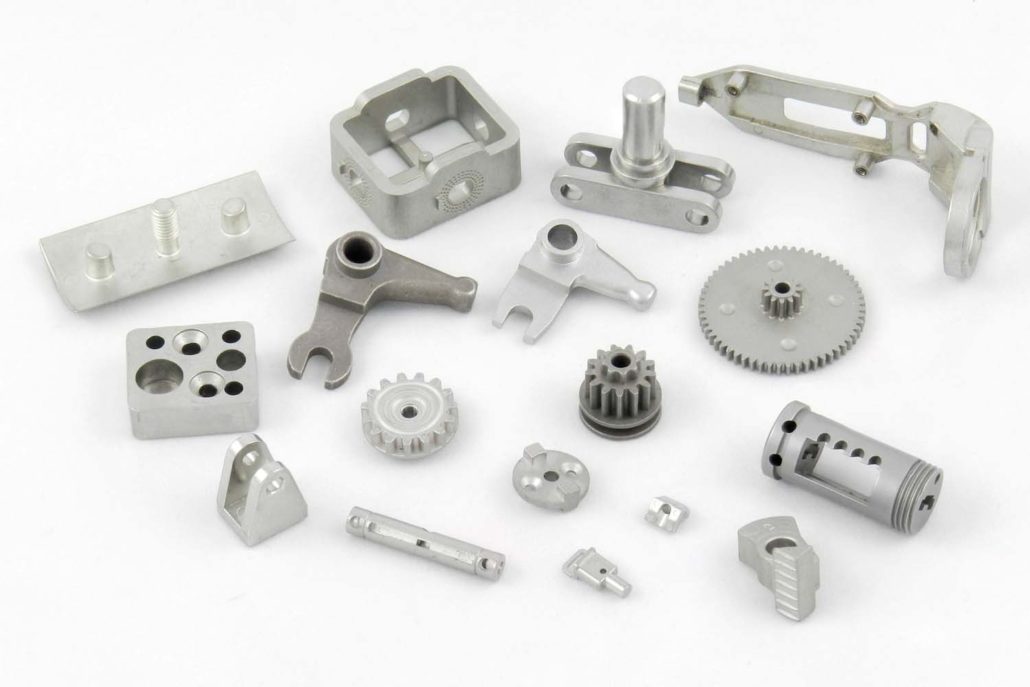
Metal Injection Molding (MIM) stands out as a transformative manufacturing process, offering an array of advantages that can significantly enhance your product development and production efficiency. The first notable advantage is cost-effectiveness. MIM allows for the production of complex metal parts in large quantities at a lower cost compared to traditional manufacturing methods. This affordability is due to reduced material waste, minimal secondary operations, and shorter lead times.
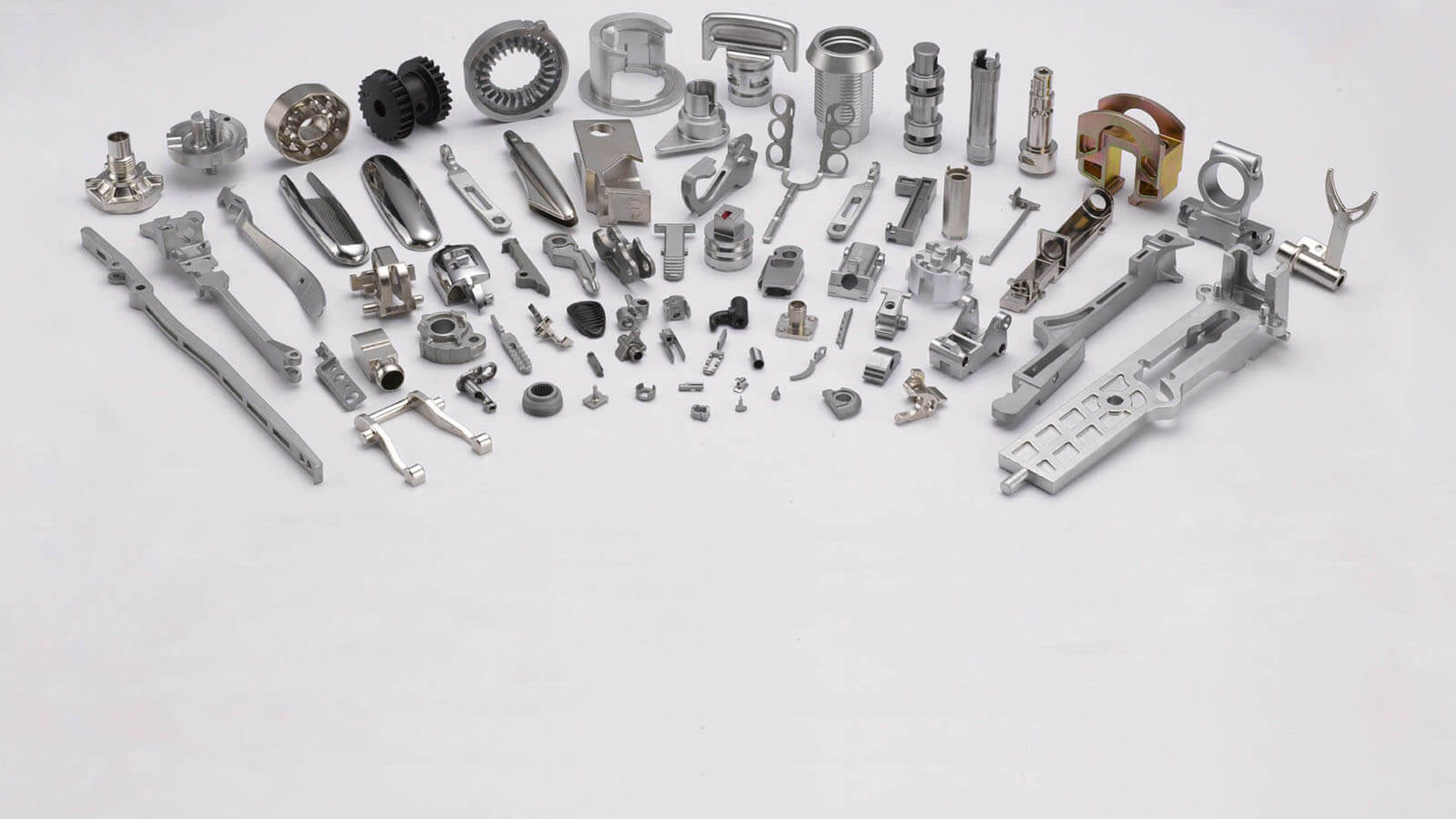
Another key benefit of MIM is its versatility. It can accommodate a wide range of materials, from stainless steel to titanium, making it suitable for diverse industries like aerospace, medical, automotive, and consumer electronics. This adaptability is further bolstered by MIM's ability to create intricate geometries with tight tolerances. Whether you need small, intricate components or larger, complex parts, MIM can deliver.
Moreover, MIM ensures exceptional material properties and mechanical performance. The parts produced through this method exhibit excellent density, strength, and wear resistance, rivaling those manufactured using traditional methods like machining or casting. This makes MIM an ideal choice for critical applications where structural integrity is paramount.
Furthermore, MIM offers the advantage of design flexibility. With the ability to create intricate, multi-feature components in a single step, MIM allows for innovative designs that were once thought impossible or prohibitively expensive. This opens up new possibilities for product engineers and designers to push the boundaries of what's achievable in their respective industries.
Lastly, MIM supports sustainability efforts. Its reduced material waste and energy-efficient production process align with modern environmental standards, making it a more environmentally friendly choice compared to other manufacturing techniques. Incorporating MIM into your production process not only enhances your product quality but also reduces your ecological footprint.
 Applications of Metal Injection Molding
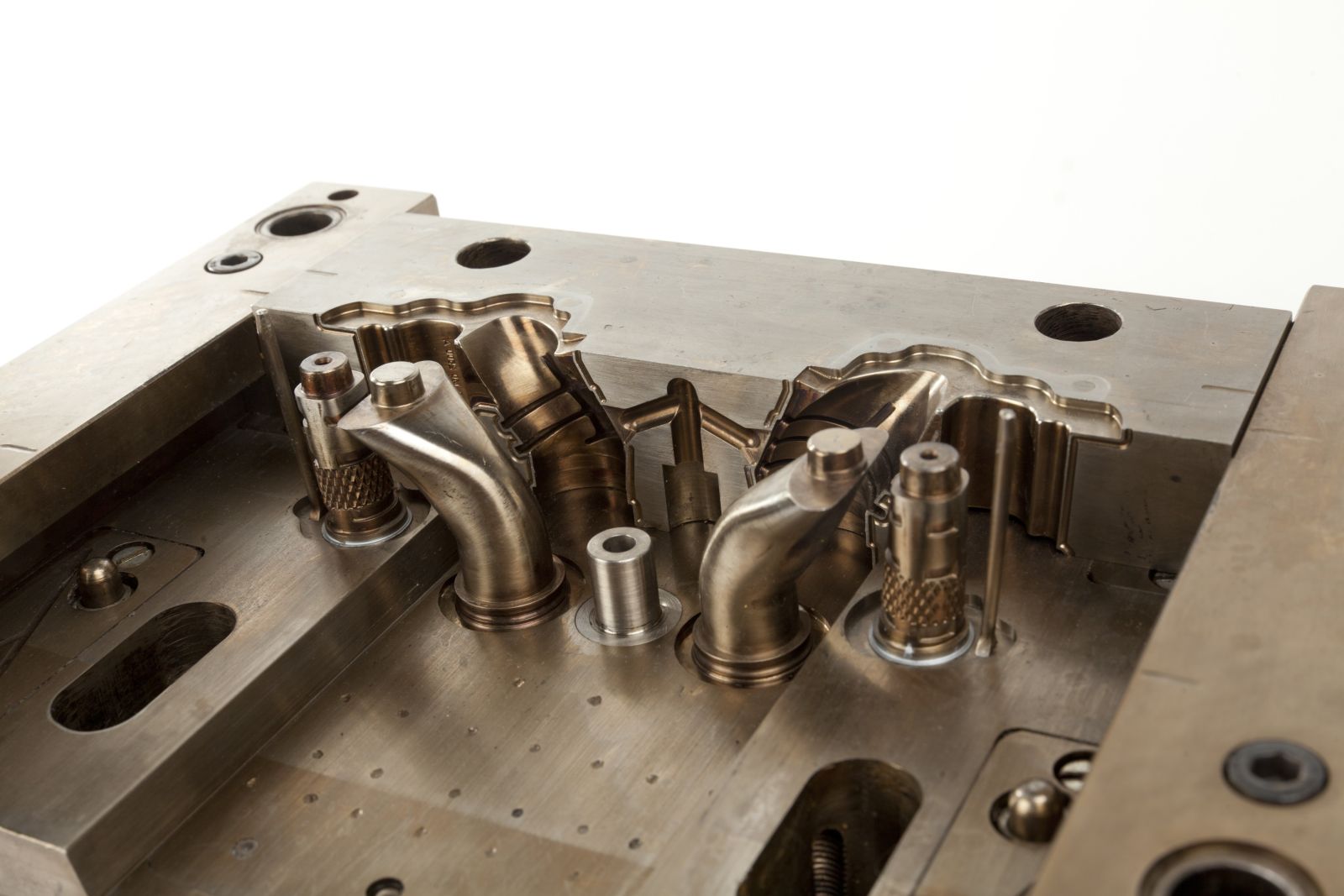
The versatility of Metal Injection Molding (MIM) extends across numerous industries, creating a broad spectrum of applications that benefit from this advanced manufacturing technique. In the medical sector, MIM has revolutionized the production of intricate surgical instruments, orthodontic devices, and dental implants. These parts require precision, biocompatibility, and corrosion resistance, all of which are inherent advantages of MIM.
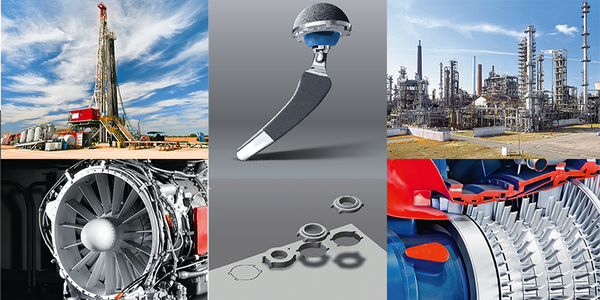
In the aerospace industry, MIM plays a pivotal role in producing complex components for aircraft and spacecraft. From turbine blades to critical engine parts, MIM's ability to deliver high-strength, lightweight components contributes to the overall efficiency and performance of aerospace systems.
The automotive sector also benefits from MIM's capabilities, with applications ranging from fuel injection nozzles to transmission components. MIM enables automakers to reduce weight, improve fuel efficiency, and enhance vehicle performance while maintaining cost-effectiveness.
Consumer electronics companies utilize MIM for producing small, intricate parts found in smartphones, laptops, and wearables. MIM's ability to create components with tight tolerances and fine details is crucial in this industry, ensuring the seamless operation of electronic devices.
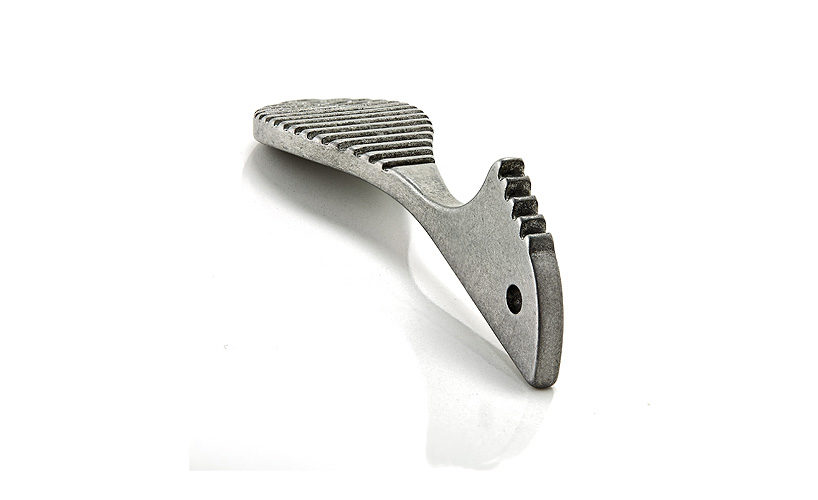
Additionally, the firearms industry relies on MIM for manufacturing firearm components, such as triggers, hammers, and sears. The durability and precision of MIM-produced parts contribute to firearm safety and reliability.
Beyond these industries, MIM has found applications in sectors like defense, watchmaking, and even the jewelry industry, showcasing its adaptability and potential to address the unique needs of various markets. As technology continues to advance, the range of applications for MIM is expected to expand further, making it a crucial manufacturing method for the future.
Key Components of the Metal Injection Molding Process
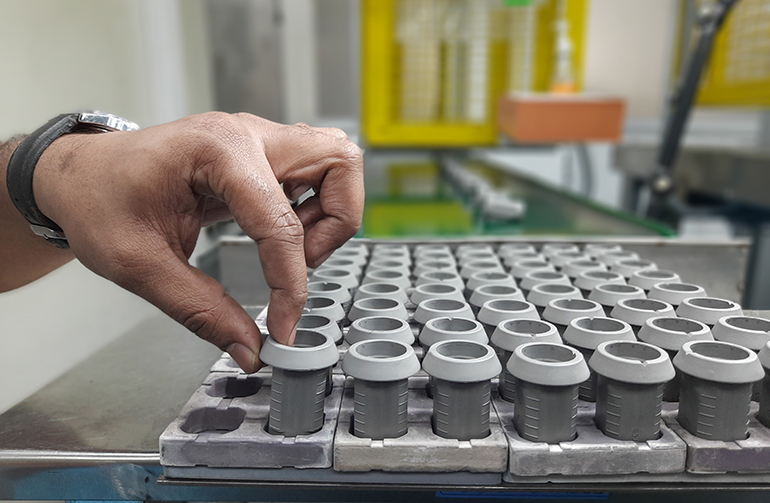
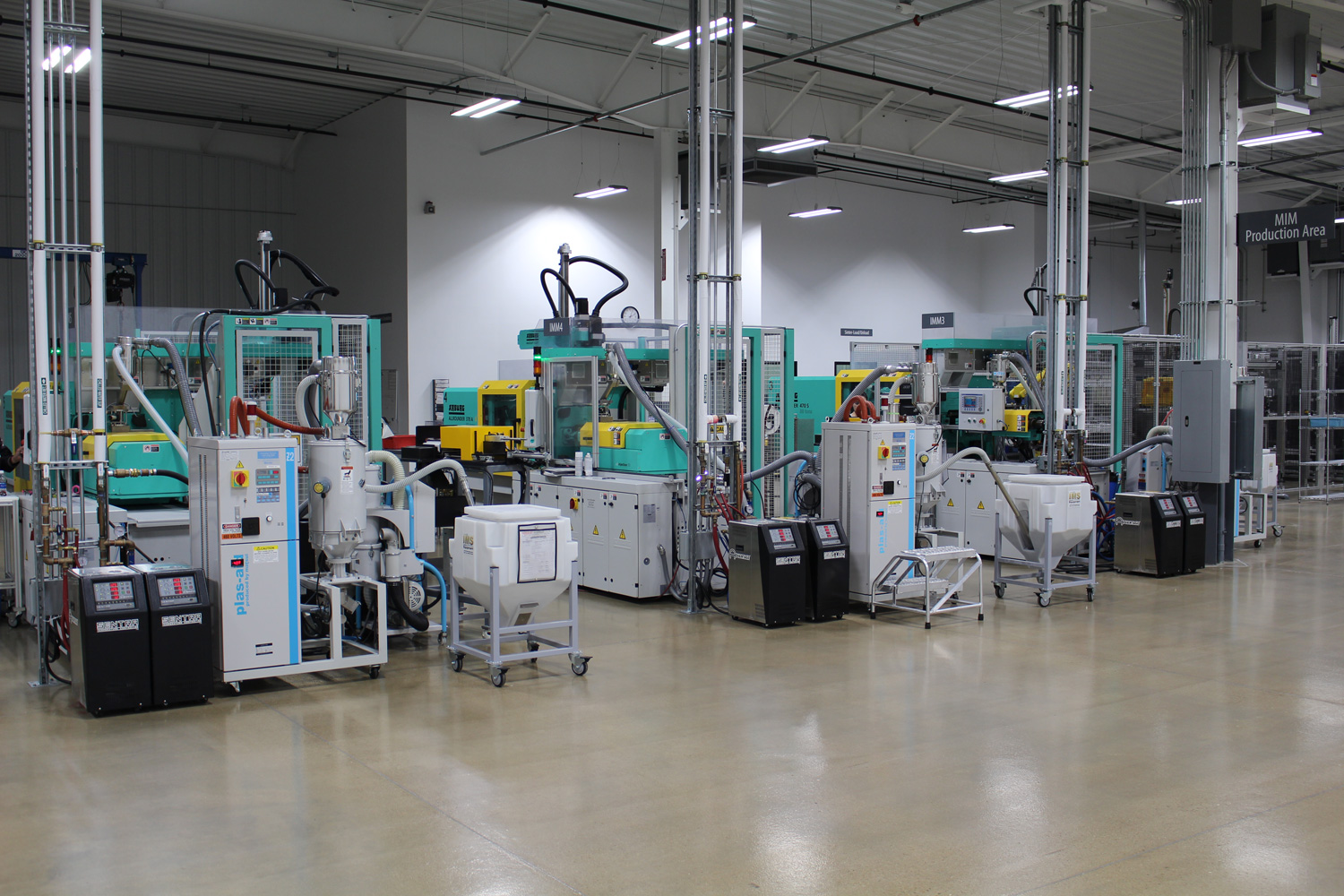
Understanding the inner workings of the Metal Injection Molding (MIM) process is essential for harnessing its full potential. At its core, MIM combines the principles of both plastic injection molding and powdered metallurgy to create intricate metal parts. Here are the key components and steps involved in the MIM process:
-
Feedstock Preparation: The process begins with the creation of feedstock, a mixture of finely powdered metal and a thermoplastic binder. The choice of metal powder and binder composition is crucial and depends on the desired material properties and application.
-
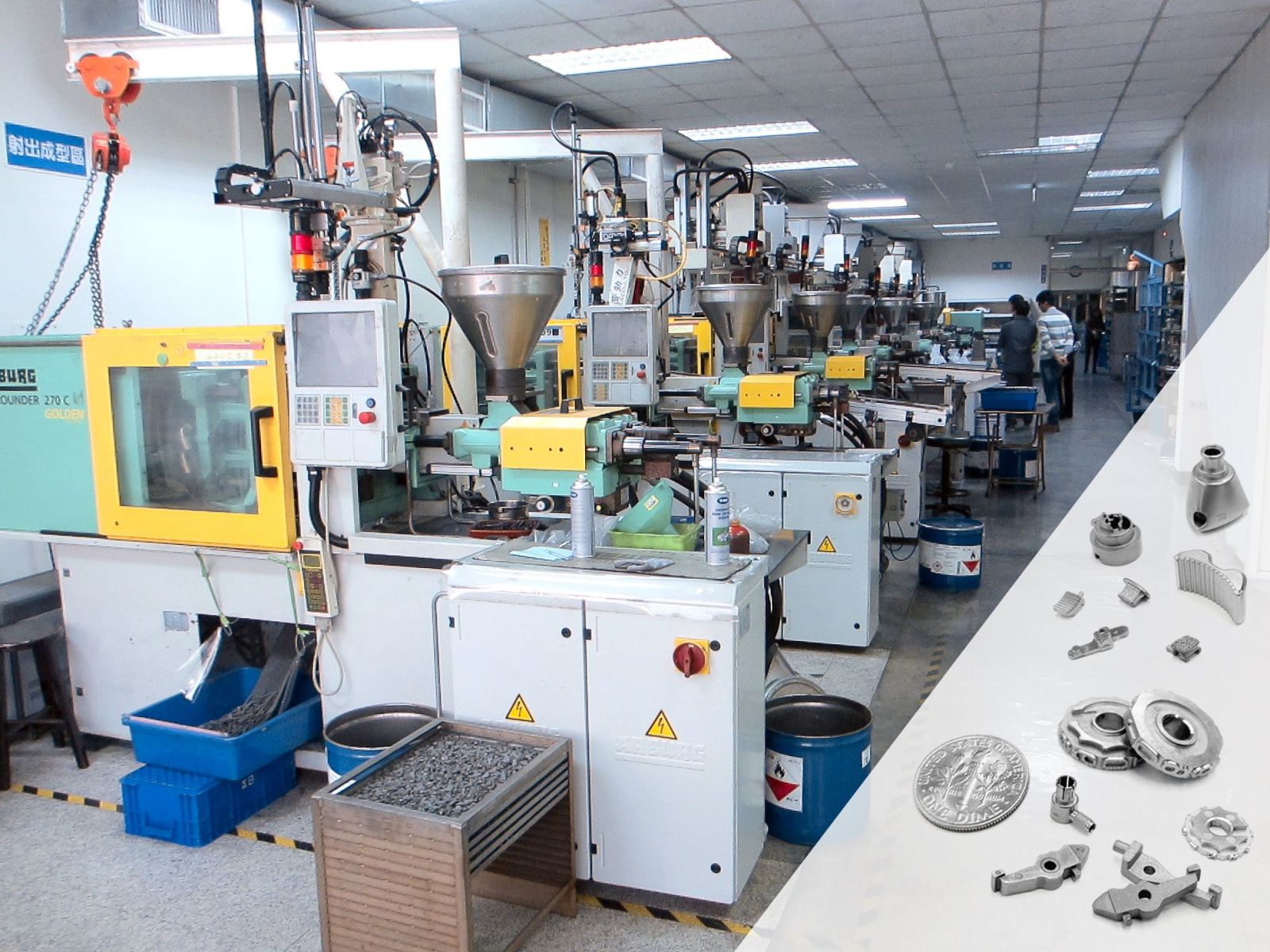
Injection Molding: The feedstock is heated and injected into a mold cavity, which is typically in the shape of the desired part. This step is analogous to plastic injection molding but uses metal-infused feedstock.
-
Debinding: After molding, the component undergoes a debinding process to remove the thermoplastic binder. This can be done through solvent extraction or thermal debinding, leaving behind a "green" part.
-
Sintering: The green part is then subjected to high-temperature sintering in a controlled atmosphere. During sintering, the metal particles fuse together, densifying the part and removing any remaining porosity. This results in a fully dense, high-strength metal component.
-
Finishing Operations: Depending on the application, secondary operations like machining, heat treatment, or surface finishing may be performed to achieve the desired specifications and surface quality.
-
Quality Control: Rigorous quality control measures, including dimensional inspections and material testing, ensure that the final product meets the required standards.
These key components of the MIM process work in harmony to produce complex, high-precision metal components with exceptional material properties. MIM's ability to create near-net-shape parts with minimal waste makes it an efficient and cost-effective manufacturing method for various industries.
Factors to Consider When Choosing Metal Injection Molding
When considering the adoption of Metal Injection Molding (MIM) for your manufacturing needs, several critical factors should guide your decision-making process. These factors play a pivotal role in determining the success and efficiency of your MIM project:
-
Part Complexity: MIM excels in producing complex, multi-feature parts. Assess whether your component's design complexity justifies the use of MIM or if a simpler manufacturing method would suffice.
-
Material Selection: The choice of metal powder and binder material significantly impacts the final product's properties. Consider the mechanical, thermal, and chemical requirements of your part when selecting materials.
-
Production Volume: MIM is most cost-effective when producing parts in medium to high volumes. Evaluate your production requirements to determine if MIM aligns with your quantity needs.
-
Tolerances and Surface Finish: Determine the required tolerances and surface finish for your component. MIM can achieve tight tolerances and excellent surface quality, but it's essential to specify these requirements accurately.
-
Lead Time: MIM generally offers shorter lead times compared to traditional manufacturing methods. If time-to-market is critical, MIM may be a favorable option.
-
Cost Considerations: Analyze the overall cost-effectiveness of MIM for your specific project, factoring in material costs, tooling expenses, and post-processing operations.
-
Design for Manufacturability: Collaborate with MIM experts during the design phase to optimize your part for MIM production. Design adjustments can lead to cost savings and improved performance.
-
Quality Assurance: Ensure that your MIM partner has robust quality control processes in place to meet your part's quality and performance standards.
-
Environmental Impact: Consider the environmental implications of your manufacturing choice. MIM's reduced material waste and energy efficiency align with sustainability goals.
-
Supplier Selection: Choose a reputable MIM supplier with a track record of delivering high-quality parts on time. Supplier expertise and experience are crucial to project success.
By carefully evaluating these factors, you can make an informed decision about whether Metal Injection Molding is the right manufacturing method for your specific needs, optimizing both product quality and cost-efficiency.
Comparing Metal Injection Molding to Other Manufacturing Processes
When it comes to manufacturing precision metal components, it's crucial to understand how Metal Injection Molding (MIM) stacks up against other conventional manufacturing methods. One of the primary contenders is CNC machining, a subtractive manufacturing process that involves cutting away material from a solid block. While CNC machining offers high precision and is suitable for producing low to medium quantities of parts, it often generates a significant amount of waste material.
On the other hand, MIM is a near-net-shape manufacturing process, meaning it creates parts with minimal additional machining required. This not only reduces waste but also decreases production time and costs. MIM is particularly advantageous for complex, small-to-medium-sized parts where precision is critical.
Compared to investment casting, another common metal manufacturing process, MIM has several advantages. Investment casting involves creating a wax pattern, which is coated in ceramic and then melted away to form a mold. While investment casting can produce intricate parts, it may not be as cost-effective for small to medium-sized production runs, and it may require more post-processing steps.
Furthermore, when comparing MIM to traditional powder metallurgy (PM), MIM emerges as the clear winner for achieving tight tolerances and intricate geometries. Traditional PM often requires secondary operations like machining and sintering, which can increase costs and lead times.
In summary, MIM excels in terms of material efficiency, cost-effectiveness for small to medium-sized production runs, and the ability to create complex parts with tight tolerances. Understanding these comparisons can help you make an informed decision when selecting the most suitable manufacturing method for your specific project.
Case Studies Showcasing Successful Metal Injection Molding Applications
The real-world success of Metal Injection Molding (MIM) can be best appreciated through examining case studies across various industries.
-
Medical Devices: In the medical industry, MIM has transformed the production of surgical instruments. For instance, a leading medical equipment manufacturer utilized MIM to produce intricate forceps, scissors, and needle holders with high precision and biocompatibility. The cost-efficiency of MIM allowed for the production of these vital tools in large quantities, meeting the demands of healthcare professionals worldwide.
-
Aerospace Components: The aerospace sector relies heavily on MIM for manufacturing critical components, such as turbine blades and fuel nozzles. These components must withstand extreme conditions, including high temperatures and stress. MIM's ability to produce parts with excellent mechanical properties has made it indispensable in enhancing aircraft performance and safety.
-
Consumer Electronics: MIM has played a pivotal role in the consumer electronics industry, where small, intricate parts are the norm. For example, the production of smartphone hinges and connectors demands precision and durability. MIM's capability to create complex, high-precision parts has made it a go-to choice for electronics manufacturers, contributing to the seamless operation of devices we use daily.
-
Firearms Industry: Firearms manufacturers have embraced MIM for producing critical components like triggers and sears. These parts require consistent quality, dimensional accuracy, and resistance to wear. MIM's ability to meet these stringent requirements has made it a preferred manufacturing method in the firearms industry.
-
Automotive Innovations: In the automotive sector, MIM has led to innovations in components like fuel injection nozzles, which contribute to improved fuel efficiency. MIM's cost-effectiveness and ability to create lightweight, high-performance parts align with the automotive industry's quest for innovation and sustainability.
These case studies highlight the versatility and effectiveness of MIM across diverse industries. They underscore how MIM can meet the specific demands of each sector, whether it's precision in medical devices, high-performance in aerospace, or innovation in consumer electronics and automotive manufacturing.
Challenges and Limitations of Metal Injection Molding
While Metal Injection Molding (MIM) offers numerous advantages, it is not without its challenges and limitations. It's essential to consider these factors when evaluating MIM for your manufacturing needs:
-
Material Selection: MIM requires metal powders with specific characteristics. Some materials may not be suitable for the process due to their particle size, shape, or sintering behavior. Material availability can also be a limitation.
-
Part Size: MIM is best suited for small to medium-sized parts. Larger components may pose challenges in terms of uniform heating during sintering and mold complexity.
-
Upfront Tooling Costs: Developing molds for MIM can be expensive, especially for intricate geometries. This cost may not be justified for very small production runs.
-
Tolerances: While MIM can achieve tight tolerances, they may not be as tight as those achievable with CNC machining. Consider whether the tolerances meet your specific requirements.
-
Lead Times: Although MIM generally offers shorter lead times than traditional manufacturing methods, it may not be as fast as some rapid prototyping techniques.
-
Post-Processing: While MIM creates near-net-shape parts, some components may still require secondary operations like machining or heat treatment, which can add to the overall production time and cost.
-
Environmental Concerns: MIM involves the use of binders that require debinding before sintering. The disposal of debinding solvents can raise environmental considerations.
Despite these challenges and limitations, MIM continues to be a valuable manufacturing method in various industries. To make the most of MIM, it's crucial to assess your specific project's requirements and whether MIM aligns with your goals in terms of precision, cost, and production volume.
Innovations and Advancements in Metal Injection Molding Technology
Metal Injection Molding (MIM) is not a stagnant technology; it continually evolves with innovative developments. Here are some notable advancements and innovations that have propelled MIM to new heights:
-
Material Advancements: Researchers are continually exploring new metal alloys and powders suitable for MIM. These advancements expand the range of materials available for manufacturing, opening doors to applications in industries with stringent material requirements.
-
3D Printing Integration: Combining MIM with 3D printing technology has created exciting possibilities. This hybrid approach allows for rapid prototyping of MIM molds, reducing lead times and costs.
-
Micro MIM: Miniaturization is a growing trend, especially in industries like electronics and medical devices. Micro MIM has emerged to meet the demand for extremely small, high-precision components.
-
Simulation Software: Advanced simulation software enables engineers to optimize MIM processes, predict outcomes, and identify potential issues before production begins. This not only improves efficiency but also reduces the likelihood of defects.
-
Sustainability Initiatives: MIM is becoming more environmentally friendly. Innovations in binder systems and debinding processes aim to reduce the environmental impact of MIM production.
-
Customized Solutions: MIM suppliers are increasingly offering tailored solutions for specific industries and applications. This customization ensures that MIM meets the unique needs of diverse sectors.
-
Quality Control Technologies: Advancements in quality control technologies, such as non-destructive testing methods, ensure that MIM parts meet stringent quality standards consistently.
These innovations demonstrate the dynamic nature of MIM technology. As it continues to evolve, MIM becomes even more versatile, efficient, and capable of meeting the demands of a wide range of industries. Keeping abreast of these developments is crucial for organizations looking to leverage the advantages of MIM in their manufacturing processes.
 Conclusion: The Future of Metal Injection Molding
As we look ahead, the future of Metal Injection Molding (MIM) appears promising and filled with potential. MIM's ability to produce complex, high-precision metal components with exceptional material properties positions it as a vital player in modern manufacturing.
The continued advancement of materials, including the development of new alloys and powders, will expand MIM's applicability to industries with ever-increasing demands for performance and reliability. The integration of MIM with emerging technologies like 3D printing and the rise of micro MIM will enable even more innovative and customized solutions.
Moreover, the focus on sustainability in manufacturing will drive further improvements in MIM processes, making them more environmentally friendly and aligning with global sustainability goals.
In conclusion, the future of MIM holds exciting possibilities. It will remain a key manufacturing method for industries ranging from medical devices to aerospace, providing cost-effective, high-quality solutions for intricate metal components. As technology continues to advance, MIM will undoubtedly play a crucial role in shaping the landscape of modern manufacturing. To stay ahead of the curve, organizations should consider how MIM can benefit their specific needs and remain open to embracing the innovations and advancements on the horizon. By doing so, they can position themselves for success in the dynamic world of metal injection molding.
1. What Sets YICHOU Apart in the Metal Injection Molding Industry?
At YICHOU, we take pride in being at the forefront of metal injection molding technology. Our commitment to innovation, unmatched expertise, and state-of-the-art facilities distinguish us as a leader in the industry. With a focus on precision and quality, we have continually expanded our capabilities to meet the evolving needs of various sectors. Our dedication to excellence ensures that when you choose YICHOU, you're choosing a partner that can deliver superior metal components for your specific applications.
2. Can You Explain the Advantages of YICHOU's Metal Injection Molding Process in More Detail?
Certainly! YICHOU's Metal Injection Molding (MIM) process offers numerous advantages. Our MIM process is known for its cost-effectiveness, versatility, and ability to produce complex parts with exceptional material properties. With the capability to work with a wide range of materials and create intricate geometries, YICHOU's MIM process opens doors to innovative designs and solutions across industries. Our commitment to sustainability also aligns with global environmental standards, making us a responsible choice for environmentally conscious manufacturing.
3. Could You Share Some Real-Life Examples of Successful Applications of YICHOU's MIM Technology?
Absolutely! YICHOU has a rich history of successful applications across various industries. For instance, in the medical field, we've enabled the production of intricate surgical instruments that meet the highest standards of precision and biocompatibility. In aerospace, our MIM-produced components, such as turbine blades, contribute to improved aircraft performance and safety. These case studies highlight our ability to deliver high-quality components tailored to the unique needs of each industry.
4. What Are the Key Challenges YICHOU Faces in Metal Injection Molding, and How Do You Address Them?
While YICHOU excels in MIM, we acknowledge that challenges exist. Material selection, particularly for certain exotic alloys, can be a hurdle, but our ongoing research and development efforts continuously expand our material offerings. We also invest in advanced simulation and quality control technologies to mitigate potential issues and maintain our commitment to delivering top-tier MIM components. Our experience and adaptability allow us to address challenges effectively.
5. Can You Share YICHOU's Vision for the Future of Metal Injection Molding?
At YICHOU, our vision for the future of Metal Injection Molding is rooted in innovation, sustainability, and excellence. We anticipate further advancements in material science, customization, and sustainable practices to drive the growth of MIM. YICHOU aims to be at the forefront of these developments, providing our clients with cutting-edge solutions and environmentally responsible manufacturing options. We believe that by embracing emerging technologies and staying committed to quality, YICHOU will continue to shape the future of metal injection molding.
GET QUOTE
- Visit our website: https://www.nbyichou.com/
- Email us: [email protected]
- Call us/whatsapp: +86 13355741031
- Chat with us: Live chat support available on our website