From the industrial revolution to the digital era, manufacturing processes have undergone remarkable transformations. One such cutting-edge technology that has revolutionized modern manufacturing is CNC (Computer Numerical Control) machinery. In this article, we delve into the secrets of CNC machinery, uncovering its technical prowess and the impact it has on modern manufacturing. CNC machinery represents a breakthrough in automation, enabling precise control over various machining operations. The integration of computer software and hardware has eliminated the need for manual operation, streamlining the production process and ensuring unmatched precision. This technology has witnessed exponential growth across multiple industries, such as automotive, aerospace, and electronics. By incorporating CNC machinery into their operations, manufacturers benefit from increased efficiency, reduced labor costs, and enhanced productivity. The ability to create intricate and complex designs with exceptional accuracy has helped in pushing the boundaries of innovation. Join us as we explore the inner workings of CNC machinery and the multitude of applications it offers. Discover how this technology has transformed the manufacturing landscape, paving the way for incredible advancements and reshaping industries across the globe.
.jpeg)
How CNC Machinery Works
CNC, which stands for Computer Numerical Control, is the backbone of modern manufacturing processes. It's a cutting-edge technology that has revolutionized the way industries create intricate and precise components. At its core, CNC machinery relies on computer programs to control and automate the movements of tools and machinery. These machines translate digital designs and instructions into tangible, high-precision products.
CNC machinery operates through a series of precise steps. Firstly, a digital design or CAD (Computer-Aided Design) file is created, specifying the exact dimensions and geometry of the desired part. This file is then converted into a CNC program using CAM (Computer-Aided Manufacturing) software. This program consists of a series of commands that dictate the tool's movements, speeds, and cutting paths. Once the program is loaded into the CNC machine's computer, the machine begins executing these commands with exceptional accuracy.
One of the key components of CNC machinery is the CNC controller, which interprets the program's instructions and communicates with the machine's motors and actuators. These motors drive the motion of the machine's various axes, such as X, Y, and Z, allowing it to precisely position the cutting tool or workpiece. Additionally, feedback systems like encoders constantly monitor the machine's position, ensuring it stays on course.
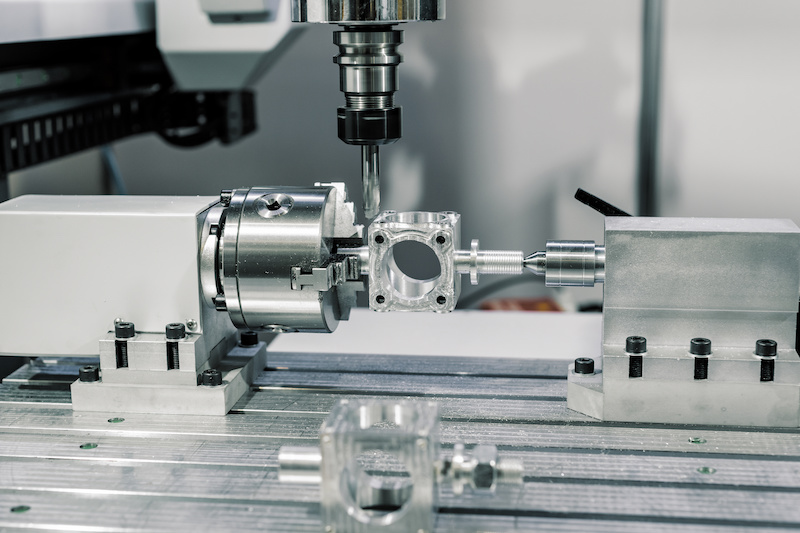
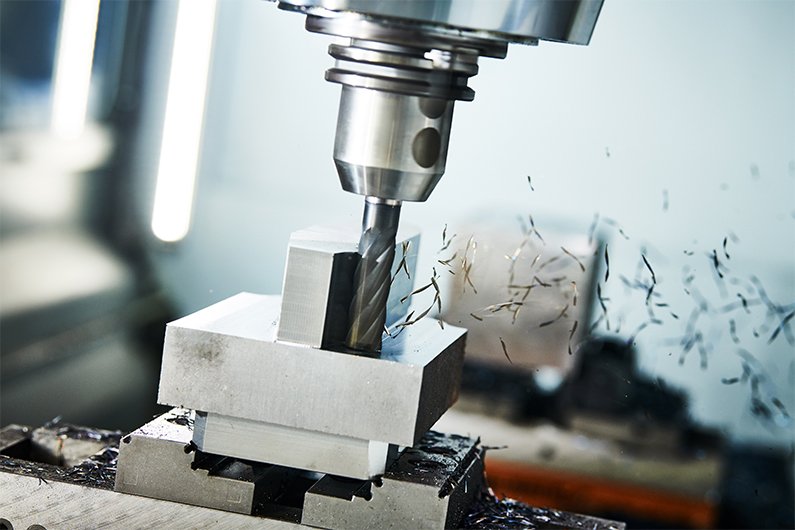
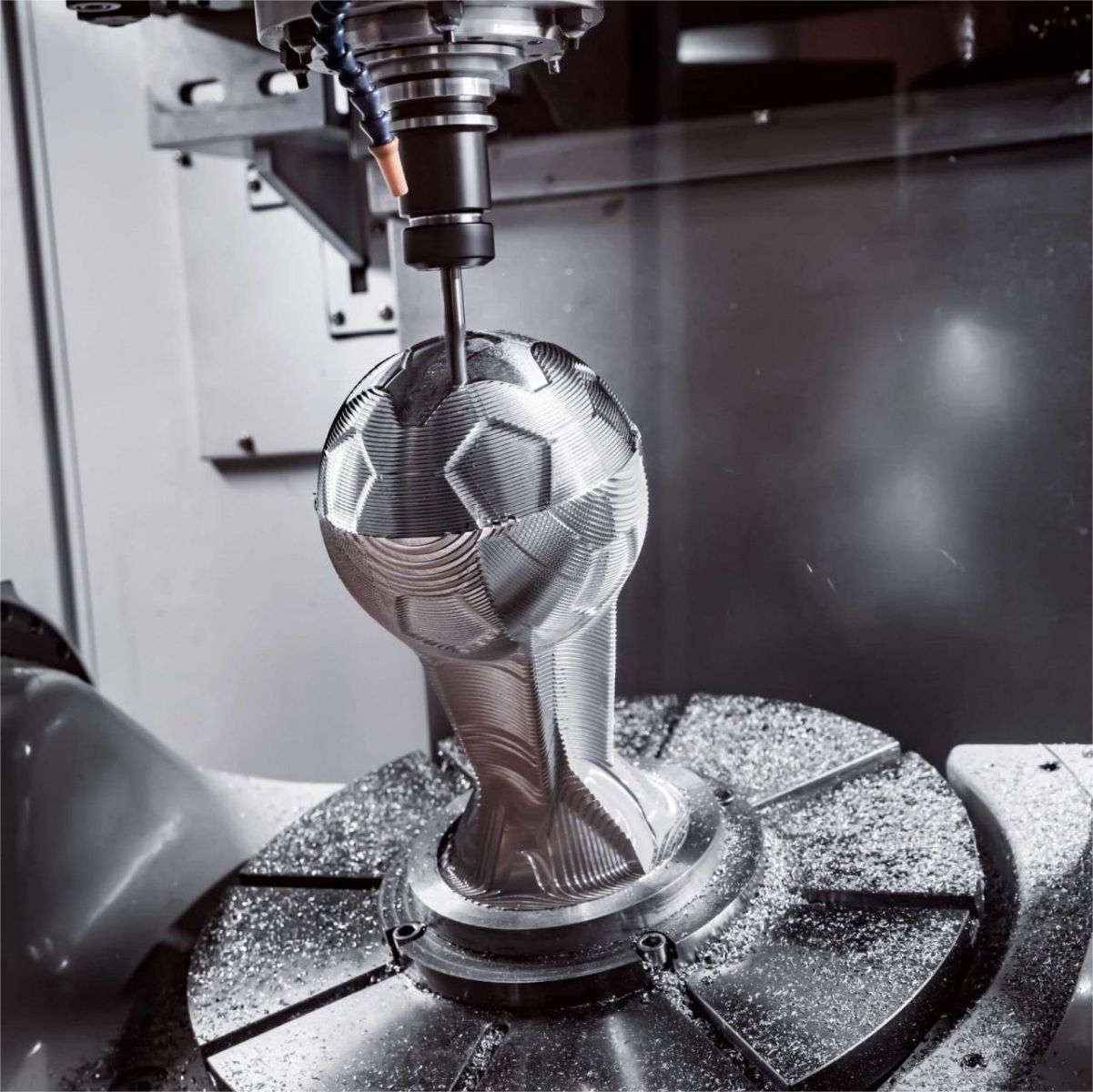
The cutting tool itself is another crucial element. CNC machinery employs a wide variety of cutting tools, including drills, end mills, and lathes, each designed for specific tasks. The tool is attached to a spindle, which rotates at high speeds, enabling precise material removal. This combination of controlled tool movement and high-speed rotation results in accurate shaping, cutting, and drilling of materials like metal, wood, plastics, and composites.
CNC machinery offers exceptional precision and repeatability, making it indispensable in industries where exacting specifications are a must. Whether it's creating intricate aerospace components or crafting customized furniture, CNC technology plays a pivotal role in manufacturing, delivering consistent and high-quality results.
 Advantages of Using CNC Machinery in Manufacturing
The adoption of CNC machinery in manufacturing processes has brought about a multitude of advantages, revolutionizing industries across the globe. Understanding these benefits is crucial for businesses aiming to optimize their production processes and remain competitive in the market.
-
Precision and Accuracy: CNC machinery is renowned for its unparalleled precision. It can produce parts with tolerances measured in micrometers, ensuring consistent quality and adherence to design specifications. This level of accuracy is nearly impossible to achieve consistently with manual machining.
-
Increased Productivity: CNC machines operate tirelessly, 24/7 if required, with minimal downtime for maintenance. This translates to significantly higher productivity compared to manual labor, where fatigue and human limitations can impact production rates.
-
Versatility: CNC machinery is incredibly versatile and adaptable. With the right programming and tooling, a single CNC machine can perform a wide range of tasks, from milling and turning to engraving and 3D printing. This versatility saves space and resources.
-
Complex Geometries: CNC technology excels at creating complex shapes and intricate designs. Whether it's producing intricate automotive parts or crafting artistic sculptures, CNC machinery offers unrivaled capabilities.
-
Consistency: CNC machines produce identical parts with each run. This consistency is crucial in industries where uniformity is essential, such as aerospace, automotive, and medical device manufacturing.
-
Reduced Waste: CNC machinery optimizes material usage by minimizing waste. Through precise tool control and efficient cutting paths, it reduces scrap and conserves resources.
-
Cost Efficiency: While initial investment costs can be high, CNC machinery often proves cost-effective in the long run. Lower labor costs, reduced scrap, and increased production rates contribute to a favorable return on investment.
-
Safety: CNC machines are equipped with safety features that protect both operators and the equipment itself. This reduces the risk of accidents and workplace injuries.
-
Remote Monitoring: Many modern CNC machines offer remote monitoring capabilities, allowing operators to oversee production from anywhere, enhancing efficiency and reducing downtime.
-
Customization: CNC machinery enables businesses to respond quickly to changing customer demands by easily reprogramming for different parts or designs, facilitating product customization.
In summary, the advantages of using CNC machinery in manufacturing are extensive, ranging from precision and productivity to versatility and cost-efficiency. Businesses that embrace this technology gain a competitive edge in today's demanding market.
.jpg) Common Applications of CNC Machinery
Common Applications of CNC Machinery
CNC machinery's versatility and precision have opened up a vast array of applications across various industries. From the aerospace sector to the world of art, CNC technology has left an indelible mark. Let's explore some of the most common and remarkable applications.
-
Aerospace Manufacturing: The aerospace industry relies heavily on CNC machinery to produce intricate components for aircraft and spacecraft. CNC machining ensures precision and consistency in critical parts like turbine blades, landing gear, and fuselage components.
-
Automotive Production: CNC machines play a pivotal role in the production of automobiles. From engine blocks to transmission components, CNC machining guarantees the tight tolerances and durability required for safe and efficient vehicles.
-
Medical Device Manufacturing: In the highly regulated field of medical device manufacturing, CNC technology is indispensable. It's used to create precise surgical instruments, prosthetics, dental implants, and even intricate components for diagnostic equipment.
-
Electronics Fabrication: The miniaturization and complexity of electronic devices demand the precision of CNC machinery. It's used to create circuit boards, housings, and connectors with exacting specifications.
-
Custom Furniture Design: In the world of custom furniture and woodworking, CNC routers and mills enable intricate designs and precise joinery. This technology allows artisans to bring unique and complex furniture pieces to life.
-
Jewelry Production: Fine jewelry often features intricate and delicate designs. CNC technology ensures that these designs are executed flawlessly, even on precious metals and gemstones.
-
Prototyping and Rapid Manufacturing: CNC machines are invaluable for rapid prototyping, allowing engineers and designers to quickly iterate and test new concepts. This is essential in industries like product development and innovation.
-
Metal Fabrication: From simple brackets to complex structural components, CNC machines excel in metal fabrication. They can cut, bend, and weld metal with precision, ensuring the integrity of the final product.
-
Architectural Millwork: Custom architectural elements, such as ornate moldings and decorative panels, are often produced using CNC machinery. This allows for intricate designs that enhance the beauty of buildings.
-
Art and Sculpture: Many contemporary artists embrace CNC technology to create sculptures and art installations that would be impossible to produce by hand. It enables artists to explore new creative avenues.
These examples merely scratch the surface of CNC machinery's applications. As technology continues to advance, new industries and creative endeavors will undoubtedly find innovative ways to leverage the precision and versatility of CNC technology. Whether it's advancing scientific research or adding aesthetic value to everyday objects, CNC machinery is an essential tool for the modern world.
The Evolution of CNC Technology
The history of CNC technology is a journey of innovation, from its humble beginnings to its current status as an integral part of modern manufacturing. Understanding its evolution sheds light on the incredible advancements that have shaped its capabilities.
-
Early Numerical Control: The origins of CNC can be traced back to the mid-20th century when engineers began experimenting with numerical control systems. These early systems used punched cards and analog computers to control machine movements, albeit with limited precision.
-
The Emergence of CNC: The term "Computer Numerical Control" was coined in the late 1940s, and by the 1950s, CNC technology had made significant strides. These systems could control machine tools more accurately and efficiently, paving the way for automated manufacturing.
-
Digital Age Advancements: With the advent of digital computers in the 1960s and 70s, CNC technology took a giant leap forward. Computers could now store and process complex part designs, allowing for greater accuracy and versatility in machining operations.
-
CAD/CAM Integration: The integration of Computer-Aided Design (CAD) and Computer-Aided Manufacturing (CAM) software in the 1980s marked a watershed moment. This allowed engineers to create intricate designs and seamlessly translate them into CNC programs.
-
Miniaturization and Micro-Machining: As electronics miniaturized, CNC machines followed suit. Miniature CNC machines now enable micro-machining for applications like medical devices and electronics.
-
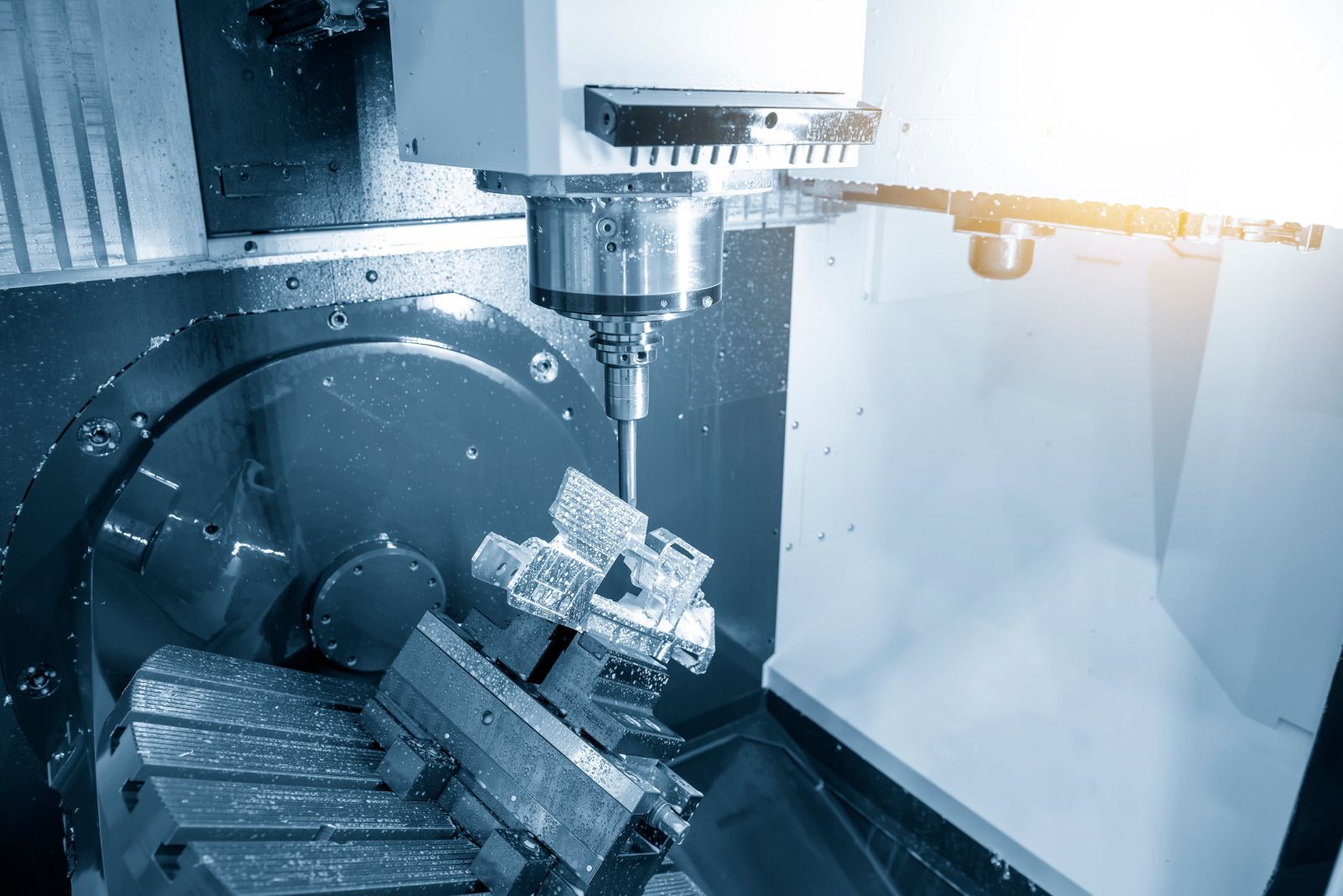
Multi-Axis Machining: CNC machines evolved from three-axis systems to multi-axis machines capable of complex maneuvers. This opened up new possibilities for manufacturing intricate and sculptural components.
-
Rise of 3D Printing: In recent years, CNC technology has expanded beyond traditional subtractive methods. Additive manufacturing, commonly known as 3D printing, has become an essential part of CNC technology, enabling rapid prototyping and custom manufacturing.
-
Integration with IoT: Modern CNC machines are increasingly equipped with Internet of Things (IoT) capabilities. This allows for remote monitoring, predictive maintenance, and data-driven optimization of manufacturing processes.
-
AI and Machine Learning: AI algorithms are being incorporated into CNC systems to improve toolpath optimization, reduce cycle times, and enhance overall efficiency.
-
Sustainability Focus: The latest trend in CNC technology involves reducing energy consumption and waste, aligning with global sustainability goals.
The evolution of CNC technology showcases its adaptability and its role as a driver of innovation in manufacturing. As it continues to advance, CNC machinery will likely become even more accessible, versatile, and environmentally friendly.
Impact of CNC Machinery on Modern Manufacturing
The widespread adoption of CNC machinery has had a profound impact on modern manufacturing, reshaping industries and driving efficiency to new heights. This impact can be seen across various dimensions of the manufacturing landscape.
-
Precision and Quality: CNC technology has elevated the precision and quality of manufactured products. Complex geometries and tight tolerances can be consistently achieved, reducing defects and ensuring customer satisfaction.
-
Reduced Labor Dependency: CNC machinery has reduced the reliance on manual labor, particularly for repetitive and labor-intensive tasks. This not only increases productivity but also minimizes the risk of human error.
-
Shortened Production Times: CNC machines operate at high speeds and with minimal downtime, leading to shorter production times. This agility allows manufacturers to respond quickly to changing market demands.
-
Material Optimization: CNC technology maximizes material usage through efficient cutting paths and reduced waste. This contributes to cost savings and aligns with sustainability goals by minimizing resource consumption.
-
Customization and Prototyping: The ability to quickly reprogram CNC machines makes customization and rapid prototyping more accessible. Businesses can experiment with new designs and tailor products to individual customer needs.
-
Competitive Edge: Companies that embrace CNC machinery gain a competitive edge by offering high-quality, precision-engineered products that meet or exceed industry standards.
-
Global Supply Chain Integration: CNC technology has facilitated global supply chain integration by ensuring consistent quality and interchangeable parts. This has allowed for the efficient distribution of products across borders.
-
Job Evolution: While CNC machinery has reduced some traditional manufacturing jobs, it has also created new roles, such as CNC programmers and machine operators. These positions require specialized skills and offer promising career opportunities.
-
Innovation Catalyst: CNC machinery serves as a catalyst for innovation, enabling the development of cutting-edge technologies and products across industries like aerospace, healthcare, and automotive.
-
Environmental Impact: By reducing waste and optimizing production, CNC technology contributes to a more sustainable manufacturing industry, aligning with eco-conscious consumer preferences.
In summary, the impact of CNC machinery on modern manufacturing is multifaceted, touching on quality, efficiency, sustainability, and global competitiveness. As technology continues to evolve, the influence of CNC machinery is expected to expand further, driving innovation and reshaping the future of manufacturing.
 Challenges and Limitations of CNC Machinery
While CNC machinery offers numerous advantages, it is not without its challenges and limitations. Acknowledging these constraints is essential for businesses seeking to maximize the benefits of this technology while mitigating potential drawbacks.
-
High Initial Costs: Acquiring CNC machinery can be a significant financial investment, especially for small businesses. This includes the cost of the machines themselves, software, and employee training.
-
Skilled Labor Shortage: Operating CNC machines requires skilled personnel who can program, set up, and maintain the equipment. The shortage of qualified CNC operators can pose challenges for businesses.
-
Complex Programming: Creating CNC programs can be complex, particularly for intricate parts. Skilled CNC programmers are required to generate efficient and error-free code.
-
Maintenance Requirements: CNC machines require regular maintenance to ensure optimal performance. Downtime for maintenance can disrupt production schedules if not carefully managed.
-
Material Limitations: While CNC machinery is versatile, it may not be suitable for all materials. Some materials, such as certain composites or ceramics, can be challenging to machine, requiring specialized equipment.
-
Limited Flexibility: CNC machines excel at producing consistent parts with high precision. However, they may lack the flexibility to adapt quickly to changing production needs or small-batch runs.
-
Safety Concerns: Despite safety features, operating CNC machinery carries inherent risks. Improper use or maintenance can lead to accidents, highlighting the importance of rigorous safety protocols.
-
Environmental Impact: While CNC technology can reduce material waste, the energy consumption of CNC machines can have environmental consequences if not managed efficiently.
-
Software Compatibility: Keeping CNC software up-to-date and compatible with evolving CAD/CAM systems can be a challenge, potentially leading to compatibility issues.
-
Technological Advancements: As technology evolves, businesses must continually invest in new CNC machinery to stay competitive. This cycle of technological advancement can be costly.
Despite these challenges, businesses that carefully plan, invest in training, and adapt their operations to leverage the strengths of CNC machinery can overcome these limitations and thrive in today's competitive manufacturing landscape.
Future Trends in CNC Technology
The future of CNC technology promises exciting developments that will further enhance its capabilities and impact on manufacturing. Here are some key trends and innovations to watch for:
-
Advanced Automation: CNC machinery will become even more autonomous, incorporating AI and machine learning to optimize toolpaths, predict maintenance needs, and adapt to changing conditions in real-time.
-
Additive and Hybrid Manufacturing: The integration of additive manufacturing (3D printing) with traditional CNC machining will allow for the creation of complex, multi-material parts in a single process.
-
Green Manufacturing: CNC machinery will focus on sustainability by reducing energy consumption, minimizing waste, and utilizing eco-friendly materials.
-
IoT Integration: IoT sensors and data analytics will play a larger role in CNC technology, enabling remote monitoring, predictive maintenance, and data-driven process optimization.
-
Human-Machine Collaboration: Collaborative robots (cobots) will work alongside human operators, enhancing safety and efficiency in manufacturing environments.
-
Miniaturization and Micro-Machining: CNC technology will continue to advance in miniaturization, enabling even smaller and more precise components.
-
Digital Twins: CNC machines will be integrated into digital twin simulations, allowing for real-time monitoring and optimization of production processes.
-
Accessibility: Efforts will be made to make CNC technology more accessible to smaller businesses through lower-cost machines, user-friendly software, and online resources.
-
Sustainability Certification: CNC machinery may come with sustainability certifications, providing transparency about a machine's environmental impact.
-
Global Connectivity: CNC machines will be seamlessly connected across global supply chains, enabling efficient production and distribution on a global scale.
These future trends in CNC technology will undoubtedly shape the manufacturing landscape, driving innovation, efficiency, and sustainability across industries.
 Choosing the Right CNC Machinery for Your Business
Selecting the right CNC machinery for your business is a critical decision that can impact your productivity, product quality, and overall success. Here are the key considerations to guide your choice:
-
Define Your Needs: Start by clearly defining your manufacturing needs and goals. What types of parts will you be producing, and what are the required tolerances? Understanding your specific requirements is the first step.
-
Budget: Determine your budget for CNC machinery, including not only the initial purchase but also ongoing costs such as maintenance, software, and training.
-
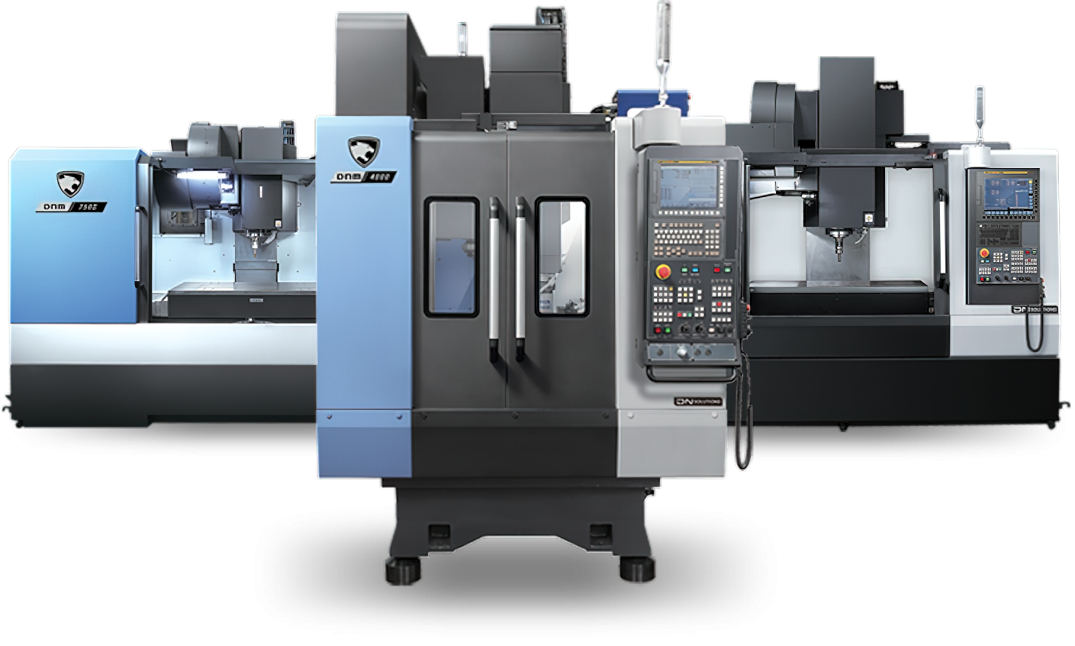
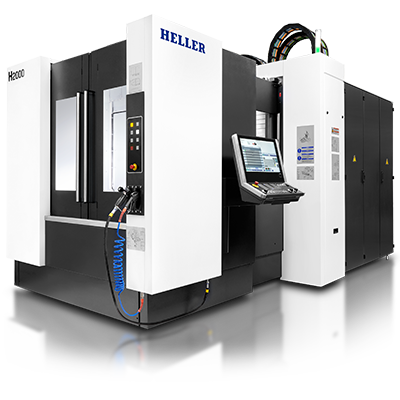
Machine Size and Type: Consider the size and type of CNC machine that best suits your operations. Vertical machining centers, horizontal machining centers, and CNC lathes are common options, each with its own strengths.
-
Tooling and Workholding: Evaluate the compatibility of your existing tooling and workholding systems with the chosen CNC machine. This can affect setup times and costs.
-
Software Compatibility: Ensure that the CNC machine's control software is compatible with your CAD/CAM software to facilitate seamless programming and design transfer.
-
Training and Skillset: Assess the availability of skilled CNC operators and programmers. If necessary, budget for training programs to upskill your workforce.
-
Maintenance and Support: Research the manufacturer's reputation for customer support and the availability of spare parts. A reliable support network is crucial for minimizing downtime.
-
Future-Proofing: Consider how well the chosen CNC machinery aligns with future trends in manufacturing technology to ensure its longevity and adaptability.
-
Energy Efficiency: Evaluate the machine's energy consumption and sustainability features to align with your environmental goals.
-
Safety Features: Check for comprehensive safety features to protect your operators and minimize workplace accidents.
-
References and Reviews: Seek out references and reviews from businesses that have used the same CNC machinery to gain insights into its performance and reliability.
-
Warranty and Service Agreements: Review warranty terms and service agreements to understand the level of protection and support offered.
By carefully weighing these factors, you can make an informed decision when choosing CNC machinery that aligns with your business objectives and sets you on a path to success.
Conclusion
CNC machinery has emerged as a cornerstone of modern manufacturing, offering unparalleled precision, efficiency, and versatility. Its evolution from early numerical control systems to today's advanced technology reflects a continuous drive for innovation and excellence. As CNC technology continues to evolve, it will reshape industries, drive sustainability, and unlock new opportunities for businesses around the world.
While there are challenges and limitations associated with CNC machinery, these can be overcome with careful planning, investment, and a commitment to safety and sustainability. Businesses that harness the power of CNC technology will gain a competitive edge in an increasingly dynamic and demanding market.
In the future, CNC machinery will play an even more integral role in manufacturing, with trends such as advanced automation, additive manufacturing integration, and sustainability at the forefront. Choosing the right CNC machinery for your business is a pivotal decision that requires a thorough understanding of your needs and careful consideration of various factors.
Ultimately, CNC machinery is more than just a tool; it's a catalyst for progress and innovation, enabling businesses to create precise, high-quality products that meet the demands of a rapidly evolving world.
FAQ 1: How Does CNC Machinery Work at YICHOU Manufacturing?
Keywords: CNC machinery operation, YICHOU manufacturing process, CNC controller, tool movement, digital design.
At YICHOU, our CNC machinery operates at the cutting edge of precision manufacturing. We employ state-of-the-art technology to ensure the seamless operation of our CNC machines. The process begins with the creation of a digital design or CAD file, which specifies the exact dimensions and geometry of the component. This file is then transformed into a CNC program using CAM software. This program consists of a series of commands that dictate the tool's movements, speeds, and cutting paths. Once loaded into our CNC machine's computer, it executes these commands meticulously, thanks to the precision of our CNC controller.
Our CNC machinery relies on various motors and actuators to drive the motion of the machine's axes, including the X, Y, and Z axes. These components work in harmony to position the cutting tool or workpiece with remarkable precision. Additionally, feedback systems, such as encoders, continuously monitor the machine's position, ensuring it stays on course throughout the entire manufacturing process.
Our cutting tools, specially selected for each task, are attached to high-speed spindles that rotate with incredible precision. This combination of controlled tool movement and high-speed rotation is the secret behind the unmatched accuracy and quality of the components produced by YICHOU's CNC machinery.
.jpeg)
FAQ 2: What Are the Advantages of Using YICHOU's CNC Machinery in Manufacturing?
Keywords: YICHOU CNC machinery advantages, precision manufacturing, increased productivity, material optimization, cost-efficiency.
YICHOU's CNC machinery offers a host of advantages that are transforming the manufacturing landscape. Our commitment to precision manufacturing is evident in the exceptional advantages our CNC machines bring:
-
Precision and Accuracy: YICHOU's CNC machinery delivers unparalleled precision, with the capability to produce parts with tolerances measured in micrometers. This level of accuracy ensures that every component adheres rigorously to design specifications.
-
Increased Productivity: Our CNC machines operate tirelessly, 24/7 if necessary, with minimal downtime for maintenance. This translates to significantly higher productivity compared to manual labor.
-
Material Optimization: We prioritize material optimization by minimizing waste through efficient cutting paths. At YICHOU, we believe in responsible resource usage and cost-effective manufacturing.
-
Cost Efficiency: While the initial investment in CNC machinery may seem substantial, it often proves cost-effective in the long run. Reduced labor costs, lower scrap rates, and increased production rates contribute to a favorable return on investment.
-
Versatility: YICHOU's CNC machinery is incredibly versatile and adaptable, capable of performing a wide range of tasks with the right programming and tooling. This versatility saves both space and resources in our manufacturing processes.
YICHOU's commitment to delivering consistent quality and adherence to the highest standards makes our CNC machinery an invaluable asset in precision manufacturing.
FAQ 3: What Are the Common Applications of CNC Machinery at YICHOU?
Keywords: YICHOU CNC machinery applications, aerospace manufacturing, automotive production, medical device manufacturing, electronics fabrication.
At YICHOU, our CNC machinery is at the heart of numerous industries, bringing precision and innovation to various applications. Some of the common and remarkable applications of our CNC technology include:
-
Aerospace Manufacturing: Our CNC machinery plays a pivotal role in producing intricate components for aircraft and spacecraft, ensuring precision and consistency in critical parts like turbine blades and fuselage components.
-
Automotive Production: YICHOU's CNC machines are crucial in the production of automobiles, from engine components to transmission parts, where precision and durability are paramount.
-
Medical Device Manufacturing: In the highly regulated field of medical device manufacturing, our CNC technology is indispensable. We create precise surgical instruments, prosthetics, and dental implants, among other critical components.
-
Electronics Fabrication: The miniaturization and complexity of electronic devices demand the precision of CNC machinery. At YICHOU, we create circuit boards, housings, and connectors with exacting specifications.
These are just a few examples of how YICHOU's CNC machinery is making a significant impact across industries, offering precision and quality in every application.
FAQ 4: How Has CNC Technology Evolved at YICHOU Manufacturing?
Keywords: YICHOU CNC technology evolution, digital age advancements, CAD/CAM integration, multi-axis machining.
YICHOU's journey with CNC technology is one of continuous evolution and innovation. We have witnessed significant advancements that have shaped our capabilities:
-
Early Numerical Control: Our roots in CNC technology trace back to the mid-20th century when we experimented with early numerical control systems, albeit with limited precision.
-
The Emergence of CNC: By the 1950s, we embraced CNC technology, which allowed us to control machine tools more accurately and efficiently.
-
Digital Age Advancements: In the 1960s and 70s, we integrated digital computers into our CNC systems, allowing for greater accuracy and versatility in machining operations.
-
CAD/CAM Integration: In the 1980s, YICHOU led the way in integrating Computer-Aided Design (CAD) and Computer-Aided Manufacturing (CAM) software, enabling engineers to create intricate designs and seamlessly translate them into CNC programs.
Our commitment to staying at the forefront of CNC technology has allowed us to deliver exceptional precision and innovation in manufacturing.
.jpeg)
FAQ 5: How Does YICHOU's CNC Machinery Impact Modern Manufacturing?
Keywords: YICHOU CNC machinery impact, precision and quality, reduced labor dependency, shortened production times, environmental impact.
The impact of YICHOU's CNC machinery on modern manufacturing is profound, touching on various dimensions of the manufacturing landscape:
-
Precision and Quality: We've elevated precision and quality by consistently achieving complex geometries and tight tolerances, reducing defects, and ensuring customer satisfaction.
-
Reduced Labor Dependency: Our CNC machinery has reduced the reliance on manual labor for repetitive and labor-intensive tasks, increasing productivity and minimizing human error.
-
Shortened Production Times: YICHOU's CNC machines operate at high speeds with minimal downtime, resulting in shorter production times. This agility enables us to respond swiftly to changing market demands.
-
Material Optimization: We prioritize material optimization, minimizing waste through efficient cutting paths and responsible resource usage.
-
Environmental Impact: YICHOU is committed to sustainability, working to reduce energy consumption and minimize waste in our manufacturing processes.
Our CNC machinery has also enhanced our competitiveness by offering high-quality, precision-engineered products that meet or exceed industry standards. As we continue to innovate and evolve, our impact on modern manufacturing will only grow, shaping the future of precision manufacturing.
GET QUOTE
- Visit our website: https://www.nbyichou.com/
- Email us: [email protected]
- Call us/whatsapp: +86 13355741031
- Chat with us: Live chat support available on our website