In today's fast-paced world, staying ahead of the competition requires constant innovation and product development. This is where rapid prototyping comes into play, revolutionizing the way products are created. But what exactly is rapid prototyping, and how does it accelerate innovation? Rapid prototyping is a process that allows for the quick and cost-effective creation of physical prototypes. By using cutting-edge technologies such as 3D printing and Computer-Aided Design (CAD), designers and engineers can bring their ideas to life in a matter of days, instead of weeks or months. By utilizing rapid prototyping, companies can iterate and refine their product designs at an unprecedented speed. This means faster time-to-market, reduced development costs, and the ability to quickly adapt to customer feedback and market demands. But the benefits of rapid prototyping go beyond speed and cost-efficiency. It also encourages collaboration and creativity within teams, as it enables them to visualize and test their concepts in a tangible form. This not only accelerates the product development process but also increases the chances of creating a successful, market-ready product. In summary, rapid prototyping is transforming the way products are developed, enabling companies to stay agile and competitive in a rapidly changing marketplace.
.jpg)
The Benefits of Rapid Prototyping in Product Development
In the ever-evolving landscape of product development, innovation is the name of the game. Businesses are constantly seeking ways to not only streamline their processes but also to create products that captivate the market. Enter rapid prototyping, a methodology that has gained immense popularity for its ability to revolutionize product development. Rapid prototyping offers a slew of benefits, from reducing time-to-market to enhancing product quality.
One of the key advantages of rapid prototyping is its ability to save precious time in the product development cycle. Traditional methods often involve lengthy design phases and multiple iterations, which can be time-consuming and costly. Rapid prototyping, on the other hand, allows for swift ideation and testing. By swiftly translating concepts into tangible prototypes, teams can identify flaws and make improvements much earlier in the process, ultimately accelerating time-to-market.
Moreover, rapid prototyping fosters better communication within cross-functional teams. With a physical prototype in hand, designers, engineers, and marketers can easily convey their ideas and expectations, leading to a clearer understanding of the product's requirements. This collaborative approach minimizes misunderstandings, resulting in a more cohesive and efficient development process.
In terms of cost-effectiveness, rapid prototyping also shines. By identifying and rectifying issues early on, businesses can prevent costly design flaws from snowballing into production. This not only saves money but also mitigates the risk of launching a subpar product that may harm the brand's reputation.
Lastly, rapid prototyping empowers businesses to stay nimble in a rapidly changing marketplace. It allows for quick adjustments based on market feedback, consumer preferences, or emerging trends. In essence, rapid prototyping is a strategic tool that not only drives innovation but also ensures that products stay aligned with ever-evolving market demands. As businesses embrace the benefits of rapid prototyping, they position themselves for greater success in the competitive world of product development.
.jpg)
Case Studies: Successful Examples of Rapid Prototyping in Action
To truly grasp the potential of rapid prototyping, let's delve into some real-world examples that highlight its success stories.
One standout case is that of the multinational automotive giant, Ford. Ford utilized rapid prototyping to redesign the brake pedal for their Ford Mondeo model. The traditional method would have required extensive time and resources, but by employing 3D printing, they were able to create and test multiple prototypes rapidly. This resulted in an innovative, ergonomic design that greatly improved driver comfort and safety.
In the realm of consumer electronics, companies like Apple have leveraged rapid prototyping to maintain their competitive edge. The development of the iPhone, for instance, saw Apple engineers using 3D printing to create early prototypes. This allowed them to fine-tune the device's form factor and user experience. The result? A game-changing product that revolutionized the smartphone industry.
Another compelling example comes from the medical field. Custom orthopedic implants, designed to fit a patient's unique anatomy, have been made possible through rapid prototyping. Companies like Stryker have utilized 3D printing to create patient-specific implants, improving surgical outcomes and patient satisfaction.
These case studies underscore the versatility and impact of rapid prototyping in various industries. Whether it's enhancing automotive safety, revolutionizing consumer electronics, or improving healthcare, rapid prototyping has consistently proven its worth as a powerful tool for innovation.
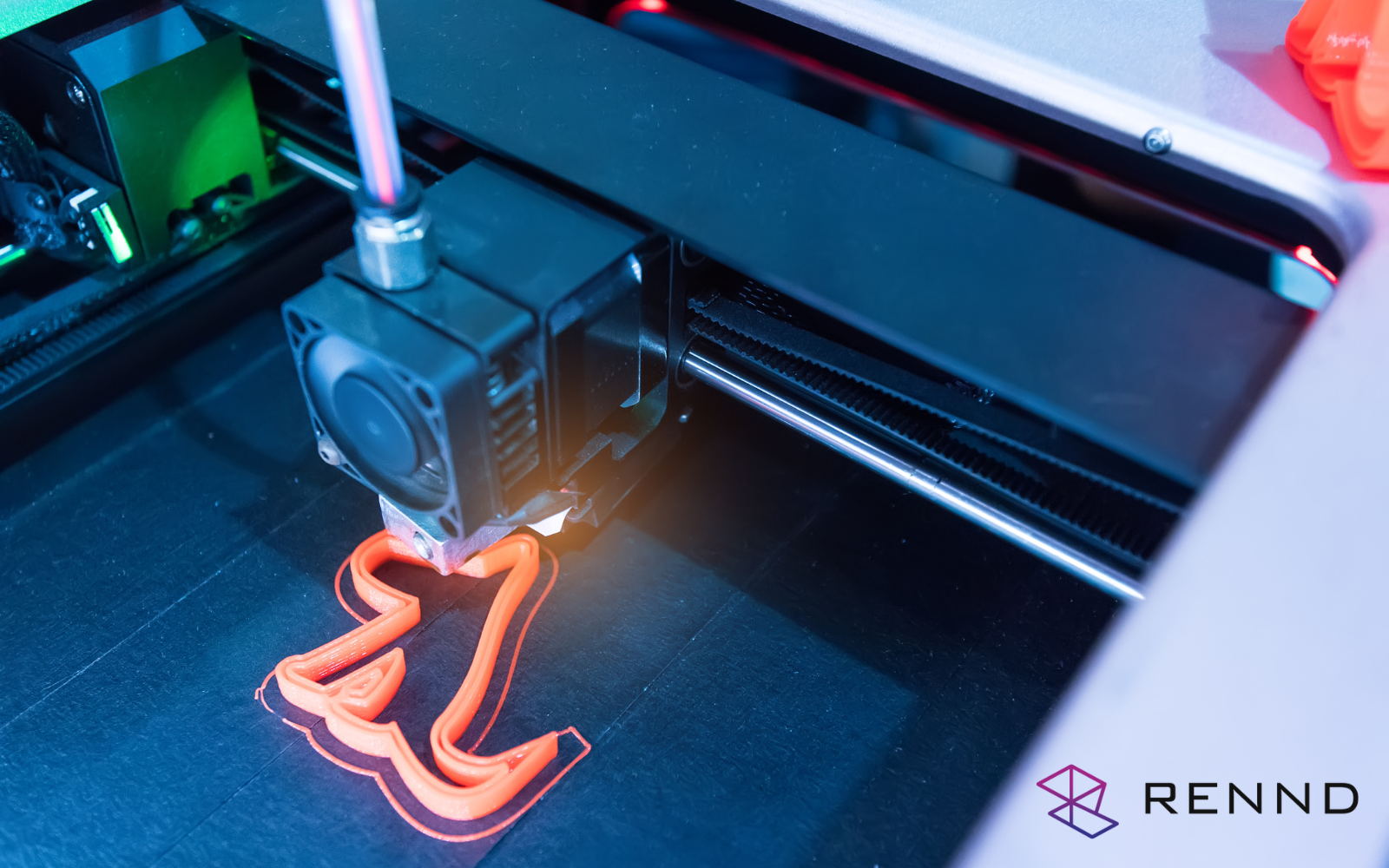
The Rapid Prototyping Process: From Idea to Prototype
Now that we've explored the benefits and seen real-world successes, let's take a closer look at the rapid prototyping process itself. How does an idea transform into a tangible prototype?
-
Idea Generation: The journey begins with ideation. This phase involves brainstorming, market research, and a deep understanding of customer needs. The goal is to define a clear concept for the product.
-
Conceptualization: Once the idea is crystallized, it's time to translate it into a conceptual design. This can involve sketches, wireframes, and basic digital models. It's the first step in visualizing the product.
-
Digital Modeling: With the concept in place, digital modeling takes center stage. Using software like CAD (Computer-Aided Design), designers create a 3D digital model of the product. This model serves as the foundation for the physical prototype.
-
Prototype Development: Now, it's time to turn bits into atoms. Rapid prototyping techniques, such as 3D printing, CNC machining, or injection molding, are employed to create physical prototypes. These prototypes can range from rough mock-ups to highly detailed models, depending on the stage of development.
-
Testing and Iteration: The prototype is put through rigorous testing to identify flaws and areas for improvement. This step often involves interdisciplinary collaboration to gather feedback from various stakeholders, including end-users.
-
Refinement: Based on the feedback and testing results, refinements are made to the prototype. This iterative process continues until the product meets the desired standards in terms of functionality, aesthetics, and usability.
-
Finalization: Once the prototype is perfected, it serves as the blueprint for mass production. Manufacturers use it as a reference to ensure the final product aligns with the prototype's specifications.
-
Launch and Market Feedback: The product is launched into the market, and real-world user feedback is collected. This feedback can lead to further refinements in future iterations or product versions.
This systematic approach not only accelerates the development process but also enhances the quality of the end product. It allows businesses to create products that are not just functional but also resonate with their target audience.
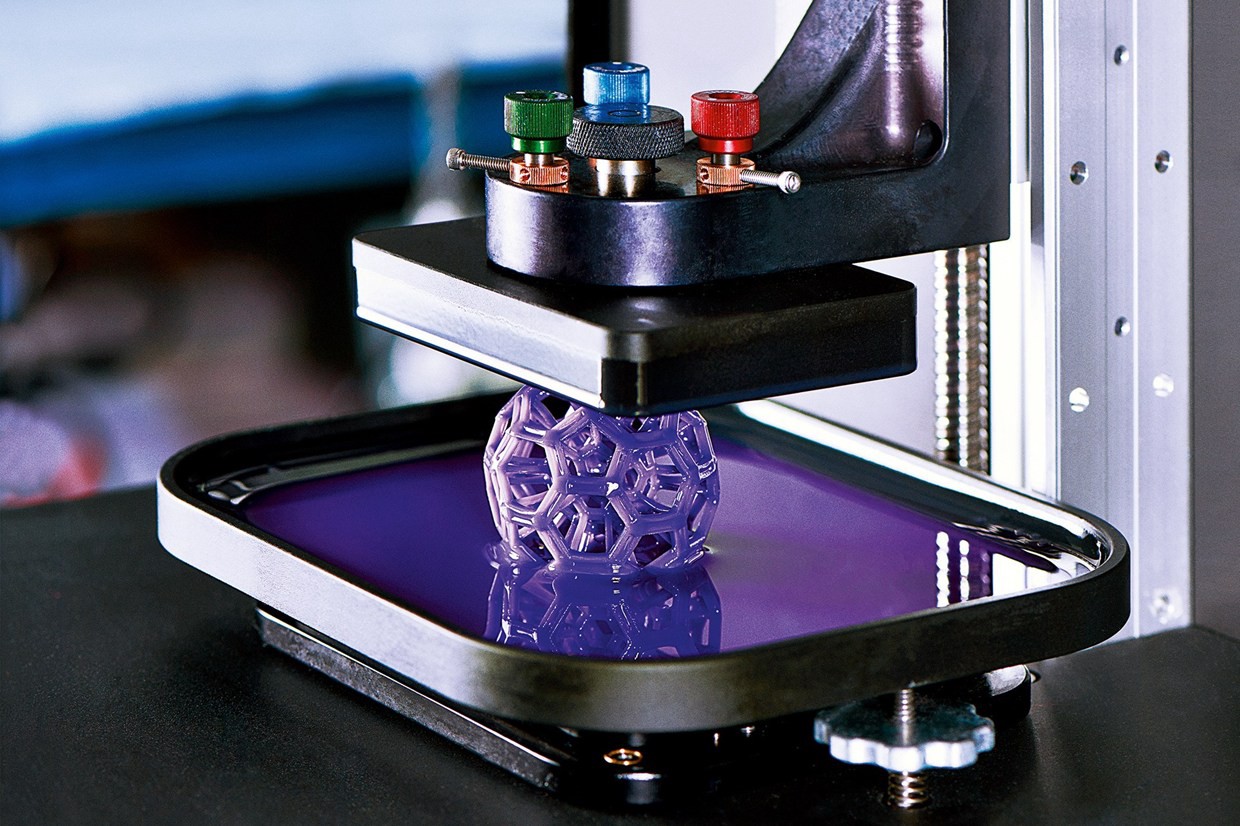
Tools and Technologies for Rapid Prototyping
The success of rapid prototyping hinges on the tools and technologies at its disposal. Let's explore some of the key components that empower this innovative approach:
-
3D Printing: Perhaps the most iconic tool in the rapid prototyping arsenal, 3D printing enables the creation of physical prototypes with incredible precision and speed. It's a versatile technology that can be applied across various industries, from aerospace to healthcare.
-
Computer-Aided Design (CAD) Software: CAD software forms the digital backbone of rapid prototyping. It allows designers to create detailed 3D models of products, facilitating the transition from concept to prototype.
-
CNC Machining: Computer Numerical Control (CNC) machining is another pivotal technology. It is used to carve intricate designs out of materials such as metal, plastic, or wood, enabling the production of functional prototypes.
-
Virtual Reality (VR) and Augmented Reality (AR): These immersive technologies have found a niche in rapid prototyping by offering the ability to visualize and interact with digital prototypes in a 3D space. This aids in design validation and user testing.
-
Materials Innovation: Advances in materials science have expanded the possibilities for rapid prototyping. From biodegradable plastics to high-strength alloys, new materials are continually pushing the boundaries of what can be prototyped.
-
Simulation Software: Simulation software allows engineers to test the performance of prototypes virtually. It's especially valuable in industries like automotive and aerospace, where safety and performance are paramount.
-
Collaboration and Project Management Tools: Effective collaboration is crucial in rapid prototyping. Project management tools and collaborative platforms facilitate seamless communication among team members, regardless of their geographical locations.
-
Internet of Things (IoT) Integration: In an increasingly connected world, IoT technology can be integrated into prototypes to gather real-time data and user insights. This information can inform design improvements.
-
Blockchain for Supply Chain Management: While not directly involved in the prototype creation, blockchain technology plays a role in tracking and ensuring the authenticity of materials and components used in rapid prototyping.
The synergy of these tools and technologies has elevated rapid prototyping to a level of precision and efficiency that was once unimaginable. By harnessing these resources, businesses can navigate the complexities of product development with confidence.
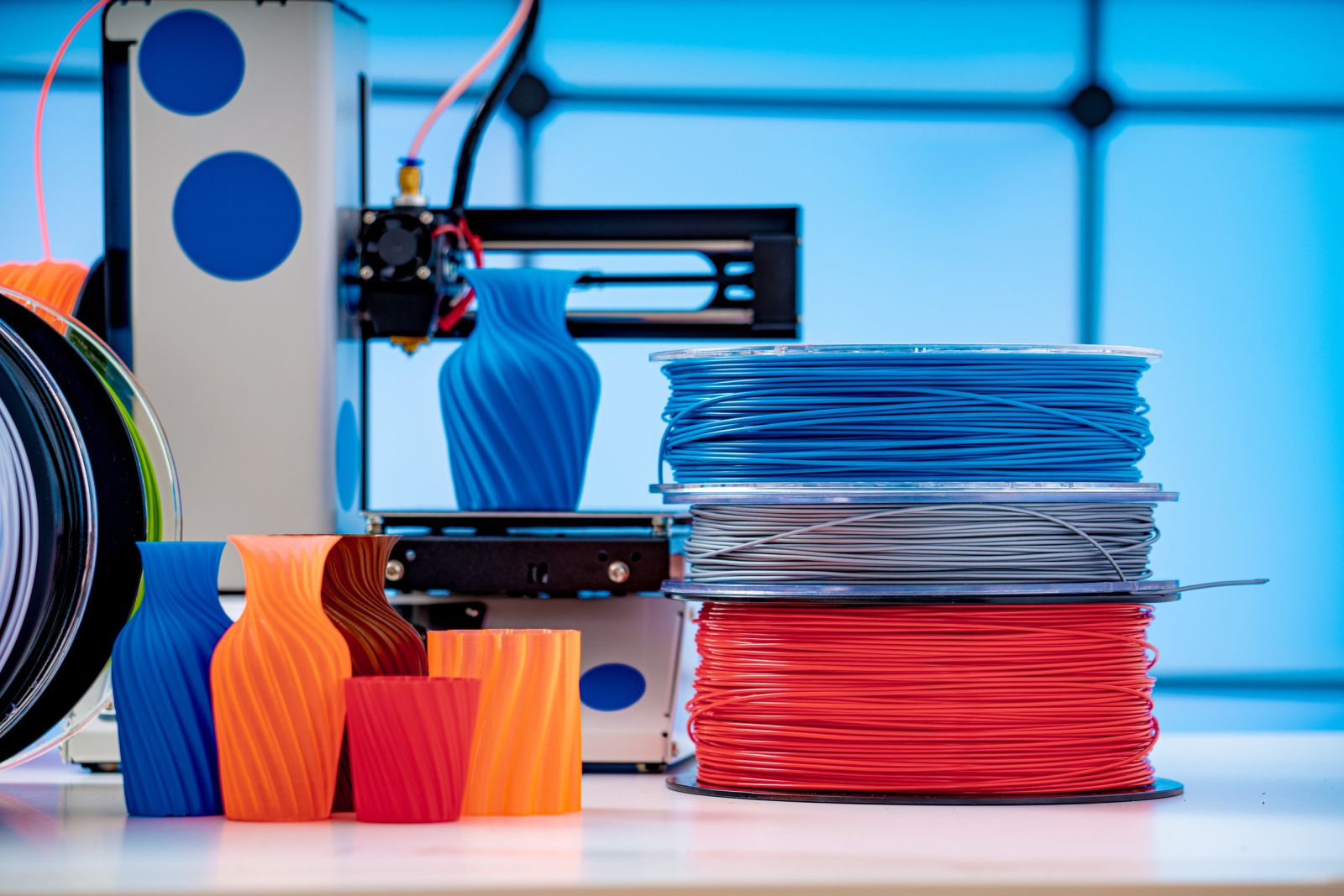
Overcoming Challenges in Rapid Prototyping
Despite its myriad benefits, rapid prototyping is not without its challenges. Here, we'll explore some of the common obstacles businesses may face and how to overcome them:
-
Cost: Rapid prototyping can incur substantial costs, especially when advanced technologies like 3D printing are involved. To mitigate this challenge, it's essential to carefully budget and plan for prototyping expenses. Consider the long-term savings and quality improvements as an investment.
-
Complexity: Some projects are inherently complex, making rapid prototyping more challenging. In such cases, breaking down the project into smaller, more manageable components can simplify the process. Additionally, seeking expertise from professionals with experience in complex prototyping can be invaluable.
-
Material Limitations: The choice of materials can impact the quality and functionality of the prototype. Overcome this challenge by staying updated on the latest material innovations and choosing the one that best suits your project's requirements.
-
Skill and Knowledge Gaps: Rapid prototyping often requires specialized skills and knowledge. Investing in training and education for your team or collaborating with experts can bridge these gaps effectively.
-
Intellectual Property Concerns: Sharing detailed prototype designs can raise concerns about intellectual property theft. Employ non-disclosure agreements (NDAs) and work with trusted partners to protect your designs.
-
Scalability: Transitioning from prototype to mass production can be a significant challenge. To address this, consider scalability from the outset of the prototyping process and work closely with manufacturers.
-
Market Validation: Prototypes are not guaranteed to succeed in the market. Collecting and analyzing market feedback during the prototype testing phase is crucial. Be prepared to make adjustments based on this feedback.
By recognizing and proactively addressing these challenges, businesses can navigate the rapid prototyping journey more effectively and maximize the benefits it offers.
.jpg)
The Role of Rapid Prototyping in Accelerating Innovation
Innovation is the lifeblood of any organization looking to thrive in today's dynamic business environment. Rapid prototyping plays a pivotal role in fostering innovation in several ways:
-
Reducing Risk: Traditional product development often involves substantial financial investments before a product reaches the market. Rapid prototyping allows businesses to test ideas and concepts with minimal upfront costs. This reduces the financial risk associated with innovation.
-
Enhancing Creativity: The rapid prototyping process encourages creative thinking. Designers and engineers are free to experiment and iterate, knowing that they can quickly pivot if an idea doesn't work. This creative freedom often leads to breakthrough innovations.
-
Accelerating Learning: Rapid prototyping promotes a culture of learning through experimentation. Teams gain valuable insights from each iteration, which can inform subsequent design decisions. This iterative learning accelerates the innovation process.
-
Adapting to Market Changes: The business landscape is constantly evolving, and customer preferences can shift rapidly. Rapid prototyping enables businesses to respond quickly to market changes by iterating and adapting their products to meet new demands.
-
Cross-Functional Collaboration: Innovation often requires input from various departments within an organization. Rapid prototyping facilitates cross-functional collaboration by providing a tangible point of reference that all teams can understand and contribute to.
-
User-Centric Design: Understanding and meeting user needs is essential for innovation. Rapid prototyping allows for user testing and feedback early in the development process, ensuring that the final product aligns with customer expectations.
-
Iterative Improvement: Innovation is rarely a one-shot endeavor. Rapid prototyping supports an iterative approach to innovation, where products are continually improved and refined based on real-world usage and feedback.
In essence, rapid prototyping is a catalyst for innovation. It empowers businesses to take risks, experiment, and explore new ideas in a controlled and cost-effective manner. By embracing this methodology, organizations can position themselves as leaders in their respective industries.
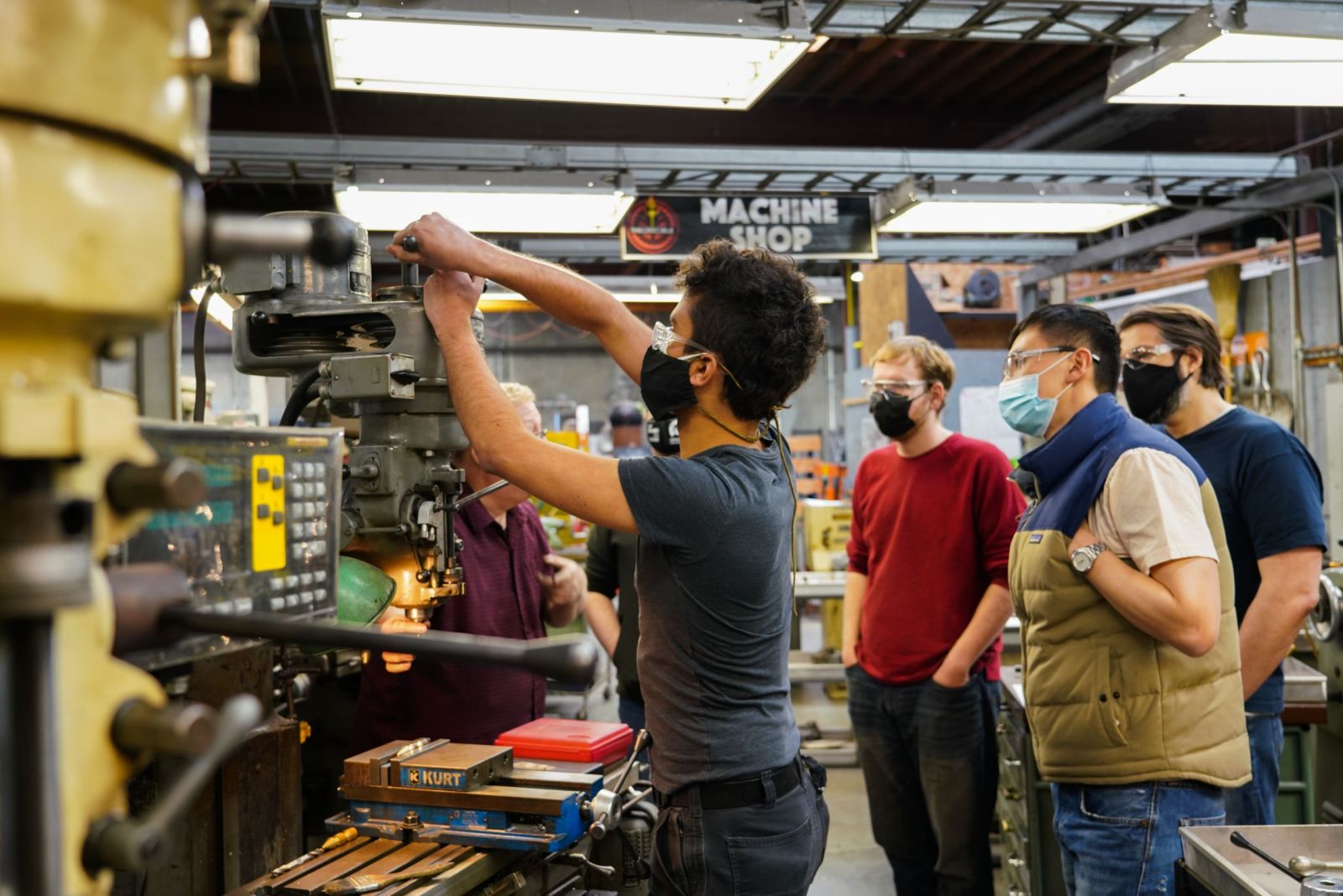
Best Practices for Implementing Rapid Prototyping in Product Development
Successful implementation of rapid prototyping hinges on adhering to best practices that optimize the process. Here are key guidelines to ensure a smooth and effective journey:
-
Clear Objectives: Begin with well-defined objectives. What problem are you solving? What are your goals for the prototype? Having a clear vision will guide the entire process.
-
Cross-Functional Teams: Involve a diverse team with expertise in design, engineering, marketing, and other relevant areas. Cross-functional collaboration enhances the quality of the prototype and its alignment with market needs.
-
Early User Involvement: Include end-users in the process from the outset. Their input is invaluable for shaping the product in a way that resonates with the target audience.
-
Iterative Approach: Embrace iteration as a core principle. Rapid prototyping is all about refining and improving. Don't be afraid to pivot if initial concepts don't meet expectations.
-
Use the Right Tools: Choose the appropriate tools and technologies for your project. Consider factors like material compatibility, precision, and scalability.
-
Testing and Feedback: Rigorously test prototypes and gather feedback at every stage. Use this feedback to drive improvements and refinements.
-
Budget and Resource Allocation: Allocate resources effectively. While rapid prototyping can save time and money in the long run, it still requires an initial investment. Plan your budget accordingly.
-
Risk Management: Identify potential risks and develop mitigation strategies. Being proactive in risk management can prevent costly setbacks.
-
Documentation: Maintain comprehensive documentation throughout the process. This includes design specifications, testing results, and any changes made to the prototype.
-
Scalability: Consider scalability early on. Ensure that the final design is feasible for mass production, and collaborate closely with manufacturers.
-
Intellectual Property Protection: Protect your intellectual property by using NDAs and other legal safeguards when sharing prototype designs with external partners or vendors.
-
Market Validation: Continually validate your prototype with real-world market testing. Be willing to make adjustments based on market feedback.
By following these best practices, businesses can unlock the full potential of rapid prototyping and maximize its impact on product development.
.jpg)
Future Trends in Rapid Prototyping
As technology and industry landscapes continue to evolve, so too does the field of rapid prototyping. Several emerging trends are poised to shape the future of this innovative practice:
-
Additive Manufacturing Advancements: Additive manufacturing, including 3D printing, is expected to see continued advancements. This includes the development of new materials, faster printing speeds, and larger build volumes, making it even more accessible and versatile.
-
Generative Design: Generative design, powered by artificial intelligence (AI), is set to transform the way prototypes are created. AI algorithms can generate and optimize designs based on specified criteria, leading to highly efficient and innovative solutions.
-
Digital Twin Technology: Digital twin technology allows for the creation of virtual replicas of physical prototypes. This enables real-time monitoring and analysis, facilitating better decision-making throughout the product lifecycle.
-
Sustainability Focus: Sustainability is a growing concern, and rapid prototyping is no exception. Expect to see a greater emphasis on eco-friendly materials and processes, as well as efforts to reduce waste in prototyping.
-
Hybrid Prototyping: Combining various rapid prototyping techniques, such as 3D printing and CNC machining, is becoming more common. This approach leverages the strengths of each method to create highly customized and functional prototypes.
-
Remote Collaboration: Remote work and collaboration tools have become essential, especially in the wake of global events. Prototyping processes will increasingly leverage virtual collaboration tools for remote teamwork and communication.
-
IoT Integration: Internet of Things (IoT) integration will play a significant role in prototype development. Prototypes will feature embedded sensors and connectivity, enabling real-time data collection and analysis.
-
Bioprinting: In the medical and biotechnology fields, bioprinting is gaining momentum. It involves the creation of living tissue structures using 3D printing technology, opening up new possibilities for healthcare and research.
-
Blockchain for Prototyping Security: Blockchain technology will be used to enhance the security and authenticity of prototype designs and data, addressing concerns about intellectual property and data integrity.
-
Customization and Personalization: As consumer preferences continue to shift toward personalized products, rapid prototyping will be used to create highly customized and tailored products for individual consumers.
These trends indicate a dynamic and promising future for rapid prototyping, making it an exciting field to watch and integrate into various industries.
Conclusion: Embracing Rapid Prototyping for Successful Product Development
In the fast-paced world of product development, staying competitive demands innovation and efficiency. Rapid prototyping emerges as a powerful solution to address these needs. By swiftly translating ideas into tangible prototypes, businesses can accelerate time-to-market, enhance product quality, and foster a culture of innovation.
Through a systematic process that involves idea generation, digital modeling, iterative testing, and collaboration, rapid prototyping empowers organizations to create products that not only meet customer expectations but also exceed them.
Armed with cutting-edge tools and technologies, businesses can overcome challenges, foster innovation, and position themselves as leaders in their respective industries. With a keen eye on emerging trends and a commitment to best practices, the future of rapid prototyping promises even greater advancements and possibilities.
In conclusion, embracing rapid prototyping is not merely a choice; it's a strategic imperative for successful product development in the 21st century. Those who harness its potential stand to gain a competitive edge and unlock the doors to innovation and growth.
.jpg)
1. What Are the Primary Benefits of Rapid Prototyping in Product Development?
Keywords: Rapid prototyping, product development, benefits
Rapid prototyping offers a wide range of advantages in the realm of product development. It accelerates the process, reduces costs, fosters innovation, and enables better communication among cross-functional teams. This FAQ dives deeper into the key benefits, explaining how rapid prototyping can save time, improve product quality, and enhance collaboration.
2. Can You Share Some Real-Life Case Studies of Successful Rapid Prototyping Projects?
Keywords: Rapid prototyping case studies, success stories
Certainly! This FAQ delves into real-world examples of businesses like Ford and Apple that have leveraged rapid prototyping to revolutionize their industries. By showcasing the success stories of these companies, readers can gain a better understanding of how rapid prototyping can lead to innovation and market success.
3. How Does the Rapid Prototyping Process Work, From Idea to Prototype?
Keywords: Rapid prototyping process, idea to prototype
Understanding the step-by-step process of rapid prototyping is crucial for effective implementation. In this FAQ, we break down the journey from idea generation to final prototype, highlighting the importance of each stage in bringing a product concept to life.
4. What Tools and Technologies Are Essential for Successful Rapid Prototyping?
Keywords: Rapid prototyping tools, technologies for prototyping
This FAQ explores the tools and technologies that play a pivotal role in the rapid prototyping process. From 3D printing to CAD software, readers will gain insights into the essential resources required for efficient and effective prototyping.
5. How Can Businesses Overcome Challenges in Rapid Prototyping and Maximize Its Benefits?
Keywords: Overcoming challenges in rapid prototyping, maximizing benefits
Rapid prototyping is not without its challenges. This FAQ discusses common obstacles that businesses may face during the prototyping journey and provides strategies to overcome them. It emphasizes the importance of proactive risk management and the iterative nature of the process.
GET QUOTE
- Visit our website: https://www.nbyichou.com/
- Email us: [email protected]
- Call us/whatsapp: +86 13355741031
- Chat with us: Live chat support available on our website