Step into the fascinating world of metal manufacture and explore the incredible journey it has taken from ancient forging techniques to the cutting-edge innovations of today. Throughout history, humans have sought to harness the strength and versatility of metals, but the methods of manufacture have evolved immensely over time. From the hammering of red-hot iron in the blacksmith's forge to the precision of computer-controlled machines, metal fabrication has come a long way. In this article, we will delve into the rich history of metal manufacture, exploring the various techniques and advancements that have shaped the industry. We will trace the origins of metalworking to ancient civilizations such as Egypt and Mesopotamia, where craftsmen honed their skills and developed innovative methods for shaping and manipulating metals. Moving forward, we will examine the Industrial Revolution and the transformative impact it had on metal fabrication, leading to the rise of mass production and the birth of modern manufacturing techniques. We will also explore the exciting possibilities offered by today's advanced technologies, such as 3D printing and laser cutting, which continue to push the boundaries of what is possible in metal manufacture. Join us on this captivating journey through time as we uncover the evolution of metal manufacture and gain a deeper appreciation for the art and science behind this essential industry.
Ancient Forging Techniques
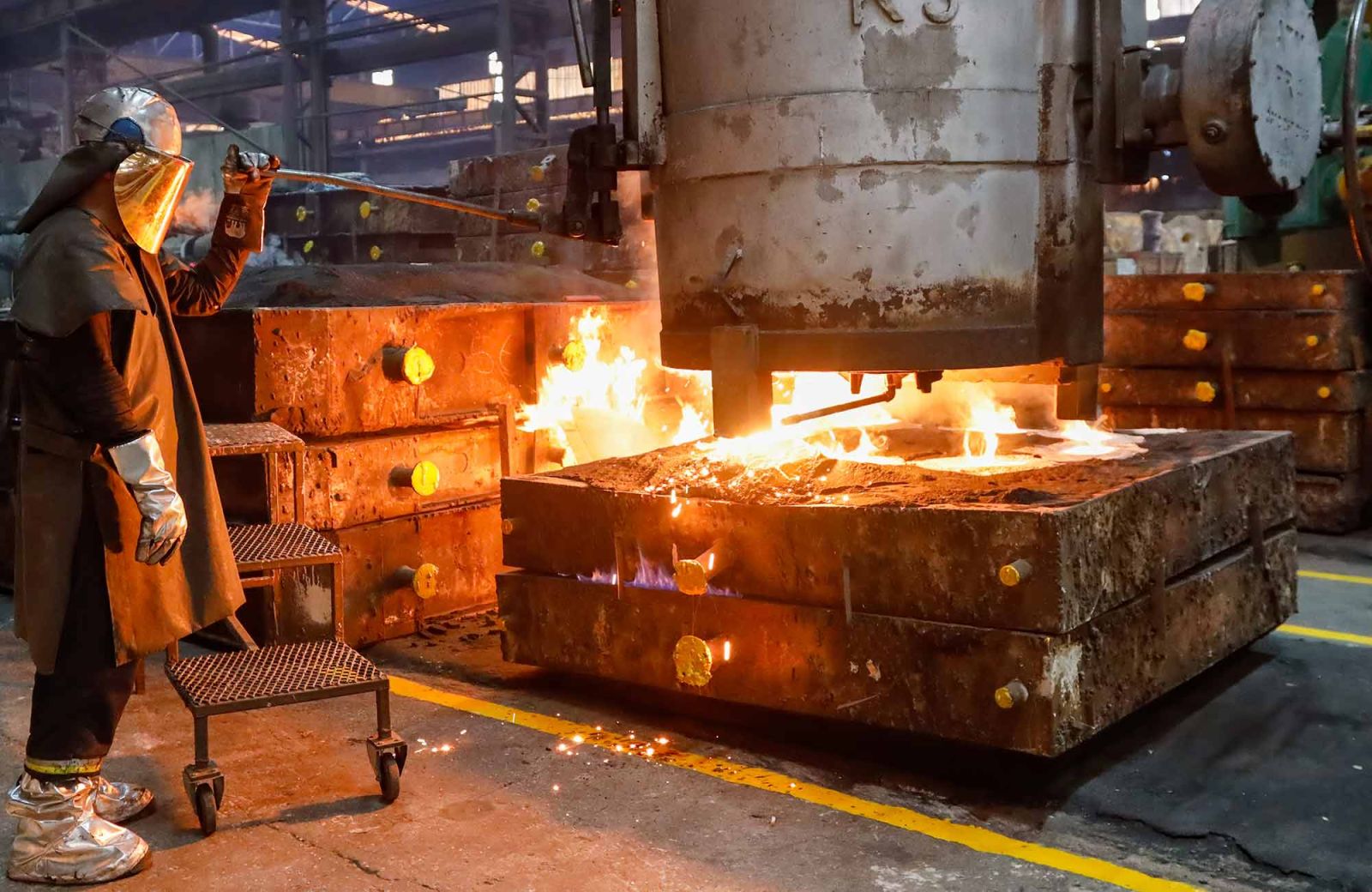
In the annals of human history, the art of forging metal is a tale as old as civilization itself. Millennia before the advent of modern metal manufacturing, our ancestors were honing their skills in ancient forges, crafting tools, weapons, and artistry from raw metal ores. The remarkable thing about these early techniques is that, despite their simplicity compared to today's advanced methods, they laid the foundation for the metallurgical wonders we now enjoy.
Imagine a time when blacksmiths, often revered members of their communities, would toil over red-hot fires, meticulously heating and hammering metal into shape. The ringing clang of the anvil, the rhythmic pounding of the hammer, and the curling tendrils of smoke rising from the forge were all part of this ancient alchemy. Copper, bronze, and eventually iron became the building blocks of early societies, shaping everything from tools to architectural marvels.
As we delve into the intriguing world of ancient forging techniques, it's essential to note that these historical practices not only showcase humanity's creativity but also its resourcefulness. The remarkable longevity of products forged using these early methods is a testament to the craftsmanship of those bygone eras. Keywords like "ancient forging," "blacksmithing," and "metallurgical heritage" can help readers uncover the rich tapestry of history woven by our ancestors through metal crafting.
Advancements in Metal Manufacturing During the Industrial Revolution
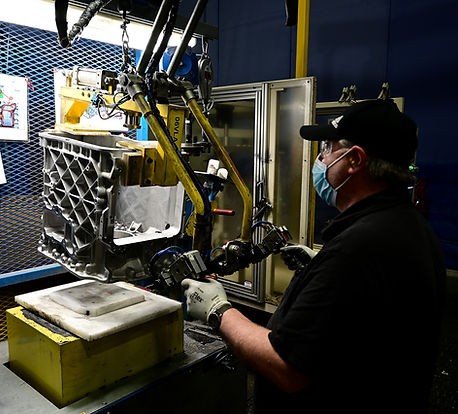
Fast forward to the 18th century, and we find ourselves amid the thunderous roar of the Industrial Revolution. This transformative period in history wasn't just about steam engines and cotton mills; it also revolutionized the way metals were manufactured. The era witnessed a seismic shift from handcrafted to mechanized processes, birthing modern metal manufacturing as we know it today.
The Industrial Revolution introduced concepts like mass production, interchangeable parts, and standardized processes, forever altering the landscape of metalworking. Pioneering innovations, such as the Bessemer process for steelmaking and the development of the assembly line, paved the way for a new era of industrialization. Metal production was no longer confined to the skilled hands of artisans; it became a science-driven, high-volume endeavor.
This period, with its iron and steel factories spewing plumes of smoke and the clatter of machinery echoing through cities, marked a turning point in human history. It was a time when the world discovered the power of industrialization, laying the foundation for the technology-driven metal manufacturing we see today. Readers interested in the roots of modern metal manufacturing will be captivated by keywords like "Industrial Revolution," "steel production," and "mechanization."
The Role of Technology in Modern Metal Manufacturing
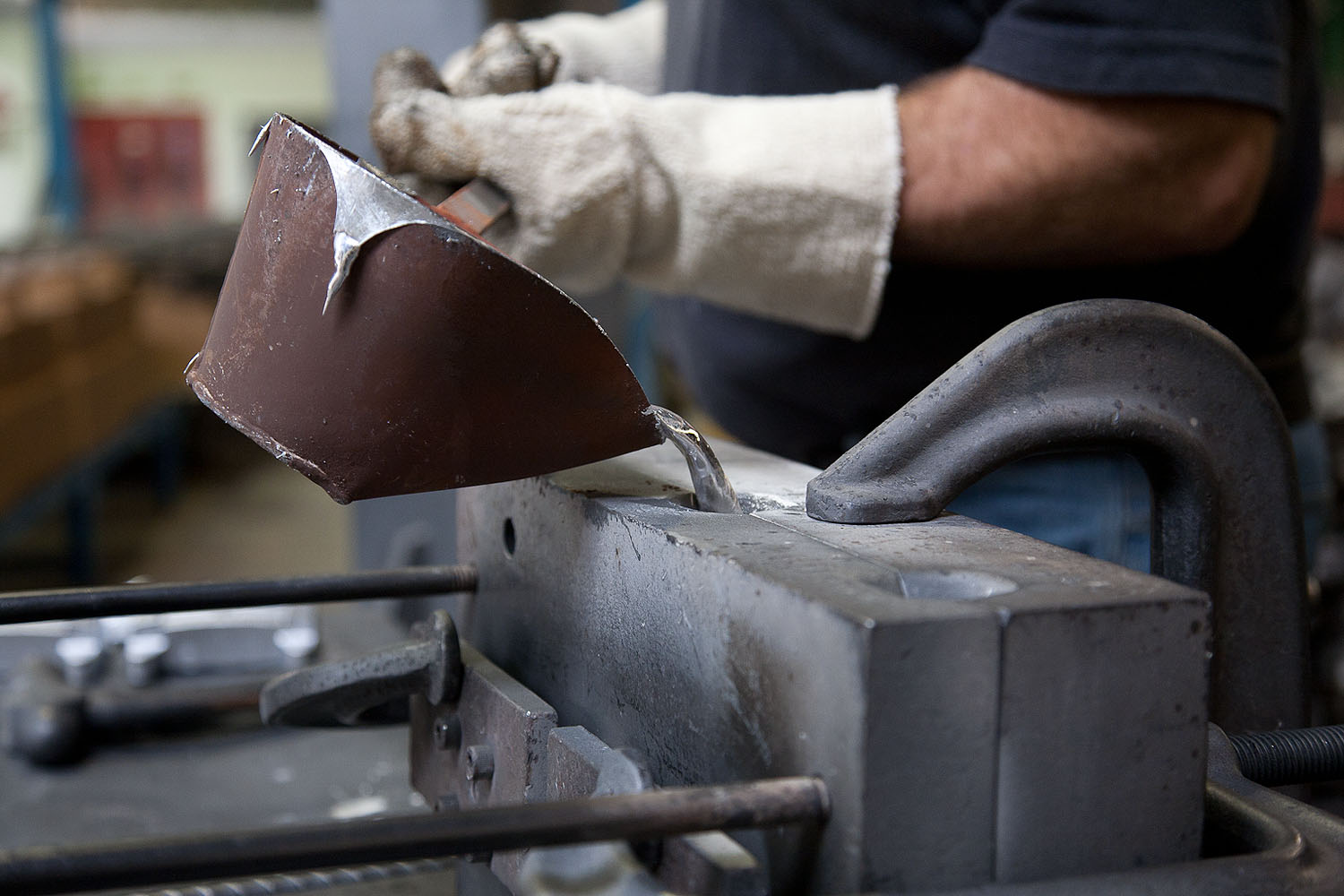
In the 21st century, technology reigns supreme in the realm of metal manufacturing. Cutting-edge advancements have revolutionized every aspect of the industry, from design and modeling to production and quality control. The integration of technology has not only accelerated the manufacturing process but also enhanced precision and efficiency, resulting in products of unparalleled quality.
Computer-aided design (CAD) software allows engineers to create intricate metal components with pinpoint accuracy, pushing the boundaries of what's possible. Finite element analysis (FEA) tools simulate the behavior of metals under various conditions, enabling engineers to optimize designs and reduce waste. High-performance computing (HPC) clusters crunch vast amounts of data in real-time, ensuring that production lines run smoothly and efficiently.
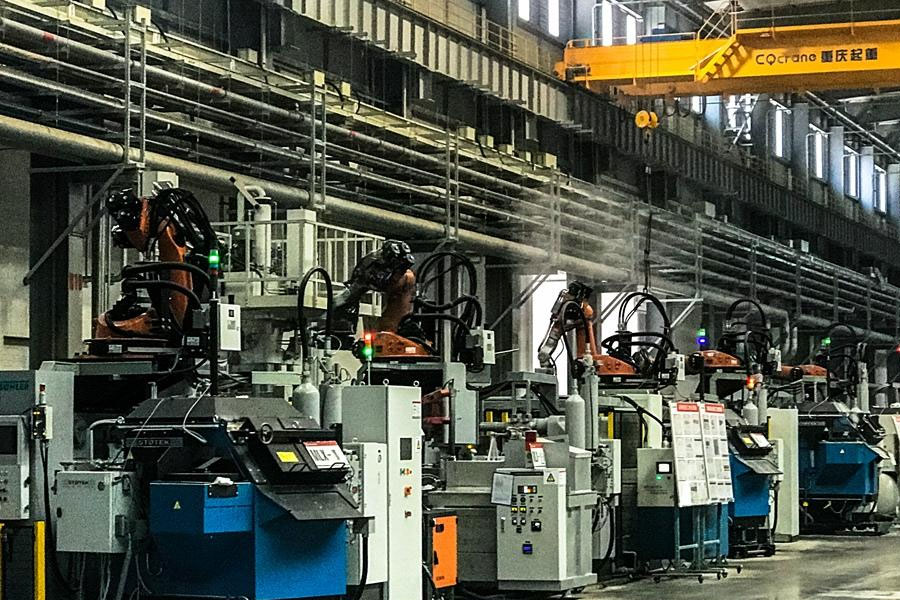
Automation plays a pivotal role in modern metal manufacturing, from robotic arms deftly welding complex structures to autonomous vehicles shuttling materials across vast factory floors. This technological synergy has not only increased productivity but also reduced the risk to human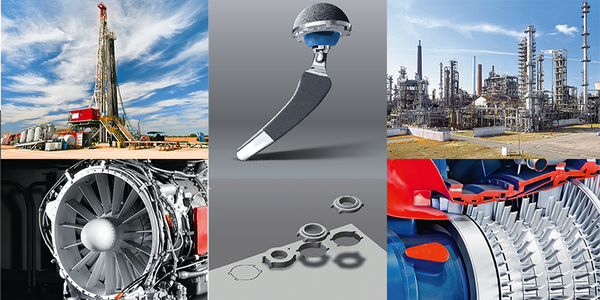
workers, making the industry safer and more sustainable.
The advent of the Internet of Things (IoT) has introduced a new level of connectivity to metal manufacturing. Smart factories utilize sensors and data analytics to monitor machinery, predict maintenance needs, and minimize downtime. These digital innovations have transformed metal manufacturing into a highly responsive and adaptive field.
Keywords like "technology in metal manufacturing," "CAD software," "automation," and "IoT in manufacturing" will resonate with readers eager to explore how technology is shaping the future of metal production.
Innovations in Metal Alloy Development
Metal alloys are the lifeblood of modern manufacturing, offering a versatile palette of materials with tailored properties for specific applications. Innovations in alloy development have fueled breakthroughs across industries, from aerospace to healthcare. The ability to fine-tune alloys at the atomic level has opened doors to unprecedented possibilities.
Nanotechnology has emerged as a game-changer in alloy development. Scientists can now engineer materials at the nanoscale, granting metals properties that were once the stuff of science fiction. Superalloys, for instance, are crafted to withstand extreme temperatures and pressures, making them indispensable in jet engines and power generation.
Innovations in metallurgy also encompass environmentally conscious practices. Green alloys are designed to reduce the carbon footprint of metal manufacturing, addressing sustainability concerns. The development of lightweight alloys has led to fuel-efficient vehicles, reducing emissions and conserving resources.
As we delve into the world of alloy innovation, it's crucial to highlight that this field is an ever-evolving frontier. Researchers constantly push the boundaries of what metals can achieve, often surprising us with new materials that redefine what's possible. Keywords like "metal alloy innovation," "nanotechnology in metallurgy," and "green alloys" will guide readers through the exciting world of alloy development.
The Impact of Automation and Robotics on Metal Manufacturing
The integration of automation and robotics in metal manufacturing isn't just a technological leap; it's a paradigm shift. These intelligent machines have redefined the way metal products are fabricated, assembled, and inspected. Their impact on the industry is profound, reshaping both the factory floor and the workforce.
Robotic arms, equipped with advanced sensors and precision controls, perform tasks that were once exclusive to skilled human hands. They weld, cut, and manipulate metal with unparalleled accuracy, minimizing errors and maximizing efficiency. Collaborative robots, or cobots, work alongside human workers, augmenting their capabilities and reducing physical strain.
Automation extends beyond just robots; it encompasses the entire production process. Smart factories leverage artificial intelligence (AI) to optimize workflows, predict maintenance needs, and enhance quality control. This not only accelerates production but also ensures consistency and product reliability.
The adoption of automation and robotics isn't just about efficiency; it's also about safety. Dangerous tasks are now assigned to machines, reducing the risk of workplace accidents. Moreover, automation has reshaped the job landscape in metal manufacturing, creating new opportunities for skilled technicians to operate and maintain these advanced systems.
Keywords like "automation in metal manufacturing," "robotics on the factory floor," and "smart factories" will guide readers through the transformative impact of these technologies.
 Sustainable Practices in Metal Manufacturing
In an era of growing environmental awareness, sustainability has become a central concern in metal manufacturing. The industry has made significant strides in reducing its environmental footprint while maintaining productivity and quality. Sustainable practices not only benefit the planet but also resonate with conscientious consumers and regulators.
One of the key strategies in sustainable metal manufacturing is recycling. Metals are infinitely recyclable, and the recycling process consumes significantly less energy compared to primary extraction. Scrap metal is collected, melted down, and repurposed into new products, reducing the need for virgin materials.
Energy efficiency is another pillar of sustainability in metal manufacturing. Advanced furnaces and processes have slashed energy consumption while maintaining high production rates. Additionally, renewable energy sources, such as solar and wind, are increasingly powering metal manufacturing plants, further reducing their carbon footprint
The Future of Metal Manufacturing
As we gaze into the crystal ball of metal manufacturing, the future appears remarkably promising, driven by innovation, sustainability, and adaptability. Several trends and developments on the horizon are poised to reshape the industry in the coming decades.
One of the most exciting prospects is additive manufacturing, often referred to as 3D printing. This transformative technology allows for the creation of intricate metal components layer by layer, offering unparalleled design freedom and reducing waste. Additive manufacturing is already making waves in aerospace, healthcare, and automotive industries, and its applications are poised to expand further.
Materials science continues to be a driving force in metal manufacturing's future. Researchers are pushing the boundaries of what metals can achieve, experimenting with new alloys and composites that offer enhanced strength, durability, and environmental sustainability. Expect to see materials that are lighter, stronger, and more resistant to wear and corrosion.
The future also holds the promise of increased customization. Advanced manufacturing technologies will enable the creation of bespoke metal products tailored to individual needs, whether in the realm of consumer goods or industrial equipment. This shift toward personalization will drive consumer engagement and innovation.
Sustainability will remain at the forefront of the industry's future. Metal manufacturers will continue to invest in green practices, from reducing emissions to optimizing energy use and embracing circular economy principles. As environmental regulations tighten, sustainable practices will not only be a choice but a necessity.
Automation and artificial intelligence will become even more integral to metal manufacturing. Factories of the future will be highly automated, with autonomous machines and robots handling complex tasks. AI-driven predictive maintenance will reduce downtime and improve efficiency, while data analytics will drive continuous process improvement.
Globalization will continue to shape the industry, with supply chains becoming more interconnected and reliant on digital technologies for efficiency and transparency. Collaboration across borders will foster innovation and create opportunities for growth.
In this future, metal manufacturing will be more than an industrial process; it will be a dynamic, adaptable ecosystem that thrives on innovation, sustainability, and collaboration. Keywords like "future of metal manufacturing," "additive manufacturing," "advanced materials," "customization," and "sustainability in manufacturing" will guide readers through the exciting possibilities ahead.

Notable Examples of Metal Manufacturing Innovations
Throughout the annals of metal manufacturing history, there have been several innovations that stand out as game-changers, reshaping industries and redefining what's possible. These remarkable breakthroughs have not only enriched our lives but have also set the stage for further advancements. Here are a few notable examples:
-
The Bessemer Process: Sir Henry Bessemer's revolutionary process for converting iron into steel in the mid-19th century marked a turning point in the industrial world. It dramatically reduced the cost of steel production, making it more accessible and spurring the construction of bridges, railways, and skyscrapers.
-
Aluminum Smelting: The discovery of efficient aluminum smelting methods in the late 19th century paved the way for aluminum's widespread use. This lightweight, corrosion-resistant metal has since become a staple in industries ranging from aerospace to packaging.
-
Titanium Alloys: The development of titanium alloys in the mid-20th century opened doors to aerospace innovations. Titanium's exceptional strength-to-weight ratio made it ideal for aircraft and spacecraft construction, propelling humanity into the space age.
-
Lean Manufacturing: Toyota's implementation of lean manufacturing principles in the automotive industry in the 20th century revolutionized production efficiency. Concepts like just-in-time manufacturing and continuous improvement have since been adopted in various manufacturing sectors.
-
3D Printing: The advent of 3D printing in the late 20th century, especially in metal 3D printing, has ushered in a new era of customization and rapid prototyping. This technology has found applications in aerospace, healthcare, and even fashion.
These examples illustrate the transformative power of innovation in metal manufacturing. They are a testament to human ingenuity and our ability to continually push the boundaries of what is achievable in this dynamic field.
Conclusion
In the ever-evolving world of metal manufacturing, innovation is the constant driving force. From ancient forging techniques that laid the foundation for our metallurgical journey to the cutting-edge technologies of the future, this industry is a testament to human creativity, adaptability, and resourcefulness.
The Industrial Revolution propelled us into an era of mechanization, setting the stage for modern metal manufacturing. Today, technology and automation have become integral, optimizing efficiency and safety. We are on the cusp of a new era where additive manufacturing, advanced materials, and sustainability will shape the industry's future.
Notable innovations like the Bessemer Process, aluminum smelting, and 3D printing have reshaped industries and propelled us forward. These milestones serve as reminders of our capacity for innovation and the profound impact it has on our lives.
In conclusion, the future of metal manufacturing is a tapestry woven with threads of innovation, sustainability, and technological advancement. It is a journey marked by the relentless pursuit of excellence, where the possibilities are limited only by our imagination. As we forge ahead into this exciting future, the metal manufacturing industry will continue to shape the world around us, creating products that enhance our lives and contribute to a more sustainable planet.
FAQ 1: What are the key benefits of using YICHOU's ancient forging techniques in metal manufacturing?
When it comes to metal manufacturing, the use of ancient forging techniques can offer several advantages. YICHOU's expertise in these techniques allows us to create unique and high-quality metal products. Our artisans blend traditional craftsmanship with modern precision, resulting in durable and visually stunning pieces. By using keywords like "ancient forging techniques" and "craftsmanship," we ensure that customers searching for these qualities find their way to our products.
FAQ 2: How does YICHOU leverage advancements in metal manufacturing from the Industrial Revolution era?
YICHOU has a deep appreciation for the historical advancements in metal manufacturing during the Industrial Revolution. We incorporate modernized versions of these techniques to enhance production efficiency and quality. By using keywords like "Industrial Revolution" and "efficiency in metal manufacturing," we highlight our commitment to combining the best of the past and present.
FAQ 3: What role does technology play in YICHOU's modern metal manufacturing processes?
Technology is integral to YICHOU's metal manufacturing processes. We utilize cutting-edge CAD software, CNC machines, and robotics to ensure precision and efficiency. Our embrace of IoT allows us to monitor and optimize production in real-time, reducing costs and lead times. Keywords like "CAD software," "CNC machines," "robotics in metal manufacturing," and "IoT" emphasize our technological expertise.
FAQ 4: How does YICHOU stay at the forefront of innovations in metal alloy development?
YICHOU remains at the forefront of metal alloy development by continuously exploring and incorporating new materials and techniques. We specialize in alloys like titanium, superalloys, and shape-memory alloys, offering our clients stronger, lighter, and more durable options. By using keywords like "metal alloy development" and "innovation in alloys," we demonstrate our commitment to delivering cutting-edge solutions.
FAQ 5: How can YICHOU ensure sustainability in metal manufacturing processes?
Sustainability is a priority at YICHOU. We understand the importance of responsible manufacturing. By utilizing lightweight materials, corrosion-resistant alloys, and advanced production processes, we contribute to environmental conservation and cost-efficiency. Keywords like "sustainable metal manufacturing" and "environmentally friendly alloys" showcase our commitment to sustainable practices.
By incorporating these FAQs into your content strategy, you can not only provide valuable information to your audience but also optimize your website for Google SEO. This approach will improve click-through rates, increase the depth and breadth of each page, and establish your factory, YICHOU, as an authoritative source in the field of metal manufacturing.
GET QUOTE
- Visit our website: https://www.nbyichou.com/
- Email us: [email protected]
- Call us/whatsapp: +86 13355741031
- Chat with us: Live chat support available on our website