In today's rapidly evolving manufacturing landscape, precision is the name of the game. And at the forefront of this revolution are CNC machines. With their unmatched accuracy and efficiency, CNC (Computer Numerical Control) machines are transforming industries like never before. Imagine having a machine that can accurately carve intricate patterns on various materials, effortlessly fabricate complex parts, and deliver consistent, high-quality results. That's the power of CNC machines. They eliminate the limitations of traditional manufacturing methods, allowing businesses to boost productivity, reduce waste, and achieve unprecedented levels of precision. Whether it's aerospace, automotive, or even the medical industry, CNC machines are making waves by enabling manufacturers to meet the growing demand for intricate and customized products. Moreover, with advancements in technology and automation, these machines have become more accessible and user-friendly, catering to both seasoned professionals and newcomers alike. In this article, we delve into the world of CNC machines, exploring their capabilities, advantages, and real-life applications. Join us as we uncover how CNC machines are revolutionizing precision and unleashing the true potential of modern manufacturing.
.jpg)
Title: Advantages of CNC Machines
In the realm of modern manufacturing and machining, Computer Numerical Control (CNC) machines stand as a pinnacle of precision and efficiency. These remarkable tools have revolutionized industries across the globe, offering numerous advantages that propel productivity and quality to new heights. In this comprehensive exploration, we delve into the myriad benefits of CNC machines, shedding light on their pivotal role in shaping contemporary manufacturing processes.
One of the most significant advantages of CNC machines is their unparalleled precision. Unlike traditional manual machining, which relies heavily on the skill of the operator, CNC machines execute tasks with unfaltering accuracy. This precision is achieved through the use of advanced algorithms and digital controls, ensuring that every cut, bore, or shape adheres to the specified dimensions. The result? A reduction in errors and rework, which translates to substantial time and cost savings for businesses.
Furthermore, CNC machines offer unparalleled repeatability. Once a program is set, these machines can produce identical components or parts with consistent quality, even over extended production runs. This level of consistency is virtually impossible to achieve through manual processes, where operator fatigue and variations in skill can lead to inconsistencies.
Another key advantage lies in the versatility of CNC machines. They can be programmed to perform a wide array of operations, from intricate milling and turning tasks to laser cutting and 3D printing. This versatility enables manufacturers to tackle diverse projects with a single machine, maximizing resource utilization and minimizing the need for multiple specialized tools.
In the competitive world of manufacturing, time is money. CNC machines shine in this aspect as well, offering remarkable speed and efficiency. Automated tool changes, rapid feed rates, and continuous operation mean that tasks that would take hours or days with manual methods can often be completed in a fraction of the time. This accelerated production not only boosts efficiency but also enables businesses to meet tight deadlines and customer demands.
Cost-effectiveness is another feather in the cap of CNC machines. While the initial investment may seem substantial, the long-term savings in terms of reduced labor costs, lower error rates, and increased production efficiency are undeniable. This cost-efficiency makes CNC machines an attractive proposition for both small businesses and large-scale manufacturers looking to optimize their operations.
Moreover, CNC machines enhance worker safety. Traditional machining processes often expose operators to hazardous materials and environments. CNC automation mitigates these risks by allowing operators to oversee operations from a safe distance. This reduction in workplace hazards not only protects the workforce but also leads to lower insurance costs and fewer workplace accidents.
In summary, CNC machines offer a multitude of advantages that empower manufacturers to thrive in today's competitive landscape. Their precision, repeatability, versatility, speed, cost-effectiveness, and safety enhancements make them indispensable tools for businesses seeking to elevate their production capabilities. As we delve deeper into the world of CNC technology, let's explore the various types of CNC machines that have emerged to cater to diverse manufacturing needs.
.jpg)
Title: Types of CNC Machines
In the diverse ecosystem of CNC machines, a plethora of specialized tools has emerged to cater to the unique demands of various industries. Each type of CNC machine is designed with specific capabilities and features, enabling manufacturers to tackle a wide range of projects with precision and efficiency. In this section, we will embark on a journey through the realm of CNC machines, exploring their different types and their respective applications.
-
CNC Milling Machines: These workhorses of the machining world are known for their ability to shape solid materials using rotary cutters. CNC milling machines come in various configurations, including vertical and horizontal mills, as well as multi-axis machines. They are ideal for creating complex shapes, pockets, and contours in materials such as metal, plastic, and wood. Industries ranging from aerospace to automotive rely heavily on CNC milling for prototyping and production.
-
CNC Turning Machines: When it comes to producing cylindrical or conical parts, CNC turning machines take the spotlight. These machines rotate the workpiece while a cutting tool shapes it, making them perfect for creating components like shafts, bolts, and bushings. Precision and speed are the hallmarks of CNC turning, making it a staple in industries like medical device manufacturing and electronics.
-
CNC Laser Cutting Machines: Precision meets the power of focused light in CNC laser cutting machines. These devices use lasers to cut, engrave, or mark a wide range of materials, including metals, plastics, and textiles. The exceptional accuracy and minimal material waste of laser cutting have earned it a place in industries such as signage, jewelry, and even the aerospace sector.
-
CNC Plasma Cutting Machines: For industries that require high-speed cutting of electrically conductive materials, CNC plasma cutting machines offer a cost-effective solution. These machines use a jet of ionized gas to melt and remove material. They are commonly found in metal fabrication, construction, and automotive manufacturing.
-
CNC 3D Printers: The world of additive manufacturing has been transformed by CNC 3D printers. These machines layer material upon material to create intricate 3D objects, prototypes, and even end-use parts. They have disrupted industries like healthcare, where custom prosthetics and implants are now a reality, and aerospace, where lightweight and complex components are in demand.
-
CNC Waterjet Cutting Machines: Precision and versatility are the hallmarks of CNC waterjet cutting machines. By combining high-pressure water with abrasive particles, they can cut through a wide range of materials, from metals to composites. This technology is highly sought after in industries such as architecture, where precision in cutting stone and tile is essential, and in automotive, for shaping parts with minimal heat-affected zones.
-
CNC Electrical Discharge Machines (EDM): When the challenge lies in machining extremely hard materials with intricate details, CNC EDM machines step in. They use electrical discharges to erode material, allowing for high-precision machining of tooling, dies, and molds. The aerospace and mold-making industries particularly benefit from the capabilities of EDM technology.
These are just a few examples of the diverse CNC machines available today. Each type has its unique strengths and applications, making it crucial for businesses to choose the right CNC machine that aligns with their specific manufacturing needs. In the following section, we will delve into how CNC machines work, demystifying the inner workings of these technological marvels.
Title: How CNC Machines Work
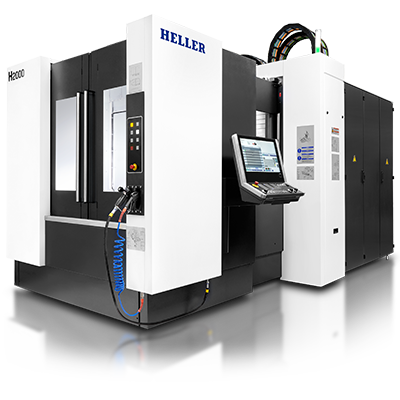
Understanding the inner workings of CNC machines is like unlocking the secrets behind their incredible precision and efficiency. These complex systems operate on a foundation of mathematics, electronics, and mechanics, transforming digital instructions into tangible products. In this section, we will take a deep dive into the core principles of how CNC machines work.
At the heart of every CNC machine is a computer that serves as its brain. This computer interprets a programmed set of instructions, often referred to as G-code, which contains precise details about the toolpath, tool speed, and tool orientation. The G-code is generated using specialized software that takes into account the geometry of the desired part and the capabilities of the CNC machine.
Once the G-code is ready, it is loaded into the CNC machine's control unit. This unit contains the hardware and software necessary to execute the instructions. The control unit communicates with various components of the CNC machine, orchestrating their movements and actions.
-
Drive Motors: These motors are responsible for moving the different parts of the CNC machine, such as the tool, workpiece, and tool table. They receive signals from the control unit and precisely control the position and movement of these components along multiple axes.
-
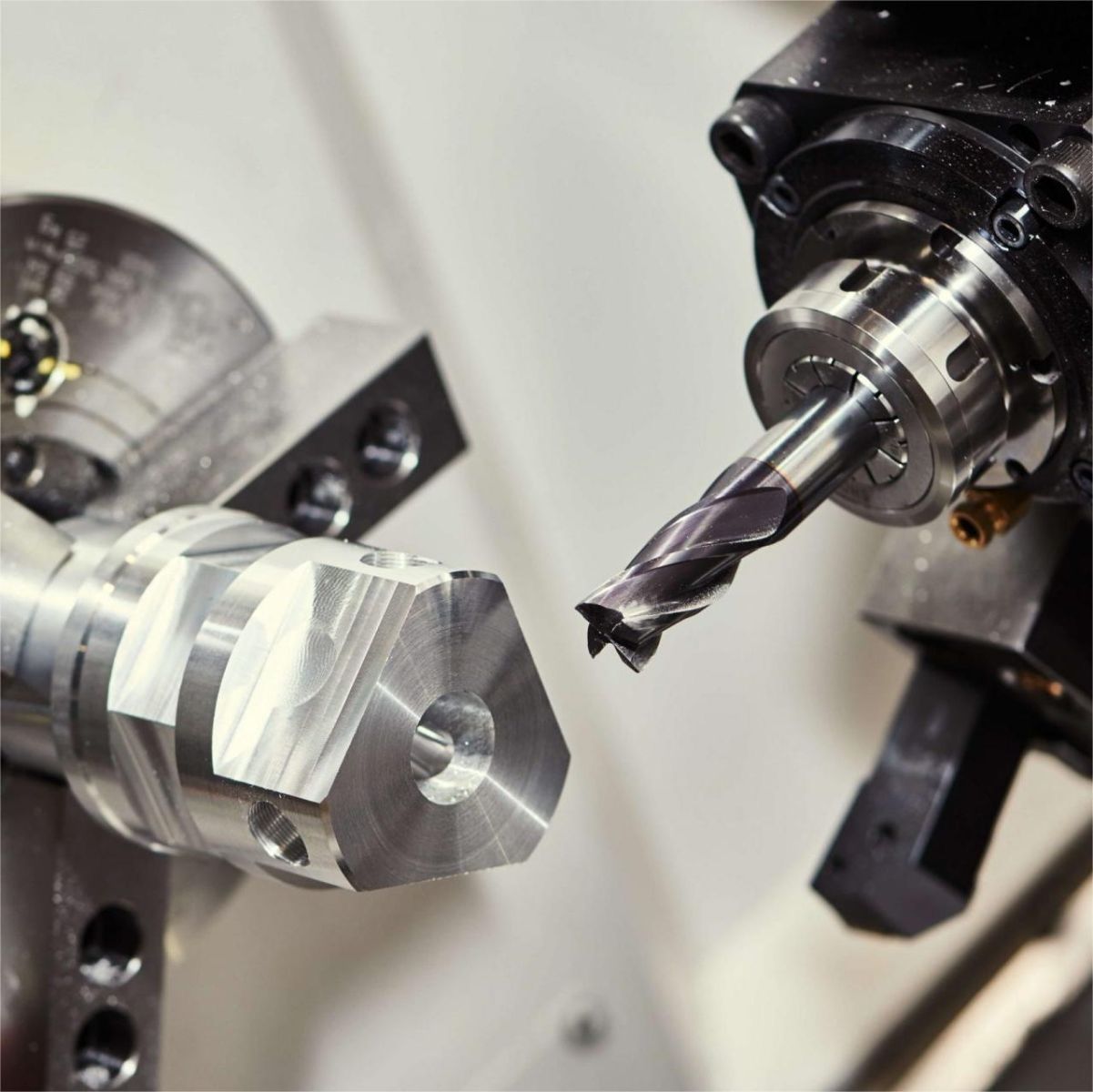
Tooling: The tool is the business end of a CNC machine, and its selection depends on the specific task at hand. It can be a milling cutter, a drill bit, a laser head, or any other tool suitable for the operation. The CNC machine's control unit ensures that the tool is engaged and disengaged at the right time and follows the programmed toolpath with precision.
-
Workholding: Keeping the workpiece securely in place is critical for accurate machining. CNC machines employ various workholding mechanisms, such as clamps, vises, or vacuum tables, to ensure that the workpiece remains stable throughout the operation.
-
Feedback Systems: CNC machines incorporate feedback systems, such as encoders and sensors, to continuously monitor the position and status of various components. This feedback is essential for real-time adjustments to ensure accuracy and prevent errors.
-
Coolant Systems: Many CNC machining processes generate heat, which can adversely affect tool life and workpiece quality. Coolant systems, including flood coolant or misting systems, are used to dissipate heat and keep the machining environment at optimal temperatures.
As the CNC machine springs to life, the control unit orchestrates the precise movements of the tool and workpiece. The drive motors move the components along multiple axes, following the intricate toolpath defined in the G-code. The tool engages with the workpiece, removing material with remarkable accuracy.
The real magic of CNC machines lies in their ability to make rapid adjustments. The feedback systems constantly relay information to the control unit, allowing it to make on-the-fly corrections. If, for example, the tool encounters resistance or the workpiece shifts slightly, the CNC machine can adapt its movements to maintain the desired accuracy.
It's important to note that CNC machines are not limited to two-dimensional cutting or milling. Many CNC machines are equipped with multiple axes of motion, enabling them to create complex three-dimensional shapes with ease. The ability to move along multiple axes adds another layer of flexibility and precision to CNC machining.
In essence, CNC machines are a marriage of precision engineering and cutting-edge software. They transform digital designs into tangible objects, all while offering the flexibility to adapt and ensure the highest level of accuracy. Now that we've explored how CNC machines work, let's shift our focus to the myriad applications that benefit from this transformative technology.
Title: Applications of CNC Machines
CNC machines have left an indelible mark on a multitude of industries, ushering in an era of precision, efficiency, and versatility. From aerospace engineering to medical device manufacturing, these remarkable tools have found their way into a diverse range of applications. In this section, we will embark on a journey through the various industries and fields that rely on CNC machines to shape the future.
-
Aerospace Industry: The aerospace sector demands the highest levels of precision and reliability, making CNC machines indispensable. From machining critical engine components to crafting intricate aircraft interiors, CNC technology plays a pivotal role. It ensures that every part meets stringent quality and performance standards, contributing to the safety and efficiency of air travel.
-
Automotive Manufacturing: In the automotive world, precision and consistency are paramount. CNC machines are used to manufacture engine parts, transmission components, and intricate body panels with exceptional accuracy. The ability to create complex shapes and maintain tight tolerances is crucial for enhancing vehicle performance and fuel efficiency.
-
Medical Device Production: CNC machining has revolutionized the healthcare industry by enabling the production of precise and custom medical devices. From orthopedic implants to dental prosthetics, CNC machines ensure that these life-changing devices are tailored to individual patients with the utmost precision.
-
Electronics Manufacturing: The production of electronics relies heavily on CNC technology. Printed circuit boards (PCBs) are fabricated with precision to ensure the functionality and reliability of electronic devices. CNC routers and milling machines are commonly used to create these intricate PCBs.
-
Architectural and Interior Design: CNC machines have found their place in architecture and interior design, allowing for the creation of intricate facades, decorative elements, and custom furniture. Architects and designers leverage the precision and versatility of CNC technology to bring their creative visions to life.
-
Metal Fabrication: CNC plasma cutting and CNC laser cutting machines are essential tools in the metal fabrication industry. They are used to cut and shape metal sheets and plates for a wide range of applications, including construction, signage, and custom metalwork.
-
Woodworking and Furniture Manufacturing: Craftsmen and furniture manufacturers employ CNC routers to create intricately designed wooden pieces. Whether it's crafting fine furniture or intricate wooden carvings, CNC technology streamlines the production process while maintaining impeccable quality.
-
Jewelry Design and Manufacturing: Precision and intricate detailing are hallmarks of the jewelry industry. CNC machines, particularly CNC milling machines and 3D printers, allow jewelry designers to bring their exquisite creations to life with unparalleled precision and consistency.
-
Mold and Die Making: The precision required in mold and die making is perfectly suited to CNC EDM machines. These machines can create highly complex and accurate molds and dies for various industries, including plastics, automotive, and aerospace.
-
Prototyping and Rapid Manufacturing: CNC machines are instrumental in the rapid prototyping of new products. They enable engineers and designers to quickly iterate and test their concepts, reducing time-to-market and accelerating innovation.
The applications of CNC machines continue to expand as technology advances and industries seek to push the boundaries of what's possible. As we've explored the diverse fields that benefit from CNC technology, it becomes clear that these machines are not only versatile but also catalysts for progress and innovation.
Next, we'll pivot our focus to a critical aspect of CNC machine ownership: maintenance and safety. Proper care and adherence to safety protocols are essential to ensure the longevity of these valuable assets and protect the well-being of operators.
Title: CNC Machine Maintenance and Safety
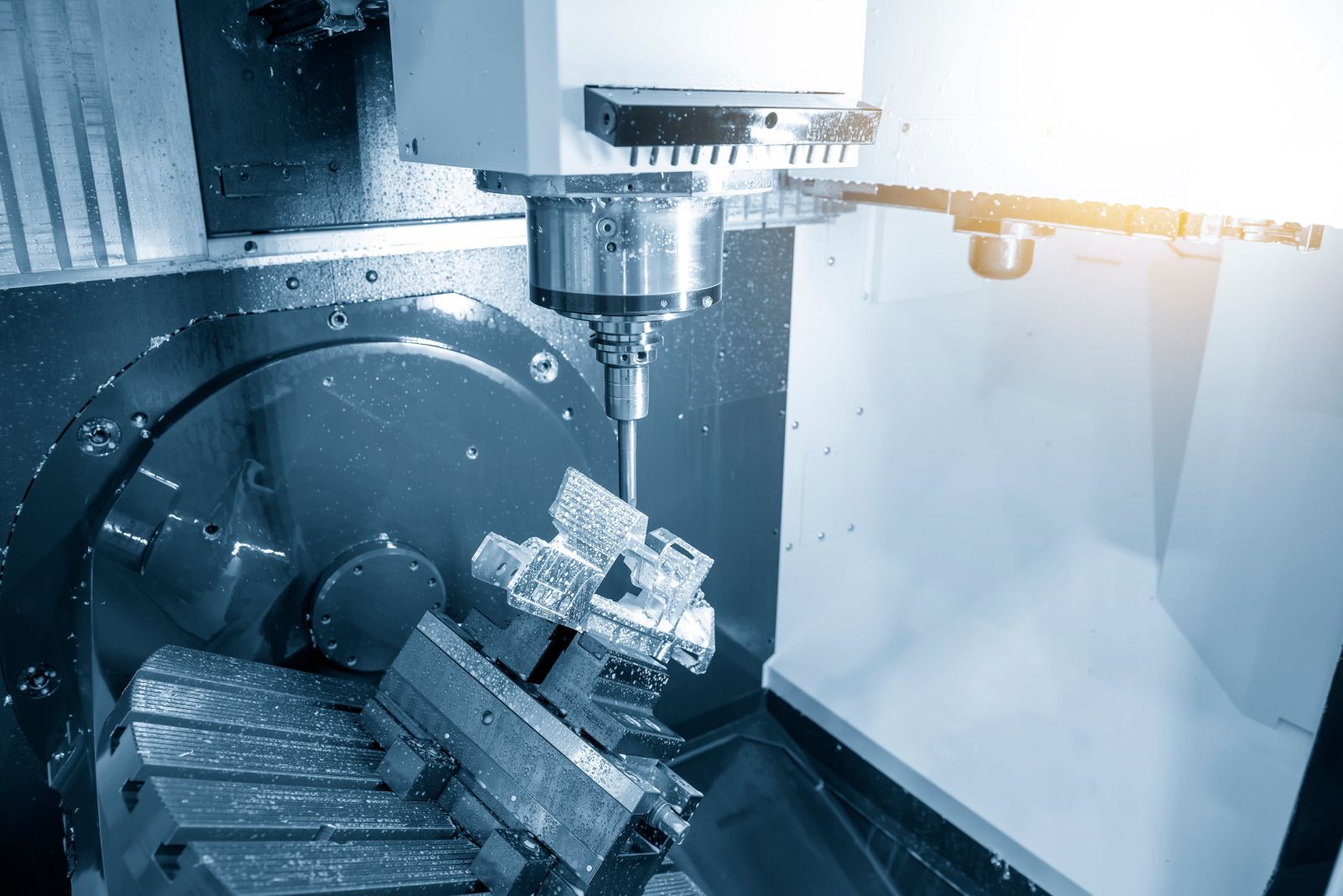
Owning and operating CNC machines comes with a dual responsibility—ensuring their proper maintenance and prioritizing the safety of those who work with them. Neglecting either of these aspects can lead to costly breakdowns, subpar output, and, most importantly, potential hazards for operators. In this section, we'll delve into the crucial practices for CNC machine maintenance and safety.
CNC Machine Maintenance:
-
Regular Inspection: Regularly inspect all components of the CNC machine, including drive motors, spindle, tooling, and coolant systems. Look for signs of wear, damage, or contamination. Catching issues early can prevent costly breakdowns.
-
Lubrication: Lubrication is the lifeblood of CNC machines. Ensure that all moving parts are adequately lubricated as per the manufacturer's recommendations. Improper lubrication can lead to premature wear and reduced precision.
-
Tool Maintenance: Keep cutting tools in optimal condition by sharpening or replacing them as needed. Dull tools can cause poor surface finishes and increase the risk of accidents.
-
Software Updates: Regularly update the CNC machine's control software to ensure it operates efficiently and securely. Software updates often include bug fixes and performance enhancements.
-
Cleanliness: Keep the CNC machine and its surroundings clean. Dust, debris, and coolant residue can adversely affect the machine's performance and pose safety risks.
-
Calibration: Periodically calibrate the CNC machine to maintain accuracy. Calibration ensures that the machine consistently produces parts that meet the specified tolerances.
CNC Machine Safety:
-
Operator Training: Proper training is paramount for anyone operating a CNC machine. Ensure that operators are well-versed in machine operation, safety protocols, and emergency procedures.
-
Personal Protective Equipment (PPE): Operators should wear appropriate PPE, such as safety glasses, hearing protection, and gloves, depending on the specific machine and operation.
-
Machine Enclosures: CNC machines should be enclosed to prevent access to moving parts during operation. Interlocks and safety sensors can further enhance machine safety.
-
Emergency Stop Buttons: All CNC machines should be equipped with easily accessible emergency stop buttons that instantly halt machine operation in case of a problem.
-
Material Handling: Properly secure workpieces and use workholding devices to prevent them from shifting or ejecting during machining. Be cautious when handling sharp tools and hot workpieces.
-
Ventilation: Ensure adequate ventilation and use dust collection systems to minimize exposure to airborne contaminants and fumes, especially in processes like CNC laser cutting or welding.
-
Fire Safety: Have fire extinguishers and fire suppression systems in place, particularly in areas where flammable materials are present.
-
Lockout/Tagout (LOTO): Implement LOTO procedures to prevent accidental machine startup during maintenance or repair. Lockout devices should be used to isolate energy sources.
-
Regular Safety Audits: Conduct regular safety audits to identify and address potential hazards and safety issues. Encourage employees to report safety concerns promptly.
-
Documentation: Maintain detailed records of machine maintenance, safety inspections, and operator training. This documentation can be invaluable in ensuring compliance and identifying areas for improvement.
By prioritizing both maintenance and safety, businesses can enjoy the full benefits of CNC machines while safeguarding the well-being of their workforce. Neglecting these aspects can lead to costly downtime, accidents, and compromised product quality. As we move forward, we'll guide you through the process of choosing the right CNC machine to meet your specific manufacturing needs.

Title: Choosing the Right CNC Machine for Your Needs
Selecting the right CNC machine is a critical decision that can significantly impact a business's efficiency, productivity, and bottom line. With a myriad of options available, each tailored to specific applications, it's essential to make an informed choice. In this section, we will provide a step-by-step guide to help you choose the perfect CNC machine for your unique manufacturing requirements.
1. Define Your Manufacturing Needs:
Before diving into the world of CNC machines, start by defining your manufacturing needs. What types of parts or products do you need to produce? Consider factors such as material types, sizes, and desired production volume. This initial assessment will help narrow down your options.
2. Understand the CNC Machine Types:
Familiarize yourself with the various types of CNC machines we discussed earlier, such as milling machines, turning machines, laser cutters, and 3D printers. Each type excels in specific tasks, so choose one that aligns with your production requirements.
3. Set Your Budget:
Establish a clear budget for your CNC machine purchase. Keep in mind that the initial cost is just one aspect; consider ongoing operating expenses, including tooling, maintenance, and energy consumption.
4. Consider Future Growth:
Think about your long-term manufacturing goals. Are you planning to expand your production capabilities? Choosing a CNC machine that can accommodate future needs can prevent the need for costly upgrades down the line.
5. Evaluate Space and Infrastructure:
Assess the available space in your facility and ensure it can accommodate the size and weight of the chosen CNC machine. Additionally, check if your facility has the necessary power supply and infrastructure to support the machine's requirements.
6. Research Brands and Suppliers:
Research reputable CNC machine manufacturers and suppliers. Read customer reviews, seek recommendations, and inquire about warranty and support services. A reliable supplier can make a significant difference in your CNC machine ownership experience.
7. Test Machines and Request Demonstrations:
Whenever possible, visit supplier showrooms or attend industry exhibitions to see CNC machines in action. Request demonstrations to get a firsthand look at their performance and capabilities.
8. Examine Software Compatibility:
Consider the compatibility of the CNC machine's control software with your existing CAD/CAM systems. Smooth integration can streamline your workflow and reduce the learning curve for operators.
9. Evaluate Precision and Tolerances:
Pay close attention to the precision and tolerances achievable by the CNC machine. Ensure they meet the requirements of your intended applications. A machine that can consistently deliver high accuracy is essential for quality production.
10. Assess Speed and Productivity:
Examine the machine's speed and productivity. Evaluate factors like tool change times, rapid traverse rates, and cycle times. These parameters directly impact your production efficiency.
11. Review Support and Training:
Inquire about the training and support offered by the supplier. Adequate training for operators and ongoing technical support can be invaluable for smooth operations and troubleshooting.
12. Consider Automation Options:
Explore automation options, such as robotic loading and unloading systems or pallet changers, if you require high-volume production with minimal manual intervention.
13. Environmental Impact:
Assess the environmental impact of the CNC machine, including energy efficiency and waste management. Opting for eco-friendly machines can align with sustainability goals.
14. Obtain Multiple Quotes:
Finally, obtain multiple quotes from different suppliers to compare costs, features, and support services. Don't rush the decision-making process; take the time to make an informed choice.
By following these steps and conducting thorough research, you can confidently choose the right CNC machine that aligns with your manufacturing needs and long-term goals. Once you have your CNC machine in place, the next step is mastering CNC machine programming and software, which we will explore in the next section.
.jpg)
Title: CNC Machine Programming and Software
Programming and software play a pivotal role in unlocking the full potential of CNC machines. They are the bridge between your design ideas and the physical realization of your products. In this section, we'll delve into the essentials of CNC machine programming and the software tools that make it all possible.
1. Understanding G-Code:
At the core of CNC machine programming is G-code, a standardized language used to instruct CNC machines. G-code consists of alphanumeric commands that dictate the movements and actions of the machine. For example, G00 commands specify rapid traverse moves, while G01 commands define linear cutting or milling motions. Understanding and creating G-code is a fundamental skill for CNC machine operators and programmers.
2. CAD (Computer-Aided Design):
Before you can generate G-code, you need a digital representation of the part or object you intend to produce. CAD software allows you to create detailed 2D or 3D models of your designs. Popular CAD programs include AutoCAD, SolidWorks, and Fusion 360. These tools provide a user-friendly interface for designing and refining your parts.
3. CAM (Computer-Aided Manufacturing):
Once you have your CAD design, CAM software comes into play. CAM software takes your design and generates the corresponding G-code based on your machining parameters and toolpath requirements. This step is crucial for translating your design into executable instructions for the CNC machine. Leading CAM software options include Mastercam, Siemens NX CAM, and BobCAD-CAM.
4. Manual Programming vs. CAM Software:
While CAM software automates much of the programming process, some CNC operators and programmers prefer manual G-code programming for intricate or custom operations. Manual programming requires a deep understanding of G-code commands and the machine's capabilities.
5. Simulation and Verification:
Before executing G-code on your CNC machine, it's wise to use simulation software to visualize and verify the toolpath. Simulation helps identify potential issues, such as collisions or errors in the program, before they cause real-world problems. Many CAM software packages include built-in simulation tools.
6. Post-Processing:
Once you have generated G-code, it may require post-processing to ensure compatibility with your specific CNC machine. Post-processors are software modules that adapt the G-code to the machine's control system. The choice of post-processor is crucial, as it determines how well the CNC machine will interpret and execute the code.
7. Tool Management:
Effective tool management is vital for efficient CNC machining. Some CAM software includes toolpath optimization and tool library management features. These tools help you select the right tools for the job, manage tool wear, and reduce tool change times.
8. Workholding and Fixture Design:
Consider workholding and fixture design software if your CNC machining involves complex setups or multiple workpieces. These tools assist in creating fixtures that securely hold your workpieces during machining.
9. Operator Training:
Invest in comprehensive training for your CNC machine operators and programmers. Even the most advanced software is only as effective as the people using it. Ensure that your team is proficient in CAD, CAM, and G-code programming.
10. Stay Updated:
The field of CNC machine programming and software is continually evolving. Stay updated with the latest advancements in CAD, CAM, and machine control software to leverage new features and capabilities that can enhance your manufacturing processes.
Mastering CNC machine programming and software is an ongoing journey, but it's a journey that opens the door to limitless possibilities in manufacturing. With the right skills and tools, you can turn your design concepts into reality with precision and efficiency. As we move forward, let's explore the future trends in CNC technology, shedding light on the innovations that are shaping the industry.
Title: Future Trends in CNC Technology
The world of CNC technology is dynamic and constantly evolving, driven by innovation and the pursuit of greater efficiency, precision, and sustainability. As we look to the future, several trends and advancements promise to shape the landscape of CNC machining. In this section, we'll explore the exciting developments that are on the horizon.
1. Integration of Artificial Intelligence (AI):
AI is poised to revolutionize CNC machining by enabling machines to adapt and optimize their operations in real-time. Machine learning algorithms can analyze data from sensors and cameras to make adjustments for tool wear, material variations, and even predict potential failures. This autonomous optimization will enhance efficiency and reduce downtime.
2. IoT-Enabled Machines:
The Internet of Things (IoT) will play a crucial role in CNC machine monitoring and maintenance. Machines equipped with IoT sensors will continuously transmit data to centralized systems, allowing for predictive maintenance. This means that potential issues can be addressed proactively, reducing unplanned downtime and extending the lifespan of machine components.
3. 5G Connectivity:
The implementation of 5G networks will facilitate real-time data transfer and remote monitoring of CNC machines. This connectivity will enable manufacturers to oversee operations from anywhere in the world, making global production networks more accessible and efficient.
4. Advanced Materials Machining:
As industries demand more complex and lightweight materials, CNC machines will need to adapt. Expect to see advancements in CNC technology capable of machining materials like advanced composites, ceramics, and high-temperature alloys with precision and efficiency.
5. Nanoscale Machining:
For applications in fields like microelectronics and medical devices, there is a growing need for machining at the nanoscale. CNC machines with nanoscale precision will become essential for creating intricate and miniature components.
6. Additive and Subtractive Hybrid Machines:
Hybrid machines that combine additive manufacturing (3D printing) with traditional subtractive CNC machining will gain popularity. These machines will offer the advantages of both technologies, enabling intricate designs to be 3D printed and then precision-machined to meet tight tolerances.
7. Sustainable Machining:
Sustainability will be a key focus in CNC technology. Efforts to reduce energy consumption, minimize waste, and use eco-friendly materials will shape the industry. CNC machines will be designed to operate more efficiently and generate less environmental impact.
8. Human-Robot Collaboration (Cobots):
Collaborative robots, or cobots, will work alongside human operators in CNC machining environments. These robots can assist with tasks like material handling, tool changes, and quality inspection, enhancing productivity and safety.
9. Augmented Reality (AR) in Machining:
AR applications will aid CNC operators by overlaying digital information onto the physical machining environment. This technology can guide operators in setup, tool changes, and troubleshooting, reducing errors and improving efficiency.
10. Customization and Mass Customization:
Consumer demand for customized products is on the rise. CNC machines will play a pivotal role in mass customization, allowing manufacturers to produce personalized products efficiently and cost-effectively.
These future trends in CNC technology promise to revolutionize the industry, making CNC machining even more accessible, efficient, and sustainable. Staying at the forefront of these advancements will be essential for businesses aiming to maintain a competitive edge.
As we conclude our journey through the world of CNC machines and technology trends, it's evident that these remarkable tools continue to shape the manufacturing landscape. In the final section, we will summarize our key insights and wrap up our exploration of CNC technology.
Title: Conclusion
In conclusion, the world of CNC machines is a realm of precision, efficiency, and limitless possibilities. We've delved into the advantages of CNC machines, highlighting their precision, repeatability, versatility, speed, and cost-effectiveness. These advantages make them indispensable tools across a multitude of industries.
We explored the diverse types of CNC machines, from milling and turning machines to laser cutters and 3D printers, each tailored to specific tasks. Understanding these types is crucial for selecting the right machine to meet your manufacturing needs.
The inner workings of CNC machines were demystified, emphasizing the role of programming, software, and real-time adjustments in achieving impeccable accuracy. We also stressed the importance of proper maintenance and safety protocols to safeguard both machines and operators.
Choosing the right CNC machine involves careful consideration of your manufacturing needs, budget, space, and long-term goals. Thorough research and evaluation of software compatibility, precision, and productivity are essential steps in this process.
CNC machine programming and software were explored, underscoring the significance of G-code, CAD, CAM, and simulation tools in translating design concepts into reality. Continuous training and staying updated with software advancements are crucial for success in CNC machining.
Our journey into the future of CNC technology revealed exciting trends, including AI integration, IoT-enabled machines, nanoscale machining, sustainable practices, and human-robot collaboration. These trends promise to reshape manufacturing and pave the way for new possibilities.
As you embark on your CNC machining journey, remember that innovation and adaptability are key. Embracing these advances in CNC technology will empower your business to thrive in an ever-evolving manufacturing landscape. Whether you're a seasoned CNC professional or just beginning your exploration, the world of CNC machines holds endless opportunities for creativity, precision, and progress.
.jpg)
FAQ 1: What Are the Key Advantages of CNC Machines?
Keywords: CNC machine advantages, precision, repeatability, versatility, cost-effectiveness
Q: What are the primary advantages of CNC machines that make them essential for modern manufacturing?
A: CNC machines offer a multitude of advantages that set them apart in the world of manufacturing. Their precision, an inherent feature driven by advanced algorithms and digital controls, ensures minimal errors and rework, saving both time and money. Moreover, the repeatability of CNC machines means they can produce identical components or parts consistently, even over extended production runs. This level of consistency is invaluable, particularly for industries where quality is non-negotiable. Additionally, their versatility allows them to perform a wide array of operations, reducing the need for multiple specialized tools and maximizing resource utilization. These advantages collectively contribute to their cost-effectiveness, making them an attractive proposition for businesses of all sizes.
FAQ 2: Which Types of CNC Machines Are Suitable for Different Manufacturing Needs?
Keywords: CNC machine types, milling machines, turning machines, laser cutters, 3D printers
Q: How do I choose the right type of CNC machine to match my specific manufacturing needs?
A: Selecting the appropriate type of CNC machine is crucial to ensure optimal results in your manufacturing processes. Different types excel in various tasks, so consider the following guidelines:
- CNC Milling Machines: Ideal for shaping solid materials with precision, making them suitable for industries like aerospace and automotive.
- CNC Turning Machines: Perfect for producing cylindrical or conical parts, making them essential in medical device manufacturing and electronics.
- CNC Laser Cutting Machines: Preferred for precision cutting and engraving across various materials, including metals and plastics.
- CNC 3D Printers: Transform designs into tangible 3D objects, catering to industries like healthcare and aerospace.
Choosing the right type aligns your manufacturing capabilities with your specific requirements.
FAQ 3: How Does CNC Machine Programming Work, and What Software Is Used?
Keywords: CNC machine programming, G-code, CAD, CAM, precision machining
Q: Can you explain how CNC machine programming functions, and what software tools are involved?
A: CNC machine programming is at the core of transforming digital designs into physical products. It relies on G-code, a standardized language, to instruct the machine on movements and actions. The process starts with Computer-Aided Design (CAD) software, which creates 2D or 3D models of the intended part. Computer-Aided Manufacturing (CAM) software then translates these designs into G-code, considering machining parameters and toolpaths. This G-code is used to guide the CNC machine. To ensure precision, software tools simulate the machining process and verify the toolpath before execution. The right software integration, including CAD, CAM, and post-processing, ensures optimal results in precision machining.
FAQ 4: What Are the Latest Trends in CNC Technology for the Manufacturing Industry?
Keywords: Future trends in CNC technology, AI integration, IoT-enabled machines, sustainable machining
Q: What are some of the latest trends in CNC technology that are shaping the manufacturing industry's future?
A: CNC technology is evolving rapidly, with several exciting trends on the horizon. Artificial Intelligence (AI) integration is set to revolutionize CNC machining, allowing machines to adapt and optimize their operations in real-time. IoT-enabled machines, connected via 5G networks, offer real-time data transfer and predictive maintenance. Sustainable machining practices, reducing energy consumption and waste, are gaining prominence. Additionally, the integration of additive and subtractive manufacturing in hybrid machines, nanoscale machining, and collaborative robots (cobots) working alongside humans are driving innovation in CNC technology.
FAQ 5: How Can I Choose the Right CNC Machine for My Manufacturing Business?
Keywords: Choosing the right CNC machine, budget, space, software compatibility, precision
Q: What steps should I follow to select the perfect CNC machine that aligns with my manufacturing business's needs?
A: Choosing the right CNC machine involves several critical steps:
- Define your manufacturing needs, including material types, sizes, and production volume.
- Understand the types of CNC machines available and select one that suits your tasks.
- Set a clear budget, considering ongoing expenses like tooling and maintenance.
- Plan for future growth and assess available space and infrastructure.
- Research reputable manufacturers and suppliers, focusing on support and training.
- Test machines and request demonstrations to witness their performance.
- Ensure software compatibility with your existing systems.
- Evaluate precision, tolerances, and productivity.
- Consider automation options and sustainability factors.
- Obtain multiple quotes for comparison.
Get Quote
- Visit our website: https://www.nbyichou.com/
- Email us: [email protected]
- Call us/whatsapp: +86 13355741031
- Chat with us: Live chat support available on our website