Revving Ahead: Exploring the Power and Precision of Piston Automotive Technology In the fast-paced world of automotive technology, one component stands out as the beating heart of an engine: the piston. With its ability to convert fuel into mechanical power, the piston plays a crucial role in propelling vehicles forward with both power and precision. In this article, we delve into the inner workings of piston automotive technology and uncover the secrets behind its efficiency and performance. From the early days of steam engines to today's cutting-edge designs, pistons have evolved to deliver impressive power while maintaining optimal fuel efficiency. Whether it's a high-performance sports car or an everyday commuter vehicle, pistons are engineered to provide the necessary thrust for smooth acceleration, ensuring an exhilarating driving experience. Join us as we take a deep dive into the world of pistons, exploring their construction, materials, and the latest advancements shaping automotive technology. Discover how pistons are revolutionizing the way we drive, and gain insights into the innovation and engineering that goes into designing these precision components. Get ready to rev up your knowledge and explore the power and precision of piston automotive technology.
.jpg)
How Piston Engines Work
Piston engines, the beating heart of traditional automobiles, are marvels of engineering that have powered our transportation for over a century. At their core, these engines rely on the basic principle of converting fuel into mechanical energy through controlled explosions. The process begins with the intake stroke, where a mixture of air and fuel is drawn into the combustion chamber. The piston, a crucial component, then compresses this mixture during the compression stroke. When the mixture is at its most compressed state, a spark plug ignites it, triggering the power stroke. This explosive force pushes the piston down, turning the crankshaft and ultimately propelling the vehicle forward. Exhaust gases are expelled during the final exhaust stroke, making way for the next cycle. This elegant yet intricate dance of pistons, valves, and combustion cycles is the foundation upon which the modern automotive industry is built.
Understanding how piston engines work is essential to appreciate the subsequent advancements and potential of this technology. This fundamental knowledge not only helps car enthusiasts grasp the inner workings of their beloved vehicles but also paves the way for exploring the many advantages and innovations that have emerged in the world of piston automotive technology.
Advantages of Piston Automotive Technology
While piston engines may seem like a relic from the past in the era of electric and hybrid vehicles, they continue to hold significant advantages that make them relevant and attractive. One of the primary benefits is their robustness and reliability. Pistons and their associated components, when properly maintained, can endure hundreds of thousands of miles of use, making them a cost-effective choice for many drivers.
Another advantage is the adaptability of piston engines. They can run on a variety of fuels, from traditional gasoline to diesel, natural gas, and even biofuels. This flexibility ensures that piston-powered vehicles can adapt to changing energy landscapes and environmental concerns, a crucial factor in today's automotive market.
Moreover, the power output of piston engines is easily scalable. Whether it's a compact four-cylinder for efficient commuting or a high-displacement V8 for exhilarating performance, piston engines offer a broad spectrum of power options to cater to diverse consumer needs.
Furthermore, the relative simplicity of piston engines compared to complex electric drivetrains makes them more accessible and affordable to repair and maintain. For those who enjoy working on their vehicles or rely on a network of local mechanics, this remains a significant advantage.
Understanding these advantages is crucial for consumers making informed choices about their vehicles and for automakers seeking to leverage these strengths to remain competitive. Yet, it's also essential to explore how piston technology has evolved throughout automotive history to appreciate the full scope of its capabilities.
.jpg)
Evolution of Piston Engines in Automotive History
The history of piston engines in the automotive world is a captivating journey through innovation, ingenuity, and relentless pursuit of efficiency and performance. It all started with rudimentary single-cylinder engines that powered some of the first automobiles in the late 19th century. These early engines were noisy, inefficient, and far from what we know today.
However, as the automotive industry matured, so did piston technology. The introduction of multi-cylinder configurations, such as inline and V-shaped engines, brought smoother and more powerful performance. Innovations like overhead camshafts, forced induction, and variable valve timing significantly enhanced engine efficiency and output.
The mid-20th century saw the advent of high-performance engines like the V8s that became emblematic of American muscle cars. These engines pushed the boundaries of power and speed, captivating generations of enthusiasts.
The oil crisis of the 1970s prompted a shift towards more fuel-efficient designs. Smaller, more efficient piston engines became the norm, emphasizing economy over brute power. Advancements like electronic fuel injection and catalytic converters helped reduce emissions and increase efficiency.
Today, we witness a fusion of old and new as modern piston engines incorporate cutting-edge technologies, such as direct injection, turbocharging, and hybridization, to meet stringent emissions standards while delivering impressive performance. This evolution demonstrates the resilience of piston technology and its ability to adapt to changing demands.
Continuing to explore the key components of piston automotive technology will shed further light on the intricacies of these engines and how they contribute to their enduring appeal.
Key Components of Piston Automotive Technology
Piston engines are intricate machines composed of several vital components that work harmoniously to generate power and propel vehicles. Understanding these components is akin to peeking under the hood and deciphering the engine's inner workings.
-
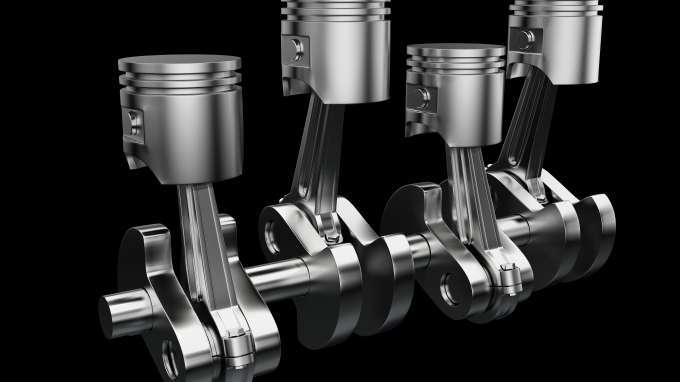
Piston: The piston is the heart of the engine, moving up and down within the cylinder. It's responsible for compressing the air-fuel mixture and converting the resulting energy into mechanical motion.
-
Cylinder: Piston engines typically have multiple cylinders, each housing a piston. The number of cylinders can vary, with four and six-cylinder configurations being the most common. More cylinders generally mean higher power output.
-
Crankshaft: Connected to the pistons via connecting rods, the crankshaft converts the reciprocating motion of the pistons into rotational motion, which drives the vehicle's wheels.
-
Camshaft: The camshaft controls the opening and closing of the engine's valves. It synchronizes with the crankshaft to ensure precise timing of the intake and exhaust cycles.
-
Valves: Valves regulate the flow of air and exhaust gases in and out of the cylinders. Intake valves allow the air-fuel mixture in, while exhaust valves expel combustion byproducts.
-
Spark Plug: In gasoline engines, spark plugs ignite the air-fuel mixture, creating the controlled explosion that drives the piston.
-
Fuel Injection System: Modern engines use electronic fuel injection to precisely deliver the right amount of fuel into each cylinder for combustion, improving efficiency and emissions.
-
Cooling System: Engines generate a significant amount of heat, and a cooling system, usually consisting of a radiator and coolant, prevents overheating.
-
Exhaust System: After combustion, exhaust gases must be efficiently removed from the engine to maintain performance and minimize emissions.
-
Oil System: Pistons and other moving parts require lubrication to reduce friction and wear, and the oil system ensures proper lubrication throughout the engine.
Understanding these components provides valuable insights into the mechanics of piston engines and lays the groundwork for addressing common challenges and advancements in piston technology.
Common Challenges and Advancements in Piston Technology
Despite their enduring popularity, piston engines face several challenges, especially in the modern era of stringent emissions regulations and the quest for higher efficiency. However, these challenges have spurred a wave of innovations that have significantly improved piston technology.
One of the foremost challenges is reducing emissions. Traditional internal combustion engines produce greenhouse gases and pollutants harmful to the environment. To combat this, automakers have turned to advancements like direct injection, which enables more precise control over the air-fuel mixture, resulting in cleaner combustion and reduced emissions.
Another hurdle is improving fuel efficiency. As consumers and governments demand greater fuel economy, engineers have focused on lightweight materials, aerodynamics, and advanced engine management systems. Turbocharging and downsizing engines without compromising power output have become commonplace strategies.
Noise and vibration reduction are also areas of continuous improvement. Quieter engines enhance the driving experience, and technologies like balance shafts, advanced engine mounts, and sound-deadening materials have been employed to achieve this.
Moreover, durability remains a concern. While piston engines are known for their reliability, modern engines must withstand increased power output and stresses. Advancements in metallurgy, coatings, and manufacturing techniques have bolstered engine longevity.
Innovations in engine management systems and electronic controls have allowed for finer-tuned performance, with features like variable valve timing and cylinder deactivation optimizing power and efficiency under various driving conditions.
While these advancements address current challenges, they also lay the foundation for performance enhancements and modifications, a subject of great interest to automotive enthusiasts and those seeking to extract more power from their piston engines.
Performance Enhancements and Modifications for Piston Engines
For those passionate about pushing the limits of piston engine performance, a world of possibilities awaits. Performance enhancements and modifications can transform a stock engine into a high-performance powerhouse.
-
Forced Induction: Turbochargers and superchargers are popular additions for boosting horsepower. They force more air into the engine, allowing it to burn more fuel and produce more power.
-
Aftermarket Exhaust Systems: Upgrading the exhaust system can improve exhaust flow, reducing backpressure and increasing horsepower. Plus, it often adds a distinctive growl to the engine note.
-
Performance Tuning: Engine control units (ECUs) can be reprogrammed to optimize performance. This involves adjusting parameters like fuel delivery, ignition timing, and boost pressure to extract more power.
-
High-Performance Camshafts: Installing high-performance camshafts can alter the engine's valve timing, improving airflow and power at higher RPMs.
-
Upgraded Pistons and Connecting Rods: Stronger and lighter components can handle higher power levels and allow for increased engine revving.
-
Cold Air Intake: A cold air intake system delivers cooler, denser air to the engine, improving combustion and power output.
-
Performance Suspension and Brakes: To harness the added power, upgrading the suspension and brakes is essential for improved handling and stopping power.
-
Nitrous Oxide: Nitrous oxide injection provides a quick burst of oxygen to the engine, significantly increasing horsepower for short bursts.
-
Engine Swaps: Some enthusiasts opt for swapping out their stock engine for a more potent one, such as a V8 or high-performance turbocharged engine.
These modifications not only enhance performance but also cater to individual preferences and driving styles. However, it's crucial to strike a balance between power and reliability, as pushing an engine beyond its limits can lead to premature wear and mechanical issues.
Piston automotive technology has also found its place in the rapidly evolving landscape of electric and hybrid vehicles, demonstrating its adaptability and potential for sustainable transportation solutions.
.jpg)
Piston Automotive Technology in Electric and Hybrid Vehicles
The rise of electric and hybrid vehicles has reshaped the automotive industry, but piston technology continues to play a significant role in this transformation. While electric powertrains dominate headlines, internal combustion engines, often in the form of piston engines, are used as range extenders and to enhance overall vehicle efficiency.
-
Range Extenders: Some hybrid and electric vehicles incorporate small piston engines as range extenders. These engines don't drive the wheels directly but generate electricity to recharge the battery, allowing for longer trips between charges.
-
Hybrid Powertrains: Hybrid vehicles often combine a piston engine with an electric motor to improve fuel efficiency. The two power sources work together to optimize performance and reduce emissions.
-
Plug-In Hybrids: Plug-in hybrids feature larger batteries that can be charged via an electric outlet. The piston engine provides additional range when the battery is depleted.
-
Performance Hybrids: High-performance hybrid models, like the Porsche 918 Spyder and McLaren P1, use piston engines in conjunction with electric motors to achieve astonishing acceleration and handling.
The integration of piston technology into electric and hybrid vehicles showcases its versatility and continued relevance in a changing automotive landscape. These solutions address the limitations of pure electric vehicles while offering a more sustainable option compared to traditional internal combustion engines.
Looking ahead, it's essential to consider the future trends and developments that will shape the destiny of piston automotive technology.
Future Trends and Developments in Piston Automotive Technology
The automotive industry is in a state of constant evolution, and piston engines are no exception. Several trends and developments are poised to shape the future of this technology.
-
Improved Efficiency: Engineers are relentlessly working to enhance the efficiency of piston engines through advanced combustion techniques, reduced friction, and further optimization of engine management systems.
-
Hybridization: Mild hybrid systems that incorporate a small electric motor and 48-volt electrical architectures are becoming more common, providing additional power and efficiency gains.
-
Alternative Fuels: The development of cleaner-burning fuels, such as synthetic fuels and hydrogen, can reduce emissions and extend the lifespan of piston engines.
-
Carbon Capture: Researchers are exploring carbon capture technologies that could potentially make internal combustion engines carbon-neutral by capturing and storing emissions.
-
Integration with Electric Powertrains: Combining piston engines with electric powertrains in innovative ways could create hybrid systems that offer the best of both worlds – efficiency and performance.
-
Emissions Reduction: Ongoing efforts to reduce emissions, including stricter regulations and emission control technologies, will continue to shape piston engine design.
-
Autonomous Vehicles: Piston engines may find a niche in autonomous vehicles, providing power for on-board systems and serving as backup generators.
In conclusion, the enduring legacy and future potential of piston engines in the automotive industry are undeniably strong. Despite the rise of alternative powertrains, piston technology continues to evolve, addressing current challenges and adapting to emerging trends. Its versatility, reliability, and adaptability ensure that piston engines will remain a vital component of the automotive landscape for years to come.
Conclusion: The Enduring Legacy and Future Potential of Piston Engines in the Automotive Industry
In a rapidly changing automotive landscape dominated by electric and hybrid technologies, the enduring legacy and future potential of piston engines are remarkable. These stalwart powerplants, with their intricate dance of pistons, cylinders, and explosions, have powered our vehicles for over a century and continue to do so with resilience and adaptability.
Understanding how piston engines work, appreciating their advantages, and tracing their evolution through automotive history reveals the depth and breadth of this technology. The key components of piston automotive technology, from pistons and cylinders to camshafts and exhaust systems, form the foundation upon which we build both power and efficiency.
Yet, piston engines are not without their challenges. Emissions reduction, fuel efficiency, noise reduction, and durability have driven a wave of advancements, making these engines cleaner, more efficient, and quieter than ever before. These innovations not only benefit the environment but also cater to the desires of enthusiasts who seek more power and performance.
Speaking of performance, the world of piston engines offers a playground for those looking to enhance their driving experience. Performance enhancements and modifications, from turbocharging to engine swaps, allow enthusiasts to personalize their vehicles and extract exhilarating power.
Piston technology has also found a place in the world of electric and hybrid vehicles, demonstrating its adaptability and sustainability. From range extenders to performance hybrids, these solutions showcase the enduring relevance of piston engines in a changing world.
Looking to the future, trends like improved efficiency, hybridization, alternative fuels, and carbon capture promise to keep piston engines at the forefront of innovation. Whether as standalone powerplants or integrated into hybrid systems, piston technology continues to evolve and shape the automotive industry.
In conclusion, the piston engine's enduring legacy and future potential are testaments to its adaptability, reliability, and ability to meet the demands of a dynamic automotive landscape. While electric and hybrid technologies chart new paths, piston engines remain steadfast, ensuring that the roar of combustion will echo through the roads of tomorrow.
.jpg)
FAQ 1: How do piston engines work, and what are their key components?
Keywords: piston engines, working principle, key components
Answer: Piston engines, commonly found in traditional automobiles, operate by converting fuel into mechanical energy through controlled explosions. The process involves several key components, such as pistons, cylinders, crankshafts, and valves, all working in harmony to create power. Understanding the intricacies of these components is essential to grasp the engine's functioning and potential.
FAQ 2: What are the advantages of using piston automotive technology in modern vehicles?
Keywords: advantages, piston automotive technology, modern vehicles
Answer: Piston automotive technology offers several advantages, making it relevant in today's automotive landscape. Its robustness, adaptability to various fuels, and scalability in terms of power output cater to diverse consumer needs. Moreover, the relative simplicity of piston engines compared to electric drivetrains makes them cost-effective to maintain and repair, enhancing their appeal to many drivers.
FAQ 3: How has piston engine technology evolved throughout automotive history?
Keywords: evolution, piston engine technology, automotive history
Answer: The evolution of piston engine technology in automotive history is a captivating journey marked by innovation and progress. It began with rudimentary single-cylinder engines and has evolved into sophisticated powerplants that are more efficient, powerful, and environmentally friendly. Key milestones include the introduction of multi-cylinder configurations, advances in fuel efficiency, and a focus on reducing emissions.
FAQ 4: What are the common challenges faced by piston engines, and how have advancements addressed these issues?
Keywords: challenges, advancements, piston engines
Answer: Piston engines have faced challenges related to emissions, fuel efficiency, noise, and durability. However, ongoing advancements in engine design and technology have led to substantial improvements. Innovations such as direct injection, turbocharging, and electronic controls have addressed these challenges by enhancing efficiency, reducing emissions, and providing quieter operation.
FAQ 5: How can I enhance the performance of my piston-powered vehicle, and what modifications are available for enthusiasts?
Keywords: performance enhancements, modifications, piston-powered vehicles
Answer: Enhancing the performance of a piston-powered vehicle is a popular pursuit among automotive enthusiasts. Various modifications are available, including forced induction (turbocharging and supercharging), aftermarket exhaust systems, performance tuning, and high-performance camshafts. These modifications can significantly increase horsepower and improve the driving experience, but they should be approached with consideration for engine durability and safety.