With the ever-increasing demand for precision and accuracy in aerospace parts, CNC machining has become a game-changer in the industry. Skyward Precision has harnessed the power of this advanced technology to deliver aerospace components with pinpoint accuracy, raising the bar for quality and reliability. By leveraging state-of-the-art CNC machines and cutting-edge software, Skyward Precision has perfected the art of machining complex shapes and intricate geometries. Their skilled team of experts combines decades of experience with innovative techniques to produce parts that meet the rigorous standards of the aerospace industry. From titanium aircraft components to aluminum airframe structures, Skyward Precision's CNC machining capabilities are second to none. With their commitment to excellence and attention to detail, they ensure that each part meets the strictest tolerances and specifications. By choosing Skyward Precision for CNC machining needs, aerospace manufacturers can trust that they will receive top-quality products that not only meet but exceed their expectations. With their focus on precision, accuracy, and customer satisfaction, Skyward Precision is setting the standard for aerospace CNC machining.
The importance of precision in aerospace manufacturing
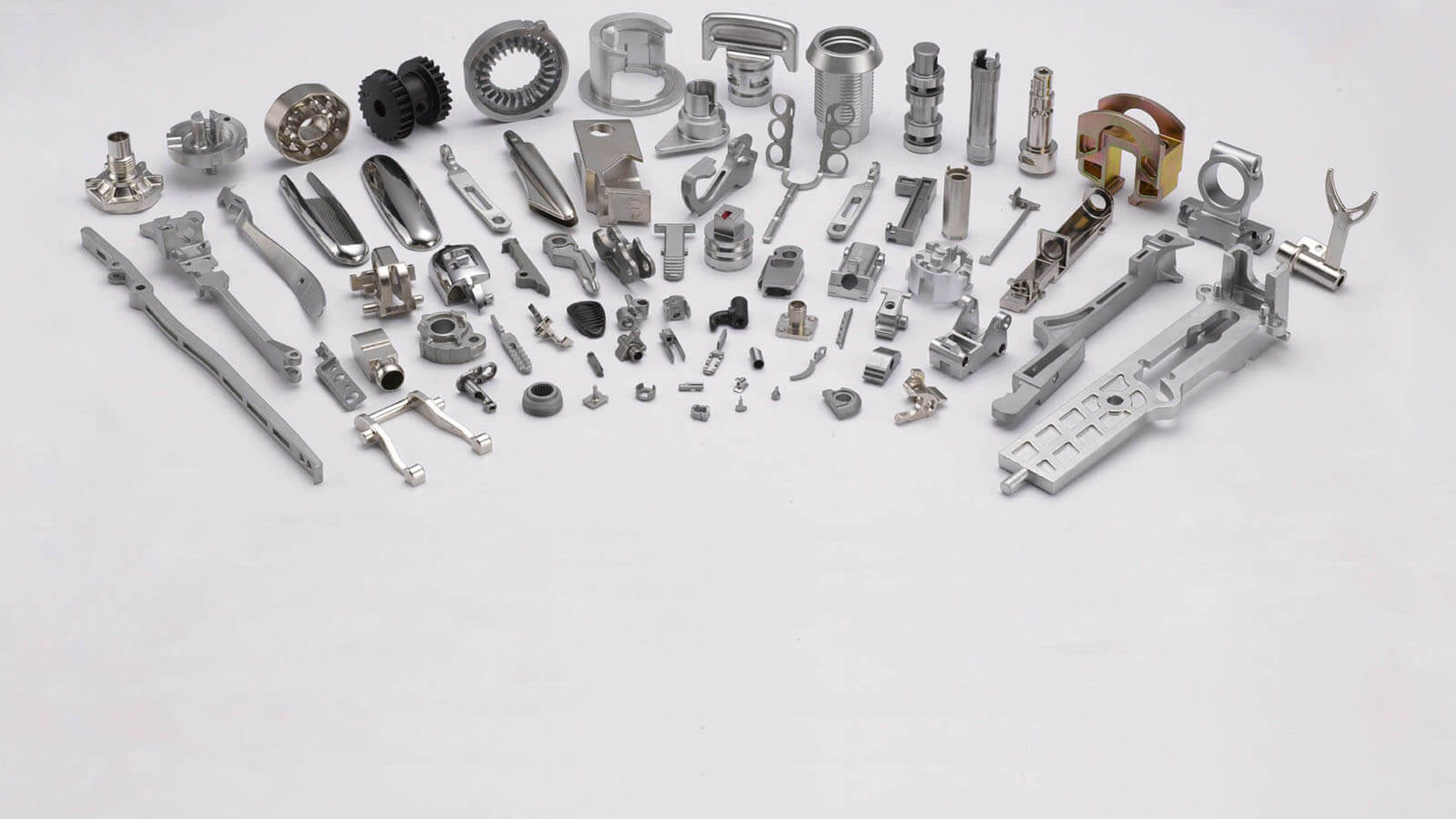
Precision is the cornerstone of aerospace manufacturing, underpinning the entire industry's ethos. Aerospace components are not merely intricate; they are mission-critical. Any deviation from specified tolerances can have catastrophic consequences. From the tiniest rivet to complex turbine blades, precision is non-negotiable. It ensures the safety, reliability, and performance of aircraft and spacecraft. A fraction of a millimeter can mean the difference between a smooth takeoff and a potential disaster. Consequently, aerospace manufacturers prioritize precision as their highest virtue.
Advantages of using CNC machining for aerospace parts
CNC machining stands as a technological marvel in aerospace manufacturing. The advantages it offers are manifold and instrumental in achieving precision. Computer Numerical Control (CNC) machines exhibit exceptional precision and consistency. These machines follow meticulously programmed instructions, ensuring that each component meets the exacting standards required for aerospace applications. What's more, CNC machining is versatile, capable of producing a wide range of parts, from straightforward bolts to highly intricate engine components. Its ability to maintain precision across this spectrum makes it indispensable in the aerospace industry.
Key considerations in CNC machining for aerospace parts
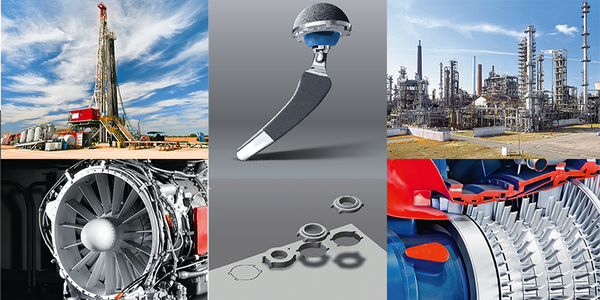
Effective CNC machining for aerospace parts demands meticulous attention to detail in several key areas. Material selection is paramount, as different alloys and composites require distinct machining approaches. Tooling, from cutting tools to specialized fixtures, plays a pivotal role in achieving precision. The programming of CNC machines is another critical factor, as it dictates every movement and cut. Precision cannot be achieved without adhering to stringent quality control measures and maintaining the highest standards throughout the manufacturing process, from design to inspection.
Understanding the CNC machining process for aerospace parts
To grasp fully the potential of CNC machining in aerospace, one must delve into the intricacies of the process. CNC machining involves using computer-controlled machines to precisely remove material from a workpiece. This subtractive manufacturing process allows for unparalleled accuracy and repeatability, making it an ideal choice for aerospace components. The precise control over tool movement, coupled with real-time adjustments, ensures that the final product conforms precisely to the design specifications.
Tools and techniques for achieving pinpoint accuracy in CNC machining
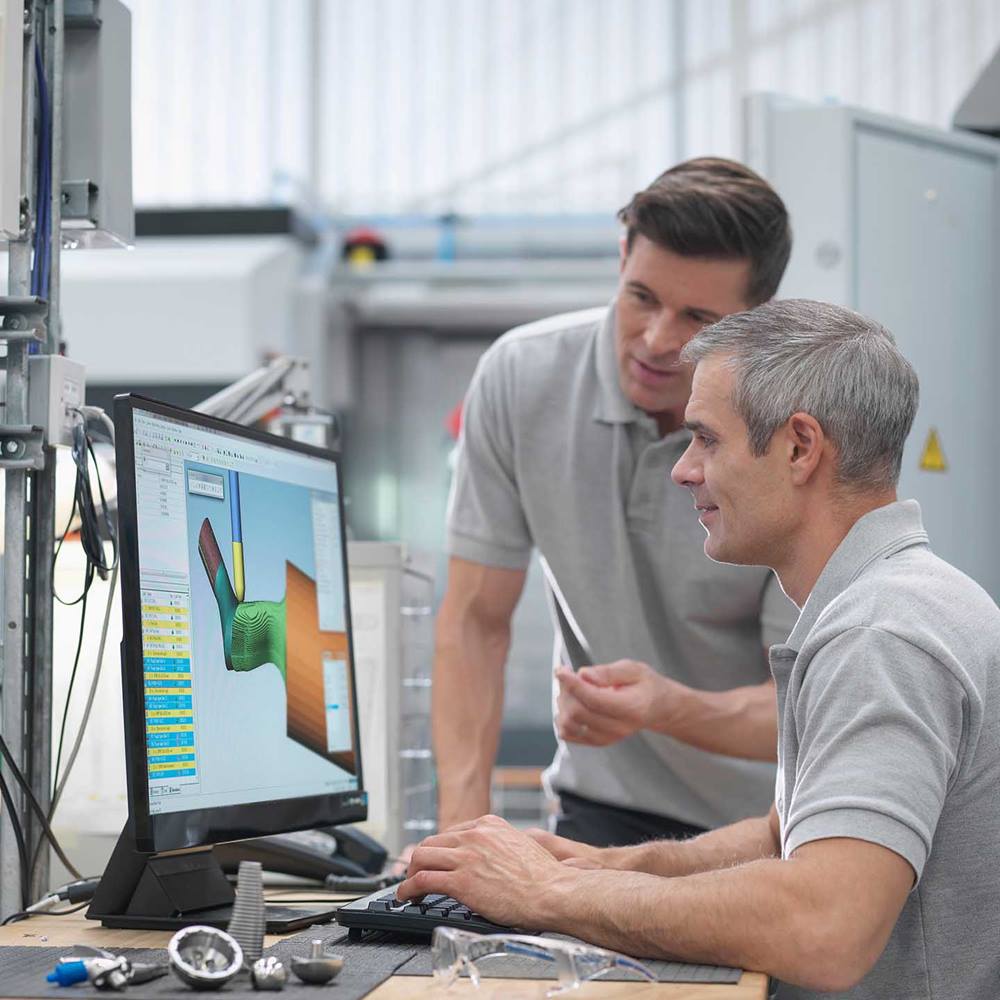
Achieving pinpoint accuracy in CNC machining necessitates the selection of appropriate tools and the utilization of advanced techniques. High-quality cutting tools with specific geometries and coatings are essential for precision machining. Advanced software aids in optimizing toolpaths and simulating machining processes, contributing to accuracy. Calibrating machines with utmost precision and regularity ensures that every cut is executed flawlessly. Techniques like multi-axis machining and high-speed machining further enhance precision by allowing for complex geometries and efficient material removal.
Common challenges in CNC machining for aerospace parts and how to overcome them
While CNC machining offers tremendous advantages, it also presents unique challenges in the aerospace realm. Factors like thermal expansion, tool wear, and machine vibration can compromise precision. However, these challenges can be mitigated through innovative strategies. Thermal compensation systems, tool condition monitoring, and advanced machine designs are some solutions. Furthermore, predictive maintenance, which leverages data analytics to foresee machine issues before they occur, helps maintain precision over extended production runs.
.jpg)
Case studies of successful CNC machining projects in the aerospace industry
Examining real-world success stories underscores the transformative power of CNC machining in aerospace manufacturing. These case studies illuminate how CNC machining has been applied to create intricate engine components or produce lightweight airframe structures, revolutionizing the industry. In one instance, CNC machining allowed for the fabrication of complex, lightweight turbine blades, resulting in significant fuel efficiency gains for a leading aircraft manufacturer. Such examples showcase the limitless possibilities that precision CNC machining unlocks in aerospace manufacturing.
Training and certification programs for mastering CNC machining for aerospace parts
Mastering CNC machining for aerospace parts is a journey that demands specialized knowledge and skills. Fortunately, tailored training and certification programs exist to meet these demands. These programs comprehensively cover every aspect of CNC machining, from programming and machine operation to quality control and safety protocols. Graduates emerge as proficient aerospace machining specialists, equipped with the expertise needed to navigate the intricacies of precision manufacturing.
Conclusion: Embracing precision in CNC machining for aerospace parts
In conclusion, precision is the bedrock upon which aerospace manufacturing stands, and CNC machining is the vehicle that propels it forward. The advantages of CNC machining, coupled with meticulous considerations, a deep understanding of the process, and the adoption of cutting-edge tools and techniques, allow the aerospace industry to attain unparalleled precision. Despite the challenges posed by factors like thermal expansion and tool wear, aerospace manufacturers continually innovate and adapt, ensuring that precision remains paramount.
The case studies of successful CNC machining projects in aerospace serve as beacons of inspiration, illustrating the remarkable achievements made possible through this technology. To fully harness its potential, individuals can pursue specialized training and certification programs, positioning themselves as experts in CNC machining for aerospace applications.
In an industry where precision is non-negotiable, embracing CNC machining is not merely an option—it is an imperative. By doing so, aerospace manufacturers can continue pushing the boundaries of innovation while upholding the safety and reliability of their products, ensuring that every mission, from takeoff to landing, is a success.
FAQ 1: What sets YICHOU apart in CNC machining for aerospace parts?
Keywords: YICHOU, CNC machining, aerospace parts
YICHOU, as a leading Chinese manufacturing factory, distinguishes itself in the field of CNC machining for aerospace parts through a combination of advanced technology, a highly skilled workforce, and a steadfast commitment to precision. Our state-of-the-art CNC machining equipment is at the forefront of the industry, allowing us to achieve micron-level accuracy in the production of aerospace components.
Our team of engineers and machinists possesses extensive experience in aerospace manufacturing, ensuring that we understand the unique requirements and challenges of the industry. Whether it's producing critical engine components, intricate airframe structures, or complex turbine blades, we approach each project with a dedication to meeting and exceeding stringent quality standards.
At YICHOU, quality control is not just a step in the process—it's an integral part of our ethos. We employ cutting-edge inspection technologies and adhere to ISO and aerospace-specific certifications to guarantee that every aerospace part leaving our facility is flawless. This commitment to precision and quality has earned us a reputation as a trusted partner for aerospace manufacturers worldwide.
FAQ 2: How can CNC machining benefit aerospace manufacturers?
Keywords: CNC machining, aerospace manufacturers
CNC machining offers aerospace manufacturers an array of advantages that significantly impact their operations and end products. Firstly, precision is paramount in aerospace, and CNC machining delivers it consistently. The computer-controlled precision of CNC machines ensures that each component meets exacting standards, whether it's a small bracket or a complex, intricate part.
Furthermore, CNC machining offers versatility, making it possible to create parts with a wide range of geometries and complexities. This versatility means aerospace manufacturers can consolidate their production processes, reducing lead times and costs. Additionally, the repeatability of CNC machining ensures that each part, whether the first or the thousandth, is identical in quality.
The efficiency of CNC machining also contributes to shorter production cycles, which can be crucial in the aerospace industry. Faster turnaround times mean quicker response to market demands and project timelines. Moreover, the reduced margin for error minimizes waste, optimizing resource utilization.
In summary, CNC machining enhances the efficiency, reliability, and performance of aerospace parts, ultimately contributing to the overall success of aerospace manufacturing.
FAQ 3: What materials can YICHOU CNC machine for aerospace applications?
Keywords: YICHOU, CNC machine, aerospace materials
YICHOU's expertise in CNC machining for aerospace applications extends to a diverse range of materials. We understand that aerospace components require various materials to meet specific performance criteria. Our CNC machines are equipped to handle materials such as lightweight aerospace-grade aluminum alloys, high-strength titanium alloys, advanced composites, and even exotic materials used in specialized aerospace projects.
Aluminum alloys, including those from the 7000 and 2000 series, are commonly used for their lightweight properties and excellent strength-to-weight ratios. Our CNC machines can precision-machine these alloys to meet the demanding requirements of aerospace components.
Titanium alloys are another critical material in aerospace manufacturing due to their high strength and corrosion resistance. YICHOU's CNC machining capabilities extend to these challenging materials, ensuring that parts meet the stringent standards of the aerospace industry.
In addition to metals, YICHOU excels in machining advanced composites used in aerospace structures. Composites offer exceptional strength-to-weight ratios and corrosion resistance. Our CNC machining processes are optimized to work with these materials while maintaining their structural integrity.
Overall, YICHOU's material capabilities are a testament to our commitment to providing comprehensive solutions for aerospace manufacturers, regardless of the material requirements of their projects.
FAQ 4: What quality control measures does YICHOU implement in CNC machining for aerospace parts?
Keywords: YICHOU, quality control, CNC machining, aerospace parts
At YICHOU, our quality control measures are integral to every step of the CNC machining process, ensuring that aerospace components leaving our facility meet the highest industry standards for precision and reliability. We recognize that even the slightest deviation from specifications can have catastrophic consequences in aerospace applications, and we take this responsibility seriously.
Our quality control process begins with meticulous material inspection, where we ensure that the materials selected for each project meet the required specifications and standards. Throughout machining, our CNC machines are equipped with advanced in-process monitoring systems that continuously check and adjust for precision.
We employ cutting-edge inspection technologies, including coordinate measuring machines (CMMs) and non-destructive testing (NDT) methods, to verify the dimensions, tolerances, and structural integrity of each component.
YICHOU is ISO-certified, and we adhere to aerospace-specific quality management systems. Our quality control protocols align with the rigorous standards of the aerospace industry, including AS9100, ensuring that our CNC-machined aerospace parts are not only accurate but also reliable and safe for use in critical applications.
In summary, YICHOU's unwavering commitment to quality control guarantees the reliability of aerospace components, providing aerospace manufacturers with the confidence that their projects will meet or exceed industry standards.
FAQ 5: How can I partner with YICHOU for CNC machining of aerospace parts?
Keywords: YICHOU, partner, CNC machining, aerospace parts
Partnering with YICHOU for CNC machining of aerospace parts is a streamlined process designed to meet your specific project needs. Our collaborative approach ensures that your aerospace manufacturing requirements are addressed comprehensively.
-
Initial Consultation: The partnership begins with an initial consultation where our team works closely with you to understand your project's requirements, including material specifications, tolerances, and deadlines. We also offer recommendations and insights to optimize your project for CNC machining.
-
Project Proposal: Following the consultation, we provide you with a detailed project proposal that outlines the scope, timeline, and cost estimates. We are committed to transparency, ensuring that you have a clear understanding of the project's parameters.
-
Prototyping: If necessary, we can develop prototypes to validate the design and machining processes before proceeding to full-scale production. This step ensures that your aerospace components meet your precise requirements.
-
Production: Once the project is approved, we proceed with CNC machining, adhering to the highest quality standards throughout the manufacturing process.
-
Quality Assurance: Our rigorous quality control processes ensure that each component meets or exceeds industry standards. We conduct thorough inspections and testing to verify the precision and reliability of every part.
-
Delivery: We deliver the CNC-machined aerospace parts according to the agreed-upon schedule, ensuring that they are ready for integration into your aerospace systems.
-
Ongoing Support: YICHOU remains committed to your success, providing ongoing support and communication to address any post-production needs or modifications.
To partner with YICHOU for CNC machining of aerospace parts, simply reach out to our team, and we will guide you through the process, from project initiation to delivery, ensuring that your aerospace manufacturing needs are met with precision and expertise.
.jpg)
GET QUOTE
- Visit our website: https://www.nbyichou.com/
- Email us: [email protected]
- Call us/whatsapp: +86 13355741031
- Chat with us: Live chat support available on our website