Introduction
Surgical screws are foundational components in modern medical procedures, especially in orthopedics and dental surgery. They provide essential structural support, ensuring bones and implants remain securely in place during the healing process. These tiny yet critical devices are engineered to withstand the stresses of the human body while promoting recovery and minimizing complications.
Among the various materials used for surgical screws, titanium has emerged as the preferred choice across the medical industry. Its exceptional combination of strength, durability, and biocompatibility has led to its widespread adoption in everything from spinal fusion surgeries to dental implants. As the demand for high-performance, patient-friendly materials grows, titanium surgical screws are becoming a mainstay in hospitals and surgical centers worldwide.
1. Understanding Titanium in Medical Applications
Biocompatibility
One of the foremost reasons titanium is trusted in medical applications is its biocompatibility. When implanted in the human body, titanium exhibits an extraordinary ability to resist corrosion caused by bodily fluids. This resistance stems from a natural oxide layer that forms on its surface, shielding the material from chemical interactions that could degrade its performance over time.
Additionally, titanium is bio-inert, meaning it does not trigger adverse immune responses. This makes it ideal for long-term implantation, reducing the risk of inflammation, rejection, or allergic reaction. For medical professionals and procurement specialists alike, choosing titanium means choosing safety and peace of mind for both patients and practitioners.
Osseointegration
Beyond compatibility, titanium also offers a unique advantage: osseointegration. This is the process by which the titanium implant forms a direct interface with the surrounding bone, without intervening soft tissue. Over time, the bone effectively "grows into" the implant, creating a firm and permanent bond.
This feature is crucial for surgical screws, especially in orthopedic and dental procedures, where long-term stability is vital. Osseointegration not only shortens recovery times but also enhances the overall success rate of implant surgeries. Titanium's ability to integrate seamlessly with human bone has transformed it into a material of choice for forward-thinking medical solutions.
2. Benefits of Titanium Surgical Screws
Strength-to-Weight Ratio
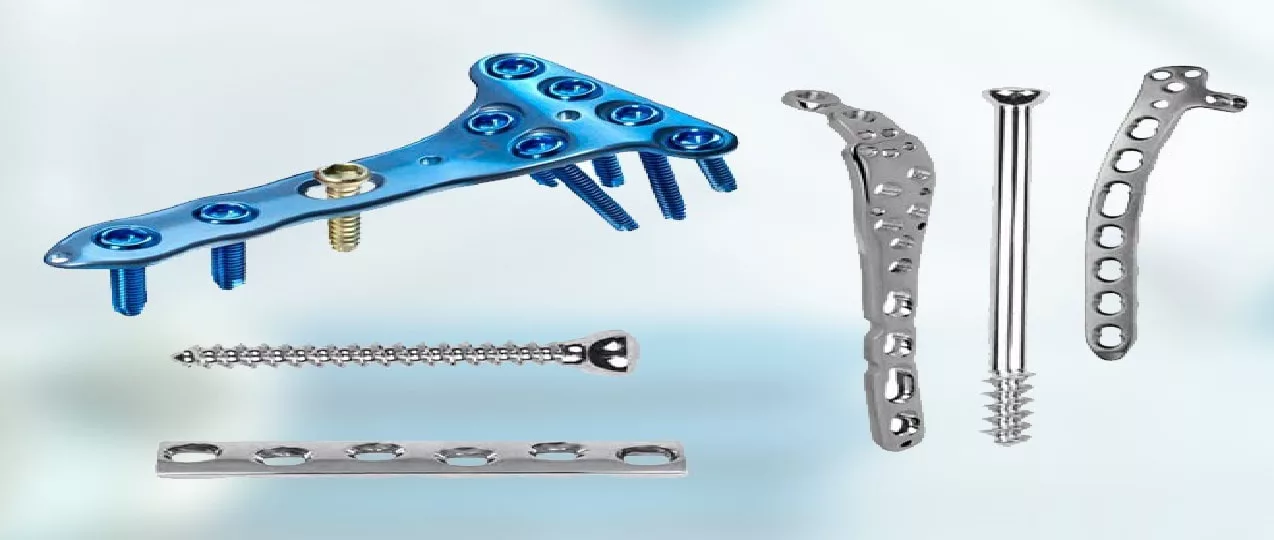
One of the standout features of medical-grade titanium is its exceptional strength-to-weight ratio. Titanium surgical screws are strong enough to support critical load-bearing applications, yet lightweight enough to reduce stress on surrounding bones and tissues. This balance is especially beneficial in long-term implantations, as it minimizes discomfort and contributes to more natural movement during recovery.
For patients, this means a lower risk of fatigue and complications, and for healthcare providers and procurement teams, it ensures high-performance implants that don’t compromise patient comfort.
Corrosion Resistance
Inside the human body, implants are exposed to complex environments—bodily fluids, blood, and tissue. Titanium's corrosion resistance makes it uniquely suited to these conditions. A thin, stable oxide layer forms naturally on the surface of titanium when exposed to oxygen, acting as a barrier that prevents deterioration over time.
This property not only extends the lifespan of titanium surgical screws but also reduces the chances of metal ions leaching into the body, a concern with other materials. For medical buyers looking for long-lasting, low-maintenance solutions, titanium stands out as a durable, reliable choice.
MRI Compatibility
Post-operative imaging is often necessary to monitor recovery or diagnose related conditions. Unlike stainless steel or cobalt-based implants, titanium is non-magnetic, meaning it does not interfere with MRI (Magnetic Resonance Imaging) scans. This allows for safe, clear imaging without distortion, making patient follow-up more efficient and reducing the need for implant removal before scans.
This feature significantly adds value for hospitals and clinics seeking implants that integrate smoothly with ongoing patient care and diagnostic practices.
3. Applications in Orthopedic and Dental Surgeries
Orthopedic Use
Titanium surgical screws play a vital role in various orthopedic procedures. They are commonly used in:
-
Fracture fixation, helping align and stabilize broken bones.
-
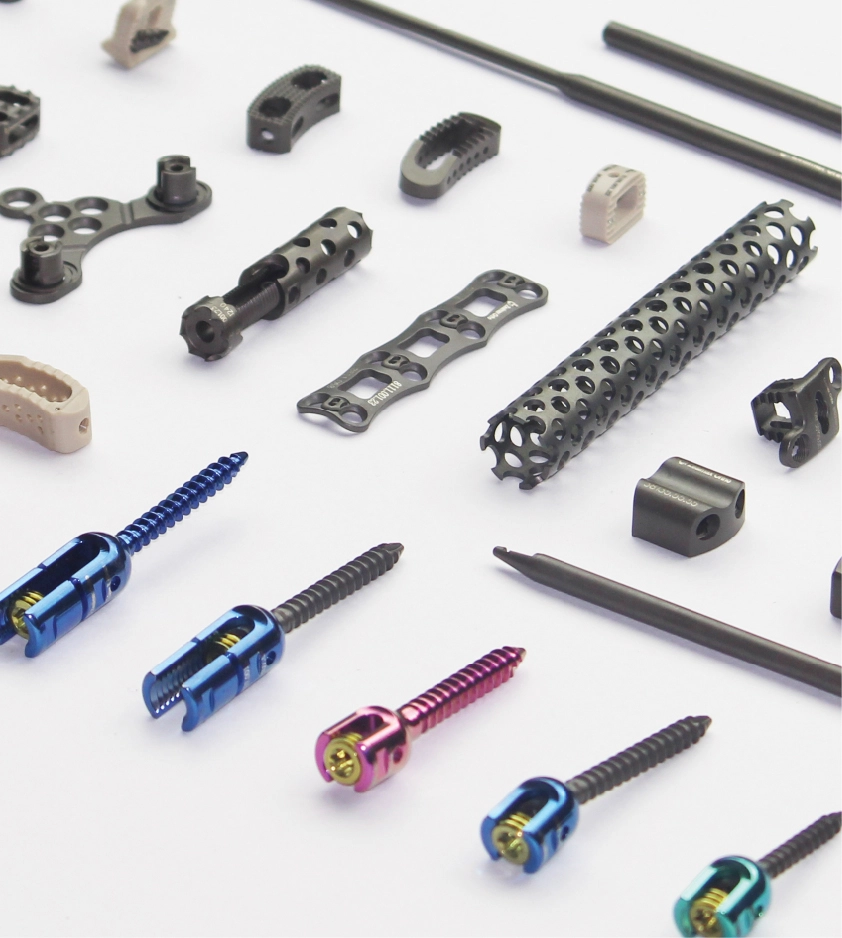
Spinal fusion surgeries, securing vertebrae together to prevent motion and reduce pain.
-
Joint reconstruction and replacements, where strong, corrosion-resistant materials are essential.
Due to their durability and compatibility with human anatomy, titanium screws provide dependable outcomes in both trauma cases and elective orthopedic surgeries.
Dental Implants
In dentistry, titanium screws are widely used as anchors for dental prosthetics, such as crowns, bridges, and dentures. Thanks to osseointegration, titanium implants become part of the jawbone, offering a stable, long-term foundation for artificial teeth.
This secure integration not only enhances function and appearance but also prevents bone loss that commonly occurs after tooth extraction. As a result, medical titanium screws have become the gold standard in modern dental restoration techniques.
.jpg)
4. Quality Standards and Compliance
When it comes to medical implants, quality and compliance are non-negotiable. Titanium surgical screws must meet rigorous safety, performance, and regulatory requirements to ensure they perform reliably in the human body.
ASTM F543: Industry Benchmark
One of the most critical standards for metallic bone screws is ASTM F543 — the specification that outlines performance requirements and testing methods for metallic medical bone screws, including:
-
Mechanical strength (torque, tension, and bending resistance)
-
Dimensional accuracy
-
Surface finish and integrity
-
Corrosion resistance
-
Biocompatibility
Complying with ASTM F543 ensures that titanium surgical screws meet the highest expectations for durability, functionality, and patient safety.
Global Regulatory Compliance
At YICHOU, our production is aligned with international medical standards, including ISO 13485 for medical device manufacturing. We understand that for our clients — hospitals, surgical centers, and distributors — traceability, material certification, and regulatory documentation are essential.
Our strict quality control processes guarantee that every product we deliver is safe, tested, and ready for global use, from Europe to North America and beyond.
5. Why Choose YICHOU for Titanium Surgical Screws
As a trusted manufacturer of precision titanium components, YICHOU offers more than just surgical screws — we deliver confidence, performance, and partnership.
Commitment to Quality
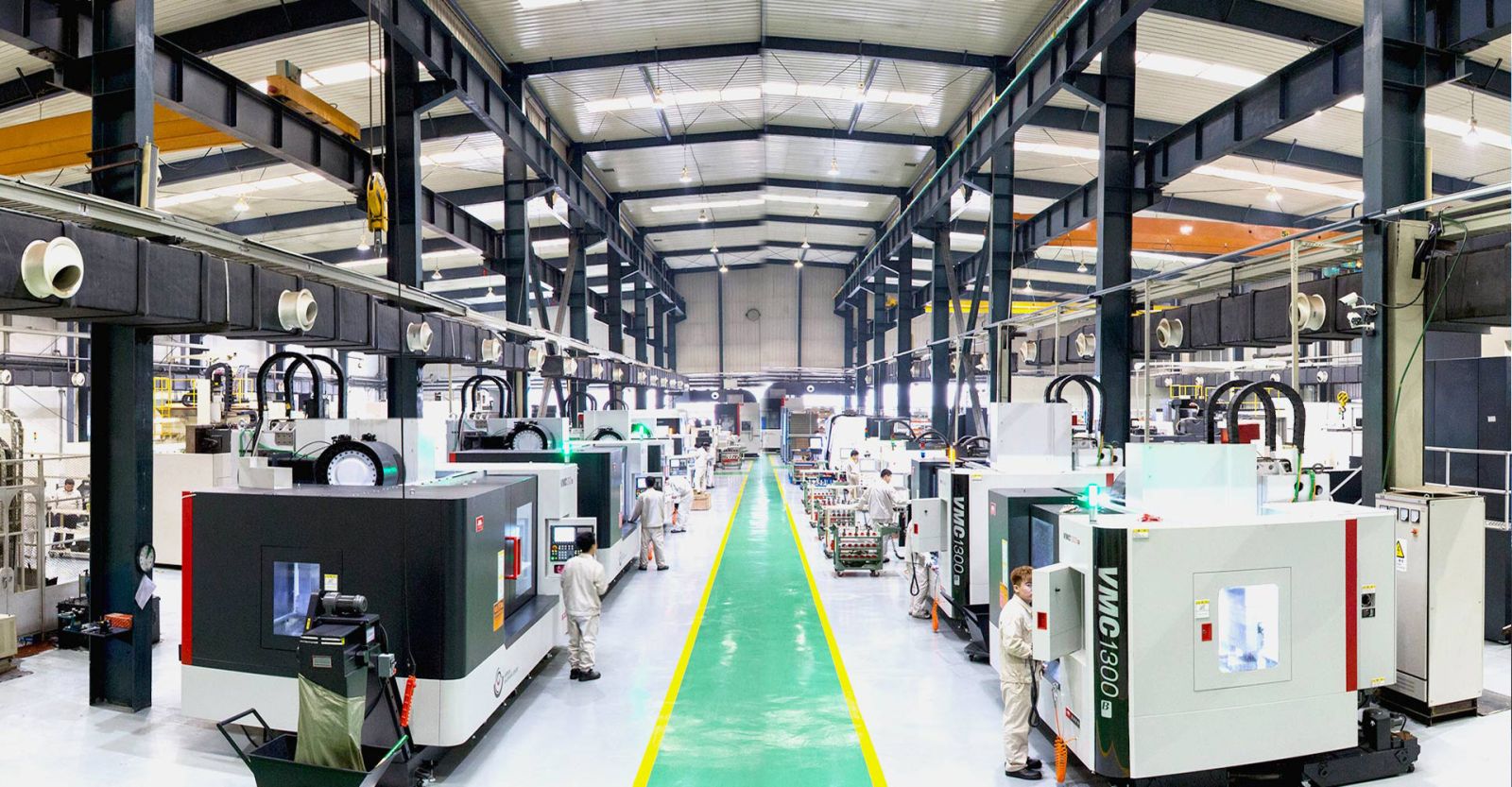
Every screw we produce undergoes rigorous inspection and testing, from raw material selection to final packaging. Our titanium is sourced from top-tier suppliers and verified for medical-grade purity. Each step in our manufacturing process is backed by certified procedures, ensuring products that perform flawlessly in surgical settings.
Customization Capabilities
We understand that no two surgeries are the same. That’s why we offer fully customized solutions — from thread pitch and screw length to special coatings or packaging requests. Whether you're sourcing for spinal fusion, trauma fixation, or dental reconstruction, we tailor our products to match your specific clinical needs.
Proven Track Record
YICHOU has successfully supplied titanium surgical screws to top medical OEMs, distributors, and hospitals worldwide. Our clients consistently praise us for on-time delivery, technical expertise, and responsive service. Many of our partners return to us for long-term collaborations — a testament to the trust we’ve built in the medical manufacturing space.
6. Addressing Procurement Considerations
When sourcing titanium surgical screws, procurement teams need more than just a quality product — they need cost-efficiency, supply assurance, and responsive support.
Cost-Effectiveness
While medical titanium products may have a higher upfront cost compared to alternatives like stainless steel, their exceptional durability and lower failure rates result in reduced long-term costs. With titanium's proven performance in surgical settings, you’re investing in fewer complications, fewer replacements, and better patient outcomes.
Supply Chain Reliability
YICHOU ensures reliable, on-time delivery through a streamlined global logistics system. Whether you're placing small-batch orders or large-volume requests, our production capacity and warehousing are optimized for consistent fulfillment — minimizing downtime and keeping your operations running smoothly.
Expert Technical Support
From initial product consultation to post-delivery technical support, YICHOU provides a dedicated team of specialists to help you select the right titanium screws for your applications. We assist with custom specifications, compliance documentation, and application advice, making us more than a supplier — we’re your technical partner.
Conclusion
Titanium surgical screws continue to lead the field in biocompatibility, mechanical performance, and long-term reliability. Their ability to integrate with the human body while supporting complex surgical procedures makes them the preferred choice for orthopedic and dental professionals worldwide.
With its dedication to precision engineering, global compliance, and customer satisfaction, YICHOU stands out as a trusted supplier of high-quality medical titanium components. We understand the priorities of procurement teams — from product excellence to consistent delivery — and we’re ready to support your success.
Ready to source premium titanium surgical screws?
Contact YICHOU today for quotes, technical consultations, and custom manufacturing solutions tailored to your needs.
Get Quote
- Visit our website: https://www.nbyichou.com/
- Email us: [email protected]
- Call us/whatsapp: +86 13355741031
- Chat with us: Live chat support available on our website