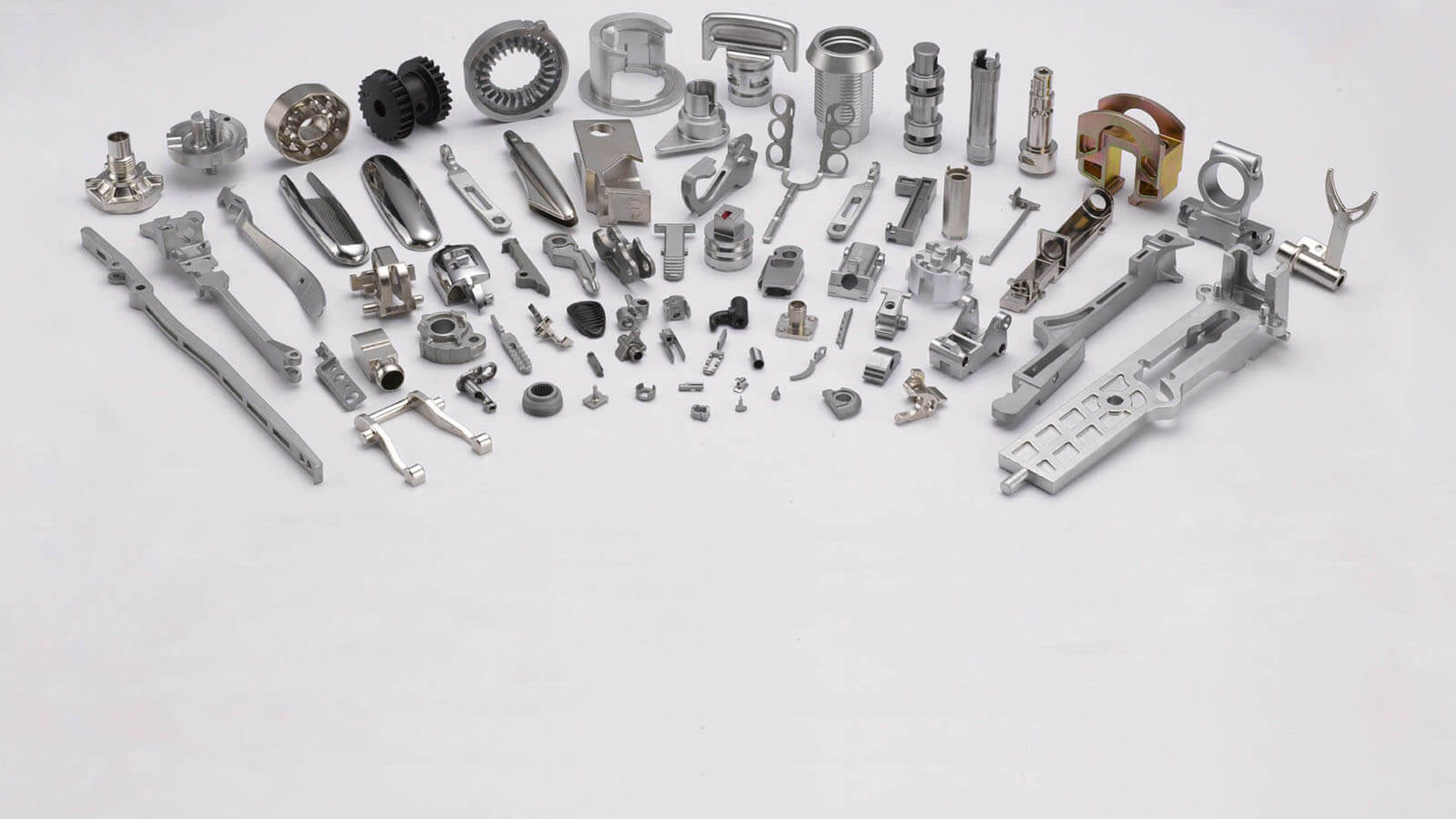
In the world of metal manufacturing, precision is everything. From the smallest components to complex structures, every detail matters. In this article, we will delve into the intricate art of metal manufacturing and explore the processes, techniques, and technologies behind it. With a meticulous focus on accuracy and quality, metal manufacturers employ state-of-the-art machinery and expert craftsmanship to transform raw materials into finished products. From cutting and shaping to welding and finishing, every step requires careful attention to detail. The art of precision in metal manufacturing ensures that the final products meet the highest standards and specifications. We will explore the various methods used in metal manufacturing, such as casting, forging, and machining, and discover how these techniques enable the creation of a wide range of products, from automotive parts to aerospace components. Additionally, we will delve into cutting-edge advancements in the industry, including computer numerical control (CNC) machines and additive manufacturing, and their impact on efficiency and innovation. Join us as we unravel the complexities of metal manufacturing and gain a deeper understanding of the meticulous craftsmanship and precision that goes into creating the products we use every day.
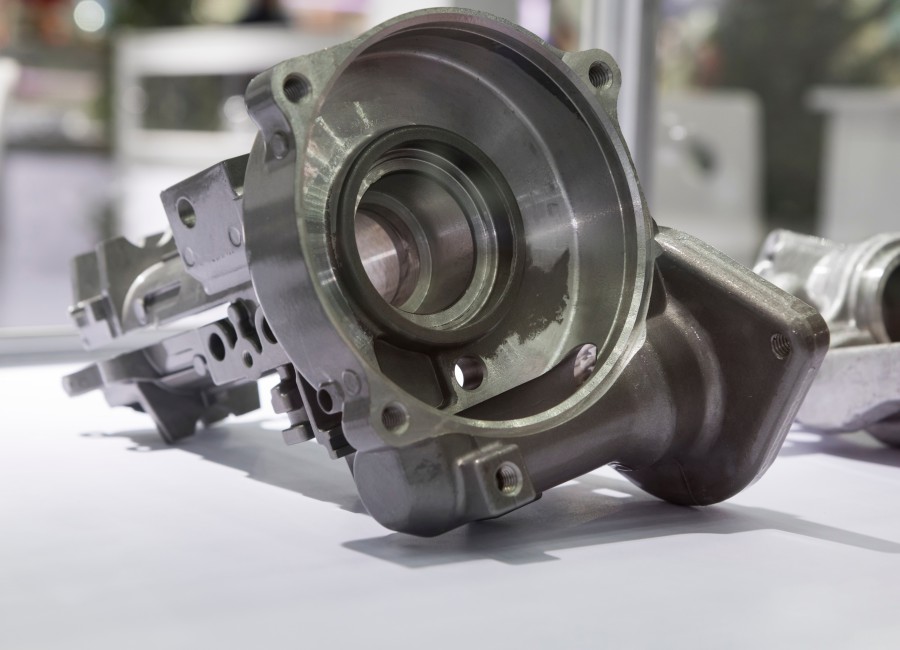 Different Types of Metal Manufacturing Processes
At Yichou, we specialize in various metal manufacturing processes that cater to a wide range of industries. From traditional techniques to cutting-edge methods, we offer versatility to meet diverse client needs.
-
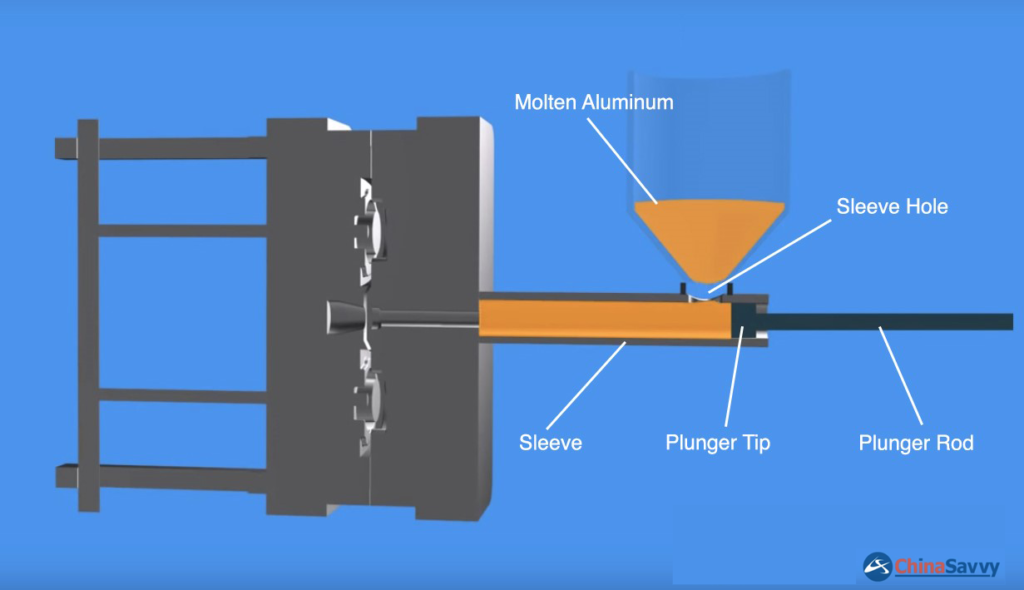
Casting: This process involves pouring molten metal into a mold to create intricate shapes. It's suitable for large-scale production and offers excellent design flexibility.
-
Stamping: Stamping utilizes dies and presses to shape metal sheets into desired forms. It's efficient for high-volume production and ensures precision and consistency.
-
Machining: Machining involves removing material from a workpiece using tools such as lathes, mills, and drills. This process is ideal for creating complex parts with tight tolerances.
-
Extrusion: Metal is pushed through a die to create continuous shapes with consistent cross-sections. Extrusion is commonly used for producing aluminum profiles and tubing.
-
Additive Manufacturing: Also known as 3D printing, this innovative method builds up layers of metal powder using lasers or electron beams, allowing for intricate geometries and reduced material waste.
-
Welding: Welding joins metal parts by melting and fusing them together. It's crucial for creating strong and durable assemblies in various applications.
 Advantages of Precision Metal Manufacturing
Precision metal manufacturing offers several key advantages that set it apart from other methods:
-
Tight Tolerances: Precision techniques ensure parts are manufactured with exceptional accuracy and consistency, meeting stringent tolerances.
-
Complex Geometries: Intricate and complex designs can be realized, enabling the production of unique components for specialized applications.
-
Reduced Waste: Precision manufacturing minimizes material waste, leading to cost savings and a more environmentally friendly process.
-
Enhanced Efficiency: The use of advanced tools and automation streamlines production, reducing lead times and improving overall efficiency.
-
Superior Quality: With meticulous quality control measures, precision manufacturing consistently produces high-quality, defect-free components.
Common Materials Used in Precision Metal Manufacturing
At Yichou, we work with a wide range of materials suitable for precision manufacturing:
-
Stainless Steel: Known for its corrosion resistance, stainless steel is used in applications where hygiene and durability are paramount.
-
Aluminum: Lightweight and versatile, aluminum is commonly used in aerospace, automotive, and electronics industries.
-
Titanium: With excellent strength-to-weight ratio and corrosion resistance, titanium finds its place in medical implants and aerospace components.
-
Brass and Copper: These materials are valued for their electrical conductivity and are often used in electrical and plumbing applications.
-
Alloys: Various metal alloys are tailored to specific needs, such as nickel alloys for high-temperature applications or bronze for bearings.
 Tools and Equipment Used in Precision Metal Manufacturing
Our advanced facilities are equipped with state-of-the-art tools and equipment, including:
-
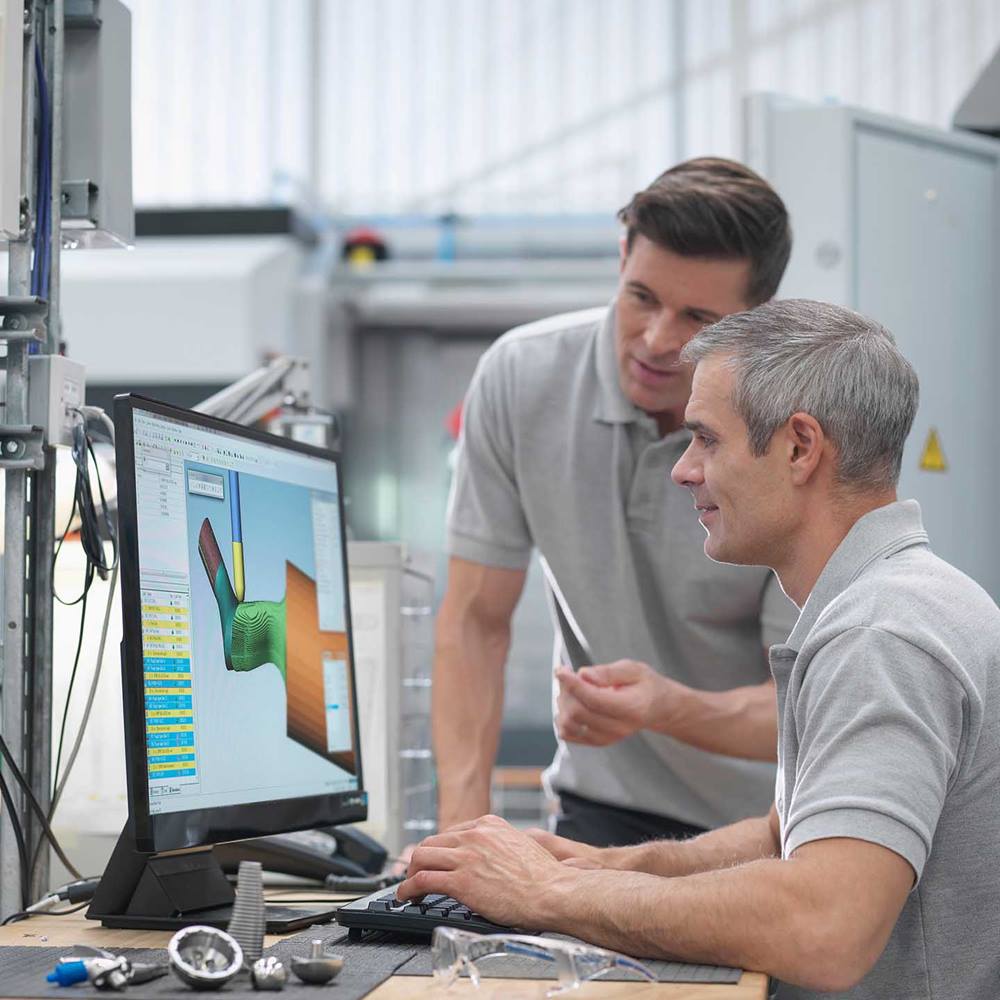
CNC Machines: Computer Numerical Control machines enable precise and automated machining processes, ensuring consistent quality.
-
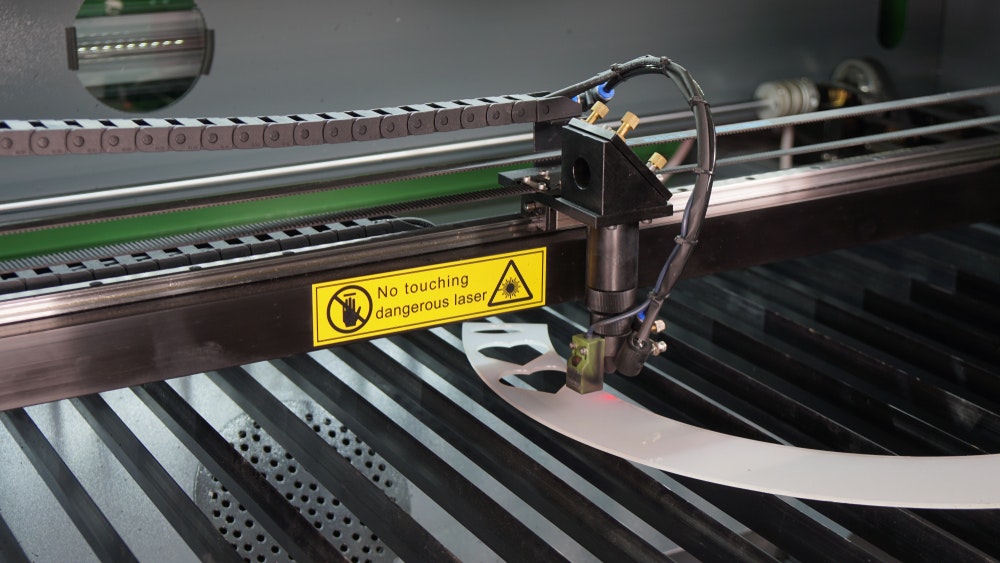
Laser Cutting Systems: Laser technology allows for intricate cutting of various metals, offering flexibility in design.
-
Coordinate Measuring Machines (CMM): CMMs accurately measure complex parts to verify they meet specifications.
-
3D Printers: Additive manufacturing technologies enable rapid prototyping and production of intricate designs.
-
Welding Stations: Equipped with advanced welding equipment, we ensure strong and reliable welds.
Quality Control in Metal Manufacturing
Quality is at the heart of Yichou's manufacturing process. Our quality control measures include:
-
Dimensional Inspection: Utilizing CMMs and precision measuring tools to verify part dimensions.
-
Material Testing: Ensuring materials meet required standards for strength, composition, and other properties.
-
Visual Inspection: Meticulous visual checks for surface defects, ensuring flawless components.
-
Performance Testing: Rigorous testing to assess how components perform under various conditions.
-
Traceability: Maintaining records to trace each component back to its production details.
Innovations in Metal Manufacturing Technology
Yichou stays at the forefront of metal manufacturing innovations:
-
Nanotechnology: Manipulating materials at the nanoscale for improved strength and performance.
-
Industry 4.0 Integration: Smart manufacturing, utilizing IoT and data analytics to optimize production.
-
Hybrid Processes: Combining additive and subtractive methods for enhanced design possibilities.
-
Materials Advancements: Using new alloys and composites for improved properties.
 Applications and Industries Benefiting from Precision Metal Manufacturing
Our components serve a multitude of industries:
-
Aerospace: From aircraft frames to engine components, precision manufacturing ensures safety and performance.
-
Medical: Implants, surgical tools, and medical devices demand precision for patient well-being.
-
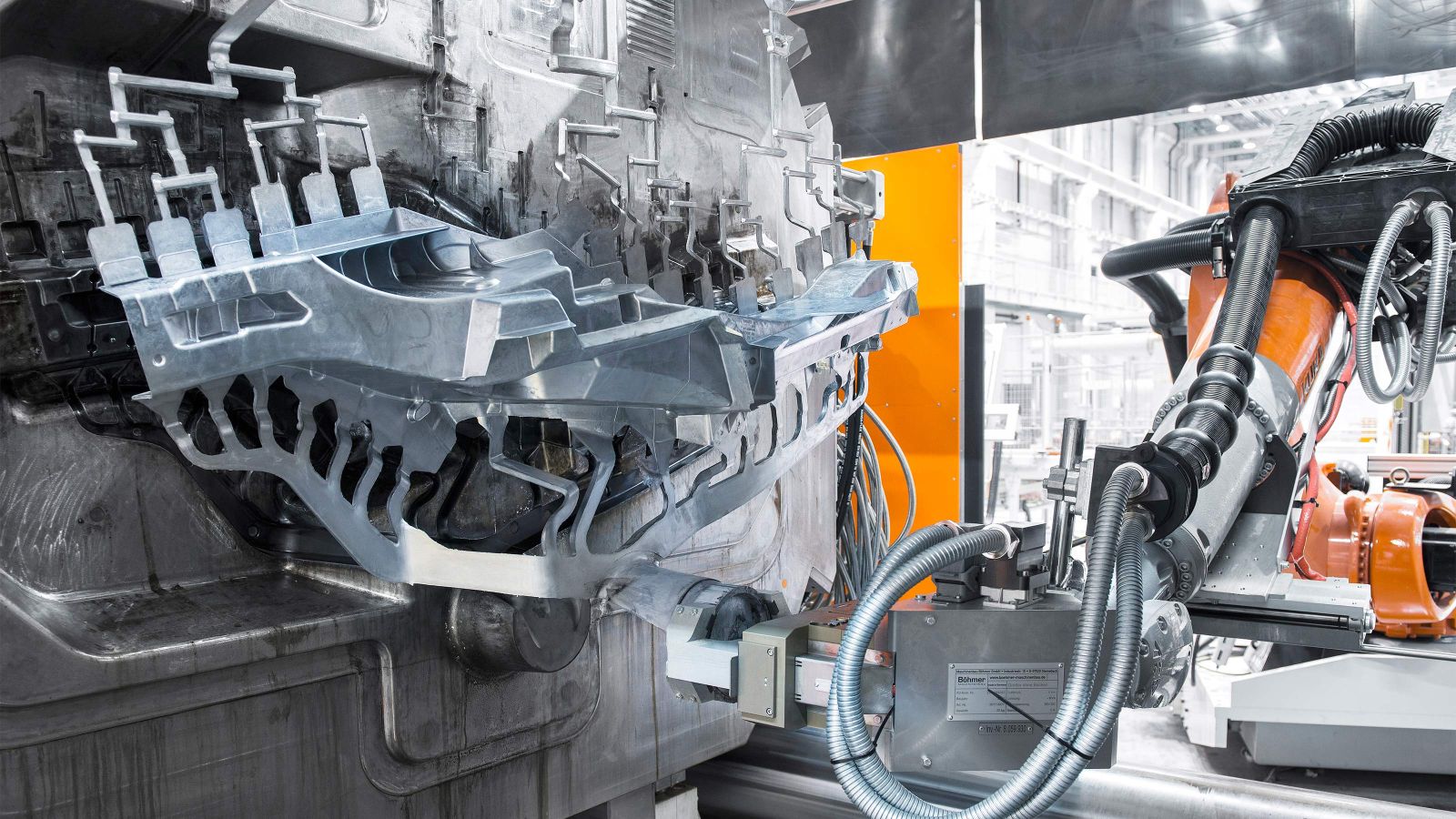
Automotive: Critical parts like engine components and safety systems rely on precision manufacturing.
-
Electronics: Miniaturized and intricate electronic components are made possible through precision techniques.
-
Energy: Renewable energy systems and power generation rely on precisely manufactured components.
Choosing the Right Precision Metal Manufacturing Partner
Selecting the ideal manufacturing partner is paramount:
-
Expertise: Look for a company with a proven track record and expertise in your industry.
-
Technological Capabilities: Ensure the partner's equipment aligns with your project requirements.
-
Quality Assurance: Prioritize companies with robust quality control processes for reliable results.
-
Customization: Opt for a partner that can tailor solutions to your unique needs.
Conclusion: The Future of Precision Metal Manufacturing
As technology advances, precision metal manufacturing will continue to shape the world:
-
Innovative Designs: Intricate and efficient designs will become the norm, thanks to advanced manufacturing techniques.
-
Sustainability: Reduced waste and energy-efficient processes will align with global sustainability goals.
-
Industry Evolution: Precision manufacturing will drive innovation across industries, from healthcare to space exploration.
At Yichou, we're dedicated to pushing the boundaries of precision metal manufacturing, contributing to a future built on excellence, sustainability, and innovation. Contact us to explore how our expertise can elevate your projects.
FAQs about Precision Metal Manufacturing
1. What are the Key Advantages of Precision Metal Manufacturing?
- Keywords: precision metal manufacturing, advantages
- Learn how precision manufacturing offers tight tolerances, intricate designs, reduced waste, and superior quality for your components.
2. What Materials Can I Use for Precision Metal Manufacturing?
- Keywords: materials, precision metal manufacturing
- Discover the range of materials, from stainless steel to alloys, that are ideal for precision manufacturing processes at Yichou.
3. How Does Quality Control Ensure Reliable Precision Metal Components?
- Keywords: quality control, precision metal components
- Understand how Yichou's rigorous quality control measures, including dimensional inspection and performance testing, guarantee reliable precision metal components.
4. What Innovations are Shaping the Future of Metal Manufacturing?
- Keywords: innovations, future of metal manufacturing
- Explore nanotechnology, Industry 4.0 integration, hybrid processes, and materials advancements that are driving the evolution of metal manufacturing.
5. How Do I Choose the Right Partner for Precision Metal Manufacturing?
- Keywords: choose the right partner, precision metal manufacturing
- Get insights into selecting the ideal manufacturing partner by considering expertise, technological capabilities, quality assurance, and customization options.
GET QUOTE
- Visit our website: https://www.nbyichou.com/
- Email us: [email protected]
- Call us/whatsapp: +86 13355741031
- Chat with us: Live chat support available on our website