Meta Title: The Ultimate Guide to Incoloy Alloys: 800, 800H, 825 Properties, Pricing & Sourcing
Meta Description: Discover the differences between Incoloy 800, 800H, and 825 grades. Comprehensive technical data, corrosion resistance comparisons, current market pricing ($1.18–$1.72/kg), and supplier selection strategies for procurement professionals.
Introduction: Why Incoloy Matters in High-Performance Applications
In the demanding worlds of chemical processing, oil and gas extraction, power generation, and marine engineering, material selection can mean the difference between reliable long-term operation and catastrophic failure. When equipment must withstand extreme temperatures, aggressive corrosive media, or both simultaneously, standard stainless steels often reach their limits. This is where Incoloy—a family of nickel-iron-chromium alloys—enters the picture.
Incoloy alloys have earned their reputation as engineering workhorses, bridging the gap between austenitic stainless steels and more expensive nickel-based superalloys. Originally developed by The International Nickel Company (INCO), these materials offer an optimal balance of performance and cost-effectiveness for applications ranging from furnace components to seawater handling equipment -6.
For procurement professionals and engineers, understanding the nuances between Incoloy grades is essential. The difference between selecting Incoloy 800 versus Incoloy 825 can impact not only initial material costs but also equipment lifespan, maintenance intervals, and ultimately, project success.
This comprehensive guide examines the most commercially significant Incoloy grades—800, 800H, and 825—providing detailed technical comparisons, application guidance, current market pricing data, and strategic sourcing recommendations. Whether you're specifying materials for a new petrochemical facility or sourcing replacement components for high-temperature processing equipment, this resource will help you make informed decisions.
What is Incoloy? Understanding the Alloy Family
Incoloy represents a specific family of nickel-iron-chromium alloys distinguished by their balanced composition. Unlike Inconel alloys, which are nickel-chromium based with nickel content typically exceeding 50%, Incoloy alloys incorporate higher iron content—usually 30% or more—which reduces raw material costs while maintaining excellent performance characteristics -6.
The Metallurgical Foundation
The fundamental metallurgy of Incoloy alloys centers on a nickel-iron-chromium matrix that provides:
-
Solid solution strengthening for mechanical integrity across temperature ranges
-
Protective oxide formation (primarily chromium oxide) for corrosion and oxidation resistance
-
Austenitic structure maintained from cryogenic temperatures through elevated service conditions
The nickel content, typically ranging from 30% to 46% depending on the specific grade, serves multiple critical functions: it stabilizes the austenitic structure, provides resistance to chloride-induced stress corrosion cracking, and contributes to high-temperature strength retention
Incoloy vs. Inconel vs. Monel: Key Distinctions
For procurement professionals managing material inventories, understanding the differences between these nickel alloy families is crucial:
| Alloy Family | Primary Composition | Typical Nickel % | Primary Strengths | Cost Position |
|---|---|---|---|---|
| Incoloy | Ni-Fe-Cr | 30–46% | High-temp strength, general corrosion resistance, cost-effectiveness | Mid-range |
| Inconel | Ni-Cr | >50% | Extreme high-temp oxidation, exceptional strength | Highest |
| Monel | Ni-Cu | 60–70% | Seawater resistance, reducing acid environments | Mid-high |
Incoloy alloys occupy the "sweet spot" for applications requiring good high-temperature performance and corrosion resistance without the premium cost associated with higher-nickel alternatives -1-6.
Incoloy 800: The High-Temperature Workhorse
Incoloy 800 (UNS N08800) stands as the foundational grade in the Incoloy family, developed for applications requiring reliable performance at elevated temperatures. With search volumes indicating strong market interest (approximately 1,100 monthly searches), this grade remains a staple in industrial procurement -1.
Chemical Composition and Properties
Incoloy 800 features a carefully balanced composition:
-
Nickel (Ni): 30–35% – Provides austenitic stability and resistance to chloride stress corrosion
-
Chromium (Cr): 19–23% – Forms protective oxide layer for oxidation resistance
-
Iron (Fe): ≥39.5% (balance) – Enhances cost-effectiveness while maintaining properties
-
Carbon (C): ≤0.10% – Controlled for strength and stability
-
Aluminum + Titanium: 0.15–0.60% each – Contribute to high-temperature strength -10
Physical Properties:
-
Density: 7.94 g/cm³ (0.287 lb/in³)
-
Melting Range: 1357–1385°C (2475–2525°F)
-
Magnetic Permeability: 1.009–1.014 at 200 Oersted -1
Performance Characteristics
Incoloy 800 excels in environments requiring:
-
Oxidation resistance up to 1500°F (816°C)
-
Carburization resistance in carbon-rich atmospheres
-
Sulfidation resistance in sulfur-bearing environments
-
Creep strength and rupture resistance at elevated temperatures -1
The alloy demonstrates good resistance to many aqueous media and, thanks to its nickel content, provides protection against stress corrosion cracking—a common failure mechanism in chloride-containing environments -1.
Primary Applications
Procurement professionals most commonly source Incoloy 800 for:
-
Heat exchangers and process piping in chemical plants
-
Furnace components, including retorts, muffles, and radiant tubes
-
Carburizing fixtures and heat treating equipment
-
Electric range heating-element sheathing
-
Petrochemical processing: Extruded tubing for ethylene and steam methane reforming furnaces
-
Ammonia effluent coolers in fertilizer production
-
Nuclear generators and steam generators
Applicable Standards
When specifying Incoloy 800, reference these key ASTM standards:
-
ASTM B163 – Condenser and heat exchanger tubes
-
ASTM B407 – Seamless pipe and tube
-
ASTM B408 – Rod and bar
-
ASTM B409 – Plate, sheet, and strip
-
ASTM A240/A480 – Plate, sheet, and strip for pressure vessels -1
Incoloy 800H and 800HT: Enhanced High-Temperature Performance
For applications demanding superior creep strength and prolonged service at the upper limits of temperature capability, Incoloy 800H and 800HT represent targeted improvements over the base 800 grade. These variants address specific market needs, with Incoloy 800H showing approximately 270 monthly searches -1.
Incoloy 800H (UNS N08810): Controlled Carbon for Creep Resistance
Incoloy 800H modifies the standard 800 composition through:
-
Controlled carbon range: 0.05–0.10% (versus ≤0.10% in 800)
-
Larger grain size: ASTM No. 5 or coarser
-
Optimized aluminum/titanium for enhanced properties
These modifications significantly improve creep-rupture strength above 800°C, making 800H the preferred choice for applications requiring long-term stress resistance at elevated temperatures
Incoloy 800HT (UNS N08811): Maximum High-Temperature Capability
Incoloy 800HT further refines the composition with:
-
Tightened aluminum/titanium control: 0.85–1.20% combined
-
Carbon control: 0.06–0.10%
-
Enhanced creep properties beyond even 800H
The alloy is often dual-certified as 800H/HT, providing both grades' properties in a single material—a procurement advantage for inventory management
Performance Comparison: 800 vs. 800H vs. 800HT
| Property | Incoloy 800 | Incoloy 800H | Incoloy 800HT |
|---|---|---|---|
| Max Service Temp (continuous) | 1100°C | 1200°C | 1300°C |
| Creep Strength at 1000°C | Baseline | +15% improvement | +25% improvement |
| Yield Strength | 350 MPa | 420 MPa | 500 MPa |
| Carbon Range | ≤0.10% | 0.05–0.10% | 0.06–0.10% |
| Grain Size | Variable | Coarse (ASTM ≥5) | Coarse (ASTM ≥5) |
| Primary Application | General purpose | Power generation, aerospace | Extreme thermal cycling -2 |
Applications Requiring Enhanced Grades
Procurement specifications should specify 800H or 800HT for:
-
Power plant boilers and superheater components
-
Aerospace engine parts subject to thermal stress
-
Ethylene pyrolysis tubing in petrochemical cracking
-
Industrial furnaces with cyclic thermal loading
-
Ammonia reformers where creep resistance is critical
Incoloy 825: Superior Corrosion Resistance for Aggressive Environments
Incoloy 825 (UNS N08825) represents a significant metallurgical advancement over the 800 series, specifically engineered for environments where aqueous corrosion poses the primary threat. With approximately 1,000 monthly searches, this grade commands strong market attention, particularly for chemical processing and oil/gas applications -1.
Chemical Composition: The Molybdenum and Copper Advantage
Incoloy 825 builds upon the 800 foundation with critical additions:
| Element | Incoloy 800 (%) | Incoloy 825 (%) | Functional Role |
|---|---|---|---|
| Nickel (Ni) | 30–35 | 38–46 | Enhanced corrosion resistance, austenitic stability |
| Chromium (Cr) | 19–23 | 19.5–23.5 | Oxidation resistance, passive film formation |
| Molybdenum (Mo) | None | 2.5–3.5 | Pitting/crevice corrosion resistance, acid resistance |
| Copper (Cu) | ≤0.75 | 1.5–3.0 | Sulfuric acid resistance |
| Titanium (Ti) | 0.15–0.60 | 0.6–1.2 | Stabilization against sensitization |
| Carbon (C) | ≤0.10 | ≤0.05 | Improved weldability, reduced carbide precipitation |
| Iron (Fe) | Balance (≥39.5) | Balance (≥22) | Structural matrix |
Physical Properties:
-
Density: 8.14 g/cm³ (0.294 lb/in³)—slightly higher than 800
-
Melting Range: 1370–1400°C (2500–2550°F)
-
Magnetic Permeability: 1.005 at 200 Oersted
Superior Corrosion Resistance Mechanisms
The enhanced composition of Incoloy 825 delivers exceptional performance across multiple corrosion challenges:
1. Resistance to Reducing Acids
The combination of nickel, molybdenum, and copper provides outstanding resistance to sulfuric acid, phosphoric acid, and other reducing environments. This makes 825 particularly valuable in chemical processing applications where acid exposure is routine -5-10.
2. Chloride Environment Performance
With nickel content approaching 46%, Incoloy 825 offers 30% higher pitting resistance than 316L stainless steel in chloride-rich environments. The molybdenum addition specifically targets resistance to localized corrosion mechanisms:
3. Mixed Acid Resistance
In applications involving both oxidizing and reducing acids—common in pickling operations and chemical processing—Incoloy 825's balanced composition maintains protective film stability where simpler alloys fail -6.
4. Sulfuric and Phosphoric Acid Excellence
The copper addition provides specific benefits in sulfuric acid service, while the overall composition ensures reliability in phosphoric acid production environments -7-10.
Mechanical Properties Comparison
Incoloy 825 offers enhanced mechanical strength alongside its corrosion advantages:
| Property | Incoloy 800 | Incoloy 825 | Improvement |
|---|---|---|---|
| Tensile Strength | ≥450 MPa | ≥550 MPa | +22% |
| Yield Strength | ≥170 MPa | ≥220 MPa | +29% |
| Elongation | ≥30% | ≥30% | Comparable |
| Hardness (HB) | ≤200 | ≤200 | Comparable |
Primary Applications
Procurement professionals specify Incoloy 825 for demanding environments including:
Chemical Processing:
-
Components handling sulfuric, phosphoric, and nitric acids
-
Pickling tank equipment and acid production facilities
-
Chemical storage tanks and piping systems
-
Heat exchangers in corrosive service
Oil and Gas:
-
Sour gas well components (resistance to H₂S)
-
Offshore platform equipment
-
Downhole tubing in corrosive environments
-
Pipeline fittings for aggressive production fluids
Pollution Control:
-
Flue gas desulfurization systems
-
Scrubber components
-
Waste treatment equipment
Marine Engineering:
-
Seawater handling systems
-
Desalination plant components
-
Marine exhaust systems
Nuclear Applications:
-
Fuel reprocessing equipment
-
Radioactive waste handling
Applicable Standards
Incoloy 825 is manufactured to multiple ASTM specifications:
-
ASTM B163 – Condenser and heat exchanger tubes
-
ASTM B423 – Seamless pipe and tube
-
ASTM B424 – Plate, sheet, and strip
-
ASTM B425 – Rod and bar
-
ASTM B366 – Welded fittings
-
ASTM B564 – Forgings
Incoloy 800 vs. 825: Head-to-Head Comparison for Procurement Decisions
For procurement professionals facing material selection decisions, understanding the quantifiable differences between Incoloy 800 and 825 is essential. This comparison draws on technical data and market research to support informed sourcing
Side-by-Side Technical Comparison
| Parameter | Incoloy 800 | Incoloy 825 | Winner |
|---|---|---|---|
| Nickel Content | 30–35% | 38–46% | 825 (superior corrosion resistance) |
| Molybdenum | None | 2.5–3.5% | 825 (pitting resistance) |
| Copper | ≤0.75% | 1.5–3.0% | 825 (acid resistance) |
| Tensile Strength | ≥450 MPa | ≥550 MPa | 825 (22% stronger) |
| Yield Strength | ≥170 MPa | ≥220 MPa | 825 (29% stronger) |
| Density | 7.94 g/cm³ | 8.14 g/cm³ | 800 (slightly lighter) |
| Maximum Temp | 1100°C (continuous) | 870°C* | 800 (higher temp capability) |
| Corrosion Resistance | Good | Superior | 825 |
| Acid Resistance | Moderate | Excellent (especially H₂SO₄, H₃PO₄) | 825 |
| Chloride Resistance | Good | Excellent | 825 |
| Price Point | Lower | Higher (15–25% premium) | 800 (cost-effective) |
*Note: While 825 has a lower maximum service temperature than 800 for continuous service, it still performs well up to 870°C and excels in lower-temperature corrosive environments
Decision Matrix: When to Specify Each Grade
Choose Incoloy 800 when:
-
Primary concern is high-temperature strength (above 800°C)
-
Environment involves oxidation, carburization, or sulfidation at elevated temperatures
-
Corrosive media are moderate and aqueous corrosion is not the primary threat
-
Budget constraints favor the lower-cost option ($1.18/kg baseline)
-
Applications include furnace components, heat treating, and petrochemical reforming
Choose Incoloy 825 when:
-
Aqueous corrosion is the primary concern (acids, chlorides)
-
Environment involves sulfuric or phosphoric acid exposure
-
Service conditions include chloride-rich media (seawater, brine)
-
Pitting and crevice corrosion risks are present
-
Applications involve chemical processing, oil/gas production, or pollution control
-
The 15–25% cost premium is justified by extended equipment life and reliability
Real-World Application Examples
Chemical Plant Heat Exchanger: A shell-and-tube heat exchanger handling process fluids with chloride content up to 500 ppm at 150°C would favor Incoloy 825 for its superior pitting resistance and ability to maintain passive film stability
Ethylene Cracking Furnace: Radiant tubes operating at 1000°C in a carburizing atmosphere require Incoloy 800H for its creep strength and resistance to carbon absorption
Offshore Platform Piping: Seawater injection systems handling aerated saline water with intermittent acid cleaning demand Incoloy 825 for its combination of chloride resistance and acid tolerance
Nuclear Steam Generator: Components exposed to high-purity water at elevated temperatures but requiring long-term reliability may specify Incoloy 800 for its proven track record and cost-effectiveness
Welding and Fabrication Considerations
Both Incoloy 800 and 825 exhibit good weldability, but proper procedures are essential for maintaining corrosion resistance and mechanical properties.
Welding Incoloy 800
Incoloy 800 can be welded using common processes including GTAW (TIG), GMAW (MIG), and SMAW (stick). Key considerations:
-
Filler metal selection: Typically INCONEL Filler Metal 82 or 182
-
Preheating: Generally not required
-
Post-weld heat treatment: Not usually necessary, but stress relief may be beneficial for complex geometries
-
Cleanliness: Critical—surfaces must be free of contaminants including grease, paint, and marking compounds -1
Welding Incoloy 825
Incoloy 825 requires attention to preserve its enhanced corrosion resistance:
-
Filler metal recommendations:
-
INCONEL 112 (electrode)
-
INCO WELD 686CPT (electrode)
-
INCONEL 625 (filler metal)
-
INCO WELD 686CPT (filler metal)
-
-
Low heat input preferred to minimize carbide precipitation
-
Interpass temperature control below 150°C
-
Post-weld cleaning to remove oxide discoloration
-
Solution annealing may be specified for maximum corrosion resistance in severe service
Fabrication Tips
Both alloys can be hot and cold worked using conventional equipment:
-
Hot working: 927–1204°C (1700–2200°F), with annealing following
-
Cold working: Moderate, with intermediate annealing for severe deformation
-
Machining: Similar to austenitic stainless steels but with attention to work hardening
Market Insights and Current Pricing Trends
Based on market data and supplier intelligence, here's what procurement professionals need to know about current Incoloy pricing and availability
Price Benchmarks (Current Market)
| Grade | Price Range (USD/kg) | Market Trend | Volume Indicators |
|---|---|---|---|
| Incoloy 800 | $1.18–26.80 | Stable | ~1,100 monthly searches |
| Incoloy 800H | $1.72–29 | +15% premium over 800 | ~270 searches |
| Incoloy 825 | $1.46–47.90 | Firming | ~1,000 searches |
| UNS N08825 | $1.17–20 | Technical buyer segment | ~390 searches |
Note: Wide price ranges reflect differences in product form (plate, bar, pipe), quantity, certification requirements, and supplier positioning. The lower end typically represents large-volume orders of basic forms, while upper ranges include small quantities with full certification
Supplier Landscape
China has emerged as a dominant supplier of Incoloy products, with key manufacturing clusters in:
-
Shandong province – Integrated facilities with full-cycle production
-
Jiangsu province – Wuxi and surrounding areas, strong technical capabilities
-
Zhengzhou region – Plate and sheet specialists
-
Shanghai area – Export-focused manufacturers with multi-product capabilities
Supplier Comparison: Incoloy 825
| Supplier | Price Range (USD/kg) | MOQ | Response Time | Reorder Rate |
|---|---|---|---|---|
| Jiangsu Tisco Industrial | $18–40 | 100 kg | ≤4h | 50% |
| Hunan Allianz Metal | $8–12.30 | 1 kg | ≤15h | 75% |
| Shanghai Beall Metal | $24–47.90 | 1–1000 kg | ≤3h | 16% |
| Shandong Xinzhou Metal | $22–35 | 500 kg | ≤1h | <15% |
| Jinminghui Metal Materials | $26–45 | 200–500 kg | ≤5h | 25% -5 |
Supplier Comparison: Incoloy 800 Plate
| Supplier | Price Range (USD) | MOQ | Response Time | Notes |
|---|---|---|---|---|
| Zhengzhou Huitong | $18–23 | 10 pieces | — | Perfect on-time delivery |
| Shandong Changheng Xinde | $18–19 | 1 kg | ≤2h | 10-ton bulk pricing: $1200–2200/ton |
| Wuxi Xinshanhu Steel | $26–26.80 | 1 kg | ≤2h | $270K+ online revenue |
| Shanxi Xincongbang | $22.40–28 | 200 km* | — | Tonnage pricing: $999–1300 |
| Daxun Metal Group | $1250–2500/carton | 1 carton | — | Customization available |
Note: Verify units directly with supplier—"km" likely refers to length-based pricing for cut-to-size plates.
Price Drivers and Market Factors
Several factors influence Incoloy pricing that procurement professionals should monitor:
1. Raw Material Costs:
-
Nickel and molybdenum commodity markets are primary drivers
-
Both metals have experienced volatility, affecting alloy surcharges
-
Energy costs in smelting and processing add to base pricing
2. Order Specifications:
-
Small-batch orders carry 10–20% premiums due to fixed setup costs
-
Custom dimensions, surface finishes, and packaging increase pricing
-
Full certification packages (EN 10204 3.1/3.2) add documentation costs
3. Global Supply Dynamics:
-
Chinese manufacturers offer 15–25% pricing advantages over Western suppliers
-
Integrated production facilities reduce logistics friction
-
Proximity to raw materials and export ports enables competitive pricing -5
Lead Times
| Order Type | Typical Lead Time |
|---|---|
| Standard stock items | 15–25 days |
| Custom cuts/sizes | 20–35 days |
| Special heat treatment | 30–45 days |
| Sample orders | 7–14 days -5-9 |
Strategic Sourcing: A Procurement Framework
For procurement professionals seeking to optimize Incoloy purchases, a structured approach minimizes risk while maximizing value -5-9.
Step 1: Define Technical Requirements
Before engaging suppliers, document:
-
Alloy grade (800, 800H, 825, or specific UNS number)
-
Product form (plate, sheet, bar, pipe, fittings)
-
Dimensions and tolerances (include drawings for custom items)
-
Quantity (weight, pieces, or length)
-
Surface finish (bright, pickled, ground, polished)
-
Certification requirements (MTC per EN 10204 3.1 or 3.2, third-party inspection)
-
Testing specifications (PMI, UT, NDT requirements)
-
Packaging and labeling (export packaging, branding, marking)
Step 2: Evaluate Supplier Capability
Screen potential suppliers using these criteria:
Technical Compliance:
-
ISO 9001 certification (baseline quality management)
-
ASTM/ASME compliance documentation
-
Mill test certificates with traceable heat numbers
-
Third-party inspection acceptance
Operational Reliability:
-
On-time delivery history (target ≥87%)
-
Response time (target ≤4 hours)
-
Reorder rate (target >30% indicates customer satisfaction)
-
Production capacity (documented monthly output)
-
In-house capabilities (testing, finishing, cutting)
Risk Mitigation:
-
Secure payment methods (Trade Assurance, escrow)
-
Sample availability before bulk orders
-
Factory audit capability (virtual or in-person)
-
Clear Incoterms definition (FOB, CIF, DDP)
Step 3: Optimize the Procurement Process
-
Request samples for material verification before scaling
-
Verify certifications with issuing bodies for critical applications
-
Conduct testing (intergranular corrosion per ASTM G28A for refinery use)
-
Confirm packaging standards for export shipments
-
Establish communication protocols with fast-response suppliers
Step 4: Build Long-Term Relationships
Suppliers with reorder rates above 50% (like Jiangsu Tisco) demonstrate consistent performance. Consider:
-
Volume agreements for price stability
-
Strategic partnerships with engineering support capability
-
Multi-year contracts for critical projects
-
Supplier development for customized requirements -5
Frequently Asked Questions
What is the difference between Incoloy and Inconel?
Incoloy is a nickel-iron-chromium alloy with nickel content typically between 30–46%. Inconel is a nickel-chromium alloy with nickel content usually exceeding 50%. Incoloy offers good high-temperature strength and corrosion resistance at a lower cost point, while Inconel provides superior performance in extreme high-temperature oxidation environments. Incoloy is often the preferred choice when cost-effectiveness balanced with good performance is required -1-6.
Is Incoloy 825 magnetic?
No, Incoloy 825 is generally non-magnetic due to its fully austenitic structure. Its magnetic permeability is approximately 1.005 at 200 Oersted, indicating virtually non-magnetic behavior -1-8.
Can Incoloy 800 be welded?
Yes, Incoloy 800 exhibits good weldability using common processes including GTAW (TIG), GMAW (MIG), and SMAW (stick). Typical filler metals include INCONEL Filler Metal 82 or 182. Preheating is generally not required, and post-weld heat treatment is usually unnecessary except for specific applications or complex geometries -1.
What does UNS N08825 stand for?
UNS N08825 is the Unified Numbering System designation for Incoloy 825. UNS is a standardized alloy designation system maintained by ASTM and SAE that provides a consistent identifier across industries and countries. The "N" prefix indicates a nickel-based alloy -1.
How does Incoloy 825 compare to 316 stainless steel?
Incoloy 825 offers 30% higher pitting resistance in chloride environments compared to 316L stainless steel. It provides superior resistance to sulfuric and phosphoric acids, better resistance to stress corrosion cracking, and higher strength (550 MPa tensile vs. approximately 485 MPa for 316). However, 825 commands a significant price premium over 316 stainless steel, making it appropriate only when the enhanced corrosion resistance justifies the additional cost -2-5.
What is the maximum service temperature for Incoloy 800?
Incoloy 800 provides reliable service up to 1500°F (816°C) for continuous operation, with good oxidation resistance and mechanical stability. For short-term exposure, higher temperatures may be acceptable depending on the specific application and stress levels -1-2.
Can Incoloy 825 be used in seawater applications?
Yes, Incoloy 825 is excellent for seawater service. Its high nickel content (38–46%) and molybdenum addition (2.5–3.5%) provide exceptional resistance to chloride-induced pitting, crevice corrosion, and stress corrosion cracking. It is commonly specified for marine exhaust systems, seawater handling equipment, and offshore platform components -6-7-10.
How can I verify an Incoloy supplier's credibility?
Verify supplier credibility through multiple methods:
-
Request mill test certificates with traceable heat numbers
-
Check ISO 9001 certification status
-
Review transaction history on sourcing platforms
-
Ask for recent customer references
-
Conduct virtual factory audits via video
-
Request samples before bulk commitment
-
Verify on-time delivery rates and reorder percentages (>30% indicates satisfaction) -5-9
What are typical lead times for Incoloy products?
Standard orders typically ship in 15–25 days after deposit confirmation. Custom cuts, special finishes, or heat-treated materials may require 30–45 days. Sample orders are often available in 7–14 days. Lead times vary by supplier, current factory loading, and order complexity -5-9.
Is Incoloy 800 suitable for nuclear applications?
Yes, Incoloy 800 has been used in nuclear applications including steam generators and other components. Its combination of good high-temperature properties, resistance to stress corrosion cracking, and stability under irradiation makes it suitable for certain nuclear service conditions. However, specific nuclear-grade requirements may impose additional quality assurance and documentation requirements beyond commercial specifications -1-3-6.
Conclusion: Making the Right Incoloy Selection
The choice between Incoloy grades ultimately depends on your specific operating conditions and performance requirements. This guide has provided the technical foundation for informed decision-making:
Incoloy 800 delivers cost-effective performance in high-temperature environments where oxidation, carburization, and sulfidation resistance are paramount. For applications up to 1100°C with moderate corrosion concerns, it represents excellent value -1-10.
Incoloy 800H and 800HT extend high-temperature capability further, with controlled carbon and grain size providing superior creep resistance for demanding thermal service above 800°C -2-7.
Incoloy 825 offers unmatched versatility in corrosive environments, with its molybdenum and copper additions providing exceptional resistance to reducing acids, chlorides, and localized corrosion mechanisms. For chemical processing, oil and gas production, and marine applications, the 15–25% cost premium over 800 delivers extended equipment life and reliability -1-5-10.
By aligning material selection with service requirements, verifying supplier credentials, and following strategic procurement practices, you can optimize both performance and total cost of ownership for your Incoloy components.
Call to Action
Need expert assistance with your Incoloy requirements? Our team of metallurgists and procurement specialists is ready to help you select the optimal grade for your specific application, verify supplier credentials, and secure competitive pricing.
Contact us today for:
-
Technical consultation on grade selection
-
Supplier qualification assistance
-
Current market pricing and availability
-
Sample requests and specification reviews
-
Custom fabrication support
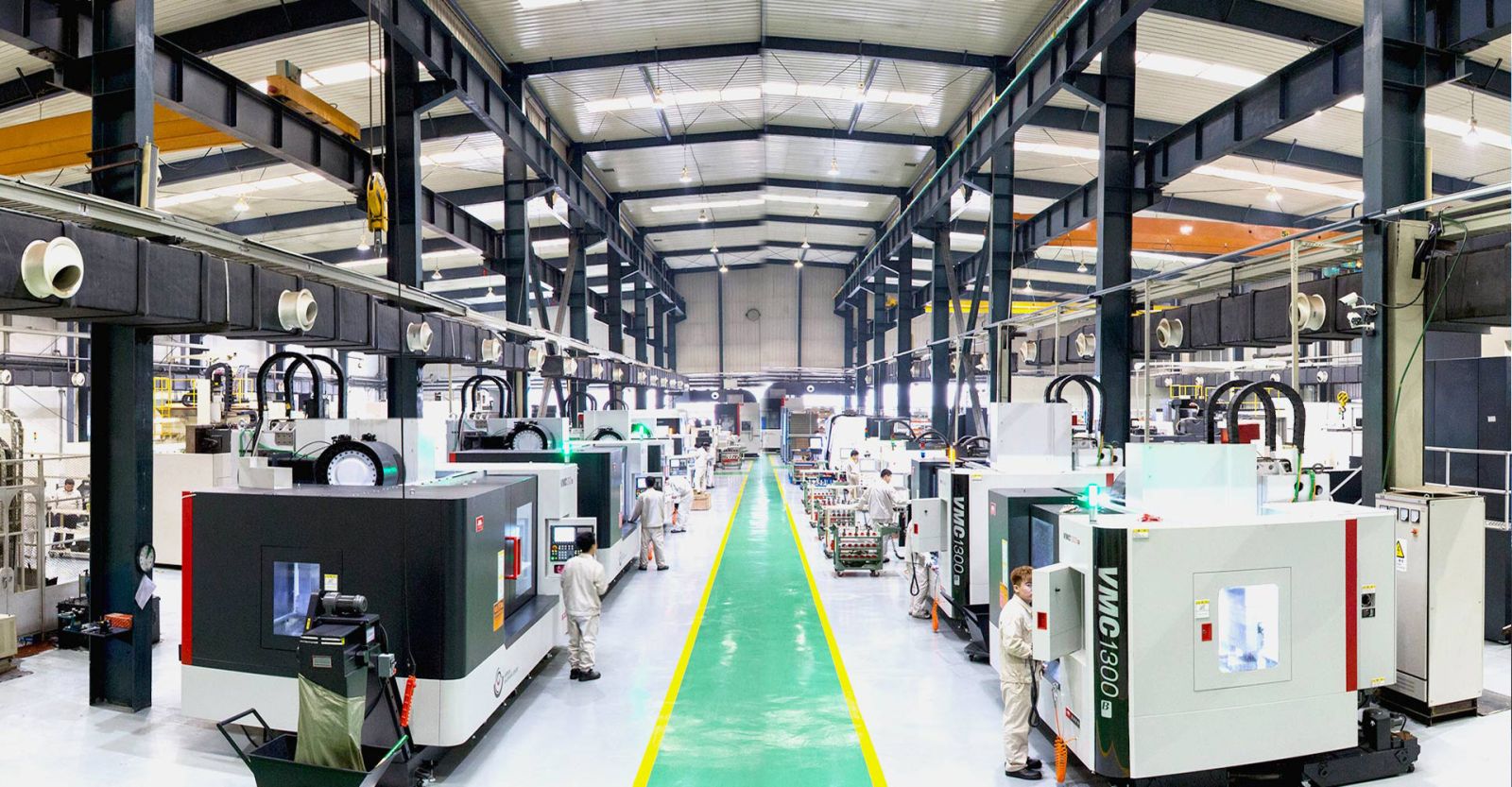
Contact us today for a competitive quote and technical support!
Let Yichou help you achieve excellence in your next project. Whether you need raw materials, custom alloy solutions, or precision-manufactured components, our team is ready to assist.
- Email us: [email protected]
- Call us/whatsapp: +86 13355741031
- Chat with us: Live chat support available on our website