Introduction: Unraveling the Mysteries of a Critical Metal
In the vast periodic table of elements, a select few metals hold the key to modern technological advancement. Among them, niobium stands out as a quiet enabler of everything from life-saving medical equipment to dazzling jewelry and cutting-edge particle physics. Often overshadowed by its more famous cousins like titanium and tungsten, niobium possesses a unique combination of properties that make it indispensable across multiple industries.
Niobium (chemical symbol Nb, atomic number 41) is a lustrous, gray transition metal that was first identified in 1801 by English chemist Charles Hatchett. Interestingly, it was originally named "columbium" after Columbia, the poetic name for America, where its ore was first discovered. For over a century, the names columbium and niobium were used interchangeably until the International Union of Pure and Applied Chemistry standardized "niobium" in 1950, though some industries, particularly in the United States, still occasionally reference its historical name.
Five Fascinating Facts About Niobium:
-
Superconducting Champion: Niobium becomes a superconductor at cryogenic temperatures (about 9.2 Kelvin or -263.95°C), allowing electricity to flow with zero resistance, a property crucial for MRI machines and particle accelerators.
-
Geological Rarity: While not as scarce as some precious metals, high-purity niobium deposits are concentrated in just a few locations worldwide, with Brazil accounting for approximately 90% of global production.
-
Space-Age Material: The Apollo service module used a niobium alloy for its nozzle extension due to the metal's ability to maintain strength at extremely high temperatures.
-
Colorful Personality: Through an electrochemical process called anodization, niobium can be permanently colored with vibrant, iridescent hues without paints or dyes, making it popular in artistic jewelry.
-
Steel's Secret Strengthener: Just 0.1% niobium added to steel can double its yield strength, allowing for lighter, stronger structures in everything from cars to skyscrapers.
Understanding niobium's remarkable properties and diverse applications is essential for procurement professionals, engineers, designers, and anyone involved in industries where material performance can mean the difference between success and failure. This comprehensive guide will explore every facet of niobium and its important alloy, niobium titanium (NbTi), providing the insights needed to make informed procurement and application decisions.
Market Dynamics: Understanding Pricing, Availability, and Global Trends
The niobium market presents a fascinating study in specialized industrial materials. Unlike commodities traded on major exchanges, niobium operates in a more constrained market with distinct supply chain characteristics that every buyer should understand.
Current Pricing Landscape
Recent market data reveals intriguing trends in niobium pricing:
-
Pure Niobium Metal: Showing a +16% increase with significant search interest (49k queries), currently trading around $5.21 per unit. This upward trend reflects growing demand in high-tech applications.
-
Niobium Titanium Alloy: Experiencing a -24% price adjustment with 870 search queries, priced at approximately $5.47. This decline may reflect improved production efficiencies or temporary market adjustments.
-
Niobium Oxide (Nb₂O₅): Down -23% at about $4.82, with 1k search interest, indicating potential oversupply in precursor materials.
These price movements must be contextualized within the broader metals market. A common question arises: Is niobium more expensive than gold? The answer is nuanced. While high-purity niobium for specialized applications can command prices exceeding $100 per kilogram, this remains substantially below gold's price of approximately $70,000 per kilogram. However, certain niobium compounds and specially processed forms can approach precious metal pricing in specific applications. The comparison becomes more interesting when considering that some sources claim niobium is "30 times rarer than gold" – a statement that requires clarification. While niobium is geologically less abundant in Earth's crust than gold, its industrial production volume is significantly higher due to concentrated mining operations, making it more accessible for industrial use despite its geological scarcity.
Global Supply Chain and Geography of Production
Where is niobium most commonly found? The answer defines the metal's global market structure. Brazil dominates production, with the Araxá and Catalão mines accounting for approximately 75-80% of global supply. Canada represents the second-largest producer, primarily from the Niobec mine in Quebec. Smaller operations exist in Nigeria, Rwanda, and several other countries, but their output is minimal compared to the Brazilian giants.
Is there niobium in the US? Yes, but not in commercially viable mining quantities. The United States possesses identified niobium resources, primarily in Nebraska, Colorado, and Alaska, but these remain undeveloped due to economic factors and the dominance of existing producers. The US is instead a major consumer and processor of niobium, importing raw materials for transformation into alloys, compounds, and finished products.
Market Accessibility and Consumer Profile
Can you buy niobium? Absolutely, but the purchasing process differs dramatically based on volume and application:
-
Industrial Buyers: Typically purchase through direct contracts with producers or authorized distributors, with minimum orders ranging from kilograms to tonnes depending on form and purity.
-
Research Institutions: Often source through specialized scientific suppliers, with availability in smaller quantities and various forms (foil, wire, powder, rod).
-
Jewelers and Artists: Access niobium through metal suppliers catering to the creative industries, usually in sheet, wire, or pre-formed shapes suitable for fabrication.
Who buys niobium? The customer base is diverse but concentrated in several key sectors:
-
Steel Industry: The largest consumer, using ferroniobium to produce high-strength low-alloy (HSLA) steels for automotive and construction.
-
Aerospace Companies: Utilizing niobium alloys for jet engine components and thermal protection systems.
-
Medical Device Manufacturers: Employing niobium in implants and MRI components due to its biocompatibility and non-magnetic properties.
-
Research Laboratories: Using pure niobium for superconducting applications in physics research.
-
Jewelry Designers: Leveraging niobium's coloring capabilities and hypoallergenic properties for innovative designs.
Applications: Where Niobium Excels Across Industries
Industrial and High-Tech Applications
Superconductivity: The Crown Jewel Application
Niobium's most celebrated property is its superconducting behavior when cooled below its critical temperature of 9.2K. This characteristic is harnessed in several transformative technologies:
-
Medical Imaging: Every MRI machine contains several kilometers of niobium-titanium (NbTi) superconducting wire in its magnet coils. This alloy maintains superconductivity at the liquid helium temperatures required for MRI operation, enabling the powerful, stable magnetic fields essential for high-resolution imaging.
-
Particle Physics: The Large Hadron Collider at CERN uses approximately 1,200 tonnes of NbTi superconducting strands in its accelerator magnets. These magnets guide and focus particle beams at energies approaching the speed of light, with niobium's superconducting properties preventing energy loss during this process.
-
Energy and Power: Experimental fusion reactors like ITER employ niobium-tin (Nb₃Sn) superconductors for their toroidal field coils. Future power grid applications may include superconducting fault current limiters and energy storage systems based on niobium technology.
Aerospace and Aviation: Withstanding Extreme Conditions
Niobium alloys excel in high-temperature aerospace applications where strength and oxidation resistance are paramount:
-
Rocket and Jet Engine Components: Niobium alloys containing hafnium, titanium, or tungsten maintain structural integrity at temperatures exceeding 1200°C, making them ideal for nozzle extensions, turbine blades, and heat shields.
-
Spacecraft Systems: The Apollo Lunar Module used niobium alloy for its nozzle extension skirt. Modern satellites incorporate niobium in thruster components and thermal management systems.
Nuclear Technology: Managing the Atomic Realm
In nuclear applications, niobium's low neutron capture cross-section and corrosion resistance prove invaluable:
-
Nuclear Reactor Components: Niobium-stabilized stainless steels resist radiation-induced swelling and maintain integrity in reactor cores. Pure niobium cladding protects fuel rods in some advanced reactor designs.
-
Particle Accelerator Targets: Niobium's radiation tolerance makes it suitable for targets in accelerator-driven systems for nuclear waste transmutation.
Chemical Processing: Corrosion Resistance in Action
Niobium's exceptional resistance to corrosive environments finds application in:
-
Heat Exchangers and Condensers: Handling aggressive chemicals like hydrochloric and sulfuric acids where other metals would rapidly degrade.
-
Electroplating Anodes: Providing dimensionally stable electrodes for chrome plating and other electrochemical processes.
Alloy Enhancement: The Steel Industry's Secret Weapon
Perhaps niobium's most widespread application is as a microalloying element in steel production:
-
High-Strength Low-Alloy (HSLA) Steels: Adding just 0.05-0.10% niobium to steel creates fine niobium carbonitride precipitates that inhibit grain growth during hot rolling, resulting in steels with twice the yield strength of conventional grades. This enables lighter, stronger structures in automotive frames, pipelines, and architectural elements.
-
Stainless Steels: Is niobium in stainless steel? Yes, in stabilized grades like 347 and 321, niobium (or titanium) prevents chromium carbide formation at grain boundaries, eliminating susceptibility to intergranular corrosion, particularly important in welded components.
Jewelry and Wearable Applications
The jewelry industry has embraced niobium for properties that address common wearer concerns while offering unique creative possibilities:
Why Niobium Excels in Jewelry Applications:
-
Hypoallergenic Properties: Niobium is exceptionally biocompatible, containing no nickel or cobalt—common allergens in jewelry. This makes it ideal for people with metal sensitivities, those with fresh piercings, or anyone seeking "safe" jewelry options.
-
Anodization Potential: Through controlled anodization (electrochemical oxidation), niobium develops a transparent oxide layer whose thickness determines perceived color through light interference. This allows for permanent, vibrant colors without dyes, paints, or platings. The color spectrum ranges from yellows and golds through blues, purples, and greens as oxide thickness increases.
-
Lightweight Comfort: With a density of 8.57 g/cm³, niobium is lighter than silver (10.49 g/cm³) and significantly lighter than gold (19.32 g/cm³), making large statement pieces comfortable for extended wear.
-
Durability: Niobium is strong yet malleable, allowing it to withstand daily wear while resisting denting and deformation better than pure gold or silver.
Comparison with Other Jewelry Metals:
-
Versus Titanium: Both are hypoallergenic, but niobium offers superior coloring options through anodization and is more malleable, allowing for traditional jewelry fabrication techniques.
-
Versus Platinum: Niobium provides similar weight and color at a fraction of the cost, though platinum offers greater prestige value.
-
Versus Gold: Niobium cannot replicate gold's intrinsic value perception but outperforms it in color versatility, weight, and cost for artistic pieces.
-
Versus Surgical Steel: While both are hypoallergenic, niobium contains absolutely no nickel (even surgical steel contains trace amounts) and offers unique coloring possibilities.
Procurement Guide: Essential Questions for Buyers
Navigating niobium procurement requires asking the right questions to ensure quality, cost-effectiveness, and supply chain reliability. Whether you're purchasing kilograms for research or tonnes for industrial production, these considerations will guide your decision-making.
Supplier Evaluation and Quality Assurance
Manufacturer Credentials and Capabilities:
-
What is the manufacturer's experience with niobium processing? (Look for specialists rather than general metal suppliers)
-
Does the supplier control the production chain from ore to finished product, or are they a reseller?
-
What certifications do they hold? (ISO 9001, industry-specific certifications, material test reports)
-
Can they provide detailed material certificates with traceability to melt batches?
Technical Specifications and Testing:
-
What purity levels are available? (Commercial purity 99.8%, reactor grade 99.95%, ultra-high purity 99.99%+)
-
Are standardized chemical compositions offered? (ASTM B391 for niobium ingot, ASTM B393 for sheet/strip)
-
What impurity levels are guaranteed? Particularly important for superconducting applications where specific elements degrade performance
-
Is destructive and non-destructive testing available? (Ultrasonic, eddy current, tensile testing, chemical analysis)
Cost Considerations and Market Strategy
Pricing Structures and Market Timing:
-
How does the current price compare to historical averages? (Use resources like the USGS Mineral Commodity Summaries)
-
Are long-term contracts available to hedge against price volatility?
-
What quantity breaks apply to pricing? (Typically at 10kg, 100kg, 1000kg thresholds)
-
Does the supplier offer consignment inventory or just-in-time delivery programs?
Total Cost of Ownership Analysis:
-
Consider fabrication costs: niobium's work hardening characteristics may increase machining costs compared to other metals
-
Evaluate lifecycle costs: niobium's corrosion resistance can reduce maintenance and replacement expenses in chemical applications
-
Factor in opportunity costs: niobium's performance advantages might justify premium pricing through improved product performance or longevity
Logistics, Compliance, and Risk Management
Supply Chain Resilience:
-
What is the typical lead time from order to delivery? (Can range from weeks for standard items to months for specialized forms)
-
Does the supplier maintain safety stock or is production strictly to order?
-
Are multiple production facilities available to mitigate geographic or political risks?
-
What contingency plans exist for supply disruption?
Regulatory and Safety Compliance:
-
Is niobium hazardous? In solid form, niobium poses minimal hazard. However, niobium powder can be flammable, and certain compounds (like chlorides) require careful handling. Always consult Safety Data Sheets for specific forms.
-
What transportation classifications apply? (Typically non-hazardous for solid forms)
-
Are there export control restrictions? (Some high-purity niobium forms may be controlled for nuclear non-proliferation)
-
What environmental regulations apply to niobium use and disposal in your jurisdiction?

FAQ Deep Dive: Answering Critical Customer Questions
General Properties and Chemical Behavior
What destroys niobium?
Niobium boasts exceptional chemical resistance but does have vulnerabilities:
-
Hydrofluoric Acid: The primary chemical that aggressively attacks niobium at all concentrations and temperatures.
-
Hot Alkalis: Concentrated alkaline solutions at elevated temperatures will slowly corrode niobium.
-
Oxidizing Agents: While niobium resists most acids, strong oxidizing agents like aqua regia or nitric/hydrofluoric acid mixtures will cause corrosion.
-
High-Temperature Oxidation: Above 400°C, niobium forms a non-protective oxide scale that can lead to continued oxidation and eventual failure in oxygen-rich atmospheres unless protective coatings are applied.
Does niobium react with air?
At room temperature, niobium forms a thin, protective oxide layer (approximately 5-7 nanometers thick) that prevents further oxidation. This passive layer forms almost instantly upon exposure to air and is responsible for the metal's excellent corrosion resistance. At elevated temperatures (above 200°C), this oxidation accelerates, and above 400°C, the oxide scale becomes non-protective.
Is niobium waterproof?
Absolutely. Niobium's corrosion resistance extends to all aqueous environments, including freshwater, seawater, and most industrial water systems. This property, combined with its non-toxic nature, makes it suitable for marine applications and water treatment components.
Where is niobium found in nature?
Niobium never occurs as a native metal in nature. Its primary ore is pyrochlore [(Na,Ca)₂Nb₂O₆(OH,F)], with lesser amounts found in columbite [(Fe,Mn)(Nb,Ta)₂O₆]. These minerals are typically found in carbonatite deposits (igneous rocks rich in carbonate minerals) and alkali granite complexes. Brazil's Araxá deposit represents the world's largest pyrochlore reserve.
What foods are high in niobium?
Unlike nutritionally essential trace metals, niobium has no known biological role and is not intentionally present in foods. Trace amounts may occur in some foods grown in soils derived from niobium-rich rocks, but these concentrations are negligible (typically less than 1 part per billion) and not nutritionally significant.
Jewelry-Specific Questions
Can you shower with niobium jewelry?
Yes, niobium jewelry can be worn in the shower without concern. The metal is completely resistant to water, soaps, and shampoos. However, consider that very hot water might temporarily affect anodized colors (though they typically restore upon cooling), and harsh chemicals in some personal care products could potentially dull the finish over time.
Does niobium jewelry tarnish?
No, niobium does not tarnish like silver or copper. Its protective oxide layer prevents the sulfidation and oxidation processes that cause tarnishing in other metals. Anodized colors are permanent under normal wearing conditions but can be scratched or altered by abrasion or strong chemicals.
Can you scratch niobium jewelry?
With a Mohs hardness of approximately 6, niobium is comparable to titanium and harder than gold or silver but softer than hardened steel or tungsten carbide. It can develop fine scratches from daily wear but maintains its overall appearance well. Deep gouges are unlikely under normal circumstances.
How to clean niobium jewelry?
Gentle cleaning with mild soap and warm water using a soft cloth is sufficient for most maintenance. For more thorough cleaning:
-
Soak in warm water with a few drops of mild dish soap
-
Gently scrub with a soft toothbrush if needed
-
Rinse thoroughly and pat dry with a soft cloth
Avoid harsh chemicals, ultrasonic cleaners (which can damage anodized colors), and abrasive polishing compounds.
Is niobium the safest jewelry metal?
For individuals with metal sensitivities, niobium is arguably the safest choice. It contains no nickel, cobalt, or other common allergens, and its biocompatibility is well-documented through decades of use in medical implants. It outperforms even surgical stainless steel, which contains trace nickel.
What is the best metal for daily wear jewelry?
The "best" metal depends on priorities:
-
Hypoallergenic safety: Niobium or titanium
-
Traditional value: Gold or platinum
-
Affordable durability: Sterling silver or stainless steel
-
Modern aesthetics with color options: Anodized niobium or titanium
For daily wear combining comfort, safety, and durability, niobium represents an excellent balance of properties.
Value, Rarity, and Market Positioning
What are the disadvantages of niobium?
Despite its advantages, niobium has limitations:
-
Cost: More expensive than common industrial metals like steel or aluminum
-
Fabrication challenges: Work-hardens rapidly during machining, requiring specialized techniques
-
High-temperature oxidation: Requires protective coatings above 400°C in oxidizing atmospheres
-
Limited color in natural state: Appears steel-gray unless anodized
-
Lower recognition: Less consumer awareness compared to precious metals
What are the top 5 most valuable metals?
Based on price per kilogram (values approximate and fluctuate):
-
Rhodium: ~$300,000/kg (catalytic converters)
-
Platinum: ~$32,000/kg (jewelry, catalysts)
-
Gold: ~$70,000/kg (jewelry, investment)
-
Palladium: ~$75,000/kg (catalysts, electronics)
-
Iridium: ~$160,000/kg (specialized industrial uses)
Niobium, at ~$100-500/kg depending on form and purity, doesn't approach these values but exceeds most industrial metals.
What metal is 30 times rarer than gold?
This claim typically refers to rhodium, which is approximately 30 times rarer than gold in Earth's crust. Niobium is actually more abundant than gold in geological terms but less concentrated in economically minable deposits. The "rarity" perception depends on whether discussing crustal abundance or production volume.
Why is nickel called Devil's copper?
This historical nickname ("Kupfernickel" in German) originated when miners encountered nickel-bearing ores that resembled copper ore but yielded no copper when smelted. They blamed a mischievous mythological sprite ("Nickel") for the deception, hence "Devil's copper." This is relevant to niobium discussions as nickel allergies drive many consumers to niobium jewelry alternatives.
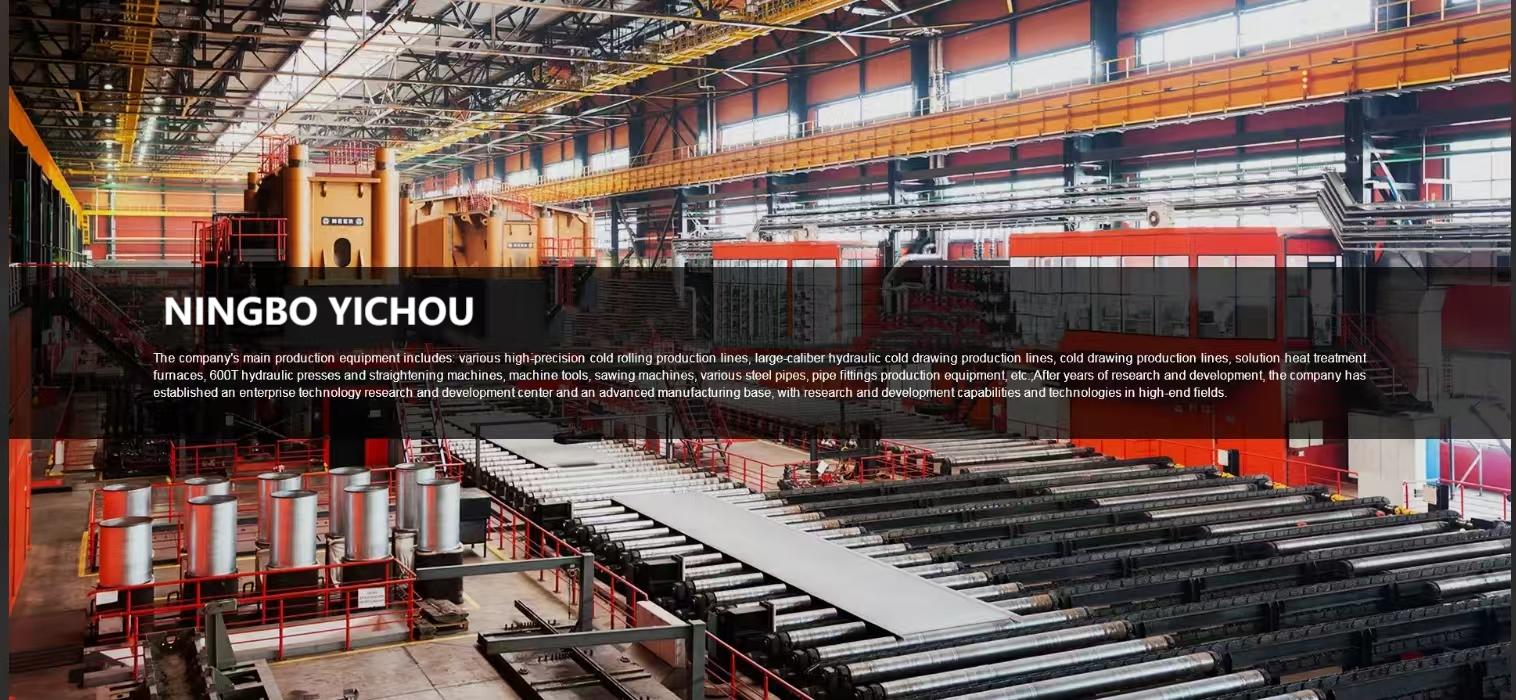
Manufacturer Spotlight: yichou as Your Strategic Partner
In the specialized world of niobium production, selecting the right manufacturer is paramount. yichou has established itself as a leader in niobium and niobium alloy production through decades of technological refinement and customer-focused innovation.
Technical Capabilities and Product Range
Advanced Processing Facilities:
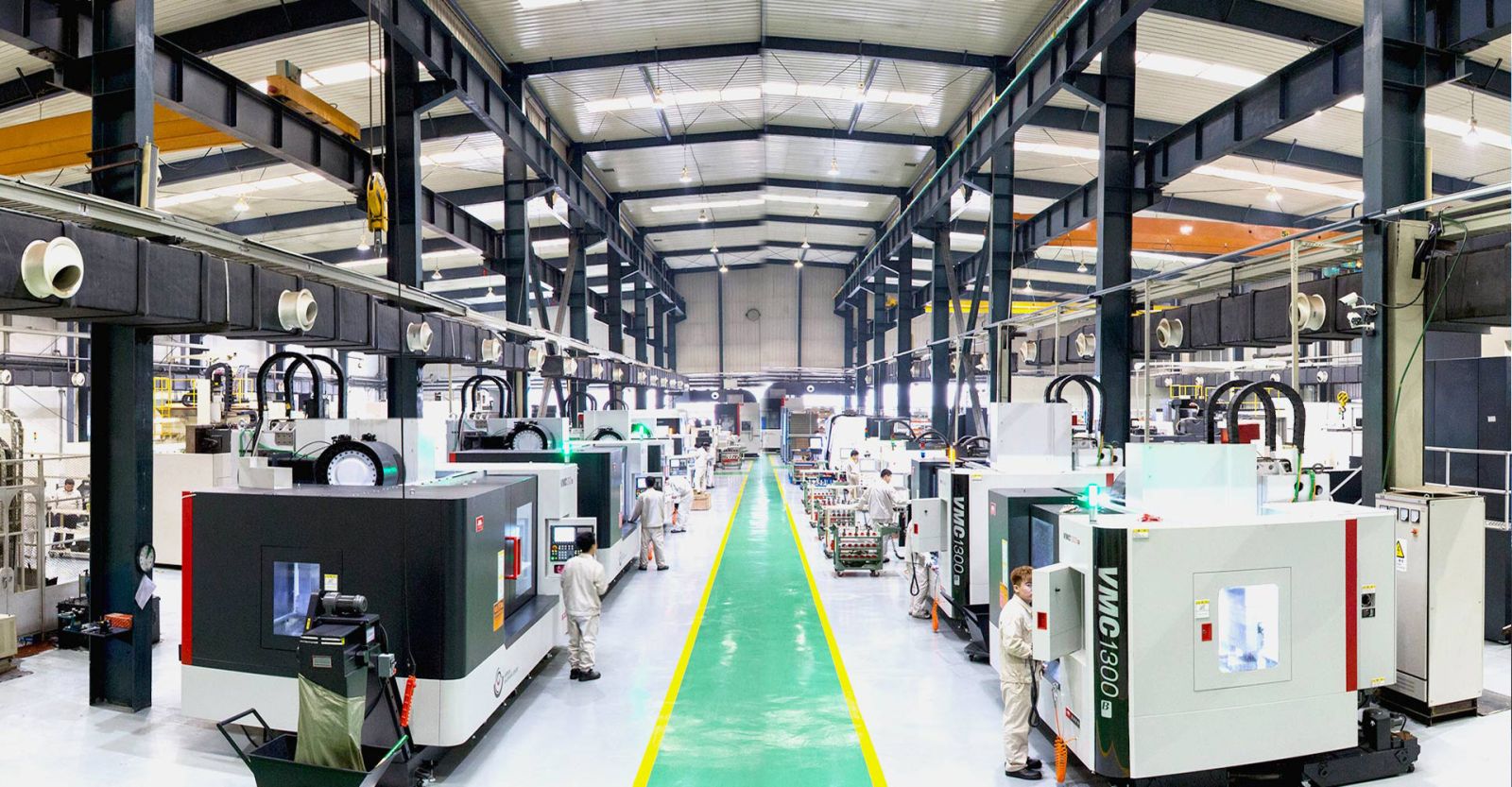
yichou operates state-of-the-art electron beam melting furnaces capable of producing niobium ingots with purity levels exceeding 99.95%. This high-purity material forms the foundation for all subsequent products:
-
Niobium Sheets and Foils: From 0.025mm foil to 50mm plate, with precise thickness tolerances
-
Niobium Rods and Wires: Diameters from 0.1mm to 200mm, including spooled wire for continuous processing
-
Niobium Tubes: Seamless and welded varieties for heat exchanger and chemical processing applications
-
Niobium Fasteners: Bolts, nuts, and specialized connectors for high-temperature assemblies
-
Niobium-Titanium Alloys: Standard and custom compositions for superconducting applications
Quality Assurance Protocol:
Every production batch undergoes rigorous testing:
-
Chemical analysis via ICP-MS (Inductively Coupled Plasma Mass Spectrometry)
-
Mechanical testing including tensile strength, yield strength, and elongation measurements
-
Non-destructive examination using ultrasonic and eddy current techniques
-
Microstructural analysis to ensure proper grain structure and absence of defects
Application Engineering Support
Beyond material supply, yichou provides comprehensive technical support:
-
Material Selection Guidance: Helping customers choose the optimal niobium grade for specific applications
-
Fabrication Consulting: Advising on machining, welding, and forming techniques specific to niobium
-
Failure Analysis: Investigating material performance issues and recommending solutions
-
Custom Alloy Development: Collaborating on specialized compositions for unique requirements
Sustainability and Ethical Sourcing
yichou is committed to responsible production practices:
-
Traceable Supply Chain: All niobium ore sources are verified as conflict-free and ethically mined
-
Energy Efficiency: Implementation of heat recovery systems in melting operations reduces energy consumption by 25% compared to industry averages
-
Waste Minimization: 98% of production scrap is recycled internally
-
Community Engagement: Supporting local communities near production facilities through education and infrastructure initiatives
Future Outlook: Emerging Applications and Market Evolution
Technological Frontiers
Quantum Computing:
Niobium is playing a crucial role in the development of quantum computers. Superconducting qubits, the basic units of quantum information in several leading quantum computing architectures, are typically fabricated from niobium or niobium nitride films on silicon substrates. The metal's predictable superconducting properties and clean interface characteristics make it ideal for these applications. As quantum computing advances from laboratory curiosity to practical technology, demand for ultra-high-purity niobium films is projected to grow exponentially.
Advanced Energy Systems:
-
Fusion Power: Next-generation fusion reactors like DEMO and commercial prototypes will require thousands of tonnes of niobium-tin superconductors for their magnetic confinement systems.
-
Superconducting Grid Technology: As renewable energy penetration increases, superconducting cables and fault current limiters using niobium-based wires could stabilize grids with intermittent generation.
-
Hydrogen Economy: Niobium-enhanced steels may enable higher-pressure hydrogen storage tanks, while niobium catalysts show promise for more efficient hydrogen production.
Additive Manufacturing:
Niobium's biocompatibility and high-temperature performance make it attractive for 3D-printed medical implants and aerospace components. Research is advancing in niobium powder production optimized for laser and electron beam melting processes, potentially opening new design possibilities for complex, lightweight structures.
Market Evolution and Strategic Implications
Supply Chain Diversification:
Current geopolitical considerations are driving efforts to diversify niobium supply away from Brazilian dominance. Projects in Canada, Greenland, and Australia are advancing, though significant new production remains years away. Strategic buyers are securing dual sourcing arrangements where possible and investigating recycling initiatives to supplement primary production.
Circular Economy Initiatives:
Niobium recycling presents technical challenges due to its typical use in alloyed forms and concentration in complex components. However, several initiatives are advancing:
-
Recovery from end-of-life superconducting magnets
-
Reclaiming niobium from catalysts and chemical processing equipment
-
Urban mining of niobium from electronic waste
These efforts could eventually supplement primary production by 10-15%, providing supply chain resilience.
Price Projections and Procurement Strategy:
Analysts project moderate price increases (3-5% annually) over the coming decade, driven by:
-
Growing superconducting applications in energy and computing
-
Increasing use in next-generation aerospace systems
-
Continued demand from steel industry for lighter, stronger materials
Smart procurement strategies will include:
-
Long-term contracts with price ceilings for baseline requirements
-
Spot market participation for flexible needs
-
Investment in supplier relationships to ensure preferential access
-
Consideration of alternative materials for non-critical applications
Conclusion: Building Your Niobium Procurement Strategy
Navigating the niobium market requires balancing technical requirements, cost considerations, and supply chain realities. This remarkable metal, once a geological curiosity, has become indispensable across industries as diverse as medicine, energy, transportation, and even personal adornment.
Key Takeaways for Procurement Professionals:
-
Quality Precedes Price: In niobium applications, material purity and consistency often outweigh minor price differences. The cost of failure in superconducting or aerospace applications far exceeds material savings.
-
Partner with Specialists: Niobium processing requires specific expertise. Manufacturers like yichou with dedicated niobium capabilities provide not just material but essential technical support.
-
Understand Total Cost: Consider fabrication, lifecycle performance, and opportunity costs, not just purchase price. Niobium's durability and performance advantages often justify premium pricing.
-
Plan for Volatility: While less volatile than some metals, niobium markets experience fluctuations. Develop strategies including contract structures, inventory policies, and alternative sourcing options.
-
Stay Informed on Applications: Emerging uses in quantum computing, fusion energy, and additive manufacturing will shape future demand and pricing. Engage with technical communities to anticipate changes.
The yichou Advantage:
For organizations seeking reliable niobium supply, yichou offers:
-
Vertical integration from ore to finished product
-
Unmatched purity control through advanced refining technologies
-
Application engineering support from concept to production
-
Ethical and sustainable production practices
-
Global logistics capabilities with regional inventory
As technological advancement continues to create new demands for materials with extraordinary properties, niobium's importance will only grow. Whether you're designing the next generation of medical imaging equipment, constructing lightweight electric vehicles, or creating jewelry that combines safety with stunning aesthetics, understanding and effectively sourcing niobium will remain a competitive advantage.
Get in Touch with Yichou
Let Yichou help you achieve excellence in your next project. Whether you need raw materials, custom alloy solutions, or precision-manufactured components, our team is ready to assist.
- Email us: [email protected]
- Call us/whatsapp: +86 13355741031
- Chat with us: Live chat support available on our website