Hook: "Is a hafnium bomb possible?" This sensational question has swirled around this obscure metal for decades. The truth, as is often the case, is far more fascinating than science fiction. While the "hafnium bomb" remains a theoretical and unproven concept, the real power of hafnium metal lies in its irreplaceable role in powering our most critical technologies—from the reactors in nuclear submarines to the engines of jet airliners and the chips in your smartphone.
Hafnium is a metal shrouded in curiosity, mystery, and misunderstanding. At YICHOU, a leading manufacturer of high-performance metals, we operate in the realm of proven science and precision engineering. This comprehensive guide will cut through the hype, answer your most pressing questions, and demonstrate why high-purity hafnium metal from a reliable supplier like YICHOU is a strategic material for advanced industries worldwide.
1. What Exactly is Hafnium Metal? Demystifying the Element
Hafnium (chemical symbol Hf, atomic number 72) is a lustrous, silvery-gray transition metal. It was one of the last stable elements to be discovered, identified in 1923 in Copenhagen (Hafnia being the Latin name for the city). This late discovery hints at its primary characteristic: it is exceptionally difficult to separate from its chemical twin.
Key Properties That Define Its Value:
-
High Melting Point: At approximately 2,233°C (4,051°F), it is a refractory metal, capable of withstanding extreme temperatures.
-
Excellent Corrosion Resistance: It forms a stable, protective oxide layer, making it resistant to water, alkalis, and most acids.
-
Remarkable Neutron Absorption: This is its defining superpower. Hafnium has a very high thermal neutron capture cross-section, about 600 times greater than its sister element zirconium.
Hafnium vs. Zirconium: The Critical Separation
This is the most crucial relationship in hafnium's story. In nature, hafnium is always found intermixed with zirconium minerals, typically at a ratio of about 1-2% Hf to 98-99% Zr. They are chemically so similar that separation is a complex and costly industrial process. For most of zirconium's applications (like chemical processing equipment), hafnium is an undesirable impurity. For hafnium's core uses, extreme separation to achieve high-purity hafnium metal is essential. YICHOU specializes in this sophisticated separation and purification process, delivering material tailored to specific nuclear or aerospace standards.
Addressing the Top Myths and Questions:
-
Is hafnium radioactive? Naturally occurring hafnium is weakly radioactive due to the presence of hafnium-174, but its activity is very low and is not a primary concern in industrial handling or application. Its importance in nuclear contexts stems from its neutron-absorbing property, not its own radioactivity.
-
Is hafnium a rare metal? Yes. With an abundance of about 3-5 parts per million in the Earth's crust, it is considered a rare metal, though not the rarest (elements like rhodium or iridium are scarcer). Its rarity, combined with the difficult extraction process, is a key driver of its value.
-
Where is hafnium commonly found? You will not find veins of pure hafnium. It is commercially extracted from zircon (zirconium silicate) and baddeleyite ores. Traces exist in most zirconium deposits globally.
2. Critical Applications: Who Buys Hafnium Metal and Why?
The question "Who buys hafnium?" points directly to the world's most technologically demanding sectors. YICHOU supplies hafnium metal products to these key industries:
The Nuclear Industry: The Primary Consumer
This is hafnium's most significant and irreplaceable application. Its unparalleled ability to absorb neutrons without swelling or corroding rapidly makes it the ideal material for nuclear reactor control rods. These rods are inserted or withdrawn from the reactor core to precisely control the fission chain reaction.
-
Direct Answer: "Is hafnium used in submarines?" Absolutely. Naval nuclear reactors, particularly those powering aircraft carriers and submarines, extensively use hafnium control rods due to their compact efficiency, longevity, and reliability in the demanding marine environment. YICHOU manufactures hafnium rods and components that meet the stringent specifications for naval and civil nuclear programs.
Aerospace & Defense: Demanding Performance
In the superheated world of jet engines and rocket nozzles, materials are pushed to their limits. Hafnium is a critical alloying element (often with nickel, titanium, or niobium) in superalloys used for turbine blades and other hot-section components. These hafnium-carbide strengthened alloys significantly improve high-temperature creep resistance, directly translating to more efficient, powerful, and durable engines.
The Semiconductor Industry: Enabling Miniaturization
As silicon chips shrink, the silicon dioxide insulating layer becomes too thin to be effective. Hafnium dioxide (HfO₂) possesses a high dielectric constant ("high-k"), allowing for a physically thicker but electrically equivalent layer. This prevents current leakage and has been a cornerstone in advancing semiconductor technology for over 15 years. YICHOU provides high-purity hafnium materials for the production of these critical thin-film deposition targets.
Niche & Emerging Applications:
-
Plasma Cutting Tips: Hafnium's high melting point and wear resistance make it superior to zirconium in plasma arc cutting electrodes.
-
Additive Manufacturing (3D Printing): Hafnium-based powders are used to print complex, high-temperature components for aerospace and space exploration.
-
Optical Coatings: Hafnium oxide is used in multilayer optical coatings for lenses and mirrors due to its durability and specific refractive index.
3. The YICHOU Advantage: Precision Manufacturing of High-Performance Hafnium
Choosing a hafnium metal manufacturer is not just about procurement; it's about forming a technical partnership. YICHOU’s integrated process ensures material integrity from ore to finished product.
Our End-to-End Capabilities:
-
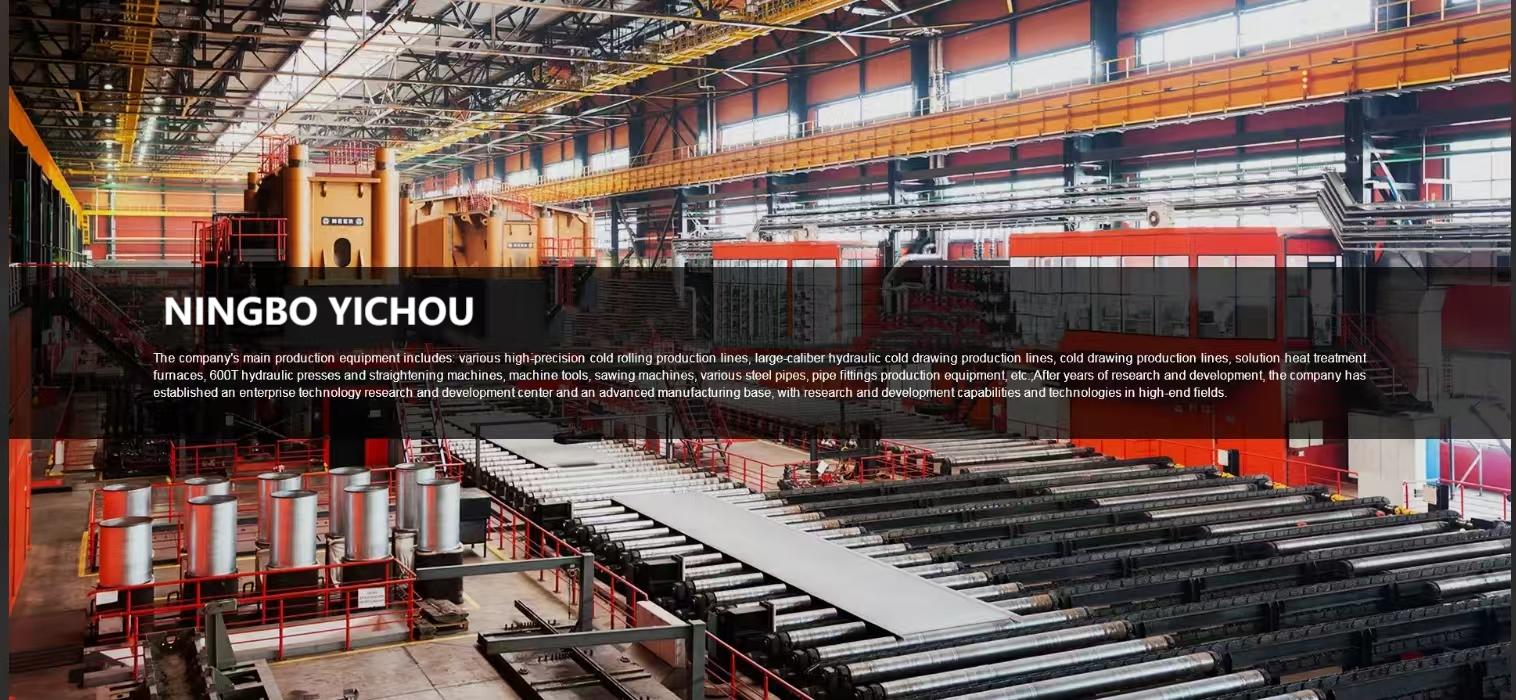
Separation & Purification: Utilizing advanced solvent extraction and distillation processes, we achieve the high-purity separation of hafnium from zirconium, a foundational step for all critical applications.
-
Conversion to Metal: Through the Kroll process (magnesium reduction of hafnium tetrachloride) or electron-beam melting, we produce primary hafnium metal.
-
Forming & Machining: Our facilities can forge, roll, draw, and machine hafnium into a wide range of product forms:
-
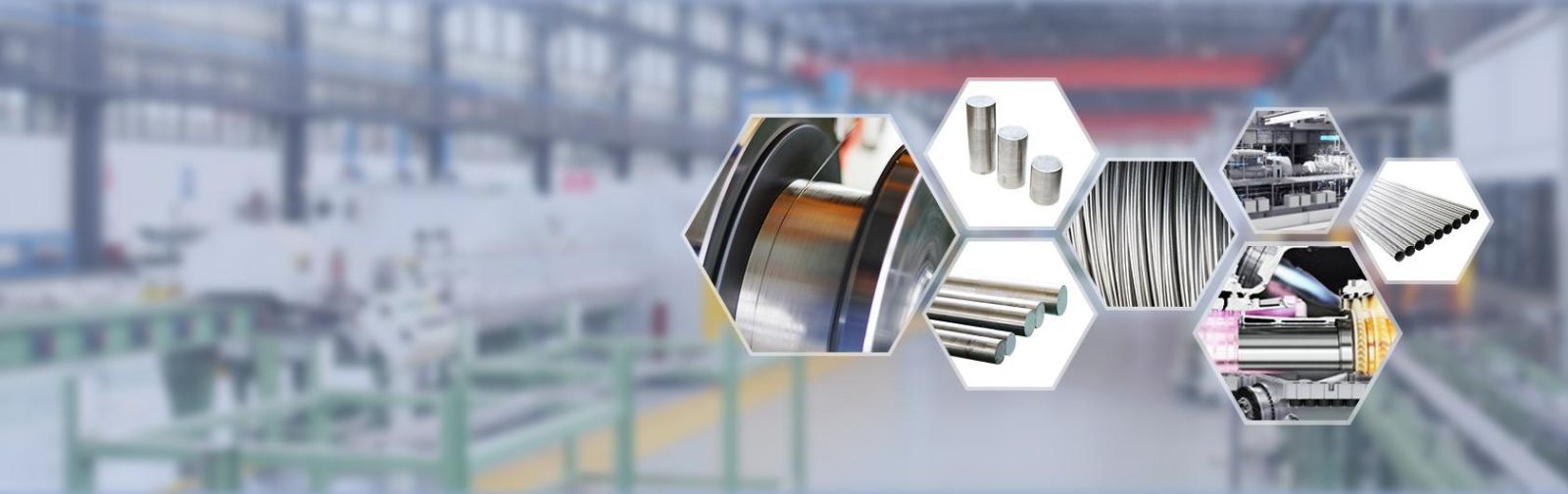
Hafnium Rods & Bars
-
Hafnium Sheets & Plates
-
Hafnium Wires & Foils
-
Custom Fabricated Parts & Components
-
Hafnium Powders for AM and thermal spray
-
-
Rigorous Quality Control: Every batch undergoes stringent spectroscopic (GDMS, ICP), metallographic, and mechanical testing. We provide full material certification traceable to international standards (ASTM, ASME, Mil-Spec), which is non-negotiable for nuclear and aerospace buyers.
-
4. The "Hafnium Controversy" and Safety: A Professional Perspective
Let's address the unusual questions head-on, as they often form a buyer's first impression.
The "Hafnium Bomb" Myth
The concept stems from unverified 1990s research on hafnium-178m2, a nuclear isomer. The theory suggested it could store enormous energy releasable by a trigger—a "gamma-ray laser" or isomer weapon. The consensus in mainstream physics and the defense community is that this is not a practical or proven weapons technology. No nation has deployed such a device. The real value of hafnium is not in speculative weapons but in its proven, peaceful applications that drive technological progress.
Hafnium Safety: Facts Over Fear
-
How poisonous is Hf? / Is hafnium toxic to humans? It is critical to distinguish the solid metal from its compounds and dust. Solid hafnium metal is biologically inert and considered to have low toxicity, similar to titanium or zirconium. It is not absorbed by the body. The primary industrial hazard is from fine metal dust or fumes, which, like most metal powders, can be flammable and pose a respiratory risk if inhaled. Proper handling procedures (ventilation, PPE) are mandatory in processing environments.
-
Does hafnium react with water? No. Unlike alkali metals, solid hafnium is stable in water at room temperature due to its protective oxide layer.
-
What foods contain hafnium? / Can you eat hafnium? Trace amounts of hafnium, like many elements, can be detected in various foods due to environmental presence. It serves no biological function and is not a nutrient. You should never intentionally consume hafnium metal. Ingestion of metal particles is a physical, not chemical, hazard.
-
Regarding "The King of Poison Metal": This hyperbolic title typically refers to plutonium or polonium, not hafnium. Hafnium is not classified among highly toxic heavy metals like lead, mercury, or cadmium.
5. Market Insights: Value, Price, and Sustainability with YICHOU
-
How valuable is hafnium? / What is the hafnium metal price? Hafnium is a high-value strategic metal. Its price is not publicly quoted like gold or copper but is negotiated based on purity (nuclear grade commands a significant premium), form (powder vs. rod), quantity, and market dynamics. It is significantly more expensive than zirconium due to the costly separation process. While not the most expensive metal in the world (that title often goes to isotopes like Californium-252 or rare metals like rhodium), it is a substantial investment for engineering projects.
-
How long does hafnium last? In applications like nuclear control rods, hafnium is a consumable, slowly "burning up" as it absorbs neutrons. Its service life can be several years in a reactor core, depending on the flux and duty cycle. In aerospace alloys, it contributes to the component's overall service life, which can be thousands of hours under extreme stress.
-
Sustainability at YICHOU: We are committed to responsible sourcing of raw materials. Furthermore, we offer expertise in the recycling and reclamation of hafnium from scrap and spent components, supporting a circular economy for this valuable resource and helping our clients manage costs and environmental impact.
6. Comprehensive FAQ: Your Hafnium Questions Answered
Properties & Safety
-
Q: Is hafnium radioactive?
-
A: Natural hafnium has very low, negligible radioactivity. Its industrial importance is due to neutron absorption, not its own radiation.
-
-
Q: Is hafnium toxic to humans?
-
A: The solid metal is inert and low toxicity. The main hazards are from flammable dust and fumes during machining, requiring industrial controls.
-
-
Q: Does hafnium react with water?
-
A: No, it is stable in water at ambient conditions.
-
Applications & Buyers
-
Q: Who buys hafnium?
-
A: Nuclear reactor operators (naval and civilian), aerospace manufacturers (for superalloys), semiconductor equipment makers, and specialized plasma cutting companies.
-
-
Q: Where is hafnium found in everyday life?
-
A: You don't see it directly. It works hidden from view: inside nuclear reactors, at the heart of jet engines, and within the microscopic layers of computer chips.
-
Value & Rarity
-
Q: Is hafnium a rare metal? How valuable is it?
-
A: Yes, it is rare and costly due to difficult extraction. It is a high-value strategic material, with price depending on purity and form.
-
-
Q: Which is the rarest metal?
-
A: In terms of natural abundance in the Earth's crust, elements like astatine, francium, or rhodium are rarer than hafnium.
-
Other
-
Q: What is the "king of all metals"?
-
A: This is subjective. Some argue for titanium (strength/weight), tungsten (melting point), or gold (malleability/value). Hafnium could be called the "king of neutron absorption."
-
7. Conclusion: Partner with YICHOU for Your Strategic Hafnium Supply
Hafnium metal is not a commodity; it is a precision-engineered solution for the most demanding technological challenges. Navigating its complexities—from technical specifications and safety protocols to supply chain reliability—requires an expert partner.
YICHOU stands as that partner. With our deep expertise in refractory and reactive metals, vertically integrated manufacturing, and unwavering commitment to quality, we deliver more than just hafnium metal—we deliver confidence, performance, and a competitive edge for your most critical projects.
Are you evaluating hafnium for a nuclear, aerospace, or advanced manufacturing application?
Contact YICHOU today.
Let our technical sales team provide you with detailed material data sheets, discuss your specific requirements, and prepare a competitive quotation. Discover how our high-purity hafnium products can become a cornerstone of your innovation.
Get in Touch with Yichou
Let Yichou help you achieve excellence in your next project. Whether you need raw materials, custom alloy solutions, or precision-manufactured components, our team is ready to assist.
- Email us: [email protected]
- Call us/whatsapp: +86 13355741031
- Chat with us: Live chat support available on our website