Meta Description: Navigating the complexities of Hastelloy C276, C22, and X? This definitive guide from Yichou—your expert Hastelloy supplier & fabricator—covers corrosion properties, vs. Inconel, machining best practices, and how to procure with confidence. Request a quote for your project.
Target Audience: Project Engineers, Design Engineers, Procurement Managers, Plant Managers in Chemical Processing, Oil & Gas, Power Generation, and Aerospace.
Primary Goal: Establish Yichou as a thought leader and trusted partner for high-performance alloy sourcing and fabrication, generating high-quality leads.
Keywords: Hastelloy, Hastelloy C276, Hastelloy C22, Hastelloy X, Alloy C276, nickel-based superalloy, corrosion-resistant alloy, chemical processing equipment, Hastelloy supplier, Hastelloy fabrication, Hastelloy machining, buy Hastelloy, Hastelloy price, Inconel vs Hastelloy.
Introduction
-
The High-Stakes Problem: Begin by articulating the critical pain point: catastrophic failure of components in aggressive environments leads to immense safety risks, production downtime, and financial loss.
-
The Material Solution: Introduce the Hastelloy family of nickel-based alloys as the engineered solution to these extreme challenges, renowned for their unparalleled corrosion resistance and mechanical integrity.
-
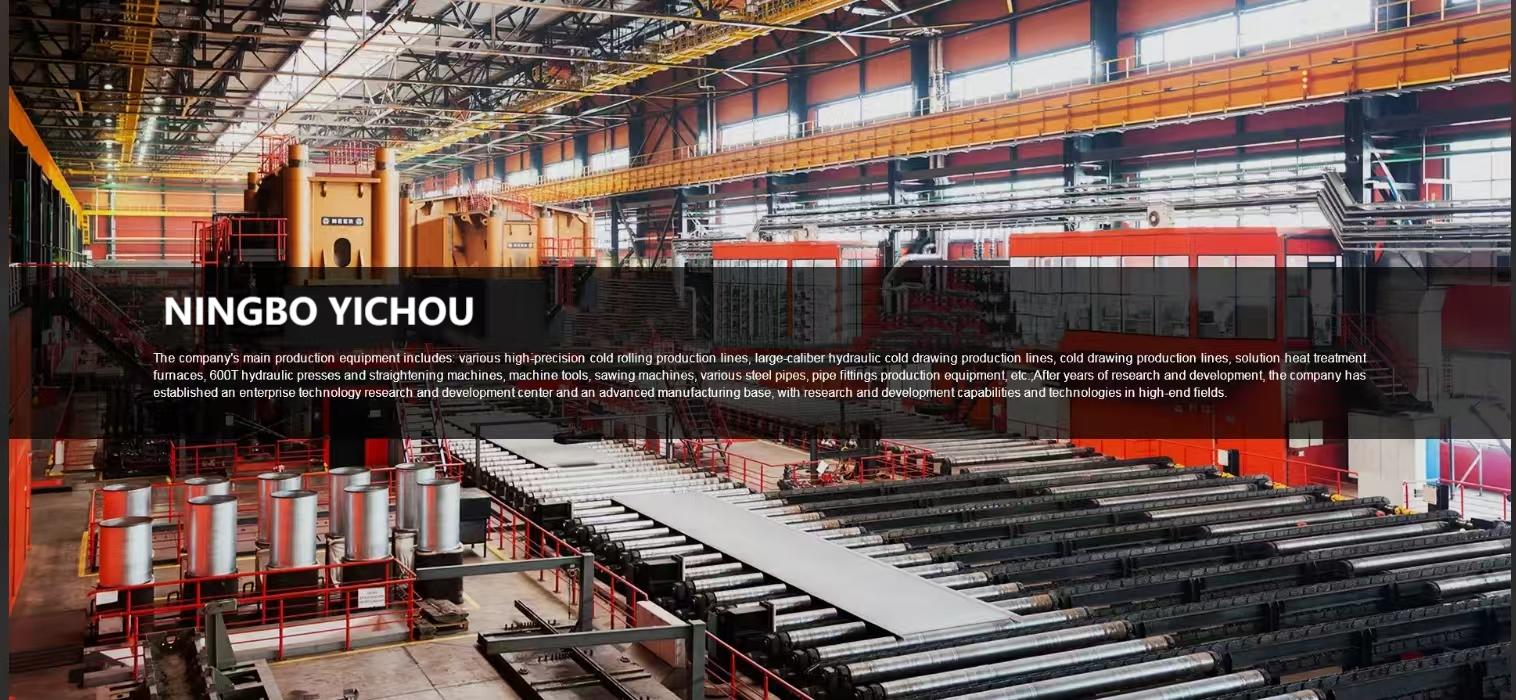
Yichou's Value Proposition: Position Yichou not just as a supplier, but as a technical partner. "At Yichou, we provide more than just metal; we provide material solutions backed by deep metallurgical expertise and precision fabrication capabilities."
-
Roadmap: Briefly outline what the reader will learn: understanding grades, comparing materials, navigating procurement, and leveraging expert fabrication.
Chapter 1: Demystifying Hastelloy: More Than Just a "Super Alloy"
-
1.1. Fundamental Composition: Explain it's a Ni-Cr-Mo alloy system. Use a table comparing the base composition of C276, C22, and X (Ni, Cr, Mo, Fe, W percentages) to establish a technical foundation.
-
1.2. The Core Mechanism: Corrosion Resistance: Dive deeper than the surface. Explain how the synergistic effect of Nickel (providing inherent resistance), Chromium (resistance to oxidizing agents), and Molybdenum (resistance to reducing agents and pitting) creates its superpower.
-
1.3. Key Properties Beyond Corrosion:
-
Excellent Mechanical Strength: Especially at elevated temperatures.
-
Resistance to Localized Attack: Define and emphasize pitting resistance (PREN calculation) and crevice corrosion resistance, which are often the failure points for stainless steels.
-
Fabricability: Touch on its weldability and formability, segueing to Yichou's expertise later.
-
-
1.4. Answer: "Is Hastelloy a stainless steel?" A definitive no. Explain the fundamental difference between iron-based (stainless) and nickel-based alloys.
Chapter 2: The Hastelloy Portfolio: Selecting the Right Grade for Your Application
(This is the core technical section to establish authority)
-
2.1. The Benchmark: Hastelloy C276 (UNS N10276)
-
In-Depth Properties: Detail its resistance to a wide range of chemicals (HCl, H₂SO₄, Cl₂, solvents). Mention its weakness to oxidizing chlorides (e.g., FeCl₃, CuCl₂).
-
Applications: FGD scrubbers, chemical reactors, pickling tanks, pulp & paper digesters.
-
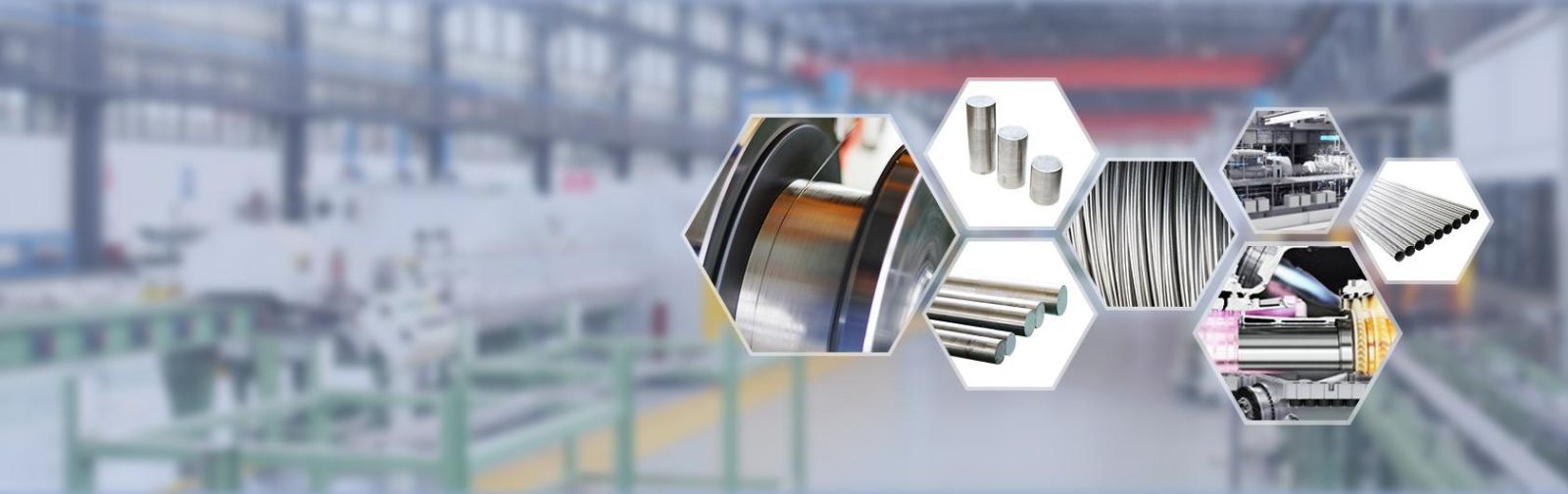
Yichou's Offering: "Yichou stocks extensive inventory of C276 in plate, sheet, pipe, tube, bar, and welding wire, ready for immediate shipment or fabrication."
-
-
2.2. The Enhanced Performance: Hastelloy C22 (UNS N06022)
-
The Upgrade: Explain how its higher Chromium content improves resistance to oxidizing media and offers better thermal stability, reducing susceptibility to weld decay.
-
Comparison C22 vs. C276: Use a table or bullet points for direct comparison (cost vs. performance). "For critical applications where failure is not an option, C22 is often the superior choice."
-
Applications: Nuclear waste treatment, severe chemical processing, pharmaceutical CIP/SIP systems.
-
Yichou's Expertise: "Our technical team can help you perform a cost-benefit analysis to determine if C22's enhanced properties justify the investment for your specific service environment."
-
-
2.3. The High-Temperature Champion: Hastelloy X (UNS N06002)
-
Shift in Focus: Explain that Hastelloy X prioritizes oxidation resistance and high-temperature strength over wet corrosion resistance.
-
Properties: Strength up to 1200°C, excellent resistance to stress-corrosion cracking.
-
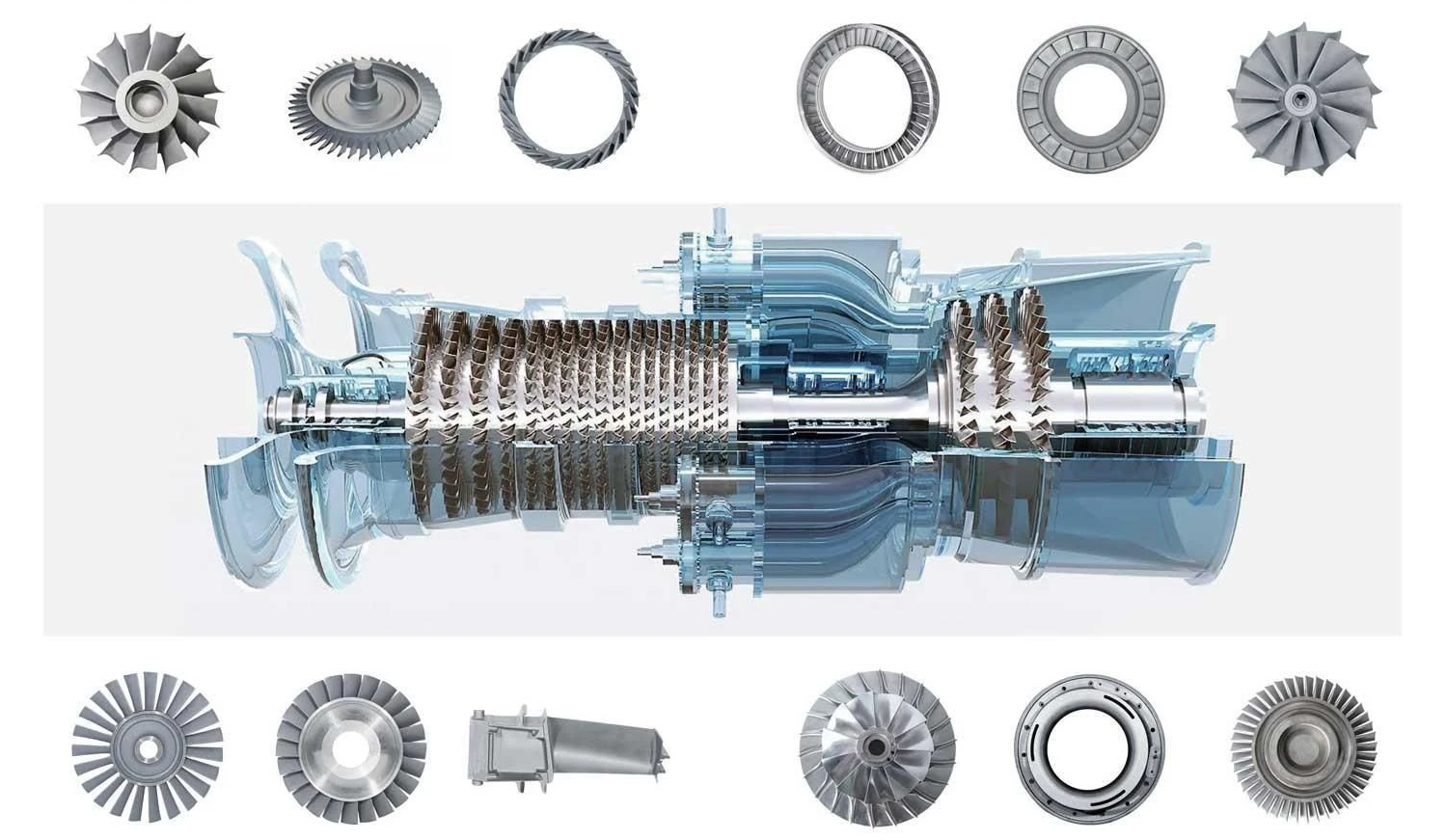
Applications: Gas turbine engine components (combustion cans, liners), industrial furnace fixtures, heat treatment equipment.
-
Yichou's Capability: "We specialize in precision machining and fabrication of Hastelloy X for demanding aerospace and energy sector applications."
-
-
2.4. Other Notable Grades (Brief Overview):
-
Hastelloy B-2/B-3 (UNS N10665 / N10675): For severe reducing environments like hydrochloric acid.
-
Hastelloy G-30 (UNS N06030): Excellent resistance to phosphoric and sulfuric acids.
-
Chapter 3: Comparative Analysis: Hastelloy vs. Other High-Performance Alloys
3.1. Hastelloy vs. Inconel:
-
-
Philosophical Difference: Hastelloy = optimized for aqueous corrosion resistance. Inconel (e.g., 625, 718) = optimized for high-temperature strength and oxidation resistance.
-
Application-Based Selection: Use a decision matrix. "Choosing between them? Ask: Is the primary threat chemical corrosion or heat and creep?"
-
-
3.2. Hastelloy vs. Stainless Steel (304/316/ duplex):
-
Performance Chasm: Emphasize the orders-of-magnitude improvement in corrosion resistance, justifying the higher initial cost with Total Cost of Ownership (TCO) – less downtime, longer service life, lower maintenance.
-
Answer: "Which stainless will not rust?" The truth: all can rust under sufficiently harsh conditions. Hastelloy exists for those conditions.
-
-
3.3. Hastelloy vs. Titanium:
-
The Chloride Question: Titanium excels in chlorides (e.g., seawater) but is vulnerable to reducing acids. Hastelloy offers a broader spectrum of resistance.
-
Mechanical & Fabrication Differences: Discuss differences in density, strength, and especially weldability (Ti requires inert gas backing).
-
Chapter 4: The Art and Science of Fabricating Hastelloy (Approx. 500 Words)
(This section showcases Yichou's unique value as a fabricator)
-
4.1. Welding Best Practices:
-
Answer: "What wire do you use when TIG welding...?" Specify matching filler metals (e.g., ERNiCrMo-4 for C276). Stress the importance of low heat input, proper gas shielding (argon back-purging for pipes), and cleanliness.
-
Position Yichou: "Our certified welders are trained in these exact protocols, ensuring sound, corrosion-resistant welds every time."
-
-
4.2. Machining Considerations:
-
Acknowledge the Challenge: Hastelloy is abrasive and work-hardens rapidly.
-
Expert Tips: Recommend rigid machine setups, positive rake angles, carbide tooling, constant feed, and high-pressure coolant.
-
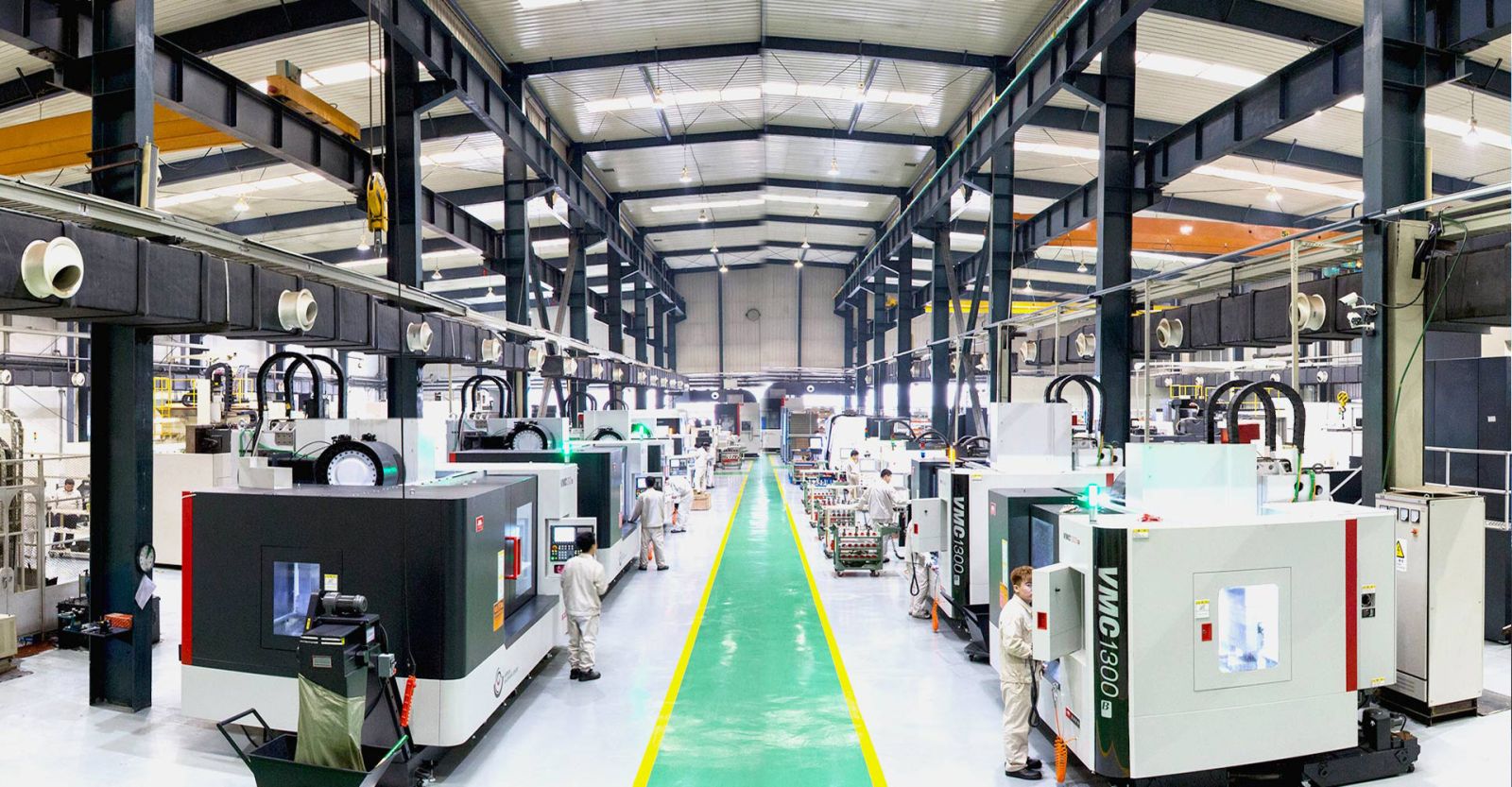
Yichou's Advantage: "Our CNC machining centers are equipped specifically for handling these tough alloys, guaranteeing precision and efficiency."
-
-
4.3. Forming and Heat Treatment: Provide brief guidance on cold working and stress relieving.
Chapter 5: The Procurement Blueprint: How to Source Hastelloy with Confidence
-
5.1. Beyond Price: The Critical Questions to Ask Your Supplier:
-
Traceability: Demand full Mill Test Certificates (MTCs) to ASTM/ASME specifications (e.g., SB-575, SB-622).
-
Material Verification: Does the supplier have PMI (Positive Material Identification) testing to verify grade?
-
Capability: Can they provide the material in the required form (plate, pipe, etc.) and offer value-added processing (cutting, machining, welding)?
-
-
5.2. Understanding Cost Drivers:
-
Explain the "Why is it so expensive?" question. Link cost directly to raw material prices (Ni, Mo, Cr), complex melting processes (VIM/VAR for aerospace grades), and the specialized nature of manufacturing.
-
-
5.3. The Yichou Difference:
-
Technical Partnership: "We help you select the most cost-effective grade for your application, preventing over- or under-specification."
-
Quality Guarantee: Detail your rigorous QA/QC process.
-
Supply Chain Reliability: Highlight inventory management and on-time delivery.
-
FAQ Section: Your Top Hastelloy Questions, Answered by Experts
Q1: Is Hastelloy a stainless steel?
A: No, this is a critical distinction. While both are corrosion-resistant, Hastelloy is a nickel-based alloy, primarily composed of nickel, molybdenum, and chromium. Stainless steel is an iron-based alloy. This fundamental difference gives Hastelloy vastly superior resistance to aggressive chemicals, especially reducing acids and localized corrosion like pitting and crevice attack, which would quickly degrade stainless steels.
Q2: Which is better, Inconel or Hastelloy?
A: "Better" depends entirely on the application. The key difference lies in their primary design purpose:
-
Hastelloy is generally superior for wet corrosion resistance in chemical processing environments (e.g., hydrochloric acid, sulfuric acid, chlorides).
-
Inconel is generally superior for high-temperature applications where oxidation resistance and mechanical strength are critical (e.g., jet engine turbines, heat treating equipment).
Think of it as: Hastelloy for the chemical plant, Inconel for the furnace or turbocharger. Our technical team can help you make the correct selection.
Q3: Is Hastelloy more expensive than stainless steel?
A: Yes, significantly. The high content of nickel, molybdenum, and chromium makes raw material costs for Hastelloy alloys much higher than for stainless steel (like 304 or 316). However, this is an investment in Total Cost of Ownership (TCO). For a critical application in a harsh environment, Hastelloy's longer service life, reduced maintenance, and prevention of costly downtime and failures make it far more economical in the long run.
Q4: What is Hastelloy used for? (What is Hastelloy good for?)
A: Hastelloy is the material of choice for the most demanding industrial applications where failure is not an option. Key uses include:
-
Chemical Processing: Reactors, vessels, heat exchangers, piping systems handling acids and chlorides.
-
Pollution Control: Critical components in Flue Gas Desulfurization (FGD) systems.
-
Oil & Gas: Downhole equipment and piping for "sour" gas fields with high H₂S and CO₂ content.
-
Pharmaceutical: Equipment requiring ultra-high purity and resistance to aggressive cleaning and sterilizing agents.
-
Nuclear: Nuclear fuel reprocessing and waste treatment systems.
Q5: What is the difference between Hastelloy and 304/316 stainless steel?
A: The difference is like comparing a family sedan to a Formula 1 car. Both are metals, but one is designed for extreme performance.
-
Composition: 316 stainless is iron-based with ~10% Ni, 16% Cr, 2% Mo. Hastelloy C276 is nickel-based with ~58% Ni, 16% Cr, 16% Mo.
-
Performance: Hastelloy offers orders-of-magnitude better resistance to pitting, crevice corrosion, and stress corrosion cracking, especially in environments with chlorides. 316 stainless will fail quickly in many conditions where Hastelloy thrives.
Q6: What is the difference between Hastelloy and titanium?
A: Titanium excels in seawater and chlorides due to a stable, protective oxide film. However, it is vulnerable to reducing acids (e.g., hydrochloric, sulfuric) without oxidizing agents present. Hastelloy offers excellent resistance to a much wider range of both oxidizing and reducing acids. The choice often comes down to the specific chemical environment.
Q7: What do you weld Hastelloy with? / What wire do you use when TIG welding stainless to Hastelloy?
A:
-
For welding Hastelloy to itself: Matching filler metals are used. For example, ERNiCrMo-4 (AWS A5.14) is used for TIG (GTAW) welding Hastelloy C276. Proper technique, including low heat input and full gas shielding (often with back-purging for pipes), is critical.
-
For welding Stainless Steel to Hastelloy: This is a dissimilar weld requiring expert knowledge. A nickel-alloy filler metal, such as ERNiCr-3 (Inconel 625 wire) or ERNiCrMo-3 (Hastelloy C22 wire), is typically used to prevent cracking due to dilution. Consult with Yichou's welding engineers for procedure specifications.
Q8: What temperature can Hastelloy withstand?
A: It depends on the grade and the environment.
-
Hastelloy C276/C22: These are optimized for corrosion resistance, not extreme heat. They maintain good mechanical properties up to approximately 1000-1100°F (540-590°C) but can be used in oxidizing atmospheres up to ~1250°F (675°C) for short periods.
-
Hastelloy X: This grade is designed for high-temperature service, offering excellent oxidation resistance and strength up to 2200°F (1200°C).
Q9: Is Hastelloy good for sulfuric acid?
A: Yes, this is one of its key strengths. Hastelloy C276 offers excellent resistance to sulfuric acid across a wide range of concentrations and temperatures, far outperforming stainless steels. For the most severe conditions, Hastelloy C22 provides even better performance.
Q10: Is Alloy 20 a Hastelloy? / Is alloy 22 Hastelloy?
A:
-
Alloy 20 (Carpenter 20): No, it is not a Hastelloy. It is a nickel-iron-chromium alloy often grouped with stainless steels. While it offers good corrosion resistance, it is not part of the Hastelloy family and does not perform as well as C276 or C22 in many severe applications.
-
Alloy C-22 (Hastelloy C22): Yes, this is absolutely a Hastelloy grade (UNS N06022). It is a premium, enhanced version of C276.
Q11: Why is Inconel so hard to machine? / Why is Inconel 718 difficult to machine?
A: While this question is about Inconel, the principles apply to nickel-based superalloys like Hastelloy. They are difficult to machine due to:
-
Work Hardening: The material rapidly hardens as it's cut, quickly dulling cutting tools.
-
High Strength: Maintains high strength at elevated temperatures generated during machining.
-
Abrasive Nature: The alloys contain hard, abrasive carbide particles.
Successful machining requires specialized tooling (carbide), rigid setups, slow speeds, high feed rates, and high-pressure coolant. Yichou's CNC machining division is expertly equipped to handle these challenges.
Q12: What is equivalent to Hastelloy B2?
A: The direct modern equivalent is Hastelloy B3 (UNS N10675), which was developed to offer the same excellent resistance to hydrochloric acid while improving thermal stability and reducing susceptibility to fabrication cracking. Other alloys for reducing environments include Hastelloy B2 (N10665) and Chlorimet 2 (Ni-Mo alloy).
Q13: Is Hastelloy abrasion resistant?
A: Hastelloy alloys have good mechanical toughness but are not typically classified as "abrasion-resistant" in the same way as hardened steels or dedicated AR plate. Their primary property is corrosion resistance. However, in applications involving corrosive slurries (where both abrasion and corrosion are present), their ability to resist the corrosive element while maintaining integrity often makes them a better choice than a material that is abrasion-resistant but will corrode quickly.
Q14: How much is Hastelloy scrap?
A: Scrap value for high-performance alloys is highly volatile and tied to the daily London Metal Exchange (LME) prices for nickel, molybdenum, and cobalt. It is always significantly higher than stainless steel scrap. Please contact Yichou directly for current scrap buy-back pricing, as it depends on the specific grade, form, and quantity.
Conclusion: Partnering for Performance (Approx. 200 Words)
-
Summarize the key message: Selecting and fabricating Hastelloy requires specialized knowledge to unlock its full potential and ensure project success.
-
Reinforce that Yichou is the ideal partner, combining deep material expertise with extensive supply and manufacturing capabilities.
Get in Touch with Yichou
Let Yichou help you achieve excellence in your next project. Whether you need raw materials, custom alloy solutions, or precision-manufactured components, our team is ready to assist.
- Email us: [email protected]
- Call us/whatsapp: +86 13355741031
- Chat with us: Live chat support available on our website