In the ever-evolving landscape of industries, machine design plays a pivotal role in driving innovation and shaping the future. As technology advances at an unprecedented pace, the future of machine design is set to revolutionize various sectors, from manufacturing to healthcare and beyond. In this article, we will delve into the latest innovations and emerging trends that are poised to transform industries in the coming years. From the integration of artificial intelligence and machine learning algorithms to the adoption of sustainable and eco-friendly materials, the possibilities seem endless. With a focus on efficiency, functionality, and user experience, machine designers are constantly pushing boundaries to create solutions that optimize performance and minimize downtime. We will explore how automation, robotics, and Internet of Things (IoT) are driving this transformation, enabling machines to communicate, self-diagnose, and adapt to changing needs. Join us as we unravel the exciting advances in machine design, and discover how these innovations will shape the industries of tomorrow. Get ready to embark on a journey into the future of machine design and witness the incredible potential it holds.
.jpg)
The Evolution of Machine Design
Machine design has come a long way since the early days of industrialization. From the crude contraptions of the 18th century to the highly sophisticated and precise machines of today, the evolution of machine design has been marked by continuous innovation and technological advancements. One of the key milestones in this evolution was the transition from purely mechanical systems to the integration of electronics and computer control. This shift paved the way for the development of intelligent machines capable of performing complex tasks with remarkable precision.
The journey of machine design began with simple mechanical devices like steam engines and textile looms. These early machines were primarily designed for mechanizing labor-intensive tasks, leading to increased efficiency and productivity in various industries. However, they were often bulky, unreliable, and required significant manual intervention for operation and maintenance.
As the 19th century progressed, the advent of interchangeable parts and the standardization of machine components revolutionized the manufacturing process. This not only improved the reliability and efficiency of machines but also made repairs and replacements easier. The industrial revolution further accelerated the pace of machine design, giving rise to innovations like the telegraph and the first mechanical calculators.
The 20th century witnessed a significant shift in machine design with the integration of electronics and electrical components. The development of transistors and integrated circuits paved the way for more compact and versatile machines. This era saw the emergence of early computers, such as the ENIAC, which were massive but marked the beginning of digital control systems in machine design.
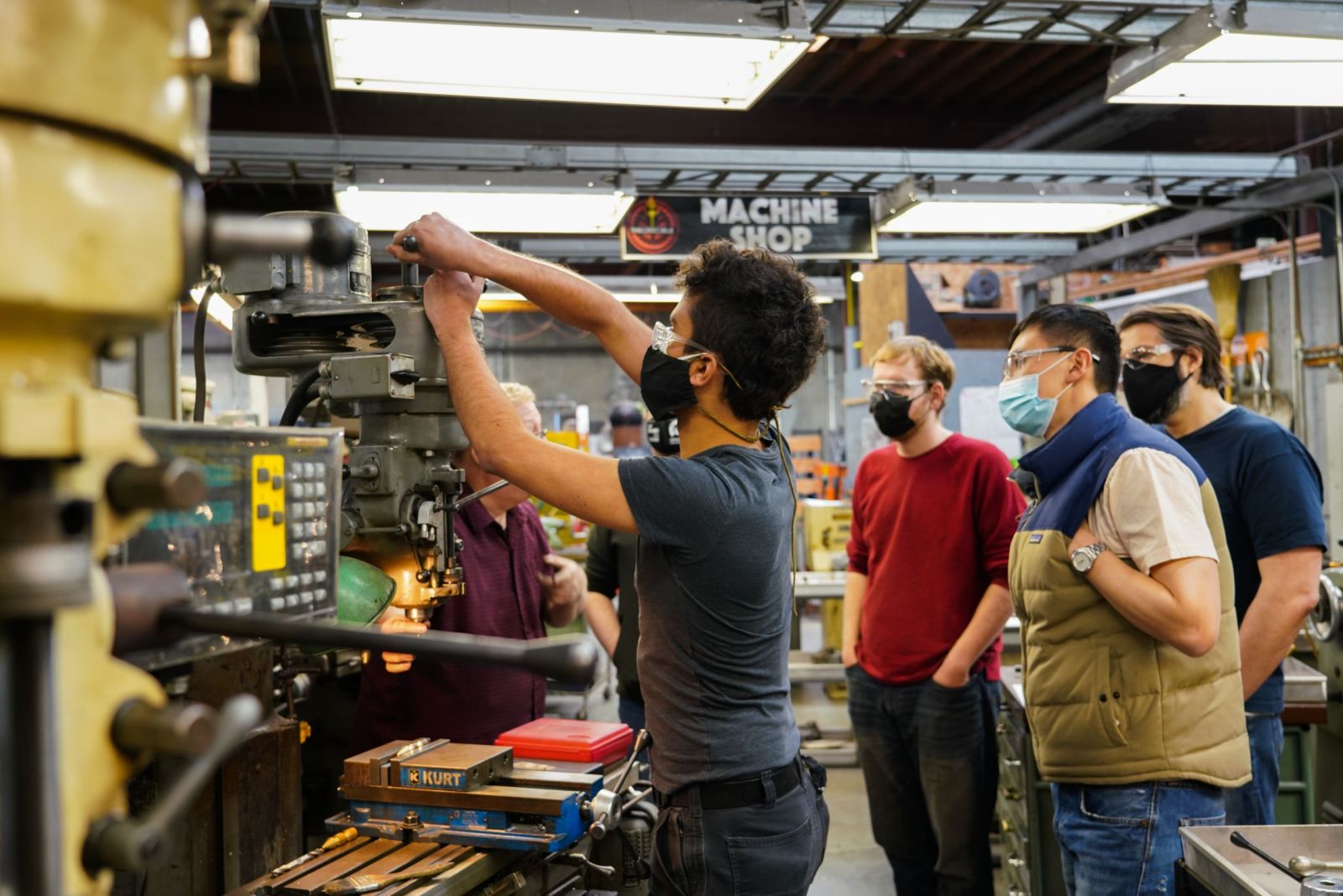
Current Trends in Machine Design
In the 21st century, machine design continues to evolve at a rapid pace, driven by a variety of current trends. One of the most prominent trends is the emphasis on miniaturization and portability. With the advent of microelectronics and nanotechnology, machines are becoming increasingly compact and lightweight while maintaining or even surpassing their predecessors' capabilities. This trend is especially evident in the development of smartphones, which are essentially pocket-sized computers that have revolutionized the way we communicate and access information.
Another noteworthy trend is the growing focus on energy efficiency and sustainability. As concerns about climate change and resource conservation mount, machine designers are under increasing pressure to create products that have minimal environmental impact. This has led to the adoption of eco-friendly materials and the optimization of energy consumption in various machine designs.
Furthermore, the era of connectivity has given rise to the Internet of Things (IoT), which is having a profound impact on machine design. IoT-enabled machines can communicate with each other and with centralized systems, allowing for real-time monitoring, data collection, and remote control. This connectivity has applications in various sectors, from smart homes to industrial automation, and is reshaping the way machines are designed and used.
Advanced Materials and Manufacturing Techniques in Machine Design
The choice of materials and manufacturing techniques plays a pivotal role in the design and performance of machines. In recent years, there has been a surge in the use of advanced materials that offer superior properties in terms of strength, durability, and weight reduction. One such material is carbon fiber-reinforced composites, which are exceptionally lightweight and robust. These materials are increasingly being used in aerospace and automotive applications, where weight reduction is critical for fuel efficiency and performance.
Additive manufacturing, commonly known as 3D printing, has also made significant strides in machine design. This revolutionary technique allows for the creation of complex and intricate machine components with unparalleled precision. It enables rapid prototyping, reduces material waste, and opens up new design possibilities. In fields like healthcare, 3D printing has been used to create custom implants and prosthetics, showcasing its potential to transform the way we approach machine design in various industries.
Additionally, advances in nanotechnology have led to the development of nanomaterials with unique properties. These materials have the potential to revolutionize fields like electronics and medical devices, where miniaturization and enhanced performance are key goals. For instance, nanoelectronics can be incorporated into smaller and more efficient sensors, enabling machines to gather data with incredible precision.
Integration of Machine Learning and AI in Machine Design
Machine learning (ML) and artificial intelligence (AI) are revolutionizing machine design by enabling machines to learn and adapt to changing conditions. ML algorithms can analyze vast datasets to identify patterns and make predictions, while AI systems can make decisions and take actions based on this analysis. This integration has far-reaching implications for various industries.
In manufacturing, AI-driven robotics are being used to automate repetitive and labor-intensive tasks. These robots can be programmed to learn from human operators and continuously improve their performance. This not only enhances efficiency but also reduces the risk of human error.
In product design, AI-powered generative design software can explore thousands of design permutations to optimize for factors such as weight, strength, and cost. This results in innovative designs that were previously unattainable through traditional methods.
In healthcare, ML algorithms are used to analyze medical imaging data and assist in diagnosing conditions with high accuracy. This technology has the potential to revolutionize the medical field by enabling earlier and more precise diagnoses.
The Impact of IoT on Machine Design
The Internet of Things (IoT) is transforming the way machines are designed and operated. IoT refers to the interconnection of everyday objects and machines to the internet, allowing them to collect and exchange data in real-time. This connectivity has had a profound impact on machine design across various sectors.
One of the key areas where IoT is making a difference is in smart homes and buildings. IoT-enabled thermostats, lighting systems, and security devices can be controlled remotely through smartphone apps. Machine designers are focused on creating intuitive and user-friendly interfaces to ensure seamless integration of IoT devices into daily life.
In industrial settings, IoT is driving the concept of Industry 4.0, where machines are interconnected and can communicate with each other to optimize production processes. This leads to increased efficiency, reduced downtime, and predictive maintenance, which can ultimately save companies significant costs.
In agriculture, IoT sensors can monitor soil conditions, weather data, and crop health in real-time. This data can then be used to make informed decisions about irrigation, fertilization, and pest control, ultimately improving crop yields and reducing resource wastage.
.jpg)
Sustainability and Eco-Friendly Practices in Machine Design
The quest for sustainability and eco-friendly practices has become a central theme in contemporary machine design. As environmental concerns continue to grow, machine designers are actively seeking ways to reduce the ecological footprint of their creations.
One of the key strategies employed in sustainable machine design is the use of renewable energy sources. Solar panels, wind turbines, and other forms of clean energy generation are being integrated into machines to reduce reliance on fossil fuels. For instance, electric vehicles (EVs) are becoming increasingly popular due to their reduced greenhouse gas emissions compared to traditional internal combustion engine vehicles.
Moreover, recycling and the use of recyclable materials are being prioritized in machine design. This includes the incorporation of materials that are not only strong and lightweight but also easy to recycle. The automotive industry, for example, has seen a surge in the use of aluminum and other recyclable metals in vehicle construction.
Designers are also exploring the concept of circular economy in machine design, where products are designed with the intention of being reused, refurbished, or recycled at the end of their life cycle. This approach reduces waste and conserves resources.
Case Studies of Innovative Machine Design Projects
To gain a deeper understanding of the innovations in machine design, let's delve into some case studies of groundbreaking projects that have pushed the boundaries of what machines can achieve.
Case Study 1: Hyperloop Transportation Elon Musk's Hyperloop project is a prime example of innovative machine design. It aims to create a high-speed transportation system using a network of low-pressure tubes through which pods can travel at near-supersonic speeds. This concept combines elements of aerospace and transportation engineering to create a mode of transportation that could revolutionize the way we travel long distances.
Case Study 2: Boston Dynamics' Spot Robot Boston Dynamics' Spot robot showcases the advancement of robotics and AI in machine design. Spot is a versatile quadrupedal robot capable of navigating complex environments, performing tasks such as inspection, data collection, and even remote operation. Its design demonstrates the fusion of advanced materials, AI, and robotics to create a highly adaptable machine.
Case Study 3: Tesla's Gigafactories Tesla's Gigafactories represent a paradigm shift in automotive manufacturing. These massive facilities are designed not only for the production of electric vehicles but also for battery production and energy storage solutions. The integration of sustainable practices, such as renewable energy generation and efficient waste management, demonstrates Tesla's commitment to eco-friendly machine design.
These case studies highlight the diverse and innovative approaches to machine design across different industries, from transportation and robotics to sustainable energy solutions.
The Future of Machine Design: Predictions and Possibilities
As we look to the future, the landscape of machine design is poised for even more transformative changes. Several key trends and possibilities are likely to shape the future of machine design:
-
Autonomous Machines: The development of autonomous machines, including self-driving cars and drones, is expected to continue. These machines will rely on advanced AI and sensor technologies to operate safely and efficiently.
-
Biologically-Inspired Machines: Biomimicry, or drawing inspiration from nature, will lead to the creation of machines that emulate the capabilities of living organisms. This could include robots that mimic the agility and adaptability of animals.
-
Quantum Computing: Quantum computing has the potential to revolutionize machine design by enabling complex calculations at speeds currently unimaginable. This could lead to breakthroughs in materials science, drug discovery, and more.
-
Space Exploration Machines: With renewed interest in space exploration, machine design will play a crucial role in creating spacecraft, rovers, and equipment for missions to other planets and celestial bodies.
-
Medical Machines: The healthcare sector will continue to benefit from advanced machine design, with the development of minimally invasive surgical robots, wearable health monitoring devices, and personalized medicine solutions.
-
AI Augmentation: Human-machine collaboration will become more common, with AI systems assisting professionals in various fields, from creative design to scientific research.
Conclusion: Embracing the Future of Machine Design
In conclusion, machine design has come a long way from its humble beginnings, and it continues to evolve rapidly, driven by current trends and emerging technologies. The integration of advanced materials, machine learning, IoT, sustainability practices, and innovative case studies showcases the breadth and depth of possibilities in this field.
As we look to the future, it is clear that machine design will continue to shape our world in profound ways. From autonomous vehicles to space exploration and healthcare advancements, the possibilities are limitless. To harness the full potential of machine design, it is crucial for industries and designers to embrace innovation, sustainability, and a commitment to pushing the boundaries of what machines can achieve. By doing so, we can create a future where machines not only enhance our lives but also contribute to a more sustainable and interconnected world. Embracing the future of machine design is not just a choice; it is a necessity for progress and prosperity.
.jpg)
FAQ 1: What are the Key Factors in YICHOU's Machine Design Process? Keywords: YICHOU machine design, key factors, design process
At YICHOU, our machine design process revolves around several key factors that ensure the quality and efficiency of our products. We begin with a thorough analysis of the project requirements, including functionality, performance, and client preferences. Next, our team of experienced engineers utilizes state-of-the-art software and advanced materials to create innovative designs that meet or exceed expectations. Throughout the process, we prioritize sustainability and eco-friendly practices, utilizing materials and manufacturing techniques that minimize environmental impact.
FAQ 2: How Does YICHOU Incorporate IoT and AI in Machine Design? Keywords: YICHOU IoT and AI integration, machine design
YICHOU is at the forefront of integrating IoT and AI in machine design. Our designs leverage IoT connectivity to enable real-time data monitoring and remote control, enhancing operational efficiency and predictive maintenance. Moreover, we harness AI's power to optimize designs, making machines smarter and more adaptive. This integration not only enhances machine performance but also prepares our designs for the future of automation and connectivity.
FAQ 3: What Sets YICHOU Apart in Terms of Sustainability in Machine Design? Keywords: YICHOU sustainability, eco-friendly practices
At YICHOU, sustainability is ingrained in our machine design philosophy. We stand out by incorporating eco-friendly materials, such as recyclable metals and advanced composites, to reduce environmental impact. Our commitment to sustainability extends to our manufacturing processes, where we prioritize energy-efficient techniques. By adopting circular economy principles, we aim to create machines that can be easily reused, refurbished, or recycled, contributing to a greener future.
FAQ 4: Can You Provide Examples of YICHOU's Innovative Machine Design Projects? Keywords: YICHOU innovative projects, machine design examples
YICHOU takes pride in a portfolio of innovative machine design projects. One standout example is our contribution to the development of autonomous agricultural machinery, enhancing precision farming techniques and crop yields. Additionally, our work in the aerospace sector involves crafting lightweight components using advanced materials, pushing the boundaries of aviation technology. These case studies highlight our dedication to pushing the envelope of what's possible in machine design.
FAQ 5: How Does YICHOU Envision the Future of Machine Design? Keywords: YICHOU future of machine design, predictions
YICHOU envisions a future where machine design continues to evolve rapidly, embracing technologies like quantum computing, biologically-inspired machines, and AI augmentation. We foresee machines becoming more intelligent, adaptable, and sustainable, revolutionizing industries and improving daily life. Our commitment to innovation and a forward-looking approach ensures that YICHOU will remain a leader in shaping the future of machine design.
GET QUOTE
- Visit our website: https://www.nbyichou.com/
- Email us: [email protected]
- Call us/whatsapp: +86 13355741031
- Chat with us: Live chat support available on our website