In today's fast-paced world, the manufacturing industry is constantly evolving and seeking innovative ways to improve efficiency and productivity. One such revolutionizing force is CNC (Computer Numerical Control) machinery, which has completely transformed the manufacturing landscape. With its precise and automated operations, CNC machinery is paving the way for the future of manufacturing. Gone are the days of manual labor and human error; CNC machinery has taken over with its exceptional accuracy and speed. From metalworking to woodworking, CNC machines have become an integral part of various industries, ensuring quality products and reducing production time. Thanks to their ability to follow complex instructions and reproduce intricate designs flawlessly, these machines are the backbone of modern manufacturing processes. But what makes CNC machinery truly remarkable is its potential for customization and scalability. From small-scale workshops to large production plants, CNC machines can adapt to different requirements, enabling businesses to meet customer demands efficiently. In addition, these machines also offer cost savings by optimizing material usage and minimizing wastage. As we step into the future, CNC machinery will continue to push the boundaries of what is possible in the manufacturing industry. With its advanced capabilities and endless possibilities, it's clear that CNC machinery is here to stay and revolutionize industries like never before.
Advantages of CNC machinery in manufacturing
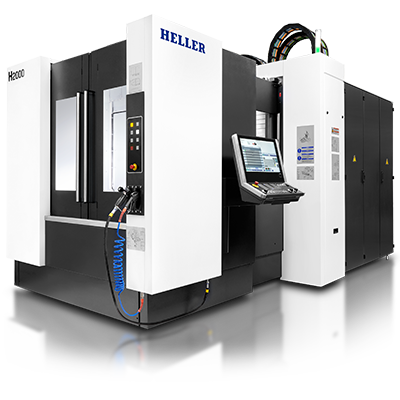
CNC (Computer Numerical Control) machinery has revolutionized the manufacturing industry in numerous ways. Its adoption offers several advantages that have transformed the production landscape. One of the primary benefits is precision. CNC machinery enables manufacturers to produce highly accurate and consistent parts with minimal errors. This precision results in improved product quality, reducing defects and the need for costly rework.
Furthermore, CNC machinery enhances productivity. Automated processes reduce manual labor, increasing production speed and efficiency. Manufacturers can produce higher volumes of goods in less time, meeting market demand more effectively. This increase in productivity also translates into cost savings, as fewer labor hours are required.
Another advantage of CNC machinery is versatility. These systems can be programmed to manufacture a wide range of products, from simple components to complex, intricate parts. This adaptability allows manufacturers to diversify their product offerings and quickly respond to changing market trends.
Impact of CNC machinery on various industries
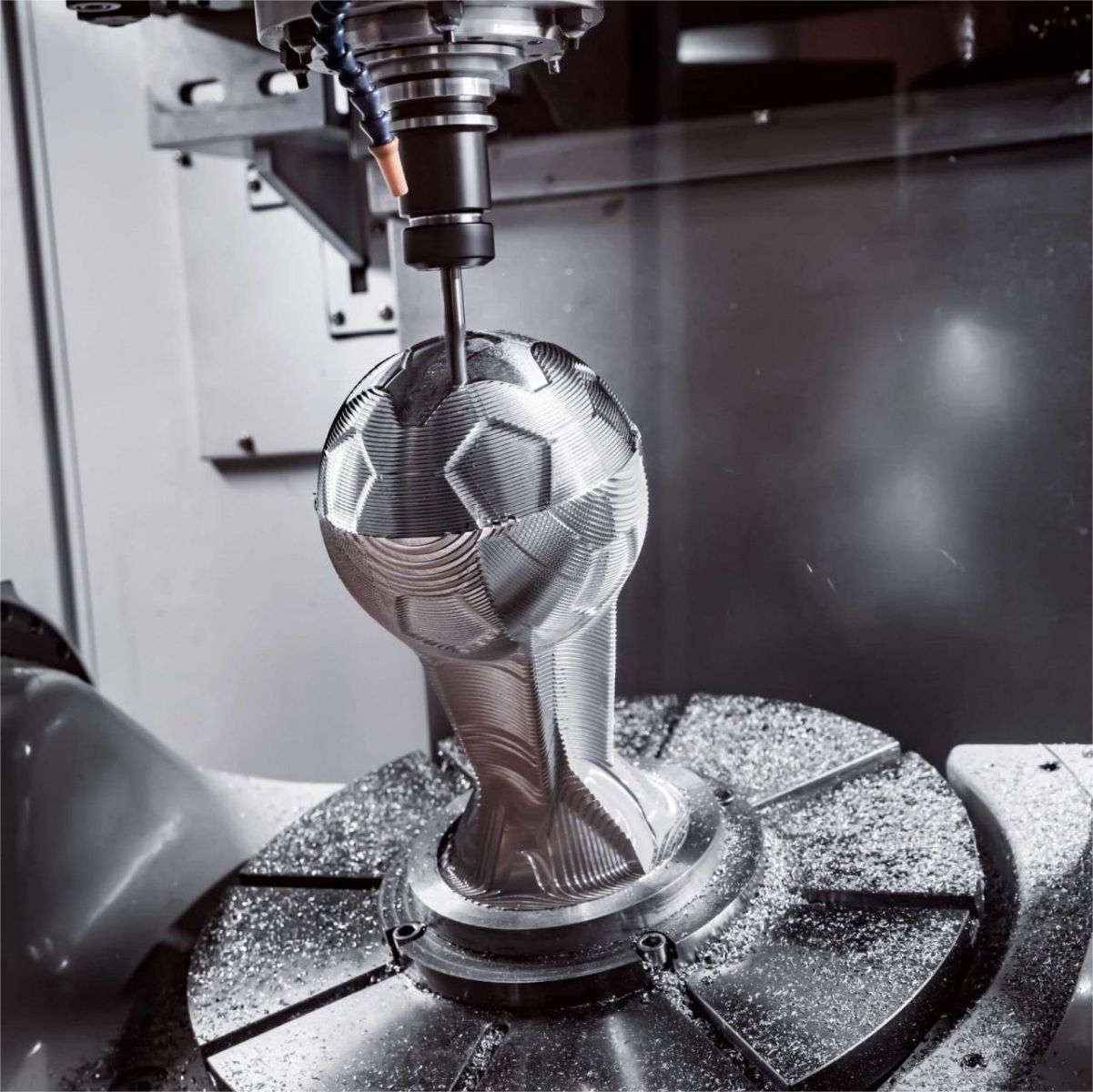
The impact of CNC machinery extends across a multitude of industries. Its versatility and precision make it a valuable asset in sectors such as aerospace, automotive, medical, and electronics. In aerospace, for example, CNC machining ensures the production of lightweight yet strong components critical for aircraft performance. Similarly, the automotive industry relies on CNC machinery to manufacture engine components and precision parts, improving fuel efficiency and vehicle safety.
In the medical field, CNC machining plays a pivotal role in producing intricate and precise surgical instruments and prosthetics. Electronics manufacturers use CNC machinery to create miniature circuit boards and components, ensuring the reliability and functionality of electronic devices.
The role of automation in CNC machinery
Automation is a cornerstone of CNC machinery's success. These systems are equipped with advanced automation features that streamline manufacturing processes. With CNC machinery, operators can program and control the entire production cycle, from design to finished product, reducing the need for constant human intervention.
Automation also enhances consistency and reduces the risk of errors. CNC machinery can operate continuously without breaks, maintaining a high level of accuracy throughout the production process. This consistency results in fewer defects and rework, contributing to overall cost savings.
Additionally, automation in CNC machinery supports lights-out manufacturing, where production can continue overnight or during non-working hours without human supervision. This 24/7 operation further boosts productivity and efficiency.
Key features and capabilities of CNC machinery
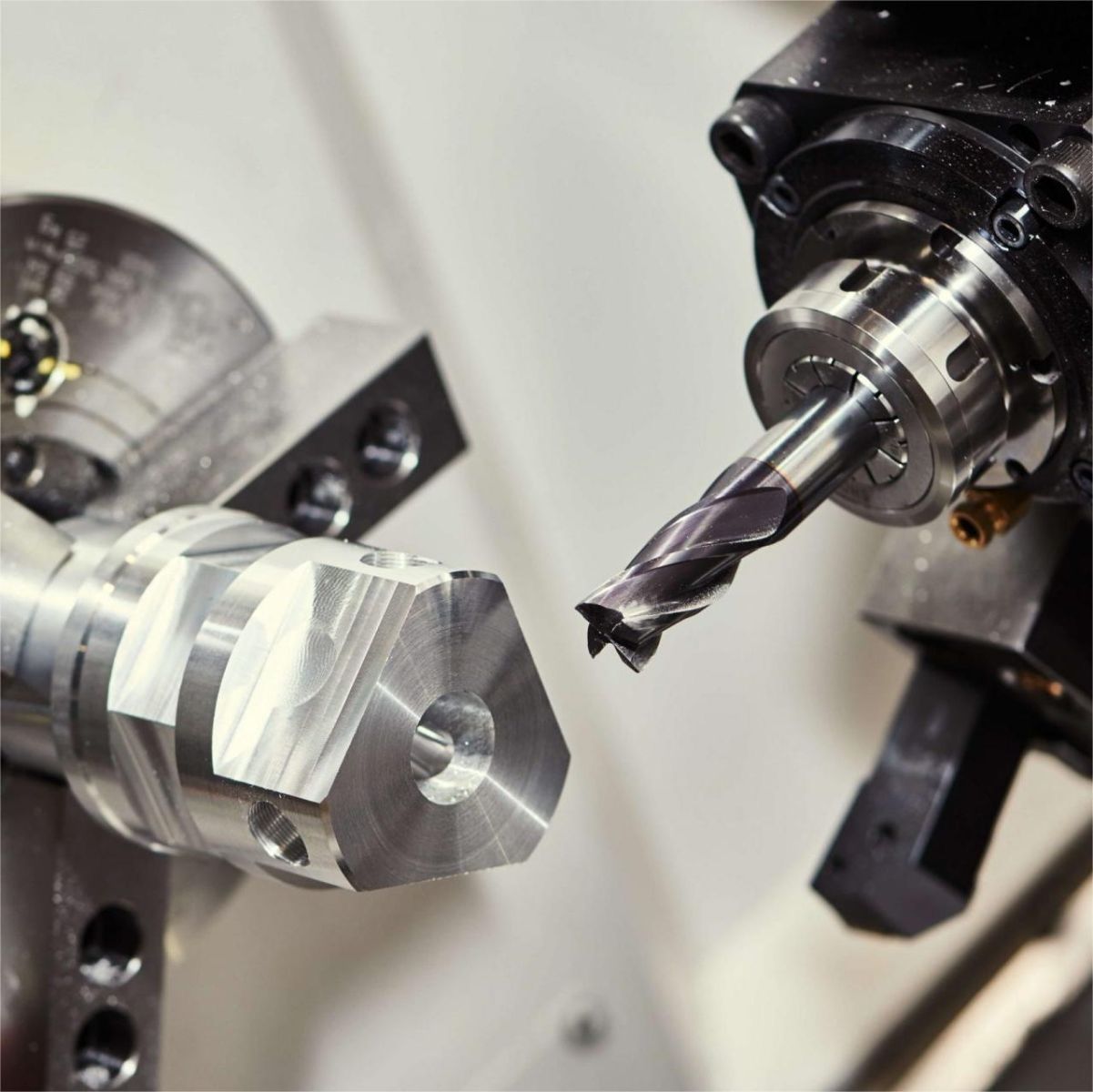
CNC machinery boasts a wide array of key features and capabilities that make it indispensable in modern manufacturing. One of its notable features is multi-axis control. CNC machines can operate in multiple axes simultaneously, allowing for the creation of complex shapes and intricate parts that would be challenging or impossible to produce manually.
Moreover, CNC machinery is highly programmable. Manufacturers can create detailed, customized instructions for the machine to follow, ensuring precise and repeatable results. This programmability is essential for achieving consistency in mass production and for adapting to changing production requirements.
CNC machinery also offers advanced tooling options. It can accommodate various cutting tools, allowing for a range of machining operations, from milling and turning to grinding and drilling. This versatility makes CNC machinery suitable for a wide range of applications.
Training and skills required for operating CNC machinery
Operating CNC machinery requires specialized training and skills. Individuals tasked with running these systems must possess a deep understanding of the machine's operation, programming, and maintenance. Training programs and certifications are available to ensure that operators are proficient in their roles.
One critical skill for CNC operators is programming. They must be able to create and modify CNC programs to suit the specific requirements of each manufacturing job. This involves knowledge of G-code, the language used to control CNC machines, as well as CAD/CAM software for designing parts and generating toolpaths.
Additionally, CNC operators should have a strong grasp of machine tooling and materials. Understanding the properties of different materials and selecting appropriate cutting tools is essential for achieving optimal results and prolonging tool life.
Challenges and limitations of CNC machinery
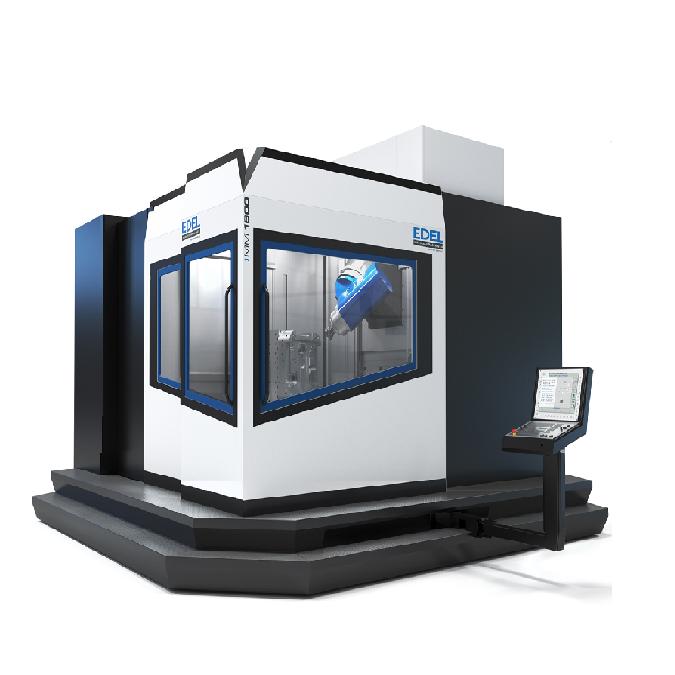
Despite its many advantages, CNC machinery does face certain challenges and limitations. One of the primary challenges is the initial investment cost. Purchasing and setting up CNC equipment can be expensive, especially for small and medium-sized enterprises (SMEs). However, many SMEs find that the long-term benefits, such as increased productivity and reduced labor costs, outweigh the initial expenses.
Another challenge is the complexity of programming and operation. Learning to program and operate CNC machinery can be time-consuming, and mistakes in programming can lead to costly errors. Employing skilled CNC operators or providing comprehensive training can help mitigate this challenge.
Maintenance is another consideration. CNC machines require regular maintenance to ensure they operate at peak performance. Downtime for maintenance can disrupt production schedules, so proactive maintenance planning is essential.
Trends and innovations in CNC machinery
The field of CNC machinery is constantly evolving, with ongoing trends and innovations shaping its future. One notable trend is the integration of AI (Artificial Intelligence) and IoT (Internet of Things) technologies. AI-powered algorithms can optimize toolpaths and detect anomalies in real-time, improving efficiency and reducing waste. IoT sensors can provide valuable data on machine performance, enabling predictive maintenance and minimizing downtime.
Another innovation is the use of 3D printing in CNC machining. Combining CNC machining with 3D printing allows for the creation of highly complex and customized parts with unprecedented precision and speed. This hybrid approach is particularly valuable in industries like aerospace and healthcare.
Additionally, the development of hybrid CNC machines that combine multiple manufacturing processes, such as milling, additive manufacturing, and laser cutting, is on the rise. These machines offer greater flexibility and efficiency in producing intricate components.
.jpeg)
Case studies of successful implementation of CNC machinery
Examining real-world case studies of successful CNC machinery implementation can provide valuable insights into its practical applications and benefits. One such case study is the automotive industry, where CNC machining has significantly improved production processes. Automotive manufacturers have used CNC machinery to create precision components, resulting in vehicles with enhanced fuel efficiency and safety features.
In the aerospace sector, CNC machinery has been pivotal in producing lightweight yet robust components for aircraft. These components contribute to fuel savings and improved flight performance, making CNC machining a critical technology in the aerospace supply chain.
In the medical field, CNC machinery has enabled the production of highly precise surgical instruments and implants. These advancements have improved patient outcomes and reduced the need for invasive procedures.
Conclusion: The future of manufacturing with CNC machinery
In conclusion, CNC machinery has become an indispensable tool in the manufacturing industry, offering a multitude of advantages, from precision and productivity to versatility and automation. Its impact spans various industries, including aerospace, automotive, medical, and electronics, where it plays a crucial role in producing high-quality components and products.
The role of automation in CNC machinery continues to grow, with lights-out manufacturing becoming more prevalent. Key features like multi-axis control, programmability, and advanced tooling options make CNC machinery a versatile choice for a wide range of applications.
To harness the full potential of CNC machinery, specialized training and skills are required for operators. Overcoming challenges such as initial investment costs and complexity is essential for businesses looking to adopt CNC technology successfully.
As CNC machinery evolves, trends like AI integration, 3D printing, and hybrid machines promise to further enhance its capabilities. Real-world case studies demonstrate the tangible benefits of CNC machinery in various industries.
In the future, CNC machinery is poised to continue transforming manufacturing processes, driving innovation, and enabling the production of more efficient, precise, and customized products. Its ongoing evolution ensures that CNC machinery will remain a cornerstone of modern manufacturing.
.jpg)
1. What CNC machining services does YICHOU offer?
- Keywords: CNC machining services, YICHOU CNC, precision parts manufacturing
Answer: YICHOU specializes in providing comprehensive CNC machining services. We excel in precision parts manufacturing using state-of-the-art CNC machinery. Our expertise covers a wide range of industries, ensuring that we can meet your specific manufacturing needs with the highest quality and precision.
2. How does YICHOU ensure quality and precision in CNC manufacturing?
- Keywords: Quality assurance, precision CNC machining, YICHOU quality control
Answer: At YICHOU, quality and precision are our top priorities. We implement stringent quality control measures at every stage of CNC manufacturing. Our experienced team, advanced CNC machinery, and rigorous inspection processes guarantee that each component we produce meets the highest industry standards.
3. What industries benefit the most from YICHOU's CNC machining capabilities?
- Keywords: Industries served, CNC machining applications, YICHOU CNC expertise
Answer: YICHOU's CNC machining capabilities are highly versatile and cater to a broad spectrum of industries. From aerospace and automotive to medical and electronics, our expertise ensures that we can deliver precision components tailored to the unique requirements of each industry.
4. Can YICHOU assist with custom CNC machining projects?
- Keywords: Custom CNC machining, bespoke parts, YICHOU CNC solutions
Answer: Yes, YICHOU specializes in custom CNC machining projects. We understand that each customer's needs are unique, and we are well-equipped to provide tailored CNC solutions. Whether you require custom designs, specific materials, or intricate components, we can meet your project's requirements with precision and excellence.
5. How does YICHOU stay at the forefront of CNC machining technology and trends?
- Keywords: CNC machining innovation, CNC machinery trends, YICHOU technology advancements
Answer: YICHOU is committed to staying ahead of the curve in CNC machining technology. We continually invest in the latest CNC machinery and stay updated with industry trends. This dedication to innovation ensures that we can offer cutting-edge solutions to our customers, delivering the highest quality and efficiency in CNC manufacturing.
GET QUOTE
- Visit our website: https://www.nbyichou.com/
- Email us: [email protected]
- Call us/whatsapp: +86 13355741031
- Chat with us: Live chat support available on our website