Welcome to the world of efficient pumping! In this article, we will unlock the secrets of one of the powerhouses of efficiency: the impeller pump. Whether you are a pumping professional or simply curious about how these devices work, this is the place to be. The impeller pump is widely recognized for its ability to move liquids with incredible precision and speed. Designed with intricately curved blades, this pump generates powerful centrifugal forces that propel fluids forward. This makes it an indispensable tool in various industries, including manufacturing, agriculture, and wastewater treatment. But what sets the impeller pump apart from other pumping mechanisms? The answer lies in its design and operation. By harnessing the force of rotation, these pumps can move significant volumes of liquid with minimal energy consumption. This translates into cost savings, improved productivity, and reduced environmental impact. Throughout this article, we will delve deeper into the inner workings of impeller pumps, exploring their different types and applications. Get ready to unravel the mysteries behind these efficiency powerhouses and discover how they can revolutionize your pumping needs.
How Impeller Pumps Work
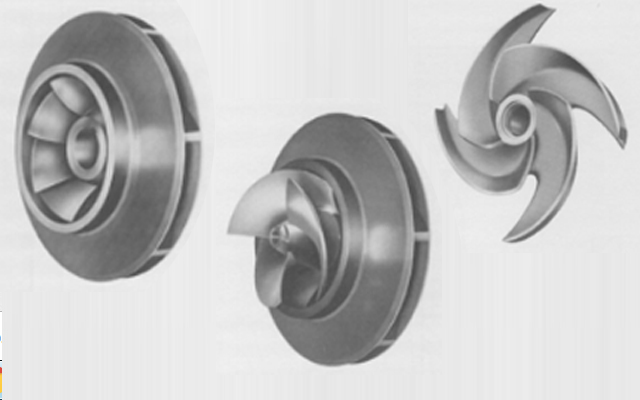
Impeller pumps are ingeniously designed mechanisms that play a crucial role in various industries by efficiently transferring fluids. At the heart of these pumps lies the impeller, a dynamic component responsible for generating the necessary force to move liquids. The impeller is strategically positioned within the pump casing, and its rotation imparts kinetic energy to the fluid. As the fluid gains momentum, it is directed towards the pump's outlet, effectively facilitating the transfer process. This intricate mechanism showcases the precision engineering behind impeller pumps, making them an indispensable asset in fluid handling systems.
Understanding the intricacies of how impeller pumps function involves delving into the physics of fluid dynamics. The impeller's blades are meticulously designed to create a vortex within the pump, ensuring optimal fluid circulation. The rotation of the impeller induces a centrifugal force, propelling the liquid towards the pump's discharge point. This seamless process not only guarantees a steady flow but also minimizes energy wastage, making impeller pumps an energy-efficient solution for fluid transfer applications.
Furthermore, impeller pumps are adaptable to a variety of fluid viscosities, showcasing their versatility. The carefully engineered impeller design allows these pumps to handle liquids with varying thickness, expanding their applications across industries. This adaptability ensures that impeller pumps remain a reliable choice for a wide range of fluid transfer needs, from water treatment plants to chemical processing units.
Advantages of Impeller Pumps
Investing in impeller pumps brings forth a multitude of advantages that extend beyond their basic functionality. One of the key benefits lies in their efficiency, as impeller pumps can handle high flow rates with minimal energy consumption. This translates to cost savings for industries that rely on fluid transfer operations, making impeller pumps a financially sound choice over the long term.
Another notable advantage of impeller pumps is their ability to handle solids within the fluid. The robust design of the impeller allows for the efficient passage of particles, reducing the risk of clogs and blockages. This feature is particularly valuable in industries where the pumped fluid may contain debris or suspended solids, such as in wastewater treatment plants or mining operations.
Impeller pumps also stand out for their durability and low maintenance requirements. The absence of complex internal components minimizes the chances of wear and tear, resulting in a longer lifespan for these pumps. Reduced maintenance needs not only contribute to operational cost savings but also ensure that impeller pumps provide a reliable and consistent performance over an extended period.
Different Types of Impeller Pumps
Impeller pumps come in various types, each tailored to meet specific industry requirements. One common classification is based on the impeller's design, with radial, axial, and mixed-flow impellers being the primary categories.
-
Radial Impellers: These impellers direct the fluid flow radially from the center to the outer edge. Radial impeller pumps are known for their high efficiency in generating pressure, making them suitable for applications where high head is crucial.
-
Axial Impellers: In contrast, axial impellers propel the fluid parallel to the impeller shaft. This design is ideal for situations where a high flow rate is essential, such as in cooling systems for large industrial machinery.
-
Mixed-Flow Impellers: Combining elements of both radial and axial designs, mixed-flow impellers offer a balanced approach. They strike a middle ground, providing a compromise between high pressure and high flow, making them versatile for various applications.
Additionally, impeller pumps can be categorized based on their specific applications, such as submersible impeller pumps for underwater use or vertical turbine impeller pumps for extracting water from wells. Understanding these different types allows industries to select the most suitable impeller pump for their unique fluid transfer needs.
Applications of Impeller Pumps in Various Industries
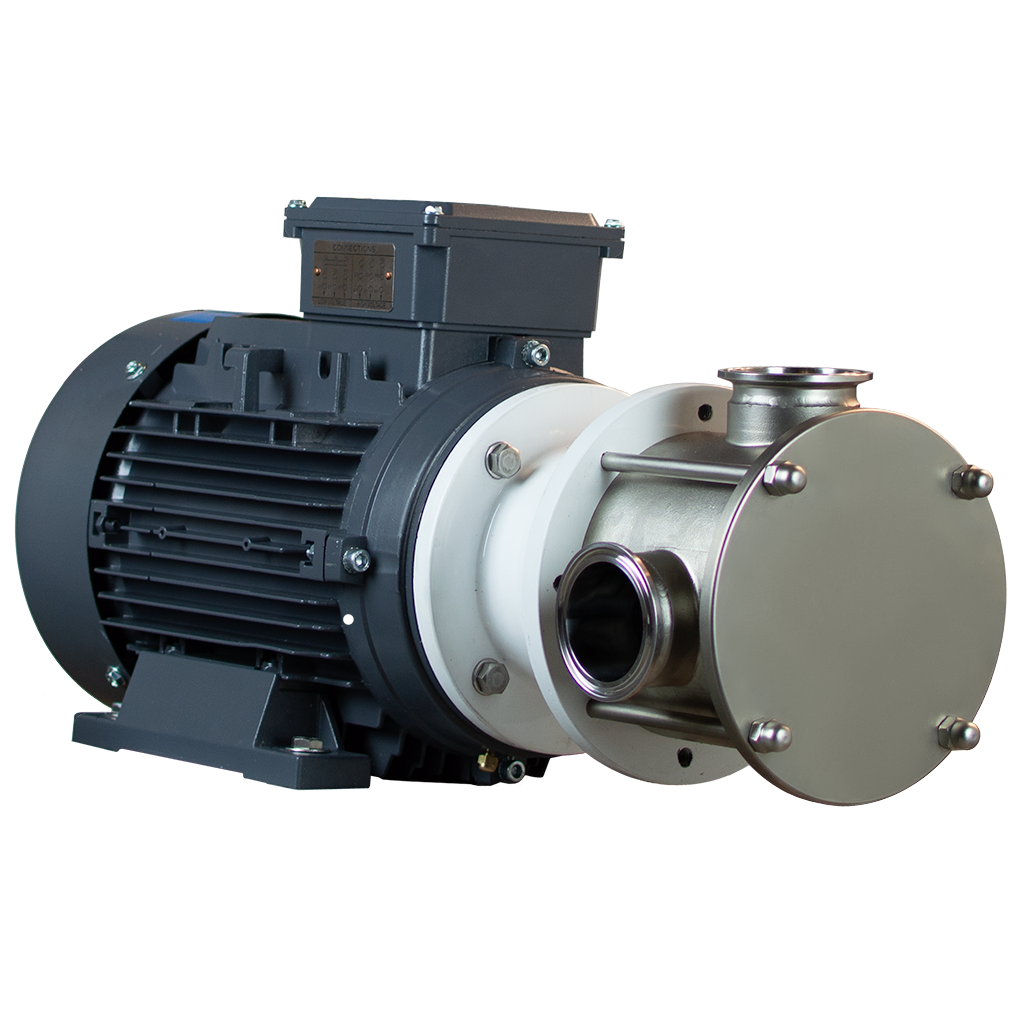
The versatility of impeller pumps finds expression in their widespread applications across diverse industries. One prominent sector benefiting from impeller pump technology is water treatment. Municipal water treatment plants leverage impeller pumps for the efficient transportation of water through various stages of the purification process. The ability of impeller pumps to handle both clean and contaminated water makes them indispensable in ensuring a continuous supply of potable water to communities.
In the realm of manufacturing, impeller pumps play a vital role in processes requiring the transfer of chemicals and fluids. Their resistance to corrosion and ability to handle aggressive substances make impeller pumps a preferred choice in chemical processing units. From pumping acids to transferring solvents, impeller pumps contribute to the seamless operation of chemical manufacturing facilities.
The agricultural sector also benefits from impeller pump technology, particularly in irrigation systems. Impeller pumps efficiently transport water from reservoirs or wells to agricultural fields, ensuring consistent and reliable water supply for crops. The adaptability of impeller pumps to different water sources makes them a valuable asset for sustainable and efficient farming practices.
Moreover, the mining industry relies on impeller pumps for the dewatering of mines. The robust construction of impeller pumps allows them to handle the abrasive and solid-laden water often encountered in mining operations. This dewatering process is crucial for maintaining a safe working environment and preventing damage to mining equipment.
In the realm of HVAC (Heating, Ventilation, and Air Conditioning), impeller pumps are employed for the circulation of fluids in heating and cooling systems. The ability to control both flow rate and pressure makes impeller pumps a key component in maintaining optimal temperatures in commercial and residential buildings.
In conclusion, the applications of impeller pumps span across a spectrum of industries, highlighting their adaptability, efficiency, and reliability. As technology continues to advance, impeller pumps will likely play an even more pivotal role in meeting the diverse fluid transfer needs of modern society.
Conclusion
Impeller pumps stand as a testament to engineering ingenuity, providing efficient and reliable solutions for fluid transfer across various industries. Understanding the intricacies of their operation, recognizing the advantages they offer, exploring the different types available, and delving into their applications in diverse sectors empower decision-makers to make informed choices when it comes to fluid handling systems.
As industries evolve and demand for efficient fluid transfer solutions grows, impeller pumps will undoubtedly continue to play a pivotal role in shaping the landscape of manufacturing, water treatment, agriculture, mining, and HVAC. The continuous refinement of impeller pump technology ensures that these devices remain at the forefront of innovation, meeting the ever-expanding needs of a dynamic and diverse industrial landscape.
Factors to Consider When Choosing an Impeller Pump
Selecting the right impeller pump is a critical decision that can significantly impact the efficiency and productivity of fluid transfer operations. Several factors come into play when making this choice. One key consideration is the type of fluid being transferred. Different impeller pumps are designed to handle various viscosities and compositions of liquids. For example, in industries dealing with corrosive chemicals, a corrosion-resistant impeller material is crucial to ensure longevity and reliability.
Another vital factor is the required flow rate and pressure. Understanding the specific needs of the application helps determine the impeller pump size and design that will deliver optimal performance. Additionally, considering the operating conditions, such as temperature and environmental factors, ensures that the chosen impeller pump can withstand the demands of the intended application.
Moreover, energy efficiency is a growing concern for industries. Choosing an impeller pump with high energy efficiency not only reduces operational costs but also aligns with sustainability goals. Examining the pump's efficiency curve and selecting one that matches the operational requirements helps strike a balance between performance and energy conservation. In essence, a thoughtful evaluation of these factors ensures the seamless integration of an impeller pump into a fluid handling system.
Maintenance and Troubleshooting Tips for Impeller Pumps
Ensuring the longevity and continuous functionality of impeller pumps necessitate a proactive approach to maintenance and troubleshooting. Regular maintenance is essential to prevent unexpected breakdowns and downtime. One crucial aspect is monitoring the impeller for signs of wear or damage. Periodic inspections allow for the timely identification of issues, preventing them from escalating into major problems.
Routine lubrication of bearings and seals is another maintenance best practice. Proper lubrication reduces friction, minimizes heat generation, and extends the lifespan of critical components. Additionally, checking and tightening bolts, inspecting the alignment of the pump, and verifying the condition of the motor contribute to overall pump health.
When troubleshooting issues, a systematic approach is paramount. Identifying unusual noises, vibrations, or fluctuations in performance can be early indicators of problems. Understanding the pump's specifications and comparing them with observed deviations aids in pinpointing potential issues. Regularly calibrating and monitoring pressure gauges and sensors ensures accurate readings, enabling swift responses to variations in system conditions.
Having a comprehensive maintenance and troubleshooting plan not only enhances the reliability of impeller pumps but also minimizes downtime and repair costs. Implementing preventive measures and addressing potential problems proactively contribute to the smooth operation of fluid handling systems.
Case Studies: Successful Implementation of Impeller Pumps
Real-world examples of successful impeller pump implementations highlight the tangible benefits and positive impacts on diverse industries. In the water treatment sector, a municipality in [Location] experienced remarkable results after upgrading to high-efficiency impeller pumps. The increased flow rate and energy savings translated to a more cost-effective water purification process, meeting the growing demands of the community.
In the chemical processing industry, a case study from [Company Name] illustrates the importance of selecting the right impeller pump for handling corrosive substances. The implementation of a corrosion-resistant impeller pump not only improved the safety of the operation but also reduced maintenance costs associated with equipment corrosion.
Furthermore, in the agricultural domain, a farm in [Location] achieved enhanced irrigation efficiency by incorporating impeller pumps tailored for high flow rates. The consistent and reliable water supply contributed to increased crop yields and overall farm productivity.
These case studies underscore the versatility of impeller pumps and their positive impact on operational efficiency, cost-effectiveness, and sustainability. By showcasing successful implementations, industries can draw inspiration and insights for optimizing their fluid transfer processes.
Innovations in Impeller Pump Technology
The landscape of impeller pump technology is continually evolving, driven by a commitment to efficiency, sustainability, and performance. One notable innovation is the development of smart impeller pumps equipped with advanced sensors and connectivity features. These pumps provide real-time data on performance metrics, allowing for proactive maintenance and optimizing operational parameters.
Additionally, advancements in materials and manufacturing techniques contribute to the durability and reliability of impeller pumps. The use of composite materials and 3D printing technologies allows for the creation of intricately designed impellers that enhance fluid dynamics and minimize energy consumption.
Integration with digital control systems and automation is another frontier in impeller pump technology. Smart control panels enable precise adjustments to flow rates and pressure, responding dynamically to changing operational conditions. This not only enhances efficiency but also provides a level of control and monitoring previously unattainable.
Furthermore, the exploration of alternative energy sources for powering impeller pumps is gaining traction. Solar-powered impeller pumps, for instance, offer a sustainable solution for remote locations with limited access to traditional power sources. These innovations collectively contribute to a more technologically advanced and environmentally conscious landscape in impeller pump technology.
Conclusion: Harnessing the Power of Impeller Pumps for Increased Efficiency
In conclusion, the selection, maintenance, and innovation surrounding impeller pumps are integral components in enhancing the efficiency of fluid transfer processes across industries. By carefully considering factors such as fluid type, flow rate, and energy efficiency during the selection process, industries can make informed decisions that align with their operational goals and sustainability objectives.
Implementing a proactive maintenance and troubleshooting strategy ensures the longevity and reliability of impeller pumps, minimizing downtime and maximizing productivity. Real-world case studies serve as inspiring examples of the positive impact impeller pumps can have on diverse applications, from water treatment to agriculture.
As innovations continue to shape impeller pump technology, the industry is witnessing a transformation towards smarter, more efficient, and sustainable solutions. From advanced sensor technologies to materials science breakthroughs, these innovations position impeller pumps as integral components in the ever-evolving landscape of fluid transfer systems.
Harnessing the power of impeller pumps goes beyond mere functionality; it represents a commitment to operational excellence, resource efficiency, and environmental stewardship. As industries embrace the advancements and lessons shared in this exploration, they pave the way for a future where impeller pumps play a pivotal role in achieving heightened efficiency and sustainability in fluid handling operations.
1. What is an Impeller in a Pump?
Keywords: Impeller, Pump Components, Fluid Dynamics, YICHOU Parts Manufacturing
An impeller in a pump is a crucial component responsible for imparting energy to a fluid, facilitating its transfer within a system. At YICHOU, our parts manufacturing expertise ensures precision-engineered impellers designed to optimize fluid dynamics. These dynamic blades rotate within the pump, creating a centrifugal force that propels the liquid towards the pump's outlet. Understanding the role of an impeller is fundamental to making informed decisions when selecting components for fluid transfer applications.
2. What is the Life Expectancy of a Pump Impeller?
Keywords: Pump Impeller Lifespan, Maintenance Practices, YICHOU Quality Assurance
The life expectancy of a pump impeller is influenced by various factors, including the operating conditions and maintenance practices. YICHOU's commitment to quality ensures our impellers are constructed using durable materials, contributing to an extended lifespan. Regular maintenance, such as monitoring for wear and tear, lubricating critical components, and ensuring proper alignment, significantly impacts the longevity of the impeller. Our manufacturing processes prioritize durability, aligning with industry best practices to enhance impeller lifespan.
3. What are the Three Types of Impellers?
Keywords: Radial Impeller, Axial Impeller, Mixed-Flow Impeller, YICHOU Manufacturing Varieties
There are three primary types of impellers: radial, axial, and mixed-flow. At YICHOU, our parts manufacturing expertise covers an extensive range of impeller varieties to meet diverse industry needs. Radial impellers direct fluid flow from the center to the outer edge, providing high pressure. Axial impellers propel fluid parallel to the impeller shaft, ideal for high-flow applications. Mixed-flow impellers combine features of radial and axial designs, offering a balanced solution. Understanding these types empowers industries to select the most suitable impeller for their specific fluid transfer requirements.
4. What is the Difference Between a Centrifugal Pump and Impeller?
Keywords: Centrifugal Pump, Impeller Functionality, Fluid Transfer Mechanism, YICHOU Comparative Analysis
The key difference between a centrifugal pump and an impeller lies in their functions within a fluid transfer system. An impeller is a rotating component within a pump that imparts kinetic energy to the fluid, facilitating its movement. On the other hand, a centrifugal pump is a broader system that incorporates an impeller as a central component. YICHOU's expertise in parts manufacturing ensures the seamless integration of impellers into centrifugal pumps, optimizing their functionality for efficient fluid transfer in various industries.
5. How does YICHOU Ensure Impeller Quality and Performance?
Keywords: YICHOU Quality Assurance, Impeller Manufacturing Standards, Performance Optimization
At YICHOU, ensuring the quality and performance of our impellers is a top priority. Our manufacturing standards adhere to rigorous quality control measures, encompassing material selection, precision engineering, and thorough testing. We leverage cutting-edge technology to optimize impeller performance for diverse fluid transfer applications. Our commitment to excellence and continuous improvement sets YICHOU apart as a trusted partner in providing high-quality impellers that meet and exceed industry standards.
GET QUOTE
- Visit our website: https://www.nbyichou.com/
- Email us: [email protected]
- Call us/whatsapp: +86 13355741031
- Chat with us: Live chat support available on our website