Are you looking to maximize the efficiency of your industrial cooling systems? Look no further than shell and tube heat exchangers.
These ingenious devices play a crucial role in transferring heat between two fluids, ensuring optimal cooling performance across a variety of industrial applications.
In this ultimate guide, we will dive deep into the world of shell and tube heat exchangers, exploring their design, working principle, and benefits.
Whether you're a seasoned engineer or just getting started in the field, this comprehensive resource will equip you with the knowledge needed to make informed decisions when selecting and optimizing heat exchangers for your specific needs. From the basics of heat transfer to advanced topics like flow patterns and material selection, this guide will cover it all. Discover the various types of shell and tube heat exchangers, understand their advantages and limitations, and learn about best practices for installation and maintenance. Don't let your industrial cooling systems fall short on performance.
Join us on this journey through the world of shell and tube heat exchangers, and take your cooling efficiency to new heights.
.jpg)
How do Shell and Tube Heat Exchangers Work?
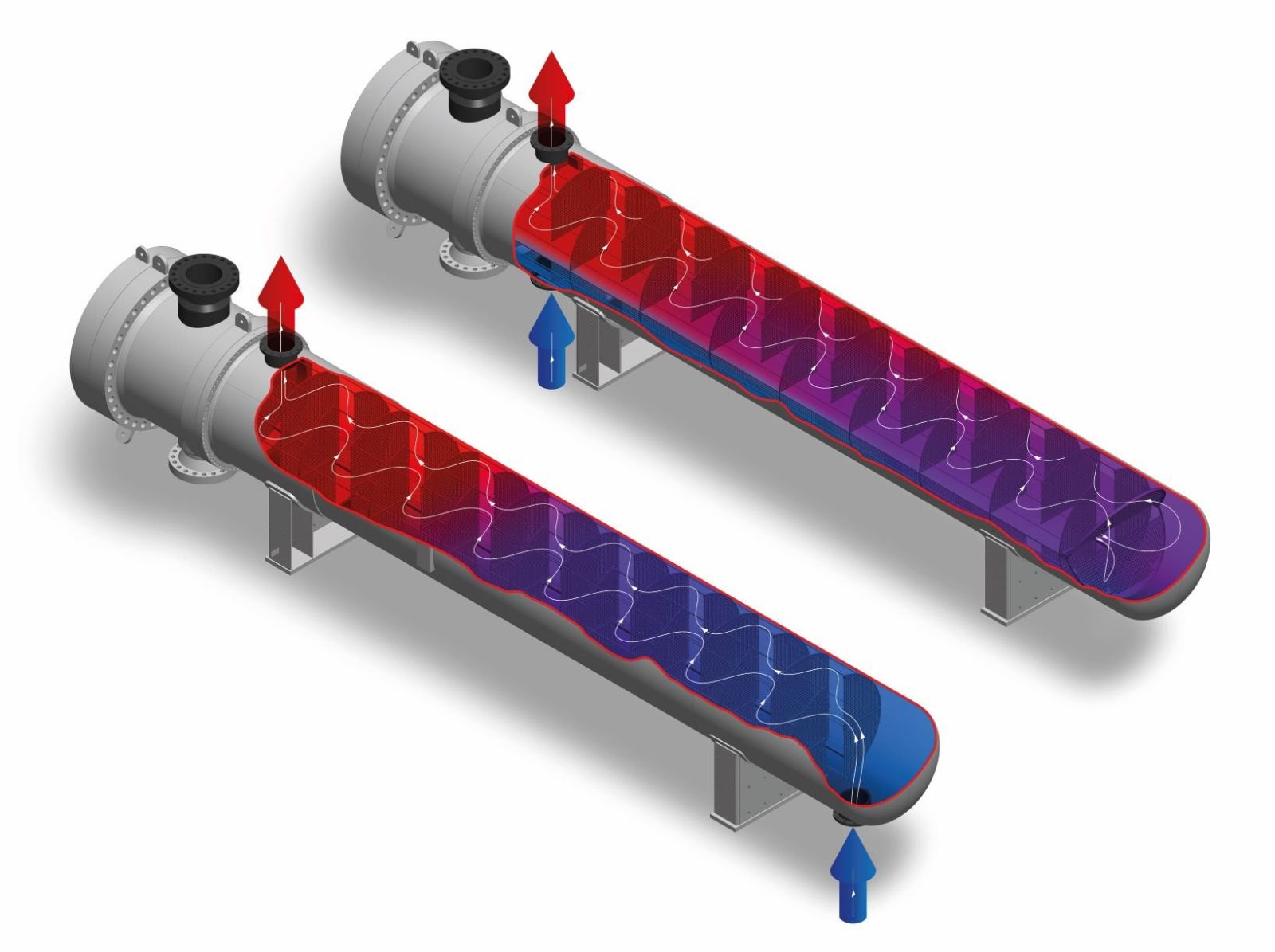
Shell and tube heat exchangers are ingeniously designed devices crucial for efficient heat transfer in various industrial processes. At their core, these heat exchangers operate on the fundamental principle of exchanging heat between two fluids—typically, one fluid flows through the tubes, while another circulates around the tubes within a shell. This mechanism facilitates the transfer of thermal energy, ensuring optimal temperature control in diverse applications.
To delve deeper into the mechanics, it's essential to understand the role of tubes and shells. The tubes act as conduits for one of the fluids, allowing it to absorb or relinquish heat, depending on the specific process requirements. Simultaneously, the shell, enveloping the tubes, enables the other fluid to absorb or dissipate heat. This exchange of thermal energy enhances the overall efficiency of heat transfer, making shell and tube heat exchangers indispensable in industries ranging from petrochemicals to HVAC systems.
To optimize the understanding of this process, consider the intricate details of fluid dynamics and the impact of different materials on heat conductivity. Delve into real-world examples and case studies that showcase the versatility and adaptability of shell and tube heat exchangers across various sectors. By elucidating these complexities, readers gain a comprehensive grasp of the nuanced workings of these heat transfer marvels.
Applications of Shell and Tube Heat Exchangers in Industrial Cooling Systems
In the realm of industrial cooling systems, the applications of shell and tube heat exchangers are vast and impactful. These robust devices play a pivotal role in maintaining optimal operating temperatures across diverse manufacturing processes. From the cooling of hydraulic fluids in heavy machinery to the condensation of gases in chemical plants, shell and tube heat exchangers prove their versatility in safeguarding equipment and ensuring seamless operations.
One notable application lies in power generation, where these heat exchangers contribute to the efficiency of steam turbines by cooling and condensing steam. Elaborate on how this enhances energy production and reduces environmental impact, thereby aligning with the global push towards sustainable practices. Additionally, explore the integration of shell and tube heat exchangers in data centers, elucidating how they aid in cooling servers and preventing overheating, thereby optimizing performance and extending the lifespan of critical infrastructure.
By weaving a narrative that connects the intricacies of industrial cooling processes with the pivotal role played by shell and tube heat exchangers, readers not only grasp the theoretical aspects but also appreciate the tangible impact of these devices on daily operations across industries.
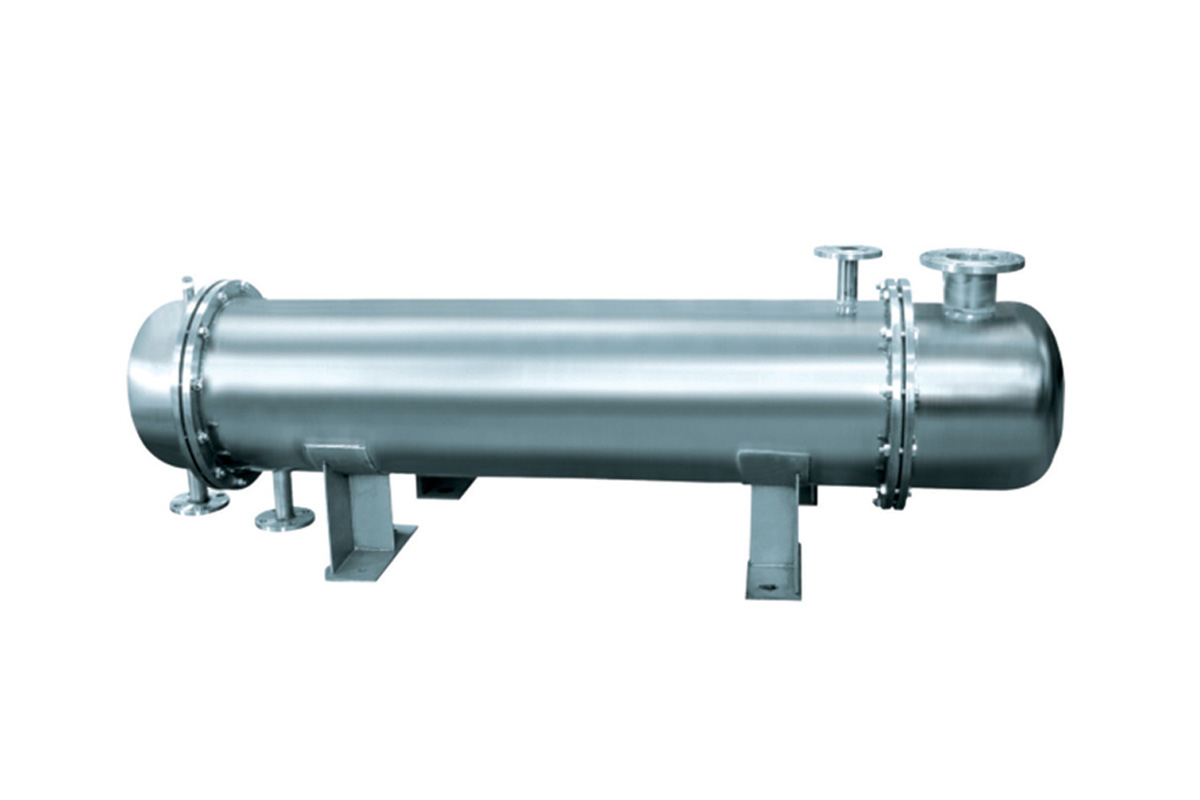
Types of Shell and Tube Heat Exchangers
Diving into the diverse landscape of shell and tube heat exchangers reveals a spectrum of designs tailored to specific applications. From the conventional fixed-tube-sheet design to the more advanced floating-head and U-tube configurations, each type offers distinct advantages and considerations.
Explore the nuances of these designs, providing in-depth insights into when and why a particular configuration is preferred. Discuss the advantages of U-tube heat exchangers in handling thermal expansion or contraction and how floating-head designs simplify maintenance and cleaning processes. Incorporate visual aids such as diagrams and illustrations to enhance clarity and engage the reader visually.
Furthermore, shed light on emerging trends and innovations in shell and tube heat exchanger design. Discuss how advancements in materials, such as corrosion-resistant alloys, are pushing the boundaries of efficiency and durability. By showcasing the evolution of these heat exchangers, readers gain a forward-looking perspective, positioning your content as a valuable resource in the ever-evolving landscape of industrial heat transfer technology.
Factors to Consider When Selecting a Shell and Tube Heat Exchanger
Selecting the right shell and tube heat exchanger is a critical decision that directly influences the efficiency and reliability of industrial processes. To guide decision-makers, it's imperative to delve into the key factors that should inform this selection process.
Start by addressing the importance of understanding the specific heat transfer requirements of the application. Outline how factors like fluid properties, flow rates, and temperature differentials play a pivotal role in determining the optimal heat exchanger for a given scenario. Integrate real-world case studies that highlight successful applications, providing a practical perspective on the decision-making process.
Discuss the impact of material selection on the longevity and performance of heat exchangers. Emphasize how compatibility with the fluids being processed and resistance to corrosion are paramount considerations. Delve into the implications of design features on maintenance requirements, exploring how accessibility and ease of cleaning can contribute to overall operational efficiency.
Incorporate a comparative analysis of different manufacturers and their offerings, providing readers with a comprehensive overview of the market landscape. Highlight customer testimonials and success stories to instill confidence in the reliability of the selected heat exchanger.
By offering a holistic guide that combines technical insights with practical considerations, your content becomes an authoritative resource for professionals navigating the intricate process of shell and tube heat exchanger selection.
Installation and Maintenance of Shell and Tube Heat Exchangers
The installation and maintenance of shell and tube heat exchangers are pivotal processes that directly impact their longevity and performance. Begin by guiding readers through the step-by-step installation procedure, emphasizing key considerations such as proper alignment, secure tubing connections, and appropriate sealing to prevent leaks.
Dive into the nuances of maintenance practices, detailing regular inspection schedules, cleaning routines, and potential red flags that signify the need for maintenance. Incorporate best practices for extending the lifespan of these heat exchangers, including strategies for mitigating fouling and scaling issues.
To enhance the practical utility of this section, consider providing a downloadable checklist or infographic summarizing essential installation and maintenance steps. By offering a tangible resource, you empower readers with actionable insights they can implement in their industrial settings.
Common Issues and Troubleshooting Tips for Shell and Tube Heat Exchangers
In any industrial setting, challenges are inevitable. Explore the common issues that may arise in shell and tube heat exchangers, ranging from fouling and corrosion to flow imbalance. For each issue, provide comprehensive troubleshooting tips, guiding operators on effective and swift resolutions.
Illustrate potential consequences of ignoring or misdiagnosing these issues, emphasizing the importance of proactive troubleshooting in maintaining operational efficiency. Consider incorporating real-world anecdotes or case studies that highlight successful resolution of complex problems, showcasing the efficacy of the troubleshooting tips provided.
To facilitate easy navigation, organize troubleshooting tips into a user-friendly format, such as a table or checklist. Additionally, encourage reader interaction by inviting them to share their experiences or challenges in the comments section, fostering a sense of community and knowledge exchange.
Advancements in Shell and Tube Heat Exchanger Technology
The field of shell and tube heat exchanger technology is dynamic, with continuous advancements driving increased efficiency and performance. Delve into the latest innovations, such as enhanced materials, improved heat transfer surfaces, and smart monitoring technologies.
Explore how these advancements address common challenges, providing practical benefits in terms of energy efficiency, reduced maintenance needs, and enhanced adaptability to varying industrial conditions. Incorporate insights from industry experts, research studies, and product releases to showcase the cutting-edge developments shaping the future of heat exchanger technology.
To optimize for search engines, strategically integrate keywords related to technological advancements, such as "smart heat exchangers," "enhanced materials," and "innovations in heat transfer." Leverage multimedia elements, such as infographics or short videos, to visually convey the complexity and benefits of these technological strides.
Case Studies: Successful Implementation of Shell and Tube Heat Exchangers in Industrial Cooling Systems
Real-world success stories serve as powerful testimonials for the efficacy of shell and tube heat exchangers. Present a series of case studies highlighting diverse industrial applications, detailing the specific challenges faced, the selected heat exchanger solution, and the measurable positive outcomes achieved.
Include testimonials or quotes from industry professionals involved in these implementations, adding a human touch to the success stories. Utilize visuals, such as before-and-after images or process diagrams, to enhance the narrative and provide a visual representation of the impact of shell and tube heat exchangers.
For SEO optimization, incorporate industry-specific keywords and geographical references, showcasing the versatility and global applicability of these heat exchangers. Additionally, consider creating downloadable case study PDFs for readers who prefer a more in-depth exploration of each success story.
Conclusion: Importance of Shell and Tube Heat Exchangers in Achieving Efficient Industrial Cooling Systems
Conclude the blog by reiterating the central role of shell and tube heat exchangers in ensuring efficient industrial cooling systems. Summarize key takeaways from each section, emphasizing the critical importance of proper installation, proactive maintenance, technological advancements, and successful case studies.
Conclusion
In conclusion, the world of shell and tube heat exchangers is a fascinating blend of science, engineering, and industrial application. By unraveling the intricacies of their operation, exploring diverse applications, detailing various types, and providing a comprehensive guide for selection, this content aims not only to inform but to empower professionals in making informed decisions.

1. Understanding the Essence: What Sets YICHOU's Shell and Tube Heat Exchangers Apart?
Exploring Shell and Tube Heat Exchanger Basics:
In this FAQ, we unravel the fundamental concepts of shell and tube heat exchangers. Discover the core principles that define these devices and understand how YICHOU's commitment to precision engineering and cutting-edge technology elevates the performance and reliability of our heat exchangers.
2. Navigating Challenges: A Comprehensive Look at Common Issues in Shell and Tube Heat Exchangers
Troubleshooting with YICHOU:
Explore common problems faced in shell and tube heat exchangers and how YICHOU addresses these challenges. From fouling and corrosion to flow imbalances, this FAQ provides detailed insights into YICHOU's troubleshooting strategies and maintenance approaches, ensuring prolonged efficiency and reliability.
3. Balancing Act: The Pros and Cons of YICHOU's Shell and Tube Heat Exchangers
Weighing the Trade-offs:
Delve into the advantages and disadvantages of YICHOU's shell and tube heat exchangers. From heightened heat transfer efficiency to potential maintenance complexities, this FAQ offers a nuanced perspective, emphasizing YICHOU's commitment to transparent communication and empowering clients with informed decision-making.
4. Evaluating Costs: YICHOU's Approach to Expense and Value in Shell and Tube Heat Exchangers
Beyond the Bottom Line:
Explore the cost considerations associated with YICHOU's shell and tube heat exchangers. Understand the factors contributing to expenses and how YICHOU's focus extends beyond immediate costs to long-term value. This FAQ empowers industries to make economically sound choices without compromising on quality.
5. Value Proposition: Which is More Expensive in YICHOU's Shell and Tube Heat Exchangers?
Unpacking the True Value:
This FAQ delves into the elements contributing to the overall expense of YICHOU's shell and tube heat exchangers. From materials and design intricacies to long-term operational costs, gain a holistic understanding of the factors that define the true value of YICHOU's heat exchangers and why investing in quality pays off in the long run.
GET QUOTE
- Visit our website: https://www.nbyichou.com/
- Email us: [email protected]
- Call us/whatsapp: +86 13355741031
- Chat with us: Live chat support available on our website