Introduction to 4x8 Carbon Fiber Sheets
The 4x8 carbon fiber sheet has become the industry standard for numerous applications across aerospace, automotive, and industrial sectors. Measuring 48 inches by 96 inches (122 cm × 244 cm), these large-format panels offer an ideal balance of workability and substantial coverage area. At YICHOU, we specialize in manufacturing premium 4x8 carbon fiber sheets that meet the most demanding specifications while providing exceptional value and performance consistency.
This comprehensive guide addresses the most common questions about 4x8 carbon fiber sheets while providing detailed technical information to help you make informed purchasing decisions for your specific application requirements.
What Makes 4x8 Carbon Fiber Sheets Special?
Standardization Benefits
The 4x8 dimension has emerged as the preferred standard for several compelling reasons:
Manufacturing Efficiency
-
Optimizes raw material utilization from production rolls
-
Reduces waste during panel fabrication
-
Streamlines handling and transportation logistics
-
Compatible with standard processing equipment
Application Advantages
-
Provides substantial coverage for large components
-
Minimizes seams and joints in big projects
-
Offers flexibility for cutting multiple smaller parts
-
Compatible with automated manufacturing processes
Carbon Fiber Fundamentals
What is Carbon Fiber?
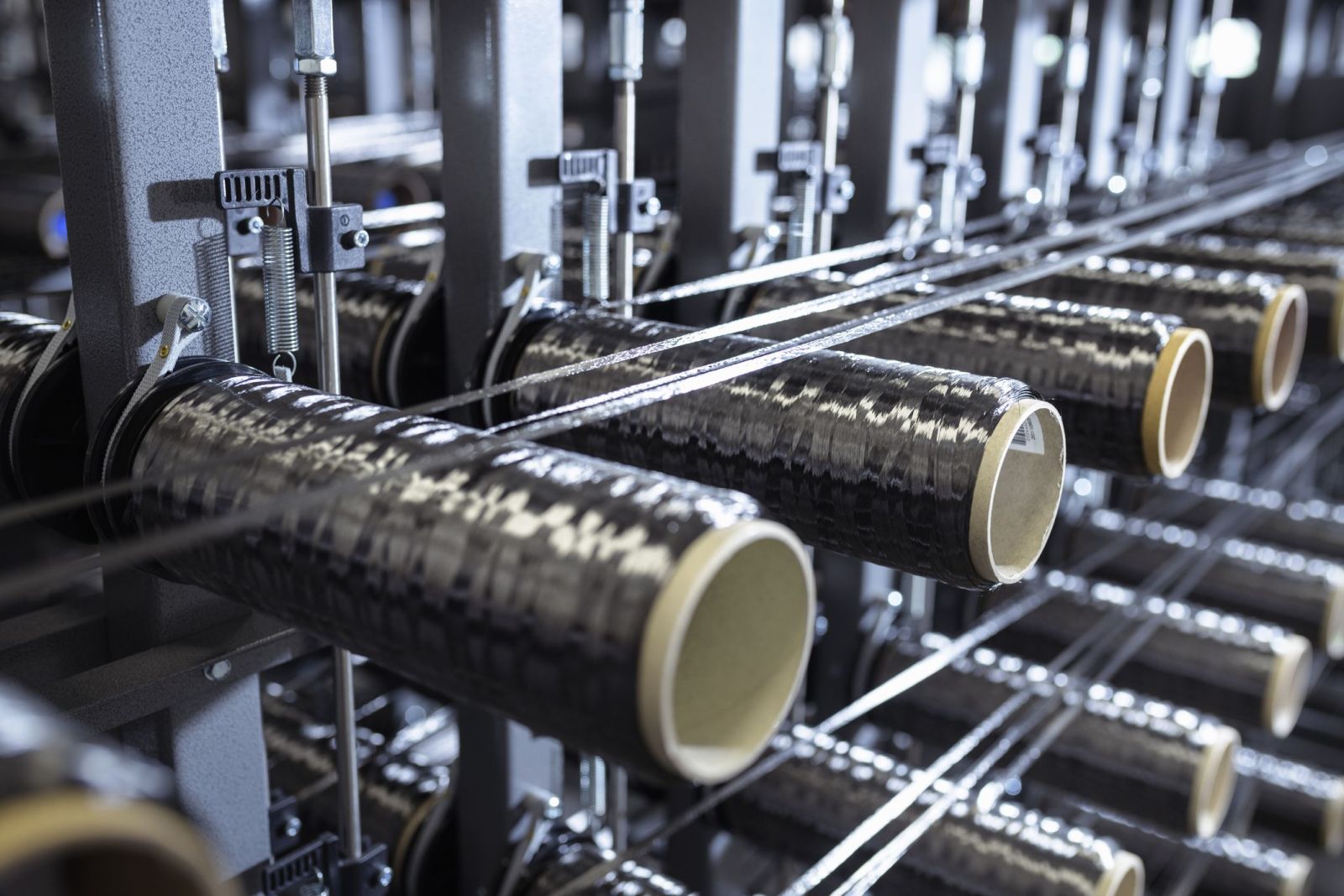
Carbon fiber consists of organic polymers transformed into nearly pure carbon fibers through a pyrolysis process. These fibers, approximately 5-10 microns in diameter (thinner than human hair), feature carbon atom crystals aligned along the fiber's axis, providing exceptional strength in the fiber direction.
Carbon fiber is typically combined with polymer resins such as epoxy to form carbon fiber reinforced polymer (CFRP), commonly referred to as "carbon fiber." This composite material combines the strength and stiffness of the fibers with the load-transfer properties of the resin.
Carbon Fiber Manufacturing Process
Carbon fiber production involves multiple stages:
-
Spinning: Polymer precursor (typically polyacrylonitrile or PAN) is spun into fibers
-
Stabilization: Fibers are heated in air to stabilize their structure
-
Carbonization: High-temperature treatment in inert atmosphere converts fibers to carbon
-
Surface treatment: Fibers are treated to improve adhesion to resins
-
Sizing: Application of protective coating
.jpg)
Types of Carbon Fiber Sheets
By Weave Pattern
Plain Weave
The most common pattern featuring a simple over-under weave. Offers good stability and balanced properties in both directions. Ideal for flat sheets and structural components.
Twill Weave
Recognizable by its diagonal pattern, twill weave provides better drapeability and impact resistance. The 2x2 and 4x4 patterns offer different aesthetic and mechanical properties.
Unidirectional (UD)
Fibers run predominantly in one direction, providing maximum strength and stiffness along that axis. Perfect for applications with predictable load paths.
Bidirectional
Equal fiber distribution in two perpendicular directions, offering balanced properties for multi-directional loading scenarios.
By Material Composition
Standard Modulus Carbon Fiber
Most common type offering excellent balance of properties and affordability. Suitable for majority of industrial applications.
Intermediate and High Modulus
Enhanced stiffness characteristics for applications requiring minimal deflection. Typically more expensive but essential for aerospace and high-performance applications.
Hybrid Composites
Combination of carbon fiber with other materials like fiberglass or aramid fibers. Offers customized property profiles and cost optimization.
Manufacturing Capabilities at YICHOU
Advanced Production Facilities
Our state-of-the-art manufacturing facility incorporates the latest technology in composite production:
-
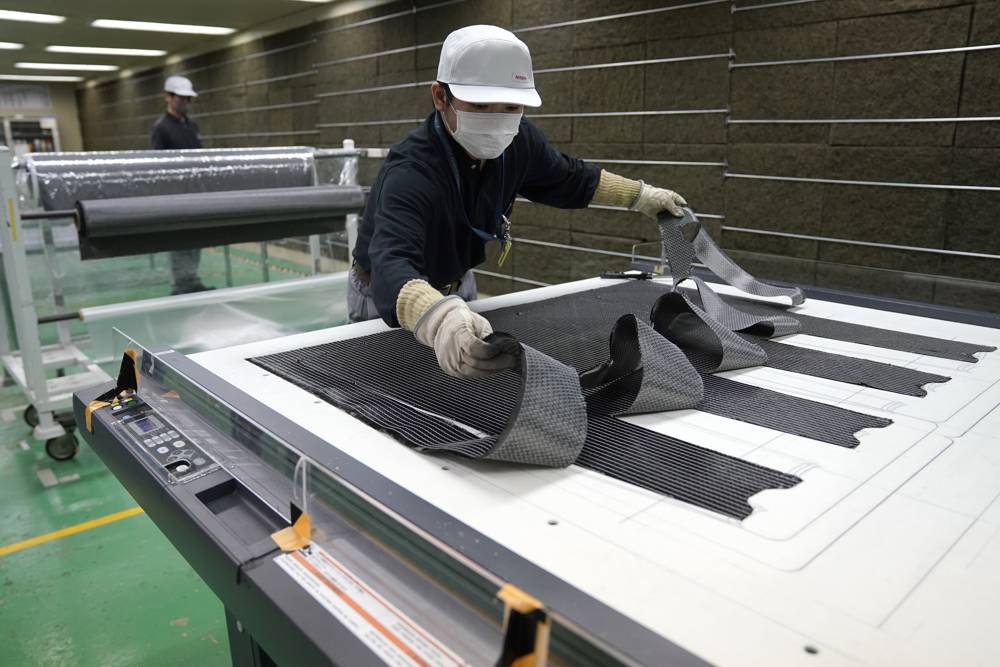
Automated Cutting Systems: Precision CNC cutting equipment ensures dimensional accuracy to within ±0.1mm tolerance
-
Computer-Controlled Presses: Hydraulic presses with temperature and pressure monitoring guarantee consistent curing conditions
-
Clean Room Environment: Controlled manufacturing conditions prevent contamination and ensure perfect surface finish
-
Quality Control Laboratory: In-house testing facility for mechanical properties, dimensional verification, and visual inspection
Technical Specifications
| Property | Standard Value | Testing Standard |
|---|---|---|
| Tensile Strength | 600-700 MPa | ASTM D3039 |
| Tensile Modulus | 60-70 GPa | ASTM D3039 |
| Flexural Strength | 750-850 MPa | ASTM D790 |
| Flexural Modulus | 60-65 GPa | ASTM D790 |
| Density | 1.5-1.6 g/cm³ | ASTM D792 |
| Thickness Range | 0.5mm-50mm | - |
| Panel Sizes | 4x8 ft (standard), custom sizes available | - |
Comprehensive FAQ Section
Cost and Pricing Questions
Is carbon fiber so expensive?
Carbon fiber is more expensive than traditional materials like steel or aluminum due to its complex manufacturing process, high energy requirements, and specialized equipment needed for production. The raw materials (precursor and resins) also contribute significantly to the cost. However, when considering the total cost of ownership including weight savings, durability, and performance benefits, carbon fiber often provides excellent value.
How much is a sheet of carbon fiber?
Prices vary significantly based on specifications:
-
Standard 4x8 foot sheet, 3mm thickness: $400-$800
-
Thicker panels (10mm+): $1,200-$3,000
-
Custom sizes and specialty materials: Higher pricing
Volume discounts available for large orders. Contact us for exact pricing based on your requirements.
What is cheaper, fiberglass or carbon fiber?
Fiberglass is typically 3-5 times cheaper than carbon fiber for equivalent thickness. However, carbon fiber offers significantly better strength-to-weight ratio, often making it more cost-effective in applications where weight reduction is critical.
What is cheaper, carbon fiber or steel?
While raw steel is much cheaper per pound, carbon fiber's lightweight nature means you use less material by weight. For applications where weight savings translate to operational benefits (transportation, aerospace), carbon fiber can be more economical overall.
What is the most expensive type of carbon fiber?
Aerospace-grade, ultra-high modulus carbon fibers are the most expensive, sometimes costing 10-20 times more than standard modulus fibers. These specialty fibers offer exceptional stiffness and thermal stability for extreme applications.
Is carbon fiber getting cheaper?
Yes, manufacturing efficiencies and increased production capacity have gradually reduced carbon fiber prices over the past decade. However, the rate of price reduction has slowed recently due to rising energy costs and raw material prices.
Material Properties and Characteristics
How heavy is carbon fiber?
Carbon fiber has a density of approximately 1.5-1.6 g/cm³, making it about 70% lighter than steel and 40% lighter than aluminum for equivalent stiffness.
Is carbon fiber stronger than steel?
By weight, carbon fiber is 5 times stronger than steel and twice as stiff. In absolute terms, steel has higher tensile strength, but carbon fiber's superior strength-to-weight ratio makes it advantageous for weight-critical applications.
Is carbon fiber stronger than titanium?
Carbon fiber composites can be stronger than titanium by weight while being significantly lighter. Titanium has better impact resistance and temperature tolerance, but carbon fiber excels in specific strength and stiffness.
Do carbon fiber sheets bend?
Carbon fiber sheets have excellent flexural strength but will bend under sufficient load. The amount of bending depends on the thickness, fiber orientation, and support conditions. Properly designed carbon fiber components can be extremely rigid.
How strong is a carbon fiber sheet?
Strength varies with thickness and construction:
-
1mm sheet: ~600 MPa tensile strength
-
3mm sheet: ~650 MPa tensile strength
-
5mm+ sheets: ~700 MPa tensile strength
Actual values depend on fiber type, resin system, and manufacturing quality.
Can carbon fiber break easily?
Carbon fiber has excellent strength but can be brittle under impact loading. It performs exceptionally well under steady loads but may fracture rather than deform under sharp impacts. Proper design can mitigate this limitation.
What is the lifespan of carbon fiber?
Properly manufactured and protected carbon fiber can last indefinitely. Unlike metals, it doesn't corrode or fatigue in the same way. Most carbon fiber products are rated for 20+ years of service life, with many aerospace components lasting the life of the vehicle.
Why does carbon fiber fail?
Common failure modes include:
-
Impact damage (particularly sharp impacts)
-
UV degradation (if not properly protected)
-
Moisture absorption (affecting resin properties)
-
Overloading beyond design limits
-
Manufacturing defects (voids, poor fiber alignment)
Working with Carbon Fiber Sheets
Can carbon fiber sheets be cut?
Yes, carbon fiber sheets can be cut using several methods:
-
CNC routing: Best for precision cuts and complex shapes
-
Water jet cutting: Ideal for thicker materials, no heat affected zone
-
Diamond blade cutting: Effective for straight cuts
-
Scoring and breaking: Suitable for thin sheets under 2mm
Always wear appropriate PPE when cutting carbon fiber due to the fine dust particles generated.
How to harden a carbon fiber sheet?
Carbon fiber sheets are already hardened during the manufacturing process through resin curing. Additional stiffening can be achieved through:
-
Adding ribs or stiffeners to the design
-
Increasing thickness in critical areas
-
Using higher modulus carbon fiber
-
Incorporating composite sandwich structures
What do you coat carbon fiber with?
Common coating options include:
-
Clear urethane or epoxy coatings for UV protection
-
Paint systems for aesthetic requirements
-
Specialty coatings for chemical resistance
-
Gel coats for improved surface finish
How to apply carbon fiber fabric?
For DIY applications:
-
Prepare the surface thoroughly
-
Cut fabric to size with excess for trimming
-
Apply resin system evenly
-
Position fabric and remove air bubbles
-
Apply additional resin as needed
-
Cure according to resin specifications
How to install carbon fiber sheets?
Installation methods include:
-
Mechanical fastening (rivets, bolts)
-
Adhesive bonding (epoxy, structural adhesives)
-
Combination of both methods
Proper surface preparation is critical for all installation methods.
Environmental and Safety Considerations
Why can't you touch carbon fiber?
Bare carbon fiber can release tiny filaments that may irritate skin and respiratory systems. Always handle with gloves and work in well-ventilated areas. Finished carbon fiber products with proper resin coating are safe to handle.
What ruins carbon fiber?
Common damaging factors include:
-
UV exposure (degrades resin)
-
Impact damage
-
Chemical exposure (certain solvents)
-
Extreme heat (beyond resin rating)
-
Moisture intrusion (in poorly sealed composites)
Is carbon fiber waterproof?
The carbon fibers themselves are impervious to water, but the resin matrix can absorb moisture if not properly formulated. Most industrial carbon fiber uses waterproof epoxy systems, but prolonged immersion may require specialty resins.
Does carbon fiber burn easily?
Carbon fibers themselves are highly resistant to burning, but the resin matrix can combust at high temperatures. Specialty fire-retardant resins are available for applications requiring enhanced fire resistance.
Why is carbon fiber bad for the environment?
Environmental concerns include:
-
High energy consumption during manufacturing
-
Difficulty in recycling conventional thermoset composites
-
Use of petroleum-based precursors and resins
The industry is addressing these issues through recycling technologies and bio-based alternatives.
Applications and Uses
What are carbon fiber sheets used for?
Common applications include:
-
Aerospace components (interior panels, structural parts)
-
Automotive parts (body panels, interior trim)
-
Industrial equipment (robotic arms, fixtures)
-
Consumer products (electronic enclosures, sporting goods)
-
Medical devices (imaging equipment, prosthetics)
-
Architectural elements (facades, interior design features)
How many layers of carbon fiber for a hood?
Automotive hoods typically use 4-8 layers of carbon fiber fabric, depending on the desired stiffness, finish requirements, and manufacturing method. Production hoods often use pre-preg materials with specific layup schedules.
Which car is fully made of carbon fiber?
While no production car is entirely carbon fiber, several high-end vehicles feature carbon fiber monocoques or extensive carbon fiber components:
-
BMW i3 and i8 (extensive carbon fiber use)
-
McLaren models (carbon fiber tubs)
-
Lamborghini Aventador (carbon fiber monocoque)
-
Various limited-production supercars
Cost Analysis and Comparison
Understanding Carbon Fiber Pricing
Carbon fiber pricing depends on multiple factors:
Raw Material Costs
-
Precursor materials (PAN-based most common)
-
Resin systems (epoxy, polyester, vinyl ester)
-
Additives and modifiers
Manufacturing Costs
-
Energy consumption (high-temperature processing)
-
Labor costs (skilled technicians required)
-
Equipment maintenance and depreciation
-
Quality control and testing
Market Factors
-
Volume of production
-
Global supply and demand
-
Specialty requirements (aerospace, military specs)
Price Comparison Table
| Material | Cost per kg | Strength-to-Weight Ratio | Notes |
|---|---|---|---|
| Standard Carbon Fiber | $30-$50 | Very High | Best for weight-critical applications |
| Aluminum | $3-$5 | Moderate | Good all-around material |
| Steel | $1-$2 | Low | Excellent for high-load applications |
| Titanium | $30-$100 | High | Excellent corrosion resistance |
| Fiberglass | $5-$10 | Moderate | Cost-effective alternative |
Value Considerations
When evaluating carbon fiber costs, consider these value aspects:
Weight Savings
Every kilogram reduced can generate significant savings in:
-
Fuel consumption (transportation applications)
-
Increased payload capacity
-
Reduced wear on supporting structures
Performance Benefits
-
Improved acceleration and handling (automotive)
-
Better energy efficiency (moving parts)
-
Enhanced product performance
Durability and Maintenance
-
Corrosion resistance reduces maintenance
-
Long service life
-
Reduced replacement frequency
Technical Working Guide
Design Considerations
Stress Analysis
Understand load paths and orientation requirements. Unidirectional fibers provide maximum strength in one direction, while woven fabrics offer more balanced properties.
Joint Design
Proper joint design is critical for carbon fiber components. Avoid sharp corners and stress concentrations. Consider both mechanical fastening and adhesive bonding options.
Environmental Factors
Consider operating environment including:
-
Temperature ranges
-
UV exposure
-
Chemical exposure
-
Moisture conditions
Fabrication Techniques
Cutting and Machining
-
Use carbide-tipped tools for best results
-
Maintain moderate feed rates to prevent delamination
-
Use appropriate coolants when drilling or milling
-
Always secure sheets properly to prevent vibration
Finishing Options
-
Sanding and polishing for glossy finishes
-
Painting for color requirements
-
Clear coating for UV protection
-
Textured surfaces for improved grip
Quality Control
-
Visual inspection for defects
-
Dimensional verification
-
Mechanical testing if required
-
Certification documentation
Environmental Impact and Sustainability
Recycling and End-of-Life Solutions
Current Challenges
Thermoset carbon fiber composites are difficult to recycle due to the cross-linked polymer structure. Most end-of-life carbon fiber currently goes to landfill.
Emerging Solutions
-
Pyrolysis processes to recover carbon fibers
-
Chemical recycling methods
-
Thermal conversion techniques
-
Repurposing for lower-grade applications
Industry Initiatives
The carbon fiber industry is actively developing:
-
Recyclable thermoplastic matrix composites
-
Bio-based precursors and resins
-
Closed-loop recycling programs
-
Design for disassembly principles
Carbon Footprint Considerations
While carbon fiber manufacturing is energy-intensive, the operational savings often offset the initial environmental impact:
Transportation Applications
Weight reduction in vehicles and aircraft can significantly reduce fuel consumption and emissions over the product lifecycle.
Durability Benefits
Long product life and reduced maintenance requirements contribute to lower overall environmental impact.
Lifecycle Assessment
Comprehensive lifecycle assessments often show carbon fiber composites performing favorably compared to traditional materials when considering the full product lifecycle.
Future Trends in Carbon Fiber Technology
Manufacturing Advancements
Automation and Industry 4.0
-
Increased automation in production processes
-
Real-time monitoring and quality control
-
Digital twin technology for process optimization
Material Innovations
-
Development of lower-cost precursors
-
Bio-based and sustainable alternatives
-
Enhanced recycling technologies
-
Multifunctional composites (self-healing, embedded sensors)
Application Expansion
-
Large-scale structural applications (wind energy, construction)
-
Mass market automotive adoption
-
Consumer electronics and wearables
-
Medical and biomedical applications
Why Choose YICHOU Carbon Fiber Sheets?
Quality Assurance
-
ISO 9001:2015 certified manufacturing processes
-
Batch testing and material certification available
-
Consistent quality across production runs
Technical Expertise
-
Engineering support for material selection
-
Custom fabrication capabilities
-
Rapid prototyping services
Customer Service
-
Quick response to inquiries (within 24 hours)
-
Flexible order quantities from prototype to production
-
Global shipping with expert packaging
Competitive Advantages
-
Direct factory pricing without distributor margins
-
Advanced manufacturing technology ensuring precision
-
Comprehensive quality control at every production stage
How to Get Started with Your Project
Requesting a Quote
Please provide the following information for accurate pricing:
-
Desired dimensions and thickness
-
Quantity requirements
-
Weave pattern preference
-
Application details
-
Delivery location
Sample Program
We offer sample kits containing our various weave patterns and thicknesses for material evaluation. Contact our sales team to request a sample kit.
Custom Projects
Our engineering team is available to consult on custom applications and provide technical support throughout your design process.
Conclusion
Carbon fiber sheets offer unparalleled performance characteristics for demanding applications across numerous industries. While the initial cost may be higher than traditional materials, the benefits in weight reduction, strength, and durability often provide significant value over the product lifecycle.
At YICHOU, we combine advanced manufacturing capabilities with technical expertise to deliver carbon fiber solutions that meet your exact requirements. Whether you need standard panels or custom-engineered solutions, our team is ready to support your project from concept to completion.
Contact us today to discuss how our carbon fiber sheets can enhance your products and applications.
Get Quote
- Visit our website: https://www.nbyichou.com/
- Email us: [email protected]
- Call us/whatsapp: +86 13355741031
- Chat with us: Live chat support available on our website