When your procurement department presents two competing quotations for signature, the left hand holds a bid for 316L stainless steel at a fraction of the cost, while the right hand displays a proposal for TC4 titanium alloy that appears prohibitively expensive. As the engineer responsible for both technical performance and cost control, you understand a fundamental truth that eludes those who view only the initial purchase order. Selecting the wrong material means the money saved today will be repaid tenfold through warranty claims, unscheduled downtime, and premature replacement cycles. A chemical reactor agitator fabricated from stainless steel and placed in seawater service may begin exhibiting pitting corrosion within six months, whereas an identical component manufactured from titanium will emerge from a decade of continuous immersion with its original surface finish largely intact. The distinction between these two outcomes cannot be attributed solely to a simplistic notion of corrosion resistance. It stems from fundamental differences in electrochemical behavior, microstructural stability, and mechanical response to aggressive environments. YICHOU has dedicated substantial engineering resources to understanding and communicating these distinctions to our clients. This analysis will examine the gap between these two material classes with sufficient technical rigor to inform capital equipment decisions that will resonate through the balance sheet for years to come.
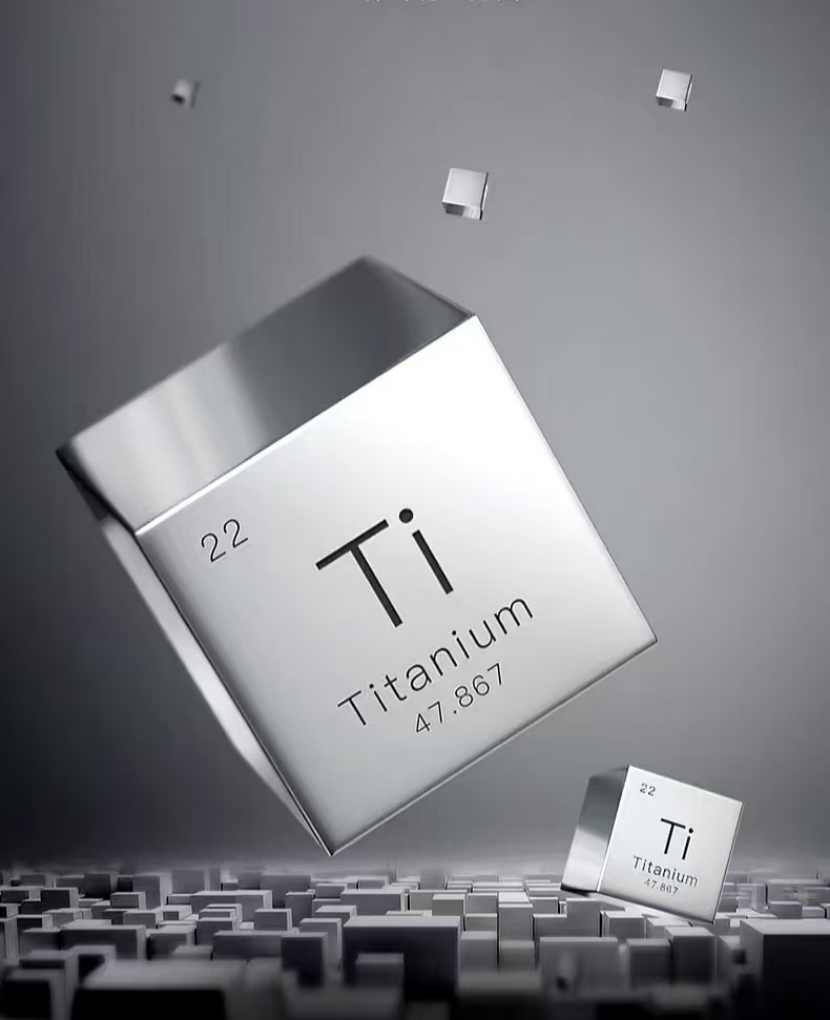
The Fundamental Question: Why Does Stainless Steel Fail Within Months While Titanium Endures for a Decade or Longer
The divergence in service life between stainless steel and titanium originates from the electrochemical characteristics of their respective passive films and the thermodynamic stability of these protective layers under operational conditions. Stainless steel derives its corrosion resistance from a chromium rich oxide film that forms spontaneously upon exposure to oxygen. This film, while effective in many atmospheric and mildly corrosive environments, possesses a critical vulnerability when confronted with halide ions, particularly chlorides. The chloride ion exhibits a remarkable ability to penetrate the passive film at localized discontinuities, initiating a self propagating corrosion mechanism known as pitting. Once initiated, the pit interior becomes anodic relative to the surrounding passive surface, establishing a localized galvanic cell that drives accelerated dissolution of the underlying steel matrix. The pit environment becomes increasingly acidic and oxygen depleted, conditions that prevent repassivation and ensure continued propagation until perforation occurs. This sequence of events can transpire with alarming rapidity in equipment handling seawater, brackish water, or chloride containing process streams. Titanium operates under an entirely different electrochemical regime. The metal possesses an extraordinarily high affinity for oxygen, and upon exposure to air or oxygenated aqueous solutions, it instantaneously forms a tenacious, adherent, and chemically inert titanium dioxide film. This oxide layer is thermodynamically stable across a wide range of pH and potential conditions, and it exhibits negligible susceptibility to chloride induced breakdown. Even if the film is mechanically damaged by abrasion or erosion, the underlying titanium reacts so rapidly with available oxygen or water that the protective layer reforms before any significant metal dissolution can occur. This self healing characteristic constitutes the fundamental basis for titanium's legendary corrosion resistance in marine environments, chemical process streams, and physiological fluids. A stainless steel heat exchanger tube exposed to flowing seawater may develop through wall pits within 18 months of commissioning. A titanium tube bundle supplied by YICHOU for identical service conditions will typically exhibit no measurable wall loss after two decades of continuous operation. This is not a matter of incremental improvement but rather a categorical difference in material behavior that fundamentally alters the maintenance and replacement economics of industrial equipment.
Understanding TC4 Titanium Alloy: Compositional and Microstructural Foundations of Exceptional Performance
TC4 titanium alloy, designated in international standards as Ti 6Al 4V or Grade 5 titanium, represents the most widely utilized titanium alloy in engineering applications, accounting for approximately half of global titanium consumption across all industrial sectors. The alloy achieves its remarkable combination of properties through a carefully balanced composition of six percent aluminum and four percent vanadium, with the balance being titanium. The aluminum additions serve to stabilize the alpha phase of titanium, which exhibits a hexagonal close packed crystal structure, while simultaneously increasing strength through solid solution strengthening mechanisms. The vanadium additions stabilize the beta phase, which possesses a body centered cubic crystal structure and contributes to enhanced ductility and hot workability. The resulting two phase microstructure can be manipulated through controlled thermal processing to achieve a spectrum of mechanical properties tailored to specific application requirements. In the mill annealed condition, TC4 titanium exhibits a minimum tensile strength of 895 megapascals, which places it in direct competition with quenched and tempered alloy steels, yet it achieves this strength level at approximately fifty six percent of the density of steel. The yield strength of properly processed TC4 material typically exceeds 828 megapascals, and the alloy retains useful strength levels at temperatures up to approximately 400 degrees Celsius, a characteristic that proves invaluable in aerospace compressor sections and other elevated temperature applications. YICHOU maintains comprehensive inventory of TC4 titanium in various mill product forms to support diverse customer requirements. Our titanium round bar stock is available in diameters ranging from small precision ground material for medical device manufacturing to large diameter billet for oilfield downhole tool components. Our titanium seamless tube inventory encompasses dimensions suitable for heat exchanger fabrication, hydraulic system plumbing, and structural applications where weight reduction constitutes a primary design objective. Our titanium forging capabilities extend to complex near net shape configurations that minimize subsequent machining requirements while optimizing grain flow orientation for enhanced fatigue performance. The material's exceptional strength to weight ratio renders it indispensable in applications where inertial loads, gravitational forces, or dynamic response characteristics drive design decisions. In aircraft flight control actuation systems, the substitution of steel components with TC4 titanium equivalents reduces the mass that must be accelerated and decelerated during maneuvering, thereby improving control surface response rates while simultaneously reducing the structural loads transmitted to surrounding airframe components. In high performance automotive valve train applications, titanium valves and retainers permit higher engine operating speeds by reducing the inertial forces that must be overcome by the valve springs during each revolution. These are not merely incremental performance enhancements but rather fundamental enablers of advanced system capabilities that would be unattainable with conventional ferrous materials.
How Does Titanium's Corrosion Resistance Protect Capital Assets in Marine Environments and Chemical Process Industries
Marine environments present one of the most aggressive corrosion challenges known to materials engineering. The combination of high chloride concentrations, dissolved oxygen, variable temperatures, and the presence of biofouling organisms creates conditions that rapidly degrade most structural metals and alloys. Austenitic stainless steels, including the widely specified 316L grade containing molybdenum for enhanced pitting resistance, exhibit pitting potentials that are routinely exceeded in warm natural seawater. The resulting localized corrosion manifests as pitting and crevice corrosion that can perforate thin walled components with alarming speed. Even the more highly alloyed super duplex stainless steels, while offering improved resistance relative to conventional austenitic grades, exhibit measurable corrosion rates in seawater service and require periodic inspection and eventual replacement. Titanium resides in a completely separate electrochemical domain with respect to seawater corrosion. The material demonstrates complete immunity to chloride stress corrosion cracking, pitting corrosion, and crevice corrosion in natural seawater at temperatures up to approximately 260 degrees Fahrenheit. This immunity extends to chlorinated seawater, which is frequently employed for biofouling control in cooling water systems and which accelerates the degradation of stainless steels through enhanced oxidizing potential. YICHOU manufactures titanium tube bundles for marine heat exchangers, desalination plant evaporators, and offshore platform utility systems that have accumulated well over 100000 hours of operational exposure without a single documented instance of corrosion related wall loss. The economic consequences of this performance differential are substantial and compound over the operational lifetime of the equipment. A coastal power generation facility that specifies titanium tubing for its main steam surface condenser avoids the costly and disruptive retubing operations that plague copper nickel and stainless steel alternatives at intervals of five to seven years. The avoided downtime alone, when calculated at the revenue generation rate of a modern combined cycle power plant, represents a sum that dwarfs the incremental material cost of the titanium specification. Furthermore, titanium's exceptional resistance to erosion corrosion permits the use of higher fluid velocities through tubular components without incurring the accelerated wall loss that would occur in lesser materials. This characteristic enables more compact heat exchanger designs with reduced tube counts and smaller shell diameters, thereby offsetting a portion of the material cost premium through reduced fabrication and installation expenses. In chemical process industry applications involving aggressive media such as wet chlorine gas, nitric acid, or organic chloride compounds, titanium frequently represents the only economically viable material of construction. Stainless steels and nickel alloys that might otherwise be considered for these services exhibit unacceptably high corrosion rates or are susceptible to environmentally assisted cracking mechanisms that preclude their use. Titanium components manufactured by YICHOU for these demanding chemical environments provide decades of maintenance free service, eliminating the recurring replacement costs and process interruption events that characterize operations relying upon less resistant materials. The initial premium paid for titanium translates directly into permanently reduced maintenance budgets and uninterrupted production availability.
Why Is Titanium the Uncontested Material of Choice for Medical Implantation and Surgical Instrumentation
The medical device industry operates under a set of material requirements that are among the most demanding in all of engineering. Implantable devices must demonstrate absolute biocompatibility, meaning they must not elicit adverse biological responses from surrounding tissues or systemic physiological processes. They must support osseointegration, the direct structural and functional connection between living bone and the surface of a load bearing implant, without the interposition of fibrous scar tissue. They must exhibit long term fatigue resistance under the cyclic loading conditions imposed by normal physiological activity, which may involve millions of loading cycles over the intended service life of the implant. Titanium satisfies these demanding criteria with a margin of superiority that no alternative structural metal approaches. The human body represents an aggressive chemical environment maintained at approximately 37 degrees Celsius with a saline composition that would rapidly corrode most engineering metals. Stainless steel implants, even those manufactured from the vacuum melted 316LVM grade specifically developed for surgical applications, release nickel and chromium ions into surrounding tissues over time. These metal ions can trigger Type IV delayed hypersensitivity reactions in a subset of patients and have been implicated in chronic inflammatory responses that may contribute to implant loosening and failure. Titanium, by contrast, is profoundly biologically inert. The native titanium dioxide surface layer is exceptionally stable in physiological environments and releases metal ions at rates that are orders of magnitude lower than those observed for stainless steel or cobalt chromium alloys. More significantly, the titanium dioxide surface actively promotes the direct apposition of bone tissue through a phenomenon known as osseointegration. Osteoblast cells, which are responsible for bone formation, exhibit enhanced adhesion, proliferation, and differentiation when cultured on titanium surfaces compared to alternative implant materials. This biological response forms the foundation of modern dental implantology, where titanium fixtures placed in the maxilla or mandible achieve direct bone contact and provide stable anchors for prosthetic tooth replacement. It similarly underpins contemporary orthopedic joint reconstruction, where titanium femoral stems and acetabular shells in total hip arthroplasty achieve long term fixation without the use of bone cement in the majority of patients. YICHOU supplies titanium bar stock and precision titanium components to medical device manufacturers who demand absolute traceability and metallurgical consistency for these critical applications. The components we produce for spinal fixation systems, trauma plating, and external fixation frames must withstand millions of loading cycles without fatigue failure. Titanium's exceptional fatigue strength, particularly when processed to achieve a fine grained microstructure with minimal inclusion content, ensures that these implanted devices remain functional for decades within the human body. The alternative to titanium in this sector is not a different metal; the alternative is diminished patient quality of life and the prospect of revision surgical procedures with their attendant morbidity and cost.
What Are the Specific Metallurgical and Machining Challenges Presented by Titanium Alloys and How Does YICHOU Address Them
It would constitute a disservice to the engineering community to present titanium as a material without acknowledging the considerable technical challenges inherent in its fabrication and machining. Titanium possesses a unique combination of physical and mechanical properties that render it notoriously difficult to cut, drill, mill, or turn using conventional techniques and tooling developed for steel and aluminum alloys. The material exhibits exceptionally low thermal conductivity, approximately one sixth that of steel and one sixteenth that of aluminum. This property prevents the efficient dissipation of frictional heat generated at the tool workpiece interface during machining operations. The thermal energy accumulates in a localized zone at the cutting edge, producing temperatures that can exceed 1000 degrees Celsius and which accelerate tool wear through diffusion and oxidation mechanisms. Additionally, titanium displays a pronounced tendency toward work hardening during machining operations. The shearing action of the cutting tool introduces localized plastic deformation that increases the hardness and strength of the material directly ahead of the advancing tool, further accelerating tool wear and potentially compromising dimensional stability. The material's relatively low modulus of elasticity, approximately half that of steel, contributes to deflection and spring back during machining and grinding operations, presenting significant challenges in maintaining tight geometric tolerances, particularly in thin walled or slender components. These inherent difficulties are compounded by titanium's chemical reactivity at elevated temperatures. The metal readily absorbs atmospheric gases including oxygen, nitrogen, and hydrogen when heated above approximately 500 degrees Celsius, leading to the formation of a hard and brittle surface layer known as alpha case that can initiate fatigue cracks in cyclically loaded components. YICHOU has invested decades in developing specialized machining protocols specifically tailored to address the unique challenges presented by titanium alloys. Our manufacturing cell dedicated to titanium component production employs rigid machine tool platforms with the static and dynamic stiffness required to resist the cutting forces generated during aggressive material removal rates. We utilize high pressure through spindle coolant delivery systems operating at pressures exceeding 70 bar to force cutting fluid directly into the tool workpiece interface, thereby extracting thermal energy and evacuating chips before they can be re cut and cause surface damage. Our cutting tool selection reflects a deep understanding of titanium metallurgy and tribology. We employ carbide inserts with specialized coatings and edge preparations designed to minimize cutting forces and maximize tool life under the demanding thermal conditions characteristic of titanium machining. Our manufacturing engineers maintain precise control over surface speeds, feed rates, and depths of cut to manage thermal loading while achieving the surface finish integrity required for fatigue critical applications. We recognize that the machining of TC4 titanium and other titanium alloys is not a task to be delegated to entry level operators or general purpose machining centers. It demands accumulated experience, specialized knowledge, and a disciplined approach to process control that can only be developed through sustained focus on this demanding material class. This accumulated expertise enables YICHOU to provide titanium precision components with accelerated lead times and adherence to exacting dimensional specifications that surpass the capabilities of general fabrication shops.
How Does the Implementation of Titanium Components Deliver Weight Reduction and Strength Enhancement Simultaneously
The performance advantages of titanium are frequently quantified using the engineering concept of specific strength, which represents the ratio of a material's tensile strength to its density. This parameter assumes fundamental importance in applications where inertial forces, gravitational loads, or dynamic response characteristics dominate the structural design criteria. When comparing TC4 titanium alloy to 304 stainless steel in the annealed condition, the titanium alloy offers a tensile strength advantage of approximately fifty percent while simultaneously reducing material density by approximately forty four percent. The combined effect yields a specific strength advantage exceeding one hundred fifty percent when calculated on a consistent basis. This mathematical relationship translates directly into measurable engineering outcomes across diverse application domains. In aerospace structural applications, the replacement of steel fasteners, brackets, and linkages with YICHOU titanium forged components reduces the empty weight of the airframe, thereby increasing available payload capacity or extending operational range for a given fuel load. The weight reduction cascades through the design, enabling smaller and lighter supporting structure and reducing the thrust requirements from the propulsion system. In high speed rotating machinery such as centrifugal compressors and turboexpanders, the reduced mass of titanium impellers and shafts lowers the inertial forces that must be overcome during acceleration and deceleration transients. This improves dynamic response characteristics while simultaneously reducing the energy consumption associated with speed changes. In offshore oil and gas production systems, titanium riser pipes and subsea manifolds reduce the top tension requirements imposed on floating production platforms. The reduced submerged weight of the titanium components translates into lower buoyancy requirements and less demanding mooring system designs. The decision to specify titanium is not merely a material substitution within an otherwise unchanged design. It represents an opportunity to optimize the entire engineered system around the unique combination of properties that titanium provides. YICHOU collaborates with customer engineering teams to identify applications where the specific strength advantage of titanium can be leveraged to achieve system level performance improvements that extend well beyond the component level.
What Sourcing Criteria Should Engineers Apply When Selecting a Titanium Component Manufacturer
Procurement professionals and design engineers must evaluate potential titanium suppliers against a rigorous set of criteria that extends far beyond unit pricing considerations. The initial quotation for a titanium component represents only the first data point in a complex value proposition that encompasses material traceability, manufacturing capability, quality assurance infrastructure, and long term supply reliability. A supplier offering a nominally lower price may lack the furnace capacity and thermal processing expertise required for proper solution treatment and aging of titanium alloys. Components produced from improperly heat treated material will exhibit suboptimal mechanical properties and reduced fatigue life, compromising the performance and safety of the end use application. Other potential suppliers may employ machining practices that induce undesirable residual tensile stresses in the surface layer of finished components. These residual stresses increase susceptibility to stress corrosion cracking in service and may accelerate fatigue crack initiation in cyclically loaded parts. Still others may lack the inspection capabilities and quality systems required to ensure that every titanium component shipped from their facility conforms to the agreed upon specifications in every material respect. YICHOU operates as a fully integrated manufacturer of titanium products, encompassing the procurement of certified mill products from qualified sources, precision machining and fabrication using validated processes, and comprehensive nondestructive inspection prior to shipment. We maintain material test reports that document the chemical composition and mechanical properties of every heat of titanium bar, tube, and forging stock entering our facility. These records provide the traceability chain required by aerospace, medical, and other regulated industry customers. Our quality management system operates in accordance with internationally recognized standards and is subject to regular surveillance audits by independent certification bodies. This ensures that every titanium component shipped from our facility conforms to the agreed upon specifications and has been produced under controlled conditions that ensure repeatability and consistency. Furthermore, YICHOU offers comprehensive titanium custom processing capabilities that enable the production of complex geometries that would be uneconomical or impossible to produce using conventional methods. Our engineering team collaborates directly with customer design departments to optimize component geometry for the titanium manufacturing process, thereby reducing cost and improving lead time without sacrificing performance or quality. We understand that project schedules are driven by the availability of critical long lead items, and we have structured our operations to ensure that titanium components do not become the pacing factor in our customers' project execution plans.
What Are the Long Term Economic Implications of Transitioning from Stainless Steel to Titanium in Corrosive Service Applications
A rigorous lifecycle cost analysis reveals the fundamental economic advantage of titanium in applications where corrosion constitutes the primary degradation mechanism affecting equipment reliability and service life. Consider a chemical processing vessel equipped with internal heating coils exposed to an acidic chloride containing process stream operating at elevated temperature. Stainless steel coils fabricated from 316L material may require replacement every eight to twelve months due to pitting and crevice corrosion that progresses to through wall penetration. Each replacement event entails not only the direct cost of the replacement coils, which includes material procurement and fabrication expense, but also the indirect costs associated with process interruption, vessel draining and cleaning, confined space entry for removal and reinstallation, and the administrative burden of managing a recurring maintenance activity. Over a ten year operational horizon, the cumulative cost of these recurring replacements and associated downtime will exceed the initial purchase price of the stainless steel coils by a substantial multiple. Titanium heating coils, manufactured by YICHOU from seamless titanium tube and formed to precise dimensional requirements, will remain in continuous service for the entire ten year period without requiring replacement. The higher initial acquisition cost is recovered within the first two or three years of operation, after which the titanium component continues to generate positive economic returns through avoided maintenance expenditures and sustained production throughput. The true cost of a material is not reflected in the purchase order line item. It is revealed in the total cost of ownership over the functional lifespan of the asset. Engineers who adopt this lifecycle perspective invariably conclude that titanium represents the economically rational choice for critical applications in harsh environments where the cost of failure extends well beyond the component replacement expense. The same analytical framework applies with equal force to offshore oil and gas production equipment, marine heat exchangers, chemical process piping systems, and pharmaceutical manufacturing vessels. In each of these application domains, the superior corrosion resistance of titanium translates into extended service life, reduced maintenance intervention frequency, and improved process reliability. YICHOU encourages prospective customers to engage our application engineering team for assistance in developing comprehensive lifecycle cost comparisons that capture all relevant economic factors influencing material selection decisions.
How Does YICHOU Ensure Dimensional Precision and Rapid Turnaround in Titanium Custom Fabrication Projects
The fabrication of custom titanium components demands a manufacturing infrastructure specifically configured to address the unique material properties and processing requirements of titanium and its alloys. Conventional metal fabrication shops optimized for carbon steel and stainless steel production often encounter significant difficulties when attempting to process titanium. The material's low thermal conductivity necessitates adjustments to welding parameters and heat input control to prevent the formation of brittle microstructures in the heat affected zone. Its susceptibility to atmospheric contamination at elevated temperatures requires the use of comprehensive inert gas shielding during all welding and thermal processing operations. Specialized cleaning procedures must be employed to remove surface contaminants that could embrittle the material during subsequent elevated temperature exposure. YICHOU has established a dedicated titanium manufacturing cell that integrates all required processing capabilities under a single quality management framework. Our facility is equipped with precision computer numerical control machining centers possessing the static rigidity and spindle power characteristics required for efficient titanium metal removal while maintaining the tight dimensional tolerances specified by our customers. Our welding operations employ gas tungsten arc welding with trailing and backing shields to ensure contamination free weld deposits that meet the stringent color acceptance criteria specified for critical aerospace and industrial applications. Our inspection department utilizes calibrated measuring equipment spanning coordinate measuring machines, optical comparators, and surface profilometers to verify conformance to customer dimensional and surface finish requirements. Nondestructive testing methods including liquid penetrant inspection and ultrasonic examination are applied as required by applicable specifications and customer purchase order requirements. This integrated approach to titanium manufacturing enables YICHOU to deliver high quality titanium precision parts with lead times that are competitive with, and often superior to, suppliers of conventional materials. We understand that project schedules are driven by the availability of critical long lead items, and we have structured our operations to ensure that titanium components do not become the pacing factor in our customers' project execution plans. Our investment in manufacturing technology and process development reflects a long term commitment to serving the titanium component requirements of discerning customers across aerospace, medical, marine, and industrial markets.
Conclusion: The Inevitable Ascendancy of Titanium in Advanced Engineering Applications
The trajectory of materials selection in demanding engineering applications points inexorably toward the expanded adoption of titanium and its alloys. As operational environments become more aggressive, performance requirements become more stringent, and the economic penalties associated with equipment downtime become more severe, the limitations of conventional stainless steels become increasingly apparent and increasingly burdensome. The initial cost differential between stainless steel and titanium, while not inconsequential, pales in comparison to the lifecycle cost penalties imposed by premature component failure and unplanned process interruption. YICHOU stands prepared to support this transition with a comprehensive portfolio of titanium products encompassing titanium bar in a range of diameters and lengths, titanium tube in various wall thicknesses and diameters suitable for heat transfer and structural applications, titanium forgings produced to near net shape configurations that minimize machining requirements, and custom titanium components manufactured to exacting customer specifications. Our engineering team possesses the metallurgical knowledge and manufacturing expertise to guide customers through the material selection process and deliver titanium solutions that provide decades of trouble free service in the most demanding applications. The decision to specify titanium is not an expenditure to be minimized in the current accounting period. It is an investment in operational reliability and long term asset value that will generate positive returns throughout the extended service life of the equipment. We invite design engineers, procurement professionals, and technical decision makers to engage with YICHOU to explore how titanium can transform the performance and economics of their most challenging applications.
Frequently Asked Questions
Does YICHOU provide material certifications and traceability documentation for titanium bar and tube shipments
Yes. YICHOU provides comprehensive material traceability with every shipment of titanium products. Documentation includes mill test reports certifying chemical composition per applicable ASTM or AMS specifications and mechanical property test results demonstrating conformance to required strength and ductility levels. This documentation ensures compliance with the quality system requirements of aerospace, medical, and industrial customers.
Can YICHOU machine complex titanium components directly from customer supplied STEP files or engineering drawings
Yes. YICHOU specializes in custom titanium precision machining based upon customer provided technical data packages. Our engineering team reviews all designs for manufacturability in titanium and provides feedback to optimize geometry for the specific characteristics of titanium machining processes. We accept standard CAD file formats including STEP and IGES for direct import into our manufacturing systems.
What is the typical lead time for custom titanium forging orders
Lead times for custom titanium forgings are contingent upon part complexity, required quantities, and the availability of any necessary forging dies or tooling. However, YICHOU maintains strategic inventory of common TC4 titanium billet stock in various diameters, enabling expedited processing for many standard configurations. Contact our sales engineering group with specific drawing requirements for a firm quotation and delivery schedule.
How does YICHOU ensure quality and prevent contamination in welded titanium fabrications
YICHOU performs all titanium welding operations in accordance with documented and qualified welding procedure specifications. We employ gas tungsten arc welding with comprehensive inert gas shielding including torch shielding, trailing shielding, and backing gas to prevent atmospheric contamination of the weld metal and heat affected zone. Completed weldments undergo visual inspection for color acceptance criteria and may be subjected to liquid penetrant or radiographic testing as specified by customer requirements.
Does YICHOU offer titanium components specifically designed for semiconductor wafer processing equipment
Yes. YICHOU supplies titanium components for semiconductor fabrication applications, including process chambers, electrodes, sputtering targets, and structural hardware. The exceptional corrosion resistance of titanium in aggressive chemical environments encountered in semiconductor manufacturing, combined with its compatibility with ultra high purity process streams, makes it the preferred material of construction for advanced semiconductor fabrication equipment.
.jpg)
Get Your Free Quote Today!
Ready to source the best titanium products for your next project? Whether you need titanium for aerospace and medical applications, or platinum-coated titanium electrodes and titanium anodes for green hydrogen production and industrial electrolysis, YICHOU is here to provide the right material solutions for your business.
Contact us now for a free quote. Let YICHOU help you with reliable, high-quality titanium products at competitive prices.
Get Quote
- Email us: [email protected]
- Call us/whatsapp: +86 13355741031
- Chat with us: Live chat support available on our website