Meta Description:
Discover everything about tube sheets—types, materials, tube-to-tube sheet joints, pull-out tests, and key buying factors. Learn why YICHOU is the trusted manufacturer for high-quality tube sheets.
1. Introduction
What Is a Tube Sheet?
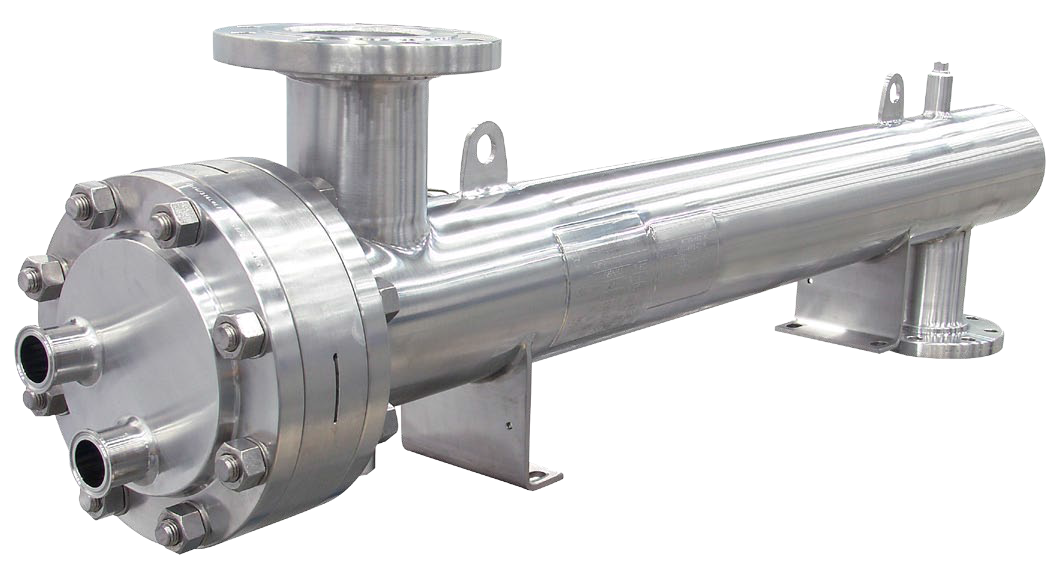
A tube sheet is a critical component in shell-and-tube heat exchangers, acting as a support structure that holds tubes in place while ensuring efficient heat transfer between fluids. These sheets are precision-drilled to allow tubes to pass through, creating a secure and leak-proof connection.
Why Are Tube Sheets Important?
Tube sheets play a vital role in industries such as:
-
HVAC systems (heating, ventilation, and air conditioning)
-
Power plants (condensers, boilers)
-
Oil & gas refineries
-
Chemical processing plants
-
Marine and industrial cooling systems
A high-quality tube sheet ensures longevity, thermal efficiency, and safety in heat exchanger operations. Poorly manufactured tube sheets can lead to leaks, corrosion, and costly downtime.
Looking for a Reliable Tube Sheet Supplier?
YICHOU specializes in precision-engineered tube sheets designed for durability and performance. Whether you need carbon steel, stainless steel, or titanium tube sheets, we provide industry-compliant solutions with strict quality control.
.jpg)
2. What Is a Tube Sheet?
Function in Shell-and-Tube Heat Exchangers
A tube sheet serves as the structural backbone in shell-and-tube heat exchangers, performing three critical functions:
-
Tube Support - Provides precise alignment and secure anchoring for heat exchanger tubes
-
Pressure Barrier - Maintains separation between shell-side and tube-side fluids
-
Heat Transfer Surface - Facilitates efficient thermal exchange between media
Key Materials and Their Applications
Tube sheets are manufactured from various materials to meet different operational requirements:
| Material | Key Properties | Common Applications |
|---|---|---|
| Carbon Steel | Cost-effective, weldable | General industrial applications |
| Stainless Steel | Corrosion-resistant, durable | Chemical processing, food industry |
| Titanium | Lightweight, seawater resistant | Marine, power plant condensers |
| Duplex Steel | High strength, chloride resistant | Offshore oil & gas platforms |
Visual Reference
[Insert labeled diagram of a tube sheet showing:
-
Tube holes pattern
-
Gasket surfaces
-
Pass partition grooves
-
Shell flange connection points]
Why Material Selection Matters
Choosing the right tube sheet material impacts:
-
Long-term equipment reliability
-
Maintenance frequency
-
Overall lifecycle costs
For specialized applications, YICHOU offers custom material solutions including clad tube sheets with corrosion-resistant overlays.
3. Tube Sheet Types: Floating vs. Stationary
Understanding the Fundamental Designs
Stationary Tube Sheets:
-
Fixed Design: Permanently welded to the heat exchanger shell
-
Advantages:
-
Simple construction
-
Lower initial cost
-
Easier to clean and inspect
-
-
Limitations:
-
No thermal expansion accommodation
-
Higher thermal stress
-
-
Best For: Applications with small temperature differences (<50°C)
Floating Tube Sheets:
-
Movable Design: One end free to expand
-
Advantages:
-
Accommodates thermal expansion
-
Reduces stress on tubes
-
Handles large temperature differentials
-
-
Limitations:
-
More complex construction
-
Higher maintenance requirements
-
-
Best For:
-
High-temperature applications
-
Systems with frequent thermal cycling
-
Key Selection Factors
When choosing between floating and stationary designs, consider:
-
Operating temperature range
-
Thermal expansion requirements
-
Maintenance accessibility
-
Budget constraints
4. Tube-to-Tube Sheet Joints: Types & Best Practices
Primary Joint Methods
1. Expanded Joints:
-
Mechanical expansion using rollers or mandrels
-
Pros: Cost-effective, good for low-pressure applications
-
Cons: Limited to non-corrosive environments
2. Welded Joints:
-
Full penetration or seal welding
-
Pros: Strongest connection, leak-proof
-
Cons: Higher skill requirement, potential for heat distortion
3. Welded-Expanded Hybrid:
-
Combines mechanical expansion with welding
-
Pros: Optimal strength and leak resistance
-
Cons: Higher fabrication cost
[Insert cross-section diagram showing:
-
Tube wall
-
Tube sheet hole
-
Weld bead (for welded joints)
-
Expansion marks (for expanded joints)]
FAQ: "What are the different types of tube to tube sheet joints?"
The three main types are expanded, welded, and hybrid welded-expanded joints. Selection depends on pressure requirements, temperature conditions, and fluid compatibility. For critical applications, the hybrid method provides the most reliable connection.
Joint Integrity Considerations
-
Surface preparation requirements
-
Weld procedure qualifications
-
Post-expansion testing methods
-
ASME Section VIII compliance
5. Key Tests for Tube Sheet Quality
Pull-Out Test: Ensuring Joint Integrity
Purpose:
The pull-out test evaluates the mechanical strength of tube-to-tube sheet joints by measuring the force required to dislodge a tube. This test confirms:
-
Joint reliability under operational stress
-
Proper expansion or welding technique
-
Adherence to ASME & TEMA standards
Procedure:
-
A hydraulic or mechanical puller applies axial force to the tube.
-
The force is gradually increased until the tube separates from the tube sheet.
-
The maximum load before failure is recorded and compared to design specifications.
Acceptance Criteria:
-
Minimum pull-out force typically 3x operating pressure load
-
No visible cracks or deformations in the tube or tube sheet
Leak Path & Minimum Requirements
What Is Leak Path?
The leak path is the shortest distance between the tube hole and the edge of the tube sheet. A longer leak path improves joint integrity.
Industry Standards (ASME Section VIII):
-
Minimum leak path = 1.5 × tube hole diameter (for expanded joints)
-
For welded joints: Must comply with ASME BPVC Sec. IX weld quality standards
FAQ: "What is the minimum leak path in tube-to-tube sheet joints?"
The minimum leak path depends on the joint type and application pressure. ASME requires at least 1.5x the tube hole diameter for expanded joints, while welded joints follow strict weld inspection protocols.
6. How to Choose a Tube Sheet Supplier
Critical Supplier Qualifications
Material Certifications
-
ASME Sec. II & VIII (pressure vessel compliance)
-
EN 10204 3.1/3.2 (material traceability)
-
PED 2014/68/EU (for European markets)
Custom Machining Capabilities
-
Precision drilling (laser-guided for ±0.05mm tolerance)
-
Cladding & overlay welding (for corrosive environments)
-
Non-destructive testing (NDT) – RT, UT, PT
Quality Assurance
-
100% dimensional inspection
-
Pressure testing reports
-
Material test certificates (MTCs)
Why Choose YICHOU?
✔ ASME & ISO 9001 Certified
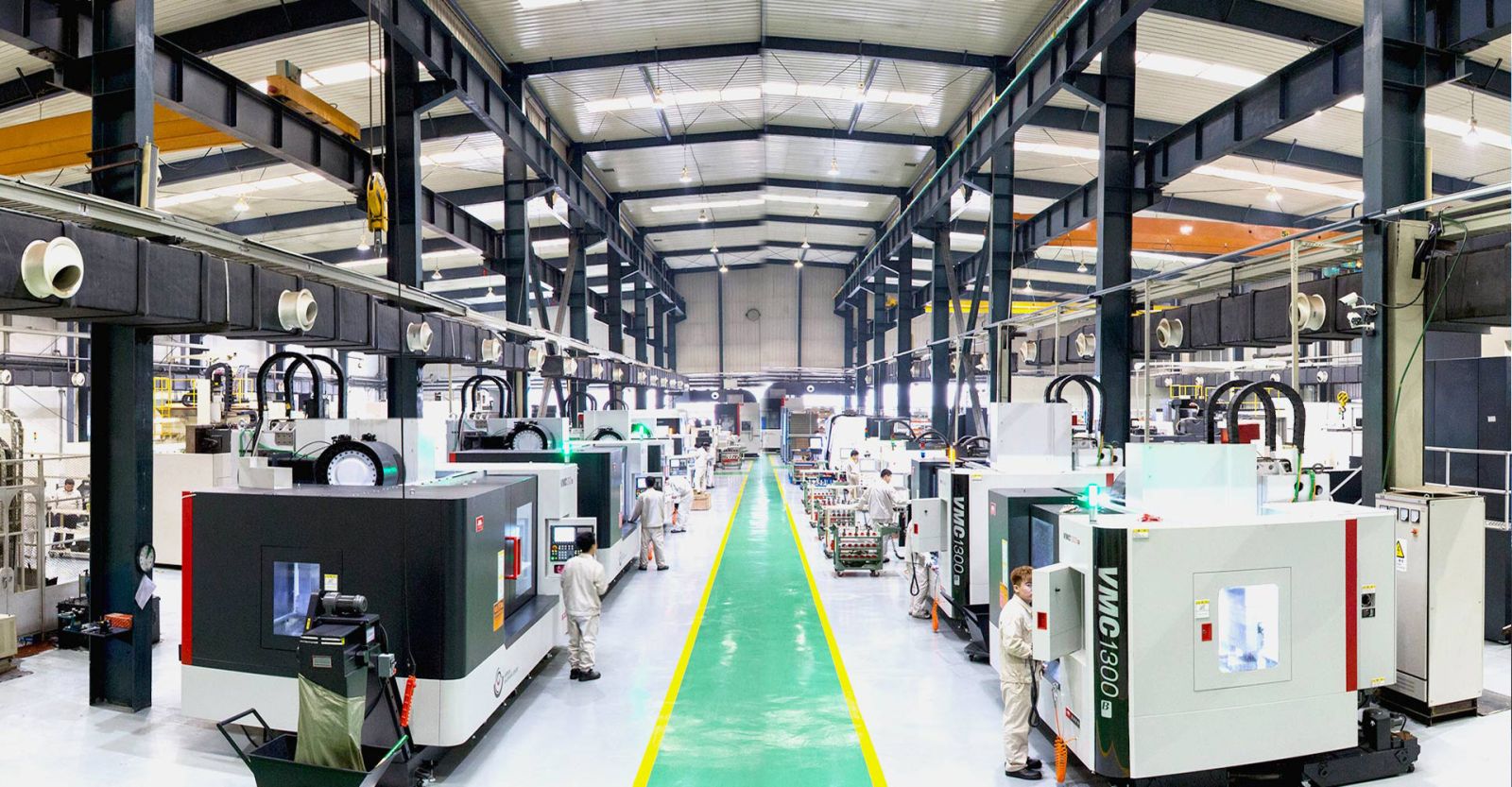
✔ Advanced CNC machining for high-precision tube sheets
✔ Full material traceability from mill to delivery
✔ Global shipping with on-time delivery guarantee
.jpg)
7. Common Tube Sheet Problems & Solutions
1. Corrosion & Erosion Damage
Causes:
-
Chemical attack from aggressive fluids
-
Galvanic corrosion (dissimilar metals)
-
Poor material selection
Solutions:
✔ Clad tube sheets (stainless steel overlay on carbon steel)
✔ Cathodic protection for seawater applications
✔ Regular inspection & maintenance
2. Joint Failures (Leaks & Pull-Outs)
Causes:
-
Improper tube expansion/welding
-
Vibration fatigue
-
Thermal cycling stress
Solutions:
✔ Hybrid welded-expanded joints for high-pressure systems
✔ Post-weld heat treatment (PWHT) to relieve stress
✔ Helical coil inserts for better tube grip
3. Thermal Expansion Issues
Causes:
-
Fixed tube sheets in high ΔT applications
-
Uneven heating/cooling
Solutions:
✔ Floating head design for >50°C temperature differences
✔ Expansion bellows in stationary designs
✔ Finite Element Analysis (FEA) during design
FAQ: "How to handle thermal expansion in tube sheets?"
Use floating tube sheets, expansion joints, or flexible designs to prevent stress buildup. For fixed designs, thermal stress analysis is mandatory.
8. Why Choose YICHOU?
Manufacturing Expertise
-
30+ years in heat exchanger components
-
CNC machining with ±0.02mm tolerance
-
ASME & PED certified fabrication
Quality Control
-
100% NDT testing (RT, UT, PT)
-
3D laser scanning for dimensional accuracy
-
Material traceability from raw stock to shipment
Global Supply Chain
-
ISO 9001 & 14001 certified
-
Just-in-time delivery to EU, NA & Asia
-
On-site technical support
9. Conclusion & Call to Action
Key Takeaways
✔ Tube sheets are critical for heat exchanger performance, supporting tubes and ensuring leak-proof operation.
✔ Floating vs. stationary designs address different thermal expansion needs—choose based on temperature and pressure requirements.
✔ Joint integrity depends on proper welding, expansion, and testing (pull-out tests, leak path compliance).
✔ Material selection (carbon steel, stainless, titanium) impacts corrosion resistance and longevity.
✔ Supplier expertise matters—certifications (ASME, ISO), precision machining, and testing ensure reliability.
Need High-Performance Tube Sheets? Choose YICHOU!
Get Quote
- Visit our website: https://www.nbyichou.com/
- Email us: [email protected]
- Call us/whatsapp: +86 13355741031
- Chat with us: Live chat support available on our website