Introduction
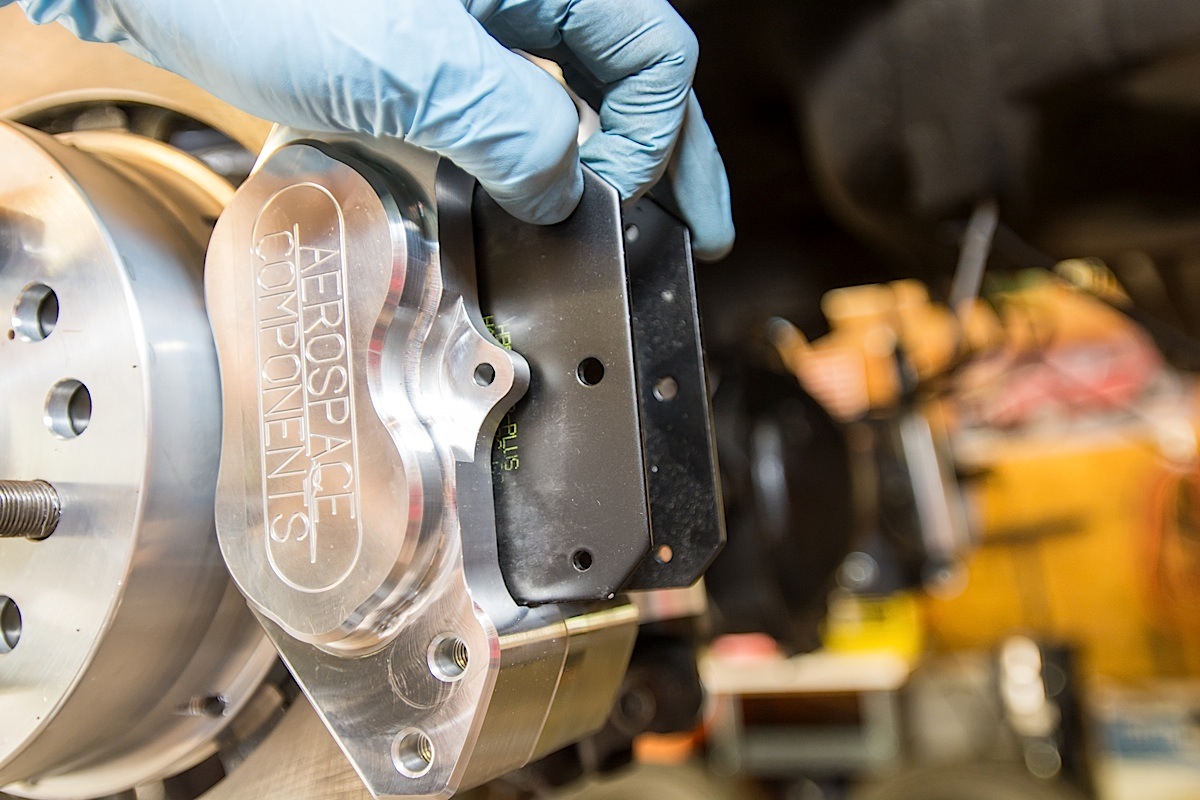
In the aerospace industry, ensuring safety and optimizing performance are critical objectives. A key factor contributing to both is the aerospace brake system—an advanced technology engineered to deliver reliable and precise stopping power even under extreme operating conditions. From commercial airliners and military jets to modern drones and spacecraft, aerospace brakes are vital for safe operations.
For procurement professionals, selecting the right aerospace brakes can significantly impact an aircraft’s overall performance and lifecycle cost. YICHOU, a trusted name in aerospace component manufacturing, specializes in high-quality, durable brake systems designed to meet diverse operational demands. This guide provides essential insights to help you choose the best aerospace brake systems for your needs, ensuring safety, compliance, and performance standards are met with confidence.
Types of Aerospace Brakes and Their Applications
1. Hydraulic Brakes
Hydraulic systems are widely used in small and medium-sized aircraft. They are reliable, cost-effective, and offer consistent performance for various operations.
2. Carbon Brakes
Carbon brakes are lightweight and offer superior heat resistance, making them ideal for commercial jets and military applications. Their longevity and high-performance metrics justify their premium cost.
3. Ceramic-Matrix Composite (CMC) Brakes
CMC brakes are the latest innovation, providing excellent thermal stability and weight reduction. These brakes are commonly used in next-generation aircraft seeking to maximize fuel efficiency.
Applications:
-
Commercial Aviation: Passenger jets like the Boeing 737 and Airbus A320.
-
Military Aviation: Fighter jets and heavy transport aircraft.
-
Unmanned Aerial Vehicles (UAVs): Advanced drones with stringent performance requirements.
YICHOU’s product lineup caters to all these applications, ensuring optimal performance and reliability.
.jpg)
Key Considerations for Aerospace Brake Procurement
Performance Specifications
What type of brakes does your aircraft need? Factors like landing weight, speed, and operational environment influence the choice of brake systems.
Maintenance and Durability
How long do brakes last? YICHOU’s brake systems are engineered to minimize maintenance requirements and maximize operational uptime.
Cost Efficiency
What affects the cost of aerospace brakes? Materials, manufacturing processes, and customization significantly impact pricing. By partnering with YICHOU, you gain access to cost-effective solutions without compromising on quality.
Compliance and Certification
YICHOU’s aerospace brakes comply with global aviation standards, ensuring seamless integration into your supply chain.
Frequently Asked Questions (FAQs)
-
What type of brakes do airplanes use? Airplanes primarily use hydraulic or carbon brakes, depending on their size and application. For instance, a Boeing 737 typically employs carbon brakes for their superior heat dissipation.
-
How are airplane brakes maintained? Regular inspections and component replacements ensure long-lasting performance. YICHOU offers technical support and detailed maintenance guidelines to assist clients.
-
Do airplanes use ABS (Anti-lock Braking Systems)? Yes, modern aircraft are equipped with anti-skid systems to prevent tire locking during landing.
-
Are custom aerospace brake systems available? YICHOU provides fully customizable brake systems to meet specific operational and design requirements.
Why Choose YICHOU for Aerospace Brakes?
1. Advanced Materials
YICHOU utilizes state-of-the-art materials such as high-temperature alloys and composite ceramics to ensure durability and performance.
2. Precision Manufacturing
Our cutting-edge production facilities deliver aerospace components with unparalleled accuracy.
3. Comprehensive Testing
Every brake system undergoes rigorous testing to meet international quality standards.
4. Customization
From small UAVs to large commercial jets, we provide tailored solutions to suit unique client needs.
5. Proven Track Record
YICHOU has established itself as a trusted supplier across global markets, with a portfolio of satisfied customers in the aerospace sector.
Innovations and Future Trends in Aerospace Brakes
-
Lightweight Materials: The use of composites and alloys reduces overall aircraft weight, enhancing fuel efficiency.
-
Smart Braking Systems: Integration of IoT sensors to monitor brake performance in real-time.
-
Sustainability: Development of eco-friendly materials and processes for a greener aviation industry.
YICHOU is committed to staying ahead of these trends, ensuring that our products align with the future of aviation technology.
Frequently Asked Questions (FAQs)
1. What type of brakes do airplanes use?
Airplanes primarily use hydraulic or carbon brakes, depending on their size and application. For instance, a Boeing 737 typically employs carbon brakes for their superior heat dissipation.
2. How are airplane brakes maintained?
Regular inspections and component replacements ensure long-lasting performance. YICHOU offers technical support and detailed maintenance guidelines to assist clients.
3. Do airplanes use ABS (Anti-lock Braking Systems)?
Yes, modern aircraft are equipped with anti-skid systems to prevent tire locking during landing.
4. Are custom aerospace brake systems available?
YICHOU provides fully customizable brake systems to meet specific operational and design requirements.
Why Choose YICHOU for Aerospace Brakes?
1. Advanced Materials
YICHOU utilizes state-of-the-art materials such as high-temperature alloys and composite ceramics to ensure durability and performance.
2. Precision Manufacturing
Our cutting-edge production facilities deliver aerospace components with unparalleled accuracy.
3. Comprehensive Testing
Every brake system undergoes rigorous testing to meet international quality standards.
4. Customization
From small UAVs to large commercial jets, we provide tailored solutions to suit unique client needs.
5. Proven Track Record
YICHOU has established itself as a trusted supplier across global markets, with a portfolio of satisfied customers in the aerospace sector.
Innovations and Future Trends in Aerospace Brakes
-
Lightweight Materials: The use of composites and alloys reduces overall aircraft weight, enhancing fuel efficiency.
-
Smart Braking Systems: Integration of IoT sensors to monitor brake performance in real-time.
-
Sustainability: Development of eco-friendly materials and processes for a greener aviation industry.
YICHOU is committed to staying ahead of these trends, ensuring that our products align with the future of aviation technology.
Contact Us
Ready to elevate your aerospace braking systems? Partner with YICHOU for reliable, high-performance solutions. Contact us today for more information or to request a quote.
Maximize your aircraft’s safety and efficiency with YICHOU’s aerospace brake systems—where innovation meets reliability
.jpg)
GET QUOTE
- Visit our website: https://www.nbyichou.com/
- Email us: [email protected]
- Call us/whatsapp: +86 13355741031
- Chat with us: Live chat support available on our website