Welcome to our comprehensive guide on understanding the true meaning of OEM parts. Whether you're a car enthusiast, mechanic, or simply curious about the world of automotive components, this article is here to shed light on what OEM parts really are and why they matter. OEM stands for Original Equipment Manufacturer, and in the realm of automobiles, it refers to parts that are specifically designed and manufactured by the same company that built the vehicle. These parts are made to the same specifications and quality as the original components that came with your car, ensuring a perfect fit and optimum performance. In this guide, we will explore the benefits of choosing OEM parts over aftermarket alternatives, debunk common misconceptions surrounding OEM parts, and provide insights into why they are the preferred choice for many car owners and professionals alike. Whether you're looking to replace a worn-out component or simply want to understand the differences between OEM and aftermarket parts, this guide will equip you with the knowledge to make informed decisions about your vehicle's maintenance and repairs. So, let's dive in and unravel the true meaning of OEM parts!
.jpg)
Title: What Does OEM Stand For?
Original Equipment Manufacturer, commonly known as OEM, is a term that holds significant importance in various industries, including automotive, electronics, and more. Understanding what OEM stands for is crucial, as it influences consumer choices, product quality, and the overall performance of the items we use in our daily lives.
OEM refers to Original Equipment Manufacturer, a designation for companies that produce components or parts that are used in the assembly of a finished product. These components are designed and manufactured to meet the specifications and standards set by the original equipment manufacturer, which is often a well-known brand or company. OEM parts are typically intended for use as replacement parts in the maintenance and repair of products, ensuring compatibility and reliability.
In the automotive industry, for instance, OEM parts are components that are manufactured by the same company that produced the vehicle. These parts are designed to seamlessly fit and function within the vehicle, maintaining the quality and performance that the manufacturer intended. OEM parts can encompass a wide range of components, from engine parts to body panels, electrical systems, and more.
Understanding what OEM stands for is crucial for consumers who want to make informed choices when it comes to maintaining and repairing their products. By opting for OEM parts, individuals can ensure that they are using components that meet the original manufacturer's standards, thereby preserving the integrity and performance of their equipment. This is particularly important when it comes to vehicles, as using OEM automotive parts can have a significant impact on safety and reliability.
Title: The Difference Between OEM Parts and Aftermarket Parts
When it comes to replacing components in your vehicle or any other equipment, you'll often come across two main options: OEM parts and aftermarket parts. Each option has its own set of advantages and disadvantages, and understanding the key differences between them is essential for making informed decisions.
OEM Parts: OEM parts, as mentioned earlier, are produced by the original equipment manufacturer. These parts are designed to meet the exact specifications and standards set by the manufacturer, ensuring compatibility and performance. One of the primary advantages of OEM parts is that they offer a high level of quality assurance, as they are designed to function seamlessly with the original equipment.
Aftermarket Parts: On the other hand, aftermarket parts are produced by third-party manufacturers who are not affiliated with the original equipment manufacturer. While aftermarket parts can often be more affordable than OEM parts, they may vary in terms of quality and compatibility. The quality of aftermarket parts can range from excellent to subpar, depending on the manufacturer.
The key difference between OEM and aftermarket parts lies in their adherence to the original manufacturer's specifications. OEM parts are designed to be exact replacements, while aftermarket parts may have slight variations. These variations can impact the fit, performance, and even the warranty coverage of the parts.
In some cases, aftermarket parts may offer additional features or modifications that are not available with OEM parts. However, this can also introduce uncertainties regarding compatibility and long-term reliability. When choosing between OEM and aftermarket parts, it's essential to consider your specific needs, budget, and the criticality of the component in question.
Title: Why Choose OEM Parts?
Opting for OEM parts comes with a multitude of advantages that make them a preferred choice for many consumers and businesses alike. When it comes to maintaining and repairing your vehicle or other equipment, here are several compelling reasons to choose OEM parts:
-
Quality Assurance: OEM parts are designed and manufactured to meet the exact specifications and quality standards set by the original equipment manufacturer. This ensures that you are getting components that are reliable, durable, and perform as intended.
-
Compatibility: OEM parts are engineered to fit seamlessly with the original equipment. This compatibility minimizes the risk of installation errors and ensures that the replacement parts work harmoniously with the rest of the system.
-
Warranty Coverage: Many manufacturers offer warranties that cover OEM parts, providing added peace of mind. If an OEM part fails prematurely due to a manufacturing defect, it is often replaced at no cost to the consumer.
-
Safety: In industries where safety is paramount, such as automotive and aerospace, using OEM parts is crucial. These parts have undergone rigorous testing to meet safety standards and regulations.
-
Longevity: OEM parts are typically built to last, offering greater longevity compared to some aftermarket alternatives. This can result in fewer replacements and lower maintenance costs over time.
-
Resale Value: If you plan to sell your vehicle or equipment in the future, using OEM parts can positively impact its resale value. Buyers often prefer vehicles with genuine OEM components.
-
Peace of Mind: Knowing that you are using parts that meet the manufacturer's standards can provide peace of mind, especially in critical applications where reliability is essential.
While OEM parts may be somewhat pricier than aftermarket alternatives, their numerous benefits, including quality, compatibility, and warranty coverage, make them a wise investment in the long run. Whether you're a vehicle owner or a business looking to maintain your equipment, choosing OEM parts can lead to increased reliability and reduced downtime.
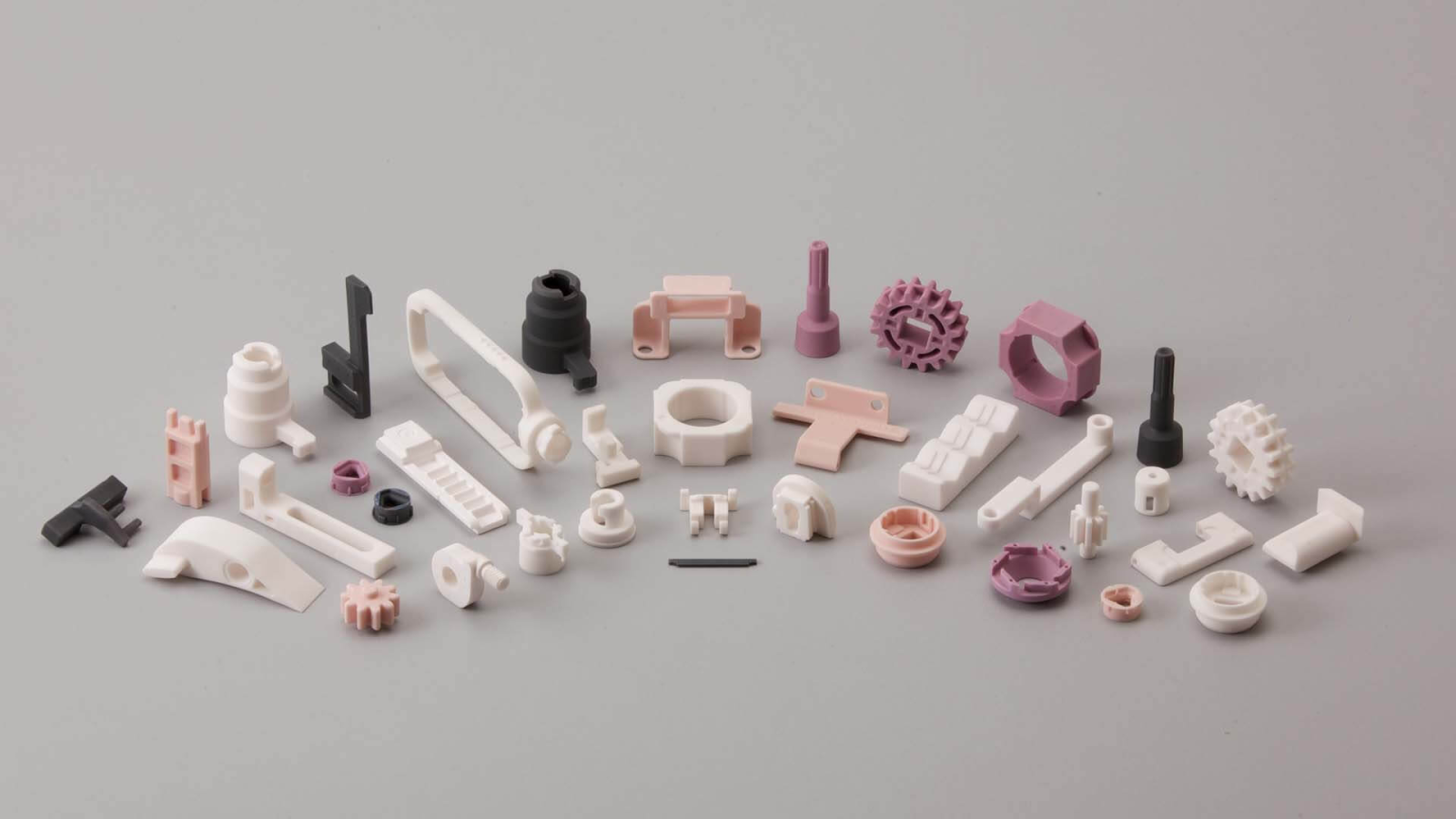
Title: The Benefits of Using OEM Parts
Using OEM (Original Equipment Manufacturer) parts for your vehicle or equipment can provide a wide array of benefits that go beyond just ensuring compatibility. Let's delve deeper into the advantages of opting for OEM parts:
-
Reliability: OEM parts are designed to work seamlessly with the original equipment, ensuring consistent and reliable performance. This reliability is particularly crucial for critical systems like brakes, engines, and safety components.
-
Enhanced Performance: OEM parts are engineered to meet the manufacturer's performance standards. This means you can expect your vehicle or equipment to operate at its best when equipped with OEM components.
-
Extended Lifespan: OEM parts often have a longer lifespan compared to some aftermarket alternatives. This means fewer replacements and reduced maintenance costs over the life of your vehicle or equipment.
-
Safety: In industries where safety is paramount, such as automotive and aviation, OEM parts are essential. They undergo rigorous testing and adhere to strict safety standards, reducing the risk of accidents or failures.
-
Compatibility: OEM parts are guaranteed to fit perfectly with the original equipment. This minimizes the risk of installation errors and ensures that all components work together seamlessly.
-
Warranty Coverage: Many manufacturers offer warranties that cover OEM parts. In case of a defect or premature failure, you can often get a replacement at no additional cost.
-
Maintaining Resale Value: If you plan to sell your vehicle or equipment in the future, using OEM parts can help maintain or even increase its resale value. Buyers often prefer products with genuine OEM components.
-
Peace of Mind: Knowing that you're using parts that meet the manufacturer's rigorous standards provides peace of mind. You can trust that your vehicle or equipment is in the best possible condition.
-
Compliance with Regulations: In some industries, such as healthcare or aviation, using OEM parts is not just a preference but a legal requirement to ensure compliance with safety and quality regulations.
-
Optimal Fit and Finish: OEM parts are designed to match the appearance and finish of the original components, preserving the aesthetics of your vehicle or equipment.
In summary, the benefits of using OEM parts encompass reliability, enhanced performance, longevity, safety, compatibility, warranty coverage, and peace of mind. Whether you're a vehicle owner, equipment operator, or business owner, these advantages make OEM parts a wise choice for maintaining and repairing your assets.
Title: How to Identify OEM Parts
Identifying OEM (Original Equipment Manufacturer) parts is essential when you want to ensure the quality and authenticity of the components you're using for your vehicle or equipment. Here are some key steps to help you identify OEM parts effectively:
-
Check for Manufacturer's Labels: The most straightforward way to identify an OEM part is by looking for the manufacturer's label or logo on the component. This label will indicate the part's origin and authenticity.
-
Inspect Packaging: OEM parts often come in packaging that includes the manufacturer's branding and logos. Look for any seals or holographic stickers that indicate authenticity.
-
Part Numbers: OEM parts typically have unique part numbers assigned by the original equipment manufacturer. Compare the part number on the component to the one listed in your equipment's manual or provided by the manufacturer.
-
Examine Quality and Finish: OEM parts are known for their high-quality construction and finish. Inspect the part closely for any signs of inferior craftsmanship, such as rough edges or mismatched paint.
-
Seek Authorized Dealers: Purchase OEM parts from authorized dealers or suppliers recommended by the manufacturer. They are more likely to provide genuine components.
-
Research Online: Use the manufacturer's official website or online resources to verify the authenticity of the part. Some manufacturers provide tools or databases to help consumers identify genuine OEM parts.
-
Consult Your Manual: Refer to the owner's manual or service manual for your vehicle or equipment. These documents often include information on identifying and sourcing OEM parts.
-
Ask for Documentation: When purchasing OEM parts, request documentation or a certificate of authenticity from the supplier. This can serve as proof of the part's origin.
-
Compare to Original Parts: If you have the original part that needs replacement, compare it visually to the new part. OEM parts should closely resemble the original component.
-
Beware of Pricing: While OEM parts may be slightly more expensive than aftermarket alternatives, be cautious if the price seems too good to be true. Extremely low prices may indicate counterfeit or subpar parts.
By following these steps, you can confidently identify and verify OEM parts, ensuring that you are using genuine components that meet the manufacturer's standards. This can contribute to the longevity, performance, and safety of your vehicle or equipment.
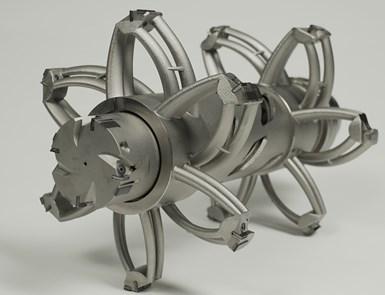
Title: Where to Find and Purchase OEM Parts
Now that you understand the importance of OEM (Original Equipment Manufacturer) parts and how to identify them, the next step is to know where to find and purchase these genuine components. Whether you're a vehicle owner or a business looking to maintain your equipment, here are some reliable sources for acquiring OEM parts:
-
Authorized Dealerships: One of the most reputable sources for OEM parts is the authorized dealership of the original equipment manufacturer. Dealerships carry a wide range of genuine parts specifically designed for your vehicle or equipment.
-
Manufacturer's Website: Many manufacturers offer the option to purchase OEM parts directly from their official websites. This ensures that you are getting authentic components.
-
OEM Parts Catalogs: Some manufacturers provide online catalogs that allow you to search for and order OEM parts based on your vehicle's make, model, and year. These catalogs often include detailed diagrams to help you identify the correct part.
-
Specialty Auto Parts Stores: Some specialty auto parts stores specialize in OEM components. These stores may carry a selection of OEM parts for various vehicle makes and models.
-
Online Marketplaces: Reputable online marketplaces, such as eBay Motors and Amazon Automotive, can be sources for OEM parts. However, exercise caution and ensure that the seller has a strong track record of selling genuine components.
-
Auto Repair Shops: Many professional auto repair shops use OEM parts for their repairs. If you're having your vehicle serviced, inquire about the type of parts they use and request OEM components if desired.
-
Equipment Manufacturers: For businesses with specialized equipment, contact the equipment manufacturer directly to inquire about sourcing OEM parts. They can often provide information on authorized distributors.
-
OEM Parts Suppliers: Some companies specialize in supplying OEM parts to consumers and businesses. These suppliers typically source parts directly from manufacturers and offer a wide range of options.
-
Part Number Search: If you know the part number of the OEM component you need, you can perform an online search using that number to find suppliers who carry it.
-
Online Forums and Communities: Joining online forums and communities related to your vehicle or equipment can be a valuable resource. Members often share recommendations for reliable sources of OEM parts.
When purchasing OEM parts, always verify the authenticity of the source and the components. Look for reputable sellers and suppliers who have a history of providing genuine parts. By taking these precautions, you can confidently acquire OEM parts that meet the highest quality and performance standards.
Title: Common Misconceptions About OEM Parts
Despite the numerous benefits of using OEM (Original Equipment Manufacturer) parts, several misconceptions and myths surround them. Let's address some of the common misconceptions and clarify the facts:
Misconception 1: OEM Parts Are Always More Expensive
- Fact: While OEM parts can be slightly more expensive than some aftermarket alternatives, the price difference is often justified by the higher quality, compatibility, and warranty coverage they offer. In the long run, the investment in OEM parts can result in fewer replacements and lower maintenance costs.
Misconception 2: All Aftermarket Parts Are Low Quality
- Fact: While some aftermarket parts may be of lower quality, not all aftermarket manufacturers produce subpar components. There are reputable aftermarket manufacturers that produce high-quality parts. However, the key is to research and choose carefully to ensure compatibility and reliability.
Misconception 3: OEM Parts Are Hard to Find
- Fact: OEM parts are widely available through authorized dealerships, manufacturer websites, specialty stores, and online marketplaces. With the internet, it's easier than ever to access a vast selection of genuine OEM components.
Misconception 4: Using Non-OEM Parts Won't Void Your Warranty
- Fact: In many cases, using non-OEM parts can potentially void your warranty, especially if the use of aftermarket parts is explicitly prohibited in the warranty terms. It's essential to check your warranty documentation and consult with the manufacturer or dealership if you have questions.
Misconception 5: Aftermarket Parts Are Always Customizable
- Fact: While some aftermarket parts may offer customization options, OEM parts are designed to fit and function precisely as intended by the manufacturer. If you require components that meet the original specifications, OEM parts are the way to go.
Misconception 6: Aftermarket Parts Are Always Cheaper
- Fact: While aftermarket parts can be more affordable in some cases, pricing can vary widely, and some aftermarket components can be just as expensive as OEM parts. Consider the long-term benefits and quality when making your decision.
Misconception 7: OEM Parts Are Only Available for Recent Models
- Fact: OEM parts are typically available for a wide range of vehicle makes and models, including older and vintage vehicles. Manufacturers often maintain a stock of OEM parts for years after a vehicle's production has ceased.
Misconception 8: Aftermarket Parts Always Improve Performance
- Fact: While some aftermarket parts may claim to enhance performance, their impact can vary. Some upgrades may indeed improve performance, but others may have little to no effect or even result in compatibility issues.
Misconception 9: All OEM Parts Are Identical
- Fact: While OEM parts are designed to meet specific manufacturer standards, there can be variations in design and materials for different models and production years. It's essential to ensure that you are purchasing the correct OEM part for your specific vehicle or equipment.
In conclusion, understanding the facts and dispelling common misconceptions about OEM parts can help consumers and businesses make informed decisions when it comes to maintaining and repairing their vehicles and equipment. It's crucial to weigh the advantages and disadvantages of both OEM and aftermarket options based on individual needs and circumstances.
Title: OEM Parts vs. Genuine Parts: What's the Difference?
When discussing replacement parts for vehicles or equipment, the terms "OEM parts" and "genuine parts" are often used interchangeably. However, they have distinct meanings and implications. Let's clarify the difference between OEM parts and genuine parts:
OEM Parts:
- OEM stands for Original Equipment Manufacturer. OEM parts are produced by the same company that manufactured the original equipment, such as a vehicle.
- These parts are designed and engineered to meet the exact specifications and quality standards set by the manufacturer.
- OEM parts are intended to be exact replacements for the original components, ensuring compatibility and performance consistency.
- They often come with warranty coverage and are sold through authorized dealerships, manufacturer websites, and reputable suppliers.
- Examples include engine components, electrical systems, and body panels designed and branded by the vehicle manufacturer.
Genuine Parts:
- Genuine parts refer to replacement components that are sourced from the original equipment manufacturer but may not carry the same branding as the OEM parts.
- Like OEM parts, genuine parts are produced to meet the manufacturer's specifications and quality standards.
- These parts are also designed to offer compatibility and reliability similar to OEM parts.
- Genuine parts can be obtained through authorized dealerships and manufacturer-approved suppliers.
- They may or may not be labeled with the manufacturer's branding but are still produced to the same quality standards.
- Examples include components sourced directly from the vehicle manufacturer but sold under a different label.
In summary, the primary difference between OEM parts and genuine parts lies in the branding and labeling. OEM parts are typically branded with the manufacturer's name and are sold as exact replacements, often with warranty coverage. Genuine parts, on the other hand, may not carry the same branding but are still produced by the original equipment manufacturer to meet the same specifications and quality standards. Both options offer compatibility and reliability, making them suitable choices for maintaining and repairing your vehicle or equipment.
Title: Conclusion: The Importance of Using OEM Parts for Your Vehicle
In conclusion, the decision to use OEM (Original Equipment Manufacturer) parts for your vehicle or equipment is one that can significantly impact its performance, longevity, and overall value. The benefits of choosing OEM parts, such as quality assurance, compatibility, warranty coverage, and safety, far outweigh any potential cost savings associated with aftermarket alternatives.
By opting for OEM parts, you are investing in the reliability and integrity of your vehicle or equipment. These components are engineered to meet the manufacturer's stringent standards, ensuring that they function seamlessly with the original equipment and contribute to optimal performance.
Moreover, the peace of mind that comes with knowing you are using genuine OEM parts cannot be overstated. Whether you are a vehicle owner seeking to extend the life of your car or a business owner looking to maintain critical equipment, the consistent quality and reliability of OEM parts play a crucial role in your success.
While there may be misconceptions and myths surrounding OEM parts, a clear understanding of their advantages and how to identify them can empower you to make informed decisions. Remember that OEM parts are readily available through authorized dealerships, manufacturer websites, and reputable suppliers, ensuring that you have access to the components you need.
In today's fast-paced world, where vehicles and equipment are essential for daily life and business operations, the choice to use OEM parts is not just about maintenance; it's about ensuring that your investments continue to perform at their best. So, when it comes to preserving the value and reliability of your assets, choose OEM parts—the gold standard in quality and performance.
.jpg)
FAQ 1: What Does OEM Stand for, and What Does YICHOU Offer in Terms of OEM Parts?
Keywords: OEM Definition, YICHOU OEM Parts
OEM stands for "Original Equipment Manufacturer." At YICHOU, we are a Chinese OEM parts factory, which means we specialize in producing components and parts that are designed to meet the exact specifications and quality standards set by the original equipment manufacturer (OEM). Our commitment to precision and quality ensures that you receive OEM parts that are reliable, durable, and fully compatible with your equipment or products.
FAQ 2: How Can YICHOU Assist in Custom OEM Parts Manufacturing?
Keywords: Custom OEM Parts, YICHOU Manufacturing
At YICHOU, we understand that every customer's needs are unique. That's why we offer custom OEM parts manufacturing services. Whether you require specialized components for automotive, electronics, or any other industry, our skilled team and advanced manufacturing capabilities can deliver tailor-made solutions. We work closely with you to ensure that your specific requirements are met, providing you with OEM parts that match your exact needs.
FAQ 3: Why Should I Choose YICHOU for OEM Parts Over Other Suppliers?
Keywords: YICHOU Advantages, OEM Parts Quality
Choosing YICHOU as your OEM parts supplier comes with numerous advantages. Our factory is known for its commitment to quality and precision. Our parts are manufactured to the highest industry standards, ensuring that you receive components that are reliable and durable. Additionally, our competitive pricing and prompt delivery make us a preferred choice among OEM parts buyers. When you choose YICHOU, you're choosing quality, affordability, and reliability.
FAQ 4: How Can I Identify Genuine OEM Parts from YICHOU?
Keywords: Genuine OEM Parts, Identifying OEM Parts
Identifying genuine OEM parts from YICHOU is straightforward. Look for our official branding and labeling on the components. Our parts are designed and manufactured to meet the strict standards of the original equipment manufacturer, ensuring compatibility and performance. You can also verify the authenticity of YICHOU OEM parts through our website and authorized dealers. We prioritize transparency and quality assurance to provide you with the best OEM components.
FAQ 5: Where Can I Purchase YICHOU OEM Parts, and How Do I Get in Touch?
Keywords: Buying YICHOU OEM Parts, Contact YICHOU
You can easily purchase YICHOU OEM parts through our authorized dealers, who are located worldwide. Additionally, you can reach out to us directly through our website or contact our sales team. We are dedicated to providing seamless customer service and assisting you with your OEM parts needs. Our team is readily available to answer your inquiries, provide quotes, and guide you through the process of acquiring genuine OEM parts from YICHOU.
GET QUOTE
- Visit our website: https://www.nbyichou.com/
- Email us: [email protected]
- Call us/whatsapp: +86 13355741031
- Chat with us: Live chat support available on our website