Have you ever marvelled at the intricate metal sculptures that seem to defy the laws of physics? Wondered how skilled artists can bend, shape, and mold metal with such precision? In our article, 'Unleashing the Power of Metal Bending: Mastering the Art of Shaping Metal,' we dive deep into the fascinating world of metal bending and explore the techniques behind this awe-inspiring craft. From bending steel pipes to crafting ornate metal wall art, metal bending is an art form that requires both skill and an understanding of the properties of different metals. With the right tools and techniques, anyone can learn to create their own metal masterpieces. Join us as we delve into the art of metal bending, exploring the various methods and tools used to manipulate metal into awe-inspiring shapes. Whether you're an aspiring artist looking to expand your skillset or simply curious about the wonders of metalwork, this article will leave you inspired to unleash your creativity and take your metal bending skills to the next level. Discover the secrets behind this centuries-old craft and unlock the power of metal bending today. Keywords: metal bending, shaping metal, metal sculptures, techniques, skill, properties of metal, tools.
History and Evolution of Metal Bending Techniques
The captivating history of metal bending takes us on a mesmerizing journey through the annals of time. From humble beginnings in the Bronze Age, where artisans first tamed metals using primitive tools, to the refinement of techniques during the Medieval and Renaissance periods, the craft of metal bending has come a long way.
Ancient Metal Bending: Shaping the Foundation In the beginning, metal bending was a testament to human ingenuity. Early civilizations employed rudimentary tools like hammers and anvils to coax metals into shape. It was a time of experimentation, of discovery, as artisans began to understand the malleability of metals and the limitless potential for their transformation.
Medieval and Renaissance Period: Forging Elegance and Strength The Middle Ages witnessed a transformative period in metal bending. Blacksmiths honed their skills, crafting specialized tools like tongs and bending forks. These artisans had a passion for creating intricate designs, from the armored knights of old to ornate and decorative objects, each bearing the mark of their meticulous craftsmanship.
Industrial Revolution: The Dawn of Mass Production The Industrial Revolution marked a new era for metal bending. Steam power and machinery of the 18th and 19th centuries brought sweeping changes to the industry. The advent of steam hammers and rolling mills made mass production of bent metal parts a reality. It was a time of precision and innovation, setting the stage for the modern era.
Modern Era: Where Precision Meets Technology The 20th century saw the culmination of centuries of knowledge and innovation. Hydraulic and mechanical press brakes, coupled with the revolutionary advent of Computer Numerical Control (CNC) technology, brought metal bending to new heights of precision and automation. It's a testament to the enduring legacy of this craft that continues to shape our world today.
Benefits of Metal Bending in Various Industries
Metal bending is a cornerstone of multiple industries, offering a plethora of benefits that influence and shape our world in myriad ways.
Customization: Tailoring to Perfection One of the key benefits of metal bending is its ability to cater to custom requirements. It's the art of precision, allowing manufacturers to create custom or specialized components tailored to meet the exact needs of a project.
Strength and Durability: Forging Resilience Bent metal parts possess exceptional strength and durability, making them indispensable in structural and load-bearing applications. Whether it's the towering skyscrapers in our cities or the robust infrastructure of a bridge, metal bending ensures they withstand the test of time.
Complex Shapes: Where Art and Engineering Converge Metal bending isn't just about utility; it's also about aesthetics. Architects and designers harness the power of metal bending to realize their creative visions, shaping the captivating curves, angles, and silhouettes that adorn our modern world.
Cost-Efficiency: A Savvy Investment In an era where efficiency and cost savings are paramount, metal bending stands as a cost-effective solution. It eliminates the need for additional joining techniques, such as welding, and thereby trims down manufacturing costs.
Reduced Material Waste: Sustainability in Action In an age where sustainability is at the forefront of our concerns, precision metal bending minimizes material wastage. It's an environmentally friendly process that aligns with the ethos of responsible resource management.
Versatility: Across Boundaries and Industries Metal bending is a versatile technique that spans across diverse sectors, including automotive, construction, aerospace, art, and many more. Its adaptability and contribution to an array of industries speak to its enduring value.

Tools and Equipment for Metal Bending
The world of metal bending is brought to life by a fascinating array of tools and equipment, each serving a specific purpose and offering unique capabilities. These are the tools that transform raw metal into works of art and engineering marvels.
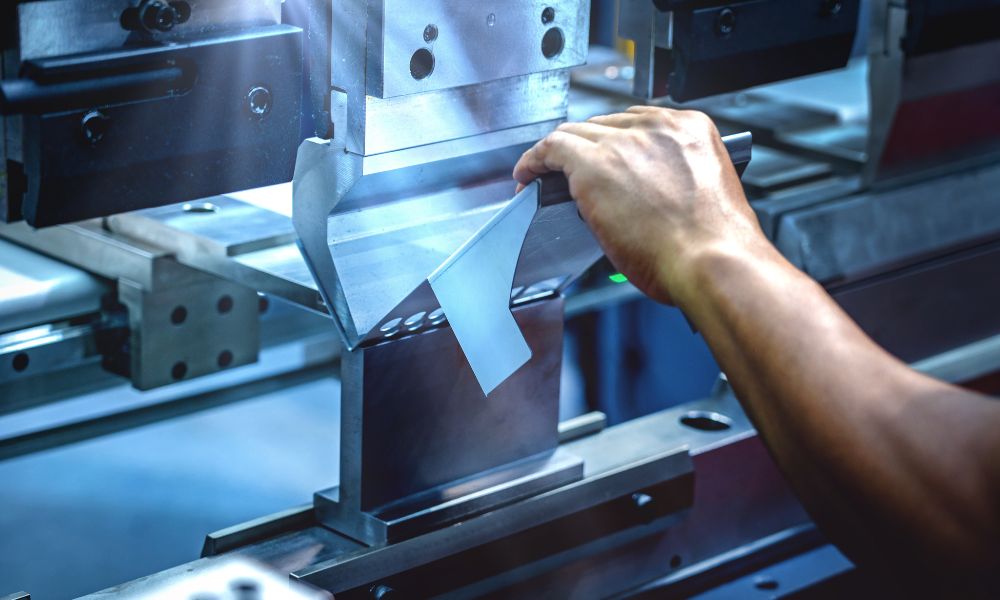
Press Brakes: Precision in Action Press brakes, available in hydraulic and mechanical variants, are the workhorses of the metal bending world. They're designed for precision, allowing craftsmen to bend sheet metal and plates with unparalleled accuracy. The hydraulics and mechanics behind these machines translate into the perfect bend, every time.
Roll Benders: Curving Creativity Roll benders are the artists' tools for creating curved or cylindrical shapes. With the assistance of rollers, they coax metals into shapes that defy the imagination, adding an element of artistry to the process.
Tubes and Pipe Benders: Crafting the Unseen Infrastructure Tubes and pipe benders are the silent heroes behind the construction of unseen infrastructure, from plumbing to HVAC systems. These specialized tools are designed to bend tubes and pipes to precise specifications.
Hammers and Anvils: Where Tradition Meets Craftsmanship While modern machinery has transformed metal bending, the traditional hammer and anvil still have a role to play in smaller-scale projects. These hand tools, wielded by skilled artisans, carry on the legacy of metalwork.
Bending Forks: Navigating Complexity Bending forks are the secret weapons for those who seek to create complex curves and shapes. They're custom-made for specific tasks and demonstrate how the art of metal bending is an intricate dance of precision and creativity.
Jigs and Fixtures: The Blueprint of Perfection Jigs and fixtures play a crucial role in metal bending. These custom-made tools ensure that each bend is exact, repeatable, and true to the intended design. They are the architects' blueprints for the metal bending process.
Computer Numerical Control (CNC) Machines: Automation and Precision In the era of automation, CNC machines take the art of metal bending to a new level. These automated systems offer unparalleled precision and the ability to execute complex bends with utmost accuracy.
[Include images of these tools and equipment.]
Techniques and Methods for Shaping Metal
The world of metal bending is a realm of techniques and methods that define the art and science of the craft. Each method is a brushstroke in the creation of intricate and awe-inspiring works.
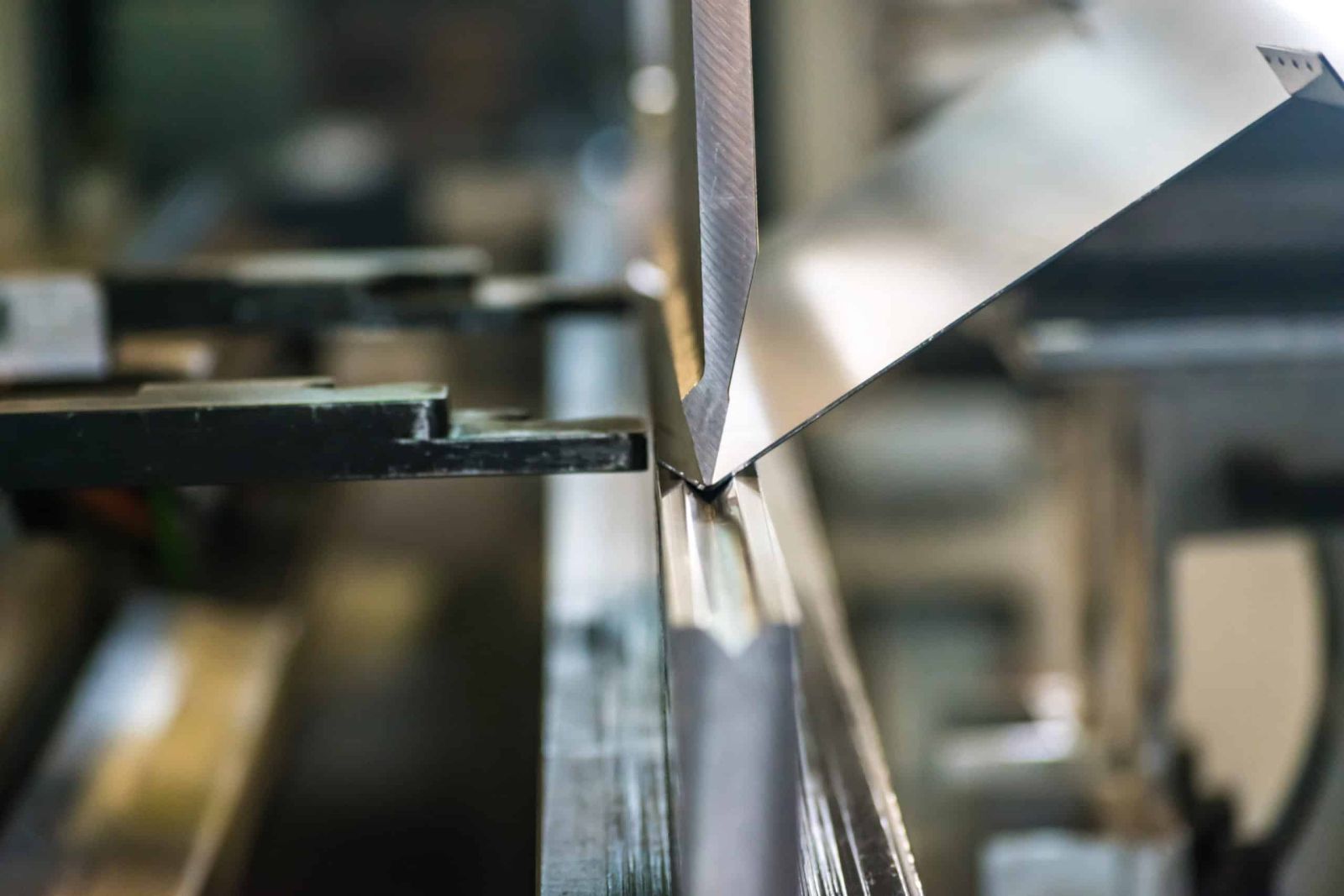
Air Bending: Flexibility Meets Precision Air bending is a technique where the metal is bent using a punch and die, but not fully closed, allowing for flexibility and easy adjustment. It's a method that marries precision with adaptability.
Bottoming: For Sharp Angles and Precise Bends The bottoming technique involves completely closing the punch and die, ideal for achieving sharp angles and precise bends. It's a method for those who demand perfection in their metalwork.
Roll Bending: Shaping Curves with Ease Roll bending involves passing the metal through rollers to create cylindrical or curved shapes. It's the technique that brings grace and fluidity to the world of metalwork, ideal for applications that require smooth curves.
Induction Bending: Precision without Distortion Induction bending is a technique that relies on localized heating through induction. It's a method that allows for bending metal without causing distortion or wrinkles, particularly useful in applications that demand impeccable quality.
Mandrel Bending: For Perfect Cylinders Mandrel bending is a precision method where a mandrel is inserted inside the tube or pipe during bending to prevent collapsing. It's the technique of choice for creating perfect cylinders and maintaining structural integrity.
Heat Bending: Molding with Heat Heat bending involves heating the metal to a specific temperature before bending. This process makes the metal more pliable and is often used in applications that require precise shaping.
Incremental Bending: Small Steps, Grand Results Incremental bending is a method of bending metal in small, gradual steps to achieve complex shapes. It's a technique for those who appreciate the beauty of intricate, multi-step creations.
[Include diagrams or images showing these techniques in action.]
Safety Precautions for Metal Bending
While metal bending is a captivating and transformative craft, it's not without its potential risks. To ensure a safe and secure working environment, adhering to strict safety precautions is of paramount importance.
Wear Appropriate Personal Protective Equipment (PPE): Safety First Always wear the necessary personal protective equipment, including safety glasses, gloves, and ear protection, to safeguard against any potential hazards during metal bending.
Ensure Proper Ventilation: Managing Fumes In instances where fumes may be generated, such as during heating or welding, ensure proper ventilation to maintain a healthy workspace.
Secure Workpieces: Prevent Mishaps Always take the time to properly clamp or secure the metal workpiece. This minimizes the risk of slipping or shifting during the bending process, avoiding accidents.
Training and Education: Knowledge is Power It's essential that anyone operating metal bending machinery receives adequate training. A well-trained workforce is the first line of defense against accidents and injuries.
Regular Equipment Maintenance: Reliable Tools Regular maintenance of tools and equipment is crucial. A well-maintained machine not only ensures precision but also minimizes the risk of accidents due to equipment failure.
Follow Safety Guidelines: Industry-Specific Precautions Different industries may have their own safety regulations and guidelines. Ensure compliance with these industry-specific safety measures to maintain a secure working environment.
[Include visual aids and infographics depicting safety measures.]
Common Challenges in Metal Bending and How to Overcome Them
Metal bending, while fascinating and rewarding, does come with its own set of challenges. Understanding and mitigating these challenges is essential for successful metal bending projects.
Springback: The Resilience of Metal Springback is a common challenge in metal bending, where the metal returns to its original shape after bending. To overcome this, it's crucial to calculate the bend allowance and make necessary compensations.
Cracking: A Worrying Outcome Cracking can occur when metals are over-bent or when materials with insufficient ductility are used. The right material selection and bending techniques are key to preventing this issue.
Wrinkling: The Culprit of Imperfection Wrinkling happens when the inner radius of a bend collapses during the process. Proper tooling and die design can minimize wrinkling, ensuring that each bend is flawless.
Inconsistent Bends: Maintaining Precision Variations in bend angles and dimensions can be a frustrating challenge. Using precision machinery and meticulous setup procedures are essential in ensuring consistent, flawless bends.
Material Selection: The Right Metal Matters Selecting the right type and thickness of metal is critical. Careful consideration of the material's properties is essential to the success of your metal bending project.
[Include real-life examples of these challenges and how they were overcome.]
Examples of Creative Metal Bending Projects
Metal bending isn't just a craft; it's a canvas for creativity, innovation, and engineering excellence. Let's explore a few examples of how this remarkable skill has been harnessed to shape the world.
Sculptures: Breathing Life into Metal Artists across the globe have used metal bending to craft intricate and abstract sculptures. These sculptures are more than art; they are a testament to the boundless possibilities of metal.
Architectural Elements: Beauty and Strength in Harmony Metal bending plays a pivotal role in architectural design, from curvaceous staircases to awe-inspiring facades. These elements are not just functional but a testament to the harmony of beauty and strength.
Custom Automotive Parts: Personalizing the Ride Custom car enthusiasts often turn to metal bending to create unique body parts or exhaust systems. Each piece is a reflection of individuality and precision craftsmanship.
Furniture Design: Contemporary Elegance The world of furniture design has embraced metal bending to create contemporary and functional pieces. These designs seamlessly blend style and utility, all thanks to the art of metal bending.
Aerospace Components: Precision Above All The aerospace industry relies heavily on precise metal bending for critical components and frames. These components are crucial to the safety and performance of aircraft, highlighting the role of metal bending in technology and innovation.
[Include high-quality images and descriptions of these projects.]
Resources for Learning and Improving Metal Bending Skills
If you're eager to embark on a journey to master the art of metal bending or seek to improve your existing skills, there are a plethora of resources at your disposal.
Metalworking Books: A Treasure Trove of Knowledge Books on metalworking techniques and design principles provide a solid foundation for beginners and offer valuable insights to experienced artisans.
Online Tutorials and Courses: Learning at Your Pace The internet is teeming with online resources, from video tutorials to comprehensive courses, allowing you to learn and improve your metal bending skills from the comfort of your own workshop.
Trade Schools and Workshops: Hands-On Learning Enrolling in trade schools or workshops specializing in metalworking is an immersive way to acquire hands-on experience and knowledge from experts in the field.
Professional Organizations: Networking and Resources Joining professional organizations, such as the American Welding Society (AWS), provides access to a network of experts and valuable resources to advance your metal bending skills.
Apprenticeships: Learning from the Masters Learning from experienced metalworkers through apprenticeships is an age-old and highly valuable approach to honing your skills. It's a direct pathway to hands-on experience.
Practice: The Path to Mastery As with any skill, practice and experimentation are essential for improvement. The more you work with metal, the more you'll uncover its intricacies and master its challenges.
[Include hyperlinks and recommendations for specific books, online courses, and organizations.]
Conclusion: Embracing the Art and Possibilities of Metal Bending
The art of metal bending is not just a craft; it's a transformative journey through history, innovation, and creativity. From the humble beginnings of ancient civilizations to the precision of modern CNC technology, it's a skill that has shaped our world in more ways than we can imagine.
As we've journeyed through the history, benefits, tools, techniques, safety precautions, and challenges of metal bending, we've discovered a world where art and engineering converge to create awe-inspiring results. Whether you're an artist seeking to breathe life into your vision or an engineer shaping the future, metal bending is a skill that invites you to dream, innovate, and create.
The possibilities are endless, the art is boundless, and the journey is yours to embark upon. Embrace the art
1. What is metal bending, and how does it differ from other metalworking processes?
Metal bending is a metalworking process that involves shaping metal into various forms, such as curves, angles, and arcs. It differs from other processes like welding, where metals are joined, and machining, which involves material removal. Metal bending retains the original metal, emphasizing its malleability.
2. What types of metals can be bent using metal bending techniques?
A wide range of metals can be bent, including steel, aluminum, copper, brass, and various alloys. The choice of metal depends on the specific application, as each metal has its unique properties, such as ductility and strength.
3. What safety precautions are essential when working with metal bending equipment?
Safety is paramount in metal bending. Always wear appropriate personal protective equipment (PPE), such as safety glasses, gloves, and ear protection. Ensure proper ventilation in case of fumes. Secure workpieces to prevent slipping, and follow safety guidelines and industry-specific precautions. Regular equipment maintenance is also critical for a safe work environment.
4. How can I calculate the bend allowance for a metal bending project?
Calculating the bend allowance involves considering the material thickness, bend radius, and the angle of the bend. There are various bend deduction formulas and online calculators available, or you can consult engineering references and handbooks for guidance. Precision in calculating the bend allowance is crucial to achieving accurate bends.
5. What are the key considerations for selecting the right metal bending technique for a specific project?
Choosing the appropriate metal bending technique depends on factors like the material type, thickness, and the desired shape. For example, air bending is suitable for flexibility, while bottoming is ideal for sharp angles. The choice also depends on the equipment available and the project's scale. Consulting with experienced metalworkers or engineers can help determine the best technique for your specific project.
GET QUOTE
- Visit our website: https://www.nbyichou.com/
- Email us: [email protected]
- Call us/whatsapp: +86 13355741031
- Chat with us: Live chat support available on our website