Introduction
Definition of Superelastic Nitinol
Superelastic Nitinol is a unique nickel-titanium alloy known for its remarkable mechanical properties, including superelasticity and the shape memory effect. Unlike conventional metals, Nitinol can undergo significant deformation and return to its original shape without permanent damage. This behavior is due to a reversible phase transformation between its austenite and martensite structures, allowing it to exhibit extreme flexibility and resilience.
The superelasticity of Nitinol occurs at a specific temperature range, where the material can recover large strains immediately upon unloading, making it an ideal choice for applications requiring high flexibility, durability, and fatigue resistance.
Importance in Various Industries
Due to its unique properties, superelastic Nitinol has become a critical material in multiple industries:
-
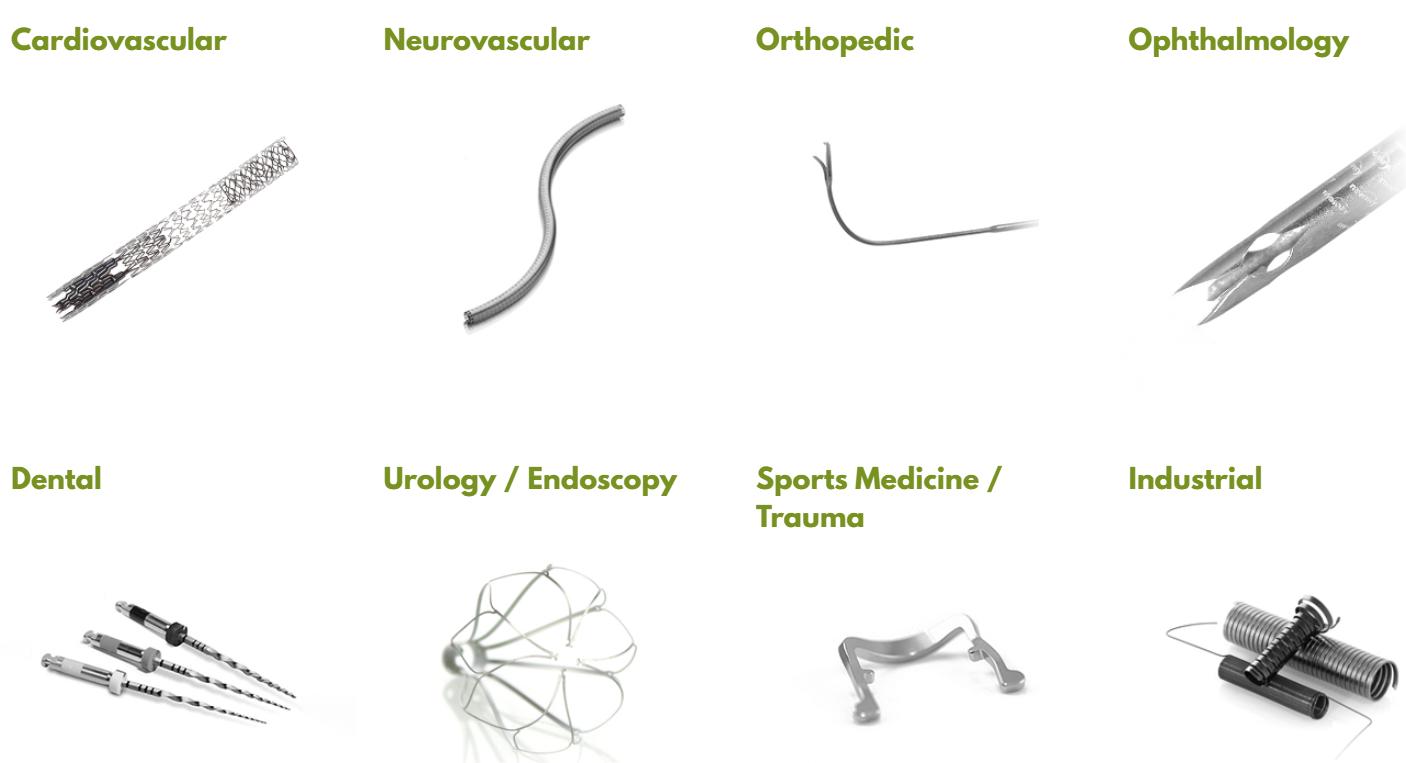
Medical Devices: Nitinol is widely used in medical applications such as stents, guidewires, orthopedic implants, and dental braces. Its biocompatibility, flexibility, and ability to return to its original shape make it ideal for minimally invasive procedures.
-
Aerospace: In the aerospace industry, Nitinol is utilized in actuators, adaptive structures, and vibration damping systems. Its ability to withstand extreme stress and environmental conditions contributes to improved performance and reliability in aircraft and spacecraft components.
-
Robotics and Industrial Applications: The superelasticity of Nitinol makes it valuable in robotic actuators, flexible sensors, and precision instruments. Its unique mechanical properties enable the development of innovative technologies that require high adaptability and durability.
Superelastic Nitinol continues to revolutionize various fields by enhancing product performance, reducing component weight, and increasing reliability in demanding applications.
Unique Properties of Superelastic Nitinol
Shape Memory Effect
One of the most remarkable properties of Nitinol is its Shape Memory Effect (SME). This phenomenon allows the material to return to its original shape after being deformed when exposed to a specific temperature. The mechanism behind this effect lies in the reversible phase transformation between the martensitic and austenitic states of Nitinol.
- At low temperatures, Nitinol exists in a martensitic phase, which is relatively soft and can be easily deformed.
- When heated above its transformation temperature, the material reverts to its austenitic phase, regaining its original shape as the atomic structure rearranges itself.
This property makes Nitinol highly valuable in applications where precise movement and recovery are required, such as self-expanding stents, orthodontic wires, and actuators in aerospace and industrial systems.
Superelasticity
Unlike the Shape Memory Effect, superelasticity in Nitinol occurs at temperatures above its transformation temperature, where the material remains in its austenitic phase. When a stress is applied, Nitinol can undergo large elastic deformations—up to 8-10% strain, compared to less than 1% in conventional metals. Once the stress is removed, the material instantly returns to its original shape without requiring external heat.
This superelastic behavior is due to the stress-induced transformation from the austenitic phase to the martensitic phase, which is immediately reversed upon unloading. The result is a material that provides:
- High fatigue resistance, making it ideal for components that experience repetitive loading.
- Shock absorption and flexibility, particularly beneficial in medical implants like cardiovascular stents and guidewires.
- Lightweight and durable alternatives in aerospace, robotics, and precision engineering.
Biocompatibility
Nitinol is highly biocompatible, meaning it does not trigger adverse reactions when implanted in the human body. This property makes it an ideal material for medical applications, including:
- Stents that remain in the body for extended periods.
- Orthopedic implants that must integrate seamlessly with bone and soft tissue.
- Surgical instruments that require both flexibility and strength.
Additionally, Nitinol exhibits excellent corrosion resistance in physiological environments, further enhancing its suitability for biomedical use.
These unique properties—shape memory effect, superelasticity, and biocompatibility—have made Nitinol an indispensable material across various high-performance applications, revolutionizing industries from healthcare to aerospace.
Applications of Superelastic Nitinol
Medical Devices
Superelastic Nitinol has revolutionized the medical industry, particularly in minimally invasive procedures, due to its flexibility, durability, and biocompatibility. Some key applications include:
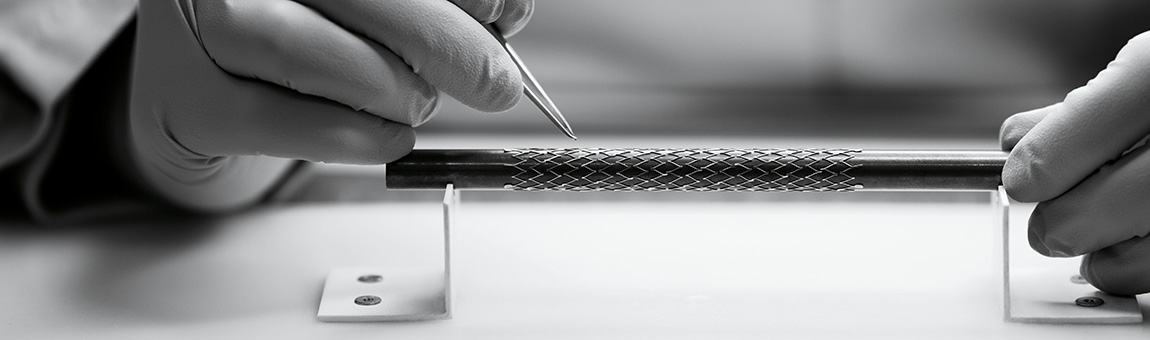
- Stents: Nitinol stents can be compressed for insertion into blood vessels and then expand to their original shape once deployed, ensuring proper blood flow. Their superelasticity allows them to withstand dynamic vascular environments without permanent deformation.
- Guidewires: Used in minimally invasive surgeries, Nitinol guidewires provide enhanced maneuverability through narrow and complex pathways while maintaining high durability.
- Orthodontic Archwires: Nitinol archwires apply consistent, gentle forces on teeth, helping to gradually align them without frequent adjustments.
- Surgical Instruments: Nitinol’s fatigue resistance and flexibility make it ideal for retrieval baskets, biopsy forceps, and endoscopic tools, where precision and adaptability are essential.
Aerospace
In the aerospace sector, Nitinol’s lightweight nature, resilience, and shape memory properties make it a valuable material for various applications:
- Actuators: Shape memory Nitinol actuators are used in aircraft and spacecraft systems to enable self-adjusting components without the need for traditional mechanical systems.
- Adaptive Structures: Nitinol is integrated into morphing wings and vibration damping systems, allowing aerospace components to adjust shape in response to external forces, improving aerodynamic efficiency.
- Deployable Space Structures: Nitinol-based structures can be compacted for launch and later expanded into their full functional shape once in space, making them useful for satellite antennas and solar panels.
Robotics
The robotics industry benefits significantly from Nitinol’s superelastic and shape memory properties, enabling more flexible and durable robotic components:
- Soft Robotics: Nitinol actuators and wires provide smooth and lifelike movements, replacing traditional motors and hydraulics in medical, industrial, and assistive robotics.
- Micro-actuators: Superelastic Nitinol is used in precision robotic grippers and sensors, allowing for controlled, delicate handling in micro-manipulation tasks.
- Exoskeletons and Wearable Assistive Devices: The flexibility and fatigue resistance of Nitinol make it ideal for robotic prosthetics and exoskeletons, offering improved mobility for individuals with physical impairments.
Conclusion
Superelastic Nitinol’s unmatched flexibility, durability, and shape recovery have made it a cornerstone material across medical, aerospace, and robotics industries. As innovation advances, the demand for high-performance Nitinol components is expected to grow, opening new frontiers in technology and engineering.
Advantages of Using Superelastic Nitinol
1. Durability and Longevity
One of the most compelling advantages of superelastic Nitinol is its exceptional durability and long lifespan, making it a preferred material for demanding applications.
- High Fatigue Resistance: Unlike conventional metals, Nitinol can withstand millions of deformation cycles without significant wear, making it ideal for applications such as medical implants and aerospace components.
- Corrosion Resistance: Nitinol exhibits excellent biocompatibility and resistance to oxidation, particularly in physiological environments, ensuring safe and long-term use in medical devices.
- Impact and Stress Tolerance: Its ability to recover from extreme deformations without permanent damage ensures high reliability in robotics, structural components, and actuation systems.
2. Design Flexibility
Superelastic Nitinol enables unconventional and complex designs that are difficult or impossible to achieve with traditional materials.
- Adaptive Structures: Its shape memory and superelastic properties allow for self-deploying stents, actuators, and adaptive aerospace components, reducing reliance on external mechanisms.
- Miniaturization: Nitinol’s ability to function in thin wires and micro-components makes it ideal for applications such as precision medical instruments and soft robotics.
- Lightweight Engineering: The high strength-to-weight ratio of Nitinol allows for light yet highly durable components, making it invaluable in industries where weight reduction is critical, such as aviation, automotive, and wearable robotics.
Conclusion
Superelastic Nitinol’s unparalleled fatigue resistance, corrosion resistance, and design versatility make it a game-changing material across multiple high-tech industries. As engineering challenges evolve, the use of Nitinol in advanced medical, aerospace, and robotics applications is expected to grow, pushing the boundaries of innovation.
Considerations for Procurement of Superelastic Nitinol
1. Material Specifications
When purchasing superelastic Nitinol, it’s crucial to understand the specific material grades, compositions, and mechanical properties required for different applications.
- Nickel-Titanium Ratio: The performance of Nitinol depends on its Ni-Ti composition, typically around 55% nickel and 45% titanium, but slight variations can influence its transformation temperatures and mechanical properties.
- Transformation Temperature: Superelastic Nitinol exhibits its unique properties above its transformation temperature (typically body temperature for medical applications), so selecting the correct grade ensures optimal performance.
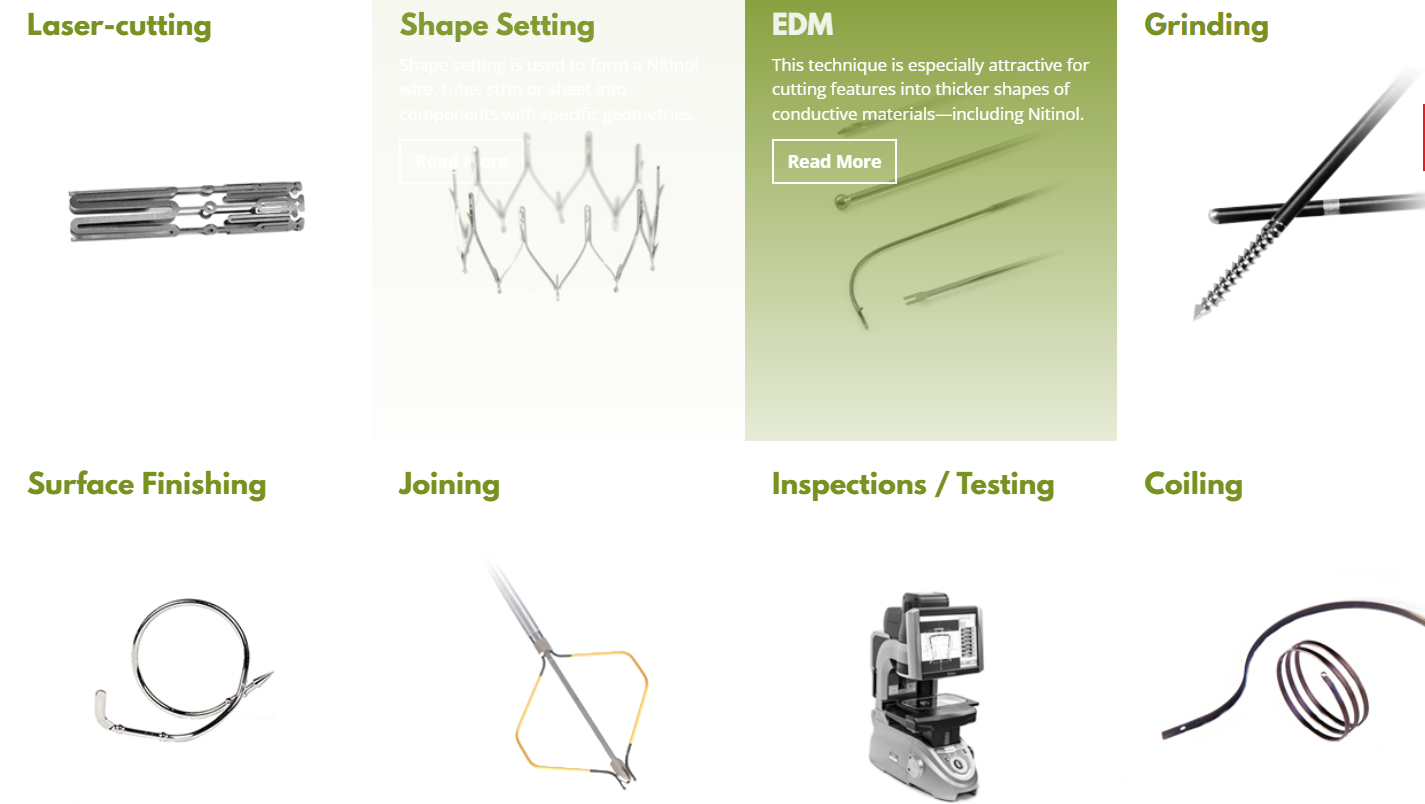
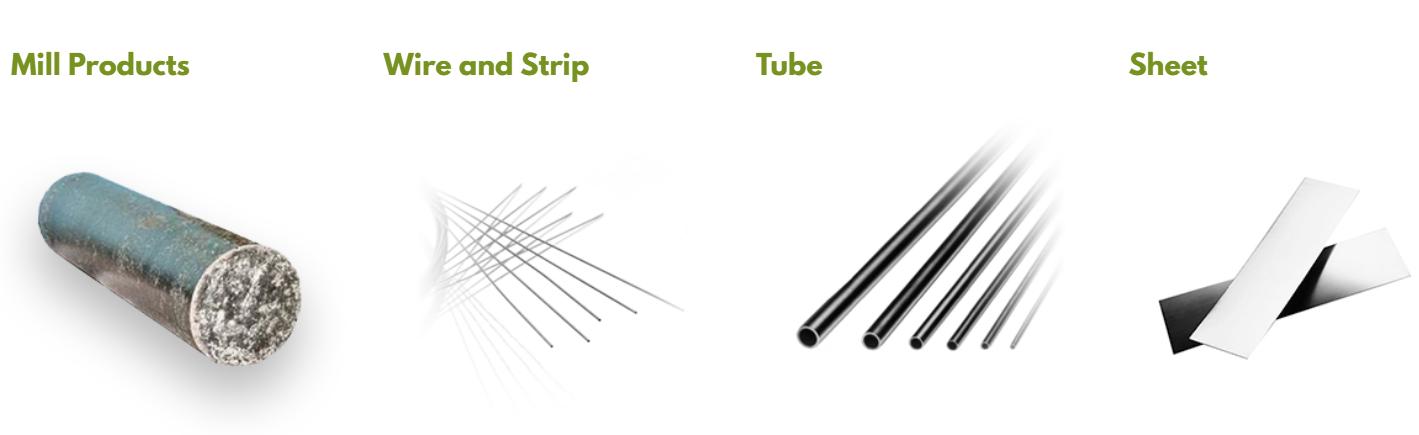
- Wire, Tube, or Sheet Form: Depending on the application (e.g., stents, guidewires, or actuators), buyers must specify whether they need Nitinol tubes, wires, sheets, or custom-processed components.
- Mechanical Properties: Factors such as elastic modulus, fatigue resistance, and corrosion resistance should be evaluated based on the intended environment and stress conditions.
2. Supplier Selection
Choosing a reliable Nitinol supplier is essential to guarantee high-quality, consistent materials that comply with industry standards.
- Certifications & Compliance: Ensure the supplier meets ISO 13485 (medical devices), ASTM F2063 (Nitinol for implants), or aerospace standards for high-performance applications.
- Manufacturing & Processing Capabilities: A reputable supplier should offer precise control over transformation temperatures, surface finishing, and customized specifications.
- Traceability & Quality Control: Look for suppliers that provide material traceability, test reports, and quality assurance to avoid inconsistencies in performance.
- Technical Support & Customization: The best suppliers offer technical consultation to help buyers select the right grade, process the material accordingly, and optimize performance for specific applications.
3. Cost-Benefit Analysis
While Nitinol materials may have a higher initial cost, their long-term benefits often justify the investment.
- Extended Lifespan: Due to its high fatigue resistance and durability, Nitinol reduces the need for frequent replacements, cutting long-term costs.
- Performance & Efficiency Gains: Superelastic properties enhance product reliability and functionality, leading to improved outcomes in medical, aerospace, and industrial applications.
- Manufacturing & Design Advantages: The ability to create self-expanding, flexible, and miniaturized components can lead to cost savings in product development, assembly, and maintenance.
Conclusion
Procuring superelastic Nitinol requires a thorough understanding of material specifications, supplier reliability, and long-term cost benefits. By selecting the right grade and a trusted supplier, businesses can maximize performance, ensure compliance, and optimize costs, making Nitinol a strategic investment for high-performance applications.
Why Choose YICHOU for Your Nitinol Needs
1. Product Quality
At YICHOU, we are dedicated to providing high-quality superelastic Nitinol tubes and materials that meet the most demanding industry standards. Our materials undergo rigorous quality control to ensure superior performance in medical, aerospace, and industrial applications.
- Compliance with Industry Standards: Our Nitinol products meet ASTM F2063, ISO 13485, and other relevant certifications, ensuring reliability and safety.
- Advanced Manufacturing Processes: We employ precision heat treatment, surface finishing, and transformation temperature control to deliver consistent and high-performance materials.
- Strict Quality Control: Each batch undergoes mechanical testing, fatigue analysis, and corrosion resistance verification to guarantee long-term durability.
2. Customization
We understand that every application has unique requirements, and YICHOU excels at offering customized Nitinol solutions tailored to our clients' needs.
- Custom Sizes & Forms: We provide Nitinol tubes, wires, sheets, and machined components with exact specifications.
- Tailored Mechanical Properties: Our engineers can adjust superelasticity, transformation temperatures, and surface finishes to optimize performance for your specific application.
- Flexible Order Quantities: Whether you need small prototype batches or large-scale production, YICHOU accommodates your demands with competitive lead times.
3. Expertise and Support
With years of expertise in Nitinol processing and applications, YICHOU is committed to helping clients find the right material solutions for their projects.
- Technical Consultation: Our specialists provide in-depth guidance on selecting the best Nitinol grades and processing methods for your application.
- R&D Collaboration: We work closely with clients to develop innovative solutions, supporting research and product development in medical, aerospace, and robotics fields.
- Reliable Customer Support: Our dedicated team ensures smooth communication, quick responses, and technical assistance at every stage—from material selection to final delivery.
Conclusion
Superelastic Nitinol is a game-changing material with exceptional durability, flexibility, and biocompatibility for high-performance applications. Choosing the right supplier is crucial to unlocking its full potential.
GET QUOTE
- Visit our website: https://www.nbyichou.com/
- Email us: [email protected]
- Call us/whatsapp: +86 13355741031
- Chat with us: Live chat support available on our website