Are you looking to revolutionize your product development process? Look no further than the power of CNC prototype. In this ultimate guide, we will unveil the secrets of leveraging CNC prototype technology to accelerate your journey to market success. With the ever-increasing demands of today's fast-paced market, it's essential to stay ahead of the competition. Say goodbye to traditional prototyping methods that are time-consuming and costly. CNC prototype, short for Computer Numerical Control, combines computer-aided design (CAD) and manufacturing techniques to create precise and functional prototypes in record time. Whether you're a small startup or an established company, understanding the ins and outs of CNC prototype can give you a competitive edge. From rapid iteration to the ability to test multiple designs, CNC prototype allows you to refine your product before full-scale production. Say hello to reduced development time, improved product quality, and increased ROI. So, if you're ready to unlock the true potential of CNC prototype and accelerate your product development process, let's dive in and discover how to make your ideas come to life.
What is a CNC Prototype?
In the world of product development, a CNC prototype is a crucial tool that can transform your innovative ideas into tangible reality. CNC stands for Computer Numerical Control, and it's a cutting-edge technology that automates the process of creating prototypes and parts with remarkable precision. Unlike traditional prototyping methods, CNC prototypes are produced by programming a computer to control the movement of machinery, resulting in highly accurate and intricate components.
CNC prototypes are essentially 3D physical models of your designs, crafted from a wide range of materials such as metals, plastics, or even composites. These prototypes serve as proof of concept, allowing you to test and evaluate your product's design before committing to expensive mass production. By leveraging CNC prototyping, you can save time, reduce costs, and ultimately increase the chances of creating a successful final product.
.jpeg)
Advantages of Using CNC Prototyping
There are several compelling advantages to choosing CNC prototyping as your go-to method for product development. Firstly, CNC machining offers unparalleled precision and consistency, ensuring that each prototype is an exact replica of your design. This level of accuracy is invaluable for industries where tolerances are critical, such as aerospace and medical device manufacturing.
Secondly, CNC prototyping allows for rapid iteration. Unlike traditional prototyping methods that may require time-consuming tooling changes, CNC machines can swiftly adapt to design revisions. This agility in the development process means you can quickly refine your product based on user feedback and market demands.
Cost-effectiveness is another noteworthy advantage. CNC prototyping minimizes material waste and labor costs, making it an economically viable option, especially for small to medium-sized businesses. Additionally, the ability to create complex geometries and intricate details opens up new design possibilities that were previously unattainable through other manufacturing processes.
Common Materials Used in CNC Prototyping
The versatility of CNC prototyping lies in its ability to work with a wide array of materials. The choice of material depends on your specific project requirements, budget, and the properties you seek in the prototype. Some common materials used in CNC prototyping include:
-
Metals: Aluminum, brass, steel, and titanium are frequently employed in CNC machining. These metals are known for their durability and are suitable for applications where strength and resilience are paramount.
-
Plastics: Acrylic, ABS, and polypropylene are popular choices for plastic CNC prototypes. They are lightweight, cost-effective, and can be easily customized to achieve various textures and finishes.
-
Composites: Carbon fiber and fiberglass composites are used when a balance of strength and lightness is essential. These materials are prevalent in industries like automotive and aerospace.
-
Wood: Wood CNC prototypes are favored for their aesthetic appeal and versatility. They are commonly used in projects where a natural or rustic look is desired.
-
Foam: Foam materials like polyurethane are suitable for creating lightweight, large-scale prototypes or patterns for casting.
Choosing the right material is crucial, as it directly impacts the prototype's functionality and appearance. Collaborating with a skilled CNC prototype service provider can help you make the best material choices based on your project's unique needs.
.jpg)
The CNC Prototyping Process
Understanding the CNC prototyping process is vital for maximizing its benefits. It typically involves the following steps:
-
Design: Begin with a 3D CAD (Computer-Aided Design) model of your product. This digital blueprint serves as the foundation for the prototype.
-
Material Selection: Choose the appropriate material based on your design's requirements, as discussed in the previous section.
-
Programming: Create a CNC program that translates the 3D CAD model into precise instructions for the CNC machine. This program specifies toolpaths, speeds, and feed rates.
-
Machining: The CNC machine takes over, following the programmed instructions to cut, mill, or shape the chosen material into the desired prototype. This step demands a high degree of precision and can take varying amounts of time depending on the complexity of the design.
-
Quality Control: Inspect the prototype to ensure it meets the design specifications and quality standards. Any discrepancies are addressed at this stage.
-
Assembly (if applicable): Some prototypes may require assembly of multiple machined parts to simulate the final product's functionality accurately.
-
Testing and Iteration: Once the prototype is assembled, it undergoes rigorous testing and evaluation. This phase provides valuable insights that inform design improvements and refinements.
Understanding these steps in the CNC prototyping process is essential for effective project management and successful product development.
Design Considerations for CNC Prototyping
Creating a successful CNC prototype begins with thoughtful design considerations. Here are some key factors to keep in mind:
-
Material Compatibility: Choose a material that aligns with your product's intended use. Consider factors such as strength, heat resistance, and weight.
-
Tolerances: Specify the required tolerances for your prototype. CNC machining can achieve tight tolerances, but these need to be defined in the design.
-
Complexity: While CNC machines excel at intricate details, overly complex designs can increase production time and costs. Strike a balance between aesthetics and practicality.
-
Machining Order: Plan the order in which features are machined. Starting with critical dimensions and complex geometries can prevent errors later in the process.
-
Tool Selection: Optimize tool selection for each machining operation. The right tools ensure the best finish and accuracy.
-
Surface Finish: Define the desired surface finish early in the design process. CNC machining can achieve a range of finishes, from smooth to textured.
-
Prototype Size: Consider the size limitations of the CNC machine. If your prototype is large, it may need to be divided into smaller components for machining and assembly.
By addressing these design considerations, you can streamline the CNC prototyping process, minimize errors, and accelerate your product's time to market.
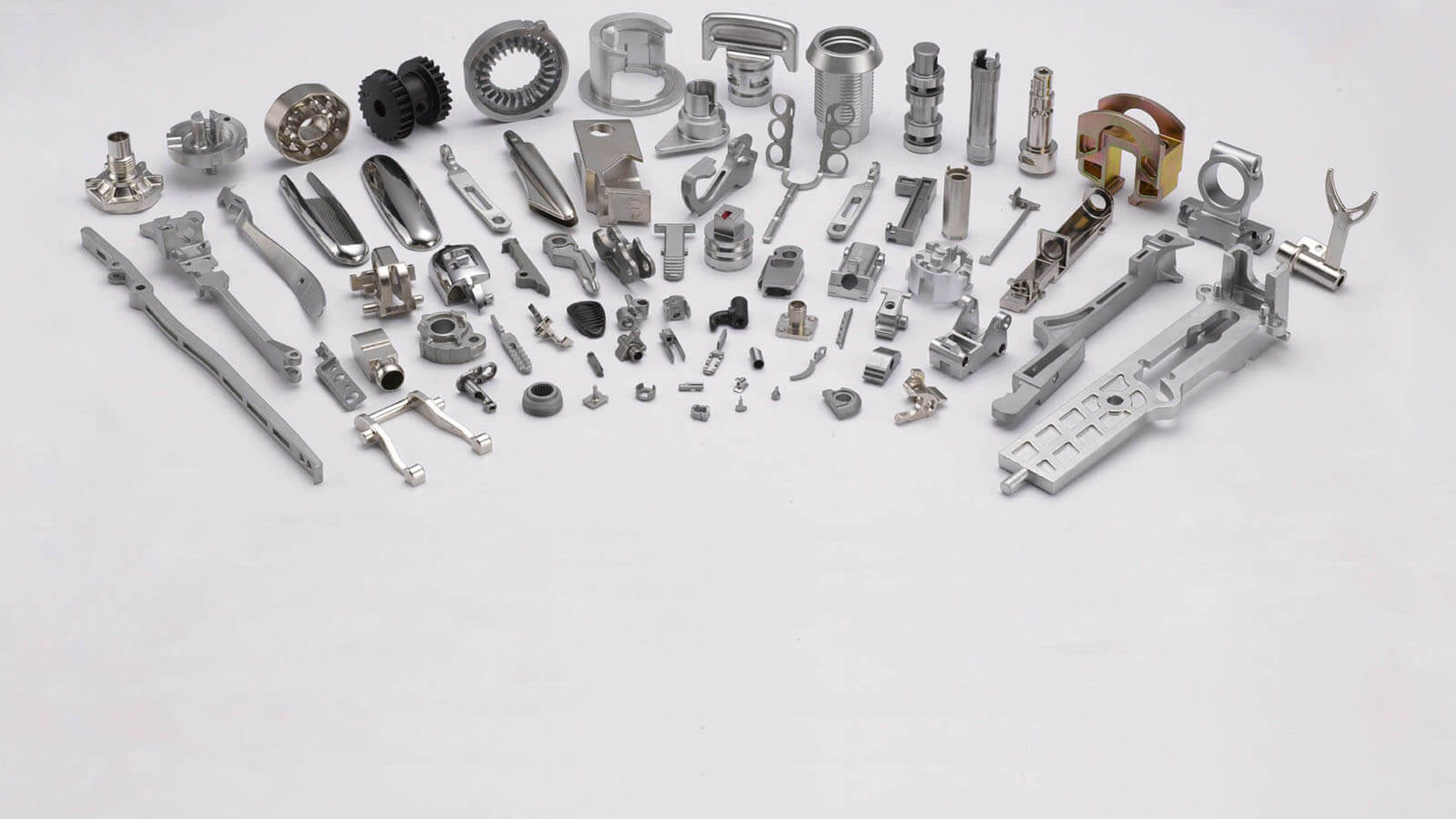
Tips for Optimizing CNC Prototype Production
Efficiency is key when it comes to CNC prototype production. Here are some valuable tips to optimize the process:
-
Design for Manufacturability: Collaborate closely with your CNC prototype service provider during the design phase. Their expertise can help you make design choices that align with the capabilities of CNC machining.
-
Batch Processing: If you require multiple prototypes, consider batch processing. CNC machines can efficiently produce several identical parts in one run, reducing production time and costs.
-
Material Management: Minimize material waste by strategically arranging parts on the stock material. Efficient nesting reduces material costs and environmental impact.
-
Prototyping Software: Utilize specialized software for CNC programming and simulation. This software can help identify and rectify potential issues before machining begins.
-
Post-Processing: Plan for any necessary post-processing steps, such as sanding, painting, or surface treatments, to achieve the desired final appearance and functionality.
-
Quality Control: Implement rigorous quality control measures throughout the production process to catch and address any defects early.
-
Documentation: Maintain detailed documentation of design revisions, machining parameters, and quality inspection results. This documentation is valuable for future iterations and troubleshooting.
Efficient CNC prototype production not only saves time and resources but also ensures that your prototypes are of the highest quality.
Case Studies: Successful Product Development Using CNC Prototyping
To illustrate the real-world impact of CNC prototyping, let's explore a few case studies of successful product development:
Case Study 1: Medical Device Innovation
A medical device startup aimed to develop a groundbreaking device for minimally invasive surgeries. They utilized CNC prototyping to create precision components that met strict medical standards. The iterative nature of CNC prototyping allowed them to refine the device's design based on feedback from medical professionals. The resulting product not only improved patient outcomes but also gained FDA approval, paving the way for a successful market launch.
Case Study 2: Automotive Advancements
An automotive manufacturer sought to improve the efficiency of their vehicles by reducing weight while maintaining structural integrity. CNC prototyping enabled them to experiment with composite materials, leading to the creation of lightweight, durable parts. These prototypes underwent rigorous testing, ultimately resulting in the production of fuel-efficient vehicles that met stringent industry standards.
Case Study 3: Consumer Electronics
In the competitive consumer electronics market, a company wanted to launch a new, innovative product. CNC prototyping allowed them to rapidly iterate and test different design variations, ensuring that the final product met consumer demands for both aesthetics and functionality. Thanks to CNC prototyping, they successfully introduced a cutting-edge device that garnered rave reviews.
These case studies highlight how CNC prototyping can accelerate product development, improve product quality, and open doors to innovation across various industries.
Choosing the Right CNC Prototype Service Provider
Selecting the right CNC prototype service provider is a critical decision that can greatly influence the success of your project. Here are key factors to consider:
-
Expertise: Look for a provider with extensive experience in CNC machining and a proven track record of delivering high-quality prototypes.
-
Technology: Ensure the provider utilizes state-of-the-art CNC machines and software for precision and efficiency.
-
Material Options: Verify that the provider offers a range of material options to meet your project's specific needs.
-
Quality Assurance: Inquire about their quality control processes and certifications, such as ISO standards.
-
Lead Times: Consider the provider's ability to meet your project timeline, especially if you have tight deadlines.
-
Cost Transparency: Request a detailed quote that includes all costs, such as materials, machining, and post-processing.
-
Communication: Effective communication is crucial. Choose a provider that maintains open lines of communication and provides regular project updates.
-
References and Reviews: Check for customer reviews and ask for references to gauge the provider's reputation and reliability.
Taking the time to thoroughly evaluate potential CNC prototype service providers ensures a smoother and more successful collaboration.
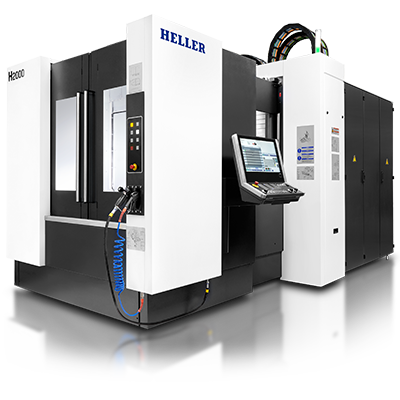
The Future of CNC Prototyping
As technology continues to advance, the future of CNC prototyping holds exciting possibilities. Here are some trends and developments to watch for:
-
Additive and Hybrid Manufacturing: CNC machining is increasingly integrated with additive manufacturing techniques, allowing for even more complex and customized prototypes.
-
Automation: The use of artificial intelligence (AI) and machine learning in CNC machines is on the rise, leading to greater automation and efficiency in the prototyping process.
-
Sustainability: CNC prototyping is likely to align more with sustainable practices, including recycling and responsible material sourcing.
-
Multi-Material Prototyping: Advancements in CNC technology may enable the seamless integration of multiple materials in a single prototype, expanding design possibilities.
-
Remote Collaboration: Virtual prototyping and remote collaboration tools will facilitate global teamwork on CNC projects, regardless of physical location.
-
Miniaturization: CNC machining capabilities will continue to advance, allowing for the creation of smaller, more intricate prototypes for a wide range of applications.
-
Cost Reduction: Ongoing innovation is expected to reduce the cost of CNC prototyping, making it even more accessible to startups and small businesses.
The future of CNC prototyping promises to be dynamic and transformative, offering new opportunities for innovation and product development.
Conclusion
In conclusion, CNC prototyping represents a revolutionary approach to product development, offering precision, versatility, and efficiency that traditional methods struggle to match. By understanding the advantages of CNC prototyping, materials commonly used, the prototyping process, design considerations, and tips for optimization, you can harness the full potential of this technology for your projects.
Case studies demonstrate how CNC prototyping has propelled innovation in various industries, while selecting the right CNC prototype service provider is crucial for a successful partnership. Looking ahead, the future of CNC prototyping holds promise for even more groundbreaking developments in manufacturing and design.
Embracing CNC prototyping as a cornerstone of your product development process can lead to faster time-to-market, cost savings, and the creation of innovative products that captivate consumers and drive success in a competitive marketplace.
.jpg)
FAQ 1: What Are CNC Prototypes, and How Can YICHOU Help?
Keywords: CNC prototypes, YICHOU, CNC prototyping, product development, manufacturing
Subheadings:
-
Defining CNC Prototypes
CNC prototypes are precision-engineered physical models of your designs, created using Computer Numerical Control technology. These prototypes serve as proofs of concept, allowing you to test your product's design before mass production. At YICHOU, we specialize in CNC prototyping to bring your ideas to life with precision and accuracy.
-
Why Choose CNC Prototyping?
CNC prototyping offers unmatched advantages in terms of precision, rapid iteration, and cost-effectiveness. At YICHOU, we understand the importance of these benefits for your project's success. Our CNC machining capabilities can help you optimize your product development process.
-
What Materials Can YICHOU Work With?
YICHOU offers a wide range of materials for CNC prototyping, including metals, plastics, composites, and more. Each material has unique properties and applications, and our expertise ensures you choose the right one for your project.
-
How Does YICHOU Execute the CNC Prototyping Process?
Our CNC prototyping process at YICHOU involves meticulous design analysis, precision machining, stringent quality control, and efficient assembly when necessary. We take you through each step to ensure your prototype meets your specifications.
-
Why Collaborate with YICHOU for CNC Prototyping?
YICHOU's commitment to excellence, cutting-edge technology, and extensive experience make us the ideal partner for your CNC prototyping needs. We prioritize transparent communication and delivering high-quality prototypes, helping you bring your product to market faster and more efficiently.
FAQ 2: What Are the Key Advantages of CNC Prototyping?
Keywords: Advantages of CNC prototyping, CNC machining, rapid iteration, cost-effective prototyping
Subheadings:
-
Precision and Consistency in CNC Prototyping
CNC machining, as offered by YICHOU, ensures unparalleled precision and consistency in every prototype. This level of accuracy is crucial for industries where even the slightest deviation can have significant consequences.
-
Rapid Iteration for Faster Development
CNC prototyping allows for swift design revisions, enabling you to respond to user feedback and market demands effectively. This agility in the development process is a key advantage for time-critical projects.
-
Cost-Effective Prototyping with CNC
YICHOU's CNC prototyping minimizes material waste and labor costs, making it a cost-effective option for businesses of all sizes. Complex geometries and intricate details become achievable without breaking the budget.
-
Versatility in Material Selection
CNC machining offers versatility in material selection, ranging from metals to plastics and composites. This flexibility allows you to choose the material that best suits your project's requirements.
-
Highly Detailed and Complex Prototypes
YICHOU's CNC machining capabilities enable the creation of highly detailed and complex prototypes, opening up new design possibilities. This advantage is particularly valuable for industries that demand intricate components.
FAQ 3: What Materials Are Commonly Used in CNC Prototyping?
Keywords: Materials in CNC prototyping, CNC prototype materials, common materials, material selection
Subheadings:
-
Metals in CNC Prototyping
Metals like aluminum, brass, steel, and titanium are commonly used in CNC prototyping. These materials are prized for their durability and are ideal for applications requiring strength and resilience.
-
Plastics for CNC Prototypes
Materials such as acrylic, ABS, and polypropylene are popular choices for plastic CNC prototypes. They offer lightweight properties, cost-effectiveness, and the ability to achieve various textures and finishes.
-
Composites in CNC Prototyping
YICHOU works with composite materials like carbon fiber and fiberglass, offering a balance of strength and lightness. These materials find applications in industries like automotive and aerospace.
-
Wood CNC Prototypes
Wood is favored for its aesthetic appeal and versatility in CNC prototypes. It's often chosen when a natural or rustic look is desired for the final product.
-
Foam Materials in CNC Prototyping
Foam materials like polyurethane are suitable for creating lightweight, large-scale prototypes or patterns for casting. YICHOU's expertise ensures precision in working with these materials.
FAQ 4: Can You Explain the CNC Prototyping Process at YICHOU?
Keywords: CNC prototyping process, YICHOU's CNC process, precision machining, design analysis
Subheadings:
-
Design Phase at YICHOU
The CNC prototyping process at YICHOU begins with the design phase, where we analyze your 3D CAD model and plan the machining process.
-
Material Selection
Our team assists you in selecting the most suitable material for your project, considering factors like strength, heat resistance, and budget.
-
Programming and Precision Machining
YICHOU's CNC experts create a detailed CNC program, specifying toolpaths, speeds, and feed rates. Precision machining then takes place, guided by the CNC program.
-
Quality Control and Assembly
Our stringent quality control process ensures that your prototype meets design specifications. If required, we handle assembly to simulate the final product's functionality.
-
Testing and Iteration
YICHOU conducts thorough testing and evaluation of the prototype, allowing for necessary design improvements and refinements based on results.
FAQ 5: Why Should I Choose YICHOU for CNC Prototyping Services?
Keywords: Choosing YICHOU, CNC prototype service provider, expertise, quality, cost-effectiveness
Subheadings:
-
Expertise and Experience
YICHOU brings extensive experience and expertise in CNC prototyping to your project. Our team understands the intricacies of CNC machining.
-
Cutting-Edge Technology
We employ state-of-the-art CNC machines and software, ensuring precision and efficiency in every prototype.
-
Material Options
YICHOU offers a wide range of material options to match your project's unique requirements, guided by our material experts.
-
Quality Assurance
Our commitment to quality is reflected in our quality control processes and certifications, including adherence to ISO standards.
-
Timely Delivery
YICHOU respects your project timeline, delivering prototypes on schedule to meet your deadlines.
-
Transparent Pricing
We provide detailed quotes that include all costs, ensuring transparency in pricing for your CNC prototyping needs.
-
Effective Communication
YICHOU maintains open lines of communication, offering regular project updates and fostering collaboration throughout the process.
Choosing YICHOU as your CNC prototype service provider means aligning with a trusted partner dedicated to delivering high-quality prototypes efficiently and cost-effectively.