Welcome to the fascinating world of soft machining, where precision engineering combines art and science to create marvels of innovation. In this article, we will dive deep into the secrets of this captivating field, uncovering the techniques and technologies that drive its advancements.
Soft machining, also known as precision machining, is a specialized process that involves shaping and refining materials with unparalleled accuracy. From intricate components for aerospace and automotive industries to medical devices and consumer electronics, soft machining is vital in manufacturing various products. With its high-tech machinery, skilled technicians, and cutting-edge software, soft machining enables us to achieve microscopic tolerances and perfect surface finishes. By manipulating materials such as metals, plastics, ceramics, and composites, engineers create components that are essential to the functioning of countless devices that enhance our everyday lives.
Join us as we explore the intricate world of soft machining and gain insights into the techniques that power precision engineering. Get ready to be mesmerized by the precision, creativity, and innovation that lie behind the scenes of this fascinating industry. Buckle up, and let's unlock the secrets of soft machining together
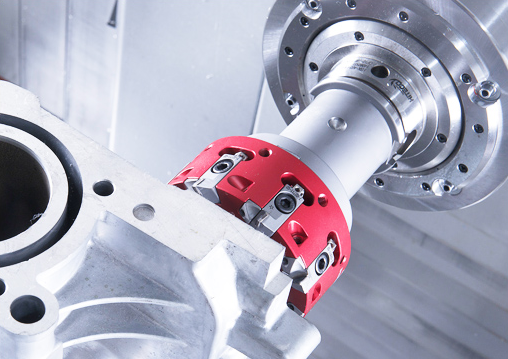
Introduction: In the intricate realm of precision engineering, soft machining stands as the linchpin, weaving together accuracy and efficiency in the manufacturing process. This blog post is a deep dive into the pivotal role of soft machining, unraveling its importance in the precision engineering landscape. By understanding the intricate dance between soft machining and precision, businesses can harness its potential to unlock superior outcomes. From enhanced product quality to streamlined manufacturing, soft machining emerges as a cornerstone for achieving precision perfection.
-
The Significance of Soft Machining in Precision Engineering:
Soft machining is the silent architect behind the precision engineering marvels we encounter daily. This section explores the profound importance of soft machining in achieving precision, emphasizing its role in shaping intricate components with unparalleled accuracy. From aerospace to medical devices, soft machining is the driving force that ensures products meet and exceed the stringent standards of precision engineering. By recognizing its significance, businesses can position themselves at the forefront of industries where precision is non-negotiable. -
Decoding the Principles of Soft Machining:
To truly master the art of soft machining, one must delve into its underlying principles. This section provides an in-depth exploration of the core principles governing soft machining processes. From the selection of advanced materials to the intricacies of toolpath optimization, readers gain insights into the nuanced strategies that contribute to the precision and intricacy achievable through soft machining. This knowledge serves as a compass for implementing effective soft machining practices, ensuring a solid foundation for precision engineering workflows. -
Precision in Practice:
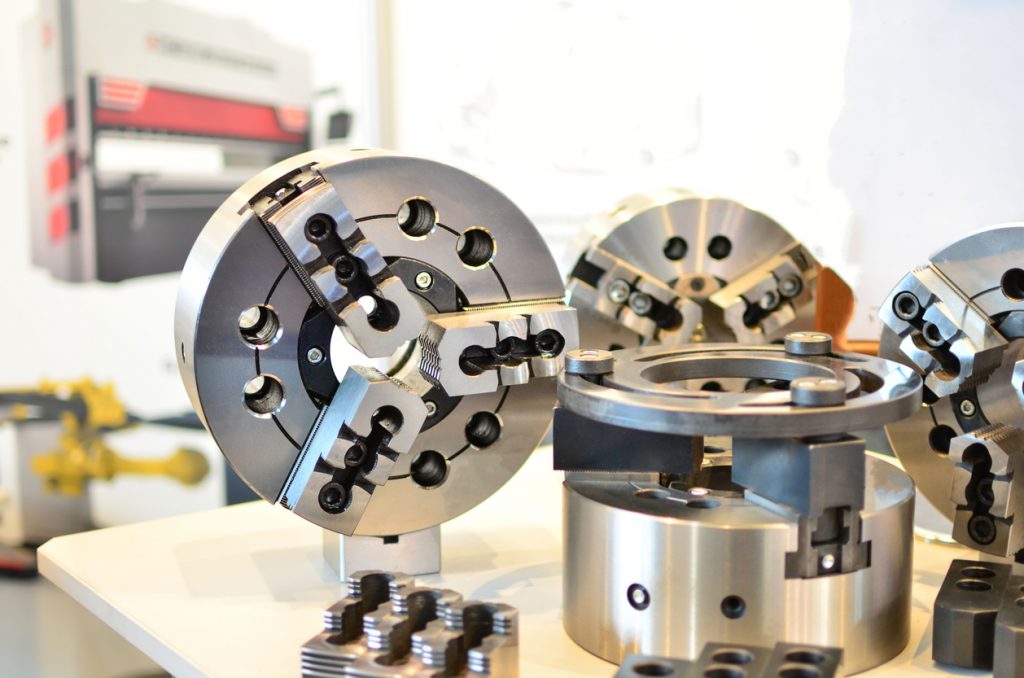
Tools and Techniques for Soft Machining: The effectiveness of soft machining hinges on the advanced tools and innovative techniques employed during the manufacturing process. This section is a journey through the cutting-edge tools that elevate soft machining to new heights. From Computer Numerical Control (CNC) systems to state-of-the-art laser cutting technologies, readers discover the arsenal of tools available for achieving precision in soft machining. A comprehensive understanding of these tools empowers businesses to make informed decisions, ensuring the selection of the most suitable methods for their specific precision engineering applications.
-
Navigating the Landscape:
Advantages and Limitations of Soft Machining: Soft machining isn't without its complexities and challenges. This section delves into the advantages and limitations inherent in soft machining. From enhanced surface finishes and reduced material waste to the nuanced considerations and costs associated with specific materials, readers gain a holistic view of what soft machining brings to the table. By acknowledging and strategically addressing these advantages and limitations, businesses can optimize their soft machining processes, ensuring precision engineering projects are not only accurate but also economically viable. -
Triumphs Unveiled:
Case Studies Showcasing Successful Soft Machining Applications:
The proof is in the precision. This section unfolds a tapestry of success stories, showcasing real-world case studies that exemplify the triumphs of soft machining applications. From aerospace marvels to intricate medical components, readers will witness the tangible impact soft machining has had on achieving unprecedented levels of accuracy and efficiency. By examining these case studies, businesses can draw inspiration and insights, understanding how soft machining has been a game-changer in diverse industries, fueling innovation and elevating the standards of precision engineering. -
Crafting Excellence:
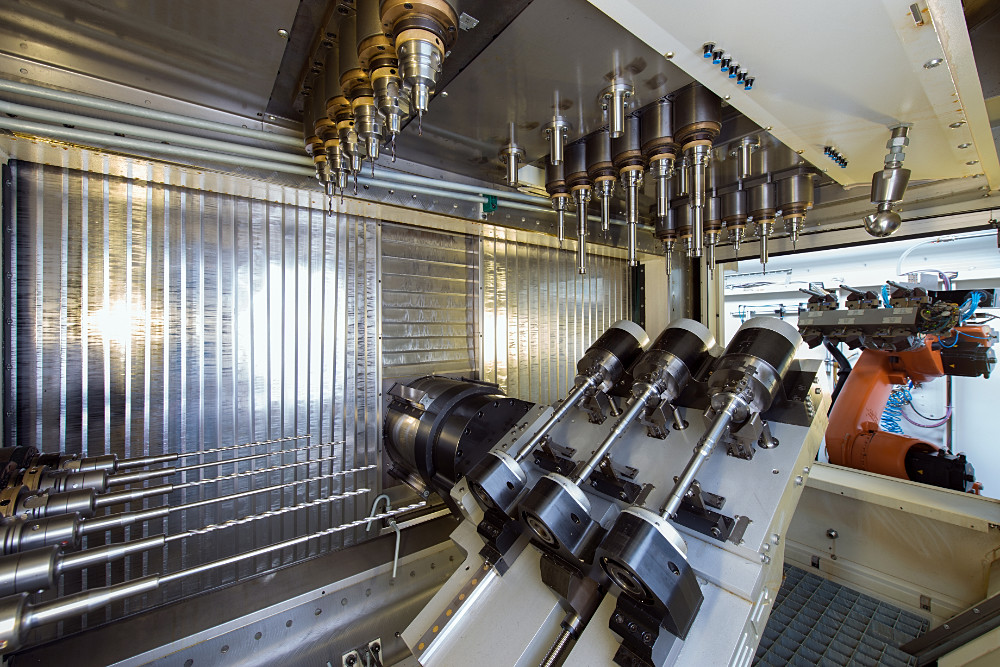
Tips for Optimizing Soft Machining Processes: Success in soft machining is an art and a science. This section provides a deep dive into practical tips for optimizing soft machining processes. From leveraging cutting-edge technologies to fine-tuning parameters for enhanced precision, readers will gain actionable insights to elevate their soft machining endeavors. By incorporating these tips into their workflows, businesses can not only improve precision but also streamline operations, leading to increased efficiency, reduced costs, and ultimately, a higher return on investment.
-
The Power of Knowledge:
Training and Education in Soft Machining: Knowledge is the key to unlocking the full potential of soft machining. This section emphasizes the importance of training and education in equipping professionals with the skills needed for successful soft machining. From specialized courses to hands-on training programs, businesses can invest in developing a workforce that understands the intricacies of soft machining. This knowledge empowers individuals to make informed decisions, troubleshoot challenges, and contribute to the continuous improvement of soft machining processes within the precision engineering landscape. -
Visionary Insights:
Future Trends in Soft Machining: The evolution of soft machining continues to shape the future of precision engineering. This section peers into the crystal ball, exploring the emerging trends that will define the landscape of soft machining in the coming years. From advancements in artificial intelligence to the integration of augmented reality in machining processes, readers will gain insights into the trends that are poised to revolutionize soft machining. Understanding these future trends positions businesses at the forefront of innovation, allowing them to adapt and stay ahead in the ever-evolving world of precision engineering.

Conclusion: Precision Engineering Redefined - The Indispensable Role of Soft Machining: In conclusion, this blog post has navigated the diverse facets of soft machining, from its triumphs in successful applications to practical tips for optimization, the importance of training and education, and a glimpse into future trends. The role of soft machining in advancing precision engineering is indisputable. It is not merely a technique; it's a catalyst for progress and excellence. As industries evolve, businesses that embrace and leverage the power of soft machining will be at the forefront of precision engineering, setting new standards and pushing the boundaries of what is achievable in the pursuit of precision perfection.
1. What is the difference between hard machining and soft machining?
At YICHOU, we understand the critical nuances between hard machining and soft machining. Hard machining involves the precision shaping of rigid materials like metals, while soft machining focuses on the delicate manipulation of more malleable materials. Our expert team navigates these distinctions meticulously to ensure the optimal application of each technique. Whether it's crafting robust components or intricately molding softer materials, our commitment to precision remains unwavering.
2. What are the 3 main types of machining technologies?
YICHOU specializes in a diverse range of machining technologies to cater to varying industry needs. Our expertise encompasses CNC machining, precision grinding, and electrical discharge machining (EDM). Each technology brings unique advantages to the table, allowing us to tailor our approach based on project specifications. Whether it's the high-speed precision of CNC machining or the fine detailing achievable through EDM, our commitment to utilizing cutting-edge technologies sets us apart in the parts manufacturing landscape.
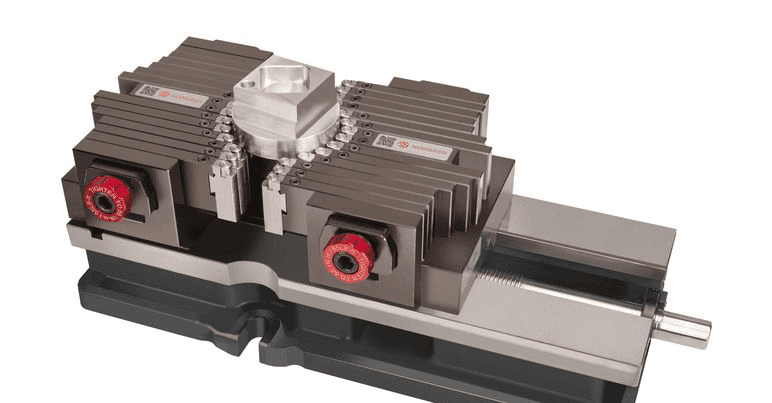
3. What are the advantages of machining a soft material?
Machining soft materials is a specialized art, and at YICHOU, we recognize the numerous advantages it brings. Soft machining allows for intricate detailing, enhanced surface finishes, and reduced tool wear. The precision achievable with soft materials is unparalleled, enabling us to meet the stringent requirements of precision engineering. From improved efficiency to minimized material waste, our soft machining expertise ensures that the advantages go beyond the initial manufacturing process, positively impacting the entire supply chain.
4. What is the easiest metal to mill?
In the realm of metal milling, certain materials lend themselves more readily to the process. At YICHOU, we often find that aluminum is considered one of the easiest metals to mill. Its lightweight nature and excellent machinability make it a preferred choice for various applications. Our machining capabilities extend to a wide array of materials, but when it comes to ease of milling, aluminum stands out as a versatile and efficient option for achieving precision in manufacturing.
5. How does YICHOU ensure precision in parts manufacturing?
At YICHOU, precision is at the core of our operations. We employ state-of-the-art machining technologies, including CNC machining and EDM, combined with a rigorous quality control process. Our team of skilled professionals undergoes continuous training to stay abreast of the latest industry standards. From meticulous material selection to the fine-tuning of machining parameters, our commitment to precision engineering is unwavering. By leveraging cutting-edge technologies and a dedication to excellence, YICHOU ensures that every manufactured part meets and exceeds the highest standards of precision.
GET QUOTE
Visit our website: https://www.nbyichou.com/
Email us: [email protected]
Call us/WhatsApp: +86 13355741031
Chat with us: Live chat support available on our website