Are you in need of metal fabrication services but don't know where to start? Look no further! In this ultimate guide, we will unveil the secrets of metal fabrication and help you find quality services near you. Whether you are a business owner in need of custom metal parts or an individual looking to bring your creative ideas to life, understanding the process and finding the right service provider is essential. Metal fabrication involves the manipulation of metal materials to create a wide range of products, from simple components to complex structures. Choosing a reliable and experienced metal fabrication service can make all the difference in the quality and durability of the end product. With our comprehensive guide, you will gain insights into the different types of metal fabrication processes, factors to consider when selecting a service provider, and tips for ensuring the success of your project. Don't settle for subpar metal fabrication services. Let us help you uncover the secrets to finding the best quality services near you. Get ready to embark on a transformative metal fabrication journey that will exceed your expectations.
.jpg)
Different types of metal fabrication near me services
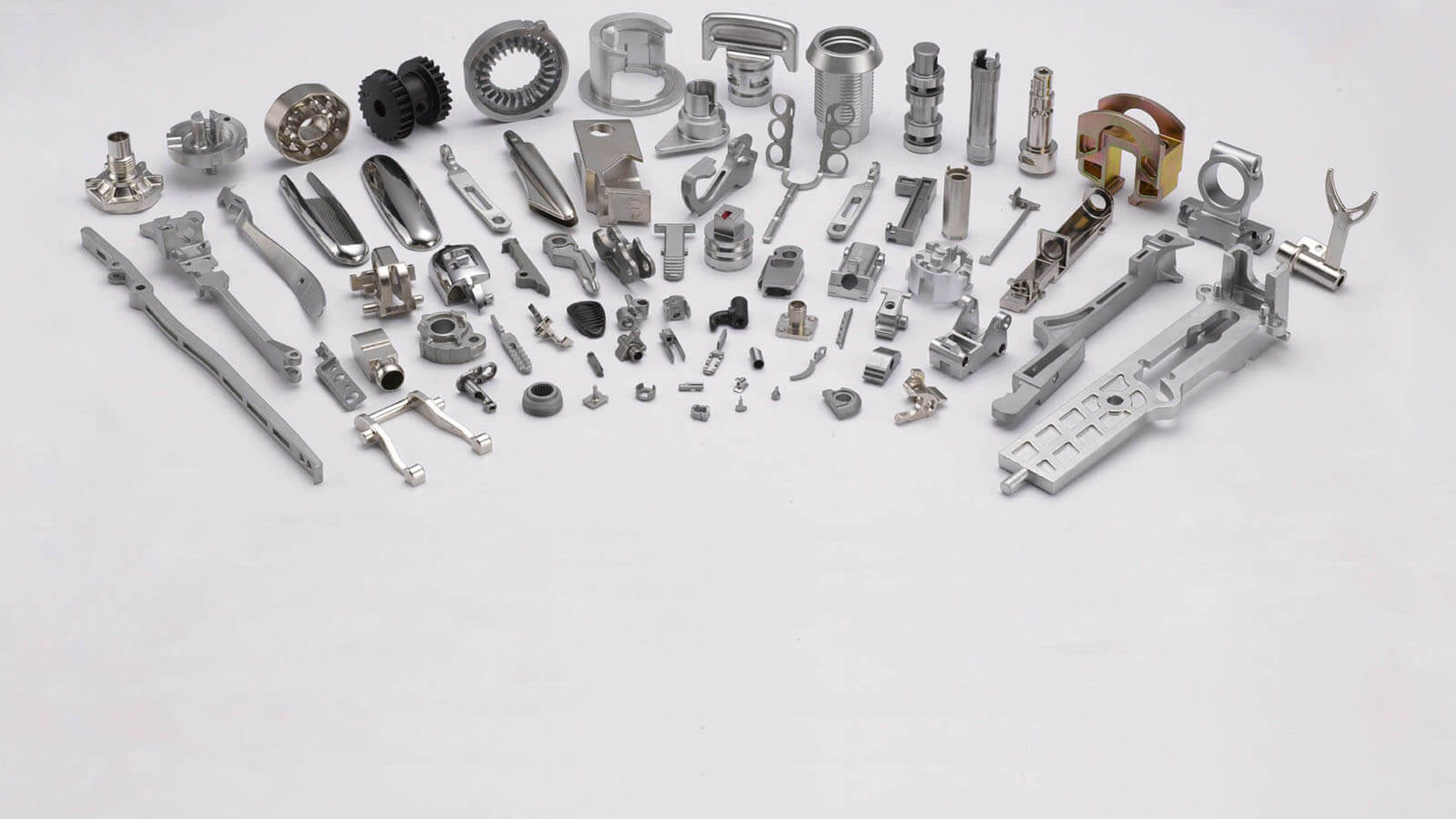
Metal fabrication is a versatile and essential industrial process that involves shaping and forming metal materials into various products and components. There are several different types of metal fabrication services available, each catering to specific needs and requirements. Understanding these various services can help businesses make informed decisions when it comes to their metal fabrication needs.
-
Cutting and Shearing: Cutting and shearing are fundamental processes in metal fabrication. They involve cutting metal sheets and plates into the desired shapes and sizes. This is often the first step in creating metal components for various applications.
-
Machining: Machining is a precision metal fabrication process that involves removing material from a metal workpiece through cutting, drilling, milling, or turning. This process is ideal for creating intricate and highly accurate parts.
-
Welding: Welding is the process of joining two or more metal pieces together using heat and pressure. It is a crucial technique in metal fabrication, as it allows for the creation of larger structures and assemblies.
-
Forming and Bending: Metal can be shaped and bent into specific forms using techniques like press braking, roll forming, and stamping. These processes are essential for producing components with complex geometries.
-
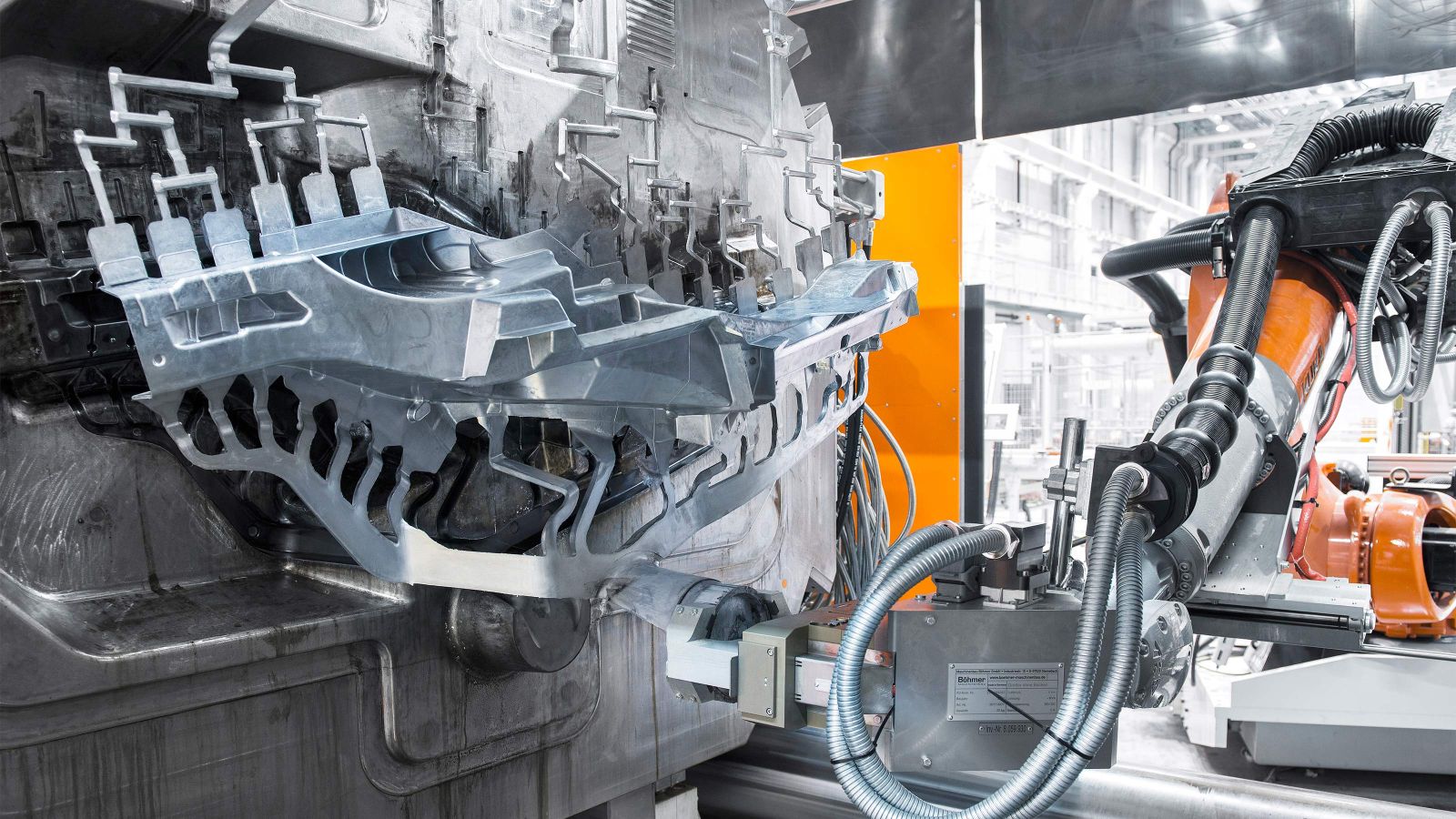
Casting: Metal casting involves pouring molten metal into molds to create various shapes and structures. It's a versatile process suitable for both small and large-scale production.
-
Assembly: Assembling various metal components into a final product is a crucial step in metal fabrication. It often involves welding, fastening, or other joining methods.
-
Finishing and Coating: To enhance the appearance and durability of metal products, finishing and coating processes like painting, powder coating, and plating are applied.
Understanding the different types of metal fabrication services available is essential for selecting the right approach for your specific project. Whether you need precision machining for aerospace components or large-scale welding for structural steel, choosing the appropriate service is key to achieving the desired results.
Benefits of using professional metal fabrication services
Opting for professional metal fabrication services offers numerous advantages for businesses across various industries. Let's explore some of the key benefits that come with entrusting your metal fabrication needs to experts in the field.
-
High-Quality Workmanship: Professional metal fabrication companies have the expertise and experience to deliver high-quality results. They employ skilled craftsmen and utilize advanced machinery to ensure precision and accuracy in every project.
-
Customization: One of the significant advantages of professional metal fabrication is the ability to customize products to meet specific requirements. Whether it's a unique design, size, or material, experts can tailor their services to your needs.
-
Cost Efficiency: While some may assume that outsourcing metal fabrication can be costly, it can actually lead to cost savings in the long run. Professionals optimize processes, reduce waste, and minimize errors, ultimately reducing production costs.
-
Quick Turnaround: Metal fabrication companies are equipped to handle projects efficiently and meet deadlines. Their streamlined processes and specialized equipment enable them to complete tasks promptly, minimizing downtime.
-
Quality Assurance: Professional fabricators often have stringent quality control measures in place. This ensures that the final products meet industry standards and comply with specific regulations, reducing the risk of defects and recalls.
-
Access to Materials: Established fabrication companies have access to a wide range of materials, including exotic metals and alloys. This enables them to provide solutions for various industries and applications.
-
Technical Expertise: Metal fabrication involves complex processes and techniques. Professional fabricators stay up-to-date with the latest advancements, ensuring that your projects benefit from the most advanced methods available.
-
Safety Compliance: Adhering to safety regulations is paramount in metal fabrication. Professional fabricators prioritize safety in their operations, reducing the risk of accidents and injuries.
-
Scalability: Whether your project is small-scale or requires mass production, professional metal fabricators can scale their services to meet your demands efficiently.
-
Long-term Partnerships: Building a relationship with a reputable metal fabrication company can lead to long-term partnerships. This can result in ongoing support, cost savings, and consistent quality for your projects.
By leveraging the expertise and capabilities of professional metal fabrication services, businesses can enhance the quality of their products, reduce production costs, and gain a competitive edge in the market.
Factors to consider when choosing a metal fabrication company
Selecting the right metal fabrication company is a critical decision that can significantly impact the success of your project. To ensure you make the best choice, it's essential to consider several key factors when evaluating potential fabricators.
-
Experience and Expertise: Look for a metal fabrication company with a proven track record and extensive experience in your industry or specific type of project. Their expertise can make a substantial difference in the quality of the final product.
-
Capabilities and Equipment: Assess the company's capabilities and the machinery they use. Ensure they have the necessary equipment and technology to handle your project effectively and efficiently.
-
Material Expertise: Depending on your project, you may require expertise in working with specific materials or alloys. Verify that the fabricator has experience with the materials relevant to your needs.
-
Quality Control: Inquire about the fabricator's quality control processes. A commitment to quality assurance helps ensure that your products meet industry standards and specifications.
-
Customization Options: If your project demands customization, choose a fabricator that can adapt their processes to your unique requirements. The ability to accommodate customization is a significant advantage.
-
References and Reviews: Seek references from past clients and read online reviews. This can provide valuable insights into the fabricator's reputation, reliability, and customer satisfaction levels.
-
Location and Accessibility: Consider the fabricator's location in relation to your business. Proximity can be advantageous for logistics, communication, and site visits.
-
Capacity and Scalability: Determine if the fabricator can handle the volume and scale of your project. Ensure they have the capacity to meet your production needs.
-
Cost and Pricing: Request detailed quotes and compare pricing structures among different fabricators. Be cautious of unusually low prices, as they may indicate lower quality or hidden costs.
-
Communication and Collaboration: Effective communication and collaboration are vital for a successful partnership. Choose a fabricator with clear communication channels and a willingness to work closely with you.
-
Compliance and Certification: Verify that the fabricator complies with industry standards and possesses relevant certifications. This ensures that your products meet regulatory requirements.
-
Timeliness and Lead Times: Discuss project timelines and delivery schedules with potential fabricators. Ensure they can meet your deadlines and avoid delays.
-
Customer Support: Evaluate the fabricator's customer support and responsiveness. Quick and efficient customer service can resolve issues and ensure a smoother project experience.
-
Environmental Practices: Consider the fabricator's commitment to environmental sustainability and responsible manufacturing practices if these factors align with your company's values.
-
Long-term Partnership Potential: Assess whether the fabricator is open to establishing a long-term partnership. A reliable and consistent fabricator can be a valuable asset for future projects.
Taking the time to carefully evaluate these factors when choosing a metal fabrication company can lead to a successful and mutually beneficial partnership that meets your project's requirements and objectives.
 Understanding the metal fabrication process
The metal fabrication process is a complex series of steps and techniques used to transform raw metal materials into finished products and components. Understanding this process is crucial for businesses and individuals seeking to engage in metal fabrication projects. Here's an overview of the key stages involved:
-
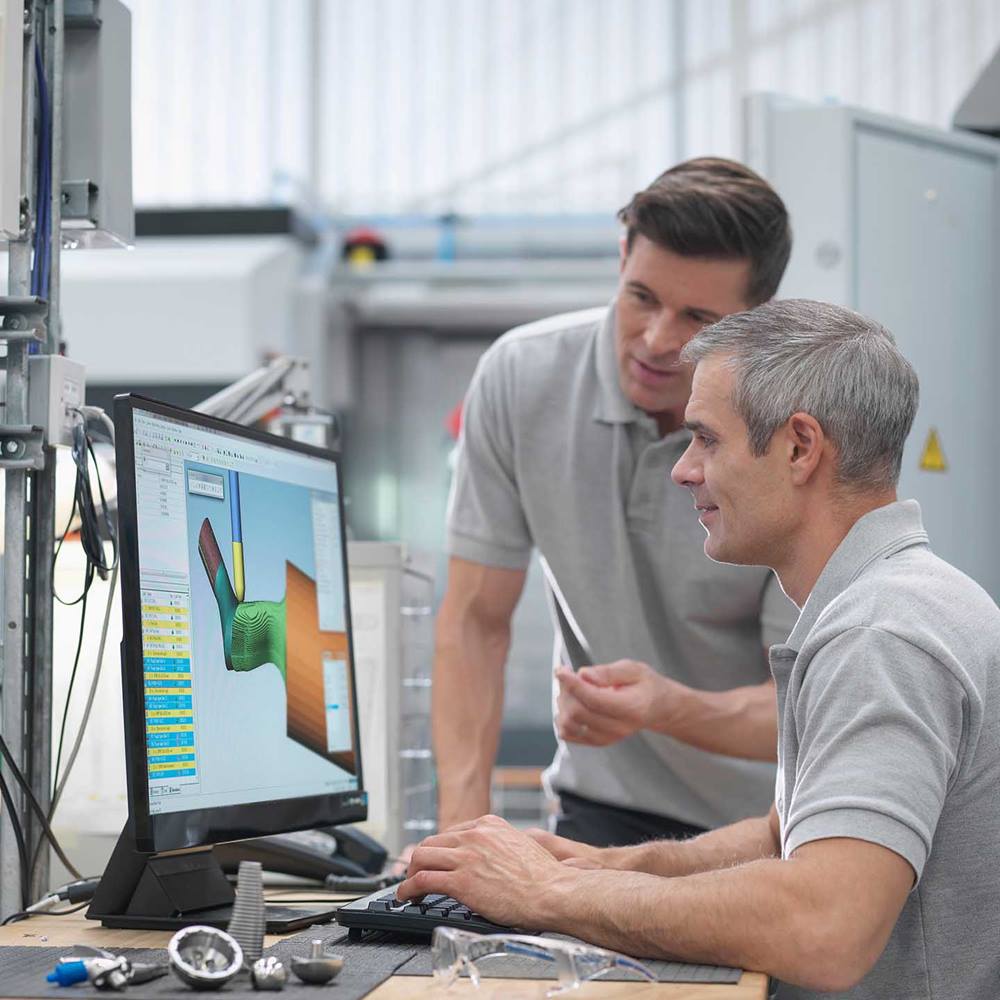
Design and Planning: The first step in metal fabrication is conceptualizing the product's design and planning its production. This phase involves creating detailed drawings or CAD (Computer-Aided Design) models that specify dimensions, tolerances, materials, and manufacturing methods.
-
Material Selection: Choosing the right metal material is critical. Factors such as strength, durability, corrosion resistance, and cost must be considered. Common metals used in fabrication include steel, aluminum, copper, and stainless steel.
-
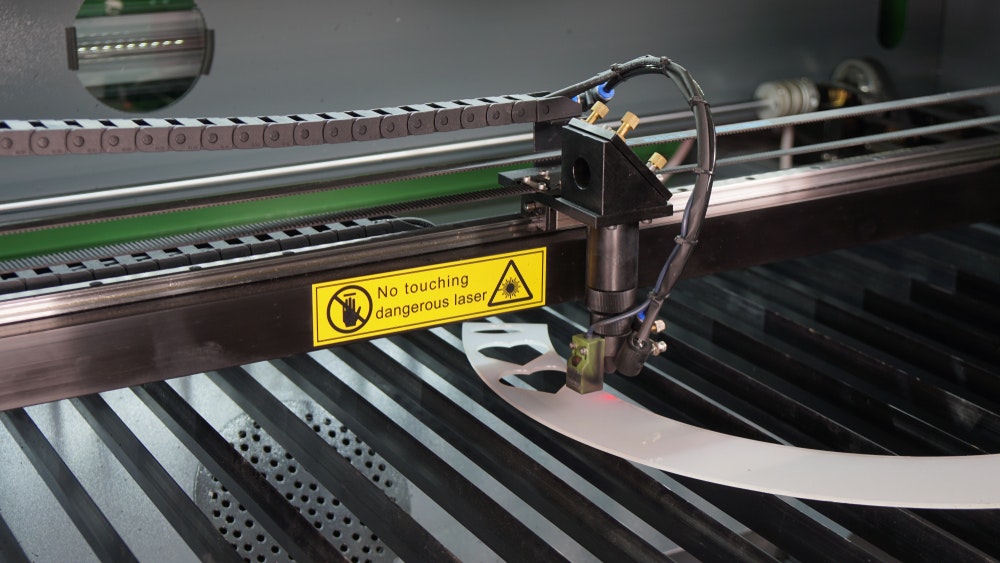
Cutting: Once the design and material are determined, the metal sheets or plates are cut into the required shapes and sizes. Various cutting methods are employed, including laser cutting, plasma cutting, shearing, and sawing.
-
Machining: Precision machining processes like drilling, milling, and turning are used to shape metal parts with intricate details. Computer Numerical Control (CNC) machines are often used to achieve high precision.
-
Forming and Bending: Metal can be formed and bent into desired shapes using techniques such as press braking, roll forming, and stamping. These processes give the metal its final shape and geometry.
-
Welding: Welding is the process of joining metal parts together using heat and pressure. It is essential for creating larger structures and assemblies.
-
Assembly: In this stage, various metal components are assembled to create the final product. This may involve welding, riveting, bolting, or other joining methods.
-
Finishing and Surface Treatment: To enhance the appearance and protect against corrosion, metal products are often finished with surface treatments such as painting, powder coating, plating, or anodizing.
-
Quality Control: Throughout the fabrication process, quality control measures are implemented to ensure that the product meets specified tolerances and standards. This includes inspections, measurements, and testing.
-
Packaging and Shipping: Once the product passes quality control checks, it is packaged securely for transportation to its destination. Proper packaging ensures that the product arrives in pristine condition.
-
Installation: In some cases, metal fabricated components may require on-site installation. This involves assembling the fabricated parts into the final structure or system.
-
Maintenance and Repairs: After installation, regular maintenance and, if necessary, repairs are essential to prolong the life of metal fabricated products and ensure their continued functionality.
Understanding these stages in the metal fabrication process allows businesses and individuals to appreciate the complexity and precision required to produce high-quality metal components and products. It also enables effective communication with metal fabrication professionals when discussing project requirements.
 Common materials used in metal fabrication near me
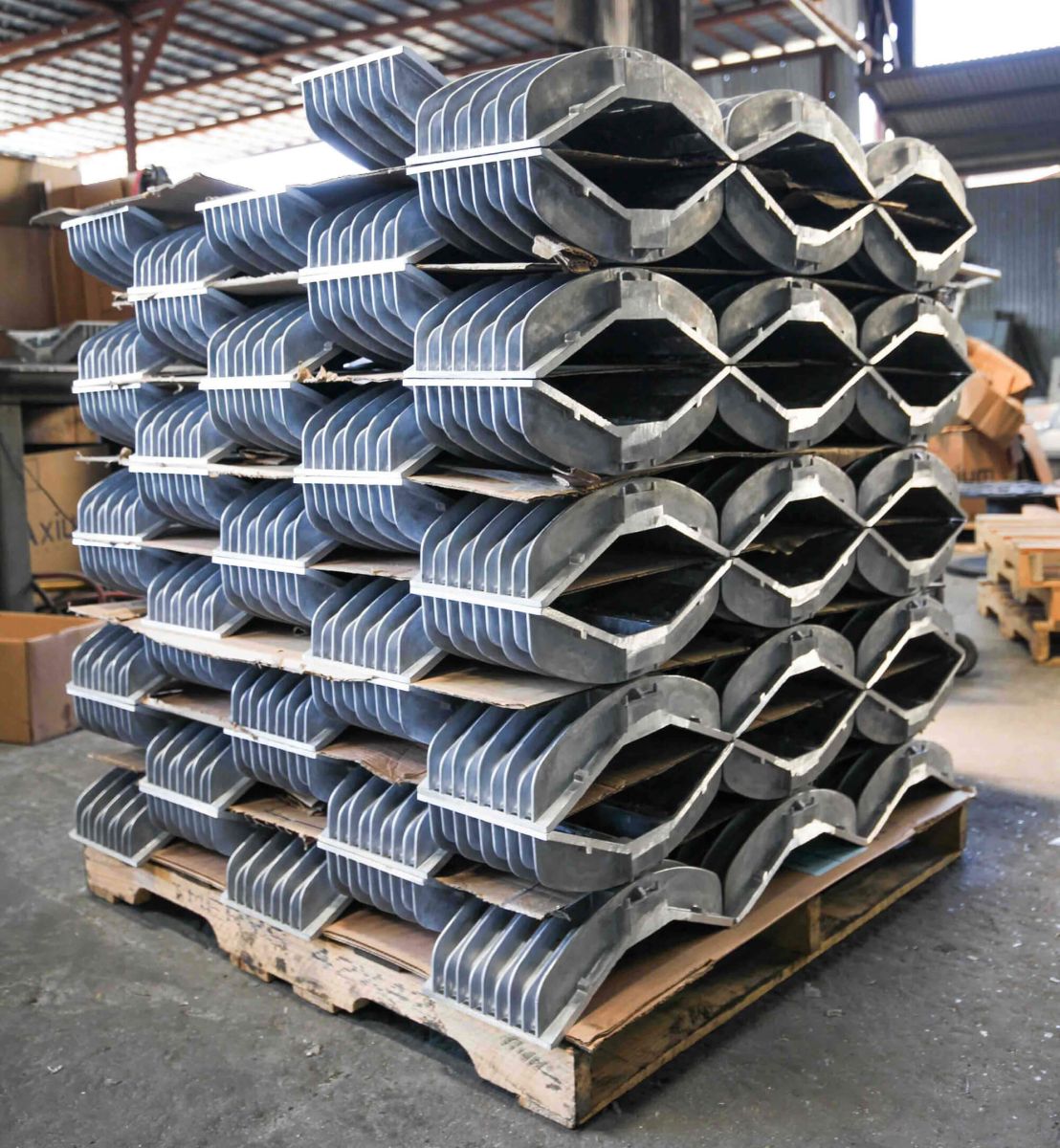
Metal fabrication is a diverse field that works with a wide range of metals and alloys to create various products and components. The choice of material is crucial, as it impacts the performance, appearance, and cost of the final product. Here are some common materials used in metal fabrication:
-
Steel: Steel is one of the most widely used metals in metal fabrication due to its strength, durability, and versatility. It comes in various grades and can be shaped and welded easily, making it suitable for a wide range of applications, from construction to automotive parts.
-
Aluminum: Aluminum is known for its lightweight properties and resistance to corrosion. It's often used in industries where weight is a critical factor, such as aerospace and automotive manufacturing. Aluminum alloys offer enhanced strength and performance.
-
Stainless Steel: Stainless steel is prized for its corrosion resistance and aesthetic appeal. It's commonly used in applications where hygiene and appearance are important, such as kitchen appliances, medical equipment, and architectural elements.
-
Copper: Copper is an excellent conductor of electricity and heat, making it ideal for electrical and plumbing applications. Its attractive reddish-brown color also makes it popular in decorative and artistic metalwork.
-
Brass: Brass is an alloy of copper and zinc, known for its golden appearance. It's often used in decorative and ornamental applications, as well as in musical instruments, plumbing fixtures, and hardware.
-
Bronze: Bronze is an alloy of copper and tin, known for its durability and resistance to corrosion. It has a rich history in art and sculpture and is used in the production of bearings, bushings, and architectural elements.
-
Titanium: Titanium is renowned for its high strength-to-weight ratio, corrosion resistance, and biocompatibility. It finds applications in aerospace, medical implants, and sports equipment.
-
Nickel Alloys: Nickel alloys offer exceptional resistance to corrosion, heat, and wear. They are used in industries like chemical processing, oil and gas, and aerospace, where extreme conditions are common.
-
Cast Iron: Cast iron is valued for its heat retention and castability. It's used in applications like engine blocks, cookware, and industrial machinery.
-
Lead: Lead is known for its density and resistance to radiation, making it suitable for applications in nuclear shielding, batteries, and certain plumbing components.
-
Tungsten: Tungsten is a dense and high-temperature-resistant metal used in the aerospace and electrical industries. It's often employed in the production of aircraft components and electrical contacts.
-
Inconel: Inconel is a family of superalloys known for their high-temperature and corrosion resistance. They are commonly used in extreme environments, such as aerospace, chemical processing, and marine applications.
Choosing the right material for a metal fabrication project depends on factors such as the intended use, environmental conditions, budget, and desired aesthetics. Collaborating with a metal fabrication expert can help you make the best material selection for your specific needs, ensuring the success of your project.
Quality control in metal fabrication near me
Quality control is a critical aspect of the metal fabrication process, ensuring that the final products meet specified standards, tolerances, and performance criteria. Implementing effective quality control measures helps identify and rectify issues early in the production process, resulting in higher-quality and more reliable metal components. Here are some key aspects of quality control in metal fabrication:
-
Inspection and Measurement: Regular inspections and precise measurements are conducted at various stages of fabrication to verify that dimensions, tolerances, and specifications are met. Advanced measuring tools and equipment, including calipers, micrometers, and coordinate measuring machines (CMMs), are used for accuracy.
-
Welding Inspection: Welding is a critical process in metal fabrication, and its quality is paramount. Welding inspections are performed to check for weld defects such as cracks, porosity, and incomplete fusion. Non-destructive testing methods like ultrasonic testing and X-ray inspection may be used for thorough examination.
-
Material Testing: Material properties, such as tensile strength, hardness, and chemical composition, are tested to ensure they meet the required standards. This is particularly important when using specialized alloys or materials with specific performance characteristics.
-
Visual Inspection: Visual inspections are conducted to identify surface imperfections, such as scratches, dents, or blemishes, that may affect the appearance or functionality of the product. Proper surface preparation and finishing are essential for a polished final result.
-
Documentation and Traceability: Maintaining detailed records of materials, processes, and inspections is crucial for traceability and quality assurance. These records help identify potential issues and facilitate recalls or repairs if necessary.
-
Process Control: Monitoring and controlling the various fabrication processes, including cutting, machining, forming, and welding, ensures consistency and accuracy throughout production.
-
Quality Management Systems: Many metal fabrication companies implement quality management systems, such as ISO 9001, to standardize their processes and maintain a commitment to quality.
-
Calibration: Regular calibration of measuring instruments and equipment is essential to ensure accurate measurements and reliable quality control results.
-
Employee Training: Skilled and trained personnel are essential for maintaining quality standards. Employees should be trained in quality control procedures and best practices.
-
Non-Conformance Resolution: When deviations from quality standards are identified, a clear process for addressing and rectifying non-conformances should be in place to prevent defective products from reaching customers.
-
Final Inspection and Testing: Before products are shipped or installed, a final inspection and testing process is conducted to ensure that they meet all specified requirements. This is a crucial step to prevent defects and ensure customer satisfaction.
-
Continuous Improvement: Metal fabrication companies often employ continuous improvement methodologies, such as Six Sigma or Lean Manufacturing, to identify and eliminate inefficiencies and defects in their processes.
Quality control in metal fabrication not only enhances the reliability and performance of fabricated products but also contributes to customer satisfaction and brand reputation. Businesses and individuals seeking metal fabrication services should prioritize working with companies that have robust quality control procedures in place.
.jpg)
Cost considerations in metal fabrication near me
Cost considerations play a significant role in metal fabrication projects, as they impact budgets, profitability, and the overall success of a venture. Understanding the factors that contribute to the cost of metal fabrication can help businesses and individuals make informed decisions and manage their resources effectively. Here are some key cost considerations in metal fabrication:
-
Material Costs: The choice of metal material has a direct impact on costs. Some materials, like stainless steel or titanium, are more expensive than others. Balancing material performance and cost is essential.
-
Labor Costs: Skilled labor is required for various fabrication processes, including cutting, machining, welding, and assembly. Labor costs depend on factors such as wage rates, skill levels, and project complexity.
-
Design Complexity: The complexity of the product design affects fabrication costs. Intricate designs often require more time and precision, increasing labor and machine usage costs.
-
Quantity and Volume: Economies of scale apply in metal fabrication. Larger production runs typically result in lower per-unit costs, as setup and tooling costs are spread over a larger number of parts.
-
Tolerances and Precision: Tighter tolerances and higher precision requirements may necessitate specialized equipment and additional quality control measures, adding to costs.
-
Waste and Material Utilization: Minimizing waste through efficient nesting and material utilization can lead to cost savings. Reducing scrap and optimizing material usage is environmentally responsible and economically beneficial.
-
Finishing and Coating: Applying finishes or coatings, such as paint, powder coating, or plating, can increase the cost of fabrication. These processes add aesthetic value and protect against corrosion.
-
Customization and Special Features: Customized components or special features may require unique tooling or processes, which can increase costs. Balancing customization with budget constraints is crucial.
-
Lead Time and Rush Orders: Expedited projects with shorter lead times often come at a premium price due to increased labor and overtime costs.
-
Location and Logistics: The geographic location of the fabrication facility and the logistics of transporting materials and finished products can impact costs. Proximity to suppliers and customers can be a cost-saving factor.
-
Quality Control and Inspection: Rigorous quality control measures may require additional time and resources, but they contribute to the production of high-quality components and prevent costly rework or recalls.
-
Certifications and Compliance: Meeting industry-specific certifications and regulatory requirements may incur additional costs, but it is essential for compliance and market acceptance.
-
Supplier Relationships: Building long-term relationships with reliable suppliers can lead to cost savings through negotiated pricing and reduced lead times.
-
Environmental Considerations: Sustainable practices, such as recycling and waste reduction, may involve initial costs but can lead to long-term savings and positive brand image.
-
Overhead Costs: Overhead expenses, including facility maintenance, utilities, and administrative costs, are factored into the overall cost of metal fabrication services.
It's essential to work closely with metal fabrication professionals to assess these cost considerations and develop a budget that aligns with your project's goals and requirements. Effective cost management ensures that your project stays on track and delivers value for your investment.
How to find quality metal fabrication services near you
Finding quality metal fabrication services in your local area is crucial for ensuring a successful and efficient project. Whether you need precision components for manufacturing, structural steel for construction, or customized metal products, selecting the right fabrication company can make all the difference. Here are steps to help you find reliable metal fabrication services near you:
-
Define Your Project Needs: Start by clearly defining your project requirements, including materials, design specifications, budget, and timeline. Having a precise understanding of what you need will help you communicate effectively with potential fabricators.
-
Ask for Recommendations: Seek recommendations from colleagues, industry contacts, and business associates who may have experience with local metal fabrication services. Personal referrals often lead to trustworthy options.
-
Online Research: Use search engines, business directories, and social media platforms to identify metal fabrication companies in your area. Pay attention to customer reviews, ratings, and testimonials.
-
Check Industry Associations: Many reputable metal fabrication companies are members of industry associations. Check if there are local chapters or affiliations in your region, as these organizations often maintain lists of certified members.
-
Visit Trade Shows and Expos: Attending trade shows and expos related to your industry can provide an opportunity to meet metal fabrication companies in person and evaluate their capabilities.
-
Local Business Directories: Browse local business directories or use online directories like Yelp, Yellow Pages, or Google My Business to find metal fabrication services in your vicinity.
-
Contact Multiple Fabricators: Reach out to several metal fabrication companies to discuss your project. Inquire about their capabilities, experience, certifications, and references. Be prepared to share project details to receive accurate quotes.
-
Request Quotes and Proposals: Request detailed quotes and proposals from the selected fabricators. Compare pricing, lead times, and any additional services they offer, such as design assistance or finishing options.
-
Visit Facilities: Whenever possible, visit the facilities of shortlisted fabricators. This allows you to assess their equipment, technology, and overall operations. It's also an opportunity to meet the team and discuss your project in person.
-
Check References: Ask for references from previous clients who have completed projects similar to yours. Contact these references to inquire about their experiences with the fabricator's quality, reliability, and customer service.
-
Verify Certifications and Compliance: Ensure that the fabricator holds relevant certifications and complies with industry standards and regulations. This is especially important for projects with specific quality and safety requirements.
-
Review Contracts and Agreements: Carefully review contracts, agreements, and terms of service. Ensure that all project details, timelines, costs, and responsibilities are clearly defined and agreed upon.
-
Communication and Collaboration: Choose a fabricator with whom you can communicate effectively and establish a collaborative working relationship. Good communication is essential throughout the project.
-
Visit Completed Projects: If possible, visit sites where the fabricator has completed projects to assess the quality of their work firsthand.
-
Consider Location: Assess the fabricator's location in relation to your project site. Proximity can simplify logistics and reduce transportation costs.
-
Evaluate Customer Support: Gauge the responsiveness and willingness of the fabricator to provide ongoing customer support, including addressing any issues or changes that may arise during the project.
-
Review Insurance and Liability: Ensure that the fabricator has adequate insurance coverage and liability protection to mitigate risks associated with the project.
By following these steps and conducting thorough research, you can identify quality metal fabrication services in your local area that align with your project's specific needs and goals. A well-chosen fabrication partner can contribute significantly to the success of your project.

Conclusion: The importance of quality metal fabrication services
Quality metal fabrication services play a pivotal role in numerous industries, from manufacturing and construction to aerospace and automotive. Choosing the right metal fabrication company can have a profound impact on the success of your projects and the overall quality of your products. In conclusion, let's recap the key takeaways regarding the importance of quality metal fabrication services:
-
Precision and Expertise: Professional metal fabrication services offer precision and expertise in shaping and forming metal materials. Skilled craftsmen and advanced machinery ensure accuracy in every project.
-
Customization and Versatility: Quality fabricators can tailor their services to meet your unique project requirements. They offer customization options, allowing you to achieve the desired design and functionality.
-
Cost Efficiency: Contrary to misconceptions, outsourcing metal fabrication to experts can lead to cost savings. Efficient processes, reduced waste, and minimized errors help lower production costs.
-
Timely Delivery: Metal fabrication companies are equipped to handle projects efficiently and meet deadlines. Their streamlined processes and specialized equipment enable on-time delivery.
-
Quality Assurance: Reputable fabricators prioritize quality control measures, ensuring that final products meet industry standards and comply with specific regulations. This reduces the risk of defects and recalls.
-
Material Selection: Fabricators have access to a wide range of materials, including specialized alloys, enabling them to provide solutions for various industries and applications.
-
Technical Advancements: Metal fabrication experts stay up-to-date with the latest advancements in techniques and technology, ensuring your projects benefit from the most innovative methods available.
-
Safety Compliance: Adherence to safety regulations is a top priority in metal fabrication, minimizing the risk of accidents and injuries.
-
Scalability: Fabricators can scale their services to meet your project's demands, whether it's small-scale production or large-scale manufacturing.
-
Long-term Partnerships: Building a relationship with a reputable metal fabrication company can result in long-term partnerships, offering ongoing support, cost savings, and consistent quality for your projects.
In essence, quality metal fabrication services contribute to the production of high-quality, reliable, and cost-effective metal components and products. By choosing the right fabricator and collaborating effectively, businesses and individuals can harness the full potential of metal fabrication to meet their project objectives and achieve success in their respective industries.
.jpg)
1. FAQ: What Are the Key Metal Fabrication Services Offered by YICHOU?
Keywords: Metal Fabrication Services, YICHOU Services, Custom Metal Parts
Answer: YICHOU takes immense pride in offering an extensive array of metal fabrication services designed to cater to the multifaceted needs of various industries. Our commitment to excellence extends to every facet of the metalworking process, ensuring that our clients receive tailored solutions of the highest quality.
At the heart of our services lies precision cutting and shearing. These foundational processes set the stage for the entire fabrication journey. Utilizing advanced machinery and cutting-edge technology, our skilled craftsmen meticulously shape metal sheets and plates into the desired shapes and sizes. This initial step is not merely a mechanical routine; it's an art form where each cut represents our dedication to perfection.
Machining, another cornerstone of YICHOU's services, is where raw materials truly transform into intricately detailed parts. Our state-of-the-art CNC machines are harnessed to perform drilling, milling, turning, and more, ensuring that even the most complex geometries are achieved with unparalleled accuracy. We understand that precision is paramount in industries like aerospace and healthcare, and we embrace the challenge of meeting these exacting standards.
But our services don't stop at machining. Welding, the art of merging metals through heat and pressure, plays a pivotal role in creating structural integrity. YICHOU's welding experts wield their expertise to join components seamlessly, whether it's for constructing massive industrial frameworks or delicate precision instruments.
Forming and bending come into play when clients require metal to conform to specific contours and shapes. Our craftsmen utilize techniques such as press braking, roll forming, and stamping to ensure that metal bends to their will, ultimately realizing the most intricate and unique designs.
The assembly phase is where the pieces of the puzzle come together. Whether through welding, riveting, or fastening, our assembly process is characterized by meticulous attention to detail. This phase ensures that each component harmoniously fits into the larger whole, achieving both functionality and aesthetics.
And as we venture toward the final stages, finishing and coating elevate the appearance and durability of our products. Our repertoire encompasses a variety of surface treatments, from classic painting to cutting-edge powder coating and plating. These techniques not only enhance the visual appeal but also bolster the resistance of our products to the rigors of their respective environments.
In every step of our fabrication process, quality control is embedded. Our commitment to quality assurance is unwavering, and it's reflected in our stringent inspection protocols. We scrutinize every detail to ensure that each product leaving our facilities aligns with industry standards and surpasses our clients' expectations.
In summary, YICHOU's metal fabrication services encompass precision cutting, machining, welding, forming, assembly, and finishing, all underpinned by rigorous quality control. We bring artistry, expertise, and a relentless pursuit of excellence to each project, delivering custom metal parts that are a testament to our commitment to perfection.
.jpg)
2. FAQ: How Does YICHOU Ensure Quality Control in Metal Fabrication?
Keywords: Quality Control, Metal Fabrication Quality, YICHOU Quality Assurance
Answer: Quality control is not just a phase in the metal fabrication process at YICHOU; it's an integral part of our DNA. We understand that the success of our clients' projects hinges on the precision, reliability, and consistency of the parts we produce. As such, we've woven quality control measures into the fabric of our operations, ensuring that every step adheres to rigorous standards.
Our quality control journey commences with meticulous inspections and precise measurements. These assessments begin right at the outset of a project and continue through each stage of fabrication. We employ advanced measuring tools and cutting-edge technology, including calipers, micrometers, and Coordinate Measuring Machines (CMMs), to guarantee accuracy down to the minutest detail.
Welding, a pivotal process in metal fabrication, undergoes intensive scrutiny. Our welding inspections leave no room for error, employing non-destructive testing methods like ultrasonic testing and X-ray inspection to identify and rectify weld defects such as cracks, porosity, and incomplete fusion. This rigorous approach ensures that the structural integrity of the welded components is beyond reproach.
Material testing forms another cornerstone of our quality control regimen. We subject materials to exhaustive examinations, evaluating properties such as tensile strength, hardness, and chemical composition. This comprehensive assessment guarantees that the materials utilized in our projects align with the specified standards, whether we're dealing with standard metals or specialized alloys.
Visual inspections are conducted with the same unwavering dedication to detail. Surface imperfections, no matter how minor, are identified and addressed to guarantee not only functionality but also impeccable aesthetics. We understand that first impressions matter, and our visual inspections ensure that our products are visually flawless.
Documentation and traceability are integral to our quality control philosophy. We maintain comprehensive records of materials, processes, and inspections. This meticulous documentation ensures that our projects are transparent, accountable, and ready to meet the highest levels of scrutiny. It also facilitates rapid response and resolution in the rare event of an issue.
Process control is central to maintaining consistency. We closely monitor and control various fabrication processes, including cutting, machining, welding, and assembly, ensuring that each stage adheres to predefined standards. By minimizing variations and deviations, we ensure that the end products meet our clients' specifications with unwavering precision.
The pursuit of quality extends to our personnel. YICHOU invests heavily in employee training, ensuring that our team is well-versed in quality control procedures and best practices. Our skilled workforce is our greatest asset in upholding quality standards throughout the fabrication process.
Non-conformance, when it arises, is swiftly and systematically addressed. Our robust procedures for identifying and rectifying deviations from quality standards guarantee that defective products do not leave our facilities. This proactive approach mitigates the need for costly rework or recalls, safeguarding both our reputation and our clients' interests.
In conclusion, quality control at YICHOU is a holistic commitment. It encompasses inspections, precise measurements, material testing, welding scrutiny, documentation, process control, employee training, and non-conformance resolution. By weaving these elements into the very essence of our operations, we guarantee that the products bearing our name are nothing short of exceptional.
GET QUOTE
- Visit our website: https://www.nbyichou.com/
- Email us: [email protected]
- Call us/whatsapp: +86 13355741031
- Chat with us: Live chat support available on our website