In the realm of industrial manufacturing, equipment lifespan and failure rate constitute the two most critical metrics in procurement decision-making. The service cycle of a chemical reactor, a deep-sea valve, or a set of gas turbine blades directly determines the operational availability of a production line and the associated maintenance costs. When conventional stainless steel undergoes rapid failure under conditions of elevated temperature, high pressure, or aggressive corrosive media, nickel-based alloys are increasingly becoming the fallback selection for a growing number of chief engineers and procurement directors.
This assertion is not marketing rhetoric but rather a fundamental principle of materials science. Nickel-based alloys utilize nickel as the primary constituent, with nickel content typically exceeding fifty percent by weight. Through the strategic addition of alloying elements such as chromium, molybdenum, copper, and niobium, a distinctive array of physicochemical properties is established. The material possesses a high melting point and structural stability, enabling it to retain strength and oxidation resistance in service environments exceeding seven hundred degrees Celsius. Concurrently, it demonstrates exceptional resistance to corrosion in aggressive media, including alkaline solutions, seawater, and hydrofluoric acid.
The pertinent question thus arises: By what precise mechanisms do nickel-based alloys achieve an order-of-magnitude enhancement in equipment longevity? Can their core advantages withstand rigorous scrutiny in engineering practice? Furthermore, which critical considerations are frequently overlooked during the procurement decision-making process? This discourse will deconstruct the substantive value proposition of nickel-based alloys across three dimensions—material mechanisms, engineering applications, and procurement strategy—while simultaneously furnishing actionable guidance for material selection.
I. Why Have Nickel-Based Alloys Become the Fallback Material for Extreme Operating Conditions?
Prior to addressing this inquiry, it is essential to comprehend a foundational concept: Material failure fundamentally represents an irreversible chemical reaction or physical deformation occurring at the interface between the material and its surrounding environment. Conventional stainless steel performs satisfactorily in ambient-temperature, neutral environments due to the formation of a passive chromium oxide film that isolates the substrate from corrosive media. However, should temperature increase, pH levels fluctuate, or chloride ion concentration escalate, this passive film undergoes rupture or dissolution, thereby exposing the substrate directly and precipitating a marked acceleration in corrosion rate.
The preeminence of nickel-based alloys resides in their capacity to sustain the stability of the surface passive film across a substantially broader temperature spectrum and within more complex media compositions. The element nickel exhibits intrinsic inertness toward alkaline media, while the incorporation of chromium and molybdenum further augments the compactness and self-repair capabilities of the passive layer. More critically, the crystalline structure of nickel-based alloys resists significant phase transformation or grain coarsening at elevated temperatures, signifying an absence of mechanical property degradation attributable to microstructural evolution during prolonged service exposure.
This inherent characteristic endows nickel-based alloys with irreplaceable competitive advantages across three distinct vectors.
Advantage One: Elevated Temperature Strength and Creep Rupture Resistance
Creep denotes the phenomenon wherein metallic materials undergo progressive plastic deformation over time under the combined influence of high temperature and sustained stress. For components such as gas turbine blades, nuclear reactor structural internals, and high-temperature, high-pressure piping systems, creep constitutes the principal mechanism responsible for dimensional instability and ultimate failure.
Nickel-based alloys counteract creep through two primary strengthening mechanisms: solid-solution strengthening and precipitation hardening. Inconel 718, for instance, incorporates niobium additions to facilitate the precipitation of the gamma double-prime strengthening phase during aging heat treatment, thereby imparting exceptionally high yield strength and creep resistance at service temperatures up to six hundred fifty degrees Celsius. Meanwhile, Haynes 282 alloy has been specifically engineered for supercritical carbon dioxide environments exceeding seven hundred degrees Celsius, with its one hundred thousand hour creep rupture life data having undergone independent validation by accredited research institutions.
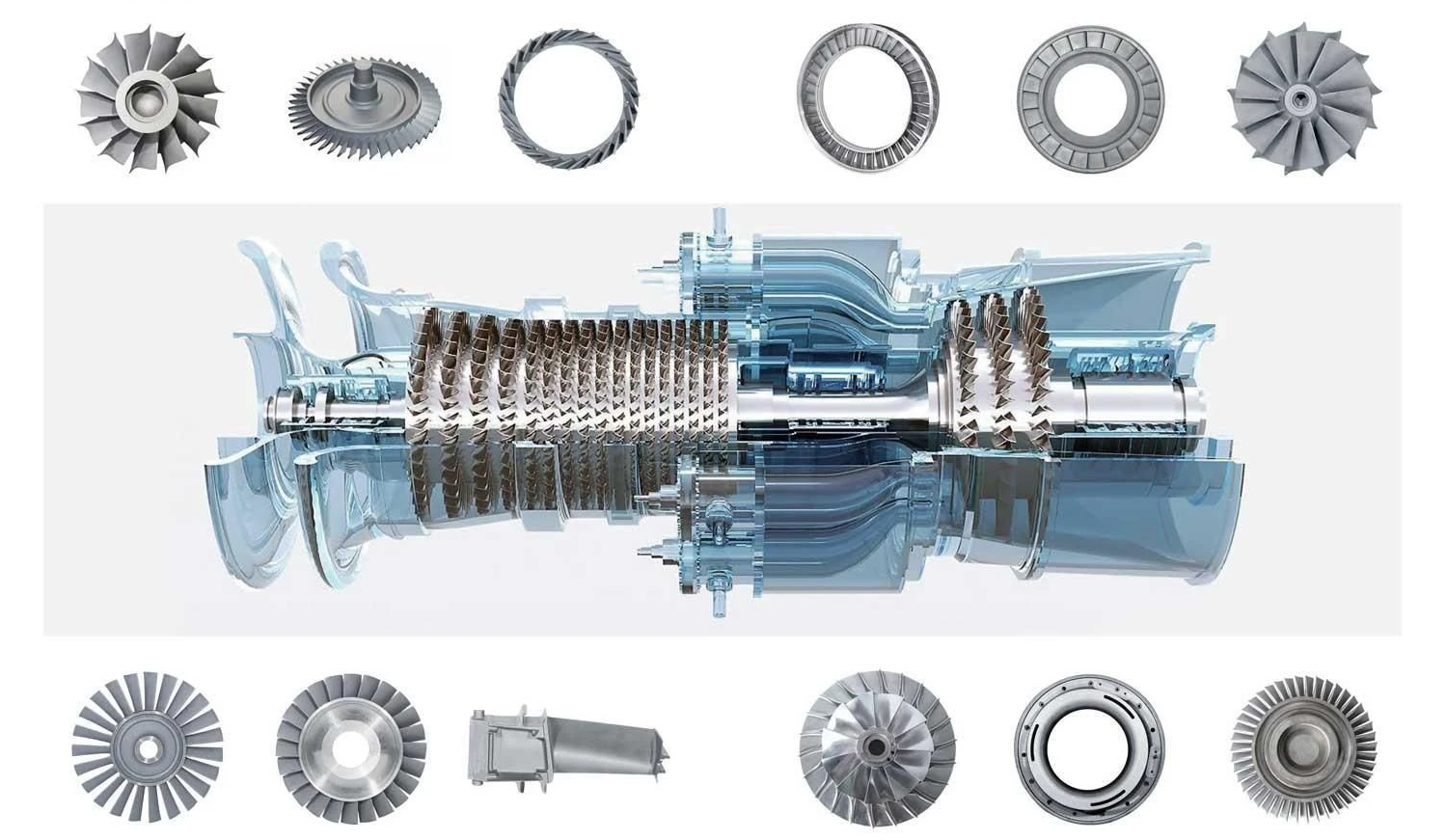
Translated into engineering parlance, this signifies that under identical high-temperature, high-pressure service conditions, the design life of a nickel-based alloy component can exceed that of conventional stainless steel by a factor of five to ten. This is not a theoretical extrapolation derived from laboratory experimentation but rather an engineering conclusion substantiated by tens of thousands of hours of actual operational service. The application of a hot-corrosion-resistant nickel-based superalloy developed by the Institute of Metal Research, Chinese Academy of Sciences, in the Taihang 110 heavy-duty gas turbine serves as an exemplary case. Both the first through fourth stage turbine nozzles and blades were manufactured from nickel-based superalloys, with a single unit accumulating over seven thousand hours of operation while demonstrating exceptional high-temperature durability and long-term microstructural stability.
Advantage Two: Resistance to Severe Corrosion and Stress Corrosion Cracking
If elevated temperature challenges the strength threshold of a material, then aggressive corrosive environments assess the material's capacity to withstand chemical attack. Within the petroleum refining, hydrometallurgy, flue gas desulfurization, and seawater desalination sectors, equipment is routinely subjected to prolonged exposure to highly corrosive media, including hydrochloric acid, sulfuric acid, hydrofluoric acid, and chloride-laden solutions.
The Hastelloy alloy family constitutes the representative material class for addressing such operating conditions. Consider Hastelloy C-276, a nickel-chromium-molybdenum alloy containing approximately sixteen percent chromium and sixteen percent molybdenum. These two elements respectively confer resistance to oxidizing media and reducing media corrosion, while synergistically combating pitting and crevice corrosion. In a sodium chloride and phosphoric acid solution maintained at ninety-five degrees Celsius, the corrosion resistance of C-276 markedly surpasses that of conventional super austenitic stainless steels.
Of even greater significance is the alloy's resistance to stress corrosion cracking. Stress corrosion represents low-stress brittle fracture occurring under the synergistic influence of tensile stress and a specific corrosive medium. Characterized by its sudden onset and latent nature, it constitutes one of the most hazardous failure modes for chemical process equipment. Owing to their face-centered cubic crystal structure and superior passivation capability, nickel-based alloys exhibit stress corrosion cracking resistance in chloride-containing environments that substantially exceeds that of austenitic stainless steels. Inconel 690, through an elevation of chromium content to approximately thirty percent, demonstrates outstanding resistance to both intergranular corrosion and stress corrosion cracking in critical applications such as nuclear steam generator tubing.
Advantage Three: Maturity of Processing Technology and Customization Capabilities
Superior material properties hold limited engineering value if the material cannot be fabricated into components conforming to design specifications. While early-generation nickel-based alloys indeed presented considerable challenges in terms of machinability and weldability, decades of process refinement have yielded well-established protocols for cold and hot working, welding, and heat treatment across mainstream nickel-based alloy grades.
Hastelloy C-276, for example, retains the corrosion resistance of the weld zone without necessitating post-weld solution heat treatment—a characteristic that substantially mitigates the complexity and cost associated with field fabrication. Haynes 282 alloy can even be welded while in the age-hardened condition, a capability of considerable engineering significance for the joining and field repair of previously hardened components.
From a procurement perspective, this signifies that the supply chain for nickel-based alloy components has attained a sufficient degree of maturity. Whether the requirement entails castings, forged bar stock, hot-extruded profiles, or precision-machined finished parts, comprehensive delivery can be realized through suppliers possessing vertically integrated manufacturing capabilities spanning the entire production sequence. For non-standard, custom-engineered components of complex geometry, professional manufacturers can execute the complete value chain—from material selection and process design through final machining and inspection—provided that engineering drawings and technical specifications are furnished.
II. Detailed Examination of Three Principal Nickel-Based Alloy Systems: Precision Material Selection Based on Service Conditions
Having elucidated the core advantages of nickel-based alloys, the subsequent challenge pertains to navigating the marketplace, wherein dozens of alloy designations exist. How does one render an optimal selection predicated upon actual operating conditions? An erroneous grade selection not only squanders procurement expenditure but may precipitate premature equipment failure, thereby incurring substantially greater economic detriment.
From the perspective of compositional architecture and functional orientation, the predominant corrosion-resistant nickel-based alloys can be categorized into three principal families: Monel alloys, Hastelloy alloys, and Inconel alloys. These three families exhibit distinct differentiations in core composition, performance emphasis, and typical application scenarios. Comprehending these distinctions constitutes the foundational prerequisite for precision material selection.
Monel Alloys: The Preferred Material for Marine Engineering and Reducing Media
The core composition of Monel alloys is defined by the nickel-copper binary system. The archetypal grade, Monel 400, contains approximately sixty-seven percent nickel and thirty percent copper. This distinctive nickel-copper combination imparts two cardinal capabilities: exceptional resistance to seawater corrosion and tolerance toward reducing media such as hydrofluoric acid.
In marine environments, Monel 400 exhibits resistance to both impingement corrosion and cavitation erosion induced by high-velocity seawater flow, while demonstrating near-immunity to chloride-induced stress corrosion cracking. Fasteners for subsea oil pipelines in the North Sea and select equipment and systems aboard the French aircraft carrier Charles de Gaulle have employed Monel alloys. Monel K-500 incorporates additions of aluminum and titanium to the 400-series base composition, enabling an approximate doubling or tripling of strength through precipitation hardening. This renders the alloy particularly suitable for pump shafts, valve stems, and fasteners requiring a combination of corrosion resistance and elevated mechanical strength.
Material Selection Guidance: Should equipment necessitate prolonged contact with seawater, brine, hydrofluoric acid, or concentrated alkaline solutions, Monel alloys represent the preferred option. However, it is imperative to recognize that the Monel series exhibits limited tolerance toward oxidizing media and should not be specified for service involving nitric acid or oxygenated high-temperature environments.
Hastelloy Alloys: The Ultimate Defense Against Extreme Corrosion
If Monel alloys constitute specialists for marine environments, then Hastelloy alloys represent the versatile generalists within the chemical corrosion arena. The core compositional framework of Hastelloy alloys resides in the nickel-chromium-molybdenum or nickel-molybdenum systems, wherein elevated molybdenum and chromium content engenders superlative resistance to both uniform corrosion and localized corrosion phenomena.
Hastelloy B-2 belongs to the nickel-molybdenum classification, containing approximately twenty-eight percent molybdenum and virtually no chromium. It is specifically engineered to withstand reducing acids, most notably hydrochloric acid, and is regarded as the benchmark material for hydrochloric acid service. Its limitation, however, is equally explicit: it is precluded from use in oxidizing environments, as the mere presence of trace oxidants will precipitate a precipitous escalation in corrosion rate.
Hastelloy C-276 and C-22, conversely, fall within the nickel-chromium-molybdenum classification, affording simultaneous resistance to both reducing and oxidizing conditions. C-276 stands as the most renowned general-purpose corrosion-resistant alloy, finding extensive application in flue gas desulfurization systems, chemical reactors, and pharmaceutical manufacturing equipment. C-22 elevates chromium content to approximately twenty-two percent, further enhancing resistance to oxidizing media and localized corrosion. C-2000, representing a more recent advancement, incorporates copper additions and exhibits premier corrosion resistance across both oxidizing and reducing regimes.
Material Selection Guidance: When service conditions entail exposure to mixed acids, chloride-contaminated acidic solutions, or complex media characterized by alternating oxidizing and reducing potentials, Hastelloy alloys serve as the definitive fallback selection. Procurement must carefully delineate the applicable boundaries between the B-series and C-series, with strict avoidance of B-series application in oxidizing environments.
Inconel Alloys: The Optimal Equilibrium Between High-Temperature Strength and Corrosion Resistance
The core composition of Inconel alloys resides in the nickel-chromium or nickel-chromium-iron systems. Through mechanisms of solid-solution strengthening or precipitation hardening, these alloys attain exceptional high-temperature mechanical properties while concurrently preserving commendable corrosion resistance. They represent the material of choice for elevated-temperature structural components and applications requiring an optimal balance between corrosion resistance and mechanical integrity.
Inconel 600 constitutes the archetypal solid-solution strengthened grade, containing approximately fifteen percent chromium. It forms a stable, protective chromium oxide film at elevated temperatures while concurrently exhibiting resistance to alkaline corrosion. Inconel 625 builds upon the 600-series foundation through additions of molybdenum and niobium, thereby substantially enhancing resistance to pitting and crevice corrosion, while also demonstrating excellent weldability—attributes that have earned it the designation of a general-purpose corrosion-resistant alloy. Inconel 718 is the most extensively deployed precipitation-hardenable superalloy, deriving exceptional strength and creep resistance up to six hundred fifty degrees Celsius from the precipitation of the gamma double-prime strengthening phase during aging. It serves as the benchmark material for aircraft engine turbine disks and gas turbine blades.
Material Selection Guidance: In scenarios demanding prolonged service in high-temperature oxidizing or hot-corrosion environments, coupled with stringent mechanical property requirements, Inconel alloys represent the most well-balanced selection. Precipitation-hardenable grades necessitating heat treatment must be processed in strict accordance with established procedural specifications to avert performance nonconformance attributable to improper thermal processing.
Four Pivotal Considerations for Material Selection Decision-Making
In the context of actual procurement activities, it is recommended to navigate grade selection according to the following logical framework:
First, what constitutes the precise media composition? Clearly define the chemical species, concentration, and temperature range to which the equipment will be subjected. This information forms the primary basis for material selection. Hydrochloric acid service generally warrants consideration of Hastelloy B-series or C-series grades; seawater environments favor Monel alloys; oxidizing acids such as nitric acid necessitate evaluation of Inconel series alloys.
Second, what is the anticipated operating temperature? Elevated-temperature service demands assessment not only of corrosion resistance but also of high-temperature strength and creep resistance. Applications exceeding seven hundred degrees Celsius typically necessitate the specification of precipitation-hardened nickel-based alloys or specialized cast superalloy grades.
Third, does a risk of localized corrosion exist? Pitting, crevice corrosion, intergranular corrosion, and stress corrosion cracking represent failure mechanisms that must be evaluated during nickel-based alloy selection. Environments containing chloride ions necessitate careful consideration of the material's Pitting Resistance Equivalent Number. Welded fabrications require assessment of intergranular corrosion resistance in the as-welded condition.
Fourth, is the selected grade compatible with requisite manufacturing processes? Significant variations exist among grades concerning heat treatment procedures, welding characteristics, and machining behavior. Confirmation of supplier capability and process expertise pertaining to the designated alloy grade should be secured during the material selection phase itself.
III. Four Critical Evaluation Dimensions for Procuring Nickel-Based Alloy Components
Material selection constitutes merely the initial step. For procurement personnel, the ability to evaluate supplier delivery capability and product quality exerts commensurate influence upon ultimate project outcomes. Given the substantial unit cost of nickel-based alloys, a single quality incident involving a production batch can engender losses ranging from hundreds of thousands to millions in monetary value.
Dimension One: Raw Material Provenance and Compositional Control
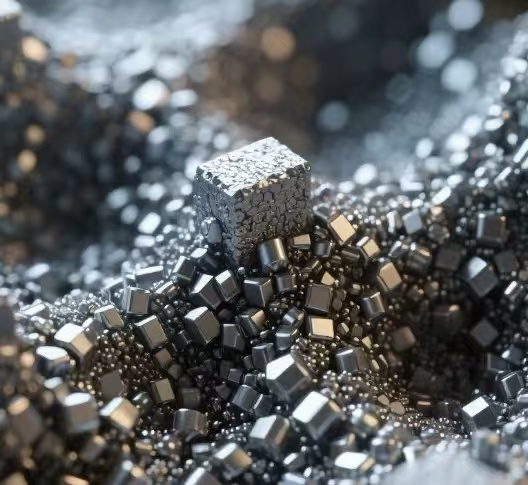
The performance characteristics of nickel-based alloys exhibit pronounced dependence upon precise control of chemical composition. Minor deviations in principal element concentrations, exceedances of impurity element thresholds, or uncontrolled residual element content can precipitate marked deterioration in corrosion resistance or mechanical integrity.
Reputable suppliers furnish comprehensive material test reports that explicitly delineate heat numbers, measured chemical composition values, and melting practice details. For critical applications, third-party inspection certifications encompassing spectrographic analysis and gas content determination may be mandated. Manufacturers possessing vacuum induction melting and electroslag remelting infrastructure typically deliver materials exhibiting superior cleanliness and enhanced compositional homogeneity.
A frequently overlooked detail pertains to potential variations in compositional ranges for an ostensibly identical grade across disparate standard frameworks. Procurement specifications must unambiguously cite applicable standards to preclude performance discrepancies arising from misalignment of normative references.
Dimension Two: Process Capability and Equipment Configuration
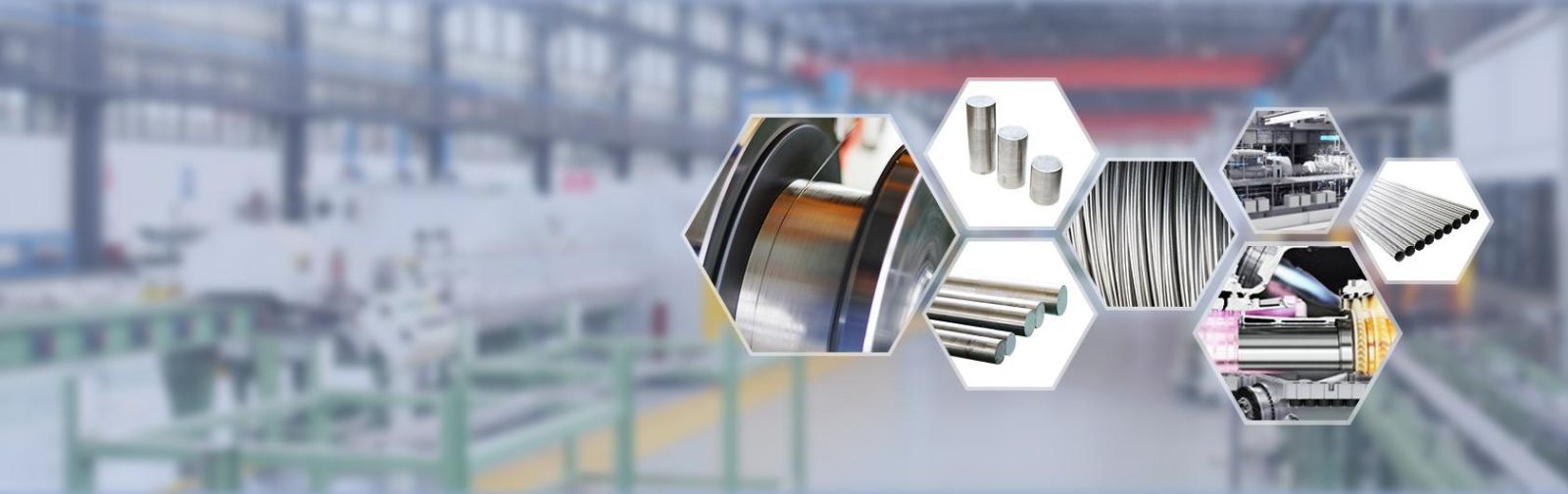
The forming processes applicable to nickel-based alloys encompass forging, casting, hot extrusion, and ring rolling, among others. Distinct forming methodologies yield correspondingly distinct microstructural conditions and performance characteristics. Whether a supplier possesses vertically integrated manufacturing capability—from melting through finished product—exerts direct influence upon product quality consistency and delivery reliability.
Forging operations necessitate meticulous attention to forging reduction ratio and temperature control. Adequate forging reduction facilitates elimination of as-cast porosity and segregation, fostering a homogeneous, fine-grained microstructure. The forging temperature window for Hastelloy and Inconel alloys is comparatively narrow; excessive temperatures induce grain coarsening or incipient melting, while insufficient temperatures may precipitate cracking.
Heat treatment constitutes the operation of paramount importance in determining the ultimate properties of precipitation-hardenable nickel-based alloys. The temperature and duration of solution annealing, as well as the thermal profile and soak times associated with aging treatments, must adhere scrupulously to the prescribed procedural specifications for the respective grade. Suppliers should possess heat treatment furnaces equipped for precise temperature regulation and maintain comprehensive process documentation.
Dimension Three: Inspection Capability and Quality Assurance
Verification of nickel-based alloy component quality necessitates specialized inspection methodologies. Chemical analysis and mechanical testing represent baseline requirements. Pressure-retaining components and rotating elements additionally mandate nondestructive examination, inclusive of ultrasonic testing and liquid penetrant inspection.
Corrosion testing constitutes a quality verification discipline unique to nickel-based alloys. Intergranular corrosion testing adheres to ASTM A262 standards; pitting corrosion testing follows ASTM G48 protocols; and stress corrosion cracking evaluation conforms to NACE TM-0177 methodologies. These test procedures generally require execution by laboratories possessing the requisite accreditations.
During supplier evaluation, focused attention should be directed toward the comprehensiveness of the inspection infrastructure. Is inspection conducted in-house within a captive laboratory, or is it subcontracted to external third parties? Do inspection reports possess the requisite traceability? For export-oriented projects, do inspection standards align with prevailing international norms? The responses to these inquiries furnish direct insight into a supplier's quality management maturity.
Dimension Four: Lead Time and Post-Sale Responsiveness
The production cycle for nickel-based alloy components typically exceeds that associated with conventional materials. Raw material procurement, ingot breakdown forging, rough machining, heat treatment, finish machining, and inspection—each sequential step demands adequate processing time. Compressing lead times in response to urgent orders frequently occurs at the expense of quality.
Established suppliers maintain raw material inventories of frequently utilized grades and dimensions, thereby enabling expeditious response to emergent requirements. Furthermore, drawing review and material selection inquiries should elicit definitive feedback—inclusive of feasibility assessment, preliminary quotation, and estimated delivery timeline—within a twenty-four to forty-eight hour window.
The dimension of post-sale support warrants equal consideration. In the event of a quality dispute, does the supplier possess failure analysis competency? Is proficient technical support accessible? These qualitative attributes frequently carry greater weight in the context of long-term collaborative relationships than marginal disparities in pricing.
IV. The Core Value Proposition of Integrated, Single-Source Customization Services
For original equipment manufacturers and end users alike, procurement of nickel-based alloy components frequently entails a multi-stage sequence: material selection justification, raw material acquisition, forming operations, heat treatment, finish machining, surface treatment, and final inspection. Dispersing these interconnected activities across multiple suppliers not only incurs elevated coordination overhead but also engenders ambiguity in the delineation of quality responsibility.
The value proposition of integrated, single-source customization services resides precisely in addressing this fragmentation. Commencing with the receipt of customer-supplied engineering drawings and technical specifications, the supplier assumes responsibility for executing the comprehensive workflow, encompassing material selection recommendations, process plan formulation, manufacturing execution, and compilation of inspection documentation. The customer maintains a singular point of interface and receives finished or semi-finished components that have undergone verification and acceptance.
The advantages inherent in this model manifest across three distinct tiers.
From an efficiency standpoint, the model eliminates interface losses arising from coordination among disparate suppliers. Raw material, upon receipt, proceeds directly into forging or machining operations without necessitating intermediate transfer or redundant inspection. When technical issues arise within a particular process step, resolution occurs through internal coordination rather than inter-enterprise dispute.
From a quality perspective, end-to-end traceability is realized. From the procurement of nickel units or revert material through finished product shipment, every production batch is associated with documented records encompassing heat numbers, process parameters for each operational step, and results from every inspection point. In the event of a quality anomaly, rapid identification of the problematic process step and implementation of corrective action are facilitated.
From a cost perspective, markups associated with intermediary transactions and redundant logistical expenditures are eliminated. Under a direct manufacturer supply model, the procurement cost borne by the customer more closely approximates the intrinsic value of the material rather than a market quotation inflated by successive layers of distribution margin.
V. The Differentiated Advantages of YICHOU: Streamlining Professional Material Selection
Within the specialized domain of nickel-based alloy component customization, YICHOU is dedicated to serving as the most reliable manufacturing partner for its clientele. We function not as a trading entity but rather as a comprehensive manufacturer, exercising control over the entire production sequence from raw material sourcing through finished component realization. This structural distinction signifies that we assume undivided responsibility for the quality of our products.
Integrated customization capability encompasses the complete production cycle. Commencing with material selection consultation and drawing evaluation, our technical team assists customers in identifying the nickel-based alloy grade optimally suited to the specific service environment, thereby averting both over-engineering and material under-specification. Forging operations, CNC precision machining, heat treatment, and surface finishing are all executed within captive or closely affiliated facilities, ensuring seamless process integration and consistent quality outcomes.
Precision and traceability constitute the standards to which we adhere. Our precision CNC machining centers are capable of satisfying dimensional tolerances measured in microns. Each product batch is accompanied by comprehensive material test reports and dimensional inspection records. For export projects and critical equipment applications, we furnish inspection documentation conforming to ASTM, API, NACE, and other internationally recognized standards.
Delivery schedules are maintained with consistency, and post-sale responsiveness is expeditious. We fully comprehend the financial ramifications of equipment downtime for our customers and therefore prioritize the safeguarding of committed delivery dates within our production scheduling framework. In the realm of post-sale support, our engineering personnel are capable of responding to technical inquiries within twenty-four hours and can furnish on-site assistance when circumstances warrant.
Our quality commitments are substantiated by an accredited systems framework. YICHOU has secured ISO 9001 quality management system certification. Our product portfolio encompasses bar stock, forgings, flanges, and custom-configured components spanning the principal nickel-based alloy families, including Hastelloy, Inconel, and Monel grades. The sectors served include petrochemical processing, marine engineering, energy equipment, aerospace, and various other high-technology manufacturing verticals.
Should you possess engineering drawings for nickel-based alloy components requiring fabrication, or if you are presently evaluating material alternatives for a particularly demanding service environment, we invite you to transmit your drawings or technical specifications to our attention. Our technical team will furnish material selection guidance, process feasibility analysis, and a preliminary cost estimate within forty-eight hours. A single, informed material selection consultation possesses the potential to avert tens of thousands in maintenance expenditures and incalculable losses attributable to unplanned equipment outages.
Frequently Asked Questions
What is the fundamental distinction between nickel-based alloys and stainless steel?
Nickel-based alloys typically contain nickel in excess of fifty percent by weight and possess a stable face-centered cubic crystal structure. They exhibit substantially greater microstructural stability and passivation capability in high-temperature and corrosive environments compared to stainless steel. Stainless steel, by contrast, is iron-based, with nickel content generally remaining below twenty percent; its passive film is considerably more susceptible to failure under extreme operating conditions.
How should one select between Hastelloy C-276 and C-22?
C-276 is a versatile, general-purpose corrosion-resistant alloy exhibiting commendable performance across a broad spectrum of both reducing and oxidizing environments. C-22, possessing a higher chromium content, offers enhanced resistance to strongly oxidizing media and localized corrosion in chloride-bearing solutions. If the service environment is dominated by oxidizing acids or solutions containing high-valence metal ions, C-22 warrants preferential consideration. If the media composition is complex or ill-defined, C-276 represents a more conservative and generally reliable selection.
What is the typical lead time for nickel-based alloy components?
Lead times are contingent upon component complexity and the specific alloy grade. Conventional bar stock and simple forged configurations generally require two to four weeks. Complex components involving precision machining operations typically necessitate four to eight weeks. Precipitation-hardenable grades, owing to the requirement for multiple thermal processing cycles, entail correspondingly extended lead times. Expedited production scheduling may be accommodated in cases of exigent need.
Can YICHOU fabricate custom, non-standard components based on customer-supplied drawings?
Affirmative. We accept a broad spectrum of non-standard customization requirements, including irregularly shaped forgings, intricately configured machined components, and precision rolled rings. Submission of two-dimensional engineering drawings or three-dimensional digital models suffices to initiate our process evaluation and manufacturing planning.
How does one assess the reliability of a supplier when procuring nickel-based alloy components?
Evaluation is recommended across three primary dimensions: possession of vertically integrated manufacturing capability spanning raw material to finished product; availability of a comprehensive inspection infrastructure and a robust quality traceability framework; and verifiable supply history within the targeted application sector. Furthermore, the degree of technical acumen and promptness of response exhibited during preliminary communications serve as valuable indicators of a supplier's overall service competence.
Get Quote
- Visit our website: https://www.nbyichou.com/
- Email us: [email protected]
- Call us/whatsapp: +86 13355741031
- Chat with us: Live chat support available on our website