Why Do Industrial Engineers Prefer Hastelloy Over Standard Stainless Steel in Extreme Operating Conditions?
Hastelloy is a family of nickel-based corrosion-resistant alloys exhibiting superior resistance to reducing acids such as hydrochloric, sulfuric, and phosphoric acid compared to standard stainless steel grades. This material can withstand corrosion from hydrochloric acid at any temperature and concentration under atmospheric pressure and performs exceptionally well in hot acetic acid, hydrofluoric acid, and wet hydrogen chloride gas environments where 316L stainless steel would fail rapidly.
The decision to specify Hastelloy is driven by more than just the term corrosion resistance. In chemical processing equipment such as reactors handling high-temperature concentrated hydrochloric acid or mixed acid media containing chlorides, standard stainless steel may suffer from pitting, crevice corrosion, or stress corrosion cracking within weeks. Such failure leads to unscheduled downtime, material leakage, and significant safety incidents. Hastelloy C-276, utilizing a nickel-chromium-molybdenum-tungsten alloy system, maintains long-term stability in complex environments where oxidizing and reducing conditions alternate. This grade is widely recognized for its exceptional corrosion resistance in flue gas desulfurization systems, scrubbers, reheaters, and impure high-temperature inorganic and organic acid applications within the chemical and petrochemical sectors.
For procurement engineers, the value proposition of Hastelloy translates directly to extended equipment operational lifecycles, reduced maintenance overhead, and a significant decrease in unplanned production halts. YICHOU possesses extensive machining expertise in Hastelloy alloys, offering a comprehensive chain of services from material selection consultation to precision CNC machining, forging, and surface finishing. Our CNC teams account for the unique challenges of nickel alloys, specifically low thermal conductivity and rapid work hardening. By employing optimized cutting parameters and proprietary coated tooling, we ensure the surface integrity and dimensional accuracy of finished components meet the most stringent engineering standards.
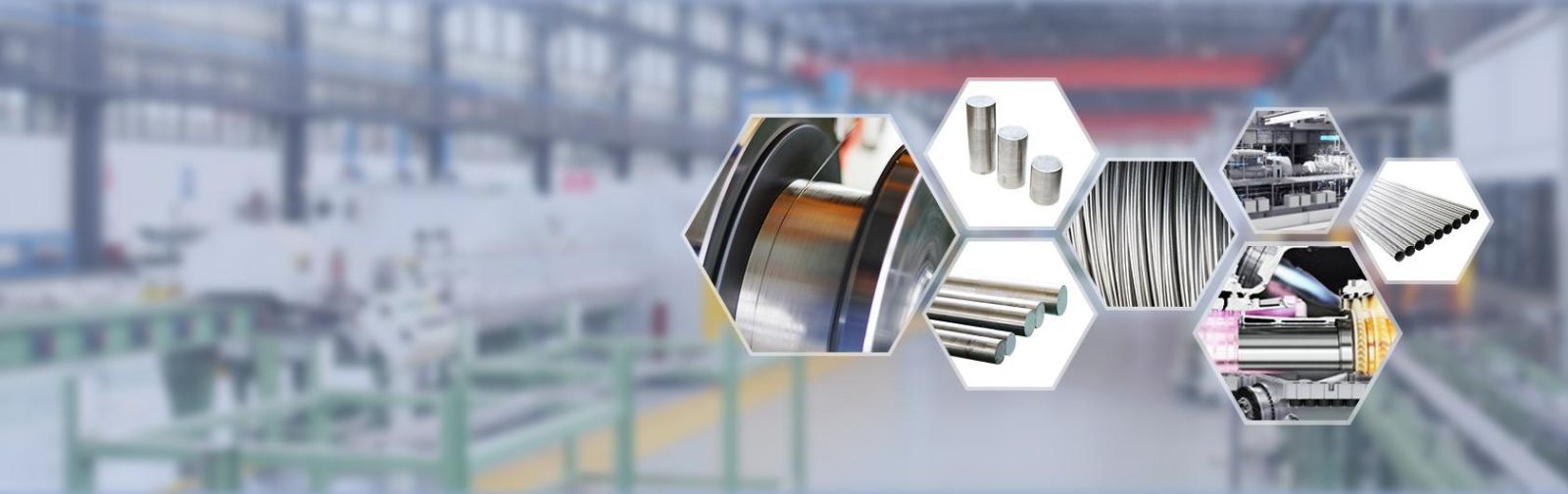
Why Does Titanium Alloy Offer a Strength-to-Weight Ratio Twice That of Steel, Yet Prove Challenging for Most Machine Shops?
Titanium alloys possess a density of approximately 4.5 grams per cubic centimeter, roughly sixty percent that of steel, while achieving tensile strengths ranging from 900 to 1200 megapascals, resulting in a specific strength ratio nearly double that of typical structural steels. Ti-6Al-4V is the most widely utilized alpha-beta titanium alloy, offering an optimal balance of strength and ductility, though its maximum service temperature is generally restricted to below 500 degrees Celsius.
The difficulty in machining titanium stems from its intrinsic physical and chemical properties. The material's thermal conductivity is exceptionally low, approximately one-sixth that of steel. During cutting operations, heat generated at the tool-workpiece interface is highly concentrated at the cutting edge, causing accelerated tool wear and potential fracture. Furthermore, titanium exhibits high chemical reactivity at elevated temperatures, promoting detrimental chemical interactions with tool materials that exacerbate wear. Compounding these issues is a relatively low elastic modulus, roughly half that of steel, which results in workpiece deflection and springback during machining, making tight tolerance control a substantial hurdle.
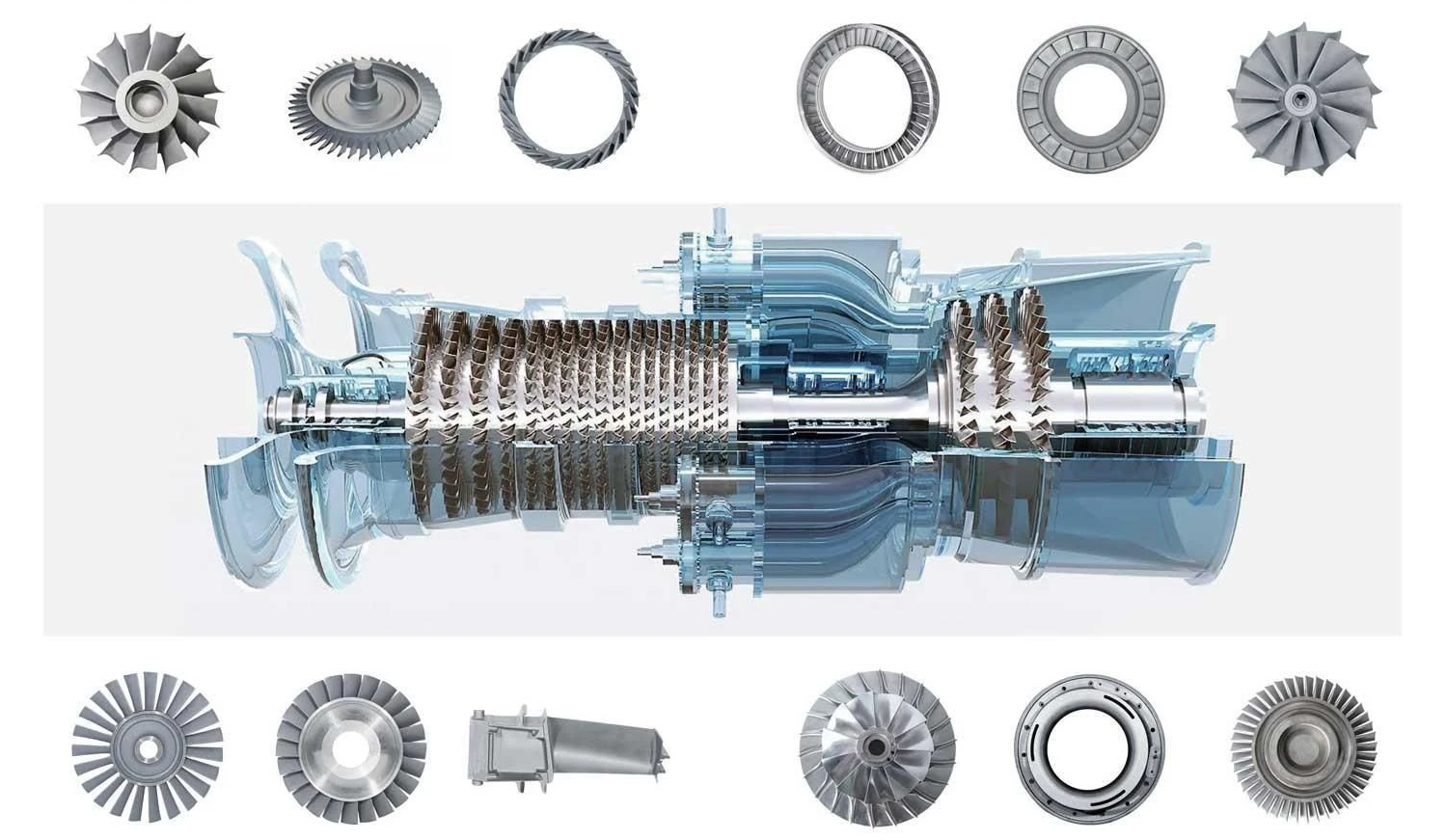
In aerospace applications, titanium components often feature complex geometries and exacting precision requirements. Critical parts such as compressor blades for jet engines, landing gear load-bearing members, and airframe structural elements demand exceptional fatigue resistance and damage tolerance. YICHOU has established a validated process methodology for titanium alloy precision manufacturing, spanning from billet forging to finish cutting and heat treatment. Our forging processes precisely control deformation temperature and strain rate to achieve uniform grain refinement, ensuring batch-to-batch consistency in mechanical properties. During CNC processing, we implement optimized cutting strategies and high-efficiency cooling regimes to mitigate thermal buildup, thereby preventing surface burn and the accumulation of residual stress.
The Shape Memory Effect of Nitinol Sounds Like Science Fiction. How Do Engineers Harness This Phenomenon in Real-World Products?
Nitinol exhibits the ability to recover its original shape upon heating after undergoing significant deformation, a property defined as the Shape Memory Effect, and displays superelasticity allowing for recoverable strains of up to eight percent without permanent plastic deformation. This unique behavior is governed by a reversible phase transformation between austenite and martensite.
Harnessing Nitinol in practical engineering applications requires overcoming substantial technical barriers. The transformation temperature of Nitinol is exceptionally sensitive to chemical composition, where a one percent variation in nickel content can shift the active temperature window by tens of degrees Celsius. This sensitivity mandates rigorous control during the initial melting and alloying stages. Machining Nitinol is also notoriously difficult due to severe work hardening and high tool wear rates. Additionally, welding processes risk the formation of brittle intermetallic compounds that compromise joint integrity, and the heat treatment window is narrow, where minor thermal deviations irreversibly alter the material's functional characteristics.
YICHOU has developed a dedicated processing capability for Nitinol to address these specific challenges. During the material selection phase, we collaborate closely with clients to define precise operational parameters including service temperature, required strain recovery, and cycle life expectations. This allows for the exact tailoring of alloy chemistry and thermal processing. In manufacturing, we utilize specialized techniques such as wire electrical discharge machining and precision grinding, which are well-suited to the material's properties. We maintain rigorous control over the heat-affected zone during processing to ensure the final component's functional integrity is preserved.
Silicon Carbide Can Withstand Temperatures Up to 1600 Degrees Celsius, But What Processes Transform It from Powder into Precision Components?
Silicon Carbide ceramic maintains stable mechanical properties and chemical inertness at continuous operating temperatures of 1600 degrees Celsius, exhibiting thermal conductivity between 120 and 200 watts per meter Kelvin and compressive strength exceeding 450 megapascals, positioning it as a leading high-temperature structural ceramic.
The transformation path from raw silicon carbide powder to a finished precision part varies based on the complexity, dimensional accuracy, and service environment of the final product. For components with relatively simple geometries such as crucibles, heating elements, and furnace tubes, isostatic pressing combined with pressureless sintering or reaction sintering is the predominant manufacturing route. YICHOU manufactures silicon carbide crucibles from high-purity raw materials formed via isostatic pressing and sintered under protective atmosphere. The resulting products achieve densities of 3.0 to 3.2 grams per cubic centimeter, with a continuous use temperature rating of 1600 degrees Celsius and short-term tolerance up to 1800 degrees Celsius in inert atmospheres. For parts requiring intricate internal cooling structures, advanced techniques like gel casting and additive manufacturing represent emerging industry solutions.
With a hardness rating of 9.5 on the Mohs scale, second only to diamond, silicon carbide presents extreme challenges in final finishing. YICHOU employs diamond grinding systems and ultrasonic-assisted machining equipment to achieve micron-level dimensional tolerances while ensuring required surface quality. For applications in semiconductor manufacturing, lithium battery material processing, and advanced ceramic sintering where purity is paramount, we provide products exceeding 99 percent purity, backed by stringent cleanroom production protocols and batch-specific certification.
From CNC Machining to Metal Injection Molding: How to Select the Optimal Process Route for Specialty Material Components?
The selection of a manufacturing process for specialty material parts is contingent upon geometric complexity, production volume, required mechanical performance, and overall cost parameters. CNC machining suits low-to-medium volumes with high precision, forging delivers optimal fatigue life, and Metal Injection Molding offers cost advantages for high-volume production of complex shapes.
CNC machining serves as the most versatile method for custom specialty material components. YICHOU utilizes advanced five-axis CNC machining centers and gantry mills capable of processing components ranging from titanium alloy impellers and Hastelloy valve bodies to Nitinol medical devices and silicon carbide ceramics. In the machining of nickel-based superalloys, we optimize cutting parameters and tool paths to manage heat generation and tool wear effectively, enabling the high-precision manufacture of parts with complex contoured surfaces. For aerospace turbine blades, we consistently achieve surface finishes of Ra less than or equal to 0.4 micrometers, meeting stringent aerodynamic surface quality requirements.
Forging is the core process for imparting superior mechanical integrity to specialty material components. YICHOU's forging capabilities encompass open-die forging, closed-die forging, and precision forging, accommodating parts from a few grams to several tons. In titanium forging, we achieve uniform grain refinement through precise thermal and strain rate management. Through multi-directional isothermal forging techniques, Ti-6Al-4V grain size can be refined to 1.5 micrometers, achieving room temperature tensile strength of 954 megapascals with elongation of 16.7 percent. For Hastelloy and other nickel alloys, our forge ratio design and heat treatment protocols ensure compliance with international standards such as ASME and ASTM.
Metal Injection Molding is suited for medium-to-large batch production of complex, small-to-medium-sized specialty material components. This process combines the geometric freedom of plastic injection molding with the material versatility of powder metallurgy, enabling near-net-shape production of nickel superalloys, titanium, and even Nitinol. MIM excels in creating intricate internal channels, thin-walled structures, and fine surface details, making it ideal for high-volume medical device components and precision aerospace hardware. YICHOU maintains a complete MIM process chain including feedstock preparation, injection, debinding, sintering, and secondary thermal treatment, providing clients with a comprehensive one-stop solution from prototype development to serial production.
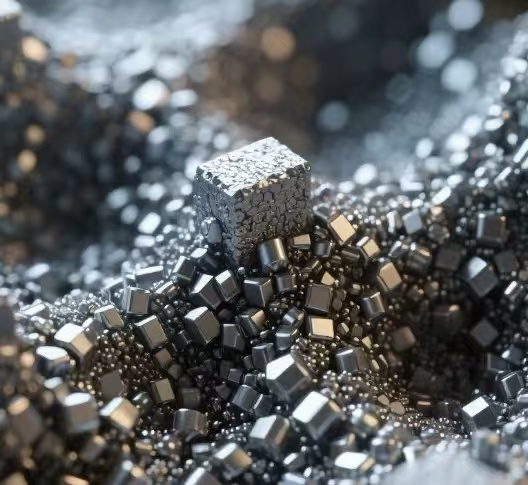
Does Your Supplier Possess Demonstrated Experience in Aerospace, Nuclear Power, and Deep-Sea Oil and Gas Sectors?
The aerospace sector demands from specialty material suppliers not only dimensional accuracy but also comprehensive material traceability, industry-specific certifications, and validated reliability under extreme operating loads. The nuclear industry imposes rigorous standards regarding irradiation resistance and stress corrosion cracking susceptibility. Deep-sea oil and gas extraction tests the material's ability to withstand high pressure and multiphase flow corrosion in environments containing hydrogen sulfide and carbon dioxide.
In the aerospace domain, the global superalloy market is projected to grow significantly, driven by next-generation engine efficiency requirements. YICHOU provides aerospace clients with precision-machined services for titanium alloy blades, nickel-based superalloy turbine disks, and aluminum structural components. Our quality management system aligns with AS9100 aerospace standards and NADCAP special process accreditation. Every delivered component includes full material traceability documentation and comprehensive dimensional inspection reports.
Within the nuclear power sector, nickel-based alloys are favored for their resistance to irradiation-induced swelling and general corrosion in pressurized water reactor fuel assemblies. YICHOU supplies nickel alloy components for nuclear applications that undergo rigorous microstructural control and surface enhancement treatments to mitigate susceptibility to stress corrosion cracking, ensuring long-term operational safety in primary loop environments.
As offshore oil exploration moves into deeper waters, equipment must contend with synergistic corrosion factors including high hydrostatic pressure, low temperatures, and microbiological activity. YICHOU custom-machines Hastelloy valve bodies, titanium alloy pump shafts, and nickel alloy flanges for subsea applications that demonstrate robust resistance to deep-sea seawater corrosion and sulfide stress cracking, satisfying the reliability demands of marine engineering equipment throughout its operational lifespan.
Amid Geopolitical Shifts and Supply Chain Volatility, How Does Specialty Material Procurement Mitigate Delivery Risks?
The security and stability of specialty material supply chains have emerged as a strategic imperative for global manufacturing. Critical raw materials such as titanium, nickel, cobalt, and rare earth elements exhibit high geographic concentration, rendering supply chains vulnerable to geopolitical friction and export controls.
The titanium supply chain presents notable risks. Global sponge titanium capacity for aerospace applications is concentrated among a limited number of international producers, leading to volatility in both availability and cost. Nickel-based superalloy supply chains face analogous pressures due to the concentrated sourcing of nickel, chromium, and cobalt, which directly impacts production cost stability and delivery lead times.
YICHOU mitigates these risks through diversified raw material sourcing strategies and strategic inventory management, providing clients with a fortified supply guarantee. We maintain a robust domestic network for specialty material procurement to ensure both quality and continuity of supply from the source. For urgent orders and compressed lead times, our flexible production scheduling and rapid changeover capabilities reduce average prototype delivery lead times to 15 days. During the engineering consultation phase, our technical team proactively assesses material availability, recommending alternative grades with lower supply chain risk profiles where performance parameters allow, thereby helping clients design out supply vulnerability from the outset.
How Does YICHOU's One-Stop Custom Service Shorten the Project Timeline from Drawing to Finished Product?
YICHOU's one-stop solution integrates material selection, process development, prototype fabrication, serial production, and quality assurance into a single, cohesive workflow managed by a unified team. Engineers are relieved from the burden of coordinating and translating requirements across multiple independent vendors.
In new product development, time-to-market is a critical resource. The traditional model of interfacing with separate entities for material supply, forging, machining, and inspection introduces friction and delays at every handoff. YICHOU's integrated approach eliminates these discontinuities. During project initiation, our application engineers conduct a thorough review of the component's service conditions and critical performance metrics to recommend the optimal material grade and manufacturing route. In the design phase, we provide design for manufacturability analysis to refine part geometry for reduced cost and improved processing yield. Throughout the manufacturing phase, every operation from blank forming to final machining occurs under a unified quality management umbrella, ensuring parametric consistency and traceability. Upon delivery, each batch includes full material certifications, CMM dimensional reports, and performance test data to support client quality audits.
In the realm of specialty material custom processing, accumulated experience and system maturity are paramount. YICHOU has cultivated a proprietary process database spanning nickel-based superalloys, titanium alloys, aluminum alloys, and advanced ceramics over more than two decades. We possess a systematic understanding of the cutting characteristics, heat treatment response, and surface finishing compatibility of materials such as Hastelloy, Inconel, Ti-6Al-4V, and Nitinol, enabling us to anticipate and circumvent potential manufacturing risks.
When confronted with a demanding component requirement in an extreme service environment, YICHOU operates not merely as a processing vendor but as a trusted technical partner. We invite you to discuss your next challenging project and collaborate on transforming engineering specifications into reliable, high-performance hardware.
Contact us for a complimentary material selection consultation and custom machining quotation. Visit our website at www.nbyichou.com or email [email protected]. Our technical team commits to a response within 24 hours.
Frequently Asked Questions
What specific grades of Hastelloy can YICHOU process?
YICHOU is qualified to process Hastelloy C-276, Hastelloy X, Hastelloy B-3, and Hastelloy C-22, encompassing both corrosion-resistant and high-temperature applications. For specialty grades outside this core range, direct consultation with our engineering team is recommended.
Can YICHOU perform custom CNC machining of titanium alloy components based on our provided STEP files?
Yes. YICHOU supports direct programming from STEP, IGES, and SolidWorks file formats for precision CNC machining of titanium components, maintaining dimensional tolerances within plus or minus 0.01 millimeters.
What is the typical lead time for silicon carbide crucibles?
Standard specification silicon carbide crucibles typically ship within 15 to 20 business days. Custom dimensions or requests for specific purity levels may necessitate an additional production window of 4 to 6 weeks.
Does YICHOU provide surface finishing services for Nitinol medical device components?
Yes. We provide specialized surface treatments for Nitinol medical parts, including electropolishing and passivation, to enhance biocompatibility and corrosion resistance. Post-treatment surface roughness values of Ra less than or equal to 0.2 micrometers are achievable.
What quality certifications govern the production of aerospace components?
YICHOU's aerospace manufacturing operations comply with AS9100 standards and NADCAP special process accreditation. Each component is supplied with full material traceability documentation, CMM inspection data, and performance test certifications.
Get Quote
- Visit our website: https://www.nbyichou.com/
- Email us: [email protected]
- Call us/whatsapp: +86 13355741031
- Chat with us: Live chat support available on our website