1 Introduction
Understanding Forging and Its Importance
Forging is a metalworking process that involves shaping metal using localized compressive forces, typically applied through hammers, presses, or dies. This manufacturing method has been used for centuries and continues to be a preferred technique due to its ability to enhance the strength, durability, and reliability of metal components.
Unlike casting or machining, forging refines the grain structure of metal, improving its mechanical properties, such as toughness and fatigue resistance. This makes forged parts ideal for industries where high-performance materials are required, including:
- Automotive: Engine components, crankshafts, gears, and connecting rods.
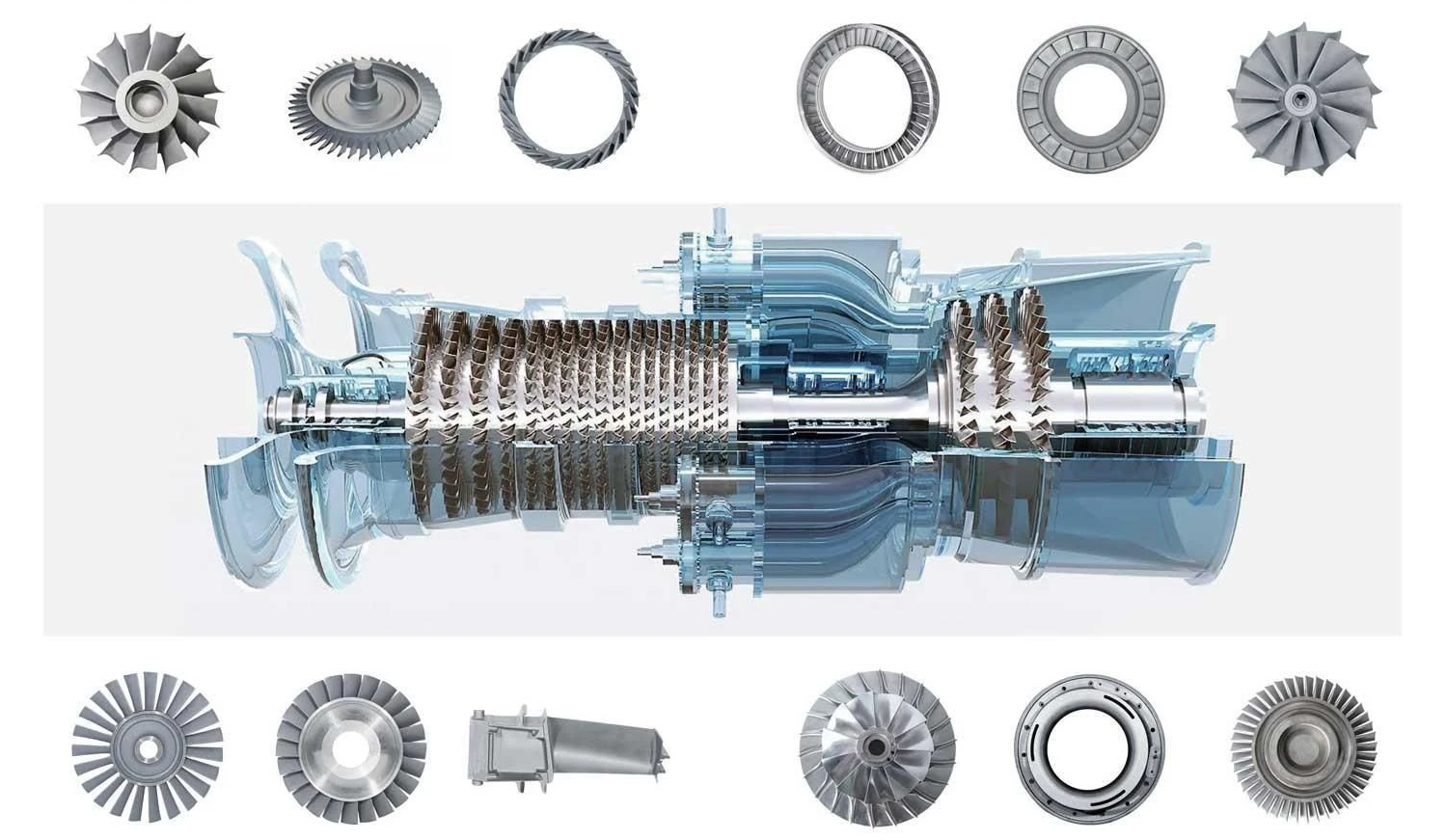
- Aerospace: Turbine blades, landing gear, and structural parts.
- Oil & Gas: High-pressure valves, flanges, and drilling components.
- Industrial Machinery: Heavy-duty shafts, gears, and tools.
Because forged parts offer superior strength-to-weight ratios, they help improve efficiency and safety in demanding applications. In the next sections, we’ll explore different forging processes, their benefits, and how to select the best forging parts manufacturer for your needs.
2 Overview of Forging Processes
Metal Forging: A Fundamental Manufacturing Technique
Metal forging is a manufacturing process that shapes metal using compressive forces, typically delivered through hammers, presses, or dies. This process enhances the strength, durability, and reliability of components, making it essential across industries such as automotive, aerospace, oil & gas, and heavy machinery.
What is the Forging Process?
The forging process involves several key steps to ensure the metal achieves its optimal shape and properties:
- Heating the Metal – The raw metal is heated to a specific temperature, making it malleable and easier to shape.
- Shaping the Metal – The metal is compressed and deformed using dies, hammers, or presses to achieve the desired form.
- Cooling & Finishing – The forged part is cooled under controlled conditions to optimize its mechanical properties, followed by machining or surface treatment if necessary.
Types of Forging Processes
Different forging methods are used depending on the complexity, size, and strength requirements of the final product.
1. Open Die Forging
- Process: Metal is deformed between two flat or simple-shaped dies, allowing unrestricted material flow.
- Advantages: Ideal for producing large, custom-shaped components with improved strength and grain structure.
- Applications: Shafts, discs, and large industrial components.
2. Closed Die Forging (Impression Die Forging)
- Process: Metal is compressed within a die cavity that dictates the final shape, requiring high precision.
- Advantages: Produces highly complex and precise parts with minimal material waste.
- Applications: Automotive components, aerospace parts, and high-performance machinery.
3. Cold Forging
- Process: Performed at or near room temperature, using high pressure to shape the metal.
- Advantages: Delivers superior surface finish, high dimensional accuracy, and increased strength due to strain hardening.
- Applications: Fasteners, bolts, and high-strength automotive and aerospace parts.
Each forging method offers distinct benefits, making it essential to select the right process based on your project’s material requirements, complexity, and performance expectations.
.jpg)
Advantages of Forged Parts
Forged parts offer significant advantages over other manufacturing methods like casting or machining, making them the preferred choice for industries requiring high-strength, high-performance components.
1. Strength and Durability
One of the key benefits of forging is its ability to refine the grain structure of metals, which improves their mechanical properties and resistance to fatigue, impact, and wear.
- Grain Flow Alignment – During forging, the metal’s grain structure follows the shape of the part, enhancing its toughness and strength.
- Elimination of Defects – Unlike casting, forging significantly reduces porosity, inclusions, and internal voids, leading to better structural integrity.
- High Fatigue & Impact Resistance – Forged parts can withstand high stress and repeated loads, making them ideal for critical applications in aerospace, automotive, and heavy machinery.
2. Cost-Effectiveness
Although forging may have higher initial tooling costs, it offers long-term cost savings due to its superior durability and lower maintenance requirements.
- Longer Service Life – Forged components last significantly longer than cast or machined parts, reducing replacement costs.
- Reduced Material Waste – Closed-die forging produces near-net shape parts, minimizing the need for extensive machining and material waste.
- Lower Maintenance Costs – High-strength forged parts experience less wear and tear, reducing downtime and maintenance expenses in industrial applications.
By choosing forged parts, manufacturers and buyers enhance product reliability, reduce operational costs, and improve performance across various applications.
4 Key Considerations When Choosing a Forging Parts Manufacturer
Selecting the right forging parts manufacturer is crucial to ensuring high-quality, durable, and cost-effective components. Here are the key factors buyers should consider when sourcing forged parts:
1. Quality Assurance
Quality is a non-negotiable factor when choosing a forging manufacturer. Buyers should ensure that the supplier adheres to strict quality control measures and holds industry certifications such as:
- ISO 9001 – Ensures a standardized quality management system.
- AS9100 (Aerospace Industry) – Required for aerospace-grade components.
- IATF 16949 (Automotive Industry) – A must for automotive manufacturers.
Additionally, manufacturers should conduct non-destructive testing (NDT), material inspections, and mechanical property testing to guarantee product reliability and performance.
2. Experience and Expertise
A manufacturer’s track record and technical expertise play a crucial role in the quality and precision of the forged parts. Buyers should consider:
- Years in the Industry – A well-established manufacturer is more likely to have refined processes and expertise.
- Industry-Specific Knowledge – Suppliers experienced in aerospace, automotive, oil & gas, or heavy machinery understand unique material and performance requirements.
- Engineering and R&D Capabilities – A strong engineering team can help optimize part designs for better performance and cost savings.
3. Customization Capabilities
Every industry has unique needs, and a reliable forging manufacturer should offer customization options for:
- Material Selection – Ability to work with stainless steel, titanium, aluminum, superalloys, and more.
- Precision Forging Techniques – Capability to produce complex shapes with tight tolerances.
- Post-Forging Services – Such as heat treatment, machining, and surface finishing to meet specific application requirements.
4. Lead Times and Production Capacity
Timely delivery is essential for maintaining supply chain efficiency. Buyers should assess:
- Production Capacity – Can the manufacturer scale production to meet your volume needs?
- Lead Times – How quickly can they deliver without compromising quality?
- On-Time Delivery Record – A reputable manufacturer should have a strong track record of meeting deadlines.
By carefully evaluating these factors, buyers can choose a forging parts manufacturer that offers high-quality, reliable, and cost-efficient solutions for their needs.
.jpg)
5 Introducing YICHOU: Your Trusted Forging Partner
Company Overview
YICHOU is a leading forging parts manufacturer specializing in high-quality metal forging solutions for industries such as aerospace, automotive, oil and gas, heavy machinery, and energy. With a strong commitment to precision, durability, and customer satisfaction, we deliver customized forging solutions that meet demanding industry standards.
At YICHOU, we uphold strict quality control measures, ensuring every forged component meets ISO 9001, IATF 16949, and AS9100 standards, guaranteeing superior strength and performance.
Our Forging Capabilities
We offer a full range of forging processes to meet diverse industrial needs, including:
- Open Die Forging – Ideal for large, simple-shaped components with excellent mechanical properties
- Closed Die Forging – Produces precise, complex shapes with minimal material waste
- Cold Forging – Delivers high-strength components with an exceptional surface finish
Materials We Handle
YICHOU specializes in forging a wide range of metals and alloys, including:
- Stainless Steel
- Titanium Alloys
- Aluminum Alloys
- Nickel-Based Superalloys
- High-Temperature Alloys
Industries We Serve
- Aerospace – Forged components for engines, landing gears, and structural parts
- Automotive – High-strength steering, transmission, and suspension parts
- Oil and Gas – Corrosion-resistant parts for drilling, pipelines, and valves
- Power Generation – Turbine blades, shafts, and heavy-duty forged parts
Case Studies and Customer Success Stories
Case Study: High-Performance Aerospace Component
A leading aerospace company approached YICHOU for lightweight yet high-strength forged titanium parts. Our precision forging and advanced heat treatment process resulted in a 30 percent weight reduction while maintaining superior strength, leading to enhanced aircraft efficiency.
Testimonial from an Automotive Manufacturer
YICHOU has been our trusted forging partner for years. Their expertise in closed-die forging and material selection has significantly improved our production efficiency and product durability. Highly recommended.
Why Choose YICHOU
- Certified Quality – Compliant with global forging standards
- Custom Solutions – Tailored forging services for unique industrial needs
- Reliable Delivery – Consistently meeting strict production timelines
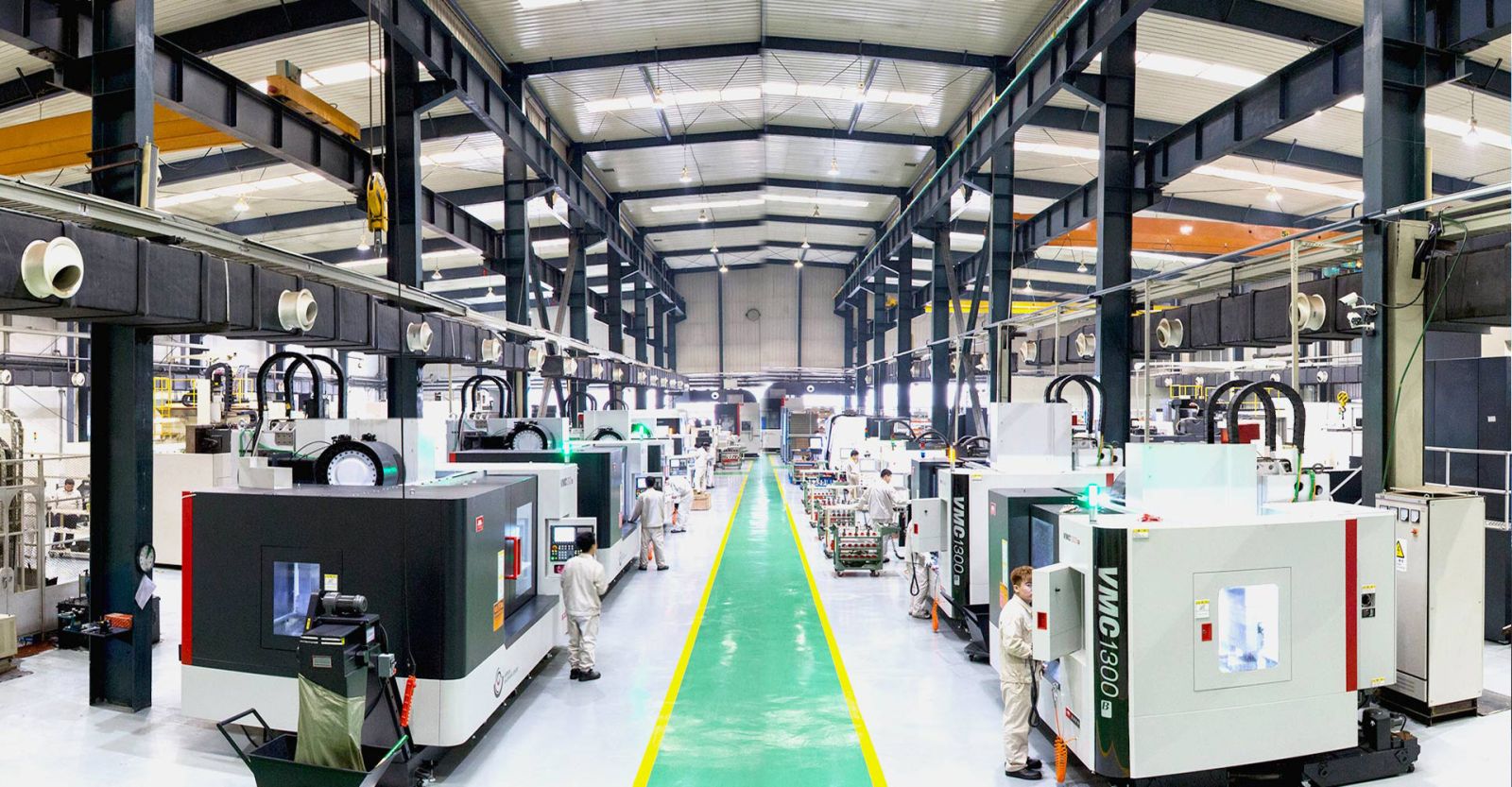
- Advanced Technology – Utilizing state-of-the-art forging and CNC machining
Looking for a Reliable Forging Manufacturer
Contact YICHOU today to discuss your forging needs and get a customized solution
Get Quote
- Visit our website: https://www.nbyichou.com/
- Email us: [email protected]
- Call us/whatsapp: +86 13355741031
- Chat with us: Live chat support available on our website