1. Introduction
Titanium is widely recognized for its exceptional strength-to-weight ratio, corrosion resistance, and high-temperature performance, making it a preferred material across industries such as aerospace, medical, automotive, and industrial manufacturing. Its ability to withstand extreme environments while remaining lightweight makes it an invaluable resource for critical applications.
When sourcing titanium components, procurement professionals must carefully evaluate the manufacturing process to ensure the final product meets performance requirements and budget constraints. Two primary production methods dominate the market: titanium casting and titanium forging. While both methods utilize titanium’s unique properties, they differ significantly in terms of mechanical strength, production cost, and design flexibility.
This article explores the key differences between titanium casting and titanium forging, helping buyers determine the best choice for their specific application needs.
.jpg)
2. What is Titanium Casting?
Definition and Process
Titanium casting is a manufacturing process that involves pouring molten titanium into a mold to achieve a specific shape. The process typically uses investment casting (lost-wax casting) or sand casting, depending on the complexity and size of the component. After solidification, the cast part undergoes heat treatment and machining to refine its properties and dimensions.
Advantages of Titanium Casting
-
Complex Geometries and Intricate Designs
- Casting allows for highly detailed and complex shapes, making it ideal for aerospace, medical, and industrial applications requiring intricate designs.
- It enables internal cavities and thin-walled structures that would be challenging or impossible to achieve through forging.
-
Cost-Effectiveness for High-Volume Production
- Casting is more suitable for large-scale production runs where tooling and mold costs are spread across multiple parts.
- It reduces the need for extensive post-machining, lowering overall production costs.
-
Lower Material Waste Compared to Forging
- Unlike forging, which requires significant material removal, casting utilizes near-net-shape production, minimizing raw material waste.
- This is particularly beneficial given titanium’s high material cost.
Limitations of Titanium Casting
-
Lower Mechanical Strength Compared to Forging
- Cast titanium components generally exhibit lower tensile strength and fatigue resistance, making them less suitable for high-stress applications.
- The grain structure of cast titanium is not as refined as forged titanium, impacting overall durability.
-
Potential for Porosity and Internal Defects
- The casting process introduces risks of porosity, shrinkage defects, and inclusions, which can compromise structural integrity.
- Quality control measures, such as X-ray inspections and non-destructive testing (NDT), are necessary to ensure reliability.
-
More Brittle Than Forged Titanium
- Due to the presence of microscopic voids and inclusions, cast titanium tends to be more brittle than forged titanium, making it less resistant to impact and stress-related failures.
Common Applications of Titanium Casting
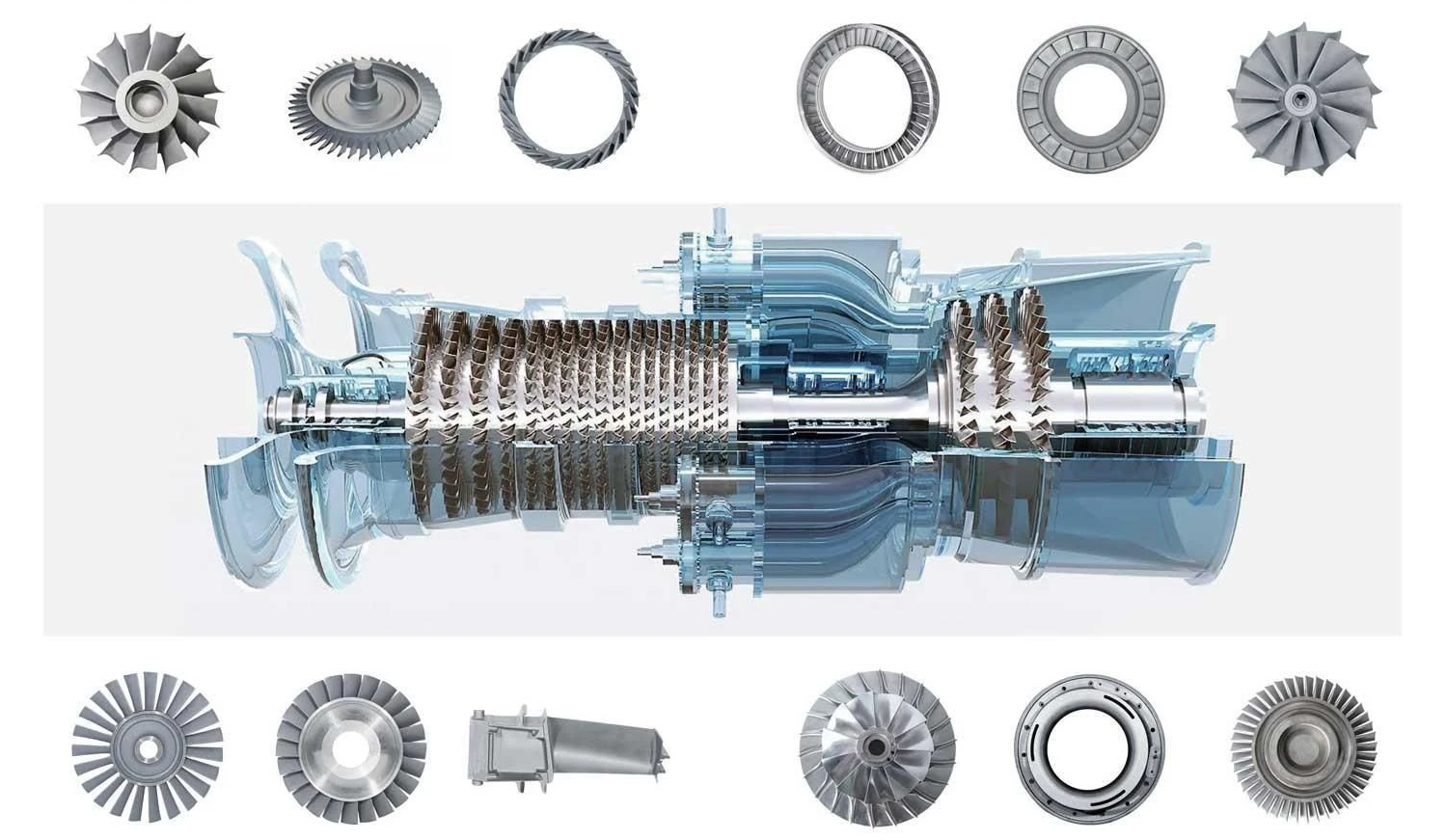
Despite its limitations, titanium casting is widely used in industries that require complex designs and lightweight components, such as:
- Aerospace: Turbine blades, housings, and brackets.
- Medical: Surgical implants, prosthetics, and orthopedic devices.
- Industrial: Pump components, valve bodies, and chemical processing equipment.
In the next section, we will compare titanium casting with titanium forging to help you determine the best manufacturing method for your specific needs.
3. What is Titanium Forging?
Definition and Process
Titanium forging is a manufacturing process that involves deforming titanium under high pressure to create strong, high-performance components. The process typically includes hot forging, where titanium is heated to improve its malleability before being shaped using compressive forces from hammers, presses, or rollers. This results in a refined grain structure and enhanced mechanical properties compared to casting.
Advantages of Titanium Forging
-
Superior Mechanical Properties
- Forged titanium exhibits higher strength, toughness, and fatigue resistance, making it ideal for demanding applications.
- The process refines the grain structure, resulting in improved wear resistance and durability.
-
Greater Structural Integrity with Fewer Internal Defects
- Unlike casting, forging significantly reduces porosity, voids, and inclusions, ensuring higher reliability and consistency in the final component.
- This is crucial for safety-critical applications in aerospace and medical industries.
-
Better Performance Under High Stress and Extreme Conditions
- Forged titanium components maintain exceptional performance under extreme temperatures, pressure, and dynamic loads.
- This makes them suitable for aircraft structures, automotive performance parts, and high-stress industrial applications.
Limitations of Titanium Forging
-
Higher Production Costs
- The forging process requires intensive labor, specialized equipment, and significant material usage, leading to higher production costs.
- The need for additional machining and finishing further increases costs compared to casting.
-
Limited Design Complexity Compared to Casting
- Forging is less suited for intricate geometries and hollow structures since it primarily shapes solid billets.
- Complex designs may require secondary machining operations, adding time and cost.
-
Longer Lead Times for Custom Components
- Custom forged titanium components typically require special tooling and precise process control, leading to longer production lead times.
- This can be a challenge when rapid prototyping or urgent deliveries are needed.
Common Applications of Titanium Forging
Due to its superior mechanical properties and reliability, titanium forging is widely used in high-performance and safety-critical applications, including:
- Aerospace: Aircraft structural components, landing gear, and engine parts.
- Automotive: High-performance suspension components, connecting rods, and fasteners.
- Medical: Orthopedic implants, surgical instruments, and biomedical devices.
In the next section, we will compare titanium casting and titanium forging side by side to help you determine the most suitable process for your application.
.jpg)
4. Key Differences Between Titanium Casting and Titanium Forging
To make an informed decision between titanium casting and titanium forging, it is essential to compare their key characteristics. The following table highlights the primary differences:
| Feature | Titanium Casting | Titanium Forging |
|---|---|---|
| Mechanical Strength | Lower due to potential porosity and micro-defects. | Higher due to refined grain structure and fewer internal defects. |
| Design Complexity | High – suitable for intricate shapes and detailed geometries. | Moderate – best for solid, strong components but limited in complex shapes. |
| Production Cost | Lower for high volumes due to efficient mold-based manufacturing. | Higher due to intensive labor, specialized equipment, and machining. |
| Material Waste | Less – casting minimizes excess material usage. | More – forging requires additional machining and material removal. |
| Lead Time | Shorter – ideal for rapid production and prototyping. | Longer – due to extensive processing, tooling, and machining. |
| Durability | Moderate – may contain internal defects that impact long-term reliability. | Excellent – superior resistance to fatigue, stress, and extreme conditions. |
Which Process Should You Choose?
The selection between titanium casting and forging depends on application requirements, budget, and design complexity:
- Choose titanium casting if you require intricate designs, lower costs for large production runs, and shorter lead times.
- Choose titanium forging if you need high mechanical strength, superior durability, and performance under extreme conditions.
In the next section, we will provide guidance on selecting the right manufacturing method based on industry-specific needs.
5. Is Forged Titanium Stronger Than Cast Titanium?
Yes, forged titanium is significantly stronger than cast titanium due to its superior mechanical properties, structural integrity, and resistance to wear and impact. Here’s why:
Why is Forged Titanium Stronger?
- Refined Grain Structure: During forging, the titanium’s grain flow aligns with the component’s shape, eliminating internal voids and enhancing strength.
- Fewer Internal Defects: Unlike casting, which may introduce porosity or micro-cracks, forging creates a denser, more uniform material.
- Higher Impact Resistance: Forged titanium can withstand heavy loads, stress, and extreme environmental conditions better than cast titanium.
Comparison of Strength Factors
| Property | Forged Titanium | Cast Titanium |
|---|---|---|
| Tensile Strength (MPa) | Higher (up to 1100 MPa) | Lower (typically 600–900 MPa) |
| Hardness (HRC) | Higher | Lower |
| Fatigue Resistance | Excellent | Moderate |
| Impact Resistance | High | Lower due to potential brittleness |
| Structural Integrity | Stronger, no porosity | Can have micro-defects |
Why Do High-Durability Industries Prefer Forging?
- Aerospace: Aircraft structural components require maximum strength and fatigue resistance.
- Automotive: High-performance parts (e.g., suspension components) rely on forged titanium for durability.
- Medical: Implants such as joint replacements and bone plates need forged titanium for long-term reliability.
While titanium casting is ideal for complex geometries and cost-effective mass production, industries prioritizing strength, safety, and longevity consistently choose forged titanium over cast titanium.
6. Which Process is Best for Your Application?
Selecting between titanium casting and titanium forging depends on the specific requirements of your application. Here’s a guideline to help determine which process is best suited for your needs:
When to Choose Titanium Casting
Titanium casting is ideal when:
Cost efficiency is the priority – Lower material waste and high-volume production reduce overall costs.
Complex shapes and intricate details are required – Casting allows for intricate geometries that are difficult to achieve with forging.
Mechanical strength is not the most critical factor – Components that do not experience extreme loads or stress can perform well as cast parts.
Common applications:
- Aerospace engine components
- Medical implants with intricate features
- Industrial parts requiring custom shapes
When to Choose Titanium Forging
Titanium forging is the better option when:
High strength and durability are crucial – Forged titanium has superior tensile strength, fatigue resistance, and impact toughness.
The component must withstand high stress and fatigue – Ideal for critical load-bearing structures.
Reliability and structural integrity are key concerns – Forging eliminates porosity and ensures a denser, defect-free material.
Common applications:
- Aerospace structural parts (landing gear, fuselage components)
- High-performance automotive components (suspension arms, engine parts)
- Medical implants (bone plates, joint replacements)
Final Decision: Casting vs. Forging
If your priority is cost-effectiveness and design flexibility, titanium casting is the right choice. However, if strength, durability, and reliability are essential, titanium forging is the superior option.
7. Conclusion: Making the Right Choice for Titanium Components
Choosing between titanium casting and titanium forging depends on your project’s specific requirements. While casting is the ideal choice for complex geometries and cost-efficient high-volume production, forging offers superior strength, durability, and reliability for critical applications.
Key Takeaways
Titanium Casting: Best for intricate designs, lower costs, and shorter lead times, but with moderate mechanical properties.
Titanium Forging: Offers exceptional strength, fatigue resistance, and structural integrity, but comes with higher costs and design limitations.
Application Matters: Industries requiring high durability and performance, such as aerospace, automotive, and medical, benefit most from forged titanium, while industries needing complex shapes and cost-effective production can choose cast titanium.
Why Choose YICHOU for Titanium Casting & Forging?
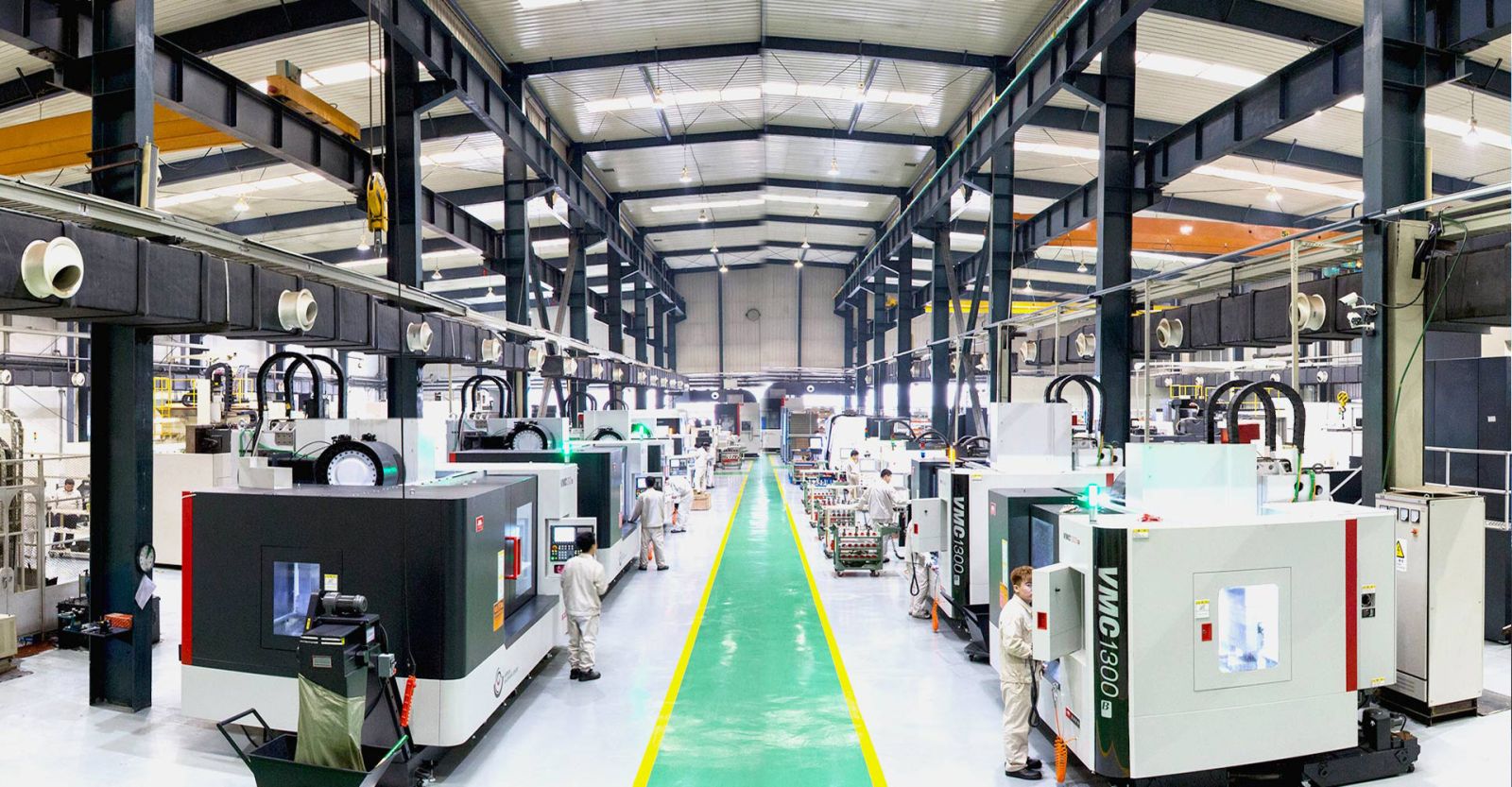
At YICHOU, we specialize in high-quality titanium casting and forging solutions, tailored to the unique demands of aerospace, medical, automotive, and industrial applications. Our expertise ensures that your titanium components meet the highest industry standards for performance, precision, and durability.
Get Expert Consultation Today
Need help selecting the best titanium manufacturing process for your project? Contact YICHOU today for expert guidance and high-quality titanium solutions tailored to your needs. Our team is ready to assist you in finding the most efficient and cost-effective titanium components for your industry.
Get Quote
- Visit our website: https://www.nbyichou.com/
- Email us: [email protected]
- Call us/whatsapp: +86 13355741031
- Chat with us: Live chat support available on our website