Introduction to 2024-T3 Aluminum: The Aerospace Workhorse
In the world of high-performance aluminum alloys, 2024-T3 stands out as a material engineered for excellence under pressure. As a premier aluminum processing manufacturer with decades of expertise, we understand that selecting the right material isn't just a choice—it's a critical decision that impacts product performance, safety, and longevity. 2024-T3 aluminum represents the gold standard in aluminum-copper alloys, offering an exceptional balance of strength, machinability, and durability that makes it indispensable across demanding industries.
The "2024" designation refers to its primary alloying elements, with copper (3.8-4.9%) as the principal addition, along with magnesium (1.2-1.8%) and manganese (0.3-0.9%). The "T3" temper indicates that the material has been solution heat-treated, cold worked, and naturally aged to achieve its optimal mechanical properties. This specific treatment creates a material with superior strength compared to many other aluminum alloys while maintaining workability that facilitates complex fabrication.
For engineers, designers, and procurement specialists searching for "2024 t3 aluminum" or "al 2024 t3," understanding this material's capabilities and limitations is essential for successful implementation. With search volumes indicating strong ongoing interest (approximately 810 monthly searches with a competitive $2.69 CPC), professionals are actively seeking reliable information about this versatile alloy. This comprehensive guide will explore every facet of 2024-T3 aluminum, from its metallurgical characteristics to practical machining advice, providing the insights needed to make informed material selection decisions.
Key Properties & Advantages of 2024-T3 Aluminum
Exceptional Strength-to-Weight Ratio
2024-T3 aluminum delivers tensile strength ranging from 62,000 to 70,000 psi, significantly higher than many common aluminum alloys like 6061-T6 (approximately 45,000 psi). This remarkable strength, combined with aluminum's inherent lightness (density of 0.101 lb/in³), creates a strength-to-weight ratio that outperforms many steels and competes favorably with titanium in specific applications. This property explains why 2024-T3 has become the material of choice for weight-sensitive applications where structural integrity cannot be compromised.
Fatigue Resistance and Durability
One of 2024-T3's most valuable characteristics is its excellent fatigue resistance. The T3 temper process enhances the alloy's ability to withstand cyclic loading without developing cracks—a critical factor in aerospace applications where components experience constant vibration and stress fluctuations during flight cycles. Testing shows that 2024-T3 maintains structural integrity through millions of load cycles at stress levels that would fail lesser materials, contributing to its reputation for reliability in safety-critical applications.
Machinability and Formability
Despite its high strength, 2024-T3 maintains good machinability when proper techniques are employed. It machines to a rating of approximately 70% on the aluminum association scale (where 6061 aluminum rates 100%). The key to successful machining lies in understanding its unique characteristics: 2024-T3 tends to produce discontinuous chips that can be sharp, requiring appropriate chip control strategies. Its formability in the T3 temper allows for moderate bending and shaping operations, though more extensive forming is typically performed before the final aging process.
Corrosion Characteristics
Unlike some aluminum alloys, 2024-T3 has relatively low corrosion resistance in its bare state, particularly in marine or industrial environments. This is due to the copper content, which creates galvanic cells that can promote corrosion. However, this limitation is effectively managed in industrial applications through various protective measures. Anodizing (particularly chromic acid anodizing), alodining, painting, or the application of corrosion-inhibiting compounds can provide excellent protection. For maximum corrosion resistance in severe environments, cladding with pure aluminum or a more corrosion-resistant alloy creates a composite material that combines 2024-T3's strength with superior surface protection.
Thermal and Electrical Properties
2024-T3 aluminum exhibits thermal conductivity of approximately 121 W/m·K and electrical conductivity around 30-40% IACS (International Annealed Copper Standard). While not the highest among aluminum alloys, these properties are sufficient for many structural applications that require some heat dissipation. Its coefficient of thermal expansion (23.2 × 10⁻⁶/°C) is similar to other aluminum alloys, requiring consideration in designs with temperature fluctuations or when joining to materials with different expansion characteristics.
Comparative Analysis with Other Aluminum Alloys
Understanding how 2024-T3 compares to other common aluminum alloys helps in material selection:
-
vs. 6061-T6: 2024-T3 offers approximately 40% higher tensile strength but lower corrosion resistance and weldability. 6061 is generally more economical for applications not requiring 2024's strength.
-
vs. 7075-T6: 7075 is stronger (tensile strength up to 83,000 psi) but significantly less fatigue resistant and more challenging to machine. 2024 offers better damage tolerance.
-
vs. 2024-T4: The T4 temper (solution heat-treated and naturally aged) is slightly less strong but offers better formability before final machining. T3 provides higher strength without additional heat treatment.
Common Applications of 2024-T3 Aluminum
Aerospace and Aviation Components
2024-T3's most prominent application domain is aerospace, where its combination of lightness and strength has made it an industry standard for decades. Approximately 75% of all aluminum used in aircraft construction is 2000 or 7000 series alloys, with 2024-T3 featuring prominently. Specific applications include:
-
Aircraft skins and fuselage structures: Its fatigue resistance makes it ideal for exterior surfaces that experience aerodynamic forces and pressurization cycles.
-
Wing and empennage components: Spars, ribs, and stringers in both commercial and military aircraft benefit from 2024-T3's strength-to-weight ratio.
-
Bulkheads and floor supports: Critical structural elements that must support significant loads while minimizing weight.
-
Landing gear parts: While high-strength steels or 7075 aluminum often handle the highest stress components, 2024-T3 is used in supportive elements.
Military and Defense Equipment
The military sector values 2024-T3 for its proven performance in extreme conditions and battlefield environments. Applications extend beyond aircraft to include:
-
Armored vehicle components: Where weight reduction increases mobility without sacrificing protection.
-
Weapons systems mounts: Requiring stability and vibration resistance.
-
Transportable shelters and bridges: Where rapid deployment depends on lightweight construction.
-
Radar and communication equipment housings: Providing electromagnetic transparency with structural integrity.
Automotive and High-Performance Racing
While not as common in mass-produced vehicles due to cost considerations, 2024-T3 finds strategic applications in automotive engineering:
-
High-performance racing components: Formula 1, NASCAR, and endurance racing teams use 2024-T3 for suspension components, chassis reinforcements, and aerodynamic elements.
-
Specialty vehicle frames: Particularly in lightweight sports cars and supercars where every kilogram matters.
-
High-stress brackets and mounts: For engines, transmissions, and suspension systems in performance applications.
Industrial and Structural Applications
Beyond transportation, 2024-T3 serves demanding industrial roles:
-
Robotic arms and automation components: Where stiffness and low inertia improve precision and response times.
-
Material handling equipment: Particularly in aerospace-adjacent industries where specifications call for aircraft-grade materials.
-
High-performance bicycle frames and components: Used by elite cyclists where weight savings directly impact performance.
-
Custom machinery frames: For applications requiring dimensional stability under load.
Emerging and Specialized Uses
As manufacturing technology advances, 2024-T3 finds new applications:
-
Drone and UAV airframes: Where the weight-strength balance directly impacts flight time and payload capacity.
-
Satellite components: Particularly in structural elements that must withstand launch forces.
-
High-speed machinery components: Where centrifugal forces demand materials with high fatigue limits.
-
Prototype development: Many engineering firms use 2024-T3 for functional prototypes that must mimic the performance of final production materials.
Machining & Fabrication Guide for 2024-T3 Aluminum
Optimal Machining Parameters and Techniques
Successfully machining 2024-T3 aluminum requires understanding its unique characteristics. Unlike softer aluminum alloys, 2024-T3's strength and work-hardening tendency demand specific approaches:
Tool Selection:
-
Carbide tools with sharp cutting edges and positive rake angles (typically 5-15°) perform best
-
Polycrystalline diamond (PCD) tools offer superior performance in high-volume production
-
Coated tools with TiAlN or similar coatings reduce built-up edge and extend tool life
-
Tool geometry should include sufficient clearance angles (7-10°) and robust edge preparation to withstand the abrasive copper constituents
Cutting Parameters:
-
Surface speeds: 600-800 SFM for carbide tools, up to 2000 SFM for PCD tools
-
Feed rates: 0.004-0.012 inches per tooth depending on operation and tool diameter
-
Depth of cut: Light to moderate cuts (0.010-0.100 inches) typically work better than aggressive cuts
-
Coolant application: High-pressure flood coolant is essential to control heat and chip evacuation
Special Considerations:
-
Chip control: 2024-T3 produces "stringy" chips that require proper chip breakers and evacuation systems
-
Work hardening: Avoid letting tools dwell or rub, which can work-harden surfaces and accelerate tool wear
-
Thermal management: Despite aluminum's good thermal conductivity, localized heating at the cutting edge can affect dimensional accuracy
Forming and Bending Operations
While 2024-T3 can be formed, its T3 temper presents challenges compared to annealed conditions:
Bending Guidelines:
-
Minimum bend radius: 2-3 times material thickness for 90° bends perpendicular to grain direction
-
Grain direction consideration: Bending across the grain requires larger radii than bending with the grain
-
Springback compensation: Approximately 2-4° of springback should be anticipated and accommodated in tooling design
-
Our manufacturing capability: We employ precision press brakes with CNC-controlled ram positioning to achieve consistent bends within ±0.5° of specification
Stretch Forming and Deep Drawing:
-
Generally not recommended in T3 temper; these operations are better performed in O or T4 tempers before final aging
-
When necessary, heated forming (250-350°F) can improve formability without significantly affecting properties
Joining Methods for 2024-T3 Aluminum
Mechanical Fastening:
-
The preferred joining method for 2024-T3 due to its limited weldability
-
Proper hole preparation is critical: drilled holes should be reamed or bored to final size with minimal burrs
-
Fastener selection: 2117-T4, 2024-T4, or 7075-T73 rivets are commonly used; Monel or corrosion-resistant steel fasteners in dissimilar material applications
-
Edge distances: Minimum of 2 times fastener diameter, 2.5 times preferred for critical applications
Welding Considerations:
-
Not generally recommended for 2024-T3 in structural applications due to susceptibility to solidification cracking and significant loss of strength in heat-affected zones
-
When welding is unavoidable:
-
Use 4043 or 4145 filler wire for gas tungsten arc welding (GTAW)
-
Employ 2319 filler for gas metal arc welding (GMAW)
-
Post-weld heat treatment may partially restore properties but rarely achieves base metal strength
-
-
Alternative approach: Design components to be mechanically fastened rather than welded
Adhesive Bonding:
-
Increasingly used in aerospace applications to supplement or replace mechanical fasteners
-
Requires proper surface preparation: solvent cleaning, abrasion, and application of corrosion-inhibiting primers
-
Epoxy-based structural adhesives provide excellent shear strength when properly applied
-
Reduces stress concentrations compared to mechanical fastening
Heat Treatment and Aging Processes
While 2024-T3 is supplied in its final temper, understanding its thermal history aids in secondary processing:
Natural Aging Characteristics:
-
2024-T3 naturally ages at room temperature, gradually increasing strength over 4-5 days after solution treatment
-
Properties stabilize after approximately 96 hours at room temperature
-
Artificial aging (T6 or T8 temper) increases strength further but reduces corrosion resistance and fracture toughness
Stress Relieving:
-
For machined components with residual stresses, thermal stress relieving at 350°F for 2 hours can improve dimensional stability
-
Must be performed carefully to avoid overaging and property degradation
Our Processing Capabilities:
-
We maintain certified heat treatment facilities with precise temperature control and documentation
-
All thermal processing follows AMS 2770 or equivalent specifications with full traceability
-
We provide complete material certification including heat treatment records for quality-critical applications
Surface Treatment and Finishing Options
Mechanical Finishing:
-
Machined surfaces: Can achieve Ra 16-32 microinches with proper tooling and techniques
-
Grinding: Possible with aluminum-oxide or silicon-carbide wheels, using light passes with ample coolant
-
Polishing: Responds well to progressive abrasive polishing for decorative applications
Chemical Treatments:
-
Alodining (chromate conversion coating): Provides excellent paint adhesion and corrosion protection
-
Anodizing: Type I (chromic acid) anodizing per MIL-A-8625 offers good corrosion resistance without significant dimensional change
-
Chemical milling: Controlled etching for weight reduction in aerospace components
Paint and Coating Systems:
-
Epoxy primers followed by polyurethane topcoats provide durable protection
-
For maximum corrosion resistance in severe environments, consider powder coating or specialty coatings like Teflon-impregnated anodizing
Our Finishing Department:
-
We offer complete finishing services including precision masking for selective treatment
-
All processes meet aerospace (MIL-spec), automotive, and industrial standards
-
Quality verification includes coating thickness measurement, adhesion testing, and salt spray testing per ASTM B117
How to Select the Right Supplier for 2024-T3 Aluminum Components
Material Certification and Traceability Requirements
When sourcing 2024-T3 aluminum components, material integrity is non-negotiable. Reputable suppliers should provide:
-
Mill certifications confirming chemical composition meets AMS 4035, AMS 4037, or equivalent specifications
-
Heat code traceability allowing tracking back to original ingot production
-
Mechanical property testing reports, typically including tensile strength, yield strength, and elongation
-
Ultrasonic inspection records for plate materials, confirming freedom from internal discontinuities
Our Quality Assurance Process:
We maintain a comprehensive material traceability system that documents every production step. Each shipment includes certified test reports, and we retain material samples for future reference if needed. Our compliance with AS9100 aerospace quality standards ensures rigorous documentation and process control.
Manufacturing Capabilities Assessment
Evaluate potential suppliers based on their technical capabilities:
Machining Technology:
-
5-axis CNC machining centers for complex aerospace components
-
High-speed machining capabilities for optimal surface finishes and dimensional accuracy
-
In-process measurement and compensation systems
-
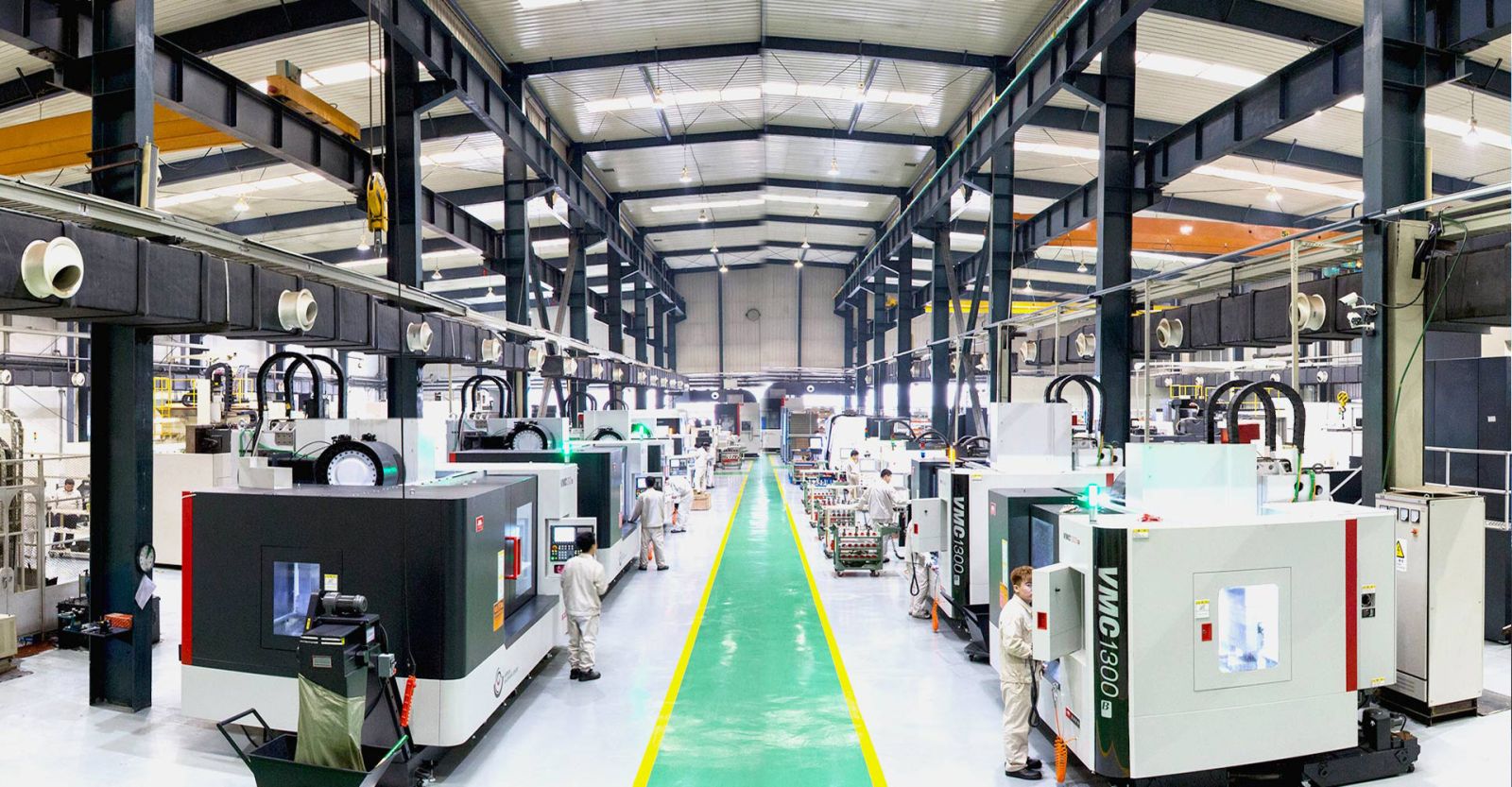
Our facility advantage: We operate the latest generation machining centers with adaptive control systems that automatically adjust parameters based on cutting forces, maintaining optimal conditions throughout the production cycle.
Forming and Fabrication Equipment:
-
CNC press brakes with precision angle measurement
-
Stretch forming capabilities for complex contours
-
Sheet metal fabrication with laser or waterjet cutting
-
Our specialized equipment: We've invested in proprietary tooling for common 2024-T3 aerospace components, reducing setup time and improving consistency.
Quality Control Infrastructure:
-
CMM (Coordinate Measuring Machine) inspection with volumetric accuracy certification
-
Surface finish measurement equipment
-
Non-destructive testing capabilities (fluorescent penetrant, eddy current, ultrasonic)
-
Our inspection laboratory: Accredited to ISO 17025, capable of performing all required verification internally for faster turnaround.
Technical Support and Engineering Expertise
The complexity of working with 2024-T3 aluminum demands supplier expertise:
Design for Manufacturability (DFM) Support:
-
Early engagement in the design process to optimize components for 2024-T3's characteristics
-
Value engineering to reduce cost without compromising performance
-
Our engineering team: Includes materials specialists with an average of 15+ years experience specifically with high-strength aluminum alloys.
Process Development Capability:
-
Custom machining strategy development for challenging geometries
-
Fixture design optimized for thin-walled 2024-T3 components
-
Our approach: We develop virtual machining simulations before cutting metal, identifying and resolving potential issues in the digital environment.
Problem-Solving Resources:
-
Metallurgical analysis for troubleshooting machining or performance issues
-
Finite element analysis (FEA) for stress optimization
-
Our advantage: In-house metallurgists who understand 2024-T3's behavior under various conditions.
Supply Chain Reliability and Flexibility
Considerations beyond technical capabilities:
Inventory Management:
-
Multiple mill sources to ensure supply continuity
-
Strategic inventory of common sizes and tempers
-
Our inventory system: Real-time tracking of material stocks with automatic replenishment triggers.
Lead Time Realism:
-
Transparent production scheduling
-
Rush capability for urgent requirements
-
Our production philosophy: We maintain dedicated capacity for 2024-T3 components rather than treating them as incidental production.
Scalability:
-
Capacity for both prototype quantities and production runs
-
Consistent quality regardless of batch size
-
Our facility layout: Separate cells for prototype/development work versus production runs, each optimized for their specific requirements.
Why Choose Our Manufacturing Services:
With over 30 years specializing in high-strength aluminum alloys, we've developed proprietary techniques for maximizing 2024-T3's performance while minimizing production challenges. Our aerospace certification (AS9100), dedicated 2024-T3 processing cell, and complete in-house capabilities from raw material to finished component provide a seamless solution for demanding applications.
Frequently Asked Questions About 2024-T3 Aluminum
Q1: Is 2024-T3 aluminum weldable for structural applications?
A: 2024-T3 is generally not recommended for welded structures due to its susceptibility to solidification cracking and significant strength reduction in the heat-affected zone. The T3 temper loses approximately 40-50% of its strength near welds, and this cannot be fully restored. For applications requiring joining, mechanical fastening or adhesive bonding are preferred. If welding is unavoidable, use 4043 or 4145 filler wire with proper preheat and post-weld heat treatment, but understand the strength limitations.
Q2: How does 2024-T3 compare to 2024-T4 aluminum?
A: Both share the same base chemistry but differ in temper. T4 is solution heat-treated and naturally aged, offering slightly lower strength (tensile ~62,000 psi vs. ~70,000 psi for T3) but better formability. T3 undergoes additional cold working after solution treatment, increasing strength but reducing formability. T4 is often used for components requiring extensive forming before final aging, while T3 is selected when maximum strength is needed without additional heat treatment.
Q3: What's the difference between clad and bare 2024-T3?
A: Clad 2024-T3 has a thin surface layer of pure aluminum or corrosion-resistant alloy (typically 1230 or 7072) bonded to the core material. This cladding provides significantly better corrosion resistance while maintaining the core's strength. Bare 2024-T3 offers maximum strength but requires protective coatings in corrosive environments. Clad material is standard for aerospace skins, while bare material may be used for internal structures where weight is critical and environment controlled.
Q4: Can 2024-T3 be heat treated after machining?
A: Additional heat treatment of 2024-T3 components is generally not recommended as it can cause distortion, reduce corrosion resistance, and may not significantly improve properties. The T3 temper represents an optimized condition. If different properties are needed, it's better to start with a different temper (O for forming, then heat treat to T6, for example). Stress relieving at 350°F for 1-2 hours can improve dimensional stability of complex machined parts without significantly altering mechanical properties.
Q5: What are the best practices for preventing corrosion on 2024-T3 components?
A: For bare 2024-T3: 1) Apply chromate conversion coating (Alodine) per MIL-DTL-5541, 2) Use epoxy primer and polyurethane topcoat, 3) Design to avoid moisture traps, 4) Use compatible fasteners to minimize galvanic corrosion. For maximum protection: specify clad material, or consider anodizing (Type I for minimal dimensional change, Type II for harder surfaces). In assembly, apply corrosion-inhibiting compounds at faying surfaces.
Q6: What are the typical tolerances achievable when machining 2024-T3?
A: With proper techniques: ±0.001" for linear dimensions, ±0.0005" for precision bores, 0.003" per inch for flatness on thin sections. Achieving tight tolerances requires understanding 2024-T3's characteristics: its relatively high coefficient of thermal expansion means temperature control during machining is critical, and residual stresses from the temper can cause distortion if not properly managed through symmetrical machining strategies.
Q7: How does 2024-T3 perform at elevated temperatures?
A: 2024-T3 begins to experience significant strength reduction above 250°F. At 350°F, tensile strength drops to approximately 75% of room temperature values; at 500°F, it retains only about 25%. For sustained high-temperature applications, consider 2219 or 2618 alloys. However, 2024-T3's room temperature properties are fully recoverable after brief exposure to temperatures up to 350°F, making it suitable for applications with intermittent thermal exposure.
Q8: What safety precautions are necessary when machining 2024-T3?
A: Key considerations: 1) Sharp chips can cause cuts—use proper chip control and handling procedures, 2) Aluminum dust can be explosive—maintain dust collection systems below explosive concentrations (typically below 30 g/m³), 3) Some coolants may react with aluminum—use specifically formulated products, 4) When grinding or polishing, aluminum particles can self-ignite—keep collections clean and separate from other metal fines.
Conclusion: Maximizing Performance with 2024-T3 Aluminum
2024-T3 aluminum represents one of the most capable and well-established high-strength aluminum alloys available to engineers and manufacturers. Its exceptional strength-to-weight ratio, proven fatigue performance, and decades of service history in demanding applications make it a reliable choice for aerospace, defense, and performance-critical industrial components.
The key to successfully implementing 2024-T3 lies in understanding its unique characteristics: its exceptional strength comes with specific machining requirements, its corrosion resistance needs proper management through coatings or cladding, and its joining characteristics favor mechanical fastening over welding. These considerations aren't limitations but rather parameters that, when properly addressed, lead to successful, long-performing components.
As search trends indicate sustained interest in "2024 t3 aluminum" and related terms, professionals continue to seek reliable information and capable manufacturing partners for this material. The approximately 810 monthly searches with a competitive $2.69 CPC reflect its ongoing importance across multiple industries.
Our Commitment to Excellence with 2024-T3:
we've built our reputation on mastering challenging materials like 2024-T3 aluminum. Our specialized expertise encompasses every aspect of working with this alloy—from selecting the optimal stock form and temper to implementing machining strategies that maximize tool life and surface quality, to applying protective finishes that ensure long-term performance.
We invite you to leverage our three decades of 2024-T3 experience for your next project. Whether you need:
-
Technical consultation on material selection and design optimization
-
Prototype development to validate your concept
-
Full-scale production with complete traceability
-
Emergency support for grounded aircraft or equipment
Our team stands ready to deliver solutions that meet your precise requirements while optimizing manufacturability and cost-effectiveness.
Take the Next Step:
-
Request a quotation for your 2024-T3 components with our rapid response system
-
Download our detailed technical guide to 2024 aluminum alloys
-
Schedule a manufacturing review of your designs with our engineering team
-
Visit our facility to see our 2024-T3 capabilities firsthand
-
Request material samples with your specified finishes for evaluation
Contact us today for a competitive quote and technical support!
Let Yichou help you achieve excellence in your next project. Whether you need raw materials, custom alloy solutions, or precision-manufactured components, our team is ready to assist.
- Email us: [email protected]
- Call us/whatsapp: +86 13355741031
- Chat with us: Live chat support available on our website