Keywords : 2507 super duplex stainless steel, 1.4410 stainless steel, S32750, super duplex 2507, 2507 stainless steel properties, duplex stainless steel manufacturer, 2507 vs 316, super duplex machining, 2507 corrosion resistance, duplex steel supplier, 2507 applications, super duplex welding, 2507 material supplier, UNS S32750, EN 1.4410, F53 stainless steel
Introduction to 2507 Super Duplex Stainless Steel
Super duplex stainless steel 2507 (UNS S32750, EN 1.4410) represents the pinnacle of modern duplex steel technology. With its exceptional combination of high strength, outstanding corrosion resistance, and excellent mechanical properties, 2507 has become the material of choice for demanding applications across multiple industries. As a leading manufacturer and supplier of 2507 super duplex stainless steel, we understand that material selection can make or break your project's success. This comprehensive guide will explore everything you need to know about 2507 stainless steel, from its fundamental properties to advanced machining techniques, helping you make informed decisions for your next project.
What Exactly is 2507 Super Duplex Stainless Steel?
Material Composition and Designations
2507 super duplex stainless steel is a ferritic-austenitic stainless steel characterized by a balanced microstructure of approximately 50% ferrite and 50% austenite. This dual-phase structure is achieved through precise control of chemical composition and heat treatment, resulting in properties that surpass those of conventional austenitic and ferritic stainless steels.
Primary Designations:
-
UNS S32750 – Unified Numbering System designation
-
EN 1.4410 – European standard designation
-
F53 – Common industry designation
-
2507 – Common name reflecting 25% chromium and 7% nickel content
-
SAF 2507 – Original trade name from its developer
Chemical Composition (Typical %):
-
Chromium (Cr): 24–26%
-
Nickel (Ni): 6–8%
-
Molybdenum (Mo): 3–4%
-
Nitrogen (N): 0.24–0.32%
-
Manganese (Mn): ≤1.2%
-
Silicon (Si): ≤0.8%
-
Carbon (C): ≤0.03%
-
Iron (Fe): Balance
This carefully balanced composition gives 2507 its remarkable properties. The high chromium and molybdenum content provide exceptional corrosion resistance, while nitrogen increases strength and improves resistance to pitting and crevice corrosion.
Comparative Analysis: 2507 vs. Other Stainless Steels
2507 vs. 316/316L (1.4401/1.4404)
The comparison between 2507 and 316 stainless steel is one of the most common inquiries we receive. While both are excellent materials, they serve different purposes:
Strength Comparison:
-
Yield Strength: 2507 (≥550 MPa) vs. 316 (≥205 MPa)
-
Tensile Strength: 2507 (≥800 MPa) vs. 316 (≥515 MPa)
Corrosion Resistance:
-
Pitting Resistance Equivalent Number (PREN):
-
2507: PREN ≥42
-
316: PREN 24–26
-
-
Chloride Stress Corrosion Cracking: 2507 offers superior resistance in chloride-containing environments
Cost-Benefit Analysis:
While 2507 has a higher initial material cost, its superior strength allows for thinner sections, potentially reducing overall component weight and cost. Its extended service life in aggressive environments often results in lower lifecycle costs.
2507 vs. 304 (A2/AISI 304)
304 stainless steel is an excellent general-purpose material, but 2507 outperforms it significantly in demanding applications:
Key Differences:
-
Corrosion Resistance: 2507 provides 2–3 times better pitting and crevice corrosion resistance
-
Strength: 2507 offers more than double the yield strength of 304
-
Chloride Environments: 2507 maintains integrity in high-chloride environments where 304 would fail
2507 vs. 410 Martensitic Stainless Steel
This comparison illustrates the difference between corrosion-focused and strength/hardness-focused materials:
Property Comparison:
-
Corrosion Resistance: 2507 significantly superior
-
Hardness: 410 can achieve higher hardness through heat treatment
-
Applications: 2507 for corrosive environments, 410 for wear resistance applications
2507 vs. 2205 Duplex Stainless Steel
Both are duplex stainless steels, but 2507 is the "super" grade with enhanced properties:
Enhanced Properties in 2507:
-
Higher chromium, molybdenum, and nitrogen content
-
PREN ≥42 vs. 2205's PREN 34–38
-
Superior corrosion resistance in aggressive environments
-
Higher strength across all temperature ranges
Material Properties of 2507 Super Duplex Stainless Steel
Mechanical Properties
Room Temperature Properties:
-
Yield Strength (0.2% offset): 550 MPa (min)
-
Tensile Strength: 800 MPa (min)
-
Elongation: 15% (min)
-
Hardness: 32 HRC (max)
-
Impact Toughness (Charpy V-notch): ≥80 J at -40°C
High-Temperature Performance:
2507 maintains excellent mechanical properties at elevated temperatures, with significant strength retention up to 300°C. This makes it suitable for heat exchangers, furnace components, and other high-temperature applications.
Corrosion Resistance Properties
Pitting and Crevice Corrosion:
With a PREN value exceeding 42, 2507 offers exceptional resistance to pitting and crevice corrosion, particularly in chloride-containing environments. This makes it ideal for:
-
Seawater applications
-
Chemical processing
-
Offshore oil and gas platforms
Stress Corrosion Cracking (SCC):
2507 exhibits excellent resistance to chloride-induced stress corrosion cracking, a common failure mode for standard austenitic stainless steels in chloride environments.
General Corrosion:
The material shows excellent resistance to a wide range of acids, including sulfuric, phosphoric, and organic acids, though performance should be verified for specific concentrations and temperatures.
Physical Properties
Density: 7.8 g/cm³
Thermal Expansion Coefficient: 13.7 μm/m·°C (20–100°C)
Thermal Conductivity: 19 W/m·K (at 100°C)
Magnetic Properties: Ferromagnetic due to ferritic phase
Machining and Manufacturing 2507 Super Duplex
Is Super Duplex Hard to Machine?
One of the most frequent questions we encounter is about the machinability of 2507. While super duplex stainless steels present machining challenges, they are absolutely manageable with proper techniques and tooling.
Machinability Rating: Approximately 40% of that for free-machining steels
Key Challenges:
-
High Strength: Requires more powerful equipment
-
Work Hardening: Tends to work-harden rapidly
-
Tool Wear: Abrasive microstructure accelerates tool wear
Best Practices for Machining 2507
Tool Selection:
-
Tool Material: Premium carbide grades with PVD coatings
-
Geometry: Positive rake angles, sharp cutting edges
-
Rigidity: Maximum tool and workpiece rigidity essential
Cutting Parameters:
-
Maintain consistent, moderate feeds and speeds
-
Use ample coolant for heat dissipation
-
Avoid dwelling or light cuts that promote work hardening
Our Manufacturing Capabilities:
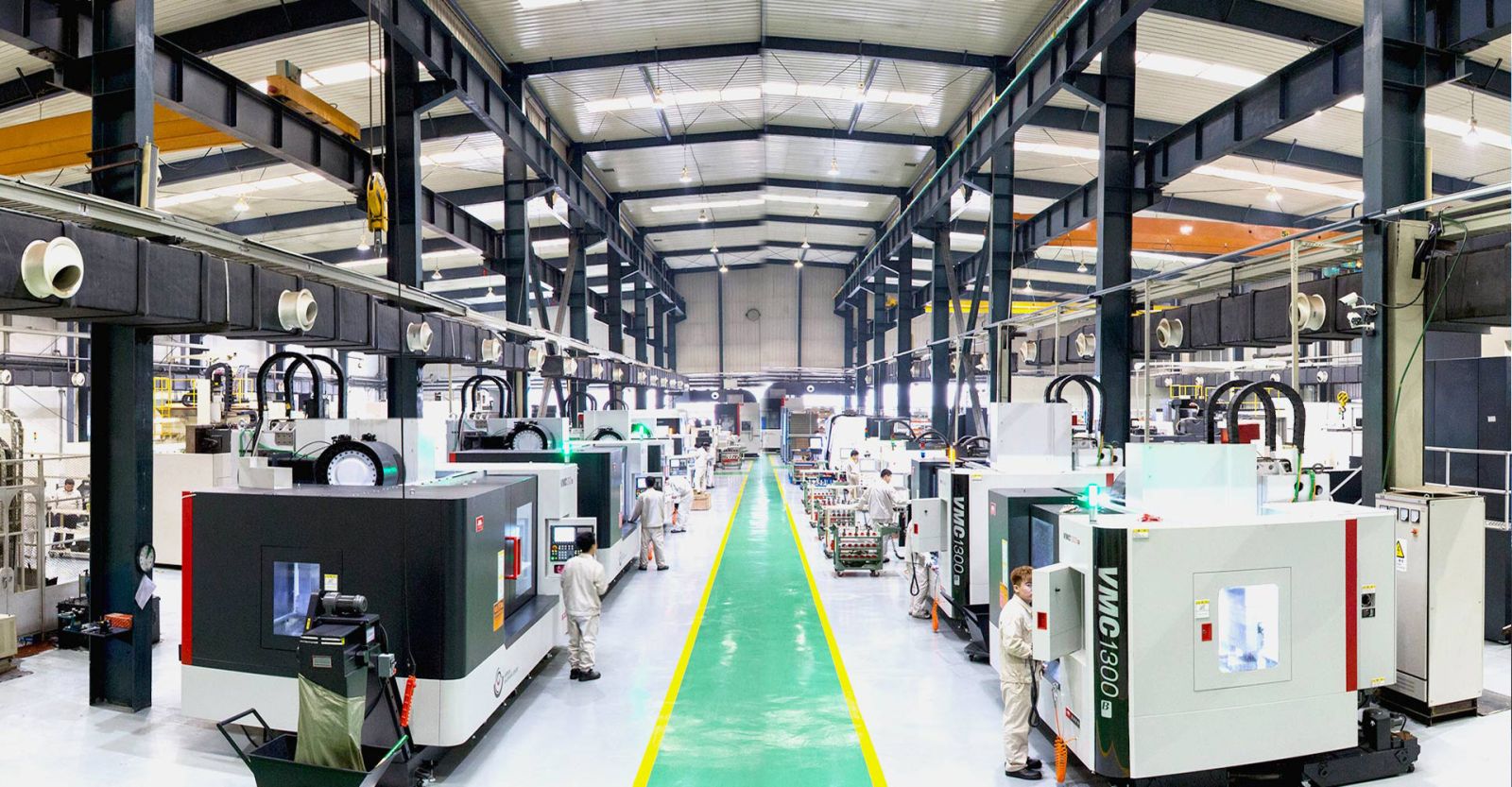
As specialized manufacturers of 2507 components, we offer comprehensive services including:
-
Precision CNC machining
-
Turning, milling, and drilling
-
Cutting (plasma, laser, waterjet)
-
Forming and bending
-
Welding and fabrication
-
Surface treatment and finishing
Welding 2507 Super Duplex
Recommended Filler Materials:
-
ER2594 for most applications
-
Matching composition essential to maintain corrosion resistance
Welding Considerations:
-
Maintain balanced ferrite-austenite ratio in weld metal
-
Control heat input to avoid detrimental phase formation
-
Post-weld cleaning essential for corrosion resistance
Applications of 2507 Super Duplex Stainless Steel
Oil and Gas Industry
Subsea Components:
-
Christmas trees and wellheads
-
Flowlines and pipelines
-
Manifolds and valves
Processing Equipment:
-
Pressure vessels
-
Heat exchangers
-
Separators and scrubbers
The combination of high strength and chloride corrosion resistance makes 2507 ideal for both offshore and sour service applications.
Marine and Offshore
Seawater Systems:
-
Pumps and valves
-
Heat exchangers and condensers
-
Desalination plant components
Structural Components:
-
Fasteners and fittings
-
Propeller shafts
-
Offshore platform components
Chemical Processing
Equipment:
-
Reactors and pressure vessels
-
Piping systems
-
Storage tanks for aggressive chemicals
The resistance to a wide range of corrosive chemicals, combined with high strength, makes 2507 suitable for demanding chemical processing environments.
Power Generation
Applications:
-
Flue gas desulfurization systems
-
Condensers and heat exchangers
-
Geothermal and biomass power components
Pulp and Paper Industry
Equipment:
-
Digesters and bleaching equipment
-
Stock preparation systems
-
Chemical recovery units
Why Choose Our 2507 Super Duplex Solutions?
Material Supply Excellence
Comprehensive Product Range:
-
Sheets and plates (thickness: 0.5mm to 150mm)
-
Bars and rods (diameter: 1mm to 500mm)
-
Tubes and pipes (seamless and welded)
-
Custom profiles and forgings
Quality Assurance:
-
Full traceability from melt to final product
-
Mill test certificates (EN 10204 3.1/3.2)
-
Third-party inspection available
-
Compliance with international standards (ASTM, EN, NACE)
Manufacturing Expertise
Advanced Capabilities:
-
State-of-the-art CNC machining centers
-
Precision measuring equipment
-
Non-destructive testing facilities
-
Heat treatment and surface finishing
Custom Solutions:
-
Engineering support from design to production
-
Prototype development
-
Just-in-time delivery
-
Complete assembly and testing
Industry Certifications
-
ISO 9001:2015 Quality Management
-
ASME Pressure Vessel Certification
-
NORSOK compliance for oil and gas applications
-
CE marking for European market
Frequently Asked Questions (FAQ)
Q1: Is 1.4410 the same as 2507 stainless steel?
A: Yes, EN 1.4410 is the European standard designation for what is commonly called 2507 super duplex stainless steel (UNS S32750).
Q2: What is the difference between standard duplex and super duplex?
A: Super duplex grades like 2507 have higher alloy content (Cr, Mo, N) resulting in PREN values ≥40, compared to standard duplex (PREN 28–38). This provides superior corrosion resistance, particularly in aggressive chloride environments.
Q3: Is super duplex better than 316 stainless steel?
A: In corrosive environments, particularly those containing chlorides, 2507 super duplex significantly outperforms 316. It offers approximately double the yield strength and much better resistance to pitting, crevice corrosion, and stress corrosion cracking.
Q4: What is the yield strength of S32750/2507?
A: The minimum yield strength (0.2% offset) for 2507 is 550 MPa (80 ksi), significantly higher than standard austenitic stainless steels.
Q5: Is 2507 hard to machine?
A: While more challenging than standard stainless steels due to its high strength and work-hardening tendency, 2507 is readily machinable with proper techniques, tooling, and parameters. Our expertise ensures efficient, precise machining of 2507 components.
Q6: Can you supply 2507 in custom sizes and forms?
A: Absolutely. We specialize in providing 2507 super duplex stainless steel in various forms including sheet, plate, bar, tube, and custom-fabricated components tailored to your specifications.
Q7: What is the maximum service temperature for 2507?
A: 2507 maintains excellent properties up to approximately 300°C (572°F). Above this temperature, gradual reduction in corrosion resistance occurs, though mechanical properties remain good to higher temperatures.
Q8: How does 2507 compare to 2205 duplex?
A: 2507 offers approximately 25% higher yield strength and significantly better corrosion resistance (PREN ≥42 vs. 34–38 for 2205), making it suitable for more aggressive environments.
Q9: Is 2507 magnetic?
A: Yes, 2507 is ferromagnetic due to its approximately 50% ferritic microstructure.
Q10: What industries most commonly use 2507 super duplex?
A: The primary industries are oil and gas (particularly offshore), chemical processing, marine and shipbuilding, desalination, and pulp and paper manufacturing.
Technical Insights: Advanced Topics
Heat Treatment of 2507
Solution Annealing:
-
Temperature range: 1020–1100°C (1868–2012°F)
-
Rapid cooling essential to avoid detrimental phase formation
-
Typically water quenched
Phase Balance Control:
Maintaining the optimal ferrite-austenite balance (typically 40–60% ferrite) is crucial for achieving the desired combination of properties. Our heat treatment processes ensure consistent phase balance throughout components.
Welding Metallurgy Considerations
Intermetallic Phase Formation:
-
Sigma phase forms between 600–950°C
-
Chi phase forms between 700–900°C
-
Both phases reduce toughness and corrosion resistance
Optimal Welding Practices:
-
Control heat input (0.5–1.5 kJ/mm)
-
Maintain interpass temperature below 150°C
-
Use appropriate filler metals (typically overalloyed)
Corrosion Testing and Validation
Standard Tests:
-
ASTM G48 Method A (Ferric Chloride Pitting Test)
-
ASTM G48 Method B (Ferric Chloride Crevice Test)
-
ASTM G36 (Boiling Magnesium Chloride SCC Test)
Critical Pitting Temperature (CPT): Typically ≥70°C for 2507
Critical Crevice Temperature (CCT): Typically ≥45°C for 2507
Cost-Benefit Analysis: When to Choose 2507
Lifecycle Cost Considerations
While 2507 has a higher initial cost than standard stainless steels, its lifecycle cost is often lower due to:
Extended Service Life:
-
Reduced maintenance and replacement frequency
-
Less downtime for repairs
-
Longer intervals between inspections
Design Advantages:
-
Higher strength allows thinner sections
-
Weight reduction in structural applications
-
Smaller, more efficient components
Application-Specific Recommendations
Choose 2507 when:
-
Operating in chloride-containing environments
-
High strength-to-weight ratio is critical
-
Exposure to sour service (H₂S) conditions
-
Temperature ranges between -50°C to 300°C
-
Combining mechanical loading with corrosion
Consider alternatives when:
-
Operating in non-aggressive environments
-
Very high temperatures (>300°C continuous)
-
Extreme cryogenic applications (<-50°C)
-
Cost constraints outweigh performance benefits
Future Trends in Super Duplex Applications
Emerging Applications
Renewable Energy:
-
Offshore wind turbine components
-
Tidal and wave energy systems
-
Geothermal energy extraction
Environmental Technology:
-
Advanced desalination membranes
-
Wastewater treatment systems
-
Flue gas cleaning equipment
Advanced Manufacturing:
-
Additive manufacturing powders
-
High-performance automotive components
-
Aerospace applications
Material Development
Next-Generation Super Duplex:
-
Enhanced nitrogen grades for even higher strength
-
Improved weldability variants
-
Cost-optimized compositions for specific applications
Conclusion: Why Partner with Us for Your 2507 Needs?
2507 super duplex stainless steel represents a remarkable engineering material that solves complex challenges in aggressive environments. Its unique combination of properties – exceptional corrosion resistance, high strength, good fabricability, and cost-effectiveness over the lifecycle – makes it an invaluable material for demanding applications.
As specialists in 2507 super duplex stainless steel, we offer more than just material supply. We provide comprehensive solutions:
Complete Material Expertise:
-
Technical guidance on material selection
-
Application-specific recommendations
-
Failure analysis and troubleshooting
End-to-End Manufacturing:
-
From raw material to finished component
-
Quality assurance at every step
-
On-time delivery guaranteed
Ongoing Support:
-
Post-installation technical support
-
Maintenance and repair services
-
Inventory management programs
Whether you're designing a new system, replacing failing components, or optimizing existing equipment, 2507 super duplex stainless steel might be your ideal solution. With our expertise and manufacturing capabilities, we can help you leverage this exceptional material to its fullest potential.
Ready to explore how 2507 super duplex stainless steel can enhance your project? Contact our technical team today for:
-
Material selection advice
-
Competitive quotations
-
Technical datasheets
-
Sample materials for testing
-
Manufacturing consultations
We're committed to providing not just materials, but solutions that ensure the success of your most challenging projects.
Contact us today for a competitive quote and technical support!
Let Yichou help you achieve excellence in your next project. Whether you need raw materials, custom alloy solutions, or precision-manufactured components, our team is ready to assist.
- Email us: [email protected]
- Call us/whatsapp: +86 13355741031
- Chat with us: Live chat support available on our website