Introduction
In the world of high-performance alloys, few materials have garnered as much attention and prestige as 904L stainless steel. Known in technical specifications as UNS N08904 or 1.4539, this super austenitic stainless steel has transitioned from specialized industrial applications to becoming a symbol of luxury and durability in consumer products, most notably in premium watchmaking.
But what exactly is 904L steel, and why has it become the material of choice for industries demanding uncompromising corrosion resistance and longevity? More importantly, is it the right material for your project?
At [Your Company Name], we've spent years specializing in the supply and precision machining of 904L stainless steel, serving industries ranging from chemical processing to luxury manufacturing. This comprehensive guide will explore everything you need to know about this remarkable alloy, addressing the most common questions we receive from engineers, designers, and procurement specialists.
What Makes 904L Stainless Steel 1.4539 material So Special?
Chemical Composition: The Foundation of Performance
904L stainless steel's exceptional properties stem from its carefully balanced chemical composition:
-
Chromium (19-23%): Provides basic corrosion resistance and surface stability
-
Nickel (23-28%): Enhances austenitic structure and corrosion resistance in reducing environments
-
Molybdenum (4-5%): Crucial for resistance to pitting and crevice corrosion
-
Copper (1-2%): Unique addition that improves resistance to sulfuric acid
-
Low Carbon Content (<0.02%): Minimizes carbide precipitation during welding
This specific combination creates a material with outstanding resistance to a wide range of corrosive environments, particularly those containing chlorides, sulfuric acid, phosphoric acid, and other aggressive chemicals that would rapidly degrade standard stainless steels.
The Microstructural Advantage
904L's high nickel and chromium content ensures a fully austenitic microstructure, which provides:
-
Excellent toughness even at cryogenic temperatures
-
Good mechanical properties across a wide temperature range
-
Non-magnetic characteristics in all conditions
-
Superior ductility and formability compared to ferritic or martensitic steels
904L vs. 316L: The Ultimate Comparison
One of the most frequent questions we encounter is whether to choose 904L or the more common 316L stainless steel. Let's examine this comparison in detail:
Corrosion Resistance: The Defining Difference
| Environment | 316L Performance | 904L Performance | Advantage |
|---|---|---|---|
| Seawater | Moderate resistance, may pit | Excellent resistance | 904L |
| Sulfuric Acid (dilute) | Poor to moderate | Excellent resistance | 904L |
| Phosphoric Acid | Good | Excellent | 904L |
| Chloride Solutions | Prone to stress corrosion cracking | Highly resistant | 904L |
| Organic Acids | Good | Excellent | 904L |
| Atmospheric | Excellent | Excellent | Equal |
The superior corrosion resistance of 904L comes primarily from its higher molybdenum and nickel content, plus the addition of copper. In practical terms, 904L can withstand environments that would cause 316L to fail within months or even weeks.
Mechanical Properties Comparison
| Property | 316L | 904L | Practical Implication |
|---|---|---|---|
| Tensile Strength | 485 MPa min | 490 MPa min | Comparable strength |
| Yield Strength | 170 MPa min | 220 MPa min | 904L offers 30% higher yield strength |
| Elongation | 40% min | 35% min | 316L is slightly more ductile |
| Hardness (Brinell) | 217 max | 220 max | Very similar |
Cost Analysis
Here's where many projects face a critical decision point:
-
Material Cost: 904L typically costs 2-3 times more than 316L
-
Machining Cost: 904L is more difficult to machine, adding approximately 20-40% to machining costs
-
Lifecycle Cost: In corrosive environments, 904L's longevity often makes it more economical over 10+ years
When to Choose Each Material
Choose 316L when:
-
The environment is mildly corrosive
-
Budget constraints are significant
-
You need maximum formability and weldability
-
The application doesn't justify premium material costs
Choose 904L when:
-
Operating in seawater, chemical processing, or pollution control systems
-
Equipment failure would cause safety hazards or expensive downtime
-
You need to minimize maintenance in inaccessible locations
-
The application demands prestige and perceived quality (luxury goods)
Common Questions About 904L Steel (Detailed FAQ)
Does 904L steel scratch easily?
This question arises frequently, particularly from watch enthusiasts. The short answer is: 904L is comparable to other austenitic stainless steels in scratch resistance.
Technical Explanation:
Scratch resistance primarily depends on material hardness, measured on scales like Vickers (HV) or Rockwell. 904L typically has a hardness of 70-90 HRB (Rockwell B), which is similar to 316L. While harder than pure gold or silver, it's softer than tool steels or ceramics.
Why the confusion?
The perception that Rolex watches (which use 904L) scratch easily comes from several factors:
-
Mirror polishing: Luxury watches are often highly polished, making scratches more visible
-
Daily wear expectations: People notice scratches more on expensive items
-
Comparison to coatings: Uncoated stainless steel will show wear more than PVD-coated materials
Our machining perspective:
When machining 904L, we use specialized tooling to achieve the desired surface finish. For applications where scratch resistance is critical, we often recommend:
-
Appropriate surface finishes (brushed hides scratches better than polished)
-
Proper hardening treatments when feasible
-
Realistic expectations based on application
Does 904L rust?
This is perhaps the most misunderstood aspect of stainless steels. Let's clarify:
904L is highly corrosion resistant but NOT rust-proof.
The science behind corrosion resistance:
Stainless steels resist corrosion through a passive chromium oxide layer that forms on the surface. 904L's high chromium, molybdenum, and nickel content makes this layer exceptionally stable and self-repairing.
When can 904L corrode?
-
Extreme chloride environments: While resistant, prolonged exposure to concentrated chlorides at high temperatures can cause pitting
-
Crevice corrosion: In tight, oxygen-depleted spaces where the passive layer can't reform
-
Galvanic corrosion: When in contact with less noble metals in conductive fluids
-
High-temperature oxidation: Above certain temperatures, all stainless steels will oxidize
Real-world performance:
In marine environments, 904L significantly outperforms 316L. Where 316L might show pitting within months, 904L can often last decades with minimal corrosion. Our clients in offshore applications report 904L components lasting 3-5 times longer than 316L equivalents.
Is 904L magnetic?
904L is generally non-magnetic in all conditions.
This non-magnetic property stems from its fully austenitic structure. Unlike some stainless steels that can become slightly magnetic after cold working, 904L maintains its non-magnetic characteristics even after significant deformation.
Practical implications:
-
Ideal for medical equipment (MRI compatibility)
-
Important in scientific instruments
-
Preferred in electronics where magnetic interference must be avoided
-
No magnetic attraction in daily use (watches, jewelry)
What are the disadvantages of 904L steel?
While we champion 904L for appropriate applications, honesty about its limitations is crucial:
-
Higher Cost: The most significant drawback, with material costs 2-3× higher than 316L
-
Machining Difficulties:
-
Higher work hardening rate requires specialized tooling
-
Generates more heat during machining
-
Requires rigid machine setups and optimal cutting parameters
-
-
Limited Availability: Not as widely stocked as 316L, potentially longer lead times
-
Over-Engineering Risk: Using 904L where 316L would suffice wastes resources
-
Welding Challenges: Requires more careful control to maintain corrosion resistance
Which watch brands use 904L?
904L gained fame through Rolex, but it's not exclusive to them:
Primary Users:
-
Rolex: All steel models since 2003 (introduced gradually from 1988)
-
Tudor: Selected models, particularly in the Black Bay line
-
Richard Mille: In some limited edition pieces
Why luxury watches use 904L:
-
Marketing advantage: "Better than standard watch steel"
-
Superior finishing: Takes a higher polish than 316L
-
Corrosion resistance: Important for diving watches
-
Prestige factor: Aligns with luxury positioning
Our industrial perspective:
While watch brands emphasize 904L's virtues, it's worth noting that for most terrestrial environments, 316L would provide perfectly adequate corrosion resistance for watches. The choice is often as much about marketing as material science.
When did Rolex start using 904L steel?
Rolex's adoption of 904L represents an interesting case study in material migration:
Timeline:
-
1985: Rolex begins researching 904L for watch cases
-
1988: First use in the Sea-Dweller 16600 reference
-
1990s: Gradual expansion to other professional models
-
2003: Complete transition across all steel models
-
Present: 904L (now branded as "Oystersteel") is standard for all steel Rolex watches
Why Rolex made the switch:
-
Differentiation: Needed a material story to justify premium positioning
-
Actual performance benefits: Better polish, slightly higher hardness
-
Production capability: Rolex invested in specialized tooling to machine 904L efficiently
-
Brand narrative: Supported "tool watch" heritage with superior material
Applications of 904L Stainless Steel
Industrial Applications
Chemical Processing Industry:
-
Reactors and pressure vessels handling sulfuric and phosphoric acids
-
Heat exchangers in corrosive environments
-
Piping systems for chemical transport
-
Pollution control equipment in scrubbers
Marine and Offshore:
-
Boat fittings and hardware for luxury yachts
-
Offshore platform components
-
Desalination plant equipment
-
Subsea connectors and hardware
Pharmaceutical:
-
Bioreactors and fermentation tanks
-
High-purity water systems
-
Process piping for active pharmaceutical ingredients
Pulp and Paper Industry:
-
Bleaching equipment
-
Chemical recovery systems
-
Digester components
Consumer and Luxury Applications
Watchmaking:
-
Watch cases and bracelets
-
Case backs
-
Crowns and pushers
Medical Devices:
-
Surgical instruments (particularly for MRI compatibility)
-
Implantable device components
-
Diagnostic equipment housings
High-End Architecture:
-
Coastal building facades
-
Luxury interior fittings
-
Marine-facing structures
Jewelry:
-
High-end stainless steel jewelry
-
Wedding bands and luxury accessories
-
Watch components beyond cases
Machining 904L Steel: Challenges & Expert Solutions
As specialists in 904L machining, we've developed proprietary approaches to overcome its processing challenges:
Key Machining Challenges
-
Work Hardening: 904L work-hardens rapidly, making successive cuts increasingly difficult
-
Tool Wear: The material's abrasiveness and tendency to gall accelerates tool wear
-
Heat Generation: Poor thermal conductivity causes heat to concentrate at the cutting edge
-
Chip Control: Long, stringy chips can interfere with machining operations
-
Surface Finish: Achieving mirror finishes requires specialized techniques
Our Machining Methodology
Tool Selection Strategy:
-
Carbide grades: Specifically designed for austenitic stainless steels
-
Coatings: TiAlN or AlCrN coatings for heat resistance
-
Geometry: Positive rake angles and sharp cutting edges
-
Rigidity: Maximum tool rigidity to minimize deflection
Optimal Cutting Parameters:
-
Speed: Moderate surface speeds (80-120 m/min for turning)
-
Feed: Consistent, adequate feed rates to work beneath hardened layers
-
Depth of Cut: Sufficient to prevent rubbing and additional work hardening
-
Coolant: High-pressure, high-volume coolant delivery
Specialized Techniques:
-
Trochoidal milling: For pockets and complex geometries
-
High-pressure coolant: Through-tool delivery where possible
-
Adaptive toolpaths: CAM programming that maintains constant chip load
-
Vibration damping: Advanced toolholders and machine techniques
Welding 904L: Critical Considerations
Proper welding is essential to maintain 904L's corrosion resistance:
Filler Material Selection:
-
Overmatching composition with nickel-based fillers often recommended
-
AWS A5.14 ER385 or equivalent for most applications
-
Controlled ferrite content in weld metal
Welding Parameters:
-
Low heat input to minimize carbide precipitation
-
Interpass temperature control (<100°C)
-
Back purging for complete joint penetration welds
Post-Weld Treatment:
-
Pickling to restore passive layer
-
Passivation when required
-
Stress relief for critical applications
Why Choose YICHOU for Your 904L Stainless Steel 1.4539 material Steel Needs
Our Material Expertise
We're not just another machining shop. Our specialization in 904L gives us unique advantages:
Supply Chain Excellence:
-
Direct relationships with premier mills
-
Comprehensive material certification (3.1 Mill certificates)
-
Traceability from melt to finished part
-
Inventory management for optimal lead times
Technical Support:
-
Material selection guidance
-
Design for manufacturability consultation
-
Application-specific recommendations
-
Failure analysis and troubleshooting
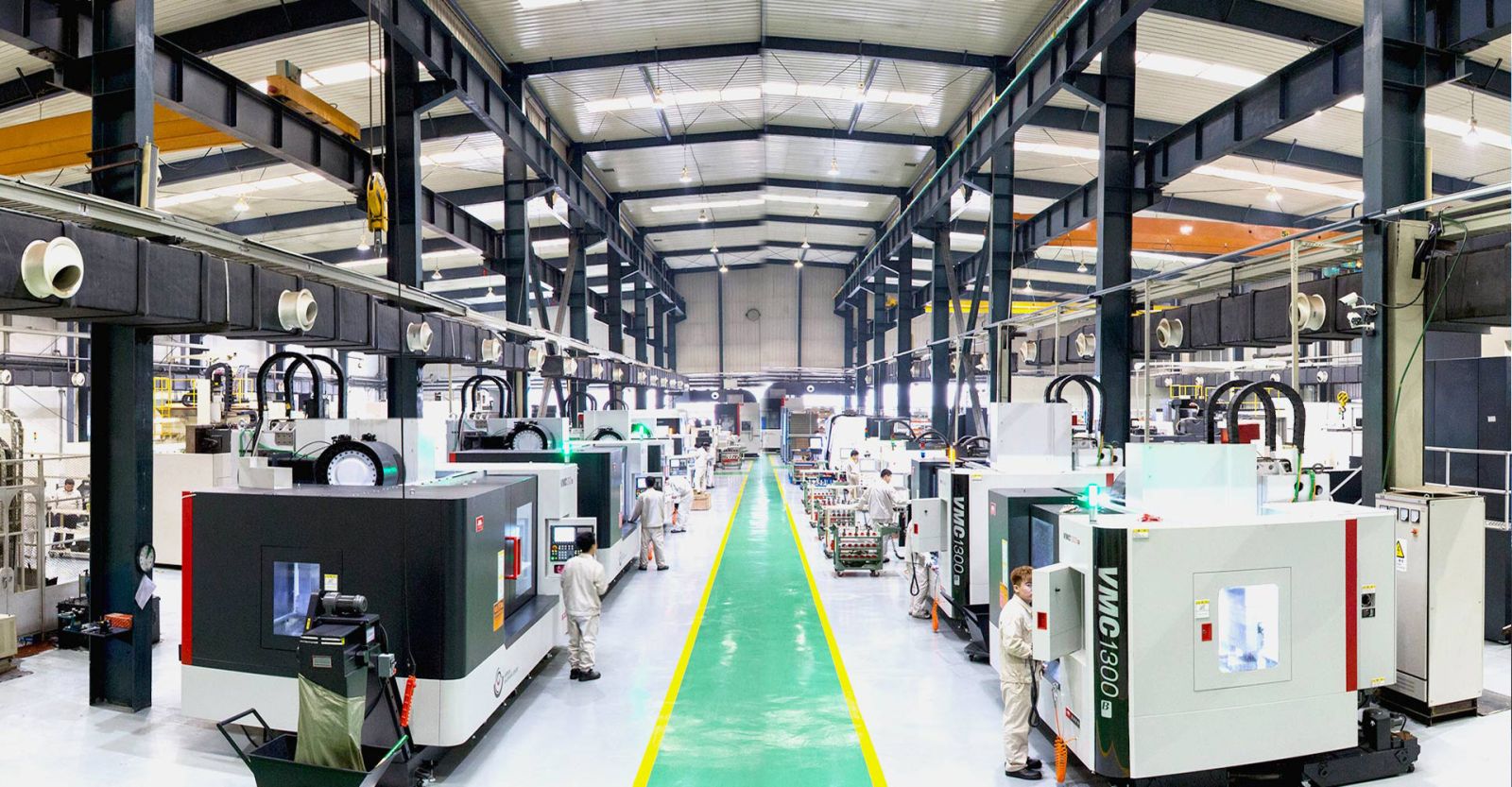
Precision Machining Capabilities
Advanced Equipment:
-
5-axis CNC machining centers
-
Swiss-type lathes for complex turned parts
-
High-speed milling for optimal surface finishes
-
CMM and advanced metrology equipment
Quality Assurance:
-
ISO 9001:2015 certified quality system
-
First article inspection reports
-
Statistical process control
-
Material composition verification
Value-Added Services:
-
Complete heat treatment capabilities
-
Specialized surface finishing (polishing, brushing, bead blasting)
-
Non-destructive testing
-
Assembly and final inspection
Industry-Specific Experience
Chemical Processing:
-
Seamless transitions from 316L to 904L for upgraded equipment
-
ASME code compliance for pressure vessels
-
Corrosion testing and validation
Luxury Goods Manufacturing:
-
Micro-tolerances for watch components
-
Mirror polishing to jewelry standards
-
Confidentiality and IP protection
Marine Applications:
-
Salt spray testing validation
-
Coatings compatibility expertise
-
ASTM and NORSOK compliance
The Future of 904L and Advanced Stainless Steels
Material Development Trends
While 904L represents a high point in stainless steel development, material science continues to advance:
Duplex Stainless Steels:
-
Combining austenitic and ferritic structures
-
Higher strength with good corrosion resistance
-
Cost-effective alternatives for some applications
Hyper-Duplex Grades:
-
Even higher corrosion resistance
-
Exceptional strength
-
Specialized applications only
Additive Manufacturing:
-
904L powder for 3D printing
-
Complex geometries not possible with machining
-
Reduced material waste
Sustainability Considerations
904L offers environmental advantages:
-
Longevity: Reduced replacement frequency
-
Recyclability: Fully recyclable at end of life
-
Efficiency: Often enables thinner sections, reducing material use
-
Lifecycle analysis: Often favorable despite higher initial cost
Cost Trends and Availability
As manufacturing processes improve:
-
Production costs are gradually decreasing
-
Availability is improving as demand increases
-
More suppliers are offering 904L in various forms
-
Competition is beginning to affect pricing
Conclusion: Is 904L Right for Your Application?
904L stainless steel represents the pinnacle of corrosion resistance for austenitic stainless steels. Its combination of chromium, nickel, molybdenum, and copper creates a material capable of withstanding environments that would rapidly degrade lesser alloys.
Decision Framework
When evaluating whether 904L is appropriate for your project, consider:
-
Environmental Severity: Is the corrosion aggressive enough to justify premium material?
-
Consequences of Failure: What are the safety, environmental, or financial impacts of failure?
-
Total Cost of Ownership: Does the extended service life justify higher initial costs?
-
Technical Requirements: Do you need the specific properties only 904L provides?
-
Value Perception: In consumer products, does the material choice support brand positioning?
Our Commitment
we bridge the gap between material science and practical application. Whether you need:
-
Technical consultation on material selection
-
High-quality 904L raw materials with full certification
-
Precision machining of complex components
-
Complete fabrication of equipment or assemblies
We provide solutions based on decades of specialized experience with 904L and other high-performance alloys.
Next Steps
-
Contact our technical team for application-specific advice
-
Request material samples for your testing and evaluation
-
Download our 904L Machining Guide for detailed technical information
-
Submit drawings for a competitive quotation on your project
904L stainless steel isn't just a material—it's a solution to some of industry's most challenging corrosion problems. When specified and processed correctly, it delivers unparalleled performance and value.
Contact us today for a competitive quote and technical support!
Let Yichou help you achieve excellence in your next project. Whether you need raw materials, custom alloy solutions, or precision-manufactured components, our team is ready to assist.
- Email us: [email protected]
- Call us/whatsapp: +86 13355741031
- Chat with us: Live chat support available on our website