In the world of advanced materials, few alloys command as much respect and demand as platinum iridium. This exceptional blend of two of Earth's most precious and performance-driven metals represents the pinnacle of material science for critical applications. As a specialized platinum iridium processing manufacturer, we understand the profound impact this material has across industries where failure is not an option. This comprehensive guide explores every facet of platinum iridium alloys—from their fundamental properties to their sophisticated manufacturing processes—and reveals why they remain indispensable in pushing the boundaries of technology, medicine, and industry.
Introduction: The Unmatched Alliance of Two Noble Metals
Platinum and iridium, both members of the platinum group metals (PGMs), are renowned individually for their remarkable characteristics. Platinum boasts exceptional catalytic properties, outstanding corrosion resistance, and stable electrical characteristics. Iridium, one of the densest and most corrosion-resistant elements known, adds incredible hardness, wear resistance, and thermal stability. When combined, they create an alloy that transcends the capabilities of either metal alone.
The synergy between platinum and iridium isn't merely additive—it's transformative. The resulting alloy maintains the excellent corrosion resistance and workability of platinum while gaining the formidable strength, durability, and high-temperature performance of iridium. This makes platinum iridium the material of choice for applications subjected to extreme environments, mechanical stress, chemical exposure, and where long-term reliability is paramount.
For decades, industries ranging from aerospace to cardiology have depended on platinum iridium components to achieve performance benchmarks otherwise unattainable with conventional materials. As manufacturing specialists, we bridge the gap between raw material potential and engineered reality, transforming platinum iridium alloys into precision components that power innovation.
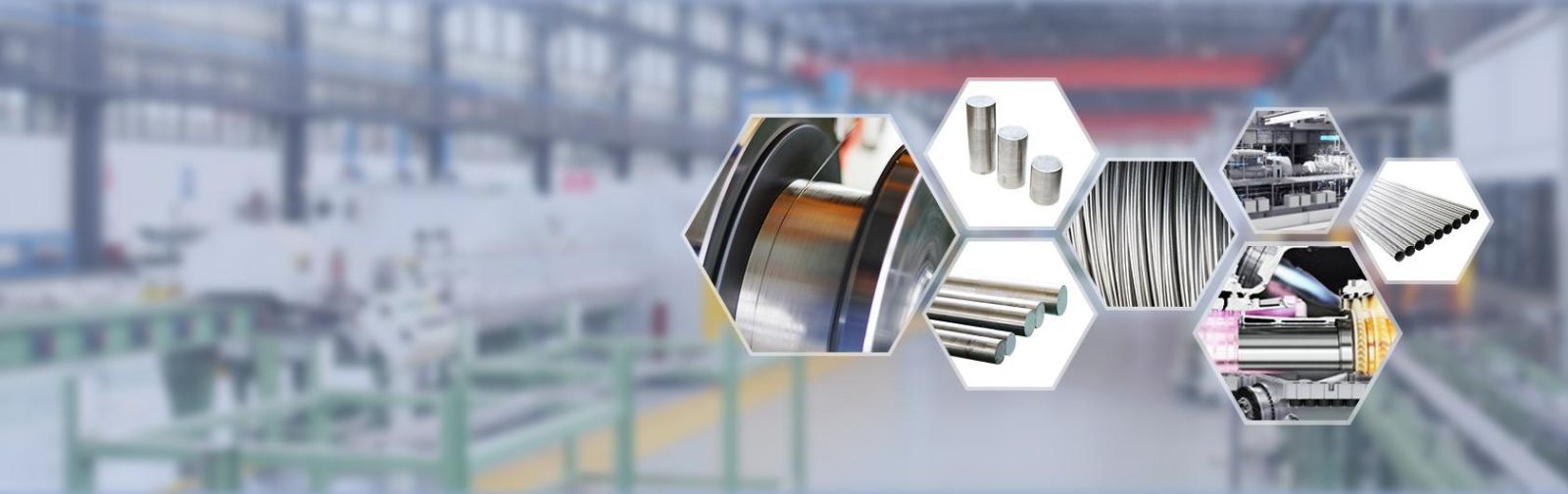
What Exactly is Platinum Iridium Alloy?
Composition and Metallurgical Fundamentals
Platinum iridium alloys typically contain between 5% and 30% iridium by weight, with specific grades optimized for different applications. The most common commercial grades include:
-
PtIr10: 10% iridium, 90% platinum — A versatile grade balancing workability and performance
-
PtIr20: 20% iridium, 80% platinum — Enhanced hardness and wear resistance
-
PtIr30: 30% iridium, 70% platinum — Maximum hardness and high-temperature capability
The alloy forms a solid solution, with iridium atoms integrating into platinum's face-centered cubic crystal structure. This integration creates lattice strain that significantly increases hardness and tensile strength without substantially compromising ductility until higher iridium concentrations.
Key Physical and Mechanical Properties
What truly sets platinum iridium apart is its extraordinary combination of properties:
-
Exceptional Hardness and Wear Resistance
-
Vickers hardness ranging from 120 HV (PtIr5) to over 300 HV (PtIr30)
-
Superior wear resistance compared to pure platinum or gold alloys
-
Maintains surface integrity under repeated mechanical contact
-
-
Outstanding Corrosion Resistance
-
Virtually inert to single acids, including hydrochloric, nitric, and sulfuric acids
-
Resistant to most organic and inorganic compounds
-
Exceptional performance in saline and oxidizing environments
-
-
High-Temperature Stability
-
Melting points exceeding 1770°C (3220°F)
-
Minimal oxidation or degradation at elevated temperatures
-
Maintains mechanical properties in thermal cycling environments
-
-
Excellent Electrical Characteristics
-
Low and stable contact resistance
-
Good electrical conductivity combined with arc erosion resistance
-
Reliable performance in both low-current and high-current applications
-
-
Biocompatibility
-
Non-toxic and non-allergenic in medical applications
-
Excellent tissue compatibility for long-term implants
-
Resists biological fluid corrosion
-
Comparison with Alternative Materials
When compared to other platinum alloys or alternative materials, platinum iridium stands apart:
-
Versus Pure Platinum: 3-5 times greater hardness, significantly improved wear resistance
-
Versus Platinum-Rhodium: Better corrosion resistance in certain environments, superior high-temperature strength
-
Versus Titanium Medical Alloys: Superior radiopacity for imaging, better electrochemical stability
-
Versus Tungsten Heavy Alloys: Better corrosion resistance, easier to machine to precision tolerances
Critical Applications: Where Platinum Iridium Excels
Medical and Healthcare Applications
The medical field represents one of the most demanding applications for platinum iridium alloys, where material performance directly impacts patient outcomes.
Cardiac Rhythm Management
-
Pacemaker Electrodes: Platinum iridium's biocompatibility and excellent electrical properties make it ideal for pacing leads. The alloy provides stable, low-resistance electrical interfaces that must function reliably for decades within the corrosive environment of the human body.
-
Defibrillator Components: Critical contacts in implantable cardioverter-defibrillators (ICDs) utilize platinum iridium for its arc erosion resistance during high-energy discharges.
Neurosurgical and Neuromodulation Devices
-
Deep Brain Stimulation Electrodes: Platinum iridium contacts provide the durability and electrochemical stability needed for chronic neural recording and stimulation.
-
Cochlear Implant Electrodes: The alloy's combination of flexibility, strength, and biocompatibility enables precise auditory nerve stimulation.
Surgical Instruments and Implants
-
High-Precision Surgical Tools: Microscalpel blades, biopsy forceps, and endoscopic instruments benefit from the alloy's sharp edge retention and corrosion resistance through sterilization cycles.
-
Orthopedic Markers: Radiopaque markers for surgical navigation systems.
-
Ophthalmic Applications: Components for retinal implants and glaucoma drainage devices.
Aerospace and Defense Systems
In aerospace applications, platinum iridium components operate in environments where failure could be catastrophic.
Ignition and Combustion Systems
-
Aircraft Spark Plug Electrodes: Jet engines and piston aircraft engines utilize platinum iridium electrodes that withstand extreme temperatures (up to 1100°C) and chemical attack from leaded avgas or combustion byproducts.
-
Rocket Engine Igniters: Critical ignition components in satellite thrusters and launch vehicle engines.
Sensor and Instrumentation Components
-
High-Temperature Sensors: Thermocouple sheaths and components for turbine temperature monitoring.
-
Gyroscope and Inertial Guidance Components: Precision bearings and contacts in navigation systems.
-
Satellite Electrical Contacts: Critical power distribution components that must survive launch vibration and space environment exposure.
Electrical and Electronic Engineering
The electronics industry leverages platinum iridium for applications where reliability supersedes cost considerations.
Electrical Contacts and Switching
-
High-Reliability Relays and Contactors: Especially in safety-critical systems like railway signaling, power grid protection, and aerospace controls.
-
Precision Potentiometer Windings: For military-grade and industrial control systems requiring long-term stability.
-
Slip Ring Assemblies: In wind turbines, radar systems, and rotating machinery where reliable power transmission is essential.
Specialized Electronic Components
-
Mass Spectrometer Filaments: Withstand oxidative environments while maintaining precise emission characteristics.
-
Crystal Growth Crucibles: For producing compound semiconductors and specialized optical crystals.
-
Thermocouple Elements: Type B (PtRh30-PtRh6) thermocouples often incorporate iridium-containing alloys for high-temperature measurements.
Chemical Processing and Laboratory Applications
Platinum iridium's resistance to chemical attack makes it invaluable in laboratory and industrial chemical environments.
Laboratory Equipment
-
Crucibles and Evaporation Boats: For analytical chemistry, particularly in assays requiring minimal contamination.
-
Electrolysis Electrodes: In electrochemical analysis and specialized synthesis processes.
-
Glass Manufacturing Tools: Components for handling molten glass and specialty optical fibers.
Industrial Chemical Processing
-
Catalyst Supports: In specialized catalytic processes where conventional supports would degrade.
-
Reactor Components: For handling highly corrosive intermediates in pharmaceutical and specialty chemical production.
-
Anodes for Cathodic Protection: In extreme marine and chemical plant environments.
Precision Instrumentation and Measurement
Standards and Calibration
-
International Prototype Kilogram: Historically comprised 90% platinum-10% iridium alloy (though recently superseded by fundamental constants).
-
Standard Weights and Mass Comparators: For highest-accuracy metrology laboratories.
Sensor Applications
-
Strain Gauges for Extreme Environments: Where conventional materials would corrode or creep.
-
Pressure Sensor Diaphragms: For corrosive media pressure measurement.
Jewelry and Luxury Goods
While less common than in industrial applications, platinum iridium finds use in luxury products where durability matters.
-
High-End Watch Components: Balance wheels, arbors, and bearing surfaces in mechanical watches benefit from the alloy's wear resistance and density.
-
Durable Fine Jewelry: Especially for men's jewelry and pieces designed for daily wear.
-
Fountain Pen Nibs: For luxury writing instruments requiring both flexibility and durability.
(1).jpg)
The Manufacturing Process: From Raw Material to Precision Component
As experienced platinum iridium manufacturers, we've refined our processes to maximize material performance while maintaining precise control over every production stage.
Stage 1: Material Selection and Preparation
Sourcing and Verification
-
We source platinum and iridium from certified suppliers with full traceability documentation.
-
Incoming materials undergo rigorous verification including spectroscopic analysis to confirm purity (typically 99.95%+ for both metals).
-
For medical applications, we implement additional biocompatibility testing and documentation.
Alloy Formulation and Calculation
-
Precise stoichiometric calculations determine the exact proportions for each specific alloy grade.
-
We account for potential losses during processing and fine-tune compositions to achieve target specifications.
-
For specialized applications, we can develop custom alloy formulations with specific property profiles.
Stage 2: Melting and Alloy Formation
Vacuum Induction Melting (VIM)
-
Melting occurs in high-vacuum or inert atmosphere furnaces to prevent oxidation and contamination.
-
Precise temperature control ensures complete homogenization without excessive evaporation of volatile components.
-
We monitor the process with advanced pyrometry and spectroscopy to ensure alloy consistency.
Electron Beam Melting (EBM)
-
For ultra-high purity requirements, we employ EBM which provides exceptional control and purification.
-
Particularly valuable for medical and aerospace components where inclusion content must be minimized.
Homogenization and Ingot Formation
-
Cast ingots undergo extended homogenization annealing to eliminate microsegregation.
-
We produce ingots in various forms: round, rectangular, or customized shapes for subsequent processing.
-
Each melt batch receives a unique identification number for full traceability.
Stage 3: Primary Forming Processes
Hot Working
-
Initial breakdown of ingots through hot forging or extrusion at temperatures between 1200-1400°C.
-
This stage refines the as-cast microstructure and begins developing the required mechanical properties.
-
We employ isothermal forging techniques for complex shapes and to minimize material waste.
Cold Working and Intermediate Annealing
-
Sequential cold working (rolling, drawing, swaging) with intermediate annealing steps.
-
This controlled work-anneal cycle develops the optimal combination of strength and ductility.
-
We precisely control reduction percentages and annealing parameters to achieve target microstructures.
Stage 4: Precision Machining and Fabrication
Machining Considerations
-
Platinum iridium presents unique machining challenges due to its work hardening tendency and abrasiveness.
-
We employ specialized tooling (polycrystalline diamond or cubic boron nitride) and optimized cutting parameters.
-
Continuous chip removal and effective cooling are critical to maintain dimensional accuracy and surface finish.
Fabrication Techniques
-
Wire Drawing: Producing fine wires down to 0.025mm diameter for medical electrode applications.
-
Sheet Rolling: Creating thin foils and precise thickness sheets for electrical contacts.
-
Tube Manufacturing: Seamless and welded tubes for thermocouple sheaths and specialized instrumentation.
-
Powder Metallurgy: For components requiring specific porosity characteristics or complex near-net shapes.
Joining and Assembly
-
Welding: Laser, electron beam, and resistance welding techniques developed specifically for platinum alloys.
-
Brazing: Using compatible filler materials that maintain corrosion resistance.
-
Mechanical Fastening: For assemblies where thermal or dissimilar material considerations preclude welding.
Stage 5: Heat Treatment and Surface Finishing
Final Heat Treatment
-
Solution annealing to relieve machining stresses and optimize microstructure.
-
Aging treatments for precipitation hardening in specific alloy formulations.
-
Controlled atmosphere or vacuum treatments to prevent surface contamination.
Surface Engineering
-
Electropolishing: For medical components requiring ultra-smooth, cleanable surfaces.
-
Micro-abrasive Finishing: Achieving precise surface roughness specifications.
-
Coatings: Application of specialized coatings for specific applications (though often unnecessary due to the alloy's inherent properties).
Stage 6: Quality Assurance and Testing
Dimensional Verification
-
Coordinate measuring machines (CMM) with sub-micron capabilities.
-
Optical comparators and profilometry for complex geometries.
-
Statistical process control throughout manufacturing.
Material Property Verification
-
Hardness testing (Vickers and Rockwell scales).
-
Tensile testing to confirm mechanical properties.
-
Microstructural examination (metallography) to verify grain structure and homogeneity.
Specialized Testing
-
Corrosion Testing: ASTM standard tests and application-specific exposure testing.
-
Electrical Testing: Contact resistance, arc erosion, and current carrying capacity evaluations.
-
Biocompatibility Testing: For medical components, following ISO 10993 protocols.
-
Non-Destructive Testing: X-ray inspection, ultrasonic testing, and eddy current examination.
Traceability and Documentation
-
Full material traceability from raw material to finished component.
-
Comprehensive certification packages including chemical analysis, mechanical test results, and processing history.
-
Compliance documentation for industry-specific standards (AS9100 for aerospace, ISO 13485 for medical).
Technical Considerations for Design Engineers
When designing with platinum iridium alloys, several factors require special attention:
Design Optimization Guidelines
Stress Considerations
-
Account for the alloy's relatively high modulus of elasticity (approximately 220 GPa for PtIr10).
-
Design to avoid stress concentrations that could initiate cracking in high-hardness alloys.
-
Consider thermal expansion characteristics (coefficient approximately 9.0 × 10⁻⁶/°C) in assemblies with dissimilar materials.
Manufacturing Constraints
-
Minimum bend radii are larger than for more ductile materials (typically 2-3 times material thickness).
-
Deep drawing requires careful tool design and intermediate annealing.
-
Thread design should account for the alloy's galling tendency with certain material pairings.
Joining Design
-
Weld joint designs should accommodate the alloy's thermal characteristics.
-
Mechanical joints may require anti-galling surface treatments on mating components.
-
Consider differential thermal expansion in brazed assemblies.
Cost Optimization Strategies
While platinum iridium represents a significant material investment, several approaches can optimize cost-effectiveness:
-
Design for Manufacturing: Minimize machining time and material waste through intelligent design.
-
Near-Net Shape Processes: Utilize powder metallurgy or precision casting where appropriate.
-
Selective Application: Use platinum iridium only where its unique properties are essential, combining with less expensive materials in assemblies.
-
Standardization: Work with manufacturers to utilize standard stock forms and sizes where possible.
Frequently Asked Questions About Platinum Iridium
Q1: What determines the optimal iridium content for a specific application?
The ideal iridium percentage depends on the application's priority among competing requirements:
-
5-10% iridium: Optimal balance of workability, corrosion resistance, and moderate strength improvement. Suitable for deep-drawn components, fine wires, and applications requiring extensive fabrication.
-
15-20% iridium: Enhanced wear resistance and hardness while maintaining reasonable fabrication characteristics. Ideal for electrical contacts, bearing surfaces, and surgical instruments.
-
25-30% iridium: Maximum hardness and wear resistance for applications like spinnerets, wear plates, and extreme environment components. Fabrication becomes more challenging.
Q2: How does platinum iridium compare cost-wise to alternative materials?
While platinum iridium has significant material costs (typically $800-$1,500 per troy ounce depending on composition and market conditions), total lifecycle cost often favors its selection in demanding applications. Considerations include:
-
Longevity: Components often last 3-10 times longer than alternatives.
-
Reliability: Reduced failure rates in critical systems.
-
Performance: Enables functionality not possible with lower-cost materials.
-
Total Cost of Ownership: When maintenance, downtime, and replacement costs are considered, platinum iridium often proves economically superior despite higher initial cost.
Q3: What are the primary machining challenges with platinum iridium?
Key machining considerations include:
-
Work Hardening: The alloy work-hardens rapidly, requiring sharp tooling and appropriate cutting parameters.
-
Abrasiveness: Iridium content increases abrasiveness, necessitating hard tool materials (diamond or CBN).
-
Chip Control: Stringy chips can mar finished surfaces without proper chip management.
-
Thermal Management: The alloy's low thermal conductivity concentrates heat at the cutting interface.
-
Solution: Partnering with experienced manufacturers who have developed specialized processes for these materials.
Q4: Can platinum iridium be recycled, and what recovery rates are typical?
Yes, platinum iridium has excellent recyclability characteristics:
-
Recovery Rates: 95-98% recovery is typical with modern refining techniques.
-
Recycled Material Quality: Properly recycled material maintains full specification compliance.
-
Economic Value: Significant inherent value in scrap material offsets recycling costs.
-
Environmental Benefit: Recycling platinum group metals reduces mining impact by over 90% compared to primary production.
Q5: What standards govern platinum iridium alloys?
Various industry-specific standards apply:
-
ASTM B684: Standard specification for platinum-iridium electrical contact alloy.
-
ISO 13782: Implants for surgery - Metallic materials - Unalloyed tantalum for surgical implant applications (references platinum group metals for certain components).
-
Aerospace Materials Specifications: Various AMS standards for specific component applications.
-
Customer-Specific Standards: Many medical device manufacturers maintain proprietary material specifications.
Why Partner with Our Platinum Iridium Manufacturing Expertise?
Our Technical Capabilities
With decades of specialization in precious metal fabrication, we offer unmatched expertise in platinum iridium processing:
Advanced Manufacturing Infrastructure
-
State-of-the-art vacuum melting and casting equipment
-
Precision CNC machining centers with specialized tooling for hard materials
-
Complete wire drawing capabilities from rod to ultrafine diameters
-
Comprehensive quality laboratory with material testing and characterization equipment
Technical Expertise
-
Metallurgical engineers with specific platinum group metal experience
-
Application engineers who understand industry-specific requirements
-
Quality specialists trained in medical, aerospace, and electronics standards
-
R&D team developing next-generation alloys and processes
Quality Systems and Certifications
-
ISO 9001:2015 certified quality management system
-
AS9100D for aerospace components
-
ISO 13485 for medical device manufacturing
-
Nadcap accreditation for special processes
-
Full material traceability from ore to finished component
Our Collaborative Approach
We believe the best results come from early engagement and partnership:
Design for Manufacturing Support
-
Early-stage consultation to optimize designs for platinum iridium
-
Value engineering to achieve performance requirements cost-effectively
-
Prototyping services to validate designs before full production
Application-Specific Solutions
-
Custom alloy development for unique requirements
-
Specialized testing to verify performance in actual service conditions
-
Failure analysis and redesign support for existing components
Supply Chain Integration
-
Flexible production from prototype to volume manufacturing
-
Inventory management programs for critical components
-
Just-in-time delivery aligned with your production schedules
Case Studies: Solving Complex Challenges
Cardiac Lead Redesign
A medical device manufacturer needed to improve the durability of pacemaker leads while maintaining flexibility. We developed a proprietary PtIr7 alloy with modified processing that increased fatigue life by 300% while improving drawing characteristics for finer wire production.
Aerospace Ignition System Upgrade
An aerospace company sought to extend service intervals for business jet spark plugs. By optimizing iridium content and implementing a specialized heat treatment, we created electrodes that doubled service life while maintaining ignition reliability.
Chemical Sensor Enhancement
A process instrumentation company required more durable pH sensor components for corrosive chemical applications. Our solution involved a PtIr15 formulation with controlled grain structure that withstood aggressive media while maintaining stable electrochemical characteristics.
The Future of Platinum Iridium Alloys
Emerging Applications and Technologies
Additive Manufacturing
-
Developing parameters for selective laser melting of platinum iridium powders
-
Creating complex internal geometries impossible with traditional manufacturing
-
Gradient structures with varying iridium content within single components
Nanostructured Alloys
-
Severe plastic deformation techniques to create ultrafine-grained structures
-
Enhanced strength and wear resistance without increasing iridium content
-
Improved biocompatibility for advanced medical implants
Composite Materials
-
Platinum iridium matrix composites with ceramic or carbide reinforcements
-
Further enhanced wear resistance for extreme applications
-
Tailored thermal and electrical properties
Sustainable Manufacturing
-
Closed-loop recycling systems with near-100% material utilization
-
Energy-efficient processing technologies
-
Digital tracking for complete lifecycle management
Material Innovation Directions
Alloy Development
-
Quaternary and quinary alloys combining platinum-iridium with other platinum group metals
-
Precisely tuned for specific property combinations
-
Computational materials science accelerating development cycles
Surface Engineering
-
Nanoscale surface modifications for enhanced performance
-
Functional coatings that complement rather than replace bulk properties
-
Bioactive surfaces for advanced medical integration
Conclusion: The Material of Choice for Demanding Applications
Platinum iridium alloys represent one of material science's most remarkable achievements—a synergy of two noble metals creating properties greater than their sum. From keeping hearts beating reliably to enabling spacecraft navigation, from ensuring chemical process safety to maintaining precision in measurement, this exceptional material quietly enables technological advancement across industries.
The true value of platinum iridium lies not merely in its material cost but in the performance, reliability, and innovation it enables. In applications where failure carries significant consequences—whether measured in human health, environmental impact, or economic loss—the investment in premium materials like platinum iridium proves both prudent and necessary.
As manufacturing specialists, we bridge the gap between material potential and engineered reality. Our expertise transforms platinum iridium from raw material into precision components that perform under conditions where other materials falter. We invite design engineers, product developers, and technical decision-makers to explore how platinum iridium alloys can solve your most challenging material requirements.
Next Steps: Engaging with Platinum Iridium Specialists
If your application demands the unique capabilities of platinum iridium, we recommend:
-
Technical Consultation: Contact our engineering team to discuss your specific requirements.
-
Material Selection Guidance: Leverage our expertise to identify the optimal alloy grade and processing route.
-
Prototype Development: Test designs with functional prototypes before committing to production tooling.
-
Lifecycle Cost Analysis: Evaluate total cost of ownership rather than just initial material expense.
Contact Our Technical Team Today
Explore how platinum iridium alloys can transform your product's performance, reliability, and capabilities. Our engineers are ready to collaborate on your most demanding material challenges.
Keywords: platinum iridium, iridium and platinum, platinum iridium alloy, platinum iridium manufacturing, platinum iridium components, platinum iridium wire, platinum iridium contacts, platinum iridium medical, platinum iridium aerospace, platinum iridium properties, platinum iridium machining, platinum iridium applications, iridium platinum alloy, platinum iridium electrode, platinum iridium crucible, high temperature alloys, corrosion resistant materials, precious metal manufacturing, biocompatible metals, precision components
Contact us today for a competitive quote and technical support!
Let Yichou help you achieve excellence in your next project. Whether you need raw materials, custom alloy solutions, or precision-manufactured components, our team is ready to assist.
- Email us: [email protected]
- Call us/whatsapp: +86 13355741031
- Chat with us: Live chat support available on our website