Are you looking to maximize your engine's performance? Look no further than valve cover breathers. These seemingly small components play a crucial role in ensuring your engine runs smoothly and efficiently. In this comprehensive guide, we will delve deep into the world of valve cover breathers and explore their impact on engine performance. From reducing crankcase pressure to preventing oil leakage, valve cover breathers are designed to regulate airflow and maintain optimal engine operation. By allowing clean air to enter the engine while expelling harmful gases, these breathers contribute significantly to the overall health and performance of your engine. But there's more to valve cover breathers than meets the eye. With various types and designs available in the market, it's essential to choose the right one for your specific needs. Whether you're a seasoned car enthusiast or a beginner, our guide will walk you through the different types of valve cover breathers, their benefits, and how to install them properly. Prepare to unlock the full potential of your engine as we unravel the secrets behind valve cover breathers and their impact on engine performance. Whether you're aiming for increased power, improved fuel efficiency, or reduced emissions, this guide has got you covered. Get ready to take your engine to new heights!
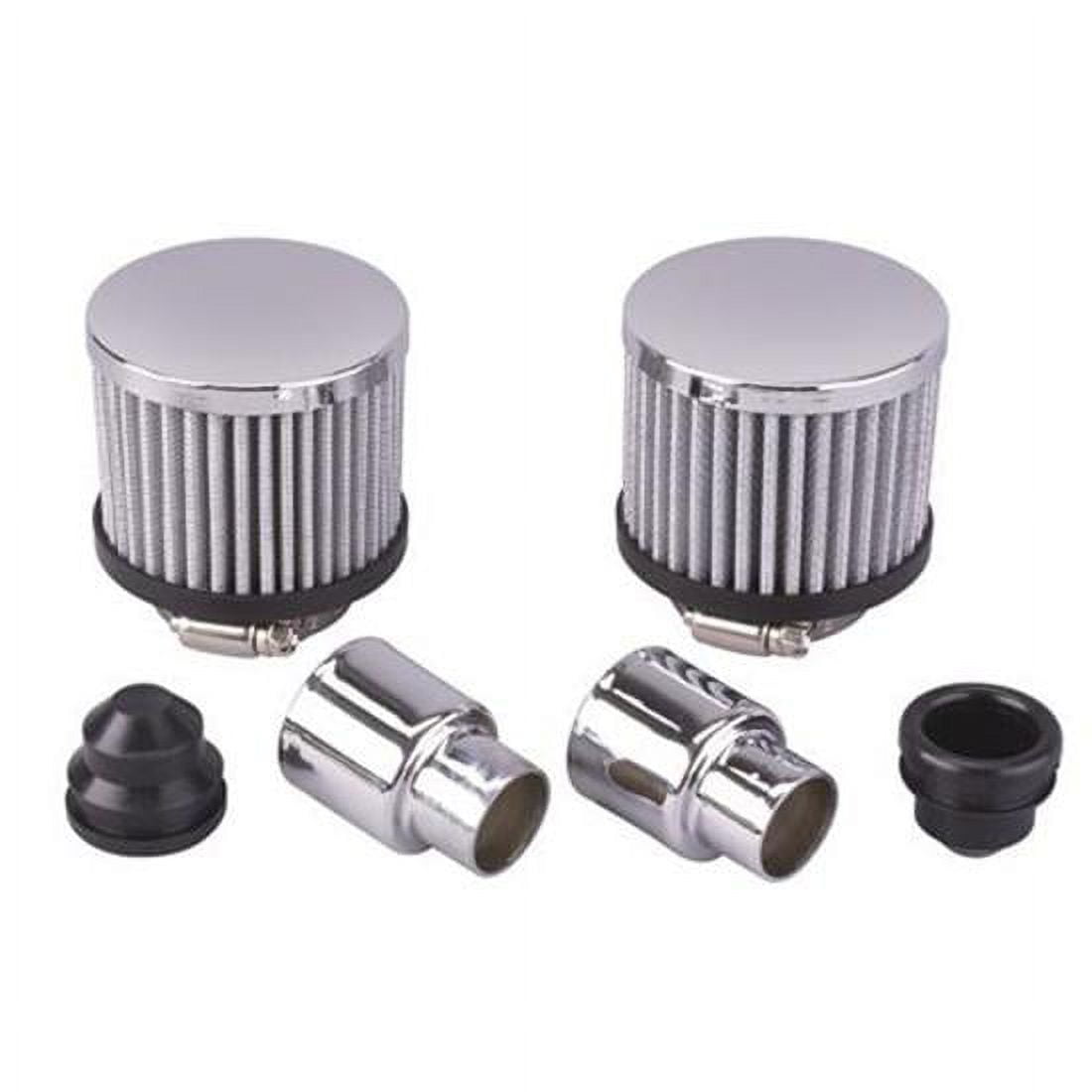
What does a breather do on a valve cover?
A breather on a valve cover serves a vital role in an internal combustion engine. It is designed to allow the engine to breathe, helping to maintain proper pressure and ventilation within the engine's crankcase. Here's what a breather does on a valve cover:
-
Pressure Regulation: As an engine operates, it generates gases, particularly crankcase gases, due to the natural process of combustion. These gases can lead to pressure buildup in the crankcase. The breather allows these excess gases to escape, preventing excessive pressure that could otherwise lead to damage to engine seals, gaskets, and even engine components.
-
Ventilation: In addition to pressure regulation, the breather ensures proper ventilation within the engine. Adequate ventilation is essential to maintain a balanced environment, preventing the accumulation of harmful contaminants and moisture in the crankcase. This helps protect the engine from internal corrosion and excessive wear.
-
Oil Vapor Separation: Some breathers are equipped with an oil separator or breather filter to prevent oil vapor from being released into the atmosphere. This is especially important to reduce environmental pollution and meet emission standards.
What is the purpose of the breather filter?
The breather filter, sometimes referred to as the crankcase breather filter or breather element, is an essential component within the breather system. Its primary purpose is to filter out contaminants and oil vapor from the gases escaping the engine's crankcase. Here's the purpose of the breather filter:
-
Contaminant Removal: The breather filter captures contaminants such as dirt, dust, and debris that may be present in the crankcase gases. Preventing these contaminants from entering the engine is crucial to maintain clean and efficient engine operation.
-
Oil Vapor Separation: In engines that have breather filters with oil separation capabilities, the filter helps separate oil vapor from the escaping gases. This is particularly important in reducing environmental pollution, as it prevents the release of oil vapor into the atmosphere.
-
Cleaner Emissions: By filtering out oil vapor and contaminants, the breather filter contributes to cleaner emissions, helping engines meet emission regulations and environmental standards.
In summary, the breather filter plays a key role in maintaining the cleanliness of the gases leaving the engine's crankcase. It protects the engine from contamination, reduces oil vapor emissions, and contributes to overall engine efficiency and environmental responsibility.
.jpg)
The Importance of Valve Cover Breathers in Engine Performance
In the intricate dance of engine components, valve cover breathers are the unsung heroes. They allow the engine to breathe, maintaining a balance between pressure and airflow. Without a properly functioning breather, your engine may suffer from excess pressure buildup, leading to oil leaks, decreased performance, and even engine damage.
Common Problems Caused by Inadequate Valve Cover Breathers
- Oil Leaks: Inadequate breathers can result in pressure forcing oil past gaskets and seals, leading to unsightly and costly oil leaks.
- Reduced Performance: Excess pressure buildup can hinder your engine's ability to perform optimally, affecting acceleration and fuel efficiency.
- Engine Wear: Prolonged exposure to high pressure can accelerate engine wear, shortening its lifespan and increasing maintenance costs.
- Harmful Emissions: Poorly functioning breathers may contribute to increased emissions, which can lead to environmental concerns and compliance issues.
Different Types of Valve Cover Breathers and Their Functions
Valve cover breathers come in various types, each with its unique function:
- Traditional Breathers: These are the most common, allowing the engine to release excess pressure and maintain a consistent airflow.
- Oil Separators: Designed to separate oil from the expelled air, they prevent oil from being released into the atmosphere.
- PCV Valves (Positive Crankcase Ventilation): These control the flow of gases, enhancing engine efficiency and reducing emissions.
- Customized Performance Breathers: For high-performance engines, specialized breathers are available to meet unique needs.
How to Choose the Right Valve Cover Breather for Your Engine
Selecting the right valve cover breather is crucial for optimal engine performance:
- Engine Type: Consider your engine's size, design, and application to choose a breather that matches its needs.
- Emission Regulations: Ensure compliance with local emission regulations by selecting appropriate breathers.
- Oil Separation: If oil leakage is a concern, opt for an oil separator to prevent environmental damage and engine contamination.
- Budget and Maintenance: Balance your budget with long-term maintenance needs to make an informed decision.
Installation and Maintenance Tips for Valve Cover Breathers
- Proper Installation: Follow manufacturer guidelines for correct installation to ensure the breather functions as intended.
- Regular Inspection: Periodically inspect your breather for signs of wear, clogging, or damage and replace it if necessary.
- Cleanliness is Key: Maintain a clean engine environment to prevent contaminants from clogging the breather.
- Consult the Experts: When in doubt, seek advice from professionals or your breather supplier to guarantee peak performance.
.jpg)
The Impact of Valve Cover Breathers on Engine Horsepower and Torque
When it comes to engine performance, even a slight increase in horsepower and torque can make a world of difference. Valve cover breathers, although often overlooked, can have a significant impact in this area.
-
Enhanced Ventilation: Proper ventilation provided by valve cover breathers ensures that the engine runs at an optimal temperature, reducing power-robbing heat-related issues.
-
Reduced Resistance: Effective breathers can reduce internal engine resistance, allowing for smoother airflow, resulting in improved torque and horsepower.
-
Preventing Blow-By: High-quality breathers prevent blow-by, which can reduce power output. When engine blow-by is minimized, more power is transferred to the wheels.
Case Studies of Engines that Have Benefited from Upgraded Valve Cover Breathers
-
Case Study 1: The Muscle Car Makeover
- A classic muscle car enthusiast upgraded their valve cover breathers to enhance engine performance.
- Result: A noticeable increase in horsepower and torque, making the car a true beast on the road.
-
Case Study 2: The Racecar Revolution
- A professional racing team incorporated specialized performance breathers to their engine.
- Result: Improved lap times and better acceleration due to reduced internal engine resistance.
-
Case Study 3: The Everyday Commuter
- An everyday commuter upgraded their breather to improve fuel efficiency and engine performance.
- Result: A smoother, more responsive engine and better fuel economy, saving money over time.
Frequently Asked Questions about Valve Cover Breathers
Q1: Do valve cover breathers really make a difference in engine performance?
- A: Yes, they can have a substantial impact by reducing resistance, preventing blow-by, and ensuring proper engine ventilation.
Q2: How often should I replace my valve cover breather?
- A: Replacement intervals vary but generally fall within the 15,000 to 30,000-mile range. Regular inspection is key to determine when a replacement is necessary.
Q3: Are there performance breathers available for specific engine types?
- A: Yes, there are customized performance breathers designed for various engine types and applications, including high-performance and race engines.
Q4: Can valve cover breathers improve fuel efficiency?
- A: Yes, by reducing internal resistance and improving engine efficiency, they can lead to better fuel economy.
Conclusion and Final Thoughts on Maximizing Engine Performance with Valve Cover Breathers
Valve cover breathers may be small, but their impact on engine performance is substantial. From increased horsepower and torque to improved efficiency and reduced wear and tear, these components play a vital role in maintaining and enhancing your engine's power. Whether you're a car enthusiast, racer, or an everyday driver, upgrading your valve cover breather can be a game-changer, improving not just your engine's performance but your overall driving experience. So, make the wise investment in your engine's health and performance, and you'll enjoy the benefits mile after mile.