Plumbing systems are the lifeblood of our homes and commercial spaces, ensuring the efficient flow of water for various needs. One integral component that plays a vital role in plumbing systems is the 3-way valve. In this extensive guide, we'll embark on a journey to understand the inner workings of 3-way valves, explore their benefits in plumbing systems, examine common applications, provide valuable insights on selecting the right type of 3-way valve, and offer installation, maintenance, and troubleshooting tips. Additionally, we'll delve into popular brands and manufacturers and consider cost considerations to ensure you make informed decisions for your plumbing needs.
How Does a Three-Way Valves Work?
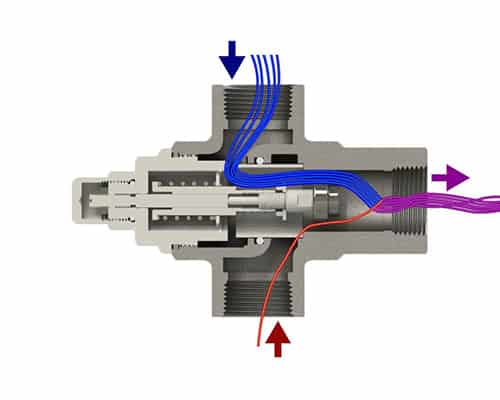
Understanding the fundamental workings of a 3-way valve is essential to harness its potential in plumbing systems. These valves, characterized by three ports, play a pivotal role in controlling the direction of fluid flow. Each 3-way valve typically features an inlet, an outlet, and a third port that can be connected to either of the two inlets, depending on the valve's position.
In its essence, a 3-way valve works by altering the flow path of fluid, making it a versatile tool in plumbing systems. By adjusting the valve's position, you can redirect the flow in different ways, including mixing two fluids, diverting flow from one source to another, or selecting one source while blocking the other. The beauty of 3-way valves lies in their adaptability to diverse plumbing needs.
Benefits of Using a 3-Way Valve in Plumbing Systems
-
Efficient Fluid Mixing: One of the significant advantages of 3-way valves is their ability to blend hot and cold water to achieve precise temperatures. This capability enhances comfort and energy efficiency, especially in systems where maintaining consistent water temperature is crucial.
-
Zone Control: 3-way valves allow for the division of a plumbing system into zones, granting you the power of independent control over water distribution to different areas. This feature is invaluable in applications where varied flow requirements are a necessity.
-
Cost Savings: Properly installed 3-way valves can optimize water usage, potentially reducing water and energy bills. By controlling flow and temperature, these valves can lead to significant cost savings in the long run.
-
Enhanced Safety: In plumbing systems, emergencies can arise. A 3-way valve can be a lifesaver in such situations, as it can isolate specific sections of a system, preventing water damage and ensuring quick repairs. This functionality is particularly critical in commercial and industrial settings.
Common Applications of 3-Way Valves
The versatility of 3-way valves finds application in various plumbing scenarios. Here are some common uses:
-
Heating Systems: In hydronic heating systems, 3-way valves control the mixing of hot and cold water to maintain desired temperatures in radiant heating or baseboard heating systems. They ensure that the heat distributed matches the required level of comfort.
-
Cooling Systems: In air conditioning and refrigeration systems, 3-way valves play a vital role in regulating the distribution of chilled water. These valves ensure that the cooling process remains efficient and responsive to changing demands.
-
Domestic Hot Water: In residential plumbing, 3-way valves are used to control the flow of hot water to different fixtures, such as showers, faucets, and appliances. This ensures that the hot water supply is consistent in terms of temperature and pressure.
-
Zoned Radiant Heating: Underfloor heating systems, known for their energy efficiency and comfort, rely on 3-way valves to deliver precise control of heating zones. This fine-tuned control allows homeowners to maintain comfortable temperatures while optimizing energy use.
Choosing the Right Type of 3-Way Valve for Your Plumbing System
Selecting the appropriate 3-way valve is a crucial decision that hinges on several factors:
-
Application: First and foremost, consider the specific application. Is the valve intended for heating, cooling, or domestic hot water control? Each application may require different types of 3-way valves.
-
Flow Rates: The required flow rates should match the capacity of the chosen 3-way valve. Ensure the valve can handle the expected flow without causing inefficiencies or pressure drops.
-
Fluid Type: Consider the type of fluid the valve will be handling. Different materials and designs may be required for applications involving water, steam, or corrosive chemicals.
-
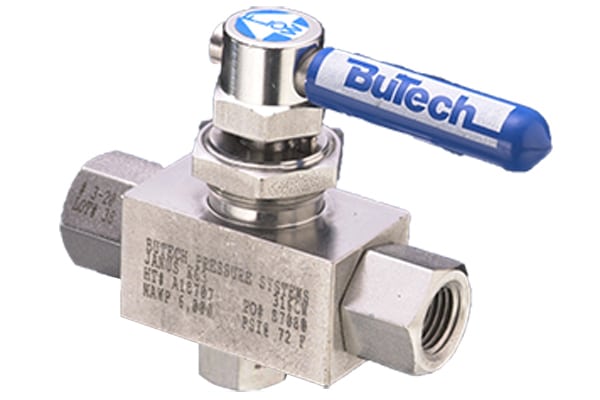
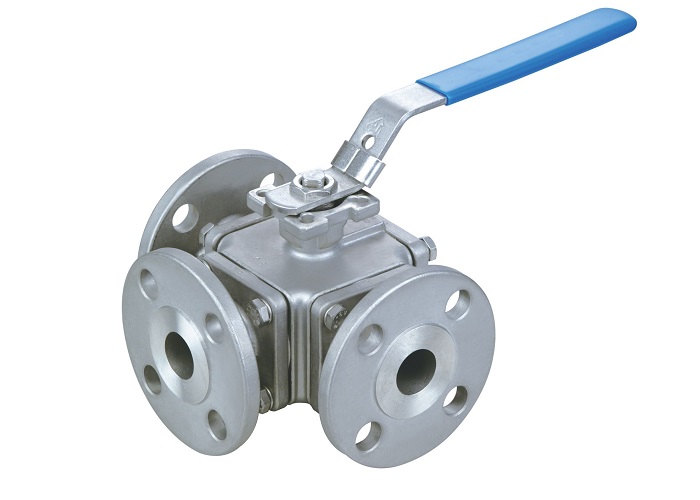
Valve Type: Common types of 3-way valves include ball valves, globe valves, and butterfly valves. The choice depends on your specific needs and the level of control required.
Installation and Maintenance Tips for 3-Way Valves
The performance and longevity of 3-way valves greatly depend on proper installation and regular maintenance. Here are some tips to ensure your valves function optimally:
Installation Tips
-
Follow Manufacturer Guidelines: Always adhere to the installation instructions provided by the manufacturer. These guidelines are tailored to the specific valve model and ensure proper installation.
-
Proper Positioning: Position the valve correctly according to the flow requirements of your system. Ensure that the valve's handle or actuator is easily accessible for operation.
-
Sealing and Leak Prevention: Properly seal valve connections using appropriate gaskets, seals, or thread tape to prevent leaks. Leakages can lead to inefficiency and costly repairs.
-
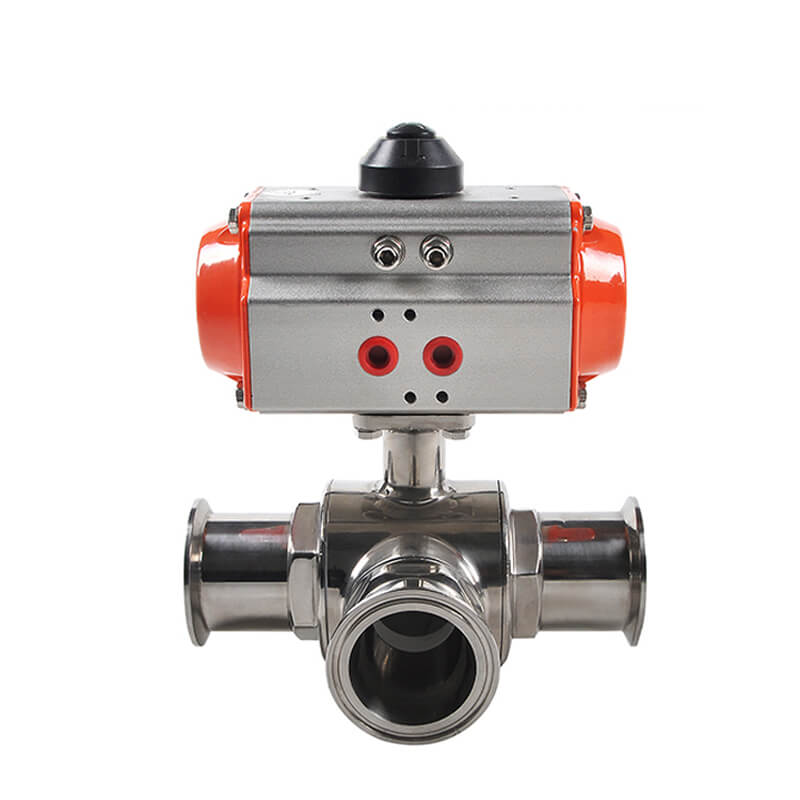
Actuator Calibration: If the valve is equipped with an actuator, calibrate it to ensure precise control. Accurate calibration is essential for maintaining desired temperatures and flow rates.
Maintenance Tips
-
Routine Inspections: Regularly inspect the valve and its components for signs of wear, corrosion, or damage. Address any issues promptly to prevent further deterioration.
-
Lubrication: If the valve requires lubrication, follow the manufacturer's recommendations for the type and frequency of lubrication. Proper lubrication ensures smooth operation.
-
Cleaning: Periodically clean the valve and its components to remove debris or buildup that can hinder functionality. Be cautious when disassembling the valve and reassemble it correctly.
-
Testing: Conduct regular tests to ensure the valve operates as expected. This may include checking for proper temperature control, flow diversion, or any other specific function.
Troubleshooting Common Issues with 3-Way Valves
Despite proper installation and maintenance, 3-way valves can encounter issues over time. Being able to diagnose and address common problems is essential for maintaining the functionality of your plumbing system:
Leaks:
Leaks are a frequent issue in plumbing systems. To troubleshoot and address leaks, follow these steps:
-
Check Seals and Gaskets: Examine the seals and gaskets for signs of wear or damage. Replace any compromised components with new ones.
-
Tighten Connections: Ensure all connections are properly tightened to prevent leaks. Use appropriate tools to avoid over-tightening, which can damage the valve.
-
Valve Position: Verify that the valve is in the correct position for the desired flow. Incorrect positioning can lead to leaks.
Blockages:
Blockages can hinder the flow of fluids in plumbing systems. To troubleshoot and address blockages, consider the following:
-
Inspect for Debris: Examine the valve and associated piping for debris or foreign materials that may be causing blockages. Remove any obstructions.
-
Check Flow Rates: Ensure that the flow rates are appropriate for the valve's capacity. Flow rates exceeding the valve's capacity can lead to blockages and inefficiencies.
Valve Failures:
Valve failures can be complex issues that require thorough diagnosis and solutions. To troubleshoot and address valve failures:
-
Actuator Function: If the valve is equipped with an actuator, check for proper actuator function. Faulty actuators may need to be repaired or replaced.
-
Internal Damage: Inspect the internal components of the valve for any damage or wear. If internal components are compromised, consider a valve overhaul or replacement.
-
Calibration: Verify that the valve is correctly calibrated. Incorrect calibration can lead to inaccurate flow control.
Popular Brands and Manufacturers of 3-Way Valves
When it comes to investing in 3-way valves for your plumbing system, opting for reputable brands and manufacturers is essential to ensure the quality and reliability of your valves. Here are some well-known names in the industry:
-
Honeywell: Honeywell is a globally recognized brand that offers a wide range of 3-way valves, known for their precision and durability.
-
Siemens: Siemens is another reputable manufacturer that provides high-quality 3-way valves suitable for various applications, from HVAC systems to industrial processes.
-
Belimo: Belimo is known for its expertise in control valves and actuators, offering innovative solutions for fluid control in HVAC and other applications.
-
Johnson Controls: Johnson Controls provides a comprehensive range of 3-way valves, designed to meet the diverse needs of building systems and industrial processes.
-
Danfoss: Danfoss is a well-established brand that offers a variety of 3-way valves designed for heating and cooling applications, ensuring efficiency and reliability.
Cost Considerations and Budgeting for 3-Way Valve Installation
While the benefits of 3-way valves in plumbing systems are clear, it's important to consider the cost implications of their installation. The total cost includes various factors:
-
Valve Type: The cost of the valve itself varies depending on the type, brand, and features. Ball valves, globe valves, and butterfly valves each have different price points.
-
Installation Costs: Labor costs for installation are a significant part of the budget. The complexity of the installation and the number of valves being installed will impact these costs.
-
Maintenance and Repairs: Over the lifetime of the valve, you should budget for routine maintenance and potential repairs. Proper maintenance can extend the life of the valve and prevent costly breakdowns.
-
Energy Savings: Consider the long-term savings associated with improved efficiency and reduced energy consumption when budgeting for 3-way valve installation. These savings can offset initial costs.
-
System Upgrades: If installing 3-way valves necessitates upgrades to other components of your plumbing system, such as pumps or controls, factor in these costs as well.
-
Branding and Features: Some premium brands or valves with advanced features may come at a higher cost. Evaluate whether these features are necessary for your specific application.
-
Warranty and Support: It's wise to invest in valves that come with warranties and reliable customer support, as this can save you money on repairs and replacements in the long run.
Conclusion: Harnessing the Power of 3-Way Valves for Efficient Plumbing Systems
In conclusion, 3-way valves are essential components that offer a myriad of benefits for plumbing systems. Their ability to control flow, optimize temperature, and enhance efficiency makes them indispensable in residential, commercial, and industrial settings. By grasping the intricacies of how 3-way valves function, understanding their applications, and following best practices in selection, installation, maintenance, and troubleshooting, you can unlock the full potential of these valves in your plumbing systems.
Moreover, knowing reputable brands and manufacturers ensures that you invest in quality, reliability, and performance. While there are costs associated with 3-way valve installation, these costs should be viewed as investments that can result in long-term savings, improved system performance, and enhanced comfort and safety.
So, whether you're a homeowner, a facility manager, or a plumbing professional, the knowledge and insights shared in this comprehensive guide will empower you to make informed decisions and harness the power of 3-way valves for efficient plumbing systems that meet your unique needs and exceed your expectations.
FAQ:
What is a 3-Way Gate Valve?
3-way gate valves, also known as diverting valves, are versatile flow control devices used to redirect fluid flow between multiple pathways. They are designed with three ports, allowing for two inlet connections and one outlet connection. These valves offer precise control over the direction of flow, making them indispensable in various industries.
What is a 3-Way Check Valve?
3-way check valves, sometimes referred to as dual check valves, are crucial in preventing backflow and ensuring one-way fluid flow. These valves feature three ports: two inlet ports and one outlet port. The unique design of 3-way check valves allows them to act as a barrier against reverse flow while permitting fluid to flow in a specific direction.
What Are the Advantages of a 3-Way Valve?
-
Versatility in Flow Control: 3-way valves excel in applications where you need to switch between two different process streams or fluid sources. They are ideal for diverting, mixing, or distributing fluids as needed.
-
Simplified Piping: Using a 3-way valve can eliminate the need for additional pipe fittings and valves, reducing installation complexity and cost.
-
Reduced Maintenance: Fewer components mean fewer potential points of failure, which can result in lower maintenance requirements and increased system reliability.
-
Precise Control: 3-way valves allow for fine-tuned control over flow rates and direction, making them essential in applications that require accuracy.
What is the Function of the 3-Way Valve?
The primary function of a 3-way valve is to control the direction of fluid flow within a system. By manipulating the valve's position, you can direct the flow from one inlet to another, or from one inlet to the outlet. This functionality enables process engineers to optimize fluid distribution and ensure that it meets the specific needs of their applications.
What is the Difference Between 2-Way and 3-Way Valves?
2-way valves, often known as shut-off valves, feature two ports: one inlet and one outlet. Their primary purpose is to open or close the flow of fluids, making them suitable for on/off applications.
In contrast, 3-way valves have three ports and are designed for more complex fluid control scenarios. They can divert, mix, or distribute fluid between two inlets and one outlet. This additional port enables them to perform functions that 2-way valves cannot.
In summary, while 2-way valves are binary in their operation (open or closed), 3-way valves provide multifaceted control options, making them indispensable for applications that demand flexibility and precision.
GET QUOTE
- Visit our website: https://www.nbyichou.com/
- Email us: [email protected]
- Call us/whatsapp: +86 13355741031
- Chat with us: Live chat support available on our website