Snap fitting techniques have revolutionized the manufacturing industry, offering versatility and advantages that traditional methods simply can't match. From electronics to automotive, this efficient assembly method is making waves across various sectors. In this article, we will delve into the world of snap fittings and explore their potential to shape the future of manufacturing. Snap fitting, also known as snap fastening or snap lock, involves joining two or more components together by interlocking them with a snap. This simple yet effective mechanism provides a secure connection while allowing for easy assembly and disassembly without the need for additional tools or hardware. Whether it's snap-on lids for containers, connectors for cables, or fasteners for machinery, snap fitting techniques offer a cost-effective solution that saves time and enhances productivity. Not only are snap fittings efficient, but they also provide benefits such as resistance to vibration, improved sealing capabilities, and reliable performance in various operating conditions. With their versatility and ease of use, snap fittings have become a preferred choice for manufacturers worldwide. Join us as we take a closer look at the versatility and advantages of snap fitting techniques and explore how they are shaping the future of manufacturing. Discover why this innovative assembly method is gaining popularity and how it can benefit your industry. Brand Voice: Informative and authoritative.
Title: Advantages of Snap Fitting Techniques
Snap fitting techniques have revolutionized the way various industries approach assembly and fastening processes. These innovative methods offer a plethora of advantages that not only streamline manufacturing but also enhance product quality. In this comprehensive guide, we will delve into the numerous benefits of snap fitting techniques, shedding light on how they contribute to increased efficiency, reduced costs, and improved product performance.
One of the most notable advantages of snap fitting techniques is their inherent simplicity and ease of use. Unlike traditional joining methods that often require complex machinery and extensive training, snap fitting can be carried out with relatively basic equipment, making it accessible to a wide range of industries and skill levels. This simplicity not only reduces the barrier to entry but also accelerates the assembly process, leading to quicker production cycles and faster time-to-market.
Furthermore, snap fitting techniques are known for their cost-effectiveness. By eliminating the need for additional fasteners such as screws, nuts, or adhesives, manufacturers can significantly reduce material costs. Additionally, the streamlined assembly process minimizes labor expenses, as fewer skilled workers are required to operate the equipment. This cost-saving advantage is particularly appealing in industries with high production volumes, where even slight reductions in expenses can result in substantial savings.
Snap fitting also offers unparalleled versatility in design, allowing engineers to create complex and intricate products with ease. The ability to design snap fits into various shapes and sizes enables the development of products that are not only functional but also aesthetically pleasing. Moreover, the absence of visible fasteners enhances the overall appearance of the final product, making it more attractive to consumers.
Another crucial advantage of snap fitting techniques is their reliability and durability. Snap fits create strong, secure connections that can withstand various environmental conditions and mechanical stresses. This reliability is essential in industries like automotive and aerospace, where safety and long-term performance are paramount. Manufacturers can trust that their products will maintain their integrity over time, reducing the likelihood of costly recalls or replacements.
In addition to their mechanical strength, snap fitting techniques offer enhanced design flexibility. Engineers can design snap features to provide both permanent and reversible connections, allowing for easier disassembly and maintenance. This adaptability is particularly advantageous in industries where products require periodic servicing or upgrades, as it simplifies maintenance procedures and reduces downtime.
Furthermore, snap fitting techniques promote sustainability and eco-friendliness. The reduced use of additional fasteners and adhesives not only lowers material consumption but also minimizes waste and simplifies recycling processes. As environmental concerns continue to gain importance, embracing snap fitting methods aligns with the growing demand for eco-conscious manufacturing practices.
In summary, snap fitting techniques provide a wide array of advantages to various industries. Their simplicity, cost-effectiveness, design flexibility, reliability, and sustainability make them a compelling choice for manufacturers looking to improve their assembly processes and product quality. As we delve deeper into this guide, we will explore how these advantages manifest in different industries and gain insights into the materials and design considerations that underpin successful snap fitting applications.

Title: Snap Fitting Techniques in Various Industries
Snap fitting techniques have found their way into an impressive array of industries, each benefiting from the unique advantages these methods offer. From consumer electronics to automotive manufacturing, snap fitting plays a pivotal role in streamlining assembly processes and enhancing product quality. In this section, we will explore how snap fitting techniques are utilized in various sectors, showcasing their versatility and adaptability.
Consumer Electronics: In the fast-paced world of consumer electronics, where products are becoming smaller and more complex, snap fitting techniques are indispensable. These methods allow for the precise and efficient assembly of intricate components, ensuring the sleek and compact design of devices such as smartphones, tablets, and wearables. Snap fits also facilitate the easy replacement of batteries or components, extending the lifespan of electronic gadgets and reducing electronic waste.
Automotive Manufacturing: The automotive industry has long relied on snap fitting techniques to achieve robust and reliable connections. From interior trim components to under-the-hood applications, snap fits are used to secure parts in place, withstand vibrations, and resist environmental factors like heat and moisture. This not only enhances the overall safety and longevity of vehicles but also streamlines the assembly process in high-volume production lines.
Medical Devices: In the highly regulated field of medical device manufacturing, precision and reliability are paramount. Snap fitting techniques are employed to create secure and hygienic connections in devices such as inhalers, insulin pens, and surgical instruments. The ease of assembly and the ability to sterilize snap-fit components make them an ideal choice for medical applications where patient safety is a top priority.
Toys and Consumer Goods: In the world of toys and consumer goods, snap fitting techniques are used to create products that are not only fun and functional but also safe for children and users of all ages. From snap-together building blocks to household appliances, these techniques enable the rapid assembly of products while ensuring the durability required for everyday use.
Aerospace and Defense: In aerospace and defense applications, where precision engineering and safety are non-negotiable, snap fitting techniques are used in the construction of aircraft interiors, communication equipment, and military hardware. The ability to create lightweight yet robust connections is critical in these industries, and snap fitting meets these demands with excellence.
Packaging and Assembly Line Automation: Snap fitting is not limited to end products but also plays a vital role in packaging and assembly line automation. The quick and secure assembly of packaging materials, such as plastic containers and blister packs, is essential in optimizing production efficiency and reducing packaging waste.
These examples demonstrate the versatility and adaptability of snap fitting techniques across a wide range of industries. In each sector, these methods contribute to improved product quality, cost-effectiveness, and efficiency, making them a valuable asset for manufacturers seeking a competitive edge. As we continue our exploration, we will delve into the materials and design considerations essential for successful snap fitting applications.
Title: Snap Fitting Materials and Design Considerations
The successful implementation of snap fitting techniques relies heavily on carefully selecting the appropriate materials and adhering to specific design considerations. Whether you are assembling consumer electronics or constructing automotive components, the choice of materials and design parameters can significantly impact the performance and reliability of snap fits. In this section, we will delve into the essential aspects of snap fitting materials and design to ensure successful outcomes.
Material Selection: Choosing the right materials for snap fitting is a critical step in the design process. The selected materials must possess the necessary mechanical properties, such as flexibility, stiffness, and toughness, to withstand the forces and stresses encountered during assembly and the product's lifecycle. Common materials used in snap fitting include various plastics, thermoplastic elastomers, and even some metals in specialized applications. The compatibility of these materials with the intended environment, including temperature and chemical exposure, is also a crucial consideration.
Geometry and Tolerances: The geometry of snap fits is a key design consideration. Engineers must carefully define the shape and dimensions of snap features, ensuring that they provide the desired level of retention force and ease of assembly. Tolerances, both in the snap features and the mating components, should be meticulously controlled to guarantee a reliable and consistent fit. Finite element analysis (FEA) and prototyping techniques are often employed to optimize the design and verify its performance.
Design for Assembly: Designing for assembly (DFA) principles play a pivotal role in snap fitting applications. Engineers must consider factors such as ease of assembly, alignment of snap features, and the sequence of assembly steps. Minimizing the complexity of assembly reduces the risk of errors and improves production efficiency. Additionally, designing for disassembly is equally important, especially in industries where maintenance and repair are common.
Molded-In Features: In some cases, snap features can be molded directly into components during the manufacturing process. This approach offers advantages in terms of consistency and reduced assembly steps. However, it requires careful tooling design and material selection to ensure the longevity and reliability of the snap features.
Testing and Validation: Before mass production, thorough testing and validation of snap fitting designs are essential. Prototypes and test samples should be subjected to rigorous mechanical testing to assess factors like load capacity, fatigue resistance, and long-term durability. Real-world conditions and usage scenarios should be simulated to identify potential weaknesses and areas for improvement.
Environmental Considerations: Environmental factors, such as temperature fluctuations, humidity, and exposure to chemicals, can affect the performance of snap fits. Engineers must take these conditions into account when selecting materials and designing snap features. Environmental testing and accelerated aging tests can help ensure that snap fitting assemblies remain reliable throughout their intended lifespan.
Incorporating these considerations into the design and material selection process is crucial for the successful application of snap fitting techniques. When done correctly, snap fitting can result in assemblies that are not only mechanically robust but also cost-effective and efficient to produce. In the following sections, we will explore common types of snap fittings and delve into the step-by-step assembly process.
Title: Common Types of Snap Fittings
Snap fitting techniques encompass a diverse range of configurations and mechanisms, each tailored to specific application requirements. Understanding the common types of snap fittings is essential for engineers and designers looking to leverage the advantages of these methods effectively. In this section, we will explore some of the most prevalent types of snap fittings and their applications.
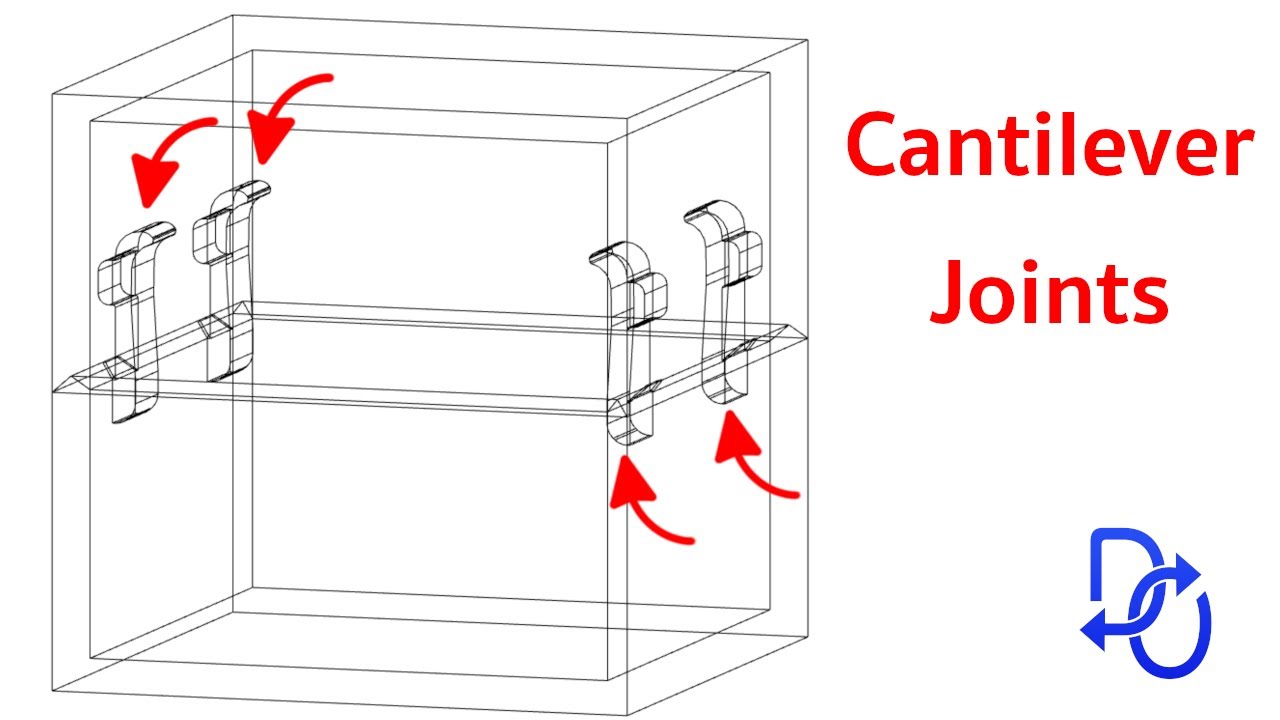
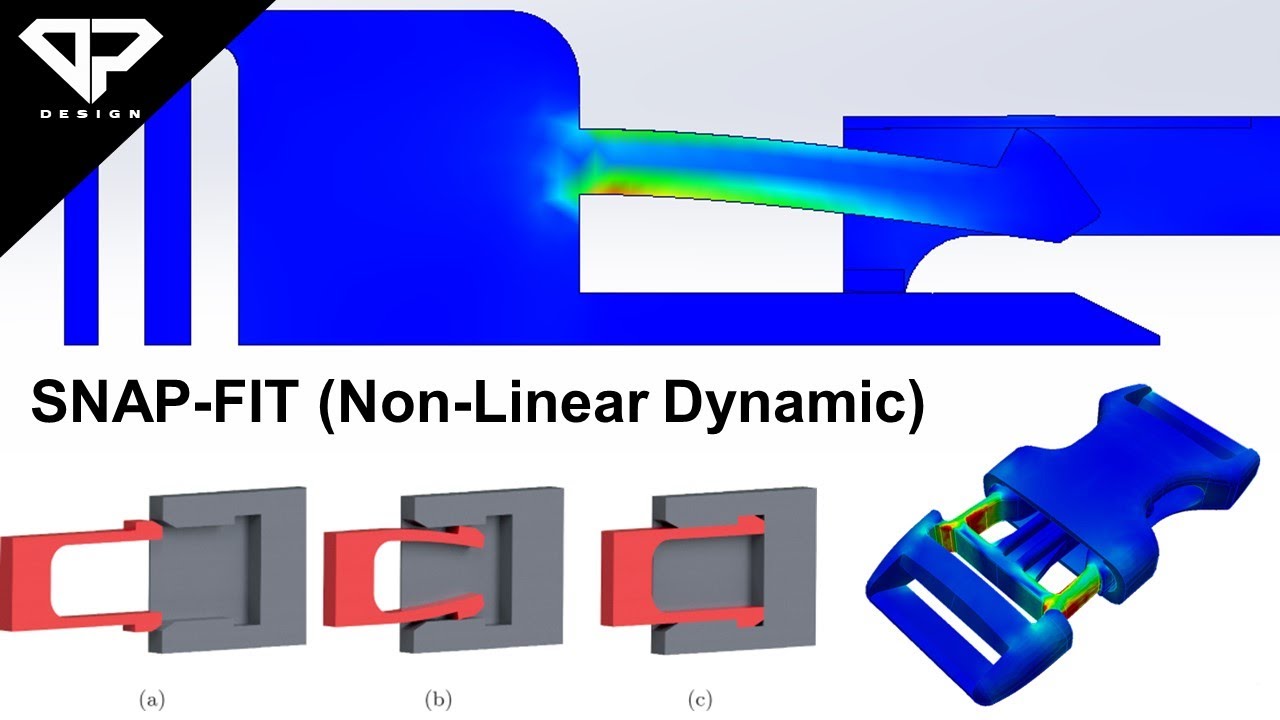
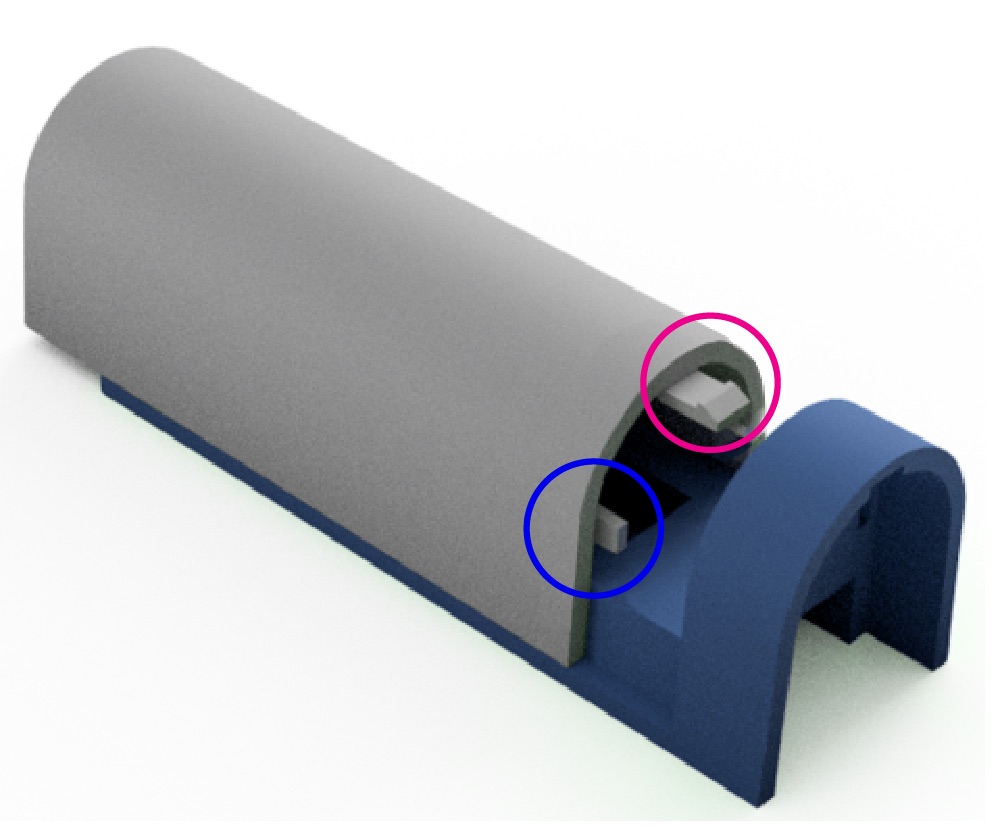
Cantilever Snap Fit: The cantilever snap fit is perhaps the most recognized and widely used type of snap fitting. It consists of a protruding tab or hook on one component that flexes as it is inserted into a corresponding recess or groove on the mating component. The inherent elasticity of the material provides retention force, holding the components securely together. This type of snap fit is often employed in consumer electronics for battery covers, remote controls, and panel assembly.
Torsion Snap Fit: Torsion snap fits rely on a twisting or screwing motion to engage and secure components. The design typically features helical or spiral features on one component that align with complementary grooves or channels on the mating component. When twisted into position, these features create a secure and self-locking connection. Torsion snap fits are commonly used in closures for containers and enclosures.
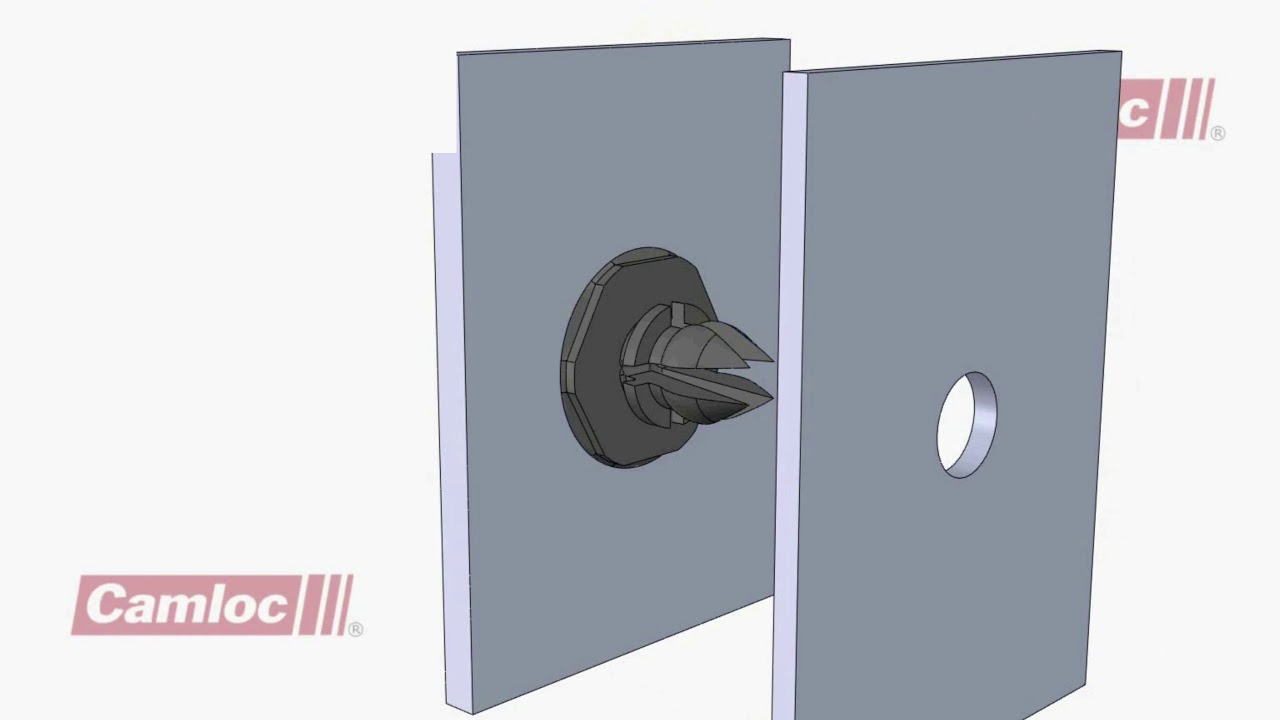
Annular Snap Fit: Annular snap fits are characterized by circular or ring-shaped features on one component that engage with corresponding features on the mating component. When the components are pressed together, the annular features snap into place, creating a secure connection. This type of snap fit is often utilized in automotive applications for securing sensors and connectors.
C-Snap Fit: The C-snap fit, as the name suggests, resembles the letter "C" in its design. It consists of a curved or hook-like projection on one component that engages with a corresponding groove or recess on the mating component. The flexibility of the C-shaped feature allows for easy insertion and secure locking. C-snap fits find applications in various industries, including medical devices and packaging.
Crossed Snap Fit: Crossed snap fits employ intersecting features on both components, creating a unique locking mechanism. These features can take the form of an "X" or a cross, and they provide a high level of resistance to disengagement. Crossed snap fits are commonly used in applications where extreme security and retention force are required, such as in automotive safety systems and aerospace components.
Undercut Snap Fit: Undercut snap fits are characterized by features that create a mechanical advantage during assembly. Typically, one component has an undercut feature, while the other component has a complementary surface that allows for easy engagement. Undercut snap fits are frequently employed in the construction of durable products like power tools and industrial equipment.
Push-Pull Snap Fit: Push-pull snap fits combine the simplicity of a push-fit mechanism with the security of a snap fit. One component features a push-fit connection, while the other has snap-fit features that engage when the components are pushed or pulled together. This type of snap fit is used in various applications, including furniture assembly and consumer goods.
Understanding the specific requirements of your project and the advantages offered by each type of snap fit is essential for making informed design decisions. Selecting the right type of snap fitting mechanism can optimize the assembly process and ensure the reliability of the final product. In the next section, we will explore the step-by-step assembly process involved in snap fitting applications.
Title: Snap Fitting Assembly Process
The assembly process for snap fitting techniques follows a systematic series of steps that ensure secure and reliable connections between components. Whether you are assembling consumer electronics, automotive parts, or medical devices, understanding the step-by-step process is crucial for achieving consistent and high-quality results. In this section, we will break down the snap fitting assembly process into key stages.
1. Component Preparation: The first step in the snap fitting process involves preparing the components that will be joined. This includes ensuring that the components are clean, free from debris, and properly aligned. Any surface imperfections or burrs should be removed to facilitate smooth assembly.
2. Aligning Snap Features: Next, the components must be aligned so that the snap features properly engage. This alignment is critical to ensure that the components fit together without resistance or misalignment. Precision in this step is essential to prevent damage to the snap features or the components themselves.
3. Application of Force: To engage the snap features, a controlled and measured force is applied. The specific force required will depend on the design of the snap fit and the materials used. This step requires precision to avoid damaging the components or creating excessive stress on the snap features.
4. Audible Confirmation: In some cases, an audible confirmation, often referred to as a "click" or "snap," indicates that the components are securely joined. This audible feedback provides assurance that the snap fit has been successfully engaged and is a common feature in consumer products.
5. Inspection and Quality Control: After assembly, a thorough inspection is conducted to verify that the snap fitting has been executed correctly. This inspection may include visual checks, measurements of retention force, and functional testing to ensure that the components remain securely connected.
6. Testing for Repeatability: For high-volume production, it is crucial to ensure that the snap fitting process is repeatable and consistent. Statistical process control (SPC) techniques may be employed to monitor the quality of snap fits continuously.
7. Design for Disassembly (DfD): In applications where maintenance, repair, or recycling is a consideration, engineers may design snap fittings to be easily disassembled. This involves incorporating features that allow for the intentional disengagement of the snap fit without damaging the components.
8. Documentation and Traceability: Proper documentation of the assembly process, including recording parameters such as force applied and tolerances, is essential for quality control and traceability. This documentation ensures that any issues can be identified and addressed promptly.
The snap fitting assembly process combines precision engineering with careful attention to detail. Ensuring that each step is executed correctly is vital for achieving reliable and consistent results. When performed correctly, snap fitting provides secure and durable connections that meet the requirements of various industries and applications. In the following sections, we will explore real-world snap fitting applications and case studies to illustrate their practical benefits.
Title: Snap Fitting Applications and Case Studies
Snap fitting techniques have made significant inroads into a wide range of industries, offering innovative solutions to complex assembly challenges. In this section, we will explore real-world applications and case studies that showcase the effectiveness and versatility of snap fitting methods.
Case Study 1: Automotive Interior Paneling In the automotive industry, where aesthetics and durability are paramount, snap fitting techniques are widely employed for securing interior paneling components. Snap fits allow for the rapid and secure assembly of dashboard components, door panels, and trim pieces. These connections withstand the rigors of vehicle use, including vibrations and temperature fluctuations, ensuring that interior elements remain firmly in place throughout the vehicle's lifespan.
Case Study 2: Medical Device Enclosures In the realm of medical devices, snap fitting techniques are instrumental in ensuring the integrity and hygiene of enclosures. Medical equipment such as infusion pumps and diagnostic devices often require frequent cleaning and sterilization. Snap fits facilitate easy disassembly for thorough cleaning and maintenance, contributing to patient safety and device reliability.
Case Study 3: Consumer Electronics Casing Consumer electronics manufacturers rely on snap fitting for assembling device casings with precision and speed. Snap fits allow for the efficient assembly of smartphone casings, remote controls, and other electronic devices. The secure connections provided by snap fits ensure that the devices are both aesthetically pleasing and durable, with minimal visible fasteners.
Case Study 4: Aerospace Component Fastening In aerospace applications, where safety and reliability are paramount, snap fitting techniques are used for securing critical components. Snap fits help fasten components within aircraft interiors, communication systems, and satellite equipment. The lightweight yet robust connections offered by snap fits contribute to overall fuel efficiency and reliability in aerospace engineering.
Case Study 5: Toy and Game Assembly Snap fitting techniques are a staple in the toy and game industry, enabling the quick and hassle-free assembly of products like building blocks, action figures, and board games. These connections are designed to be child-friendly, allowing young users to easily assemble and disassemble their toys while ensuring that the components remain securely joined during play.
Case Study 6: Electronics Enclosure for Harsh Environments In industrial and outdoor electronic applications, snap fitting techniques are used to create enclosures that can withstand harsh environmental conditions. Snap fits securely seal enclosures, protecting sensitive electronic components from dust, moisture, and extreme temperatures. This reliability is crucial for applications like outdoor surveillance cameras and industrial control systems.
These case studies highlight the diverse applications of snap fitting techniques across different industries. Whether it's improving the safety of medical devices, enhancing the aesthetics of consumer electronics, or ensuring the durability of automotive components, snap fitting methods continue to play a vital role in optimizing assembly processes and product performance.
In the following section, we will compare snap fitting techniques with other joining methods to provide a comprehensive understanding of the advantages and limitations of snap fitting in different contexts.
Title: Snap Fitting vs. Other Joining Methods
While snap fitting techniques offer numerous advantages, it's essential to consider how they compare to other joining methods commonly used in manufacturing and assembly processes. In this section, we will explore the strengths and weaknesses of snap fitting in comparison to methods such as adhesives, screws, welding, and riveting.
Snap Fitting vs. Adhesives: Advantages of Snap Fitting:
- Snap fits eliminate the need for curing time associated with adhesives, leading to faster assembly.
- There is no risk of adhesive-related contamination or outgassing in sensitive applications.
- Snap fitting allows for disassembly and reassembly, whereas adhesives often result in permanent bonds. Advantages of Adhesives:
- Adhesives can bond dissimilar materials effectively, whereas snap fits are typically limited to the same or compatible materials.
- Adhesives can fill gaps and irregularities, creating a uniform bond.
Snap Fitting vs. Screws: Advantages of Snap Fitting:
- Snap fitting is faster and requires fewer components, reducing assembly time and material costs.
- Snap fits create aesthetically pleasing connections with no visible fasteners.
- Snap fits do not require the pre-drilling of holes, reducing material stress and potential weakening of components. Advantages of Screws:
- Screws provide higher shear and tensile strength compared to snap fits in some applications.
- Screws can be adjusted or tightened after assembly, while snap fits are generally non-adjustable once engaged.
Snap Fitting vs. Welding: Advantages of Snap Fitting:
- Snap fitting does not generate heat or require specialized welding equipment.
- Snap fits can be disassembled and reassembled, which is typically not possible with welding.
- Snap fitting is suitable for a wider range of materials, including plastics and some metals. Advantages of Welding:
- Welded joints can offer superior strength and durability in high-stress applications.
- Welding can create hermetically sealed joints in certain contexts.
Snap Fitting vs. Riveting: Advantages of Snap Fitting:
- Snap fitting is often quicker and requires fewer components compared to riveting.
- Snap fits do not create holes in components, reducing the risk of material stress concentration.
- Snap fits are suitable for joining materials that may not be conducive to riveting, such as thin or brittle materials. Advantages of Riveting:
- Riveted joints can provide higher tensile and shear strength in specific applications.
- Rivets can be used to join materials with significantly different thicknesses.
In summary, the choice between snap fitting and other joining methods depends on the specific requirements of the application. Snap fitting excels in scenarios where speed, ease of assembly, and aesthetics are essential. It also offers advantages in applications where disassembly and reassembly are necessary. However, in situations where sheer strength and permanence are paramount, other methods like welding or riveting may be more suitable.
As we look to the future of manufacturing and assembly, it's important to consider the evolving trends and technologies that may impact snap fitting techniques. In the next section, we will explore the future trends in snap fitting technology.
Title: Future Trends in Snap Fitting Technology
The field of snap fitting technology is continually evolving, driven by advancements in materials, manufacturing processes, and design methodologies. To remain competitive and responsive to changing industry needs, it's essential to stay informed about emerging trends in this field. In this section, we will explore some of the future trends and innovations that are shaping the world of snap fitting.
1. Smart Materials and Composites: One of the emerging trends in snap fitting technology is the integration of smart materials and composites. These advanced materials can offer improved mechanical properties, such as enhanced flexibility and resilience. Additionally, smart materials can enable functionalities like self-healing, self-monitoring, and adaptive responses to changing conditions, which could revolutionize the reliability and durability of snap fits.
2. 3D Printing and Additive Manufacturing: The adoption of 3D printing and additive manufacturing techniques is expanding the possibilities for snap fitting designs. It allows for complex and customized snap features that were previously challenging to produce using traditional manufacturing methods. This trend enables engineers to optimize snap fits for specific applications and tailor them to individual product designs.
3. Sustainable Snap Fitting: As environmental concerns continue to grow, there is a rising emphasis on sustainability in manufacturing. Future trends in snap fitting technology may involve the development of eco-friendly materials and design practices that reduce waste and energy consumption. Additionally, recyclable snap fitting solutions and methods for reusing components may become more prevalent.
4. Automation and Robotics: Automation and robotics are transforming the assembly process, and this trend is extending to snap fitting applications. Robotic systems equipped with advanced vision and sensing technologies can perform precise snap fitting tasks with speed and accuracy, reducing the reliance on manual labor and minimizing the risk of errors.
5. Digital Twins and Simulation: Digital twins and simulation technologies are becoming integral to the design and testing of snap fitting assemblies. Engineers can create virtual prototypes and simulate the performance of snap fits under various conditions, enabling them to optimize designs before physical prototypes are manufactured. This trend accelerates the product development process and minimizes costly iterations.
6. Integration with IoT: The integration of snap fitting technologies with the Internet of Things (IoT) is on the horizon. Smart snap fittings with embedded sensors and connectivity capabilities can provide real-time data on the status and condition of assembled components. This data can be used for predictive maintenance, quality control, and performance monitoring.
7. Miniaturization and Micro-Snap Fitting: In industries like electronics and medical devices, there is a growing demand for miniaturization. Future trends in snap fitting may involve the development of micro-snap fitting techniques to accommodate smaller components and devices. These techniques must address unique challenges related to scale and precision.
8. Human-Machine Collaboration: Collaborative robotics, where humans work alongside robots, is an emerging trend in manufacturing. Snap fitting applications may benefit from such collaborative efforts, where humans provide expertise and oversight while robots execute the precise and repetitive assembly tasks.
These future trends in snap fitting technology are poised to drive innovation and address evolving industry needs. Embracing these trends can position manufacturers and engineers to leverage the full potential of snap fitting techniques while staying at the forefront of technological advancements.
In conclusion, snap fitting techniques offer a wide array of advantages across various industries, from streamlining assembly processes to enhancing product quality and reliability. By carefully considering materials, design parameters, and the specific requirements of each application, engineers can harness the power of snap fitting to create efficient and durable connections. Moreover, as technology continues to advance, the future of snap fitting holds exciting possibilities, including the integration of smart materials, automation, sustainability, and more. Embracing the versatility of snap fitting techniques is not only a testament to their current value but also a commitment to staying at the cutting edge of manufacturing and assembly technology.
FAQ 1: What are the Key Advantages of Snap Fitting Techniques?
Keywords: Advantages of Snap Fitting Techniques, Benefits of Snap Fitting, Snap Fitting in Manufacturing
Subheadings:
1.1 - How do snap fitting techniques simplify assembly processes?
1.2 - Can snap fitting really reduce manufacturing costs?
1.3 - How does snap fitting contribute to design flexibility?
1.4 - What about the reliability and durability of snap fitting?
Answer:
1.1 - Snap fitting techniques simplify assembly processes by their inherent simplicity and ease of use. Unlike traditional methods, snap fitting requires minimal training and basic equipment, which accelerates production cycles.
1.2 - Yes, snap fitting can significantly reduce manufacturing costs. It eliminates the need for additional fasteners and streamlines labor expenses, making it a cost-effective choice, especially for high-volume production.
1.3 - Snap fitting offers design flexibility, allowing engineers to create intricate products with aesthetically pleasing designs. The absence of visible fasteners enhances the final product's appearance.
1.4 - Snap fits create reliable and durable connections, making them suitable for industries like automotive and aerospace, where safety and long-term performance are critical. Manufacturers can trust their products to maintain their integrity over time, reducing the risk of recalls or replacements.
FAQ 2: How are Snap Fitting Techniques Used Across Different Industries?
Keywords: Snap Fitting in Different Industries, Snap Fitting Applications, Industries Benefiting from Snap Fitting
Subheadings:
2.1 - What role does snap fitting play in the consumer electronics industry?
2.2 - How does the automotive sector leverage snap fitting techniques?
2.3 - What are some examples of snap fitting applications in the medical device industry?
2.4 - Can you provide insights into the use of snap fitting in toys and consumer goods?
Answer:
2.1 - Snap fitting techniques are indispensable in the consumer electronics industry, enabling the assembly of intricate components in devices like smartphones and tablets while facilitating easy component replacement.
2.2 - In automotive manufacturing, snap fitting secures components in place, withstands vibrations, and resists environmental factors. It enhances safety and streamlines assembly in high-volume production.
2.3 - The medical device industry relies on snap fitting for secure, hygienic connections in devices like inhalers and surgical instruments. Snap fitting's ease of assembly and sterilization benefits patient safety.
2.4 - Snap fitting techniques are prevalent in toys and consumer goods, making assembly quick and ensuring durability for products like building blocks and household appliances.
FAQ 3: What Materials and Design Considerations are Essential for Successful Snap Fitting?
Keywords: Snap Fitting Materials, Design for Snap Fitting, Essential Considerations for Snap Fitting
Subheadings:
3.1 - How do you choose the right materials for snap fitting?
3.2 - What are the critical aspects of snap fitting geometry and tolerances?
3.3 - How does Design for Assembly (DFA) play a role in snap fitting?
3.4 - Can you explain the significance of molded-in features in snap fitting?
Answer:
3.1 - Material selection in snap fitting is crucial. The chosen materials must possess the right mechanical properties and compatibility with the environment. Common materials include plastics, thermoplastic elastomers, and some metals.
3.2 - Snap fitting geometry and tolerances require careful control to ensure reliable connections. Finite element analysis (FEA) and prototyping help optimize design and verify performance.
3.3 - Design for Assembly (DFA) principles streamline the snap fitting process by considering ease of assembly, alignment of snap features, and maintenance procedures. It reduces complexity and minimizes errors.
3.4 - Molded-in features can enhance snap fitting by creating consistent and durable connections. Proper tooling design and material selection are essential for the longevity of these features.
FAQ 4: What are the Common Types of Snap Fittings and Their Applications?
Keywords: Types of Snap Fittings, Snap Fitting Mechanisms, Snap Fitting in Different Contexts
Subheadings:
4.1 - Can you explain the cantilever snap fit and its applications?
4.2 - What is the torsion snap fit, and where is it commonly used?
4.3 - How does the annular snap fit work, and in which applications is it employed?
4.4 - What is the C-snap fit, and what are its typical applications?
Answer:
4.1 - The cantilever snap fit features a protruding tab and is widely used in consumer electronics for components like battery covers and panel assembly.
4.2 - Torsion snap fits rely on a twisting motion and find application in closures for containers and enclosures.
4.3 - Annular snap fits use circular features and are often employed in automotive applications to secure sensors and connectors.
4.4 - C-snap fits feature a C-shaped projection and are used in various industries, including medical devices and packaging for secure connections.
FAQ 5: How Does Snap Fitting Compare to Other Joining Methods in Manufacturing?
Keywords: Snap Fitting vs. Other Joining Methods, Advantages of Snap Fitting, Choosing Joining Techniques
Subheadings:
5.1 - How does snap fitting compare to adhesive bonding?
5.2 - What are the key differences between snap fitting and screw assembly?
5.3 - How does snap fitting stack up against welding as a joining method?
5.4 - When should one consider snap fitting over riveting?
Answer:
5.1 - Snap fitting simplifies assembly and eliminates curing time, while adhesives can bond dissimilar materials but may result in permanent bonds.
5.2 - Snap fitting is faster, more aesthetically pleasing, and reduces material stress compared to screws, although screws offer adjustability.
5.3 - Snap fitting does not generate heat like welding and is suitable for a wider range of materials, but welding can provide superior strength and hermetic sealing.
5.4 - Snap fitting is quicker and creates no holes in components, making it suitable for various materials, while riveting provides higher strength in certain applications.
GET QUOTE
- Visit our website: https://www.nbyichou.com/
- Email us: [email protected]
- Call us/whatsapp: +86 13355741031
- Chat with us: Live chat support available on our website