In the realm of engineering, success is directly linked to the quality and durability of the materials used. When it comes to fastening solutions, titanium bolts reign supreme as the ultimate choice for professionals who refuse to compromise on strength and reliability. Welcome to a world where innovation meets excellence, where titanium bolts have become the driving force behind cutting-edge engineering projects. In this article, we will unlock the true potential of titanium bolts and explore how they can revolutionize your projects. With their exceptional strength and lightweight composition, titanium bolts offer a range of advantages that no other material can match. From aerospace to automotive industries, these bolts have proven their mettle in demanding environments, showcasing their resistance to corrosion, extreme temperatures, and high stress levels. Unleash the power of titanium bolts and experience enhanced durability, reduced weight, and increased fuel efficiency. Join us as we delve into the science behind their remarkable properties, discover the industries that have embraced their potential, and learn how you can integrate titanium bolts into your engineering projects for unparalleled success. Let's embark on this journey together and bolt towards success!
.jpg)
Advantages of Using Titanium Bolts in Engineering Projects
When it comes to engineering projects, every component, no matter how small, plays a crucial role in determining the overall success and longevity of the structure. Titanium bolts have gained significant traction in the industry due to their exceptional advantages. These advantages not only enhance the performance of engineering projects but also contribute to their durability and reliability.
One of the standout advantages of titanium bolts is their remarkable strength-to-weight ratio. Titanium is renowned for being incredibly strong while remaining lightweight. This property is especially advantageous in industries such as aerospace and automotive, where reducing weight without compromising structural integrity is paramount. Titanium bolts provide a solution to this challenge, allowing engineers to design lighter yet robust structures, ultimately improving fuel efficiency and performance.
Furthermore, titanium boasts exceptional corrosion resistance, making it ideal for applications exposed to harsh environmental conditions. Unlike traditional steel bolts, titanium bolts are not susceptible to rust, ensuring the longevity of the connection and minimizing maintenance requirements. This property is invaluable in marine, offshore, and chemical processing industries, where exposure to moisture and corrosive substances is common.
Another advantage worth noting is titanium's biocompatibility. This unique property has led to its use in medical implants and devices. In engineering projects involving human interaction or proximity, such as in sports equipment or transportation design, the use of titanium bolts ensures safety and compatibility with the human body.
In addition to their physical properties, titanium bolts are also known for their high-temperature tolerance. They can withstand extreme temperatures without losing their structural integrity. This quality makes them suitable for applications in the aerospace and industrial sectors, where exposure to high temperatures is a common occurrence.
In summary, the advantages of using titanium bolts in engineering projects are multifaceted, encompassing strength-to-weight ratio, corrosion resistance, biocompatibility, and high-temperature tolerance. Engineers and project managers looking to optimize their designs and enhance project performance should consider the remarkable benefits that titanium bolts bring to the table.
.jpg)
Properties and Characteristics of Titanium Bolts
Understanding the properties and characteristics of titanium bolts is essential for making informed decisions in engineering projects. Titanium, a transition metal with atomic number 22, exhibits a range of unique properties that set it apart from traditional materials like steel and aluminum. These properties make titanium bolts an attractive choice for various applications.
First and foremost, titanium is known for its outstanding strength-to-weight ratio. This property stems from its low density, which is approximately half that of steel. Despite its lightweight nature, titanium possesses remarkable tensile strength, making it an excellent choice for applications where weight reduction is critical without compromising structural integrity.
Another defining characteristic of titanium is its exceptional corrosion resistance. Unlike steel, which can rust when exposed to moisture and oxygen, titanium forms a protective oxide layer on its surface, preventing further corrosion. This property is particularly valuable in projects involving outdoor structures, marine environments, or chemical processing, where exposure to corrosive substances is a concern.
Furthermore, titanium exhibits biocompatibility, making it suitable for medical and aerospace applications. When used in medical implants or aerospace components, titanium ensures compatibility with the human body and aircraft materials, minimizing the risk of adverse reactions and enhancing safety.
Titanium also boasts high-temperature tolerance. It can withstand extreme temperatures without losing its structural integrity, making it an ideal choice for applications in aerospace, automotive, and industrial settings where exposure to heat is common.
In terms of conductivity, titanium is a poor conductor of heat and electricity compared to metals like copper or aluminum. This property can be advantageous in certain engineering projects where insulation or electrical isolation is required.
To sum up, the properties and characteristics of titanium bolts, including their exceptional strength-to-weight ratio, corrosion resistance, biocompatibility, high-temperature tolerance, and low conductivity, make them a versatile and valuable choice for a wide range of engineering applications.
Types of Titanium Bolts and Their Applications
The world of engineering demands a variety of fasteners to accommodate diverse needs, and titanium bolts come in various types, each tailored to specific applications. Understanding these types and their applications is essential for selecting the right fasteners to optimize project performance.
-
Hex Head Bolts: Hex head titanium bolts are among the most common types. Their six-sided heads are designed for easy use with wrenches and provide a secure grip during installation. These bolts are suitable for a wide range of applications, from automotive to industrial machinery.
-
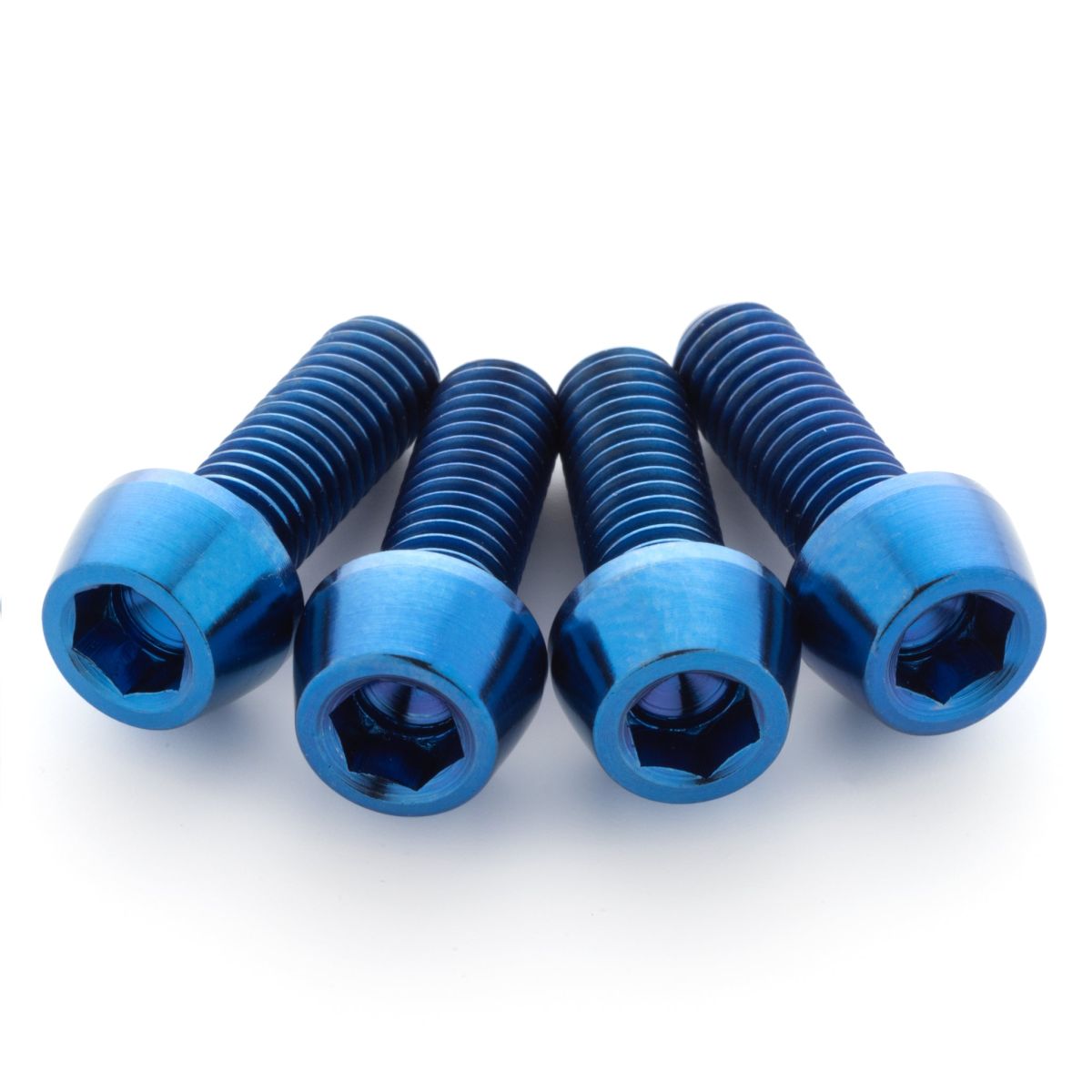
Socket Head Bolts: Socket head titanium bolts feature a recessed hexagonal drive, providing a sleek and flush appearance once installed. They are often used in applications where a low-profile design is desired, such as in the aerospace industry.
-
Flange Bolts: Flange bolts have a built-in washer under the head, distributing pressure and providing a larger bearing surface. This makes them ideal for applications where vibration or movement is a concern, such as automotive and construction projects.
-
Button Head Bolts: Button head titanium bolts have a rounded, low-profile head, offering a visually appealing finish. They are commonly used in applications where aesthetics and a smooth surface are important, such as in the production of consumer electronics.
-
Shoulder Bolts: Shoulder bolts, also known as shoulder screws, have an unthreaded shoulder section between the head and the threaded shaft. This design allows for precise positioning and smooth movement in machinery and equipment.
-
Stud Bolts: Stud bolts are threaded rods with threads on both ends, used to secure two flanges together in pipeline and pressure vessel applications. Titanium's corrosion resistance makes it a preferred choice in these critical environments.
-
Eye Bolts: Eye bolts have a looped head, enabling them to be used for lifting, rigging, and anchoring applications. Titanium eye bolts are sought after for their combination of strength and corrosion resistance, making them suitable for marine and offshore use.
-
Anodized Bolts: Anodized titanium bolts have undergone an electrochemical process that enhances their surface properties, including corrosion resistance and aesthetics. These bolts are often chosen for architectural and decorative applications.
The choice of titanium bolt type should align with the specific requirements of your engineering project. Considering factors such as load-bearing capacity, corrosion resistance, appearance, and ease of installation is crucial to ensuring the success and longevity of the project.
.jpg)
Factors to Consider When Choosing Titanium Bolts
Selecting the right titanium bolts for your engineering project involves careful consideration of several key factors. Each project has unique requirements, and understanding these factors will help you make informed decisions to ensure the safety, reliability, and cost-effectiveness of your endeavor.
-
Load Requirements: One of the first considerations is the load that the bolts will bear. Determine the maximum load and stress the bolts will experience to select the appropriate grade and size of titanium bolts. Different grades offer varying levels of strength, so choose accordingly.
-
Environmental Conditions: The environment in which the bolts will be used plays a significant role in selection. Consider factors such as temperature, moisture, and exposure to corrosive substances. Titanium's corrosion resistance makes it ideal for harsh environments, but selecting the right grade is essential.
-
Thread Type and Size: Pay attention to the thread type and size of the bolts. The thread should match the mating part, and the size should be appropriate for the load and application. Ensure proper engagement of threads to avoid stripping or overloading.
-
Head Type: The head type of the bolt should align with the application's needs. Hex head bolts are versatile and widely used, but if a low-profile design is required, consider socket head or button head bolts.
-
Bolt Grade: Titanium bolts come in various grades, with Grade 2 and Grade 5 being the most common. Grade 2 offers excellent corrosion resistance, while Grade 5 (Ti-6Al-4V) provides higher strength. Consider the balance between corrosion resistance and strength when selecting the grade.
-
Installation Method: The method of installation is critical to the bolts' performance. Ensure that you have the appropriate tools and equipment for the installation process. Torque values and tightening procedures should be followed meticulously to prevent over-tightening or under-tightening.
-
Cost: While titanium bolts offer numerous advantages, they can be more expensive than traditional steel bolts. Assess your budget and project requirements to determine whether the benefits of titanium justify the higher cost.
-
Standards and Regulations: Ensure compliance with industry standards and regulations. Depending on your project, you may need to adhere to specific standards for materials and fasteners.
-
Certification and Traceability: In critical applications, it's essential to have certification and traceability of the bolts. This ensures that the bolts meet the required quality and safety standards.
-
Supplier Reputation: Choose a reputable supplier known for providing high-quality titanium bolts. Research customer reviews, ask for recommendations, and verify the supplier's certifications.
By carefully considering these factors, you can make well-informed decisions when selecting titanium bolts for your engineering project. This proactive approach will help ensure the success and longevity of your endeavor while minimizing the risk of issues related to compatibility, safety, or performance.
Proper Installation and Maintenance of Titanium Bolts
Proper installation and maintenance are paramount when working with titanium bolts in engineering projects. While titanium's exceptional properties offer numerous advantages, they must be harnessed correctly to ensure the longevity and reliability of the connections. Here, we delve into the essential aspects of installing and maintaining titanium bolts.
Installation:
-
Torque Specifications: One of the critical factors in bolt installation is torque. Refer to the manufacturer's specifications for the recommended torque values, which are essential for achieving the desired clamping force without over-tightening or under-tightening. Use a calibrated torque wrench for precision.
-
Lubrication: Lubrication is essential to reduce friction during installation. Apply a high-quality anti-seize lubricant to the threads to prevent galling, which can be a concern with titanium fasteners. Proper lubrication also ensures consistent and accurate torque values.
-
Thread Engagement: Ensure that the threads engage completely without any cross-threading. Misaligned or damaged threads can compromise the integrity of the connection. Use compatible nuts or threaded holes that match the bolt's thread type and size.
-
Surface Preparation: Clean the surfaces where the bolts will be installed to remove dirt, debris, and contaminants. Proper surface preparation ensures a secure and reliable connection.
-
Anti-Seize Compounds: Consider using anti-seize compounds when bolting titanium to dissimilar materials like steel or aluminum. This prevents galvanic corrosion caused by the interaction of dissimilar metals.
-
Tightening Sequence: In applications with multiple bolts, follow a specific tightening sequence to distribute the load evenly. This sequence helps avoid stress concentrations and ensures uniform clamping.
Maintenance:
-
Regular Inspection: Periodically inspect the bolts for signs of wear, corrosion, or damage. Early detection of issues allows for timely maintenance and prevents potential failures.
-
Corrosion Prevention: Although titanium is highly corrosion-resistant, it's essential to monitor and address any signs of corrosion in extreme environments. Surface coatings or protective barriers may be necessary in specific applications.
-
Re-Torquing: In some cases, especially in high-temperature applications, bolts may need re-torquing after the initial installation to account for thermal expansion and contraction. Follow the manufacturer's recommendations for re-torquing intervals.
-
Replacement: Bolts that have reached their maximum load or show signs of fatigue or damage should be replaced promptly. Continuing to use compromised bolts can lead to catastrophic failures.
-
Record Keeping: Maintain records of bolt installations, torque values, and maintenance activities. This documentation is valuable for tracking the history of each bolt and ensuring compliance with safety standards.
-
Environmental Considerations: In marine or underwater applications, consider cathodic protection systems to further protect titanium bolts from galvanic corrosion.
Proper installation and maintenance of titanium bolts are essential for ensuring the safety, reliability, and performance of engineering projects. By adhering to best practices and regularly monitoring the condition of the bolts, you can harness the full potential of titanium fasteners in your applications.
.jpg)
Case Studies of Successful Engineering Projects Using Titanium Bolts
Real-world examples of successful engineering projects that leverage the unique properties of titanium bolts serve as compelling testaments to their efficacy. Let's explore a few noteworthy case studies where the use of titanium bolts played a pivotal role in project success.
1. Aerospace Advancements with Titanium Bolts:
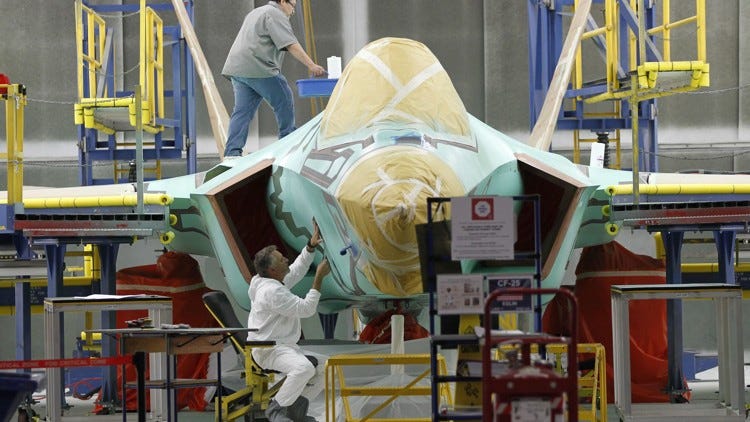
The aerospace industry has been a pioneer in adopting titanium fasteners due to their exceptional strength-to-weight ratio and corrosion resistance. In the development of the Boeing 787 Dreamliner, titanium bolts were extensively utilized to reduce the aircraft's weight while maintaining structural integrity. This not only led to improved fuel efficiency but also enhanced the overall performance and durability of the aircraft. The Dreamliner's success serves as a prime example of how titanium bolts can revolutionize aerospace engineering.
2. Marine Marvels in Offshore Engineering:
Offshore oil and gas platforms endure some of the harshest environmental conditions, including saltwater exposure and extreme weather. In the construction of these colossal structures, the use of titanium bolts has become commonplace. A case in point is the Troll A platform off the coast of Norway, one of the largest offshore gas platforms in the world. Titanium bolts played a pivotal role in ensuring the longevity and corrosion resistance of this engineering marvel, contributing to its decades-long operational success.
3. Medical Marvels with Titanium Implants:
The medical field has harnessed titanium's biocompatibility and corrosion resistance in the development of life-saving devices and implants. In the case of orthopedic implants, such as hip and knee replacements, titanium bolts are used to secure components, ensuring stability and compatibility with the human body. These implants have transformed the lives of countless patients, enabling them to regain mobility and quality of life.
4. Automotive Advancements for Performance:
In high-performance automotive engineering, every ounce of weight reduction can translate into enhanced speed and agility. The automotive industry has turned to titanium bolts to achieve these goals. For example, the Bugatti Veyron, one of the world's fastest production cars, employed titanium bolts in critical components to reduce weight and improve aerodynamics. The use of titanium contributed to the Veyron's unprecedented speed and handling capabilities.
5. Cutting-Edge Robotics and Automation:
In the realm of robotics and automation, precision and reliability are paramount. Titanium bolts have found their way into the construction of advanced robotic systems, where their lightweight yet robust nature ensures precise movements and extended service life. These robots play pivotal roles in industries ranging from manufacturing to healthcare, where precision is essential.
These case studies exemplify the versatility and impact of titanium bolts in various engineering domains, including aerospace, offshore, medical, automotive, and robotics. They underscore how the unique properties of titanium contribute to the success of complex and demanding projects, paving the way for innovation and progress in engineering.
Where to Buy High-Quality Titanium Bolts
Sourcing high-quality titanium bolts is a crucial step in ensuring the success and reliability of your engineering project. The market offers various options for obtaining titanium bolts, but it's essential to choose a reputable supplier to guarantee the authenticity, quality, and compliance of the fasteners. Here are some avenues to consider when seeking reliable sources for titanium bolts:
-
Specialized Fastener Suppliers: Companies specializing in fasteners often have a wide range of titanium bolts available, catering to different industries and applications. These suppliers are well-versed in the specific requirements of titanium fasteners and can provide expert guidance.
-
Industrial Suppliers: Industrial supply companies that offer a comprehensive range of materials and components may also carry titanium bolts. Ensure that the supplier has experience with titanium and can provide relevant certifications.
-
Online Marketplaces: Online platforms like Alibaba, Amazon, or eBay may have listings for titanium bolts. However, exercise caution when purchasing from these sources, as quality and authenticity can vary widely. Verify the seller's reputation and product certifications.
-
Manufacturer Direct: Contacting titanium bolt manufacturers directly is a reliable way to ensure product authenticity and quality. Many manufacturers offer customization options to meet specific project requirements.
-
Local Distributors: Check with local distributors or hardware stores that specialize in construction, automotive, or industrial materials. They may carry titanium bolts or have access to reliable suppliers.
-
Trade Shows and Exhibitions: Attend industry-specific trade shows and exhibitions where you can connect with reputable suppliers and manufacturers of titanium bolts. These events often provide opportunities for hands-on product evaluation and networking.
When selecting a supplier, consider the following criteria:
-
Quality Assurance: Ensure that the supplier adheres to stringent quality control standards and can provide certifications for their titanium bolts, including material composition, strength, and corrosion resistance.
-
Reputation and Reviews: Research the supplier's reputation by reading customer reviews and seeking recommendations from industry peers. A well-established and reputable supplier is more likely to provide quality products and reliable customer service.
-
Customization: If your project requires customized titanium bolts with specific dimensions or features, inquire whether the supplier offers customization services.
-
Lead Times: Consider the lead times for the delivery of titanium bolts. Timely availability of fasteners is essential to project planning and execution.
-
Pricing: Compare pricing from different suppliers, but prioritize quality and reliability over cost. High-quality titanium bolts may come at a premium, but the long-term benefits often outweigh the initial investment.
-
Customer Support: Evaluate the supplier's customer support and responsiveness. A supplier that can provide technical guidance and assistance can be invaluable, especially for complex projects.
In conclusion, selecting a reputable source for high-quality titanium bolts is critical to the success of engineering projects. By conducting thorough research, verifying certifications, and considering factors such as customization and customer support, you can make an informed choice that ensures the reliability and performance of your project.
.jpg)
Cost Considerations of Using Titanium Bolts
While the advantages of using titanium bolts in engineering projects are undeniable, it's essential to address the cost considerations associated with this premium material. Titanium is known for its remarkable properties, including strength, corrosion resistance, and low density, but these attributes come at a price. To harness the power of titanium bolts for engineering success, project managers and engineers must carefully evaluate and manage the cost aspects.
-
Material Cost: The primary cost consideration when using titanium bolts is the material cost. Titanium is more expensive than traditional materials like steel or aluminum. However, the specific grade of titanium and the size and quantity of bolts required will impact the overall material cost. Engineers should work closely with suppliers to optimize material choices and quantities without compromising safety or performance.
-
Labor Cost: Labor costs are a significant component of any engineering project. When working with titanium bolts, the installation process may require additional care and time compared to steel bolts. This can affect labor costs, including wages for skilled personnel and the duration of the project. Proper training and efficient installation techniques can help mitigate these costs.
-
Tools and Equipment: The use of titanium bolts may necessitate specialized tools and equipment, such as torque wrenches calibrated for titanium fasteners and anti-seize lubricants for proper installation. These tools may represent an initial investment but are essential for achieving reliable connections.
-
Maintenance Costs: While titanium bolts are known for their corrosion resistance, periodic maintenance is still required to ensure their long-term performance. Maintenance costs may include inspections, re-torquing, and potential replacements in cases of wear or damage. These costs should be factored into the project's lifecycle budget.
-
Project Scale: The scale of the engineering project will influence the overall cost impact of using titanium bolts. Smaller projects may have a relatively lower cost differential compared to larger, more complex endeavors. It's important to assess the potential benefits and savings that titanium bolts can offer in the context of the project's overall budget.
-
Cost-Benefit Analysis: Conducting a cost-benefit analysis is essential to evaluate whether the advantages of using titanium bolts justify the additional expenses. Consider factors such as improved performance, durability, and potential long-term savings in maintenance and replacement costs. This analysis can help project managers make informed decisions.
-
Alternative Materials: In some cases, it may be possible to use a combination of materials, incorporating titanium where its properties are most critical and using more cost-effective materials for less demanding applications. This approach can help optimize costs while still benefiting from titanium's advantages.
-
Supplier Selection: Choosing a reputable supplier with competitive pricing can make a significant difference in the overall cost of titanium bolts. Request quotes from multiple suppliers and consider long-term relationships that may offer cost efficiencies.
-
Budget Allocation: Allocate a portion of the project budget specifically for the procurement and installation of titanium bolts. Having a clear budget for these components ensures that costs are managed effectively throughout the project's lifecycle.
In conclusion, while titanium bolts offer numerous advantages in terms of strength, corrosion resistance, and performance, they come with associated costs that must be carefully managed. Project managers and engineers should conduct a thorough cost analysis, consider alternative materials, and prioritize proper training and maintenance to harness the power of titanium bolts while staying within budgetary constraints.
Conclusion: Harnessing the Power of Titanium Bolts for Engineering Success
In the ever-evolving world of engineering, the choice of materials and components can significantly impact project outcomes. Titanium bolts have emerged as a formidable choice, offering a myriad of advantages that enhance the performance, durability, and reliability of engineering projects across diverse industries.
The advantages of titanium bolts, including their exceptional strength-to-weight ratio, corrosion resistance, biocompatibility, and high-temperature tolerance, empower engineers to push the boundaries of innovation. From aerospace advancements that improve fuel efficiency to offshore structures that withstand the harshest conditions, titanium bolts play a pivotal role in shaping the future of engineering.
Understanding the properties and characteristics of titanium bolts is essential for making informed decisions, ensuring compatibility, and optimizing project performance. These bolts come in various types, each tailored to specific applications, allowing engineers to fine-tune their designs for maximum efficiency and safety.
When choosing titanium bolts, careful consideration of factors such as load requirements, environmental conditions, thread type, and installation methods is critical. Proper installation and maintenance are equally important to ensure the bolts' longevity and reliability in the face of challenging conditions.
Real-world case studies highlight the pivotal role that titanium bolts have played in achieving engineering success, from aerospace advancements to offshore marvels and medical breakthroughs. These examples underscore the versatility and impact of titanium in driving innovation and progress.
Finding high-quality titanium bolts from reputable sources is paramount to project success. While the cost of titanium can be higher than traditional materials, a well-planned cost-benefit analysis, supplier selection, and budget allocation can help manage expenses while reaping the benefits of titanium's unique properties.
In conclusion, titanium bolts represent a powerful tool in the toolkit of engineers and project managers. By harnessing their advantages, understanding their properties, and making informed decisions, engineering projects can reach new heights of performance, durability, and reliability, shaping a future where titanium bolts are synonymous with success in the world of engineering.
FAQ 1: What Are the Key Advantages of YICHOU's Titanium Bolts in Engineering Projects?
Keywords: YICHOU titanium bolts, engineering project advantages
YICHOU's titanium bolts offer a range of advantages that can significantly elevate the success of your engineering projects. Our bolts, known for their exceptional strength-to-weight ratio, provide enhanced performance while minimizing the weight of your structures. This quality is particularly advantageous in industries such as aerospace and automotive, where lightweight components are essential for fuel efficiency and performance.
In addition, YICHOU's titanium bolts exhibit remarkable corrosion resistance, making them the ideal choice for projects exposed to harsh environmental conditions. Unlike traditional steel bolts, our titanium bolts remain rust-free, ensuring the longevity of your connections and reducing maintenance requirements.
Furthermore, we understand the importance of biocompatibility in certain engineering projects. YICHOU's titanium bolts are designed to be compatible with the human body, making them suitable for applications involving human interaction or proximity, such as sports equipment or transportation design.
Our bolts also excel in high-temperature environments, ensuring structural integrity even in extreme conditions. Whether it's aerospace, automotive, or industrial applications, YICHOU's titanium bolts rise to the challenge.
Explore how YICHOU's titanium bolts can benefit your specific engineering project by contacting us today.
FAQ 2: What Sets YICHOU's Titanium Bolts Apart in Terms of Properties and Characteristics?
Keywords: YICHOU titanium bolts, unique properties, corrosion resistance, biocompatibility
YICHOU's titanium bolts are renowned for their exceptional properties and characteristics that set them apart in the engineering industry. Our bolts boast an outstanding strength-to-weight ratio, thanks to the low density of titanium. This property is essential for applications where reducing weight without compromising structural integrity is crucial, such as in aerospace and automotive projects.
Corrosion resistance is another hallmark of YICHOU's titanium bolts. They form a protective oxide layer on their surface, preventing further corrosion even in challenging environments. This corrosion resistance makes them a top choice for marine, offshore, and chemical processing applications.
In projects involving human interaction or proximity, such as sports equipment or transportation design, YICHOU's titanium bolts shine due to their biocompatibility. They ensure safety and compatibility with the human body, making them a trusted option.
Furthermore, our bolts excel in high-temperature environments, maintaining structural integrity under extreme conditions. This quality is invaluable in industries like aerospace and industrial settings.
Choose YICHOU's titanium bolts for your engineering projects to leverage these exceptional properties and characteristics, ensuring top-notch performance and longevity.
FAQ 3: How Can YICHOU's Range of Titanium Bolts Be Tailored to Different Applications?
Keywords: YICHOU titanium bolt types, application versatility
YICHOU offers a diverse range of titanium bolt types, each tailored to specific applications, ensuring versatility and optimal performance. Here's a glimpse of our offerings:
-
Hex Head Bolts: YICHOU's hex head titanium bolts are versatile and ideal for various applications, from automotive to industrial machinery.
-
Socket Head Bolts: Our socket head bolts feature a sleek design, perfect for applications where a low-profile finish is desired, such as in aerospace.
-
Flange Bolts: YICHOU's flange bolts come with built-in washers, making them suitable for applications prone to vibration or movement, like automotive and construction.
-
Button Head Bolts: For applications where aesthetics and a smooth surface are important, consider YICHOU's button head bolts.
-
Shoulder Bolts: YICHOU's shoulder bolts allow for precise positioning and smooth movement in machinery and equipment.
-
Stud Bolts: Used to secure flanges in pipeline and pressure vessel applications, YICHOU's stud bolts are ideal for critical environments.
-
Eye Bolts: Our eye bolts are looped for lifting, rigging, and anchoring, making them suitable for marine and offshore use.
-
Anodized Bolts: YICHOU's anodized titanium bolts have enhanced surface properties, including corrosion resistance and aesthetics, making them perfect for architectural and decorative applications.
With YICHOU's wide selection of titanium bolt types, you can confidently choose the right fasteners to optimize the performance and reliability of your engineering project.
FAQ 4: What Factors Should I Consider When Selecting YICHOU's Titanium Bolts for My Project?
Keywords: YICHOU titanium bolts, selection factors, load requirements, environmental conditions
When selecting YICHOU's titanium bolts for your engineering project, consider several essential factors:
-
Load Requirements: Determine the maximum load and stress the bolts will experience to select the appropriate grade and size of YICHOU's titanium bolts.
-
Environmental Conditions: Take into account the project's environment, including temperature, moisture, and exposure to corrosive substances, as YICHOU's corrosion-resistant bolts are ideal for such conditions.
-
Thread Type and Size: Ensure that the thread type and size of YICHOU's bolts match the mating part, providing proper engagement without cross-threading.
-
Head Type: Consider the head type of the bolt, such as hex head, socket head, or flange bolts, based on the specific requirements of your application.
-
Bolt Grade: YICHOU offers various grades; choose one that balances corrosion resistance and strength according to your project's needs.
-
Installation Method: Proper installation is critical, so have the appropriate tools and equipment, follow recommended torque values, and pay attention to lubrication.
-
Standards and Regulations: Ensure compliance with industry standards and regulations, and consider certification and traceability requirements.
By carefully considering these factors, you can confidently select YICHOU's titanium bolts that align with your project's unique requirements.
FAQ 5: Where Can I Source YICHOU's High-Quality Titanium Bolts for My Engineering Projects?
Keywords: YICHOU titanium bolts, sourcing, reputable supplier
Sourcing high-quality YICHOU titanium bolts for your engineering projects is crucial for their success. You can find our products through various avenues:
-
Contact YICHOU Directly: Reach out to YICHOU, a reputable Chinese titanium bolts factory, directly to inquire about our products and discuss your specific project needs.
-
Specialized Fastener Suppliers: Companies specializing in fasteners often carry YICHOU's titanium bolts, ensuring expertise in the product and its applications.
-
Industrial Suppliers: Industrial supply companies that offer a wide range of materials and components may have access to YICHOU's bolts.
-
Online Marketplaces: Explore online platforms like Alibaba, Amazon, or eBay, but exercise caution and verify the seller's reputation and product certifications.
-
Local Distributors: Check with local distributors or hardware stores specializing in construction, automotive, or industrial materials.
Selecting a reputable supplier is essential. Ensure the supplier adheres to stringent quality control standards, has a good reputation, and can provide certifications for YICHOU's titanium bolts. With the right source, you can confidently procure high-quality bolts to enhance your engineering projects.
GET QUOTE
- Visit our website: https://www.nbyichou.com/
- Email us: [email protected]
- Call us/whatsapp: +86 13355741031
- Chat with us: Live chat support available on our website