In the constantly evolving world of product assembly, a revolutionary technique known as "snap fit" is gaining momentum. With its innovative design and user-friendly approach, snap fit is transforming the way products are put together. Gone are the days of complicated and time-consuming assembly processes; snap fit allows for quick and efficient construction. Snap fit involves the use of interlocking features that enable components to easily snap into place. This method eliminates the need for additional tools or fasteners, resulting in a hassle-free assembly experience. From electronics to furniture, snap fit is being embraced by a wide range of industries for its seamless integration and cost-effective nature. By incorporating snap fit technology into their products, manufacturers can streamline the assembly process and reduce production time, ultimately saving costs. In addition, the simplicity of snap fit ensures that end-users can easily assemble their purchased products, adding convenience and satisfaction to their experience. As the demand for efficiency and usability continues to grow, snap fit is becoming an essential aspect of product design. This groundbreaking technique is revolutionizing the way products are assembled, offering a game-changing solution for manufacturers and consumers alike.
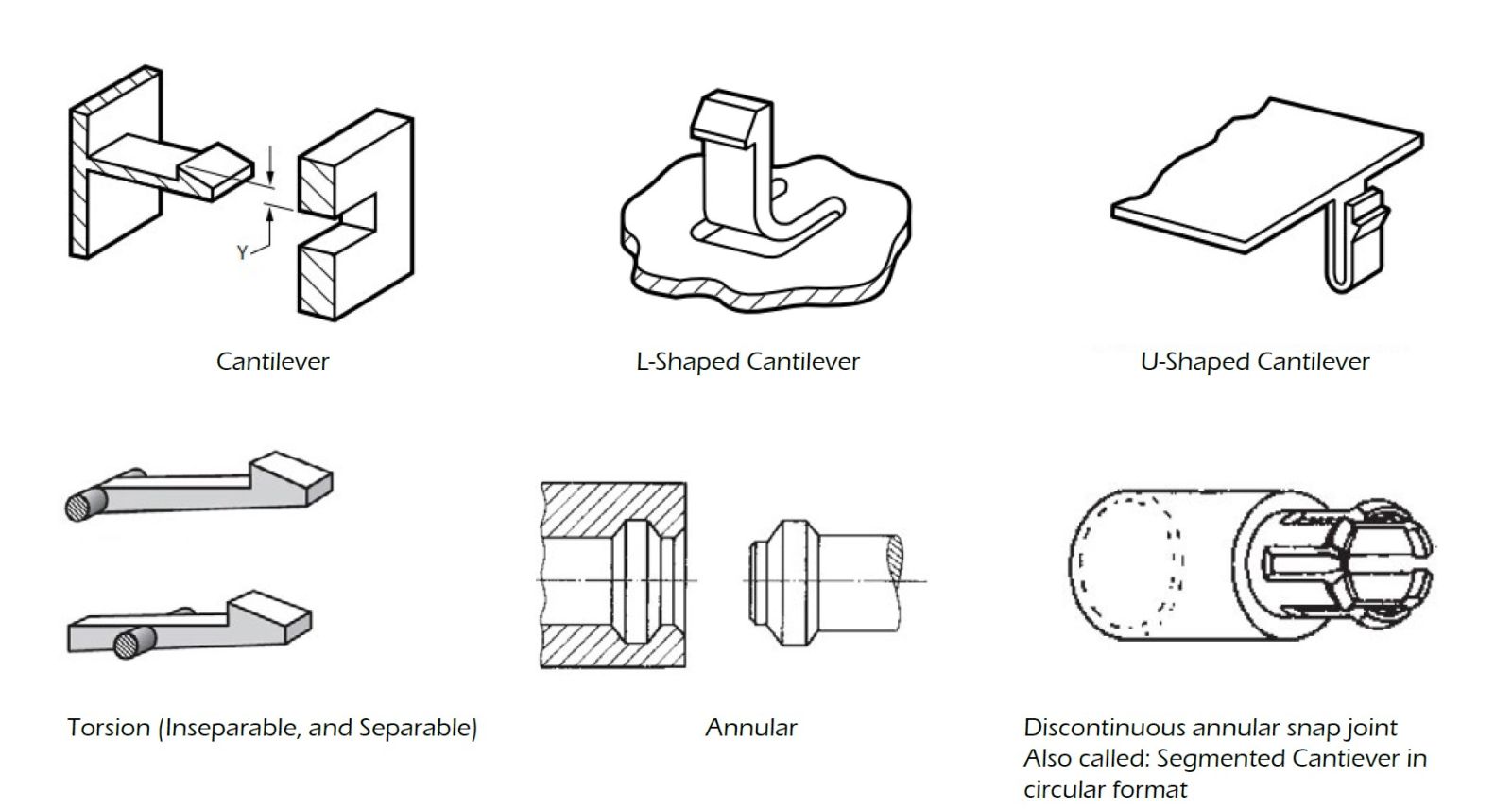
Advantages of Snap Fit in Product Assembly
Snap Fit technology offers a myriad of advantages that have revolutionized product assembly across various industries. One of its most prominent benefits is cost-efficiency. Traditional assembly methods often require intricate parts, adhesives, or complex machinery, all of which can be expensive to manufacture and maintain. In contrast, Snap Fit relies on simple, interlocking components that not only reduce material costs but also minimize the need for skilled labor during assembly.
Another critical advantage is the speed of assembly. Snap Fit allows for rapid and efficient joining of parts, significantly reducing production time. This quick turnaround can be especially advantageous in industries with high demand or tight schedules.
Moreover, Snap Fit enhances product reliability. The interlocking mechanism creates a robust connection, minimizing the risk of parts coming loose or failing prematurely. This reliability translates into increased customer satisfaction, as products are less likely to require repairs or replacements.
From a design perspective, Snap Fit also provides greater flexibility. Designers can create innovative and aesthetically pleasing products without being constrained by the limitations of traditional assembly methods. The ease of disassembly and reassembly further contributes to product versatility, making it easier for end-users to perform maintenance or upgrades.
In summary, Snap Fit technology offers cost-efficiency, speed, reliability, and design flexibility, making it a highly advantageous choice for product assembly.
Examples of Products that Use Snap Fit Technology
Snap Fit technology has found its way into a wide range of products across various industries. Its versatility and advantages have made it a popular choice for designers and manufacturers. Here are some notable examples:
-
Consumer Electronics: Many modern gadgets, such as smartphones, tablets, and laptops, utilize Snap Fit assembly for their casings and internal components. This not only streamlines production but also allows for sleek and compact designs.
-
Automotive Industry: Snap Fit is extensively used in automotive manufacturing for assembling interior and exterior components like dashboards, bumpers, and door panels. Its reliability ensures that these parts remain securely attached, even under challenging conditions.
-
Toys and Games: Snap Fit technology is a staple in the toy industry, enabling the creation of easily assembled toys like building blocks, action figures, and puzzles. Children and adults alike appreciate the simplicity and durability of these products.
-
Medical Devices: Precision and reliability are crucial in the medical field. Snap Fit is used in the assembly of various medical devices, including syringes, inhalers, and diagnostic equipment. Its secure connections help ensure the safety of patients.
-
Furniture: Snap Fit is increasingly being adopted in the furniture industry, making it simpler for consumers to assemble flat-pack furniture items like bookshelves, cabinets, and tables. This not only reduces shipping costs but also enhances user convenience.
These examples demonstrate the wide-ranging applications of Snap Fit technology and its adaptability to different product categories, emphasizing its relevance and efficiency in modern manufacturing.
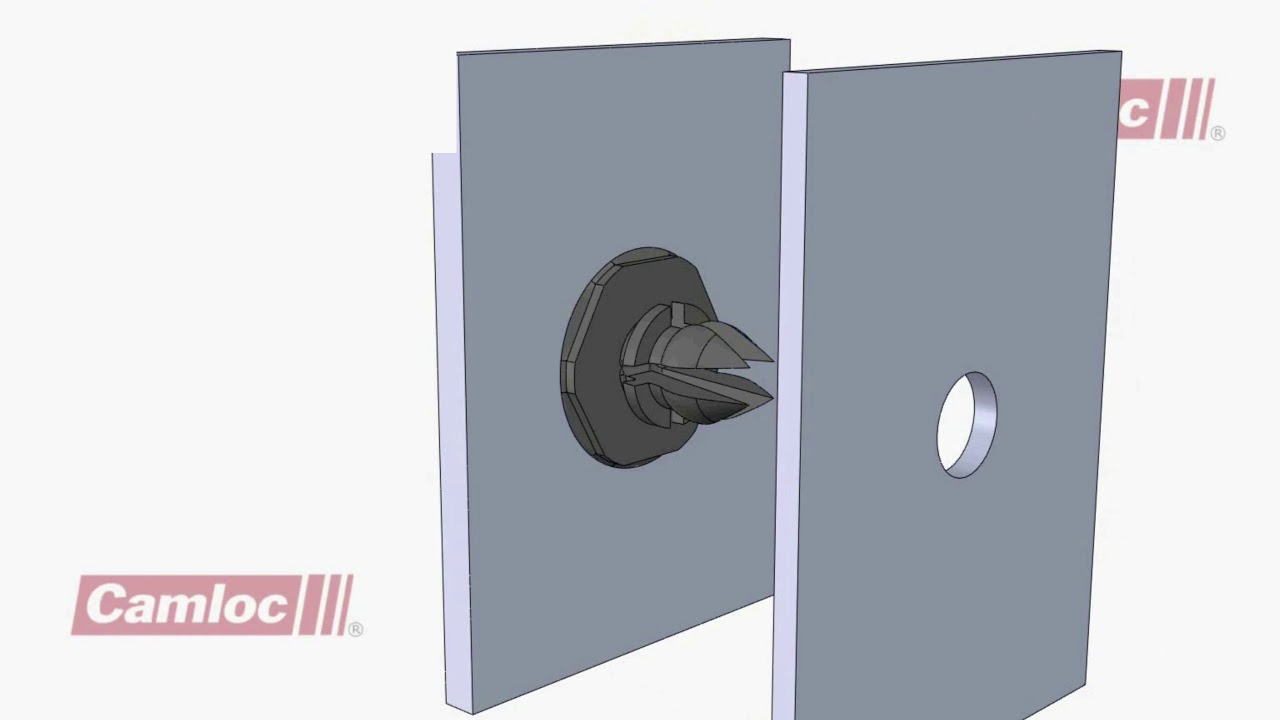
How Snap Fit Works
Understanding the mechanics of Snap Fit is essential for grasping its advantages and applications. At its core, Snap Fit relies on the principle of interlocking components. Here's how it works:
-
Designing Interlocking Features: Engineers and designers create specific features on the parts to be joined, such as tabs, hooks, or recesses. These features are designed to interlock securely when the parts are pressed or snapped together.
-
Material Properties: The choice of materials is crucial. The components must have the right combination of flexibility and strength to allow for easy assembly while maintaining a secure connection once joined.
-
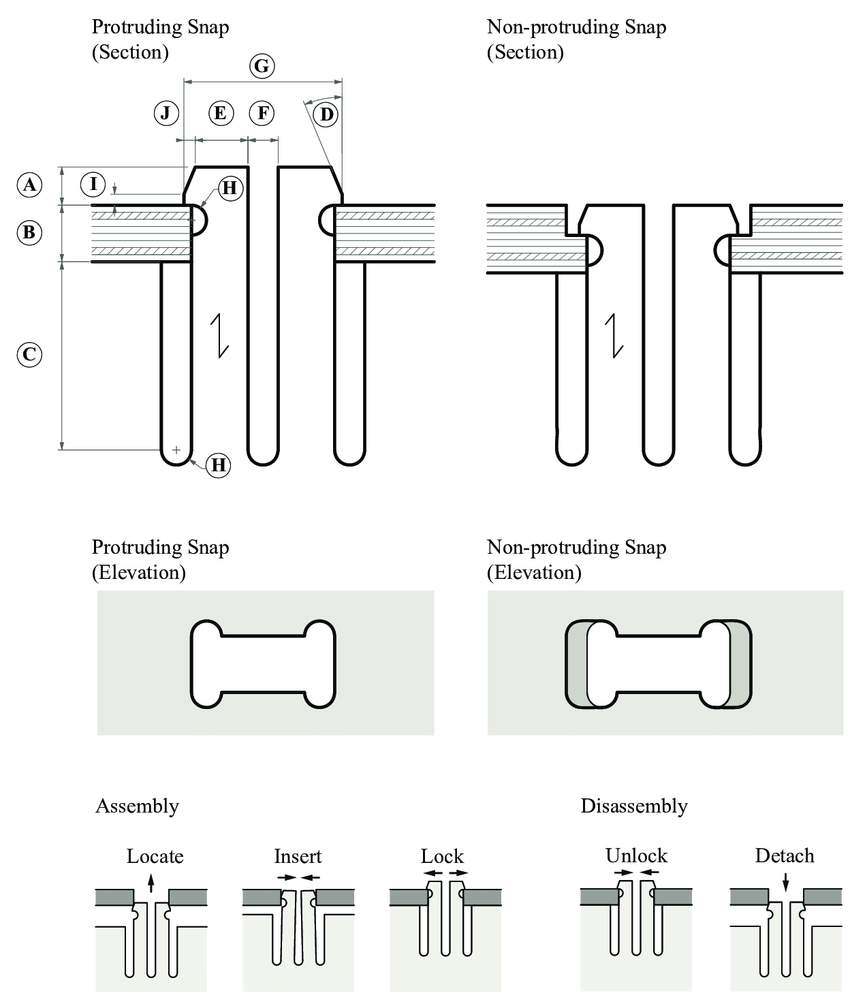
Assembly Process: During assembly, one component is typically designed to flex or deform slightly, allowing the interlocking features to slide into place. Once engaged, the components snap together, creating a strong and secure connection.
-
Retention: The interlocking features are designed to resist external forces, such as vibration or pulling, to ensure that the parts remain connected. This retention is a key factor in the reliability of Snap Fit assemblies.
-
Disassembly: Snap Fit also allows for easy disassembly, which can be advantageous for maintenance, repair, or recycling. This is achieved by designing the parts in a way that allows them to be separated without damage.
The simplicity and efficiency of the Snap Fit process make it a preferred choice for many manufacturers. Its success lies in the careful design of interlocking features and the selection of appropriate materials, ensuring that products are both easy to assemble and durable in everyday use.
Design Considerations for Snap Fit Assembly
Effective Snap Fit assembly requires careful consideration of design elements to ensure the best possible results. Here are some key factors that designers should keep in mind:
-
Tolerance and Clearance: Designers must determine the right amount of tolerance and clearance between mating parts. Too much clearance can result in a loose fit, while too little can make assembly difficult or impossible.
-
Material Selection: Choosing the appropriate materials is crucial. Materials should have the right balance of flexibility and strength to allow for easy assembly while maintaining a secure connection.
-
Interlocking Features: The design of interlocking features, such as tabs, hooks, or snaps, must be precise to ensure a secure fit. These features should engage smoothly during assembly and provide adequate retention.
-
Testing and Prototyping: Prototyping and testing are essential to validate the design. This helps identify any issues with fit, alignment, or durability early in the development process, saving time and resources.
-
Environmental Considerations: Designers should take into account the environment in which the product will be used. Factors such as temperature, humidity, and exposure to chemicals can affect the performance of Snap Fit assemblies.
-
Assembly Force: Consider the force required for assembly. While Snap Fit is designed to be efficient, excessive force can lead to part damage or operator fatigue.
-
Disassembly and Maintenance: If disassembly is necessary for maintenance or repair, ensure that the design allows for easy separation without causing damage to the components.
-
Aesthetics: Snap Fit technology also offers opportunities for enhancing product aesthetics. Designers can integrate interlocking features seamlessly into the overall design to create visually appealing products.
By carefully addressing these design considerations, manufacturers can optimize Snap Fit assembly processes, ensuring that products are not only easy to assemble but also reliable and long-lasting.
Common Challenges and Solutions in Snap Fit Assembly
While Snap Fit assembly offers numerous advantages, it also comes with its own set of challenges. Understanding these challenges and having solutions in place is crucial for successful implementation. Here are some common challenges and their corresponding solutions:
-
Tolerance Issues: Achieving the right amount of tolerance and clearance between mating parts can be tricky. Solution: Utilize computer-aided design (CAD) software and conduct iterative prototyping to fine-tune tolerances.
-
Material Compatibility: Ensuring that the selected materials work well together in terms of flexibility and strength can be challenging. Solution: Perform material compatibility testing to identify ideal material combinations.
-
Complex Geometry: In cases where products have intricate shapes or multiple interlocking features, designing Snap Fit assemblies can be complex. Solution: Leverage advanced CAD software and simulation tools to optimize complex geometries.
-
Wear and Tear: Over time, repeated assembly and disassembly can cause wear on the interlocking features. Solution: Use durable materials and consider designing replaceable components if wear is a concern.
-
Environmental Factors: Exposure to extreme temperatures, humidity, or chemicals can affect the performance of Snap Fit assemblies. Solution: Select materials that are suitable for the intended environment and conduct thorough testing.
-
Assembly Force: Excessive force required for assembly can lead to operator fatigue and potential damage to parts. Solution: Optimize the design to reduce the force required and provide clear assembly instructions.
-
Part Complexity: Some products may have a large number of parts, each with its own Snap Fit assembly. Managing part complexity can be challenging. Solution: Streamline the design by reducing the number of Snap Fit connections where possible.
-
Quality Control: Ensuring consistent and reliable Snap Fit assemblies in mass production can be a quality control challenge. Solution: Implement rigorous quality control processes and inspections at key stages of production.
By addressing these challenges and implementing appropriate solutions, manufacturers can harness the benefits of Snap Fit assembly while mitigating potential issues that may arise during production and use.
Snap Fit vs Traditional Assembly Methods
Comparing Snap Fit technology to traditional assembly methods highlights the advantages that have made Snap Fit increasingly popular in modern manufacturing:
-
Cost Efficiency: Traditional assembly methods often involve the use of adhesives, fasteners, or complex machinery. These can be costly in terms of materials, labor, and maintenance. In contrast, Snap Fit relies on simple, interlocking components that reduce material costs and minimize the need for specialized labor or machinery.
-
Speed of Assembly: Traditional methods can be time-consuming, especially when complex or delicate parts are involved. Snap Fit allows for rapid and efficient joining of parts, significantly reducing production time and increasing overall efficiency.
-
Reliability: Snap Fit creates a robust connection, minimizing the risk of parts coming loose or failing prematurely. Traditional methods may rely on adhesives or fasteners that can degrade over time, leading to product failures.
-
Design Flexibility: Snap Fit offers greater flexibility in product design. Designers are not constrained by the limitations of screws, bolts, or adhesives. This freedom allows for innovative and aesthetically pleasing product designs.
-
Ease of Disassembly: In traditional assembly methods, disassembly can be challenging and may result in damage to the components. Snap Fit, on the other hand, allows for easy disassembly and reassembly, which can be advantageous for maintenance, repair, or recycling.
-
Cost of Maintenance: Snap Fit's reliability and ease of disassembly can reduce the cost of maintenance and repairs. Traditional methods may require more extensive and costly maintenance procedures.
-
Environmental Impact: Snap Fit's efficiency in material usage and potential for easy disassembly aligns with sustainability goals. Traditional assembly methods may generate more waste and be less environmentally friendly.
-
User Experience: Products assembled with Snap Fit often provide a better user experience, as they are easier to assemble and disassemble. This can lead to increased customer satisfaction and loyalty.
Overall, while traditional assembly methods still have their place in manufacturing, Snap Fit technology offers compelling advantages that make it an attractive choice for many industries looking to streamline production, reduce costs, and improve product reliability.
Applications of Snap Fit Technology in Various Industries
Snap Fit technology's versatility extends its applications across a wide range of industries. Let's explore some specific use cases in different sectors:
-
Electronics Industry: In consumer electronics, Snap Fit is employed to assemble device casings, battery compartments, and internal components. This not only simplifies production but also allows for sleek and compact designs.
-
Automotive Manufacturing: Snap Fit is extensively used in the automotive industry for assembling interior and exterior components like dashboards, bumpers, and door panels. Its reliability ensures that these parts remain securely attached even under challenging conditions.
-
Toy Manufacturing: The toy industry relies heavily on Snap Fit technology to create easily assembled toys like building blocks, action figures, and puzzles. Children and adults appreciate the simplicity and durability of these products.
-
Medical Devices: Precision and reliability are crucial in the medical field. Snap Fit is used in the assembly of various medical devices, including syringes, inhalers, and diagnostic equipment. Its secure connections help ensure patient safety.
-
Furniture Production: Snap Fit is gaining popularity in the furniture industry, making it simpler for consumers to assemble flat-pack furniture items like bookshelves, cabinets, and tables. This not only reduces shipping costs but also enhances user convenience.
-
Aerospace: In aerospace manufacturing, Snap Fit technology is employed for securing interior components and access panels. Its reliability in extreme conditions is vital for ensuring the safety of aircraft.
-
Consumer Goods: Snap Fit finds applications in a wide range of consumer goods, such as kitchen appliances, sporting equipment, and gardening tools. Its efficiency and reliability enhance the user experience.
-
Packaging: Snap Fit is used in packaging solutions, allowing for easy opening and closing of containers while maintaining product freshness and integrity.
-
Construction: In construction, Snap Fit is used for assembling prefabricated building components, reducing construction time and costs.
-
Electrical and Plumbing: Snap Fit connectors are commonly used in electrical and plumbing systems, ensuring secure and reliable connections.
These diverse applications underscore the adaptability of Snap Fit technology, making it a valuable asset in modern manufacturing across numerous sectors.
Future Developments and Innovations in Snap Fit
As technology continues to advance, Snap Fit technology is expected to evolve and improve in several key areas:
-
Material Innovation: Researchers are working on developing new materials that offer even better flexibility, strength, and durability for Snap Fit applications. These materials may have enhanced resistance to environmental factors and wear and tear.
-
Smart Snap Fit: Integrating smart technologies into Snap Fit assemblies is an emerging trend. This could involve incorporating sensors or connectors that facilitate data exchange or enable easy integration into the Internet of Things (IoT).
-
3D Printing: 3D printing technology is increasingly being used to create intricate Snap Fit components with custom designs. This allows for highly tailored and efficient assemblies.
-
Advanced Simulation: Computer-aided design (CAD) and simulation tools are becoming more sophisticated, enabling designers to optimize Snap Fit assemblies for performance, reliability, and cost-effectiveness.
-
Sustainability: The drive towards sustainability is likely to lead to the development of eco-friendly Snap Fit materials and designs that reduce waste and energy consumption during manufacturing.
-
Miniaturization: As products continue to become smaller and more compact, Snap Fit technology will need to adapt to accommodate the assembly of increasingly intricate micro-components.
-
Biodegradable Snap Fit: The development of biodegradable materials for Snap Fit applications may find applications in eco-friendly packaging and disposable products.
-
Augmented Reality (AR) Assembly: AR technologies may be used to guide assembly workers in real-time, ensuring precision and reducing errors in Snap Fit assembly processes.
-
Robotics Integration: Automation and robotics are likely to play a more significant role in Snap Fit assembly, further enhancing efficiency and precision.
-
Customization: The ability to easily customize Snap Fit components for unique product designs will continue to be a focus for innovation.
These future developments and innovations in Snap Fit technology promise to further enhance its capabilities and expand its applicability across a wide range of industries, ensuring its continued relevance in modern manufacturing.
Conclusion: The Impact of Snap Fit on the Manufacturing Industry
Snap Fit technology has left an indelible mark on the manufacturing industry, offering a host of advantages that range from cost efficiency and speed of assembly to enhanced reliability and design flexibility. Its applications span numerous sectors, from consumer electronics and automotive manufacturing to toys, medical devices, and more.
As manufacturers continue to seek ways to streamline production, reduce costs, and improve product quality, Snap Fit remains a compelling choice. Its ability to create secure, efficient, and easily disassembled connections aligns with sustainability goals and enhances the user experience.
Looking ahead, the future of Snap Fit technology holds exciting possibilities, with ongoing developments in materials, smart integration, 3D printing, sustainability, and more. These innovations are poised to further elevate Snap Fit's role in modern manufacturing, ensuring its continued impact on the industry for years to come.
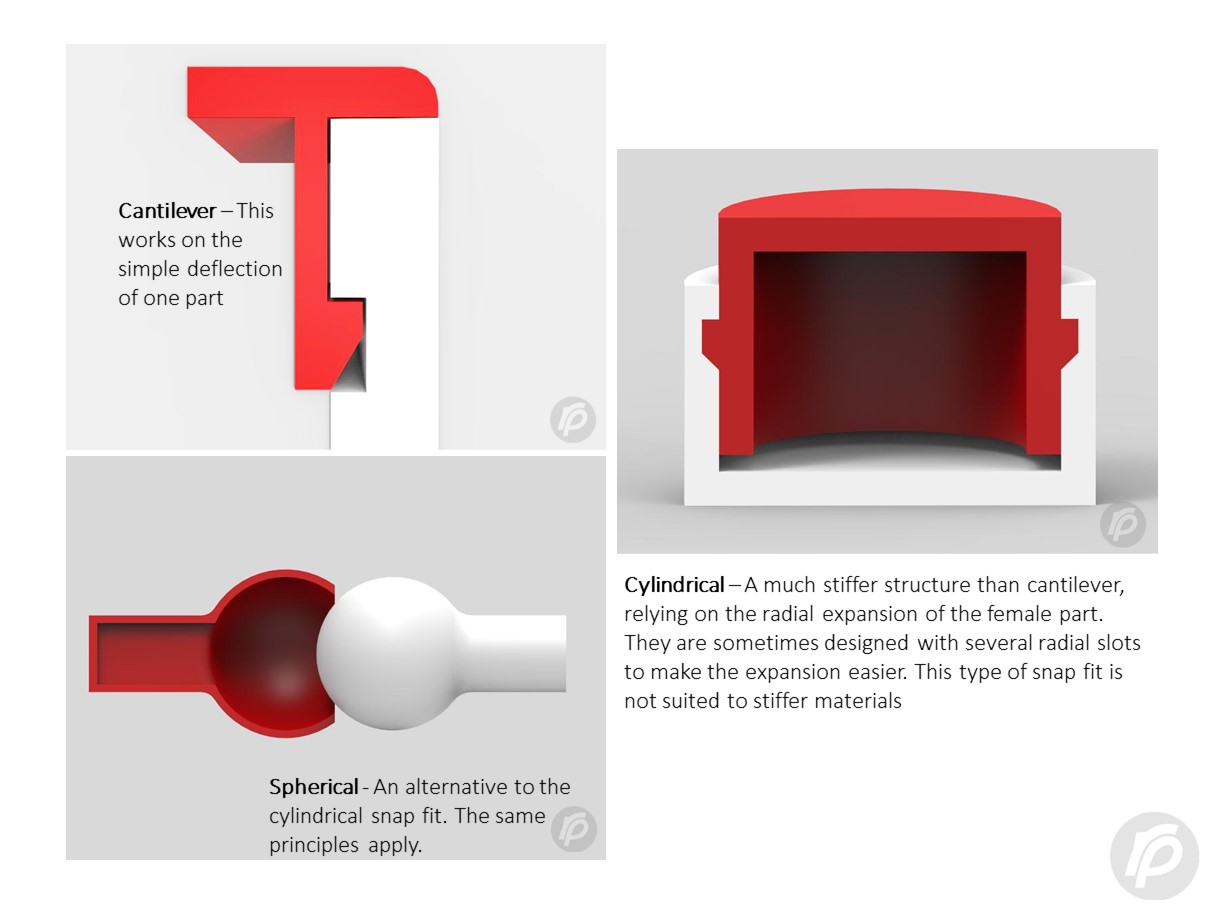
FAQ 1: What Are the Key Advantages of Using Snap Fit in Product Assembly?
Keywords: Snap Fit, product assembly, advantages, benefits, cost-efficiency, reliability, design flexibility, speed of assembly
Answer: Snap Fit technology offers several key advantages in product assembly. Firstly, it is highly cost-efficient as it reduces material costs and minimizes the need for specialized labor or machinery. This efficiency results in substantial cost savings for manufacturers. Additionally, Snap Fit enhances product reliability by creating robust connections, reducing the risk of parts coming loose or failing prematurely. This leads to increased customer satisfaction and fewer warranty claims. Moreover, Snap Fit allows for greater design flexibility, enabling the creation of innovative and aesthetically pleasing products. It also significantly speeds up the assembly process, reducing production time and meeting tight schedules. In summary, Snap Fit technology provides cost-efficiency, reliability, design flexibility, and speed of assembly, making it a top choice for manufacturers.
FAQ 2: Can You Provide Examples of Products that Utilize Snap Fit Technology?
Keywords: Snap Fit technology, product examples, consumer electronics, automotive, toys, medical devices, furniture
Answer: Certainly! Snap Fit technology is widely employed across various industries. Some notable examples include:
-
Consumer Electronics: Products like smartphones, tablets, and laptops use Snap Fit for casing assembly, allowing for sleek and compact designs.
-
Automotive Industry: Snap Fit is extensively used to assemble interior and exterior components in automobiles, ensuring reliability even under challenging conditions.
-
Toys and Games: Snap Fit is a staple in the toy industry, enabling the creation of easily assembled toys such as building blocks and action figures.
-
Medical Devices: Snap Fit is used in assembling medical equipment like syringes and diagnostic devices, ensuring patient safety.
-
Furniture Production: It simplifies the assembly of flat-pack furniture, reducing shipping costs and enhancing user convenience.
These examples showcase the versatility and adaptability of Snap Fit technology across different product categories.
FAQ 3: How Does Snap Fit Technology Work in Product Assembly?
Keywords: Snap Fit technology, assembly process, interlocking features, material properties, retention, disassembly
Answer: Snap Fit technology relies on the principle of interlocking components. The process involves:
-
Designing Interlocking Features: Engineers and designers create specific features on the parts to be joined, such as tabs, hooks, or recesses. These features are designed to interlock securely during assembly.
-
Material Properties: The choice of materials is crucial. Components must have the right balance of flexibility and strength to allow for easy assembly while maintaining a secure connection.
-
Assembly Process: During assembly, one component typically flexes or deforms slightly, allowing interlocking features to slide into place. Once engaged, the components snap together, creating a strong and secure connection.
-
Retention: Interlocking features are designed to resist external forces, ensuring parts remain connected under challenging conditions.
-
Disassembly: Snap Fit allows for easy disassembly and reassembly, which is advantageous for maintenance, repair, or recycling.
The simplicity and efficiency of this process make Snap Fit a preferred choice for many manufacturers.
FAQ 4: What Design Considerations Are Important for Effective Snap Fit Assembly?
Keywords: Snap Fit assembly, design considerations, tolerance, material selection, interlocking features, testing, environmental factors, aesthetics
Answer: Effective Snap Fit assembly hinges on careful design considerations. Here are key factors to keep in mind:
-
Tolerance and Clearance: Determine the right tolerance and clearance between mating parts to ensure a secure fit without being too loose or tight.
-
Material Selection: Choose materials with the right balance of flexibility and strength, considering environmental factors.
-
Interlocking Features: Precisely design interlocking features to ensure a secure fit that engages smoothly during assembly.
-
Testing and Prototyping: Prototype and test the design to identify issues early, ensuring optimal performance and durability.
-
Environmental Factors: Consider the product's intended environment, including temperature, humidity, and exposure to chemicals.
-
Assembly Force: Optimize the design to reduce the force required for assembly, enhancing user convenience and preventing damage.
-
Disassembly and Maintenance: Ensure the design allows for easy and damage-free disassembly for maintenance or repair.
-
Aesthetics: Integrate interlocking features seamlessly into the product design to enhance aesthetics.
Addressing these considerations will optimize Snap Fit assembly processes and result in reliable, efficient products.
FAQ 5: What Are the Common Challenges and Solutions in Snap Fit Assembly?
Keywords: Snap Fit assembly, challenges, solutions, tolerance issues, material compatibility, complex geometry, wear and tear, environmental factors
Answer: Common challenges in Snap Fit assembly include tolerance issues, material compatibility, complex geometry, wear and tear, and environmental factors. Solutions include using CAD software for precise design, performing material compatibility testing, leveraging advanced CAD tools for complex geometries, selecting durable materials, and conducting environmental testing. Additionally, addressing assembly force, part complexity, and quality control through optimization and inspection processes ensures successful Snap Fit assembly in mass production. By implementing these solutions, manufacturers can harness the benefits of Snap Fit while mitigating potential challenges.
GET QUOTE
- Visit our website: https://www.nbyichou.com/
- Email us: [email protected]
- Call us/whatsapp: +86 13355741031
- Chat with us: Live chat support available on our website