Finding the right machining vendor can be a challenging task, especially with so many options available in the market. You need a partner who not only meets your specific requirements but also delivers high-quality products within your budget and timeline. In this comprehensive guide, we will walk you through the process of choosing the perfect machining vendor for your needs, ensuring a successful and fruitful partnership. Whether you are a small business or a large corporation, this guide will provide you with valuable insights and practical tips on how to evaluate potential vendors, conduct thorough research, and make informed decisions. We will also delve into key factors to consider, including quality control measures, production capabilities, industry experience, and customer reviews. By the end of this guide, you will have a clear understanding of the criteria to assess and the questions to ask when selecting a machining vendor. Don't settle for less than the best. Let this guide empower you to find the right machining vendor who will meet your unique needs and contribute to your success.
.jpg)
Importance of Choosing the Right Machining Vendor
In the intricate world of manufacturing and production, the choice of a machining vendor is akin to selecting the conductor for an orchestra. The harmonious coordination of all elements is essential for producing a masterpiece. This analogy underscores the paramount importance of choosing the right machining vendor for your business. The vendor you select wields the power to influence not only the quality of your products but also your production efficiency, cost-effectiveness, and, ultimately, your bottom line. In this comprehensive exploration, we will delve deep into the multifaceted aspects of this decision-making process, offering novel insights to help you navigate the complex terrain of machining vendor selection.
The journey of selecting the ideal machining vendor is not a linear path; rather, it resembles a multifarious maze filled with various considerations, each more critical than the last. No two manufacturing projects are identical, and therefore, adopting a one-size-fits-all approach is a recipe for disaster. To embark on this journey with the highest chances of success, you must meticulously assess a plethora of factors. These encompass the type of machining processes required, the scope of your project, the constraints of your budget, and the urgency stipulated by your timeline. Additionally, a meticulous evaluation of the vendor's capabilities, experience, and standing within the industry is an absolute necessity. It's this amalgamation of factors that forms the bedrock of your vendor selection process, and we will leave no stone unturned in elucidating their nuances.
.jpg)
Factors to Consider When Choosing a Machining Vendor
As you stand on the precipice of selecting a machining vendor, it is imperative to recognize that the path ahead is not a straightforward one. Instead, it is a winding road paved with various factors that demand your attention and scrutiny. To embark on this journey of vendor selection with confidence and clarity, you must heed the following key factors:
1. The Nature of Machining Processes: First and foremost, you must discern the exact nature of the machining processes your project necessitates. Are you dealing with precision CNC machining, intricate 3D printing, or large-scale metal fabrication? Each of these processes requires specific expertise and equipment. Knowing your project's machining requirements is akin to having a compass that will guide you towards the right vendor.
2. Project Scope and Complexity: The scope and complexity of your project play a pivotal role in vendor selection. A small-scale, one-time order differs significantly from a long-term, high-volume contract. Consider the intricacy of your project, its potential for scalability, and whether your vendor can adapt to evolving needs.
3. Budget Constraints: Finances are a critical factor in any business decision, and selecting a machining vendor is no exception. Determine your budget constraints, but remember that prioritizing cost over quality may prove costly in the long run. Striking the right balance is key.
4. Timeline and Turnaround: Urgency is often a driving force in manufacturing. Discuss project timelines and turnaround expectations with potential vendors. Can they meet your deadlines without compromising quality? Timely delivery is often a competitive advantage.
5. Vendor's Capabilities and Experience: A vendor's capabilities and experience are pillars upon which you should base your decision. Don't just skim the surface; delve deep into their expertise. Inquire about their track record in handling projects similar to yours. What technology and machinery do they employ, and how do their qualifications align with your needs?
6. Industry Reputation: Reputation is currency in the business world. Research the vendor's standing within the industry. Do they have a history of delivering quality work on time? Are they known for their innovation and problem-solving capabilities?
.jpg)
Assessing Vendor Quality Control Measures
In the realm of machining, precision and consistency are paramount. Your products' reliability hinges on the quality control measures of your chosen vendor. The absence of stringent quality control processes can result in costly defects and delays. Hence, when evaluating potential machining vendors, it is imperative to cast a discerning eye on their quality control procedures.
1. Quality Control Systems: Inquire about the vendor's quality control systems and protocols. A reputable vendor should have a well-established quality control framework that encompasses every stage of the manufacturing process. This should include checks for dimensional accuracy, material integrity, and adherence to specifications.
2. Certifications: Certifications can be telling indicators of a vendor's commitment to quality standards. Look for certifications such as ISO 9001, which demonstrate a dedication to maintaining stringent quality control practices.
3. Inspection and Testing: Probe into the vendor's inspection and testing processes. Do they employ advanced equipment for measurements and inspections? Are they thorough in identifying and rectifying any anomalies?
4. Continuous Improvement: A vendor that embraces a culture of continuous improvement is more likely to deliver consistent and high-quality results. Inquire about their commitment to refining their processes and preventing defects.
5. Transparency and Reporting: Clear communication is vital in quality control. How does the vendor communicate issues or discrepancies? Are they transparent about any challenges encountered during the manufacturing process?
Quality control isn't merely a checkbox; it's the guardian of product integrity. Therefore, when selecting a machining vendor, prioritize those with a robust quality control infrastructure.
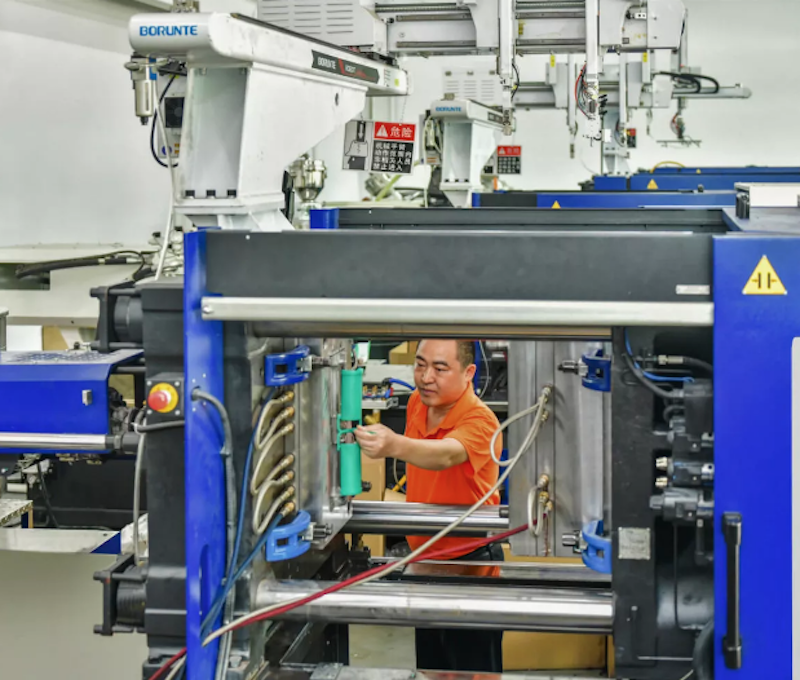
Comparing Pricing and Turnaround Time
In the vast landscape of vendor selection, pricing and turnaround time emerge as formidable peaks to conquer. However, scaling these summits requires more than a cursory glance; it demands a comprehensive understanding of their terrain.
1. Comprehensive Cost Analysis: Request detailed quotes from the vendors on your shortlist. These quotes should encompass all pertinent costs, including materials, labor, machining processes, and any additional services required. Be vigilant about hidden costs that might inflate your expenses.
2. The Balancing Act: While cost is undeniably a critical factor, it should not be the sole determinant. Cheaper options may cut corners on quality, leading to long-term setbacks. Consider the value proposition—a balance between cost and quality.
3. Total Cost of Ownership: Consider the total cost of ownership over the life of your partnership with the vendor. A vendor offering slightly lower pricing may incur higher costs in terms of defects, rework, and delays.
4. Negotiation and Flexibility: Don't shy away from negotiation. Some vendors may be willing to adjust their pricing or offer flexible payment terms, especially for long-term contracts.
5. Turnaround Expectations: Discuss your project's timeline and turnaround expectations explicitly. A vendor's ability to meet deadlines without compromising quality can be a significant differentiator.
Reviewing Customer Testimonials and Case Studies
In the realm of vendor selection, wisdom often lies in the experiences of those who have trod the path before you. Customer testimonials and case studies are invaluable resources that can shed light on a vendor's performance, reliability, and adaptability.
1. Testimonials: The Voice of Experience: Customer testimonials provide firsthand accounts of working with a vendor. Pay attention to what past clients have to say about their experiences, including the vendor's communication, problem-solving abilities, and overall satisfaction.
2. Case Studies: Real-World Scenarios: Case studies offer a deeper dive into specific projects the vendor has undertaken. They provide insights into how the vendor tackled challenges, adhered to timelines, and delivered on promises.
3. Ask for References: If possible, ask potential vendors for references you can contact directly. Speaking with previous clients can provide unfiltered insights into the vendor's strengths and weaknesses.
4. Look for Diverse Feedback: Consider feedback from a variety of clients, as it can offer a more comprehensive view of the vendor's performance. A vendor that consistently receives positive reviews across different industries and project types is a promising choice.
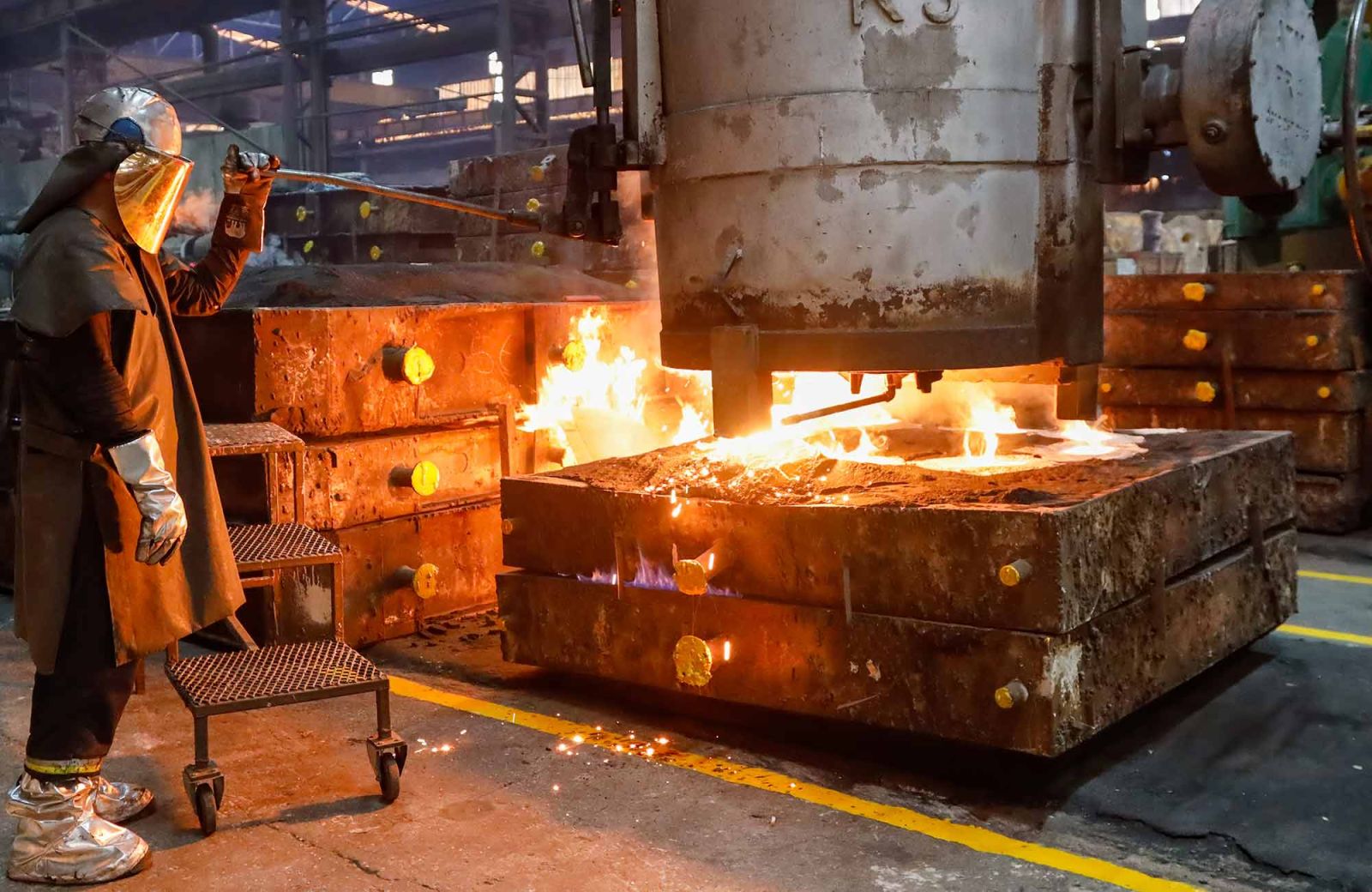
Conducting Site Visits and Interviews
In the pursuit of the ideal machining vendor, the journey may lead you to the physical doorstep of potential candidates. Site visits and interviews are opportunities for immersive exploration, allowing you to gain deeper insights into the inner workings of the vendor's operations.
1. The Site Visit Experience: A site visit provides a firsthand look at the vendor's facilities, equipment, and production processes. It allows you to assess the organization's overall efficiency and professionalism.
2. In-Person Interaction: Meeting with key personnel face-to-face can be illuminating. It provides an opportunity to ask specific questions, discuss your project in detail, and gauge the vendor's responsiveness and interpersonal skills.
3. Environmental and Safety Considerations: Assess the vendor's commitment to safety and environmental practices during your site visit. A vendor that prioritizes safety and sustainability aligns with modern business values.
4. Technical Expertise: During interviews, delve into the technical expertise of the vendor's team. Discuss their problem-solving approaches, innovation initiatives, and their ability to adapt to evolving project requirements.
5. Gauge Communication: Effective communication is the linchpin of successful collaborations. Assess how well the vendor communicates complex ideas and responds to your queries and concerns.
By immersing yourself in the vendor's world through site visits and interviews, you can unearth vital insights that transcend what can be gleaned from documents and conversations alone.
Making the Final Decision and Establishing a Partnership
After the exhaustive journey of research, assessments, and interviews, you now stand at the precipice of decision-making. It is this final step, the culmination of your efforts, that can have a profound and lasting impact on your business's trajectory. Let us navigate this decisive juncture together.
1. Weighing the Pros and Cons: Compile the data and insights gathered during your extensive research. Create a comprehensive list of pros and cons for each vendor under consideration. This visual aid can offer a clear overview of your options.
2. Aligning with Your Objectives: Assess how well each vendor aligns with your business objectives and project requirements. Prioritize those vendors that not only meet your needs but also demonstrate adaptability and a long-term perspective.
3. Cost-Benefit Analysis: Perform a cost-benefit analysis that takes into account not only the immediate costs but also the long-term implications of your choice. Factor in potential savings from improved efficiency and quality.
4. Stakeholder Input: Involve key stakeholders in the decision-making process. Their perspectives and insights can provide valuable input, especially if they have a vested interest in the project's success.
5. References and Due Diligence: Revisit customer testimonials, case studies, and references. Ensure that you are making an informed decision based on the experiences of others.
6. The Partnership Agreement: Once you've made your choice, it's time to formalize the partnership. Create a clear and comprehensive partnership agreement that outlines expectations, responsibilities, timelines, and communication channels. This document serves as a roadmap for the collaboration.
7. Open Lines of Communication: Maintain open and transparent communication with your selected vendor from the outset. Clearly convey your project requirements, expectations, and any changes that may arise. Effective communication fosters a strong working relationship.
In conclusion, the choice of a machining vendor is not merely a transaction; it is the establishment of a long-term partnership that can either propel your business to new heights or act as a stumbling block to progress. The importance of this decision cannot be overstated, and it is incumbent upon you to navigate this intricate landscape with wisdom and diligence. By meticulously considering your machining needs, evaluating vendor capabilities, scrutinizing quality control measures, balancing pricing and turnaround expectations, and drawing insights from customer testimonials and site visits, you equip yourself with the knowledge and confidence to make the right choice. Remember that the ideal machining vendor is not merely a supplier; they are your partner in precision, reliability, and progress.
FAQ 1: Why is Choosing the Right Machining Vendor So Important for YICHOU?
Keywords: Chinese parts manufacturing, YICHOU, machining vendor, importance.
Selecting the right machining vendor holds immense significance for YICHOU, a renowned Chinese parts manufacturing factory. Our reputation and the quality of the parts we produce are closely tied to the vendors we partner with. By choosing the ideal machining vendor, we ensure that our manufacturing processes are streamlined, cost-effective, and of the highest quality, which ultimately translates into delivering top-notch products to our clients.
FAQ 2: How Does YICHOU Assess Vendor Capabilities and Expertise?
Keywords: Chinese parts manufacturing, YICHOU, vendor capabilities, expertise, assessment.
At YICHOU, we take a meticulous approach to assess vendor capabilities and expertise. We initiate direct conversations with potential vendors, delving deep into their experience and technological prowess. Our team scrutinizes their track record in projects similar to ours, examining their equipment and qualifications. By doing so, we guarantee that our chosen vendors have the expertise needed to meet our stringent quality and precision requirements.
FAQ 3: What Role Does Quality Control Play at YICHOU?
Keywords: Chinese parts manufacturing, YICHOU, quality control.
Quality control is at the core of YICHOU's operations. Our reputation as a leading Chinese parts manufacturing factory is built upon delivering parts of unparalleled precision and reliability. Therefore, we implement robust quality control measures at every stage of our manufacturing process. We adhere to strict standards and certifications like ISO 9001, ensuring that each part leaving our factory is of the highest quality.
FAQ 4: How Does YICHOU Compare Pricing and Turnaround Time when Selecting Vendors?
Keywords: Chinese parts manufacturing, YICHOU, pricing, turnaround time, vendor selection.
When selecting vendors, YICHOU takes a comprehensive approach to pricing and turnaround time. While we recognize the importance of cost-effectiveness, we understand that quality and reliability are equally crucial. We engage in transparent discussions with vendors, evaluating not only the initial cost but also the long-term value. By balancing pricing considerations with the ability to meet our project timelines, we make informed decisions that align with our objectives.
FAQ 5: What Steps Does YICHOU Take to Establish Strong Vendor Partnerships?
Keywords: Chinese parts manufacturing, YICHOU, vendor partnerships.
At YICHOU, we believe that vendor partnerships are the bedrock of our success. We go beyond transactions to establish enduring relationships. Our process involves comprehensive research, weighing pros and cons, involving stakeholders, and formalizing partnerships through clear agreements. We maintain open lines of communication with our selected vendors to ensure that our partnerships remain dynamic, responsive, and built on mutual trust and respect.